

Free in-home measure and quote - PGT, CGI and CWS impact lines compared on your actual openings, style by style



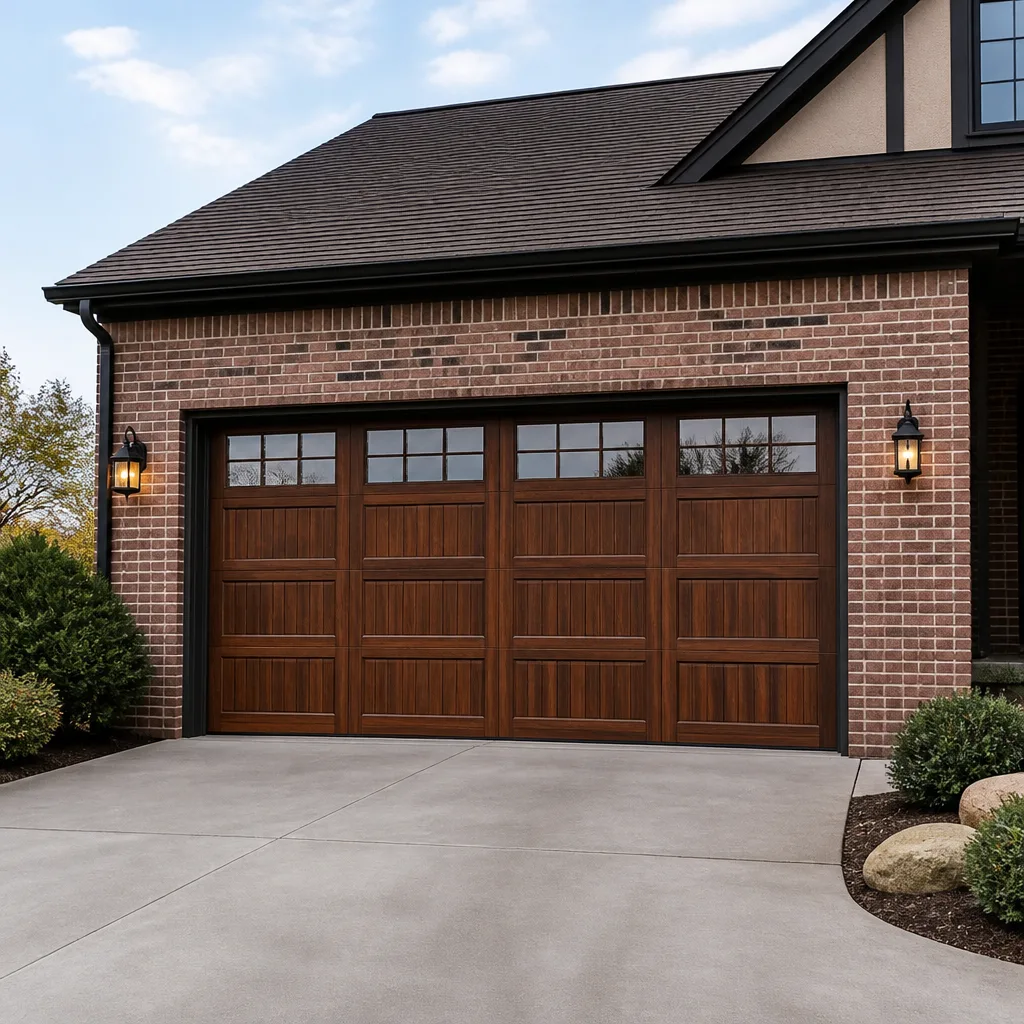


 Before
 After
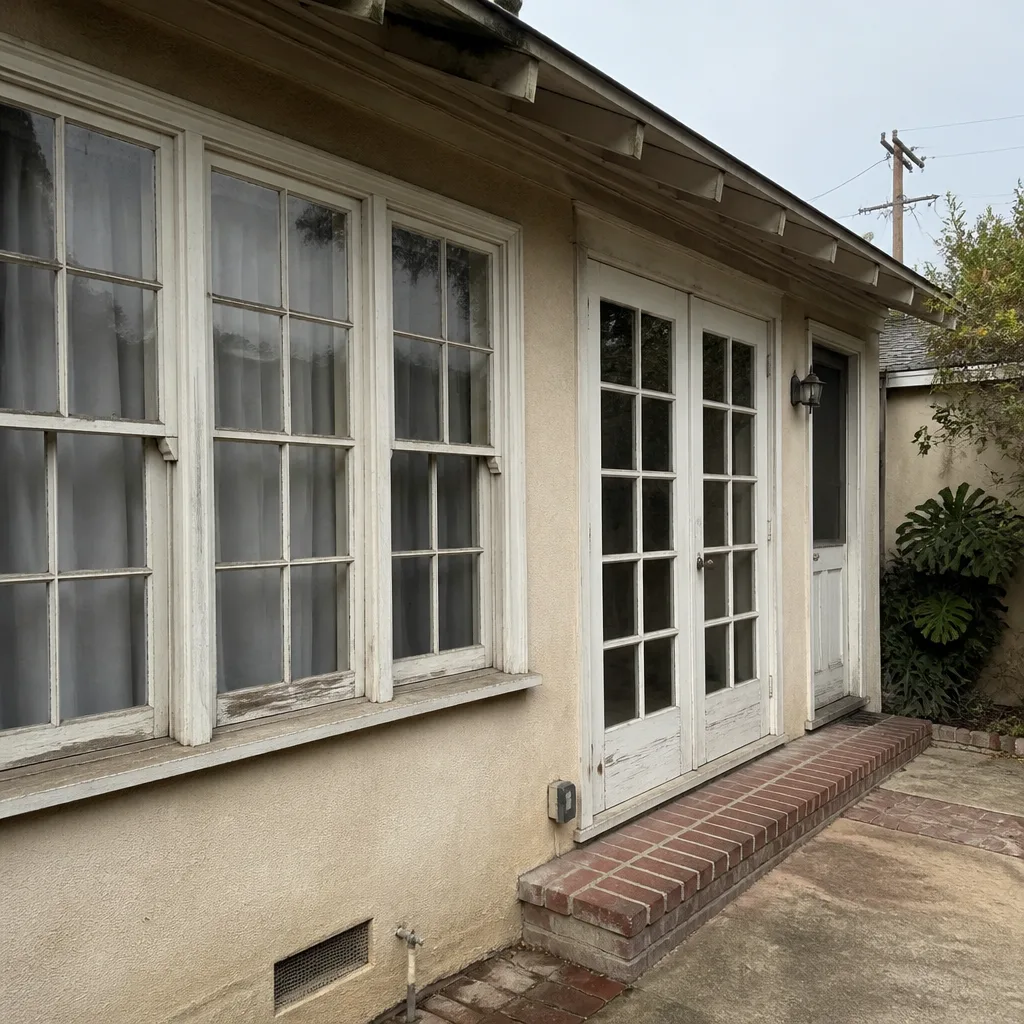
After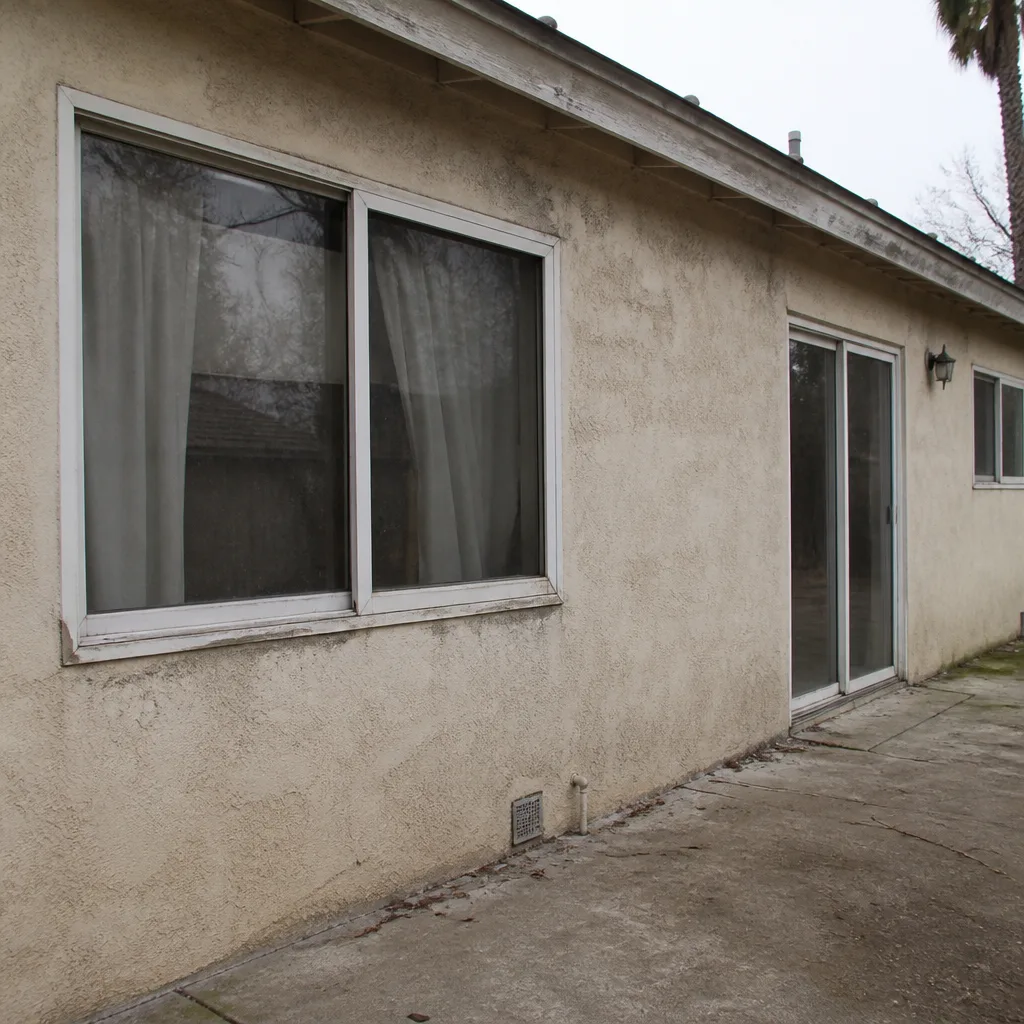 Before
 After
After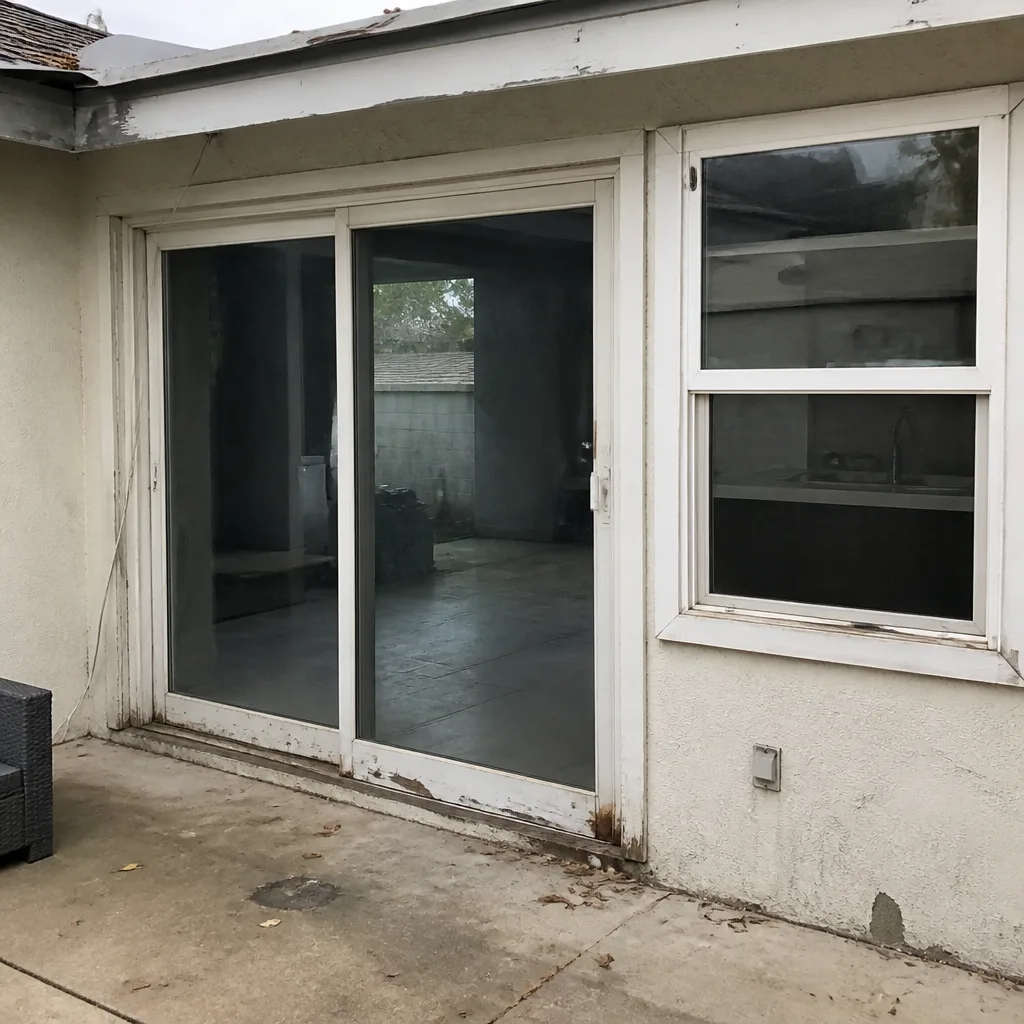 Before
 After
AfterFoggy or Condensation Between Panes
Fog or condensation trapped between the panes of a double- or triple-pane window almost always means the sealed unit has failed. The insulating gas (usually argon or krypton) has escaped, and outside air – carrying moisture – has moved in. That moisture condenses on the inner glass surfaces, and because it’s sealed inside the unit, wiping the glass does nothing.
This is different from condensation on the outside of the glass, which is normal and harmless. Interior-surface fog (the kind on the room-side pane, especially in winter) is also normal – it means the window is cold and your indoor humidity is high. But fog you can’t wipe away, sitting in the gap between two panes, is a failed seal. The glass unit itself needs to be replaced. The good news: in most cases the frame is fine, and your local Hale Windows & Doors team can replace just the insulated glass unit without touching the frame.
Why It Happens
1. The Seal Has Simply Worn Out With Age
Every insulated glass unit has a perimeter seal made of butyl rubber or silicone, and a desiccant strip inside the spacer bar that absorbs any trace moisture before the unit leaves the factory. After years of daily temperature swings – glass expanding in heat, contracting in cold – that seal fatigues and cracks at a molecular level. You’ll notice the fog appears first in the corners, which is where the seal stress concentrates. If the fogging is consistent and doesn’t shift as temperatures change, age-related seal failure is the most likely cause.
2. Physical Impact or Frame Distortion
A hard knock, a slammed frame, or settling that has racked the window opening can crack the seal at the point of stress. Look at the glass itself – if you see a faint hairline crack along one edge, or if the fogging is concentrated on one side rather than spread across the pane, impact or distortion is likely the culprit. Frames that have visibly twisted or no longer close square are a related sign.
3. A Failed Glazing Bead or Bad Original Install
If the unit was not set correctly in the frame – wrong size, wrong bite, or missing setting blocks – the glass sits unevenly in the rabbet and the seal never gets uniform support. Fogging on a relatively new window, or a window that has only been in the house a few years, points here. Check whether the glass looks slightly off-center in its frame, or whether the rubber gasket around the perimeter looks pinched on one side and loose on another.
4. Pressure Washing or Aggressive Cleaning
High-pressure water driven into the perimeter seal – from a pressure washer aimed at the glass, or even from heavy garden-hose use near old frames – can accelerate seal failure dramatically. If the fogging started shortly after a cleaning project or a heavy storm that drove rain sideways into the frames, this is worth mentioning to your technician. The fix is the same, but knowing the cause helps the tech check whether adjacent units are also compromised.
What to Do Right Now
- Photograph it before temperatures change. The fogging can come and go with temperature swings – fog appears when the glass cools and sometimes fades in midday heat. A photo taken right now documents what you’re seeing and helps your technician assess severity before they arrive.
- Check whether the fog is truly between the panes. Run your hand over the interior glass surface. If the surface feels dry and the haze won’t wipe off, it’s inside the unit. If it wipes away, that’s normal condensation on the glass face – a different (and far less serious) situation.
- Note which windows are affected and where on the glass the fog sits. One window with corner fogging is a single unit failure. Multiple windows fogging near the sill suggests a ventilation or humidity issue in the room that may be contributing. That context matters.
- Check the frame and sill for water staining or soft wood. If the seal has been failing long enough, moisture may have worked its way into the frame or interior trim. Press gently on the sill; soft or spongy material means water has penetrated and the scope of the repair may be larger than the glass unit alone.
- Don’t try to drill, inject, or “reseal” the unit yourself. Products marketed as fog-clearing sprays or DIY repair kits involve drilling through the glass and injecting drying agents – this does not restore the insulating performance of the unit, it just clears the haze temporarily. It also voids any remaining manufacturer warranty on the glass. Leave the glass as-is until a technician can assess it properly.
How We Fix It
When your local Hale Windows & Doors team arrives, the technician starts by measuring the existing unit and inspecting the frame for any damage that might have caused or been caused by the seal failure. In most cases, the frame is structurally sound and the fix is an insulated glass unit (IGU) replacement: the old unit comes out, the frame is cleaned and inspected, and a new factory-sealed unit – matched to your existing frame – goes in.
Depending on your window’s brand and configuration, your technician will match from the product lines Hale carries, including PGT, CGI, CWS, ES Windows, ECO Window Systems, Mr-Glass, and ViewLux. The right glass for your specific window matters – wrong thickness or wrong spacer width and you’re back to an early failure.
Before any work starts, you get a written price. That’s not a ballpark – it’s the actual number for your specific job, in writing, so the invoice matches. The work is covered by Hale’s 365-Day Done Right Promise: if it’s not right within a year, we make it right. This service falls under Hale’s Window Repair and Window Replacement offerings, depending on what the inspection reveals.
Frequently Asked Questions
A failed seal is not an emergency in the way a broken pane is, but it is actively costing you. Once the insulating gas is gone, that window is no longer doing its thermal job – it’s letting heat or cold through at roughly the same rate as a single pane of glass. The longer moisture sits inside the unit, the greater the chance it works into the spacer bar, the frame, or the interior trim, which turns a glass-only repair into a larger job. Getting a technician out sooner is the smarter move. Call (252) 675-6980 to schedule your free written estimate.
No. The fog is inside a sealed space between two panes of glass – no cleaning product applied to the surface can reach it. If wiping the glass makes the haze disappear, it was exterior condensation, not a seal failure. If the haze stays, the glass unit needs to be replaced. That’s the only fix that restores clarity and thermal performance.
Your local Hale Windows & Doors team will work to get a technician to you as soon as the schedule allows – call (252) 675-6980 and a live person will answer (no voicemail, no callback queue). They can tell you exactly what’s available in your area and get you a visit booked. IGU replacement is not a same-day emergency repair in the way that, say, a broken lock is, but it’s also not a months-long wait – most visits are scheduled and completed efficiently once parts are confirmed.
Usually just the glass unit. If the frame is square, undamaged, and holding its position in the rough opening, there’s no reason to replace it. Your technician will inspect the frame at the visit – if it’s fine, you’re looking at an IGU replacement, which is significantly less involved than a full window replacement. If the frame shows rot, distortion, or structural damage, a full replacement is the more durable solution, and your technician will explain exactly what they found and why before any price is agreed to.
Get It Fixed
Fog between the panes won’t clear on its own. Call (252) 675-6980 – a live person answers around the clock – or book online, and your local Hale Windows & Doors team will schedule a visit, inspect the unit, and put the exact price in writing before any work starts.
Written by Spencer Odell, Owner at Hale Windows & Doors, part of the Threshold Group family of home-service brands, founded in 2009.
What Our Customers Say
"Honest quote with the glass type and U-factor spelled out. Didn't need the triple pane and he told me so."
- Diane O."Fogged double pane in the living room. They replaced the glass units only, not the whole frame, and saved me a lot."
- Raul C."One sash would not stay up. He rebuilt the balance and now it slides like new."
- Yvonne T.