Free in-home measure and quote - PGT, CGI and CWS impact lines compared on your actual openings, style by style
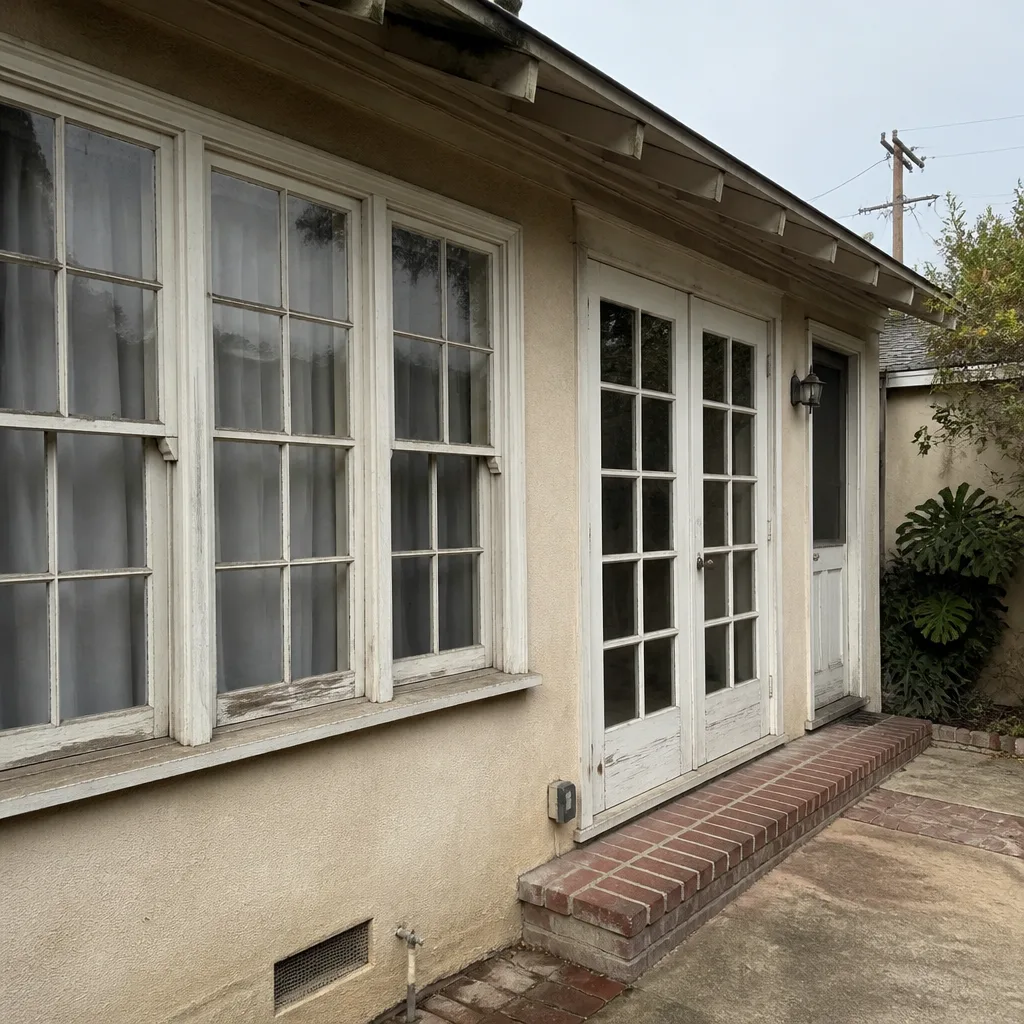 Before
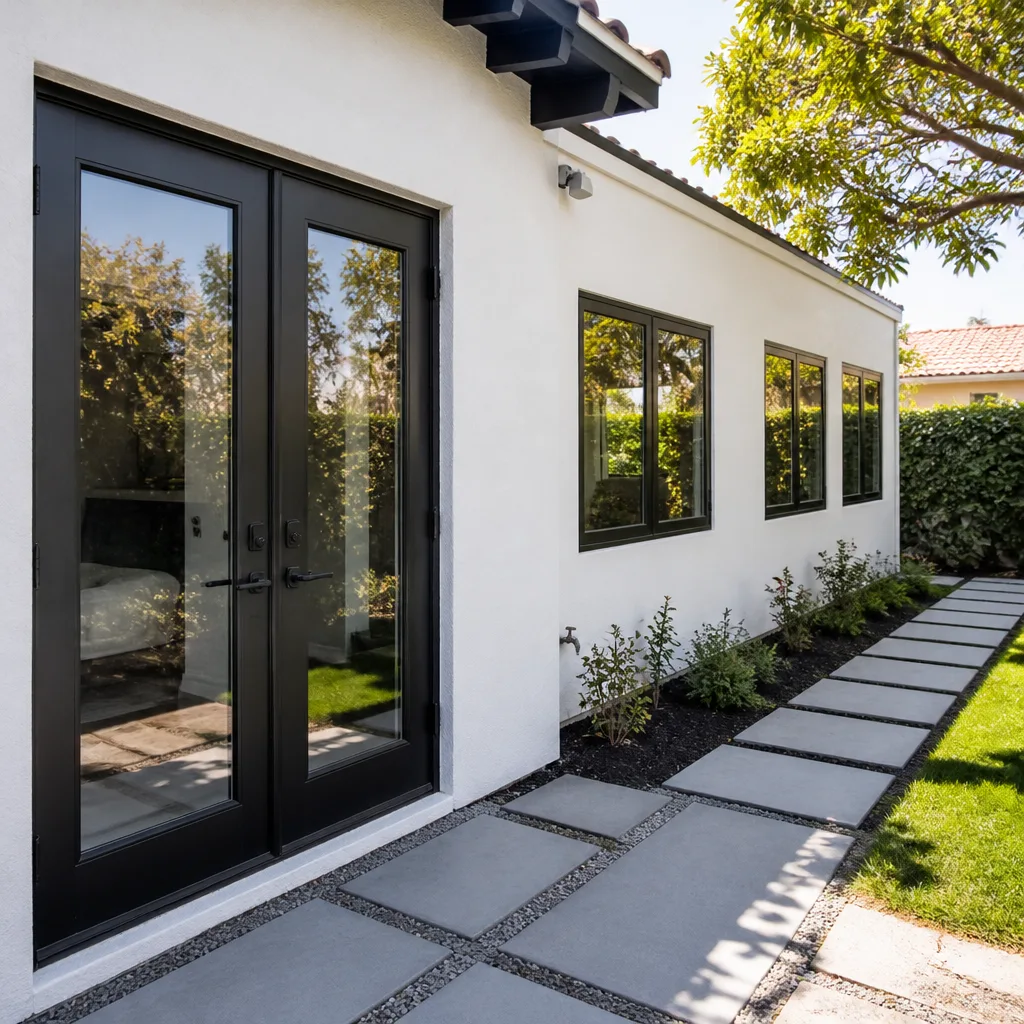 After
After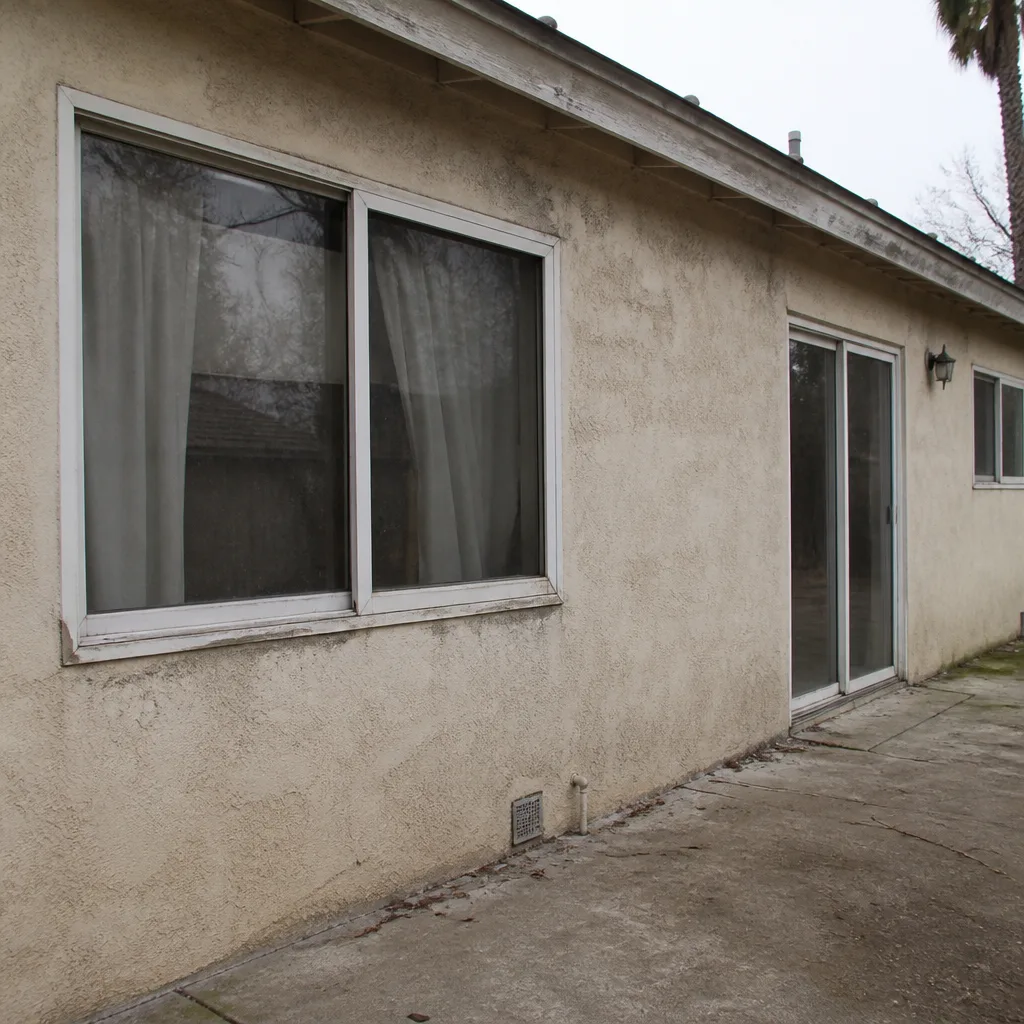 Before
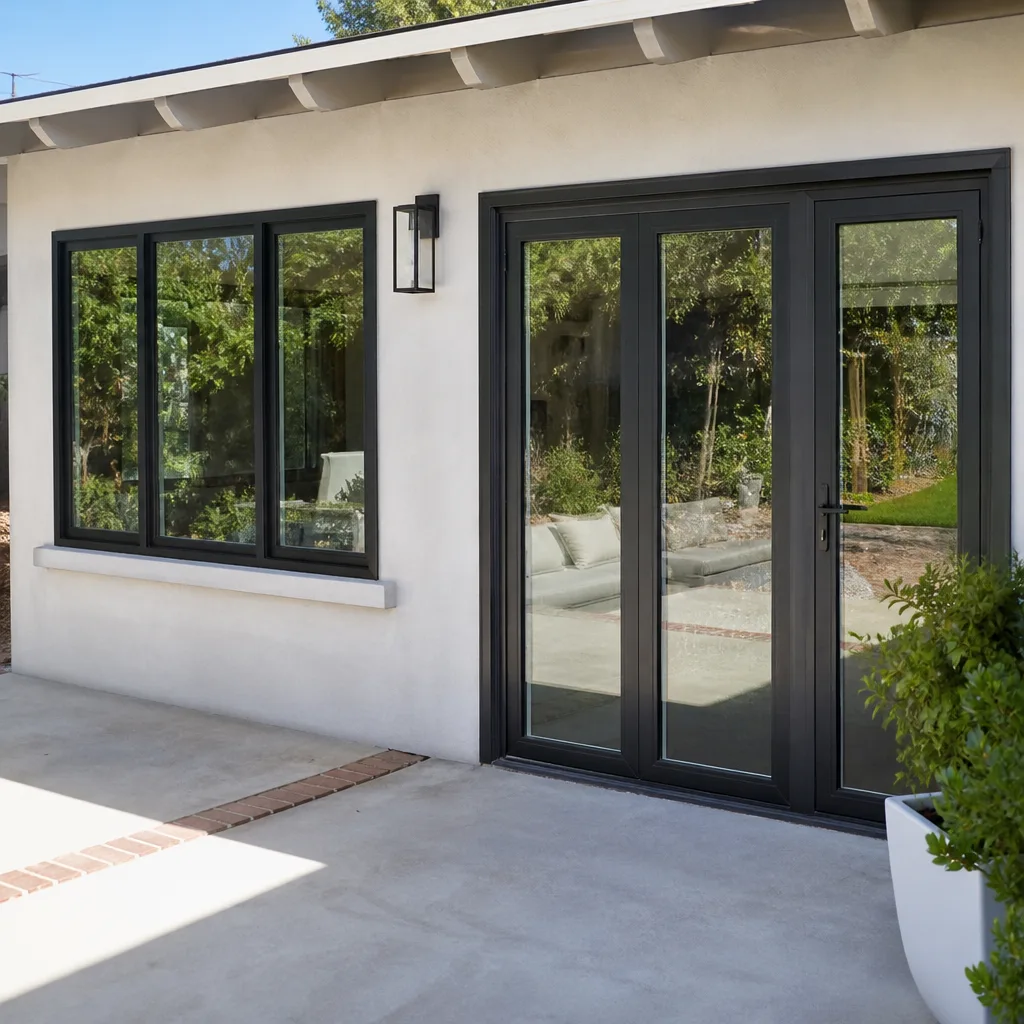 After
After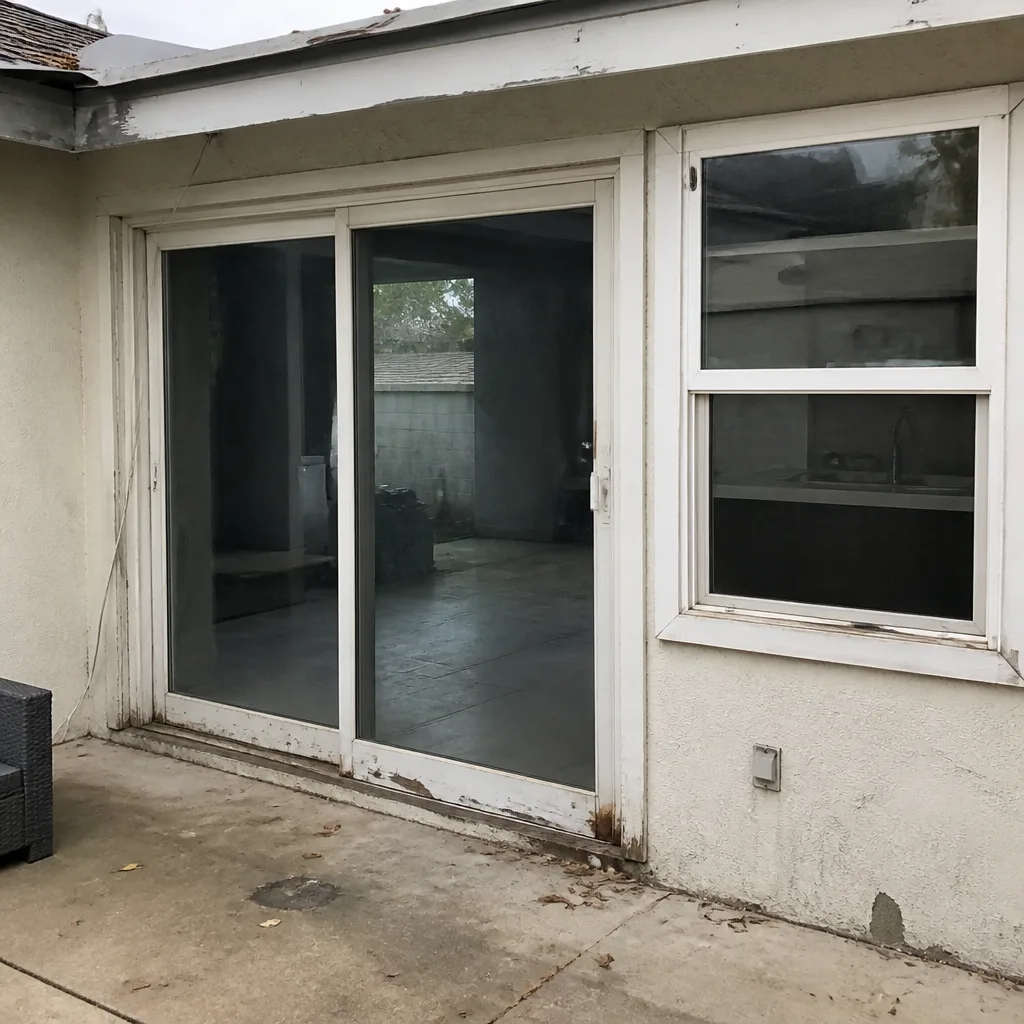 Before
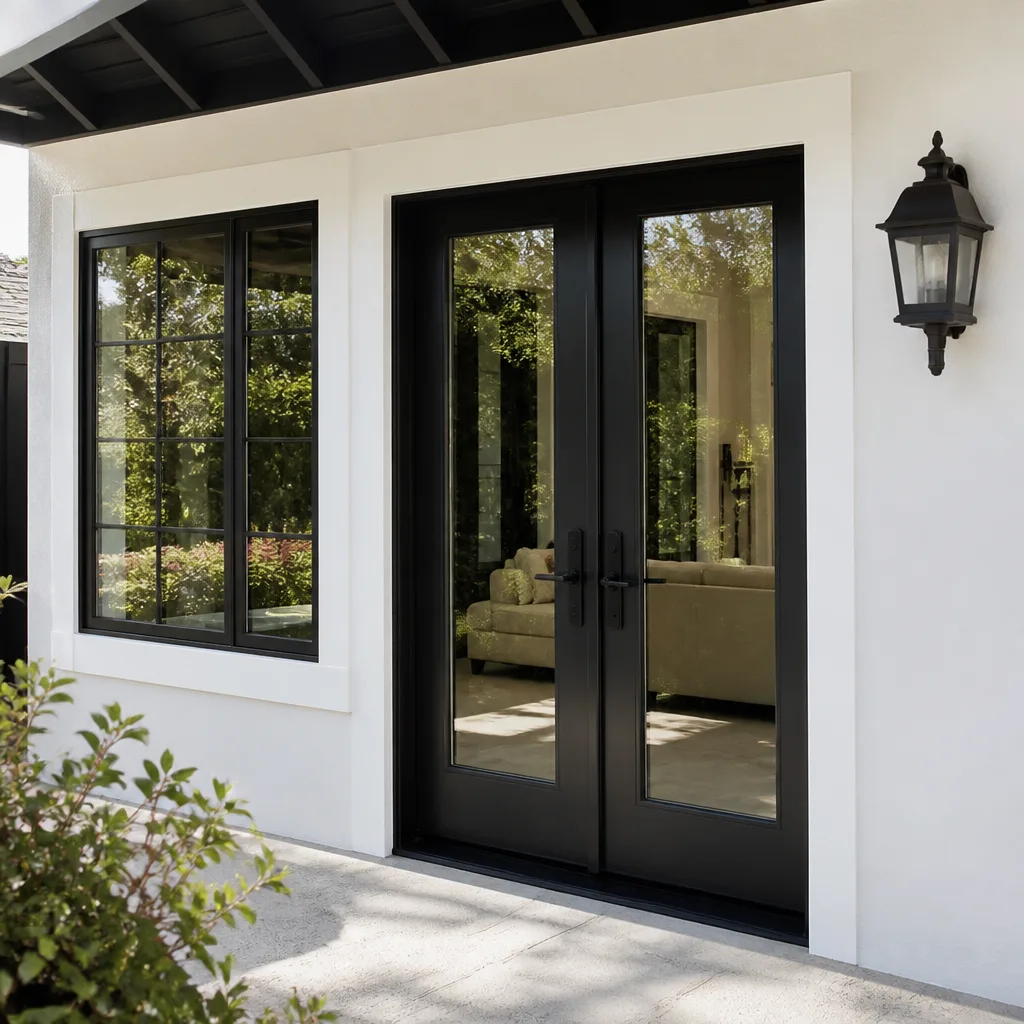 After
AfterEntry Doors in Los Angeles, CA | Hale Windows & Doors
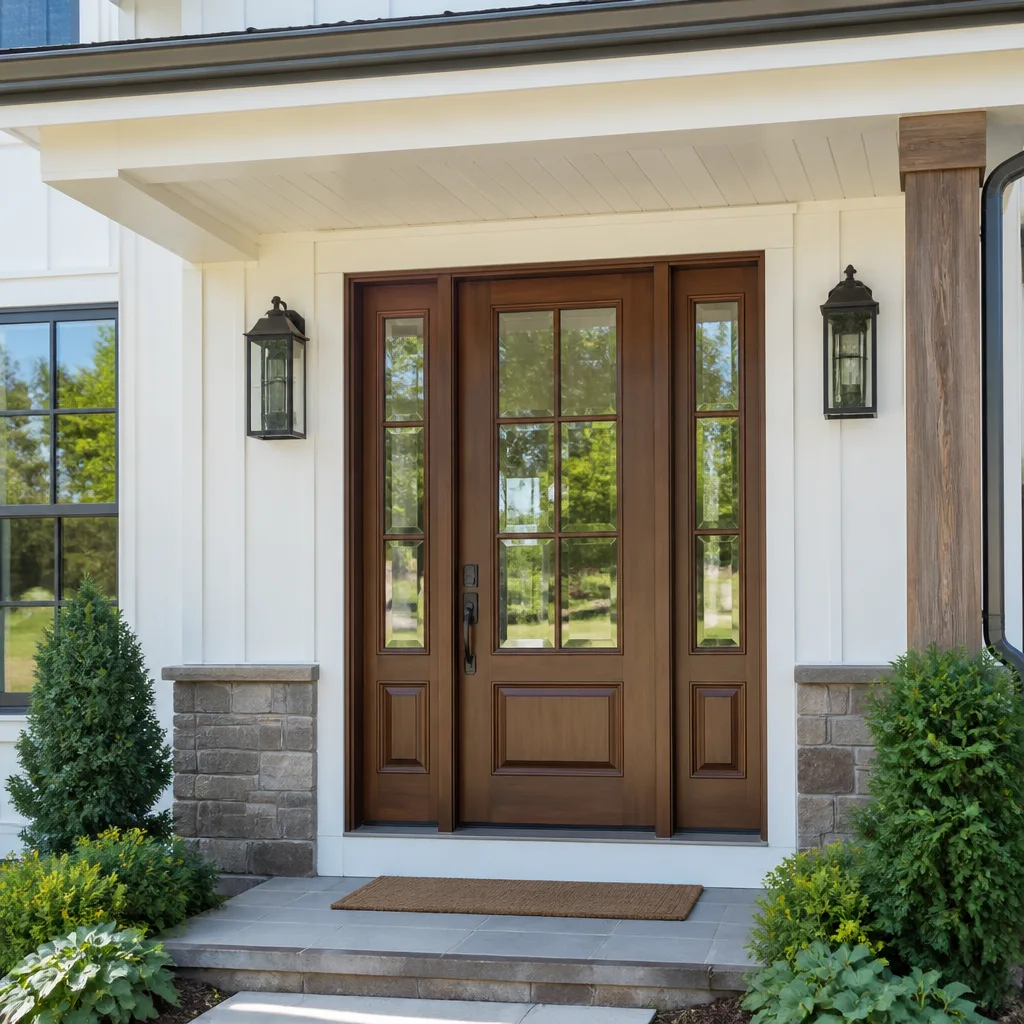
Entry doors carry more weight than almost any other component on a Florida home. They’re the first thing you touch when you leave in the morning and the last line of defense when a storm rolls in off the coast. At Hale Windows & Doors, we sell and install Therma-Tru fiberglass and steel entry door systems engineered for hurricane-impact conditions without sacrificing the look that makes a Los Angeles home feel like home. Whether you’re replacing a tired front door or building new construction that has to pass HVHZ inspection, our team handles the full scope: product selection, permitting paperwork support, and installation done to the standard the manufacturer’s rating depends on. Call (252) 675-6980 to talk through your entry door project with our Los Angeles team.
Product Overview – Entry Doors
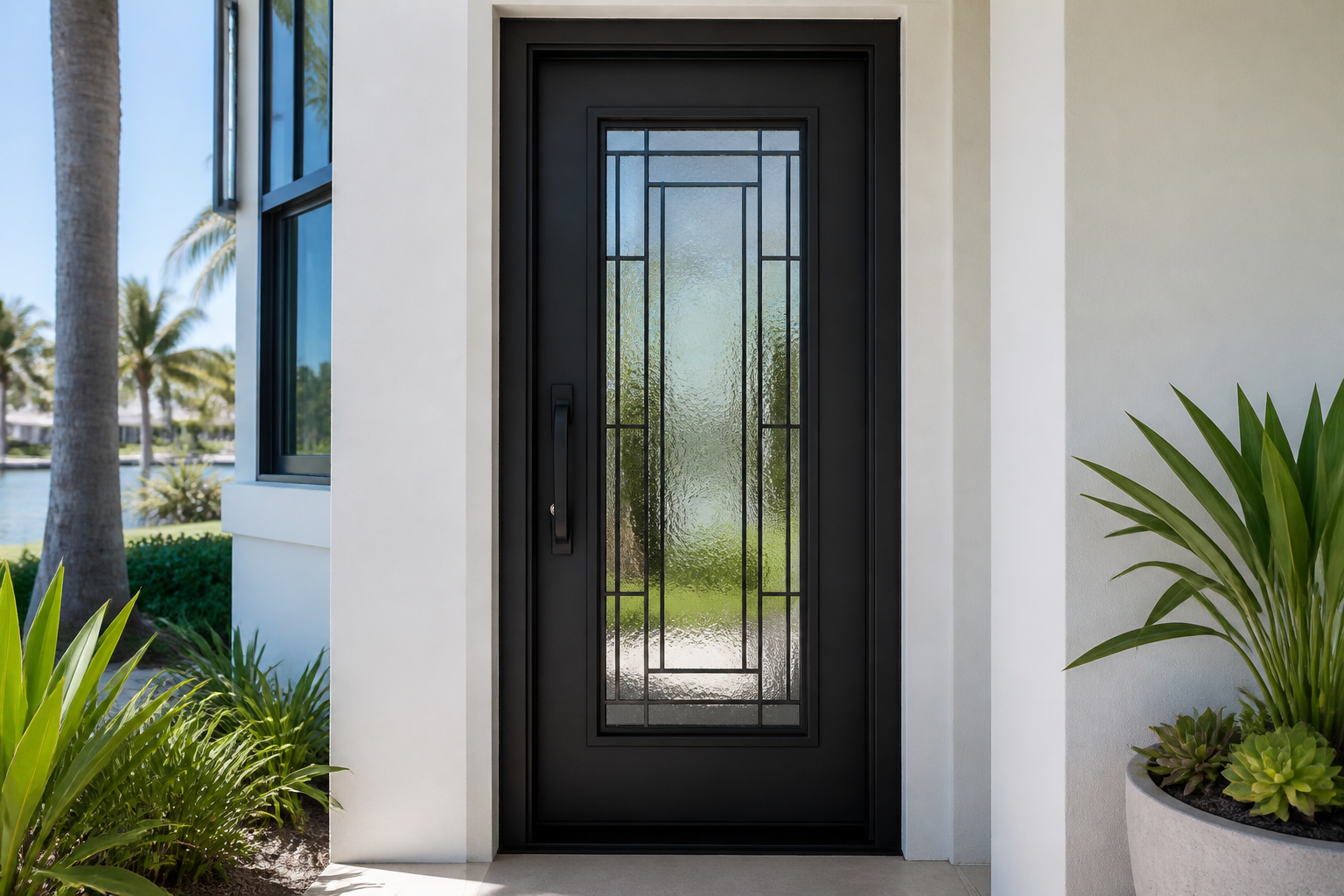
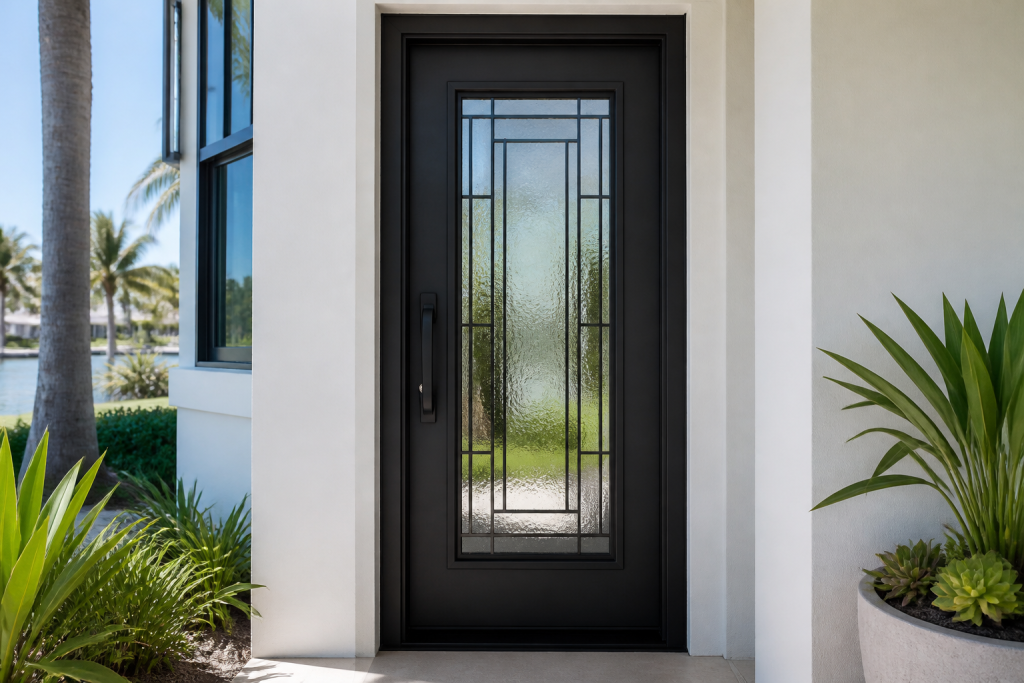
Our entry door systems are built around two materials that perform exceptionally well in coastal Florida conditions: fiberglass and steel. Fiberglass gives you the look of wood grain without the rot, swelling, or warping that humidity and salt air inflict on real wood in Los Angeles. Steel offers a heavier, more substantial feel with excellent impact resistance. Both come from the Therma-Tru Impact Series line, which means the entire system, not just the slab, is designed to hold together under hurricane loading.
These doors are engineered to take an impact rating without giving up curb appeal. You won’t have to choose between a door that satisfies your building department and one that matches the architectural character of your Los Angeles property. The line includes factory-finished and paint-grade options, so whether you want a crisp white coastal look, a dramatic black statement door, or a custom color matched to your trim, there’s a starting point that works. Sizes go up to 48 inches wide, which covers single entry, oversized front doors, and many side-entry configurations common in Florida floor plans.
What sets an impact-rated entry door apart is the assembly. It’s not just a slab with impact glass. The frame, the hardware prep, the threshold, the weatherstripping, and the attachment method all work together as a system. That’s why we treat installation as part of the product. A properly rated door installed poorly fails at the rough opening, not the glass. We’ll get into that more below.
Technical Specifications
- Frame materials: Fiberglass or steel, depending on the profile you choose. Steel is denser and heavier; fiberglass offers more finish flexibility and is naturally resistant to coastal moisture.
- Maximum size: Up to 48 inches wide. Heights vary by configuration, and we can accommodate most standard rough openings found in Los Angeles homes built from the 1970s onward, plus new construction openings.
- Glass options: Decorative impact glass inserts, Low-E insulated impact glass inserts, or no glass (solid panel). The solid panel option is popular for utility entries and homes where privacy trumps light.
- Finish options: White, black, bronze, and paint-grade woodgrain finish. Factory finishes arrive ready to install; paint-grade lets you match an exact trim or exterior color.
- Design pressure: Matched to your wind zone, up to +/-100 PSF, never higher. We don’t sell more rating than your location requires, and we don’t guess.
- Compliance documentation: Miami-Dade NOA and Florida Product Approval numbers available per configuration. We pull the correct submittal for your specific door package.
Hurricane & Compliance Performance
Laminated Impact Glass – When glass is specified, it’s laminated with a PVB (polyvinyl butyral) interlayer. That layer is what holds the glass in the frame under impact. The glass may crack, but it stays in plane, which is what keeps wind and water out of the house. In Los Angeles, where flying debris during a storm is a genuine risk, this is the single most important glass property to look for.
Miami-Dade NOA / Florida Product Approval – Our entry door configurations carry Notice of Acceptance and Florida Product Approval numbers. These are issued per configuration, so we verify the exact numbers on your specific quote before you submit for permit. No generic paperwork. No “same as the other one” submittals.
FBC / HVHZ Compliance – Every entry door system we install in Los Angeles is engineered to Florida Building Code High-Velocity Hurricane Zone requirements. HVHZ is the strictest wind load standard in the state, and it governs most of coastal Los Angeles including all of Miami-Dade County. If your property falls in an HVHZ wind zone, this is not optional.
TAS 201 / 202 / 203 Testing Context – These doors are tested under the TAS protocol family that HVHZ-rated products must pass: TAS 201 for large-missile impact, TAS 202 for cyclic wind-pressure loading, and TAS 203 for forced-entry resistance. Together they simulate what a real storm does over several hours, not a single lab impact.
Design Pressure for Your Wind Zone – We match design pressure to your wind zone, up to +/-100 PSF and never higher. There’s no benefit to buying a +/-100 door for a +/-60 zone. It costs more and changes the hardware feel. What matters is that the number on the door matches the number on your permit drawing. We pull the right configuration.
Energy Performance – For homes where the front door faces afternoon sun, Low-E insulated glass inserts are available. They cut down radiant heat coming through the glass while keeping the impact rating intact. In Los Angeles, where summer sun loads on west-facing entries are significant, this option pays for itself in comfort even before you factor in AC run time.
Color & Glass Options
The finish you choose for an entry door in Los Angeles does more than set a mood. It has to survive UV exposure, salt air within a few miles of the coast, and daily temperature swings. White and black are our most requested factory finishes. White suits the classic Florida coastal and Mediterranean revival homes you see throughout Los Angeles, from Old Cutler to the Gables. Black reads more contemporary and works beautifully on stucco elevations with clean landscaping. Bronze is the sleeper in the line: warm without being loud, and it hides dust and water spotting better than almost any other finish. If you want a specific color to match your shutters or trim, paint-grade woodgrain gives you a fiberglass door with a textured surface that accepts high-quality exterior paint cleanly.
Glass choice comes down to two questions: how much light you want in the entry, and whether the door faces direct sun. Decorative impact glass inserts bring light into a foyer without sacrificing privacy or rating. Low-E insulated inserts add energy performance on top of the impact layer, which matters on west- and south-facing doors in Los Angeles. Solid panel doors skip glass entirely. They’re the most affordable configuration and they suit side entries, garage-to-house doors, and any opening where privacy or security is the priority.
Installation by Hale Windows & Doors in Los Angeles
An impact-rated entry door is only as good as the rough opening it’s set into. We’ve seen doors with valid NOAs fail water tests because the frame was shimmed by a crew that didn’t understand the difference between setting a door and sealing a door. Our installation process in Los Angeles starts with a full pre-install inspection: rough opening dimensions checked against the actual product, condition of the subsill and framing documented, and the correct fastening schedule confirmed for your wall type, whether that’s CMU block, poured concrete, or wood frame.
We set every entry door level, plumb, and square. That’s not a slogan; it’s the difference between a door that swings on its own and one that closes with a single finger. After the door is set, we seal the perimeter with AAMA 812 low-expansion foam, which fills gaps without bowing the jamb. The installation follows AAMA 2400/2410 practice for window and door installation. Then we run a final water test on the threshold and perimeter to confirm the seal before we clean up the job site.
In Los Angeles, coastal exposure and HVHZ permitting add specific demands. Salt air accelerates corrosion on exposed fasteners and thresholds if the wrong materials are used. Wind zones change within a few miles as you move inland. If your property is in an HVHZ jurisdiction, your permit package will require the correct NOA or Florida Product Approval submittal, and we support that process with the right documentation for your exact configuration. Improper installation compromises the entire rated system. The glass can be rated, the door can be rated, and the whole thing can still fail at the rough opening because someone used the wrong sealant or skipped a fastener row. That’s why we install what we sell.
If you’re replacing an existing entry door in Los Angeles, we also inspect the surrounding stucco and subsill for hidden water damage before the new door goes in. A new door in a rotten opening is a two-year problem waiting to happen. We’d rather flag it now and fix it while the opening is exposed.
Frequently Asked Questions – Entry Doors
The design pressure is matched to your specific wind zone in Los Angeles, up to +/-100 PSF, and never higher. We pull the correct rated configuration for your property’s location rather than selling every customer the maximum and charging for it. During your quote, we confirm the wind zone from your permit documents or local jurisdiction requirements and spec the door to match.
Factory orders for Therma-Tru impact entry doors typically run 3 to 6 weeks depending on the finish, glass package, and configuration. Standard sizes in white or black with common glass inserts sometimes ship faster. Custom sizes, paint-grade woodgrain, or unusual hardware preps add time. We confirm a written lead time when we place your order. Call (252) 675-6980 and we’ll check current lead times for your exact spec.
Yes, in most Los Angeles jurisdictions, especially HVHZ areas, your entry door permit requires the NOA or Florida Product Approval documentation for the exact configuration you’re installing. We provide the correct numbers and drawings for your specific door package, not a generic file. This is one of the most common reasons permits stall, and it’s entirely avoidable with the right submittal.
Up to 48 inches wide, yes. Custom widths and heights are available, as are choices for glass inserts, finish, hardware prep, and swing direction. The NOA and Florida Product Approval documentation is issued per configuration, so your custom size gets its own verified submittal. Tell us what you’re trying to achieve and we’ll spec it correctly the first time.
Fiberglass and steel frames need very little beyond regular cleaning and an annual visual check of the weatherstripping and threshold seal. We recommend a mild soap-and-water wash, avoiding abrasive cleaners on factory finishes. If the door face has a paint-grade finish, treat it like any quality exterior paint job: inspect for chips and touch them up promptly to keep moisture away from the surface. In coastal Los Angeles, wipe salt film off the frame and hardware a few times a year, especially after storm season.
Get a Quote – Entry Doors in Los Angeles
Ready to see what an impact-rated entry door will cost for your Los Angeles home? We’ll walk you through configurations, finishes, glass options, and a realistic lead time. Measure what you currently have, and we’ll handle the rest from permitting docs to final installation.
Call (252) 675-6980 to schedule your free on-site measurement and written quote.
Written by the team at Hale Windows & Doors, installing hurricane-impact doors and windows across Los Angeles, CA.
Detailed Images