

Free in-home measure and quote - PGT, CGI and CWS impact lines compared on your actual openings, style by style



 Before
 After
After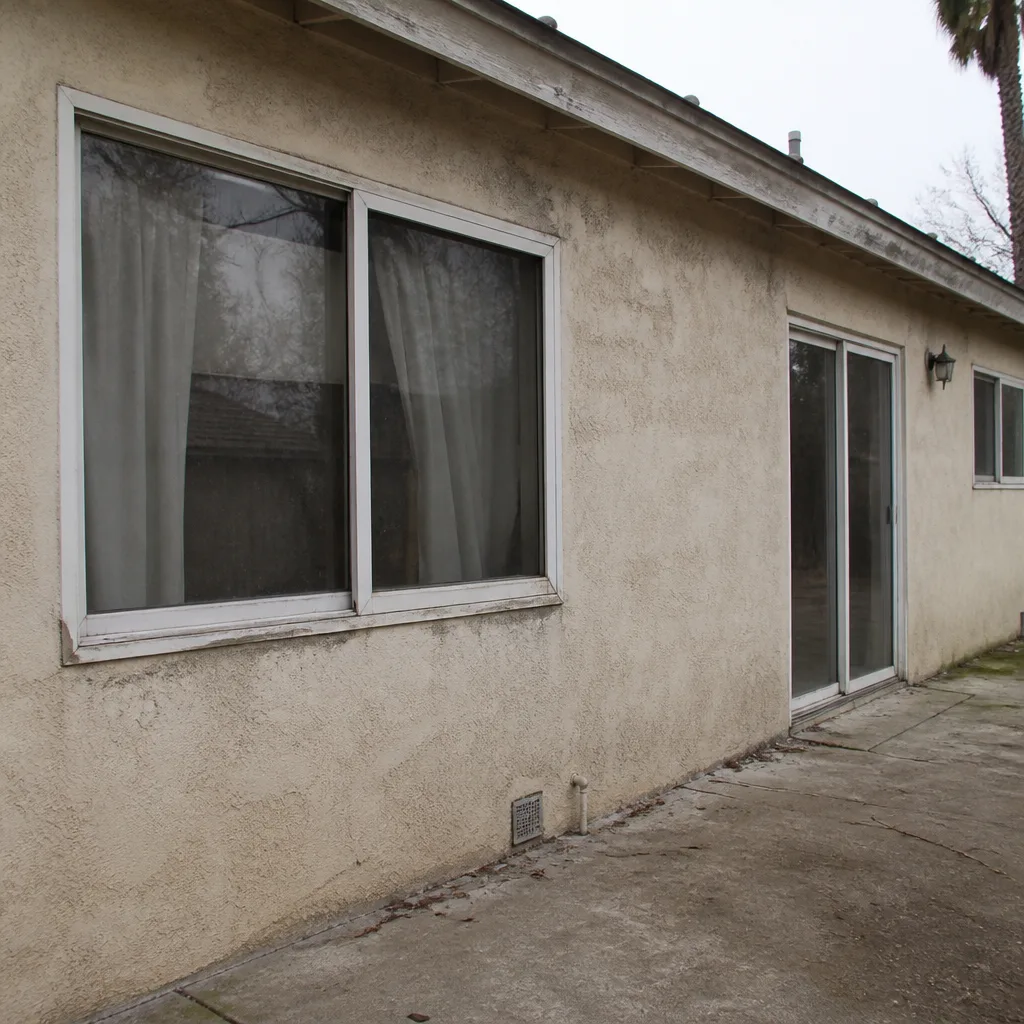 Before
 After
After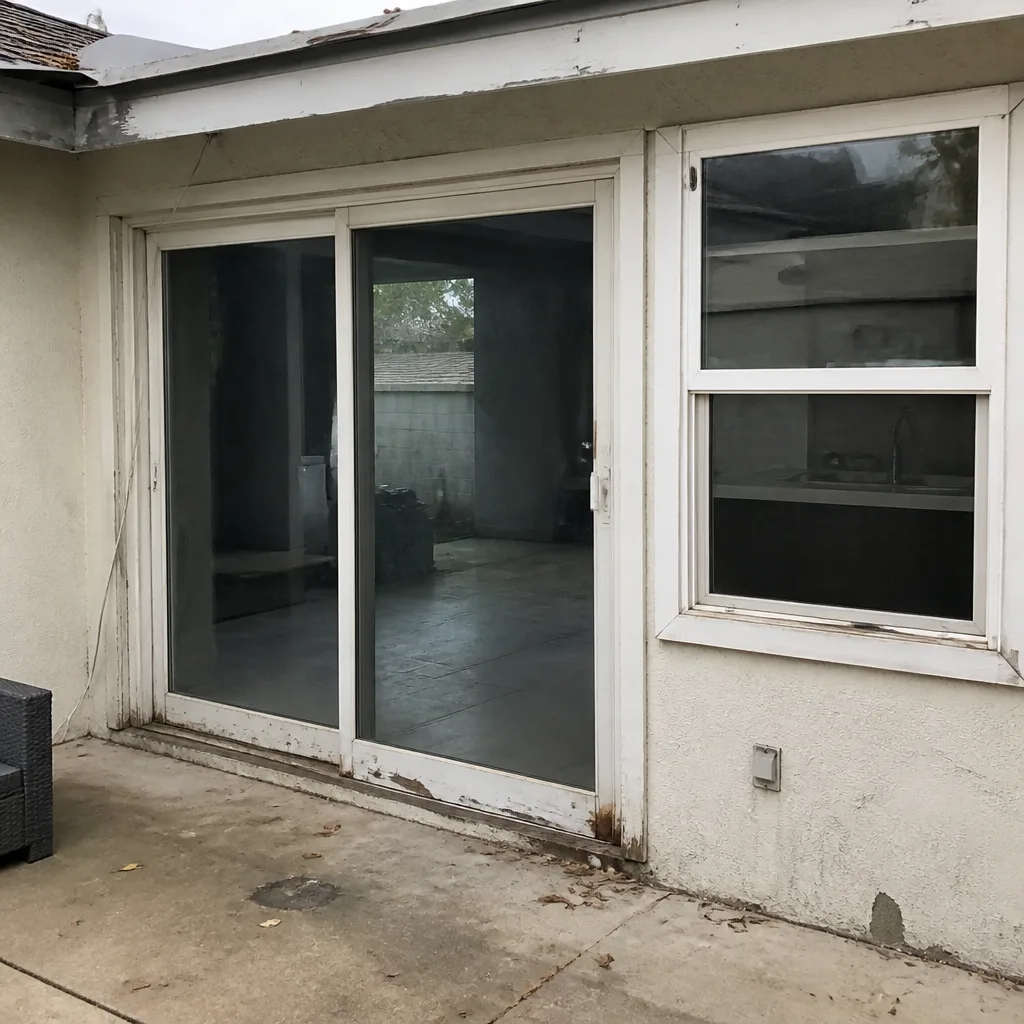 Before
 After
AfterDrafty Windows Raising Energy Bills
What’s Happening
Drafty windows are almost always a sign that the weatherstripping, glazing seals, or the frame itself has failed – and your heating and cooling system is working overtime to compensate. This is a fixable problem, not a reason to panic, but it does not get better on its own.
When a window seal breaks down, conditioned air escapes around the edges or through the glass unit itself. Your HVAC runs longer cycles to hold the temperature you’ve set, and that extra runtime shows up on your energy bill. The drafts you’re feeling are the same gaps your heating and cooling dollars are escaping through. Most homeowners notice the symptom for weeks before they connect it to the bill – but once you make that connection, it’s worth getting someone out to take a look before the next billing cycle.
Why It Happens
Failed Weatherstripping
Weatherstripping is the soft seal that runs along the sash and frame wherever the window closes. Over time it compresses, tears, or simply falls away from the channel it sits in. You can usually spot this one yourself: close the window on a piece of paper and try to pull the paper out. If it slides out without resistance, the seal isn’t doing its job. You may also see daylight around the edges when you look closely at a closed window on a sunny day.
Insulated Glass Unit (IGU) Failure
Most modern windows have two or three panes of glass with a sealed air or gas space between them. When that seal breaks, the insulating layer is gone – and you’re left with what is essentially single-pane performance even though the window still looks intact. The sign here is fogging, condensation, or a cloudy haze between the panes that won’t wipe away. If you see that, the IGU has failed and the cold transfer you’re feeling through the glass is directly connected to it.
Frame Warping or Settlement
Wood and composite frames can warp over time, especially in climates with significant humidity swings. A warped frame no longer sits flush with the rough opening, and the gap that opens up is a direct air path into your home. If your window has become harder to open or close in the last year or two, or if it no longer latches smoothly, that’s a frame problem worth having inspected. You might also notice the draft is worst at the corners, not the middle of the sash.
Worn or Missing Interior Caulking
The bead of caulk where the window frame meets the interior drywall is the last line of defense against air moving through the wall cavity. It cracks, shrinks, and pulls away from the surface as the house moves seasonally. This one is visible without any tools: look at the line where the trim meets the wall around any window that feels drafty. Gaps, cracks, or sections where the caulk has clearly separated are letting more air through than most people expect.
What to Do Right Now
- Hold your hand near the frame edges and corners with the window closed. Don’t use a candle near the glass or near any combustion appliance – just use your palm. Note which windows feel cold and exactly where on the frame the air movement is strongest. That information is useful for whoever comes out to look.
- Check the weatherstripping visually. Open the window and look at the foam or rubber seal along the sash. If it’s flat, torn, or missing in sections, photograph it before you call.
- Look between the panes, not at them. If there’s fogging, streaking, or condensation trapped inside the glass unit, photograph that too. It helps a technician confirm IGU failure before they arrive.
- Don’t seal over failed weatherstripping with tape or spray foam as a permanent fix. Tape can damage the finish on a sash, and spray foam applied to the wrong area can interfere with the window’s ability to open safely for egress. A short-term draft block with a foam backer rod is fine – anything adhesive or expanding on the sash itself is not.
- Note when the draft is worst. Is it only on windy days? Always on one side of the house? Worse in the morning? That pattern tells a technician whether you’re looking at a seal failure, a frame gap, or a pressure differential from your HVAC system.
How We Fix It
When your local Hale Windows & Doors team arrives, the first thing they do is a systematic inspection – not a sales presentation. They check the weatherstripping, examine the IGU for seal failure, look at the frame for warping or gap at the rough opening, and assess the caulking line inside and out. That inspection drives the diagnosis, and the diagnosis drives the written price you get before any work starts. No guessing, no “we’ll figure it out as we go.”
For most drafty windows, the fix falls under Window Repair: replacing weatherstripping, resealing the frame, or swapping a failed IGU while keeping the existing frame. Where the frame or the window itself has reached the end of its useful life, Window Replacement is the right answer, and your team works from eight product lines – PGT, CGI, CWS, ES Windows, ECO Window Systems, Mr-Glass, Therma-Tru, and ViewLux – to match the right window to your home rather than defaulting to whatever’s easiest to install. Either path is covered by the 365-Day Done Right Promise: if it’s not right, we make it right. And every repair carries a written guarantee – if the repair fails, the second visit is free.
Frequently Asked Questions
They can wait in the sense that a drafty window is not an emergency in the way a roof leak is – but waiting has a real cost that compounds. Every week a failed seal stays open, your HVAC is running more than it needs to. Beyond the energy cost, moisture that gets into a frame gap can begin to affect the surrounding drywall and framing over time. Getting a written estimate costs you nothing and gives you a clear picture of what you’re actually dealing with. Call (252) 675-6980 to schedule one.
A drafty window on its own is not a safety hazard. The risk creeps in when the frame damage is significant enough to affect the window’s ability to open as an emergency exit, or when moisture intrusion has been going on long enough to affect the structural framing around the opening. If the window has become difficult to open fully or the frame feels soft around the corners, mention that when you call – your local team will note it. Call (252) 675-6980 and we’ll get someone out to take a look.
Your local Hale Windows & Doors team schedules estimates and repair visits as quickly as the calendar allows, and someone answers the phone right now – not a voicemail, not a callback queue. Call (252) 675-6980 and a live person will tell you the next available time in your area. We don’t make vague promises about arrival windows; we give you a specific appointment and send you the technician’s name and photo before they arrive.
The honest answer is that it depends on what’s actually wrong: a weatherstripping replacement costs less than an IGU replacement, which costs less than a full window replacement. Hale does not post prices online for this reason – the written estimate you get on-site is the real number for your specific window, in writing, before anything starts. That price doesn’t change once work begins. Call (252) 675-6980 to get your free written estimate scheduled.
Get It Fixed
Call (252) 675-6980 – a live person answers, every call, every hour. Your local Hale Windows & Doors team will schedule your free written estimate, send you your technician’s name and photo before the visit, and put the price in your hands before any work starts. The 365-Day Done Right Promise covers every job.
Written by Spencer Odell, Owner at Hale Windows & Doors, serving homeowners nationwide since 2009.
What Our Customers Say
"Honest quote with the glass type and U-factor spelled out. Didn't need the triple pane and he told me so."
- Diane O."Fogged double pane in the living room. They replaced the glass units only, not the whole frame, and saved me a lot."
- Raul C."One sash would not stay up. He rebuilt the balance and now it slides like new."
- Yvonne T.