Free in-home measure and quote - PGT, CGI and CWS impact lines compared on your actual openings, style by style
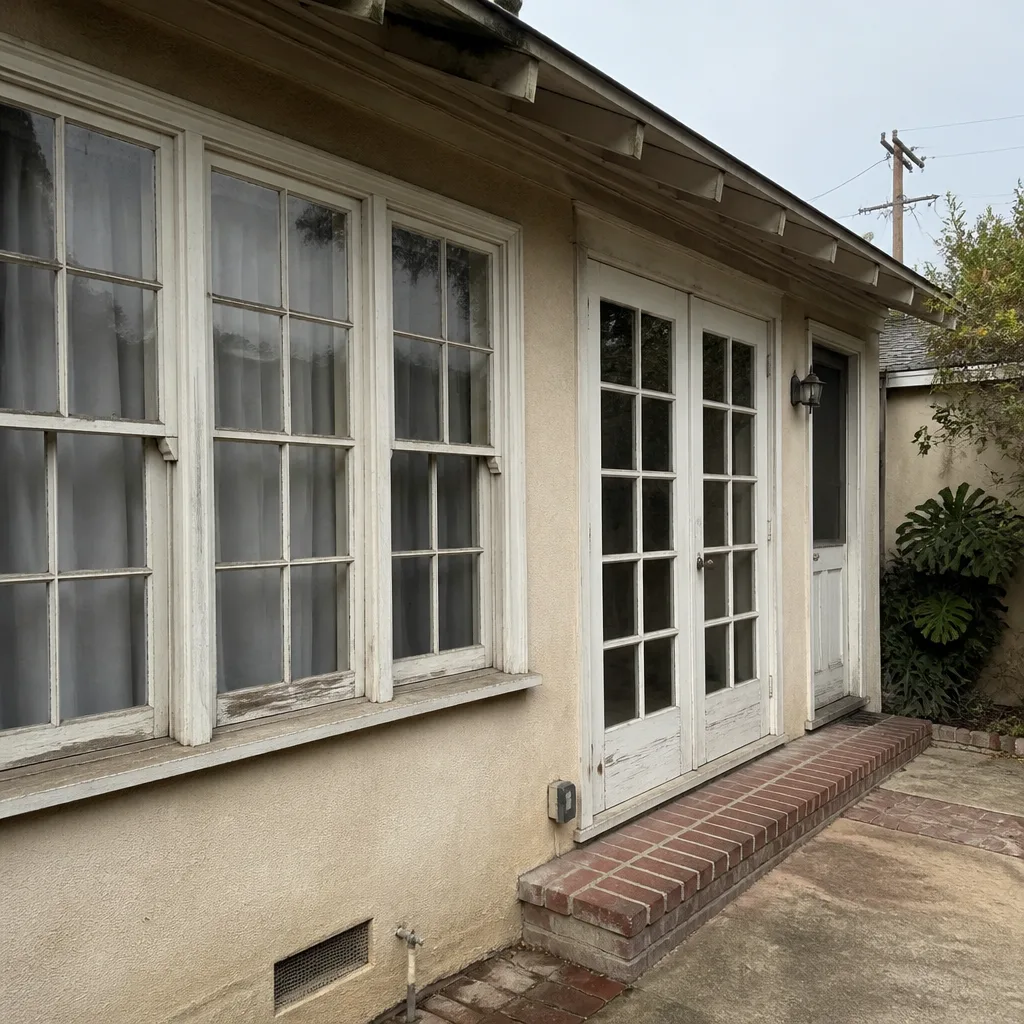 Before
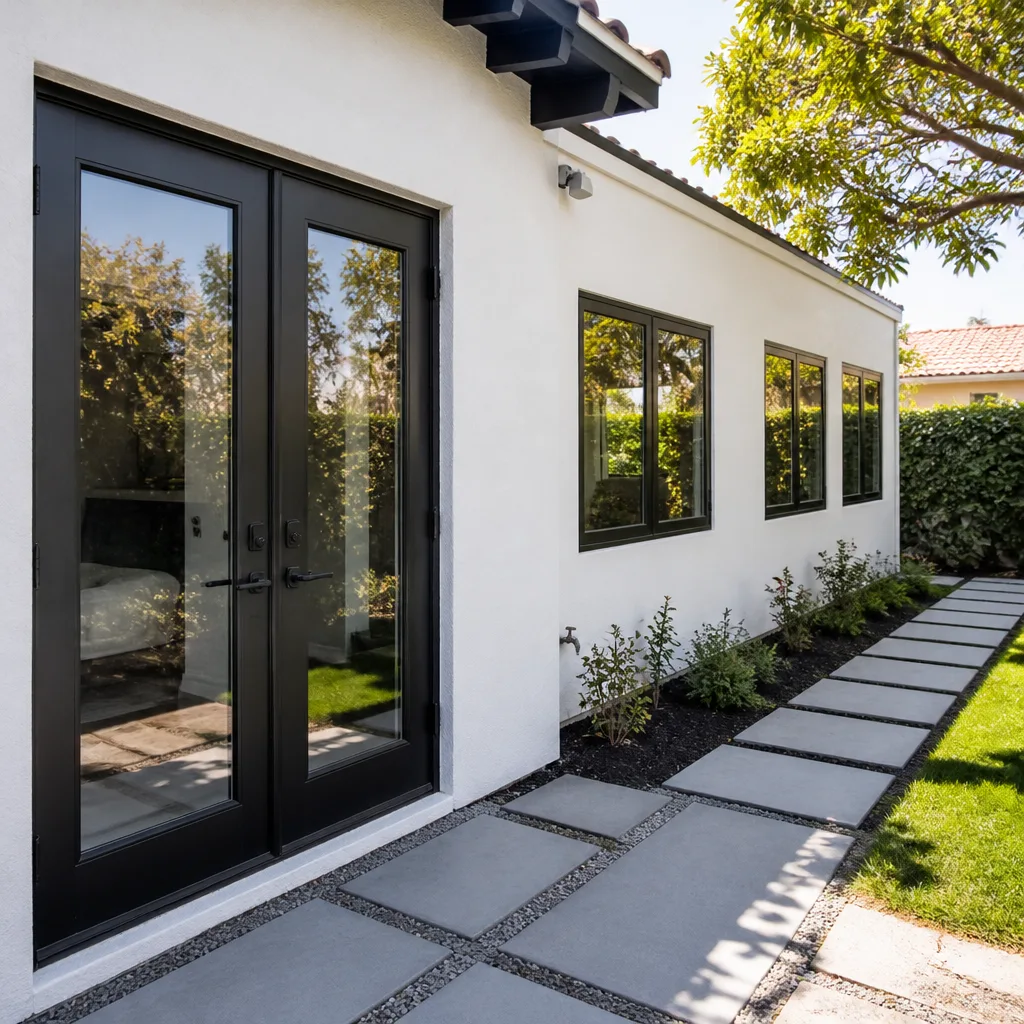 After
After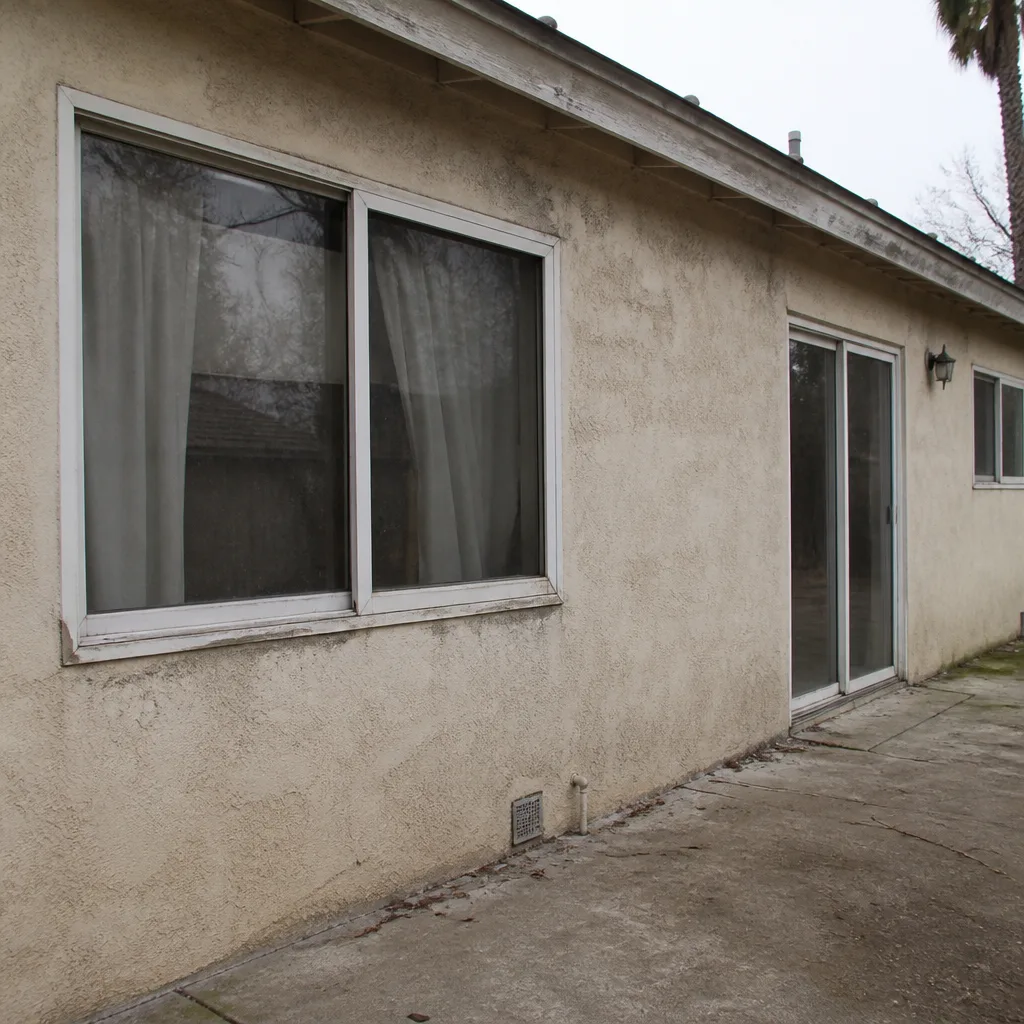 Before
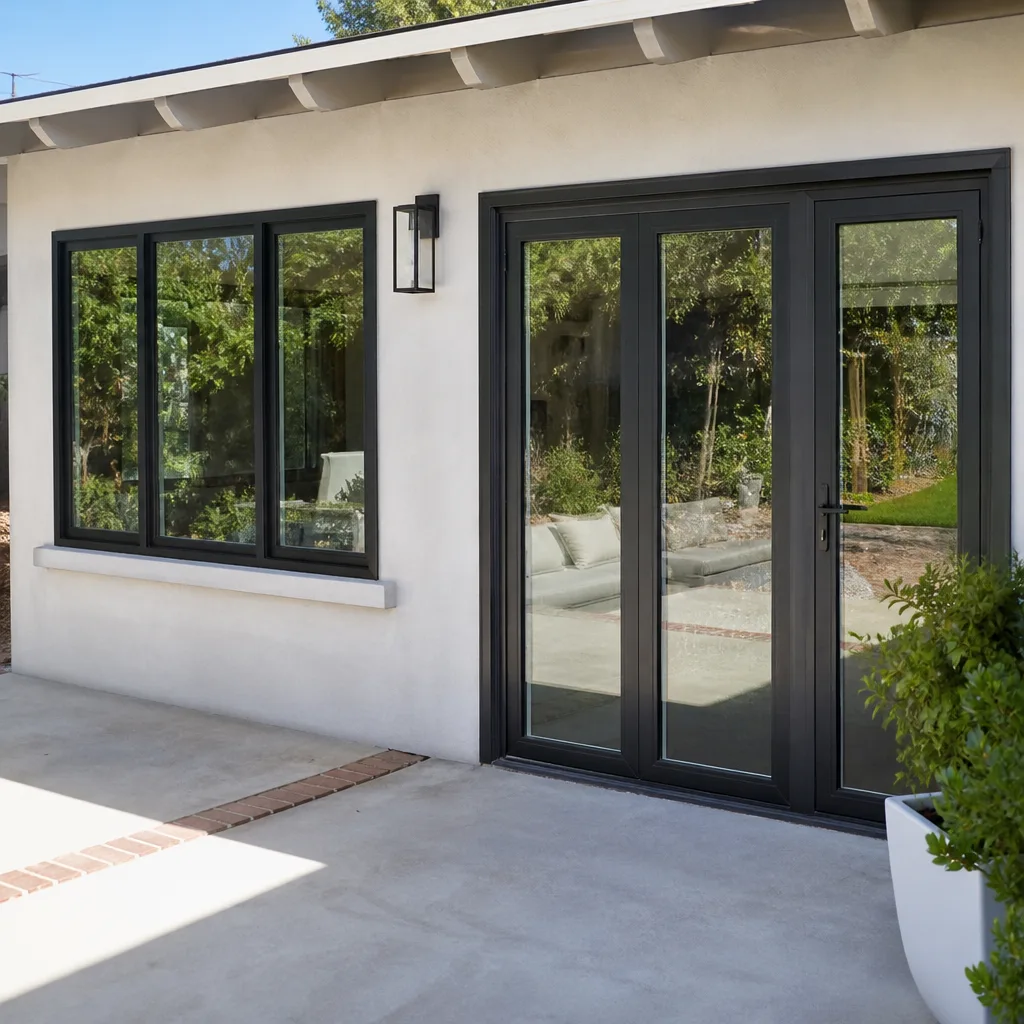 After
After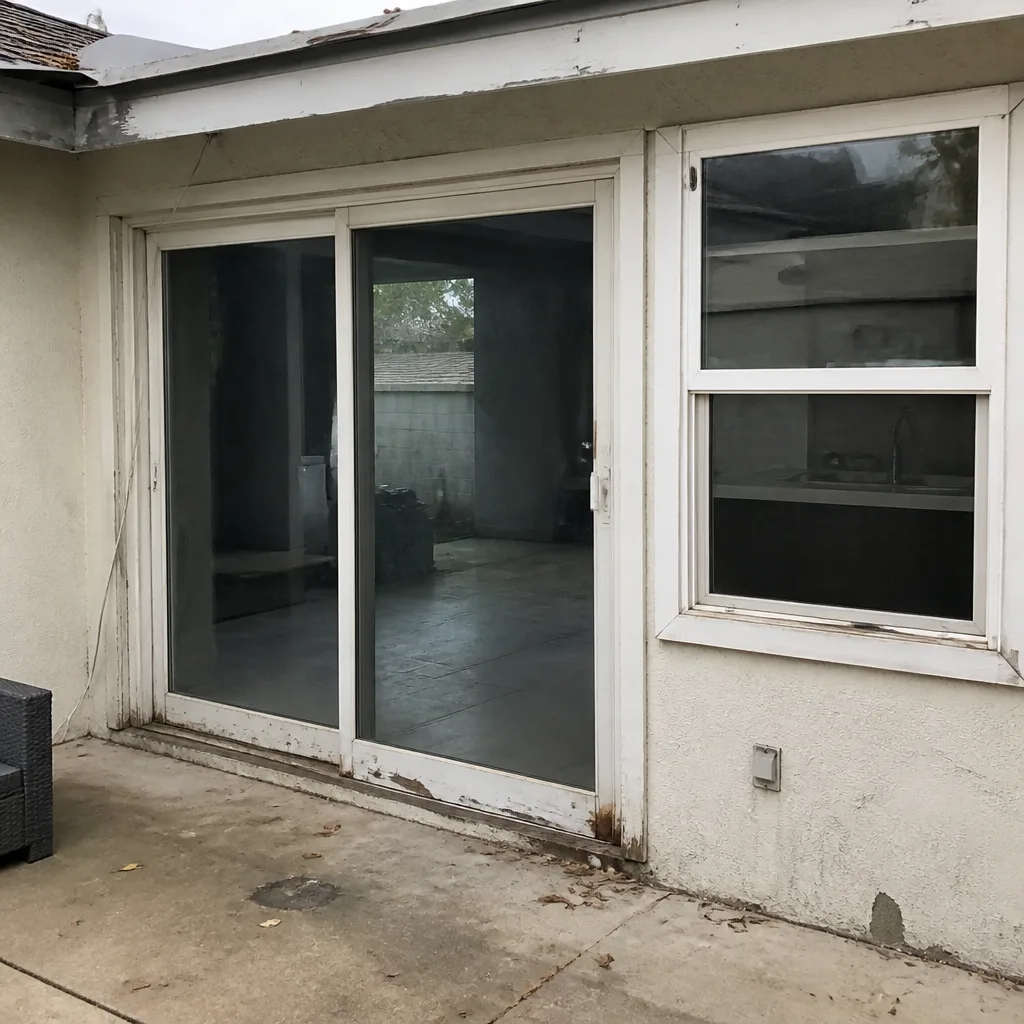 Before
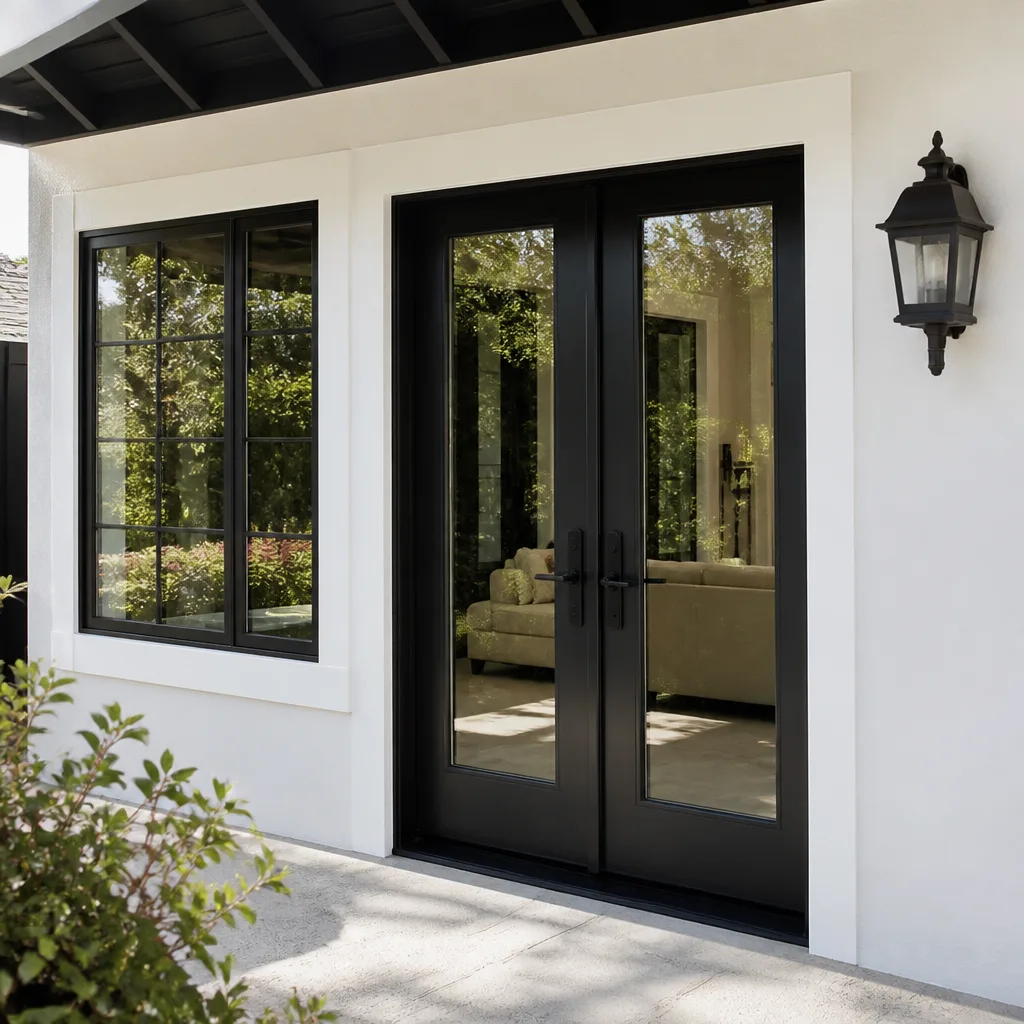 After
AfterCasement Windows in Los Angeles, CA | Hale Windows & Doors
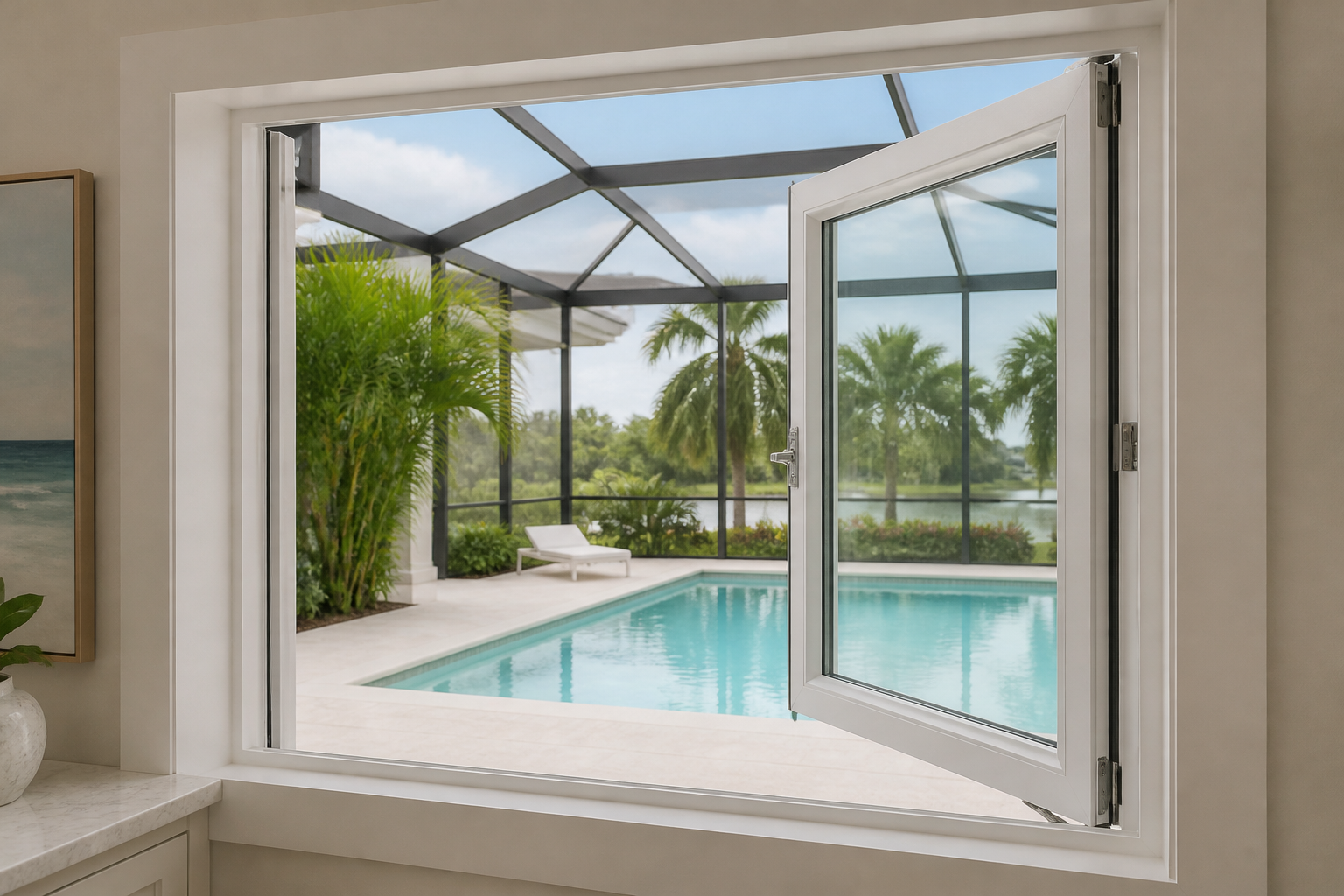
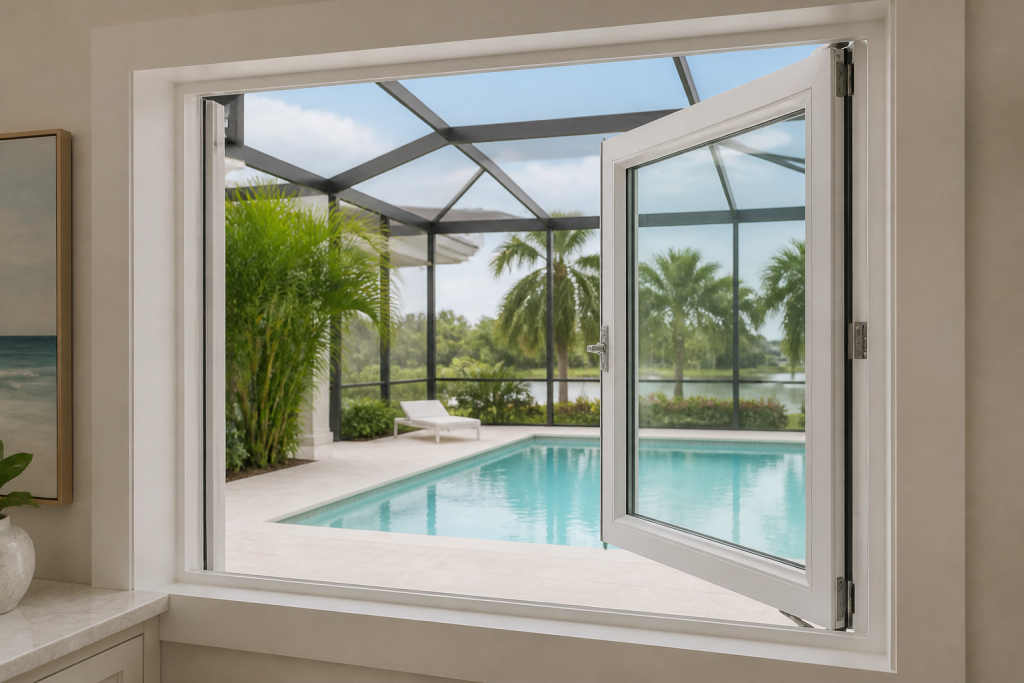
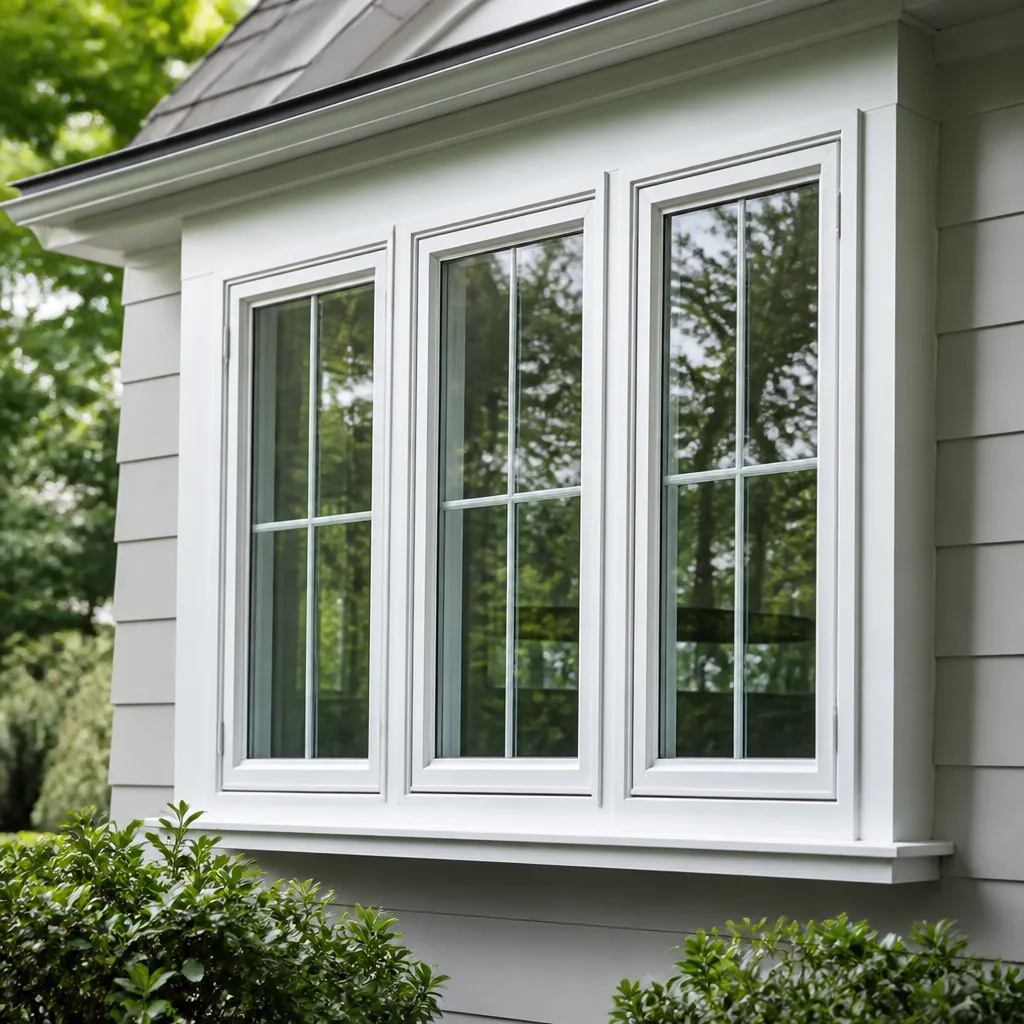
Casement windows hinge at the side and crank outward, which gives you a full opening for ventilation and a compression seal that locks tight against wind and water. In Los Angeles, where afternoon gusts roll through the hills and coastal air carries salt off the Pacific, a properly sealed impact casement does more than open and close. It holds its line. Hale Windows & Doors has installed impact-rated casement windows across Los Angeles for years, working with PGT, CGI, CWS, ES Windows, ECO, and Mr-Glass product lines. We set every window level, plumb, and square, per AAMA 2400/2410 practice. If you’re pricing casement windows in Los Angeles, CA, call (252) 675-6980 for a detailed, no-obligation quote.
Product Overview – Casement Windows
A casement window is the window profile most often specified when wind performance matters. That’s not a coincidence. The sash closes against the frame with a full compression seal on all four sides, so there is no sliding track to leak air or water. When the crank is closed, the locking points pull the sash into the frame. When it’s open, the sash swings clear of the opening and catches passing air from two directions. For a city like Los Angeles, where homes sit on hill slopes, canyon edges, and open beachfront, that combination of airtight closure and direct ventilation is exactly what many property owners are looking for.
Our impact casements are built in aluminum and vinyl, and the difference between the two usually comes down to property type and exposure. Aluminum holds tighter sightlines and works well on larger openings or higher-wind exposures. Vinyl offers strong energy performance and needs little maintenance, which suits a lot of Los Angeles remodeling work. Both are glazed with laminated impact glass as standard, so the structural performance does not depend on the frame material choice alone. The crank hardware is engineered to survive repeated cycles in salt air, and the hinges carry the full weight of the sash without sagging over time. That matters in Los Angeles, CA, where a window that binds after three years in salty air is a common complaint we hear during replacement projects.
Architecturally, casements read clean and unobstructed. There is no center post, which means a larger glass area than you get from a double-hung of the same rough opening. That is why you see them on mid-century homes in Silver Lake, on Mediterranean-style builds in Brentwood, and on beach houses along the coast. Side-hinged, crank-operated impact casements with a full compression seal give you airflow when you want it and a tight barrier when you don’t. Call (252) 675-6980 to talk through which casement configuration fits your Los Angeles project.
Technical Specifications
Here is what we offer on our impact casement window lines across PGT, CGI, CWS, ES Windows, ECO, and Mr-Glass. Every option listed below is available in configurations that carry Miami-Dade NOA or Florida Product Approval documentation, verified per order on your quote.
- Frame materials: Aluminum or Vinyl, selected for exposure level, sightline preference, and thermal performance targets.
- Glass options: Laminated Impact Glass with PVB interlayer (standard for impact-rated sashes), Low-E Insulated Glass for thermal performance, Tinted Glass for glare and heat control, Clear Glass for unobstructed visibility. Combinations of Low-E and tint are common for west-facing rooms in Los Angeles.
- Finish options: White, Almond, Bronze, Black, Tan. Bronze and Black are frequent on modern and coastal contemporary homes in Los Angeles, while White and Almond remain the default for traditional stucco.
- Screen options: Fixed Screen or Retractable Screen. Retractable screens keep the clean casement look when the window is closed, which many Los Angeles homeowners prefer on street-facing elevations.
- Hardware: Crank operator with multi-point locking pulls the sash into the full compression seal. No sliding track to maintain.
- Sizing: Custom size and configuration available per rough opening; fixed or paired casement configurations (two sashes on a common frame) are common for larger openings.
Hurricane & Compliance Performance
Laminated Impact Glass
The sash is glazed with laminated impact glass: two panes of glass bonded around a polyvinyl butyral (PVB) interlayer. Under impact, the glass may crack, but the PVB holds the glazing in place in the frame. That is the working principle behind the safety and protection these windows are known for. In Los Angeles, where flying debris during high wind events is a real consideration, this matters.
Miami-Dade NOA / Florida Product Approval
This product carries Miami-Dade Notice of Acceptance (NOA) and Florida Product Approval documentation. These are issued per configuration, not as a blanket certificate, so the exact numbers are confirmed on your specific quote before any order is placed. If your Los Angeles permit office asks for documentation, we provide the right submittal package for your exact window configuration.
FBC / HVHZ Compliance
The window is engineered to Florida Building Code High-Velocity Hurricane Zone (HVHZ) requirements. That means the frame, glass, hardware, and anchoring are designed to work as one system under severe wind and water loading. We treat HVHZ compliance as the performance floor for Los Angeles coastal and hillside work, not as an upsell.
TAS 201 / 202 / 203 Testing Context
HVHZ-rated products like this one are tested under the TAS protocol family: TAS 201 for large-missile impact, TAS 202 for cyclic wind-pressure loading, and TAS 203 for forced-entry resistance. That is the testing context that matters for hurricane-impact windows, and it is the standard we specify against on every Los Angeles impact project.
Design Pressure for Your Wind Zone
Design pressures are matched to your wind zone. The rating on a given configuration runs up to +/-100 PSF and no higher. We never overstate the number. The right rating for your Los Angeles property depends on exposure, building height, and where the opening sits on the structure. We confirm this before ordering.
Energy Performance
Low-E and insulated glass options are available for energy performance. In Los Angeles, this is most relevant on west-facing elevations and on coastal properties where air conditioning loads run high in summer. Low-E coatings also reduce UV exposure to floors and furniture, which is a practical benefit on rooms with large glazing.
Color & Glass Options
Finish selection usually starts with the home’s exterior language. White and Almond read clean against the stucco that dominates much of Los Angeles residential construction. Bronze and Black frames suit the modern coastal contemporary work popping up from Playa del Rey to Los Feliz, and they hide weather staining better around sea air. Tan works on warmer earth-toned stucco and pairs well with Spanish tile accents.
On glass, the choices break down by what you are solving for. Clear laminated impact glass is the right call when views are the priority and there is no major solar gain problem. Low-E insulated glass is the upgrade we suggest most often in Los Angeles, because afternoons on west-facing rooms are brutal without it. Tinted glass cuts glare and heat on large glass walls, but it does dim the view slightly. Many Los Angeles clients mix options by elevation: clear or Low-E on ocean-facing sides, tinted on direct west exposures. If you are uncertain, we walk you through the tradeoffs for each room. Call (252) 675-6980 and ask for the casement glass guide.
Installation by Hale Windows & Doors in Los Angeles
An impact casement window only performs as well as the opening it is set into. A window can carry every NOA and Florida Product Approval number available, and if the rough opening is not flashed right, the anchor is mis-set, or the perimeter seal is sloppy, the whole system is compromised. That is the reality of installing hurricane-rated fenestration, and it is why we do not hand this work to untrained crews.
Our process starts with a pre-install inspection of the rough opening. We check the framing for rot, measure every side for square, and confirm the opening matches the ordered window configuration before anything gets unpacked. In Los Angeles, older homes often have rough openings that have shifted, and accounting for that on the front end prevents a frustrating install day. We then set the window level, plumb, and square, shimming where necessary, and anchor the frame per the manufacturer’s approved installation method for the wind zone.
Around the perimeter, we apply AAMA 812-compliant low-expansion foam sealant. The foam expansion is critical: if it expands too aggressively, it bows the frame and the sash will not seat cleanly against the compression seal. That single step is where a lot of shortcut installs go wrong, and it is a direct reason we train our Los Angeles crews on the AAMA 2400/2410 standard for window installation practice. After sealing and trimming, we run a final water test on the installation and verify the crank operation, lock engagement, and seal compression before we call the job done.
Permitting also matters. Some Los Angeles jurisdictions require Miami-Dade NOA or Florida Product Approval documentation as part of the permit submittal for impact window work. We provide documentation packages for every window we install, configured to match your exact window and not a generic product sheet. Coastal exposure and wind zone designations vary by neighborhood, and we confirm the right performance class for your address before ordering. That is part of what you are paying for when you work with a specialist.
Frequently Asked Questions – Casement Windows
Design pressure is matched to your wind zone, up to a maximum of +/-100 PSF. We never quote a rating higher than your specific configuration requires or is tested for. Your rating is confirmed on your quote based on building height, exposure, and opening size.
Lead times vary by manufacturer, frame material, and glass package. Custom sizes and Low-E or tinted glass combinations can add time. We confirm a current production window when we quote, and we re-confirm it before you sign. Call (252) 675-6980 and we will get you a realistic timeline for your specific configuration.
Yes, in most Los Angeles-area jurisdictions that enforce HVHZ code requirements, any impact window install should include the Florida Product Approval or Miami-Dade NOA documentation for the exact window configuration being installed. We pull the correct documentation for your specific order and include it with your permit package.
Yes. We order every casement window to the rough opening, so you are not forced to resize an opening to fit a stock product. Custom width, height, and paired-casement configurations are available across all the product lines we carry. Configurations that depart from standard tested sizes may require a custom review for compliance documentation, and we handle that for you.
For vinyl frames, mild soap and water with periodic cleaning of the track area is generally all that is needed. Aluminum frames in coastal Los Angeles benefit from an annual rinse with fresh water to remove salt residue, and hardware lubrication on the crank and hinges once a year keeps operation smooth. We cover maintenance specifics at the time of install and can recommend a local service contact for long-term care.
Get a Quote – Casement Windows in Los Angeles
If you are pricing impact casement windows for a Los Angeles home, we can give you a line-item quote with the exact product configuration, compliance documentation, and install scope. We do not rough out pricing over the phone without knowing your opening sizes and wind zone, and we do not change quoted numbers after you sign. Call (252) 675-6980 to schedule a free site measurement and get your casement window quote started.
Written by the team at Hale Windows & Doors, serving Los Angeles, CA and surrounding communities with hurricane-impact window and door installations.
Detailed Images