

Free in-home measure and quote - PGT, CGI and CWS impact lines compared on your actual openings, style by style
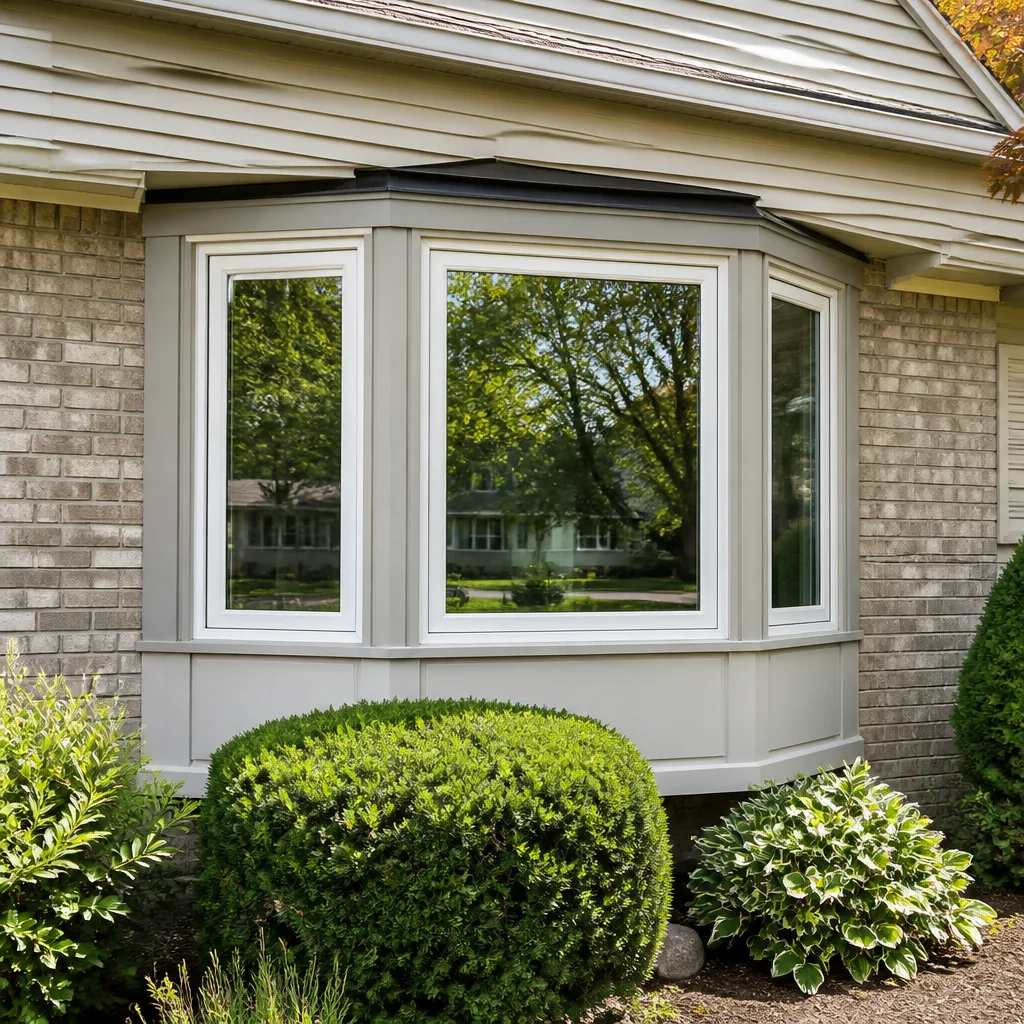
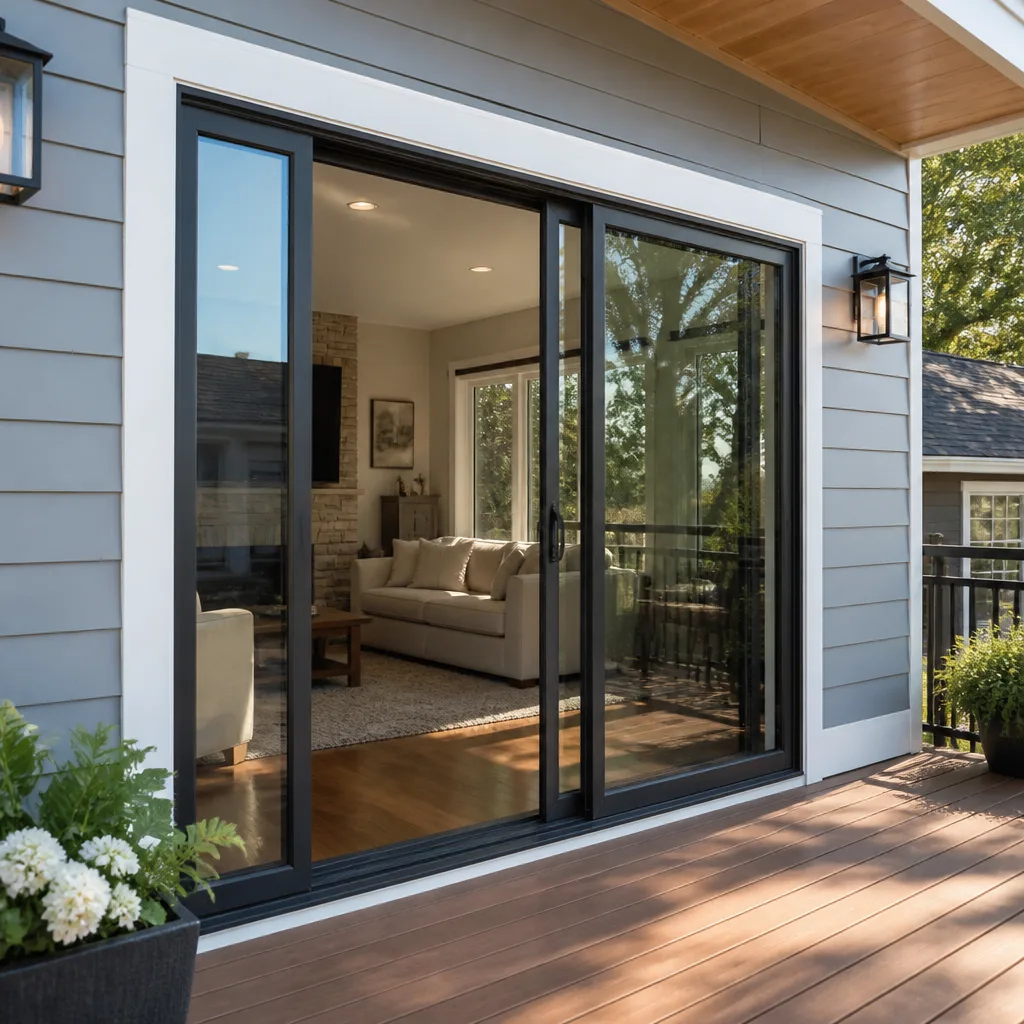
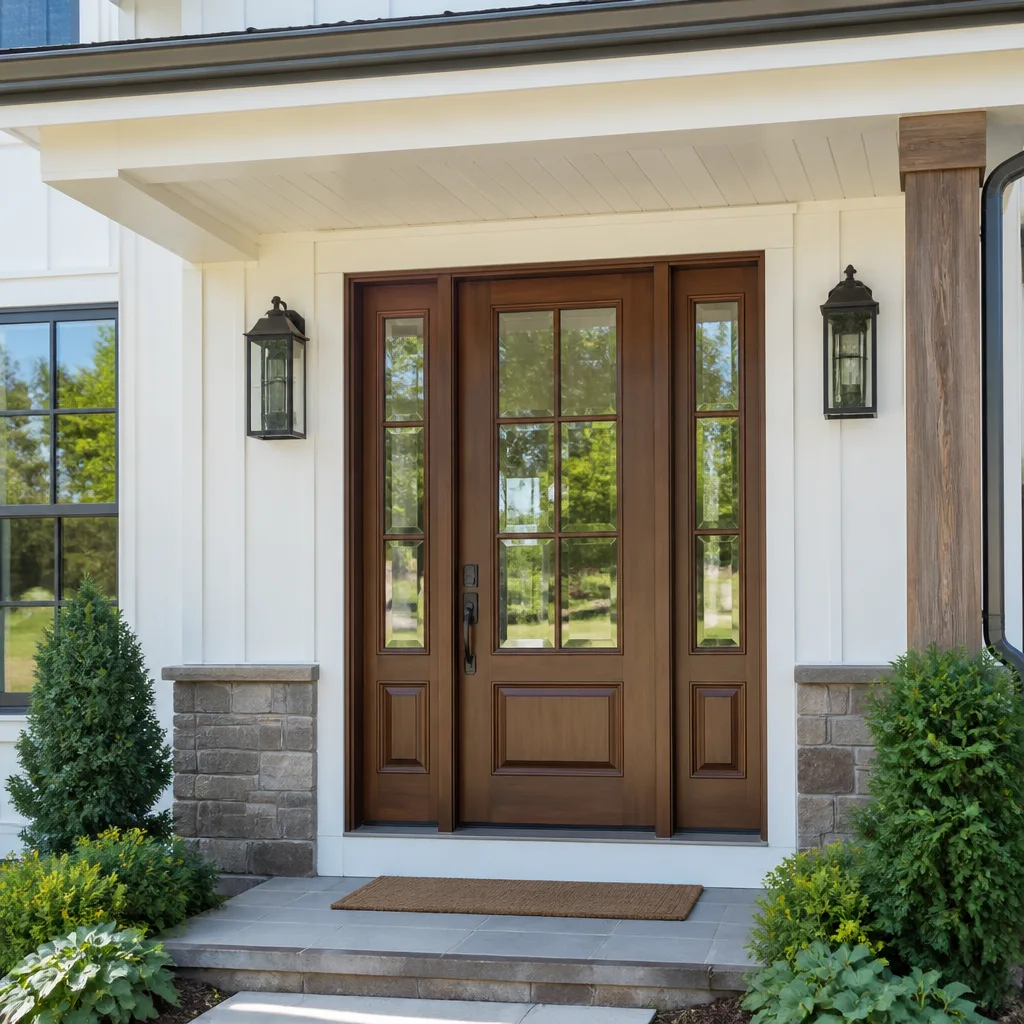
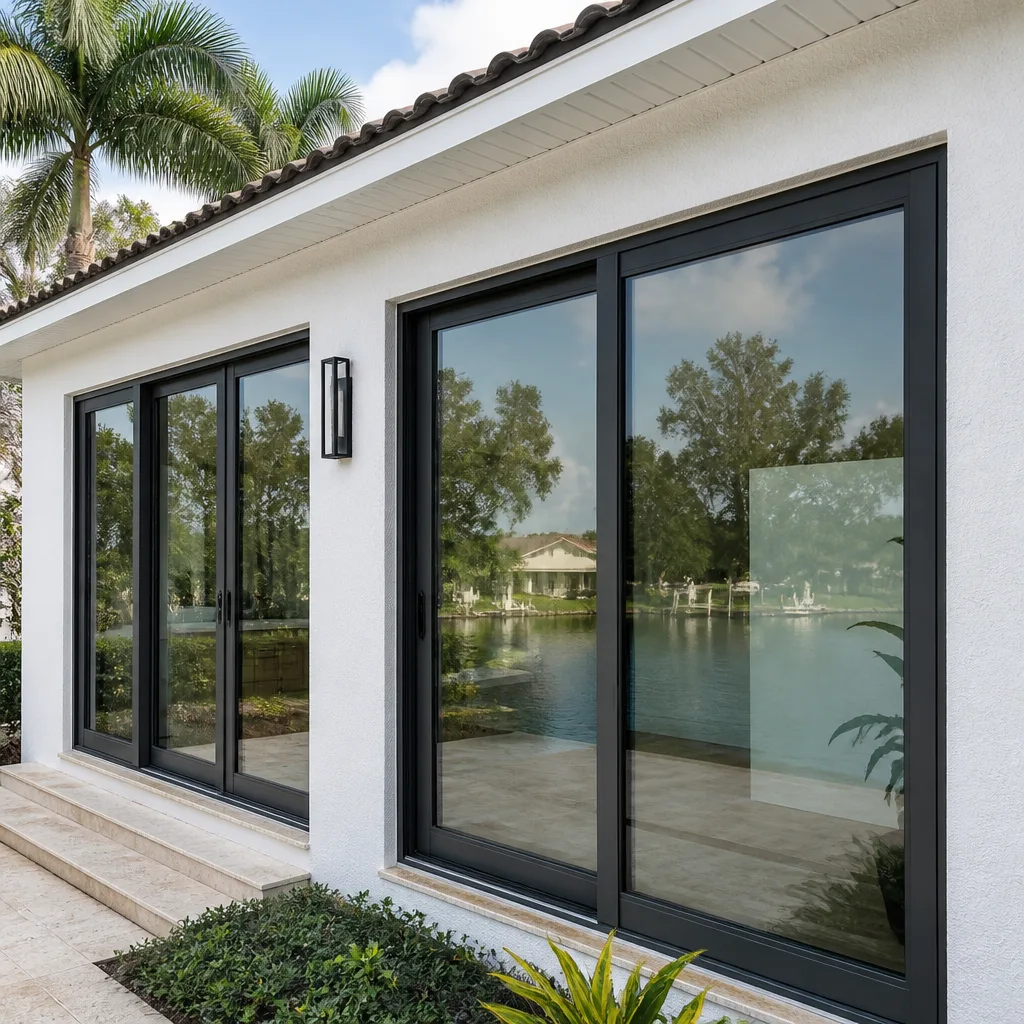

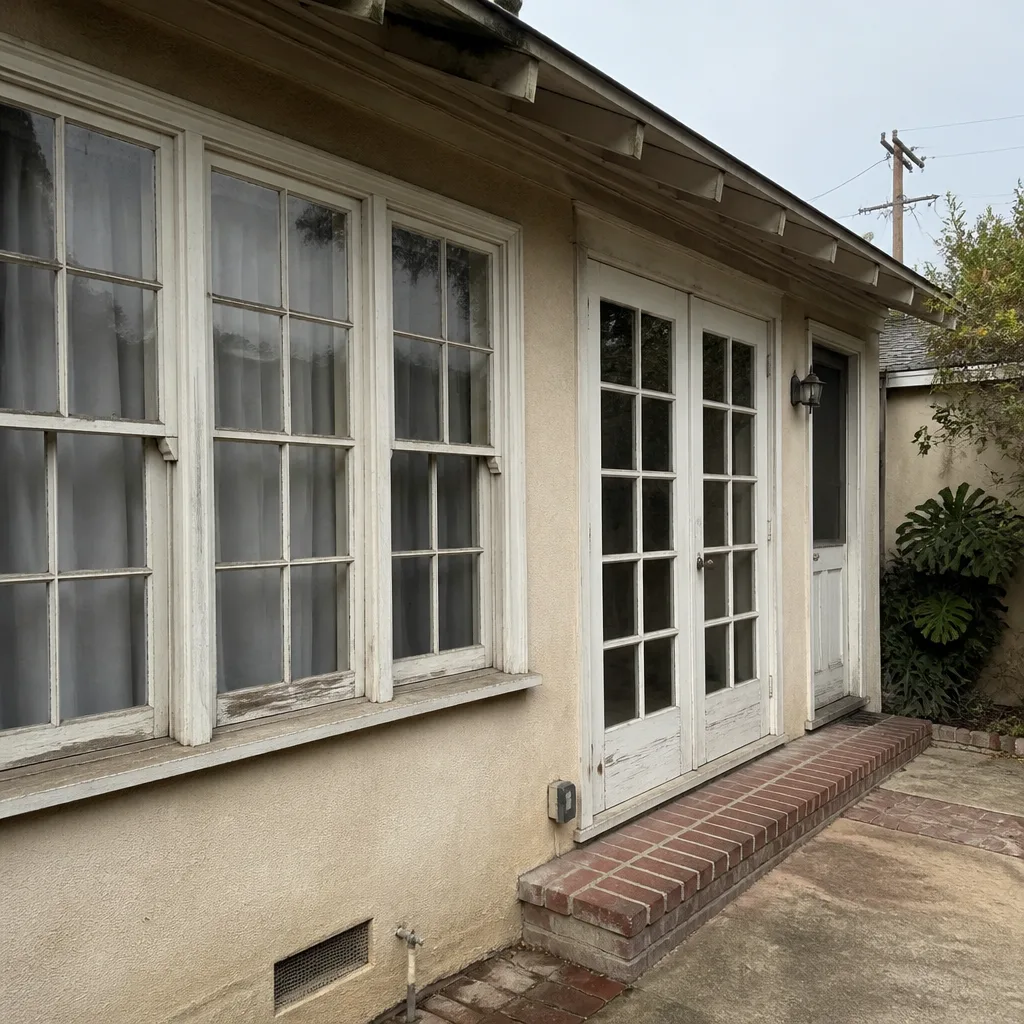 Before
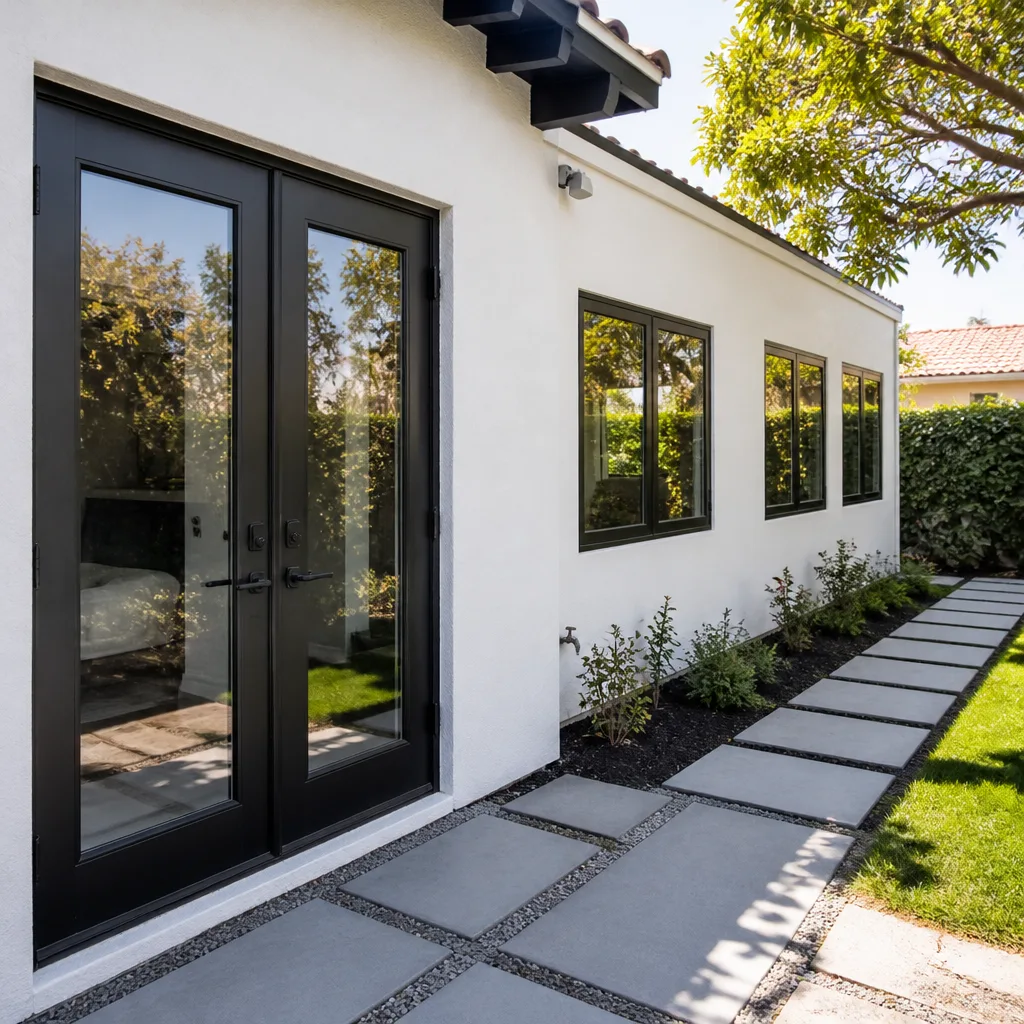 After
After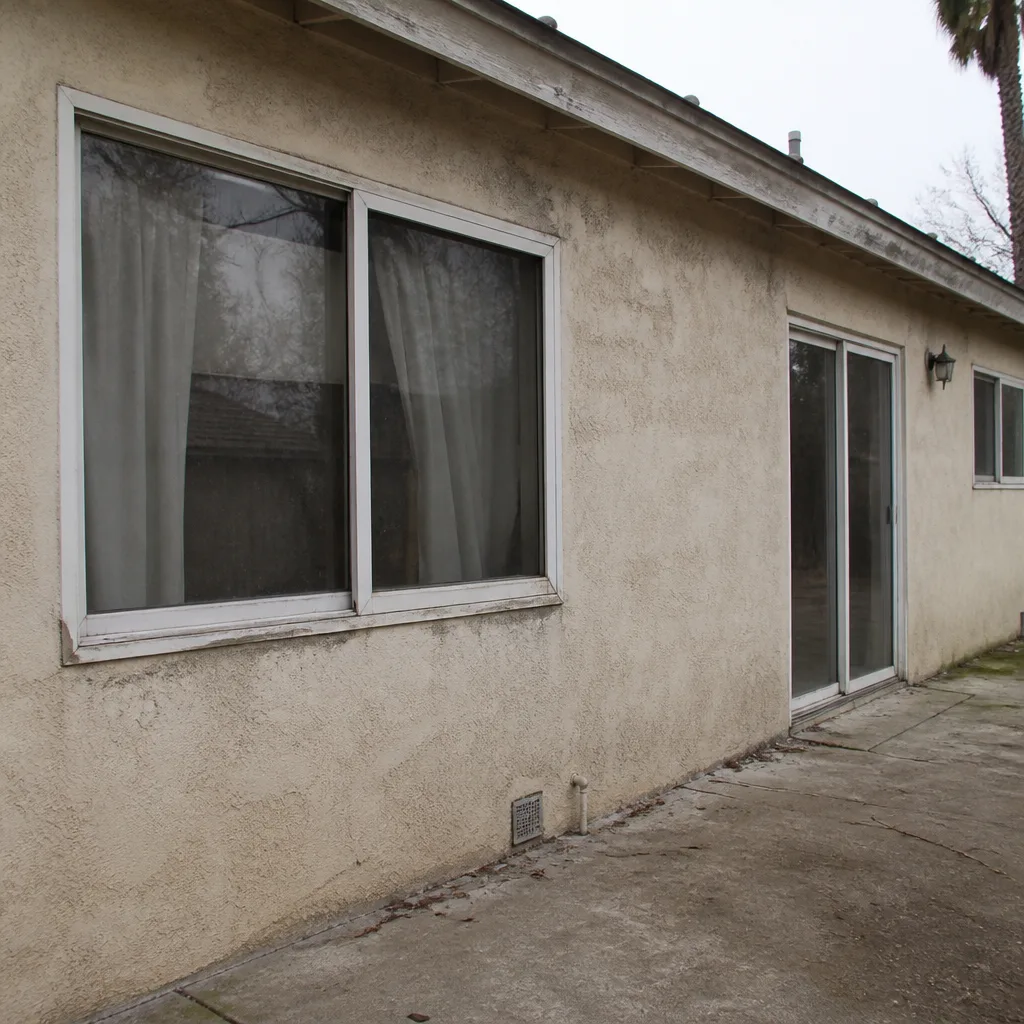 Before
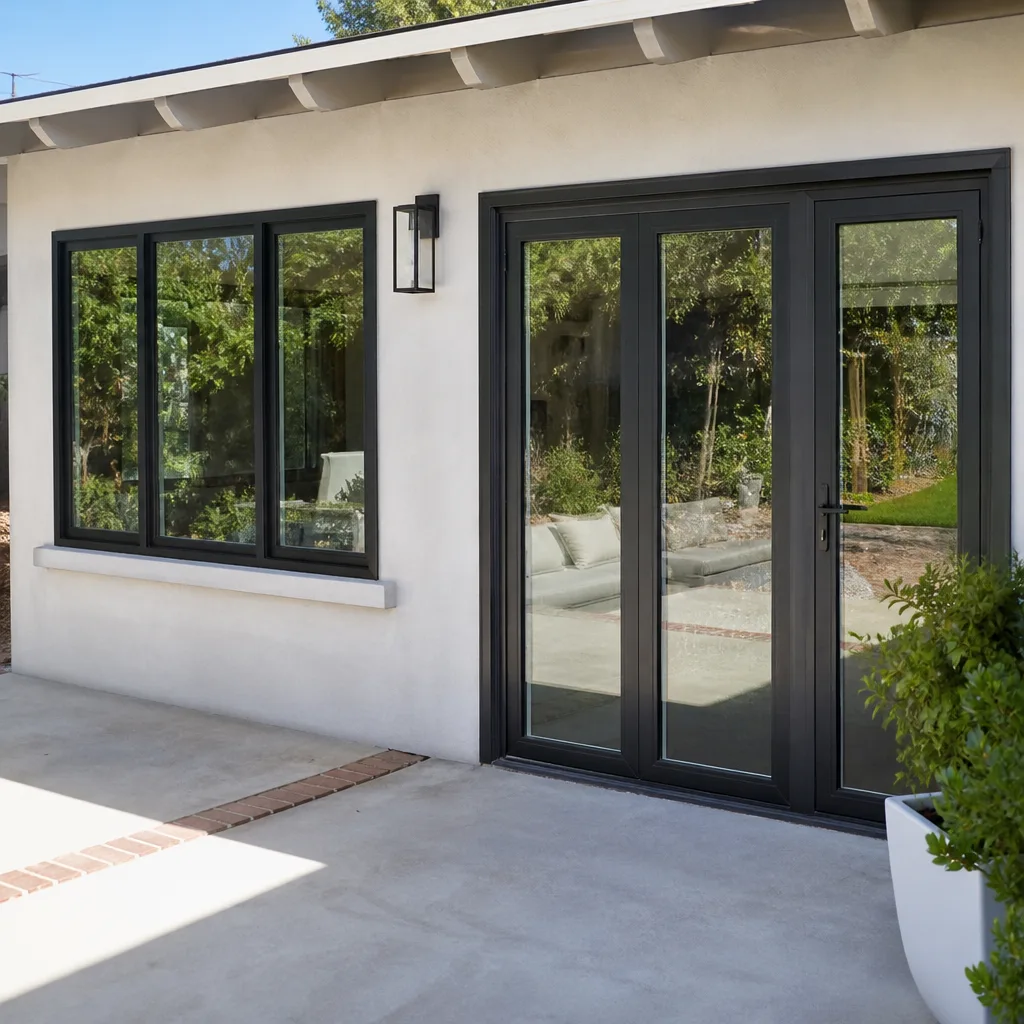 After
After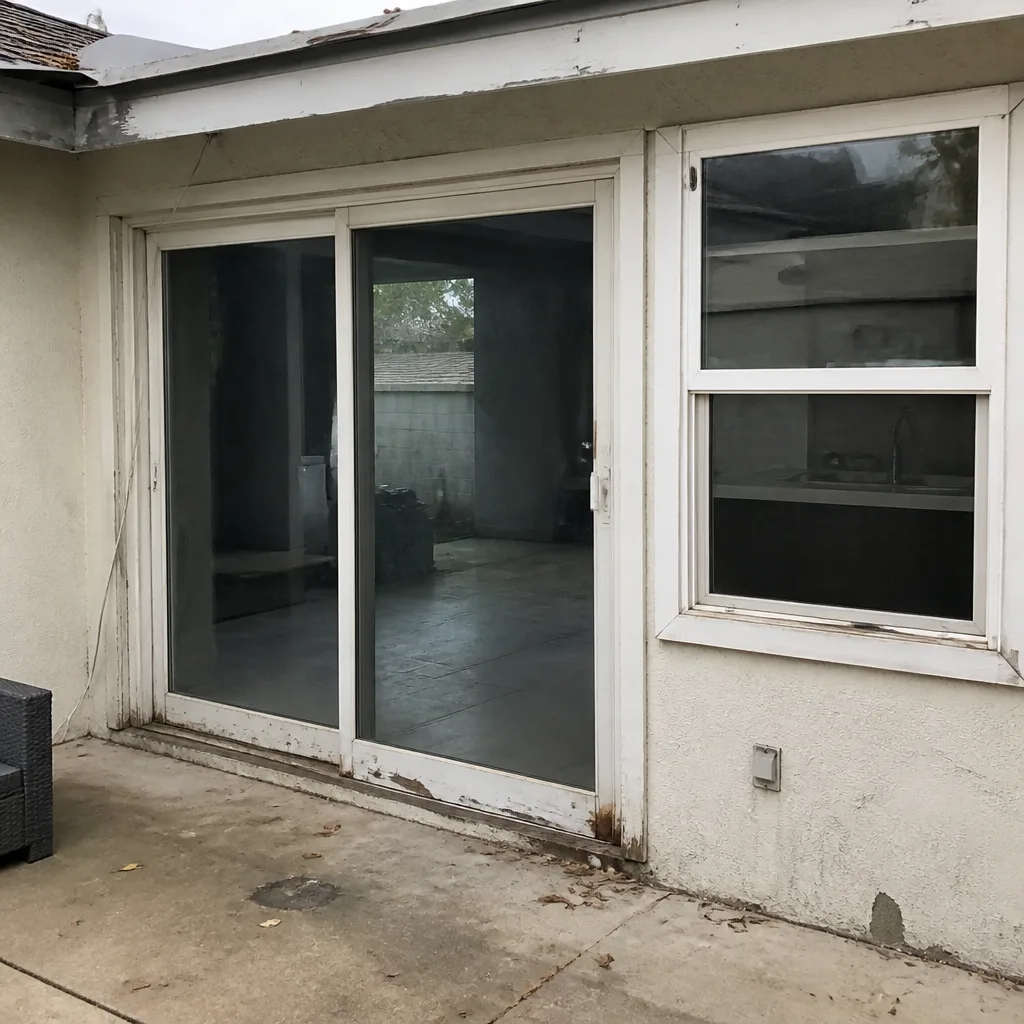 Before
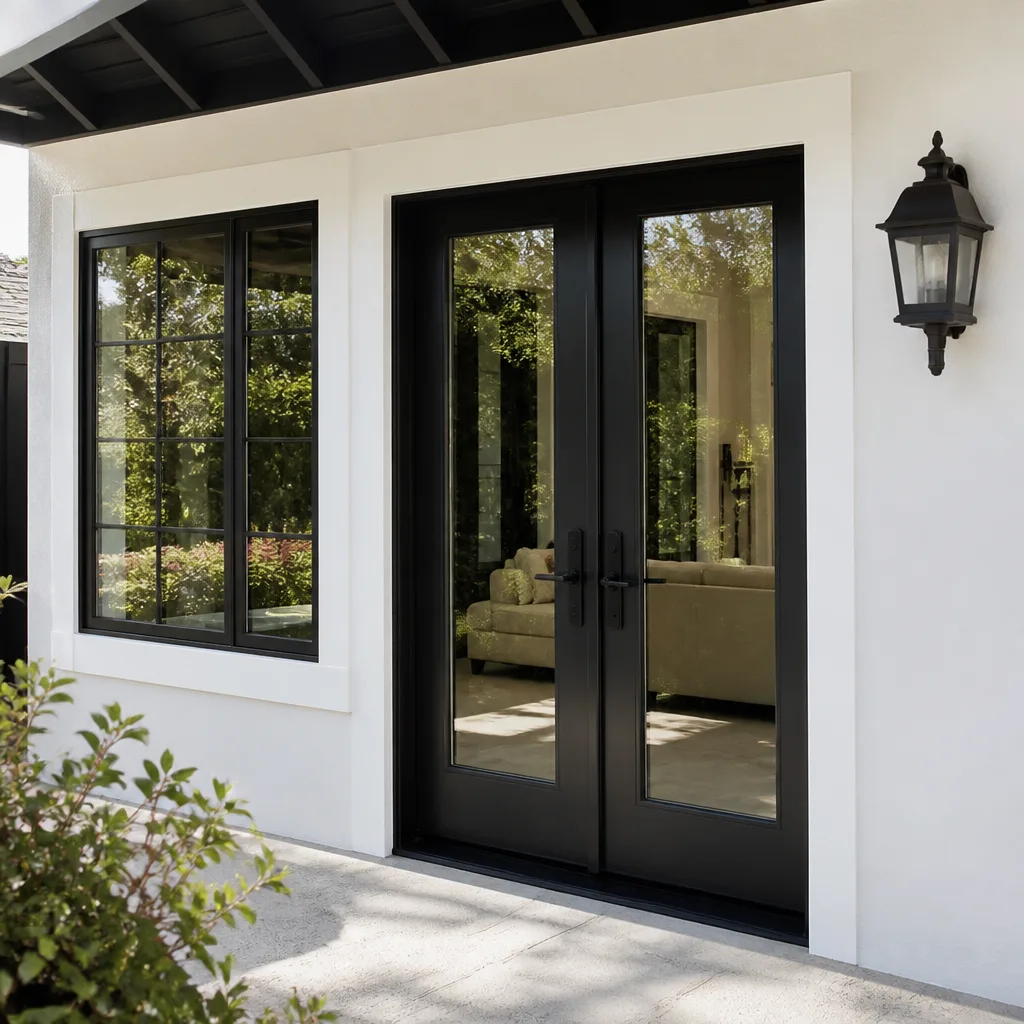 After
AfterBest Windows for Energy Efficiency
What’s Happening
If you’re searching for the best windows for energy efficiency, the most likely reason is that your home is already telling you something: rooms that won’t stay warm or cool, utility bills that keep climbing, or drafts you can feel without even touching the glass. Windows are almost always the cause, and replacing them with the right product for your home’s specific exposure and climate is the fix.
Not every window failure looks the same. Some are easy to spot – a foggy pane that never clears, a frame you can flex by hand, a gap around the sash you can see daylight through. Others take longer to notice: a slow drift in your heating and cooling costs, a room that’s always a few degrees off from the rest of the house. What they share is a common source. The window is letting conditioned air out and outdoor air in, and no amount of weather-stripping or adjusting the thermostat will fix a glazing problem. The glass unit itself, or the frame assembly around it, has to be addressed.
Why It Happens
Seal Failure in the Insulated Glass Unit
Most modern windows use double or triple panes with a sealed air or gas space between them – that gap is where the thermal performance lives. When the seal around those panes fails, moisture gets in and the insulating gas escapes. You’ll see it as a cloudy or milky haze between the panes that appears on warm mornings and sometimes clears by afternoon. Once the seal is gone, the window’s insulating value drops significantly and the fogging will only get worse.
Worn or Degraded Frame Material
Wood frames absorb moisture and can swell, crack, or rot at the corners over years of seasonal change. Older aluminum frames conduct heat directly, acting more like a radiator than a barrier. Vinyl frames hold up longer but can warp or pull away at the corners under prolonged sun exposure. Run your hand along the interior frame edge on a cold day – if you feel cold radiating from the frame itself, not just the glass, the frame material is part of the problem.
Failed or Missing Weatherstripping and Glazing Tape
The rubber and foam seals between the sash and the frame compress and harden over time. When they stop sealing completely, outside air finds a path in around the edge of the glass rather than through it. Hold a tissue or a thin strip of paper near the sash perimeter on a windy day – if it moves, you have an air infiltration problem at the seal, not the glass. This one is sometimes repairable without full replacement, and a technician can tell you quickly which way it goes.
Outdated Single-Pane or Low-Performance Glass
Homes built before the late 1990s sometimes still have single-pane windows or early double-pane units without a low-emissivity coating. These windows have no meaningful resistance to radiant heat gain or loss. If your windows have no visible spacer bar between the panes – or just one – and you’ve never had them replaced, that’s almost certainly where your energy losses are coming from. Touch the interior glass surface on a hot afternoon: if it’s warm to the touch, the glass is absorbing and transferring solar heat straight into the room.
What to Do Right Now
- Check for visible seal failure. Look between the panes for cloudiness, streaking, or moisture droplets. Take a photo in morning light – the condensation shows up most clearly then, and the photo helps the technician assess the unit before arriving.
- Test for air infiltration. On a day with any wind, move a lit incense stick or a damp hand slowly around the sash perimeter, the frame corners, and where the frame meets the wall. Movement or cold means air is getting through. Note exactly where.
- Don’t patch with caulk on a moving part. Caulking a sash that opens and closes feels like a quick fix but it seals the window shut and can trap moisture. Leave moving parts alone until someone can look at the full assembly.
- Check your energy bills. Pull the last 12 months of bills if you can. A slow upward trend with no change in usage habits points to building envelope loss, and windows are the most common culprit. This comparison is useful information for your estimate conversation.
- Leave broken glass alone. If a pane is cracked or broken, do not try to remove the glass yourself. Broken insulated glass units can have sharp edges at unexpected angles and the glazing compound that holds them can release suddenly. Photograph it, cover the opening loosely from the inside if there’s a draft, and call for a professional assessment.
How We Fix It
When your local Hale Windows & Doors team arrives, the first thing the technician does is assess each window in question – checking the seal integrity, the frame condition, the glazing, and the weatherstripping – before recommending anything. If a seal failure is isolated to one or two units, a targeted glass unit replacement may be the right call. If the frame itself is compromised, or if the window is simply too old to perform to current standards, a full window replacement is the more cost-effective answer.
Hale installs and services windows from eight professional lines: PGT, CGI, CWS, ES Windows, ECO Window Systems, Mr-Glass, Therma-Tru, and ViewLux. That range matters because the right product for a sun-facing west wall is not the same as the right product for a shaded north exposure. The technician matches the product to the problem rather than defaulting to one option.
Before any work begins, you receive a written price. That’s not a ballpark – it’s the number. The job is also covered by the 365-Day Done Right Promise: if it’s not right, we make it right. A typical assessment and written quote takes about an hour on site.
Frequently Asked Questions
The best window for energy efficiency depends on your specific home – its orientation, how much direct sun the window faces, and the climate where you live. Among the lines Hale installs, PGT, CGI, and ECO Window Systems are engineered specifically for high-performance thermal and solar control, while ViewLux and CWS offer strong options across a range of exposures. A written quote from your local Hale team will include a specific product recommendation tied to the actual window openings in your home, not a generic catalog suggestion.
Yes – windows are one of the largest sources of heat gain and heat loss in a home. Failed seals, single-pane glass, and degraded frames all reduce the barrier between your conditioned air and the outside. The effect shows up gradually, which is why homeowners often don’t connect rising utility costs to the windows until a technician points it out. Once the windows are replaced with a properly rated unit for your exposure, the difference is usually noticeable in the first full billing cycle.
A failed window seal is not a safety emergency, but it does compound over time – moisture that gets into a failed unit can work its way into the frame and surrounding wall structure, turning a glass replacement into a more involved repair. If you have a cracked or broken pane, move faster: an unsealed opening is a security and moisture risk. Call (252) 675-6980 to schedule your free written estimate and at least know what you’re looking at before you decide.
Your local Hale Windows & Doors team handles scheduling for your area, and a live person answers every call around the clock – no voicemail, no callback queue. Call (252) 675-6980 and they’ll find the earliest available time in your market. The estimate itself is free, written, and delivered before any work is discussed – so there’s no pressure and no surprises.
Get It Fixed
Call (252) 675-6980 – a live person picks up around the clock. Your local Hale Windows & Doors team will schedule a free written estimate, assess every window in question, and give you a specific product recommendation and a firm price before anything starts. No guesswork, no surprises.
Written by Spencer Odell, Owner at Hale Windows & Doors, part of the Threshold Group family of home-service brands, founded in 2009.
What Our Customers Say
"Honest quote with the glass type and U-factor spelled out. Didn't need the triple pane and he told me so."
- Diane O."Fogged double pane in the living room. They replaced the glass units only, not the whole frame, and saved me a lot."
- Raul C."One sash would not stay up. He rebuilt the balance and now it slides like new."
- Yvonne T.