

Last updated October 9, 2026
Free in-home measure and quote - PGT, CGI and CWS impact lines compared on your actual openings, style by style
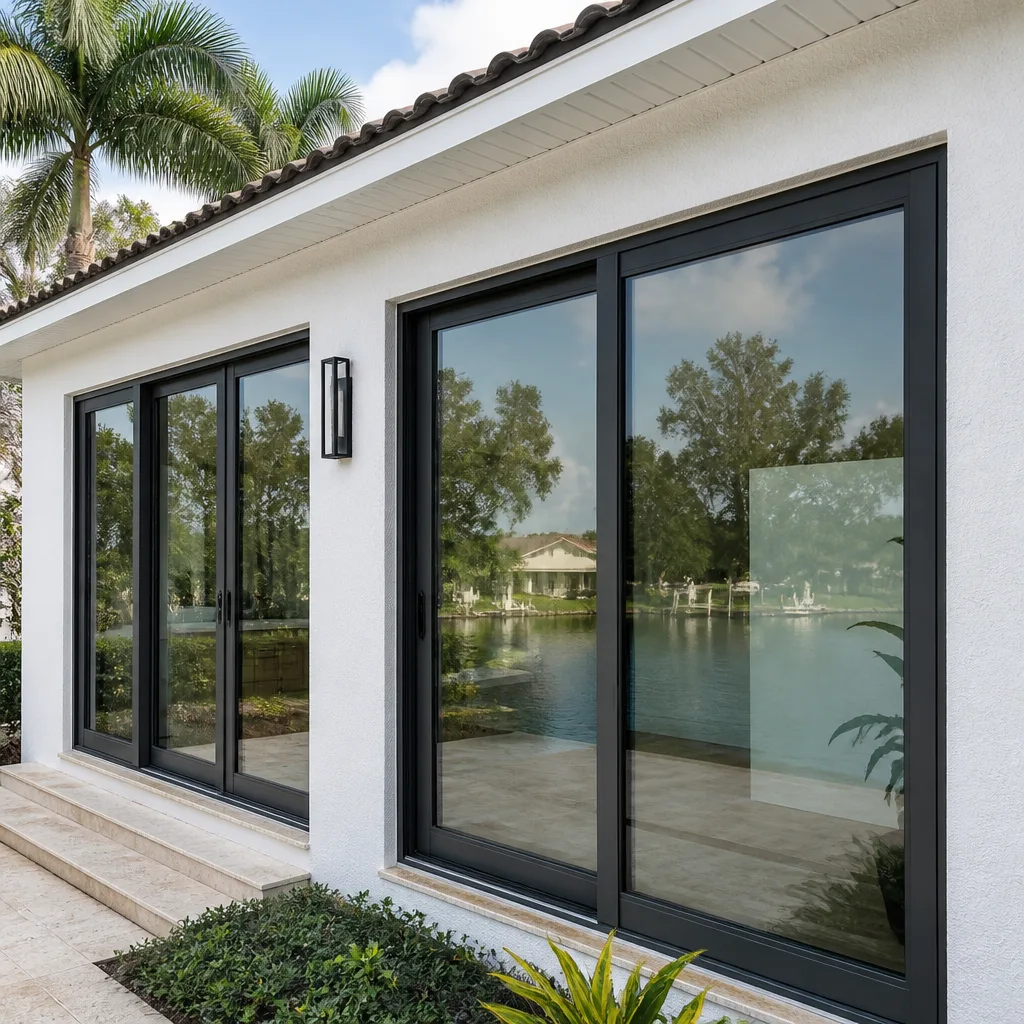
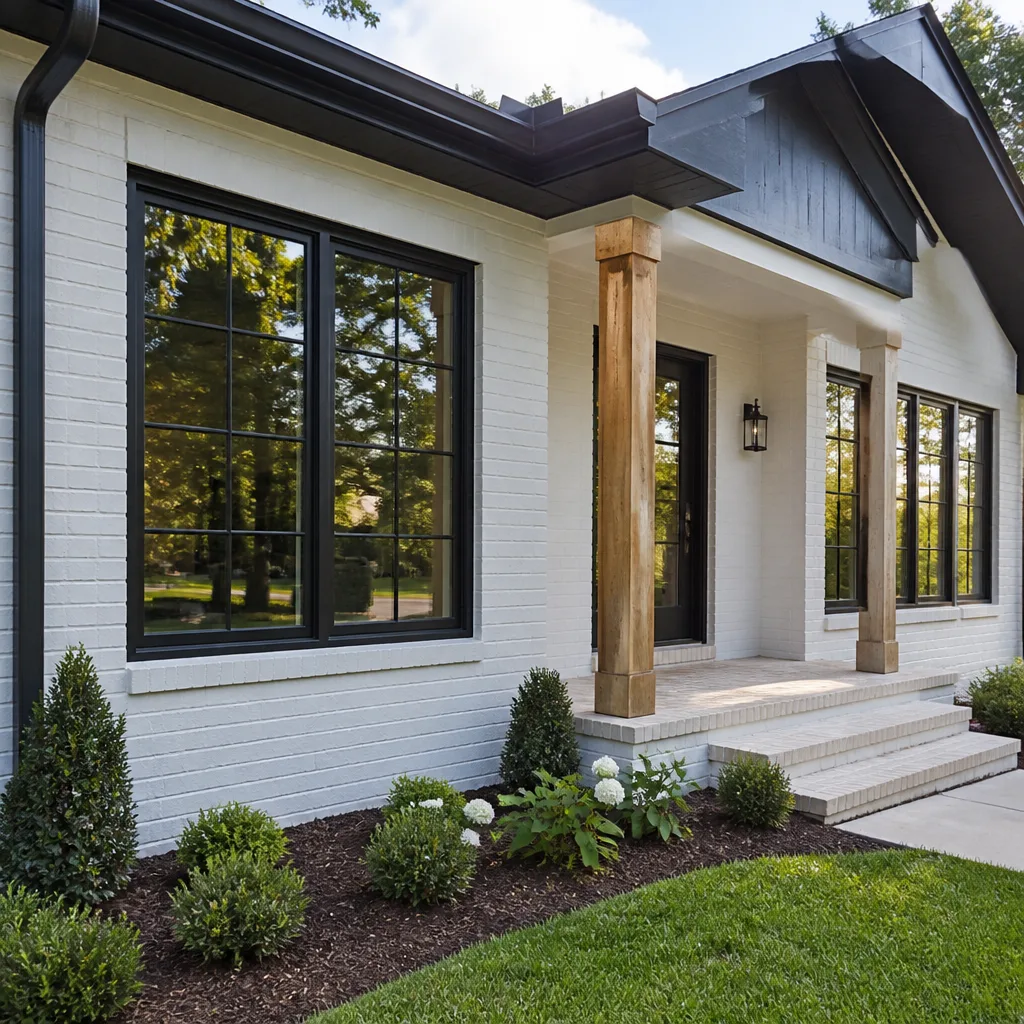
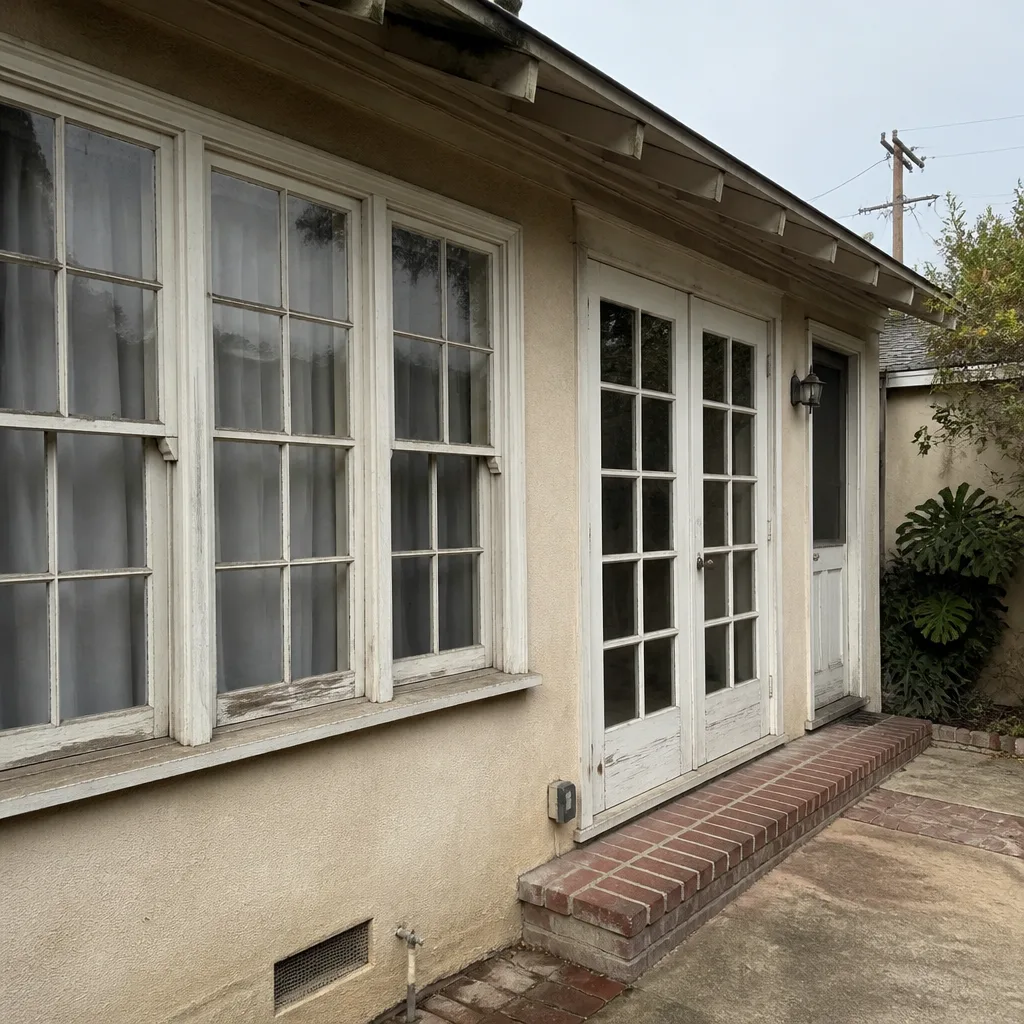 Before
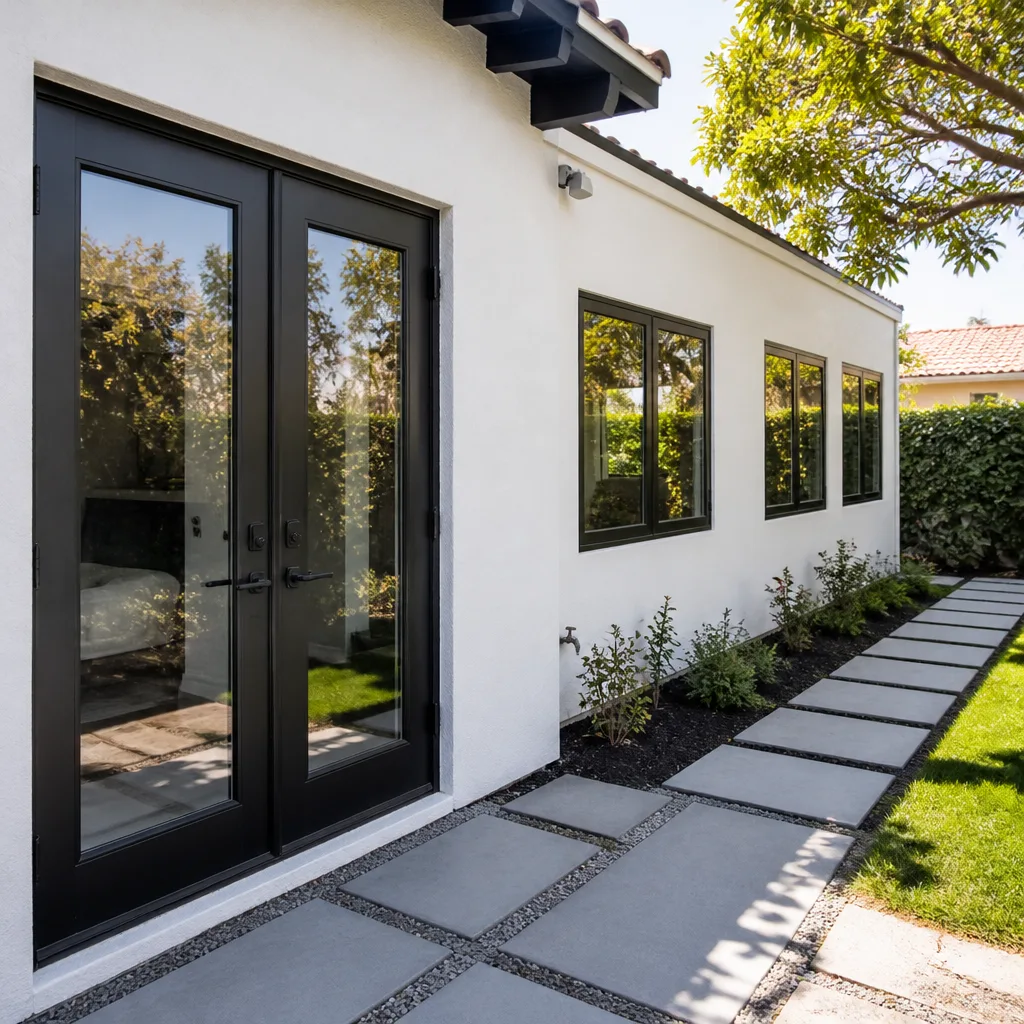 After
After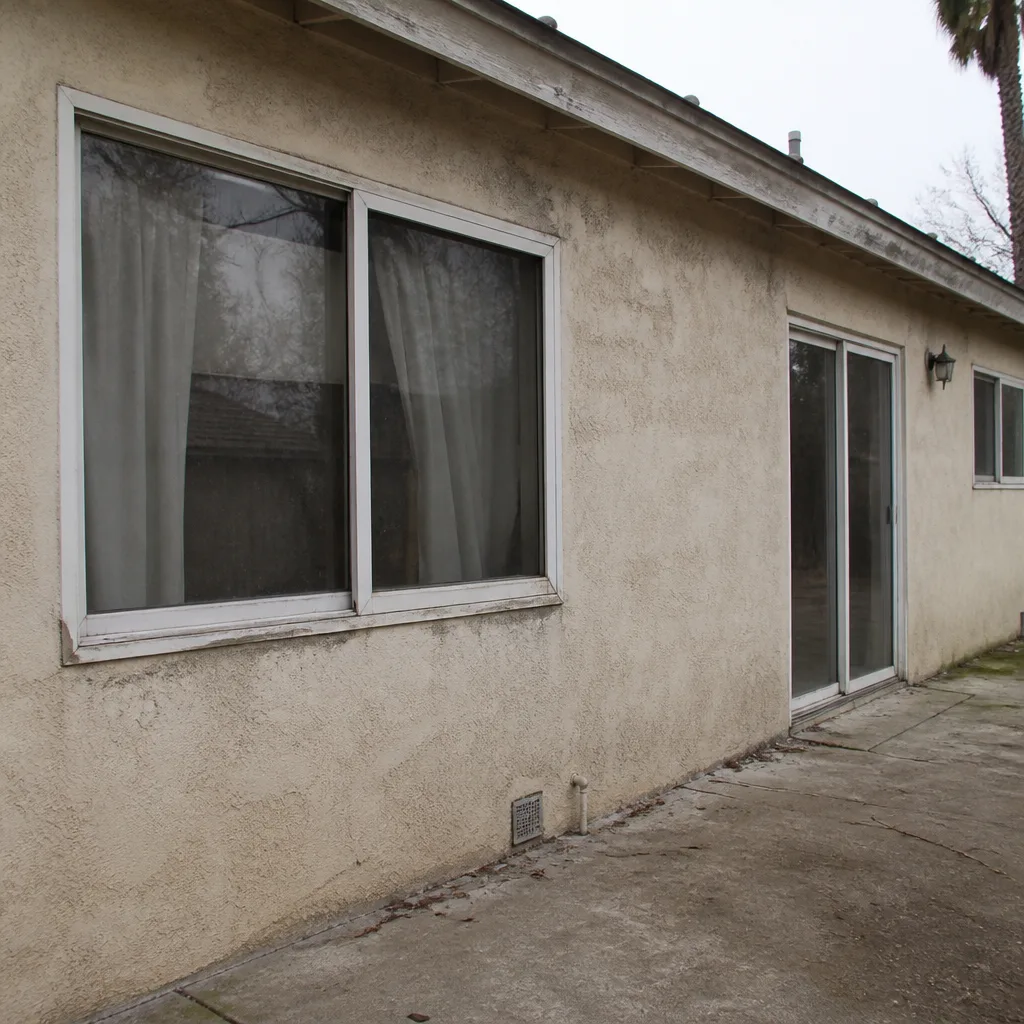 Before
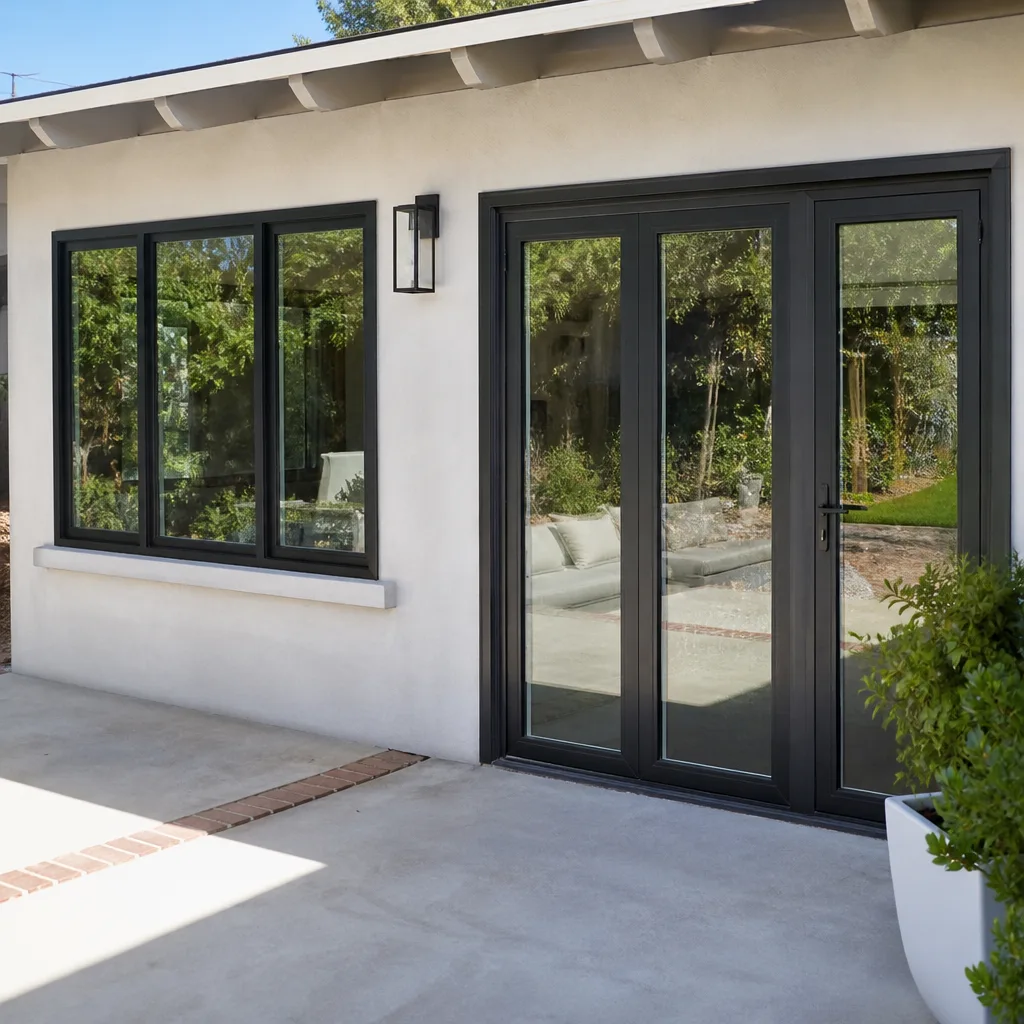 After
After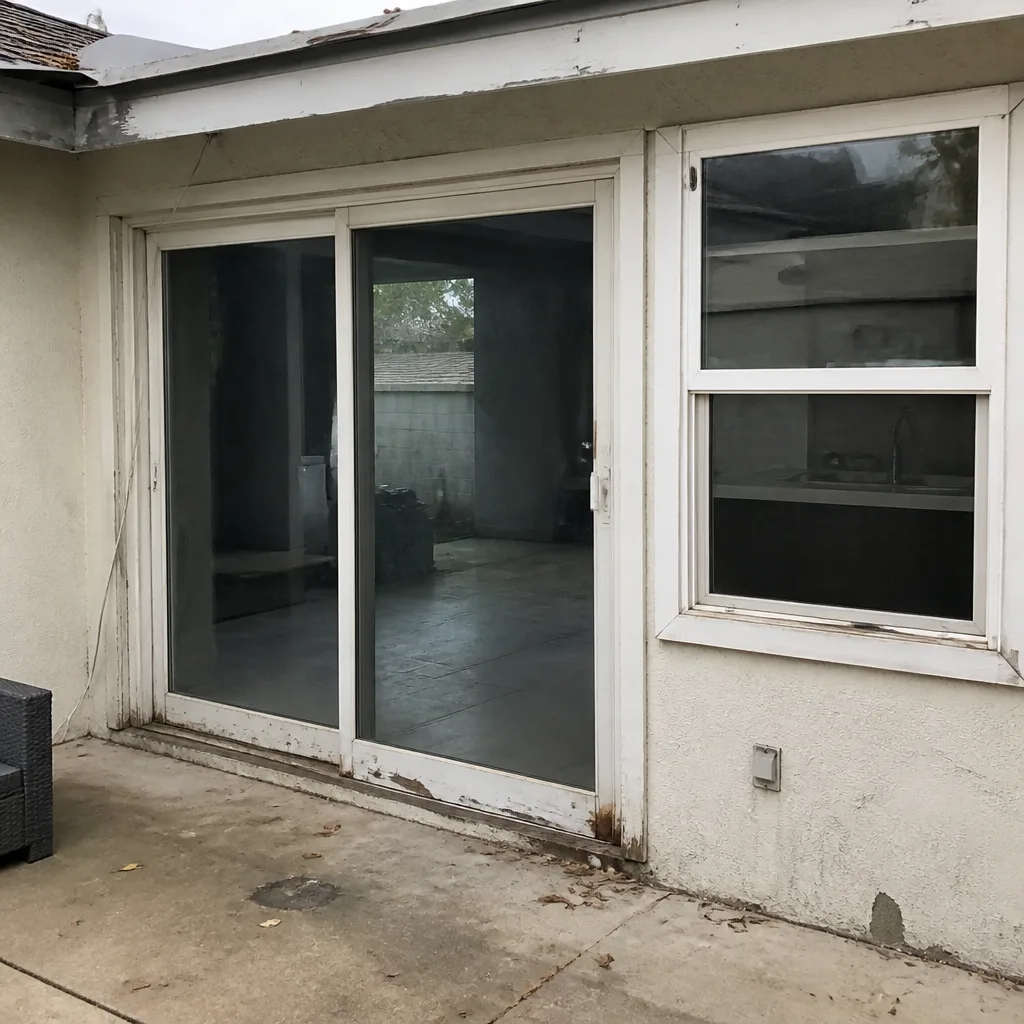 Before
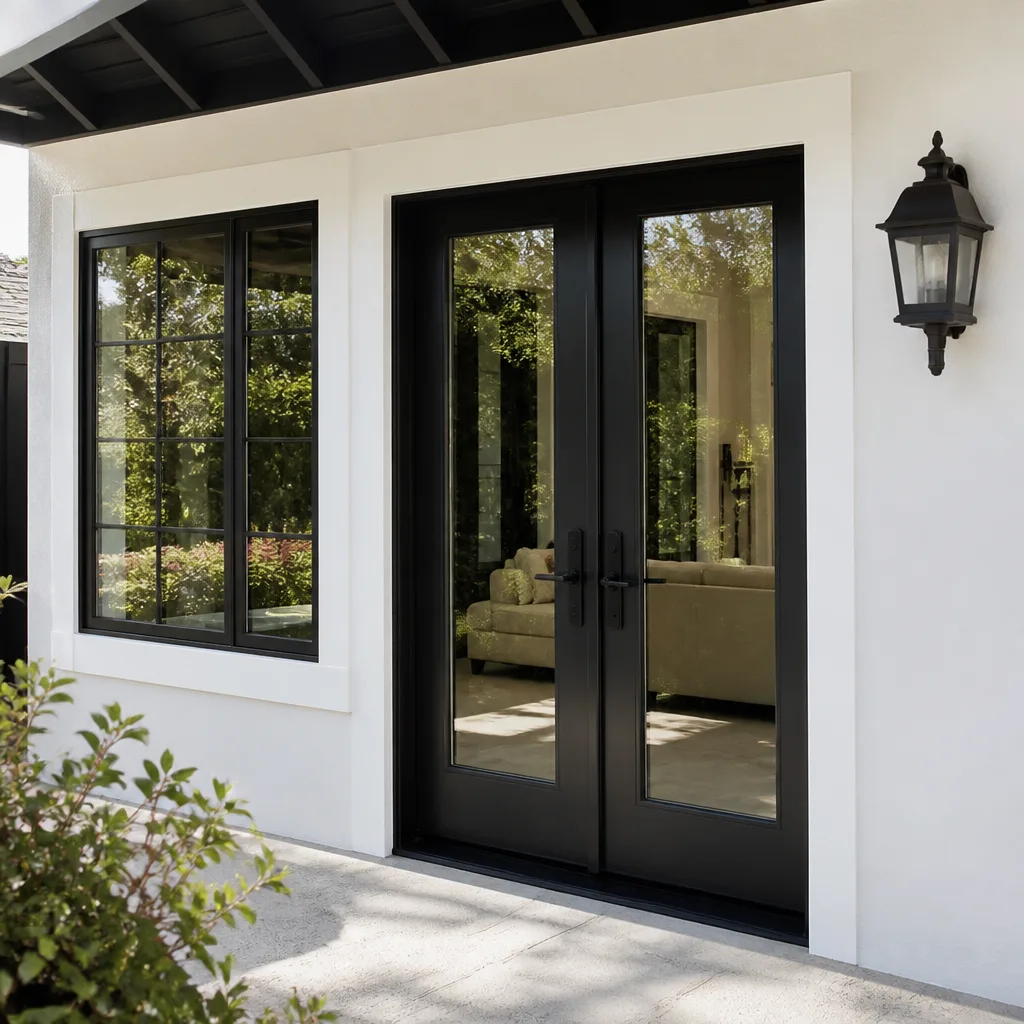 After
AfterFront Door Replacement Warning Signs Every Homeowner Should Know
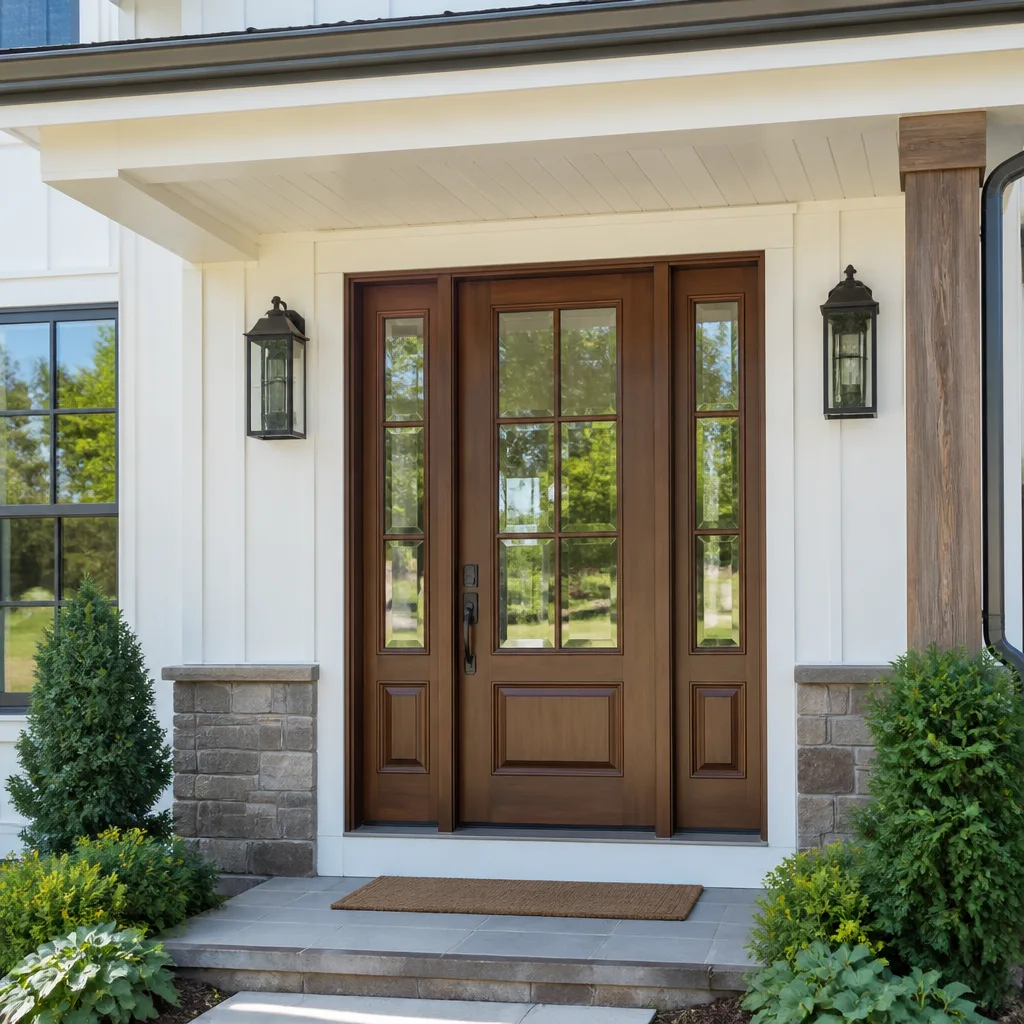
A door that locks and closes fine can still have an actively failing threshold that’s been wicking water into the subfloor for two years. By the time you feel the soft spot underfoot, you’re into a repair that runs three times what replacing the door would have cost. In Los Angeles, where coastal salt air, intense UV exposure, and brush-fire zone requirements all work against exterior doors, the gap between “looks tired” and “structurally compromised” is shorter than most homeowners assume. This guide walks you through what to check, which failures demand front door replacement now versus a repair this season, and the tests you can do yourself in under ten minutes.
Quick Answer
The clearest front door replacement warning signs are a deadbolt that no longer seats squarely, a threshold that flexes or shows rot when probed, daylight visible around the door slab from inside, and finish failure that has exposed the underlying door material. In Los Angeles, also watch for salt-air corrosion on steel doors near the coast and UV-brittled finishes on south- and west-facing entries. If any two of these signs appear together, the door and its frame are likely past the point where repair makes financial sense.
Table of Contents
- Security Signs: Deadbolt Misalignment and Strike Plate Failure
- Structural Signs: Threshold Rot, Frame Soft Spots, and Hinge Separation
- Energy Signs: Daylight Gaps, Drafts, and the Dollar-Bill Test
- Aesthetic Signs: Delamination, Finish Failure, and What They Actually Mean
- Los Angeles-Specific Failure Accelerants
- Repair This Season vs. Replace Now: Where the Line Is
- Common Mistakes to Avoid
- Frequently Asked Questions
Security Signs: Deadbolt Misalignment and Strike Plate Failure
Your front door’s first job is keeping people out. When the locking hardware starts fighting the door instead of working with it, that’s a structural signal, not a hardware annoyance. A deadbolt that requires you to lift the handle or shoulder the door to throw means the slab has shifted relative to the frame. The question isn’t whether you can lock it. The question is what moved, and whether the fix is a five-minute strike plate adjustment or evidence that the frame itself is pulling away from the house.
Two specific failures tell us the most. First, deadbolt misalignment: the bolt no longer enters the strike plate hole cleanly, so the plate edge has started to wear a groove. Second, strike plate pull-through: the screws holding the strike plate into the jamb have begun tearing out of the wood. That second one is the one to take seriously. A strike plate that’s pulling through means the jamb wood behind it has softened, typically from moisture intrusion you cannot see from the outside. The door may still lock. The frame is failing around it.
In our experience across Los Angeles, homes built before the mid-1980s often have jamb construction that predates current security standards. The original strike plates were installed with screws shorter than one inch, into wood that has now gone through four decades of seasonal movement. When we assess a door like that, we’re not just looking at the plate. We’re probing the jamb behind it and checking whether the frame’s anchor screws still bite into the stud beyond the casing.
What to check this week
- Lock the deadbolt with the door in its natural closed position. If you have to push, pull, or lift the door to get the bolt to throw, the alignment has shifted.
- Open the door and examine the strike plate screws. Do they sit flush or have they started pulling into the plate at an angle?
- Press a screwdriver tip into the jamb wood around the strike plate. If it sinks with light pressure, the wood is soft and the frame is compromised.
A door that no longer locks cleanly is a security problem before it’s an aesthetic one. Hale Windows & Doors includes a hardware-to-frame alignment check as part of every front door assessment. If the frame is sound, a strike plate adjustment is a quick, inexpensive fix. If the jamb is soft, a new strike plate screws into nothing, and the conversation shifts to frame repair or full replacement. Details on our process are on the Front Door Replacement in Los Angeles page.
Structural Signs: Threshold Rot, Frame Soft Spots, and Hinge Separation
The threshold is the horizontal piece you step over when entering. It is also the single most common failure point on a Los Angeles front door, and the one homeowners miss for the longest because it hides underfoot. A threshold that’s wicking water into the subfloor doesn’t announce itself. It works quietly, for years, until the subfloor loses enough integrity that you feel a soft spot through your shoe. By then, the repair has moved from the door to the framing underneath the floor.
Threshold rot follows a predictable pattern. Water pools on the threshold during rain or landscape irrigation. It seeps past the seal where the threshold meets the jamb. It saturates the wooden subfloor directly below. The threshold itself may not look catastrophically damaged from the top because the failure is happening underneath. The test is simple: press a screwdriver tip into the threshold from the exterior side, especially at the corners where it meets the jamb. Healthy wood resists. Rotting wood yields like a damp sponge.
The hinge-side of the frame deserves equal attention. Hinges carry the full weight of the door slab, and when the screws start backing out or the wood around them compresses, you’ll see the door sag. Sagging shows up as a door that rubs at the top on the latch side, or a gap at the top that’s wider on the hinge side than the latch side. That’s hinge-side frame separation. It means the structural connection between door and house is failing, and it will only get worse as the slab’s weight continues to lever against the weakened wood.
A less obvious but equally serious sign is water staining at the interior baseboard corners near the door. In Los Angeles homes with hardwood or laminate flooring, a dark, feathered stain radiating from the door casing usually means water is traveling along the subfloor from a threshold failure. By the time the stain is visible, the moisture has been present long enough to move several feet. Hale Windows & Doors sees this pattern often in older Los Angeles neighborhoods like Silver Lake and Eagle Rock, where original thresholds from mid-century construction are reaching the end of their service life.
Energy Signs: Daylight Gaps, Drafts, and the Dollar-Bill Test
An entry door that leaks air is costing you money every month, but it’s also telling you something about the frame. Weatherstripping compresses over time. Door slabs settle. Frames shift with the house. When the door no longer seals evenly, conditioned air escapes and outdoor air, often carrying dust and pollen, comes in. In Los Angeles, where summer temperatures routinely push past 90 degrees and electricity rates are among the highest in the country, a leaking front door is a rolling utility expense.
Start with the dollar-bill test. Open the door, place a dollar bill between the door and the weatherstripping, close the door, and pull the bill out. You should feel resistance. If the bill slides out freely, the seal is not making contact at that point. Repeat the test in four places: top, latch side, hinge side, and along the threshold. A door that passes at the top and latch side but fails at the hinge side suggests the slab has shifted in the frame, not just that the weatherstripping is worn.
Daylight gaps are the most straightforward check and the easiest to miss. Stand inside the house with the door closed and the exterior light bright. Look at the perimeter of the door. If you can see daylight through any part of the slab-to-frame contact, the seal has failed completely at that point. This is not something a thicker weatherstrip will fix. If the gap is uneven, wider at one corner, the frame is out of square. If the gap is even but present, the slab is likely warped or undersized for the opening.
Threshold drafts deserve their own line. Cold air at ankle level in winter, or hot air in summer, means the door sweep, the flexible strip at the bottom of the slab, has worn down or the threshold itself has sagged. On a door with a low-profile threshold, the fix can be as simple as replacing the sweep. On a door with an adjustable threshold, raising the threshold cap slightly can restore the seal. Neither fix works if the subfloor below the threshold has begun to compress from moisture damage, which is why a draft that returns weeks after you adjust it usually points to a deeper problem.
Aesthetic Signs: Delamination, Finish Failure, and What They Actually Mean
A front door that looks bad is annoying. A front door that looks bad because the material beneath the finish is failing is a replacement-level problem. The distinction matters, and it’s usually visible if you know what you’re looking at. Delamination and finish failure are two different things with two different timelines.
Delamination is the separation of layers within the door slab. On steel doors, it appears as bubbling or peeling of the outer metal skin away from the core. On fiberglass doors, it shows up as a soft spot or a visible seam where the outer shell has lifted. On any door with a veneer, delamination means the adhesive holding the layers together has failed. Moisture is almost always the trigger. Once delamination starts, it does not stop; the exposed area allows more moisture in, which delaminates more of the door. A door with significant delamination has lost both its structural integrity and its insulative value.
Finish failure is the stage before delamination, and it offers a window to intervene. On a painted door, finish failure looks like cracking, chalkiness, or color fading. On a stained wood door, it’s the varnish breaking down, turning white or flaking off. The key question is what’s underneath. If the finish is failing but the substrate is still solid and dry, a proper prep-and-refinish job can extend the door’s life by years. If the finish failure has been present long enough that the substrate itself is showing, the clock has run out.
In Los Angeles, finish failure happens faster than homeowners expect. South- and west-facing entries take direct afternoon sun for hours, and UV exposure breaks down finishes in a way that shade-side doors never experience. A door with a south-facing exposure in Los Angeles can show finish cracking in three to five years, while the same door on a shaded entry in a neighborhood like Brentwood might go a decade. The finish itself isn’t the structural problem. But a failed finish is the entry point for moisture, and in a climate that occasionally gets several weeks of atmospheric-river rain, that entry point is how a cosmetic problem becomes a frame-level failure.
Hale Windows & Doors works with professional-grade door lines that address this directly. Products like Therma-Tru fiberglass doors use compression-molded skins that resist the delamination we see in older steel doors, and ViewLux doors are engineered for exposure-heavy Los Angeles entries. The point isn’t that any brand is the right answer for every house. It’s that matching the door material to the exposure is more than half the battle.
Los Angeles-Specific Failure Accelerants
Los Angeles is not one climate. It’s at least three, and each one attacks doors differently. If you live within about five miles of the coast, in neighborhoods like Playa del Rey or San Pedro, salt air is your primary enemy. Uncoated or scratched steel doors develop corrosion at the bottom corners first, where salt-laden condensation collects. The corrosion starts as small blisters under the paint and progresses to structural perforation. A coastal steel door can go from surface rust to a hole in five to seven years if the damage is not addressed.
Inland, in areas like Woodland Hills or Pasadena, UV degradation is the bigger factor, particularly on south- and west-facing entries. The finish fails first, but the substrate follows. Fiberglass doors handle UV better than steel, and wood doors with a proper marine-grade finish can survive decades in full sun, but the finish has to be maintained. The failure pattern we see in inland Los Angeles is a door that’s been allowed to go from finish failure to substrate exposure, at which point the damage is no longer a cosmetic refinish job.
Then there’s the wildland-urban interface question. Parts of Los Angeles, including neighborhoods in the Santa Monica Mountains and the foothills above Glendale and Burbank, fall within mapped WUI zones where building codes address fire risk explicitly. A door with a failed threshold seal or a gap at the bottom creates an ember intrusion path. During high-wind fire events, embers travel horizontally and wedge into any ground-level gap. A threshold that doesn’t seal tightly is not just an energy problem in those zones. It’s a code compliance issue and a safety issue. The repair standards are different, and the replacement conversation has to include door materials and seal systems that meet current fire-hardening guidance.
Hale Windows & Doors has replaced front doors in every Los Angeles climate zone, from oceanfront properties in Long Beach to foothill homes in La Cañada Flintridge. Product lines like PGT and CGI, both designed for high-wind and impact-resistant markets, matter differently depending on where you live. What works three blocks from the beach is not what we’d specify for a hillside home in a WUI zone.
Repair This Season vs. Replace Now: Where the Line Is
Most front doors that get replaced in Los Angeles could have been repaired for a fraction of the cost if the work had been done earlier. Most front doors that need replacement now show signs that homeowners dismissed as cosmetic for too long. The line between repair and replacement is not arbitrary. It comes down to whether the failure is in the door slab, the frame, or the connection between frame and house.
A worn door sweep on an otherwise solid door is a repair. Expect to pay $30 to $80 in parts, plus labor, done in under an hour. A weathered finish on a door with a sound substrate is a repair, typically $250 to $600 for a professional prep-and-refinish in Los Angeles, depending on the door’s condition and whether it’s painted or stained. A sticking deadbolt where the strike plate has shifted but the jamb wood is solid is a repair: realignment plus slightly longer screws, usually under $150.
The picture changes when the failure has moved into the frame or the structural connection. A threshold with rot that has spread into the subfloor is not a door repair. The threshold has to be replaced, the subfloor section has to be cut out and rebuilt, and then the door has to be reinstalled on a stable base. In the Los Angeles market, that job runs $800 to $2,000 depending on the extent of the subfloor damage and whether flooring has to be addressed around the entry. A hinge-side jamb that has compressed or rotted around the hinge screws is similar: the jamb leg has to be replaced, which requires pulling the door, rebuilding the jamb, and reinstalling. That’s a $600 to $1,500 repair, and at that point, you have to ask whether the existing door slab is worth keeping.
The honest answer is often no. If the frame has failed around the hardware points and the threshold is compromised, the door slab has been exposed to the same moisture and movement that damaged the frame. Rebuilding a frame around a ten-year-old slab that’s showing its own signs of wear doesn’t make financial sense. You’re putting new structure around a component that’s already declining. How Long Does Front Door Replacement Take? Timelines and What to Expect can vary, but front door replacement in Los Angeles, installed, typically runs $1,800 to $6,000 depending on material, glass package, hardware, and whether the frame needs any subfloor or jamb work. That’s a real number, but it’s a number that includes getting the water management and the structural connection right, not just swapping a slab.
Hale Windows & Doors approaches every assessment the same way: the repair is the recommendation when it solves the problem for a proportionate cost and a meaningful extension of service life. When the repair ignores the actual source of the failure, we say so. Nothing about the Window Replacement in Los Angeles approach applies differently to doors than it does to windows: the written price comes before any work starts, and the scope is in writing before a recommendation is made.
What a Hale Pre-Replacement Assessment Covers in Writing
If you’re seeing any of the warning signs in this guide, or if you’re just not certain what you’re looking at, the next step is an assessment. Here’s what a Hale Windows & Doors front door assessment covers in Los Angeles, and what you’ll have in writing before a recommendation is made.
- Structural inspection of the frame and threshold. We probe the threshold and jamb wood at the corners, the strike plate, and the hinge points to identify soft spots or rot. The findings are documented.
- Hardware alignment check. Deadbolt throw, strike plate seating, hinge screw tension, and door slab squareness within the frame. If the door is sagging, we measure how much and where.
- Weatherseal evaluation. Dollar-bill test at all four contact points, examination of the door sweep, and a check for daylight gaps or visible wear on the weatherstripping.
- Material and exposure assessment. What the door is made of, what direction it faces, how much direct sun or salt air it gets, and how the finish is holding up relative to that exposure.
- Written scope and price. If repair is the right answer, you get a written repair scope and price. If replacement is the right answer, you get a written replacement proposal with the specific product, hardware, and work included. No one starts work until you’ve seen the number in writing.
That written-price policy is part of how we’ve done business since 2009. The 365-Day Done Right Promise applies to every door we replace: if the work is not right in the first year, we make it right, no argument needed. For repairs, every job comes with a written guarantee, and if a repair fails, the second visit is free. You can read more about the full front door replacement process on our Front Door Replacement in Los Angeles page.
Common Mistakes to Avoid
- Replacing weatherstripping to fix a frame problem. If the door slab has shifted in the frame, new weatherstripping will compress unevenly and fail again within months. With a draft at the hinge side or top, check alignment before assuming the seal is worn.
- Ignoring a sticking deadbolt because “it still locks.” A door that requires lifting or pulling to throw the bolt is telling you the frame is moving. The longer you wait, the more the jamb wood compresses, and the more expensive the eventual repair.
- Filling threshold rot with wood putty or caulk. Rot below the surface keeps advancing. A cosmetic fill over active moisture looks fine for a few months, then the soft substrate fails and the problem is bigger than before.
- Assuming a south-facing Los Angeles door just needs paint. Finish failure on a sun-exposed door is often a sign that the substrate has been baking for years. Painting over a failed finish without addressing the substrate seals in the problem.
- Replacing a door slab without checking the frame. A new slab in a compromised frame will sag, bind, and leak exactly like the old one. The frame is part of the door system, and it fails alongside the slab.
- Waiting until you feel a soft spot in the floor. By the time the subfloor is soft underfoot, the threshold has been leaking for years. The door replacement becomes a subfloor repair, and the cost multiplies.
- Ordering a front door online and hiring a generalist to install it. A door that hasn’t been sized and specified for its exposure, and installed by a crew that doesn’t know door systems specifically, will underperform. The savings disappear the first time you replace the hardware or chase a draft.
When to Call a Professional
You can do the dollar-bill test, the screwdriver probe, and the daylight check yourself in under ten minutes. But some findings need a trained eye. Call a professional if the threshold yields to a screwdriver probe at the corners, if the strike plate screws pull out of the jamb with light pressure, if the hinge-side screws spin without biting into solid wood, or if you see water staining near the interior baseboards around the door. For additional help, see our How Long Does Window Repair Take? Timelines and What to Expect. Any of those means the failure has reached the structural connection between the door and the house, and a DIY fix will not address what’s actually wrong. Hale Windows & Doors offers free front door assessments in Los Angeles. Call (252) 675-6980 to schedule yours, and you’ll have a written price before any work begins.
Frequently Asked Questions
A repair is the right call when the failure is in the door sweep, the weatherstripping, the finish, or the strike plate alignment, and the frame and threshold wood is still solid. Replacement is the right call when the jamb is soft around the hardware, the threshold has rot that has spread underneath, the slab is delaminating, or the door no longer settles squarely in the frame. In Los Angeles, front door replacement installed typically runs $1,800 to $6,000, so the assessment matters before any commitment. Call (252) 675-6980 for an exact written quote; estimates are free.
A soft threshold means the wood or composite material under your feet has begun to decay from moisture intrusion, and the threshold is no longer supporting the door assembly or sealing out water. In Los Angeles, this most often shows up at the corners where the threshold meets the jamb. Once the threshold is soft, water has almost certainly reached the subfloor below it. The fix usually requires pulling the door and rebuilding the threshold and subfloor section, a repair that ranges from $800 to $2,000 in the Los Angeles market.
A quality front door in Los Angeles lasts 20 to 30 years with proper maintenance, though coastal salt air can cut a steel door’s service life to 15 years or less, and unmaintained south-facing finishes can fail in as little as 5 years. The door slab often outlasts the frame, but the two are a system. When the frame fails, the useful life of the slab is effectively over regardless of how it looks.
Yes, if the door slab is still square in the frame and the only issue is compressed or worn weatherstripping. The dollar-bill test tells you whether the seal is uniformly bad or whether the failure is unequal, which points to a frame or slab alignment problem. Replacing weatherstripping on a misaligned door is wasted money, since the new material will wear unevenly and the drafts will return.
Not necessarily by itself. A door that gets hot to the touch is absorbing solar energy, which is normal for dark-colored doors on south- and west-facing Los Angeles entries. The concern is what the heat is doing to the finish and substrate over time. If the finish is intact, a lighter color or a door with a thermally broken design can reduce heat transfer. If the finish is cracking or the door shows delamination, the sun damage has already begun, and replacement is worth evaluating. Call (252) 675-6980 for a free assessment.
Front door replacement in Los Angeles typically costs $1,800 to $6,000 fully installed, depending on the door material, glass package, hardware, whether the frame and threshold require work, and the home’s specific exposure conditions. Repair work like a refinish or a door sweep replacement runs $100 to $600. The only way to know your exact number is to have the door assessed and get a written quote before work starts. Hale Windows & Doors delivers that written price on every job, every time, before anyone picks up a tool.
The Bottom Line
Front doors fail in four ways: they stop securing, they stop sealing, they start separating, or they start decomposing. The most expensive failures are the ones that hide in the threshold and the jamb, working for years while the door still locks and closes fine. In Los Angeles, salt air, UV exposure, and WUI fire-zone requirements all accelerate the failure timeline. The tests in this guide, the dollar-bill check, the screwdriver probe, the daylight look, take ten minutes. For more guides & resources, explore our blog. If you find something that doesn’t look right, call a specialist who will put the assessment and the price in writing.
Written by Spencer Odell, Owner at Hale Windows & Doors, serving Los Angeles since 2009.