
Free in-home measure and quote - PGT, CGI and CWS impact lines compared on your actual openings, style by style
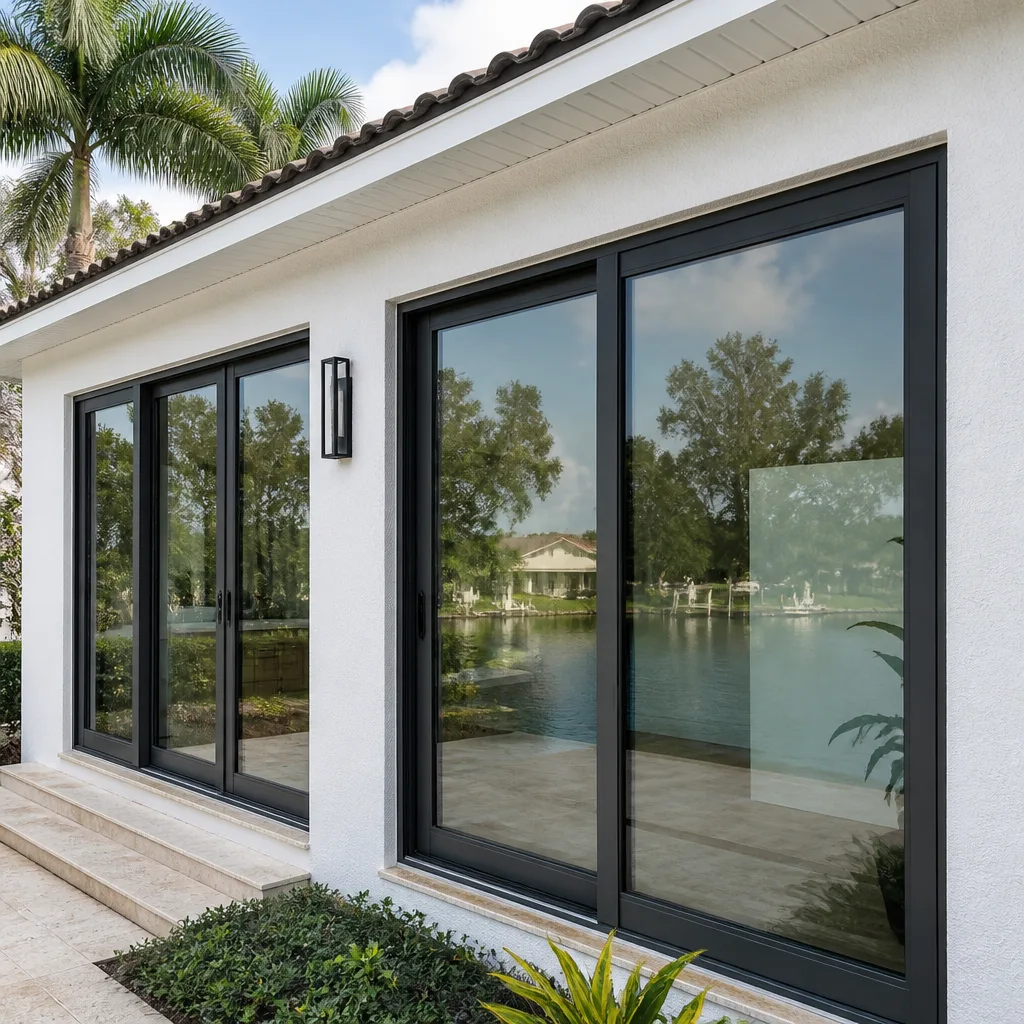
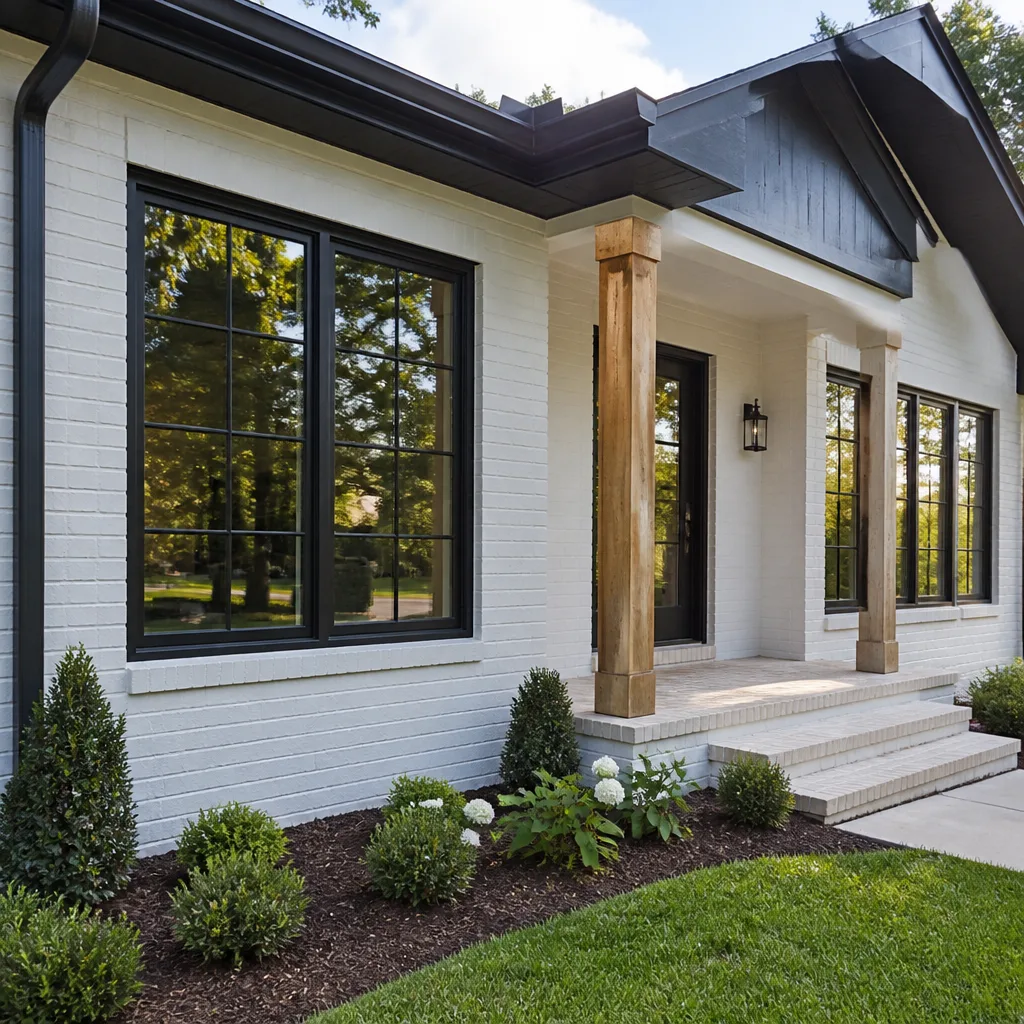
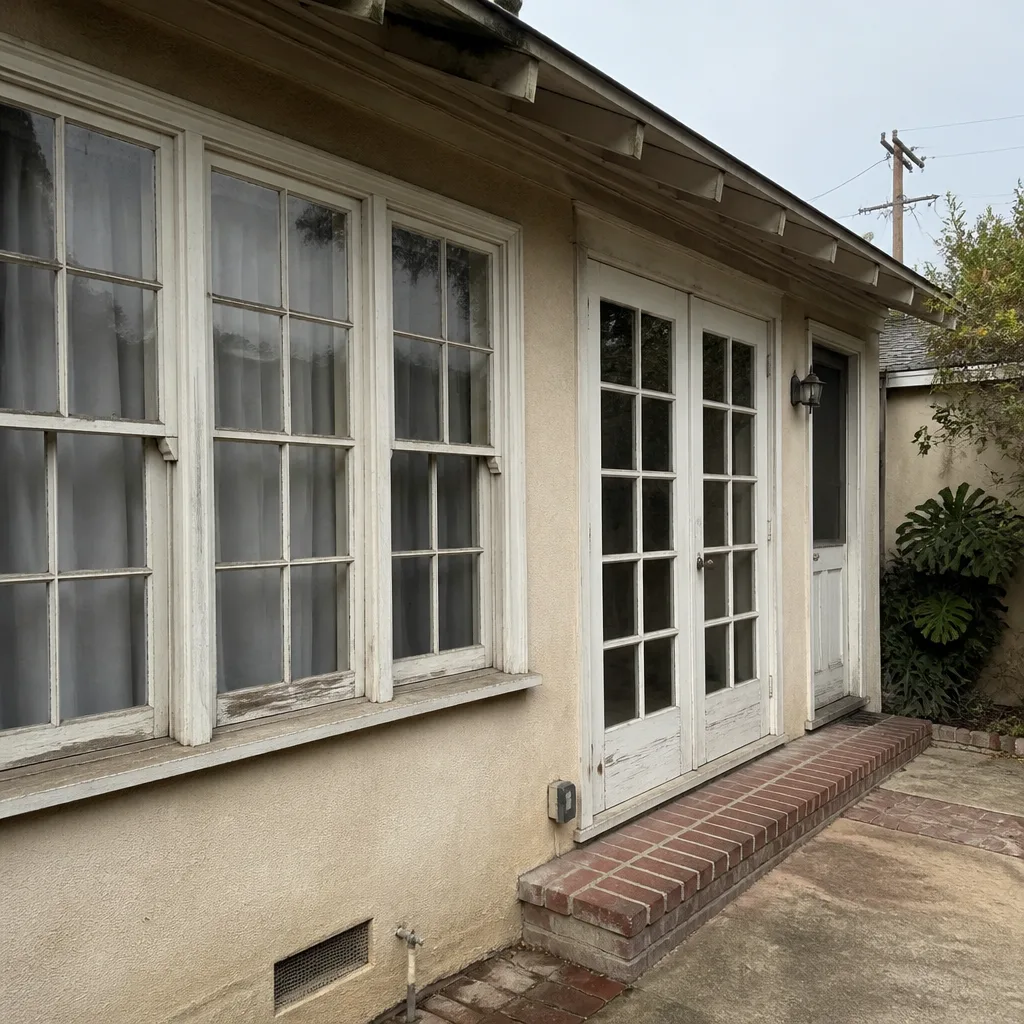 Before
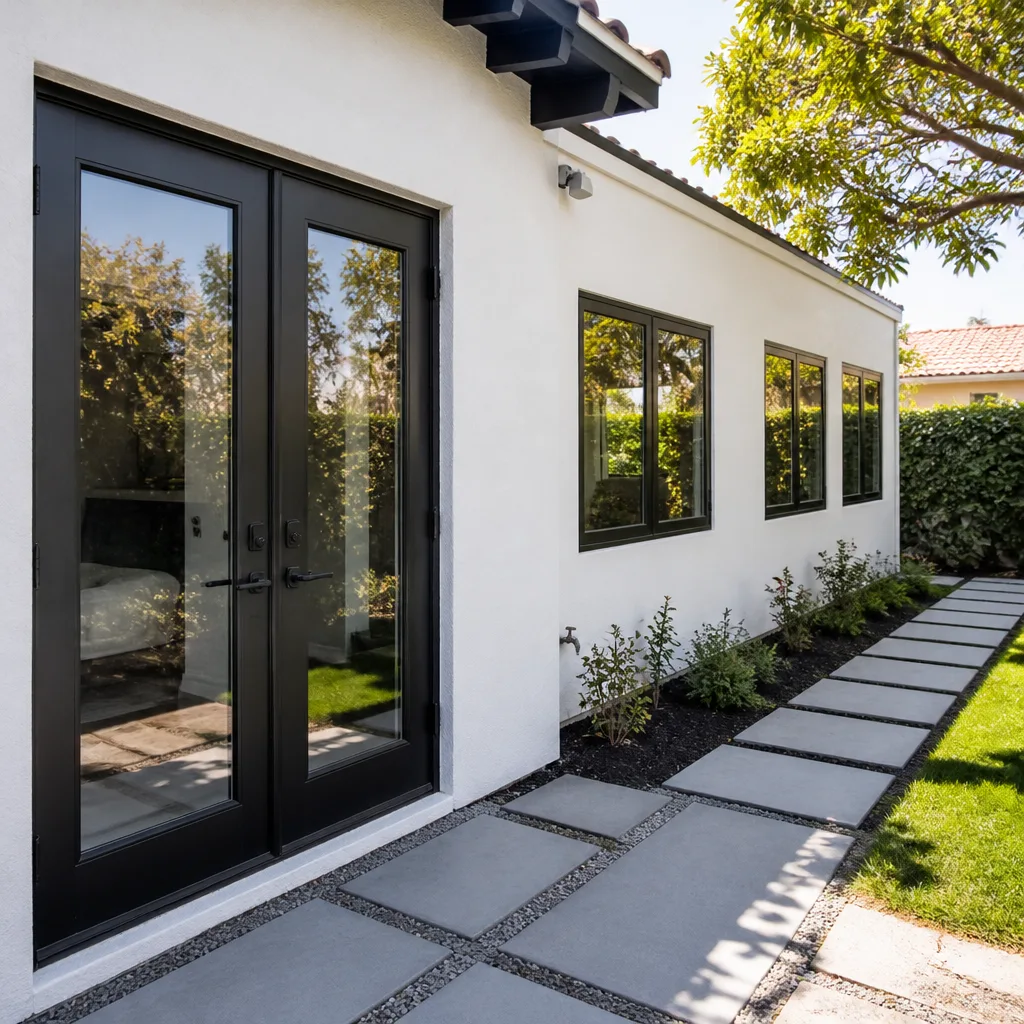 After
After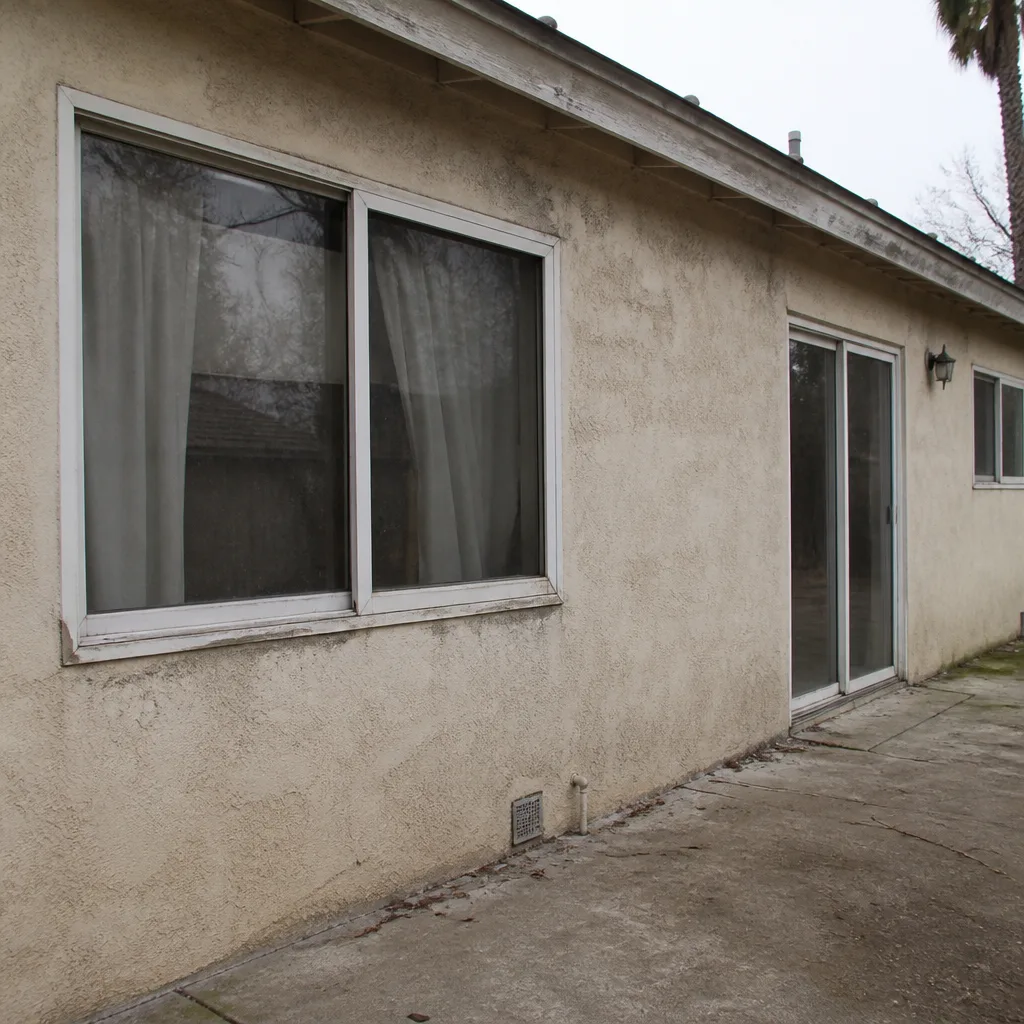 Before
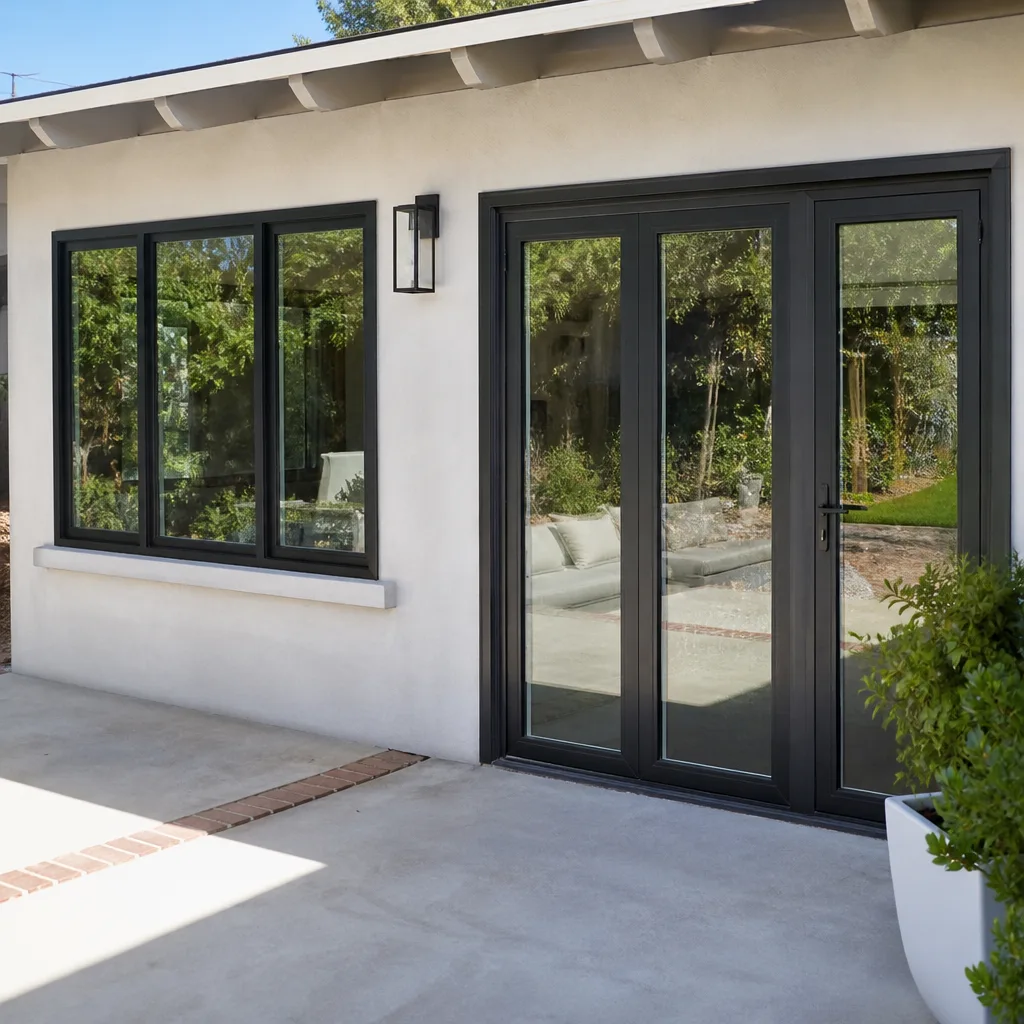 After
After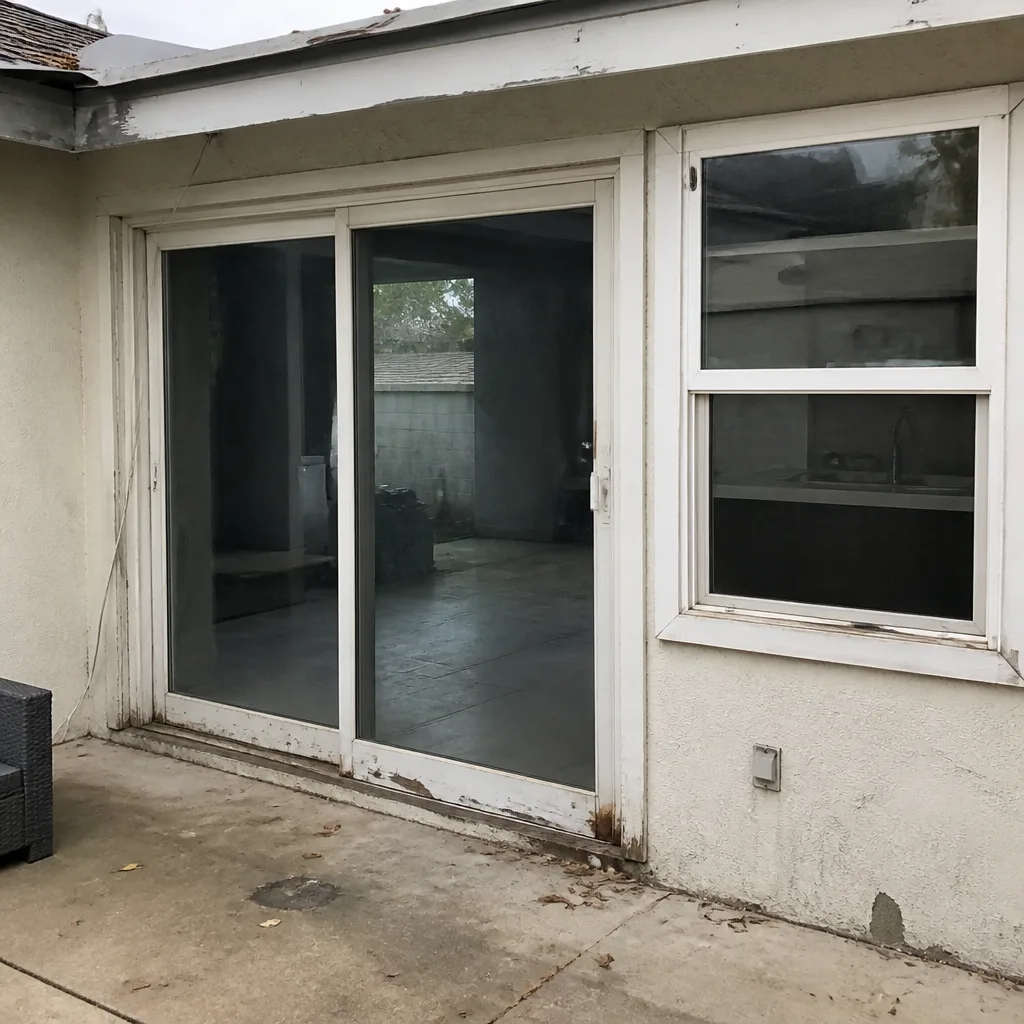 Before
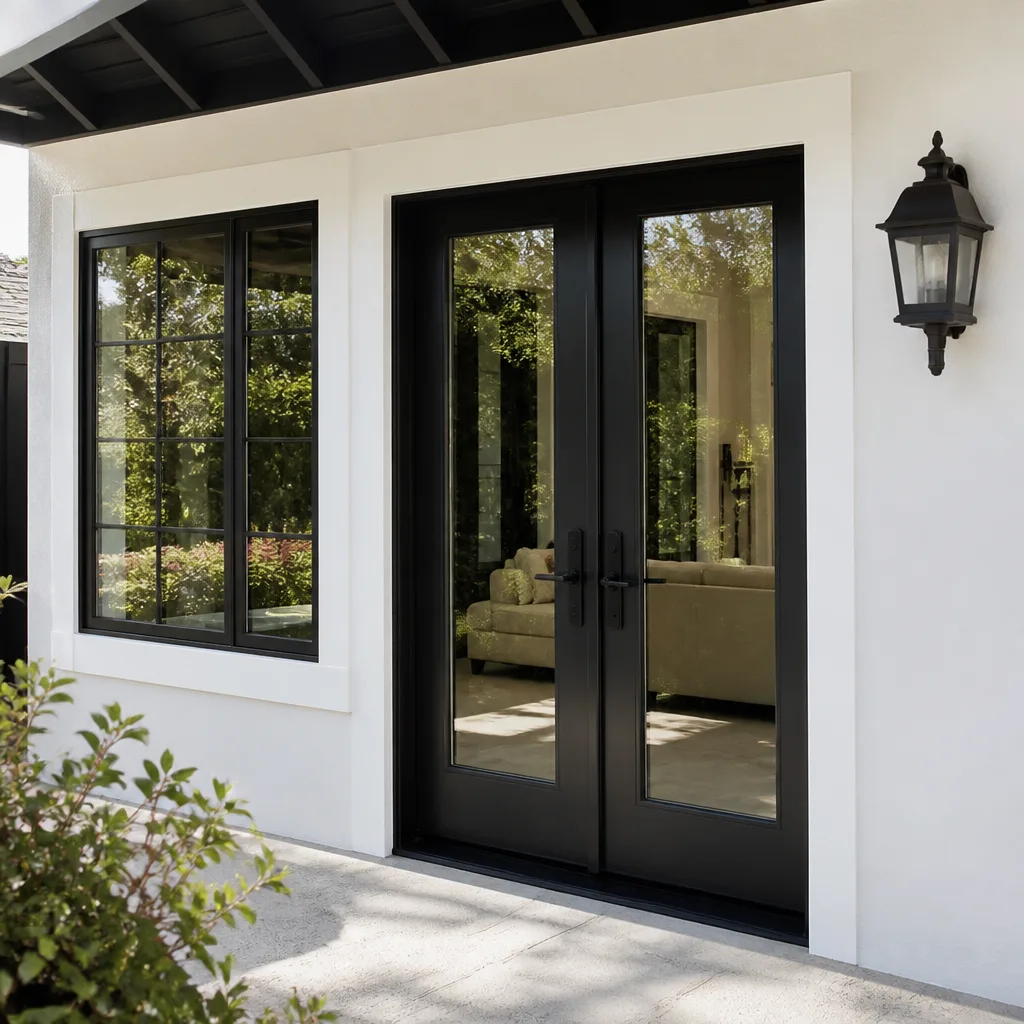 After
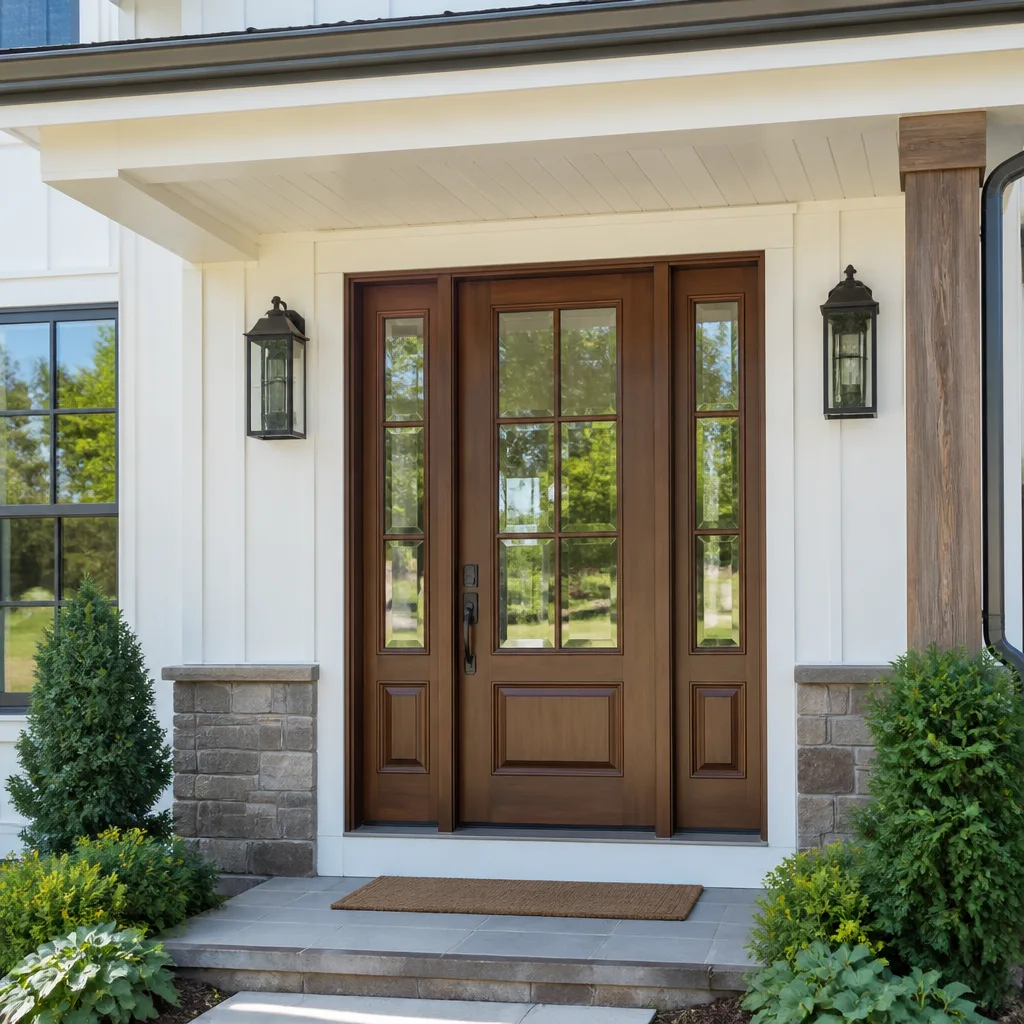
AfterCGI Door Installation: The Los Angeles Owner’s Guide
CGI door installation in Los Angeles typically runs $450 to $1,400 installed, depending on the specific CGI series, the condition of the rough opening, and whether you need hinge, threshold, or weatherstripping work done alongside the new door. We stock CGI-compatible doors and hardware for most residential CGI product lines and can usually complete a standard door swap the same day once we’ve confirmed measurements. Most Los Angeles homeowners call us after a CGI door starts dragging on the threshold, fails to latch cleanly, or shows daylight around the frame after a few years of sun and settling.

Here’s the thing about CGI doors in this climate: they’re built for hurricane country, which means they’re heavy, reinforced, and tightly sealed. That’s great news for security here in Los Angeles, but the coastal humidity cycles and intense inland sun put real stress on the seals, hinges, and alignment hardware. When a part goes, it usually goes in a predictable way, and we’ve seen enough of these doors across the county to know exactly what to check first.
Which CGI Models This Applies To
CGI manufactures several residential door lines, and we install and service the ones you’re most likely to have in a Los Angeles home. The most common are the Sentinel series impact-rated doors, the Estate collection for traditional styling, and older Tuscany models that show up in homes built from the early 2000s through about 2015. Each series uses slightly different hinge dimensions, threshold profiles, and weatherstripping channels.
The compatibility gotcha most owners run into: a Sentinel door slab will not cleanly swap into an Estate frame without hinge modification. The hinge backups and screw patterns differ by series, even when the slab dimensions look identical. Before ordering any replacement part or door, we always verify the series label, which CGI stamps on the hinge edge of the door slab about 8 inches from the bottom. If that label has worn away, we can identify the series from the hinge geometry and the profile of the weatherstripping channel.
We stock genuine CGI replacement hardware for Sentinel and Estate models, along with quality aftermarket equivalents for common wear items like roller catches, flush bolts, and adjustable thresholds. For structural components, hinges, and multi-point locking systems, we recommend OEM CGI parts every time. The tolerances are too tight for generic substitutes, and aftermarket hinges on a reinforced door will fail at the barrel or the screw backups within a couple of years. Spencer Odell has been measuring, ordering, and setting doors across Los Angeles County for going on two decades, and we’ve learned which corners can save you money and which ones cost you a callback.
Hale Windows & Doors is an independent service provider. We’re not affiliated with CGI or its parent company, but we install and service CGI products alongside PGT, CWS, ES Windows, and other professional-grade lines every week.
Signs Your CGI Door Installation Is Failing
- The door drags or scrapes on the threshold. This usually means the hinges have worn at the barrel or the hinge screws have loosened in the frame. On reinforced CGI doors, the added weight accelerates this wear, especially on the bottom hinge. Left unaddressed, it bends the hinge leaf and pulls the door out of square.
- You see daylight or feel a draft around the frame edges. Compression weatherstripping on CGI doors hardens with age and Los Angeles sun exposure. Once it loses its rebound, air gaps open up. It’s a simple fix, but only if caught before the door has been racked by repeated forced latching.
- The multi-point lock binds or won’t throw completely. This is the most common failure we see on Sentinel series doors. The lock rods run through channels in the door slab, and when the door settles even a quarter-inch out of plane, the rods stop aligning with the keepers in the frame. Forcing the handle bends the rods and turns a $200 adjustment into a full lock assembly replacement.
- The door sags visibly when open. If the top corner of the latch side drops more than a quarter-inch from closed to fully open, the hinge backups are likely pulling out of the frame. On heavy impact-rated slabs, this will only worsen. The backup material in the frame determines whether this is a hinge replacement or a more involved frame repair.
- Water marks or soft spots appear near the threshold or bottom corners. CGI doors have decent factory flashing details, but Los Angeles winter rains test every seal. If the threshold cap has shifted or the corner gaskets have compressed, water wicks in and rots the subfloor or the frame corners from the inside. By the time you see a stain, the part bill is bigger than it needed to be.
Replacement Cost & What’s Included
For Los Angeles homeowners, here’s what we quote on CGI door installation work:
- Complete CGI door slab replacement (installed): $800 to $1,400 for Sentinel series, $600 to $1,100 for Estate models, depending on size, glass options, and hardware transfer.
- Hinge replacement on an existing CGI door: $180 to $380, including OEM or spec-matched aftermarket hinges and refitting the door to the frame.
- Multi-point lock assembly replacement: $320 to $600, including the lock body, rods, keepers, and alignment adjustment.
- Threshold and weatherstripping replacement: $150 to $350, with the threshold cap, corner gaskets, and compression seals replaced as a set.
- Frame repair (soft or damaged sections): $400 to $900, depending on how much of the frame has to be rebuilt and whether the door needs refitting afterward.
The range in most of these prices comes down to two things: door size and the condition of what the door hangs on. A 3-foot by 6-foot-8 door in a plumb, square opening prices out on the low end. A custom-height slab in a frame that’s moved a half-inch out of square takes more time, and we’ll tell you exactly what it costs before anything gets ordered.
Every CGI door installation we do includes the written price before work starts, the parts and labor as itemized, and the 365-Day Done Right Promise. If the door doesn’t operate right after we leave, we come back and make it right, no argument needed. That’s part of the written guarantee on every job.
DIY or Call Us?
There are a few things you can safely check before you call. Look at the hinge screws: if they’re loose, a quarter-turn with a screwdriver sometimes buys you weeks. Check the threshold cap for visible shifting. Note whether the lock binds when the door is open or only when it’s closed, because that tells us whether the problem is in the door or the frame.
What we don’t recommend: pulling a CGI door off its hinges yourself. These doors weigh 80 to 150 pounds, and when a hinge backup lets go, the slab comes down hard. A falling impact-rated door will break a foot, a tile floor, or a hand. The multi-point lock assemblies are also under spring and rod tension inside the slab, and disassembling one without knowing the sequence turns a simple fix into a parts injury. If the door is sagging, dragging, or the lock is fighting you, call (252) 675-6980 and we’ll send a technician who arrives with the door teched out and the parts on the truck.
FAQs
A properly installed CGI door in Los Angeles typically lasts 15 to 25 years for the slab and frame, though hinges, weatherstripping, and lock hardware usually need replacement every 7 to 12 years under regular use and California sun exposure. Coastal homes near the marine layer may see seal and hinge wear on the shorter end of that range. Call (252) 675-6980 if your door is past the decade mark and starting to fight you.
Yes, most CGI door failures are repairable without replacing the slab. Hinge wear, lock binding, threshold leaks, and weatherstripping compression are all fixable with the right parts and a proper re-fit. Replacement only makes sense when the slab itself is delaminated, rotted at the core, or the frame is too far out of square to ever hold a door cleanly. We’ll give you the honest answer and a written price for either path before any work begins.
A standard CGI door slab installation takes 2 to 4 hours on site, including hardware transfer, hinge fitting, threshold adjustment, and a final latch and seal check. Lock assembly replacements and frame repairs run 3 to 6 hours depending on how much of the frame has to be rebuilt. We’ll tell you the expected time window when you schedule, and we show up when we say we will.
We stock the most common CGI wear items on our trucks: hinges, threshold caps, compression weatherstripping, and multi-point lock assemblies for Sentinel and Estate models. Less common parts, like full door slabs or custom-size glass units, are ordered directly and typically arrive in Los Angeles within 5 to 10 business days. Call (252) 675-6980 with your door’s series label handy and we’ll tell you exactly what’s available same week.
If you have a CGI door in Los Angeles that’s not operating the way it should, call (252) 675-6980 for a free estimate. We’ll get your details, put a written price in your hands before any work starts, and send a background-checked, photo-badged technician you’ll know by name before they ring the bell. Measure twice, order once, then make sure the opening was built to code in the first place.
Written by Spencer Odell, Owner, Hale Windows & Doors at Hale Windows & Doors, serving Los Angeles and nearby areas.