
Free in-home measure and quote - PGT, CGI and CWS impact lines compared on your actual openings, style by style
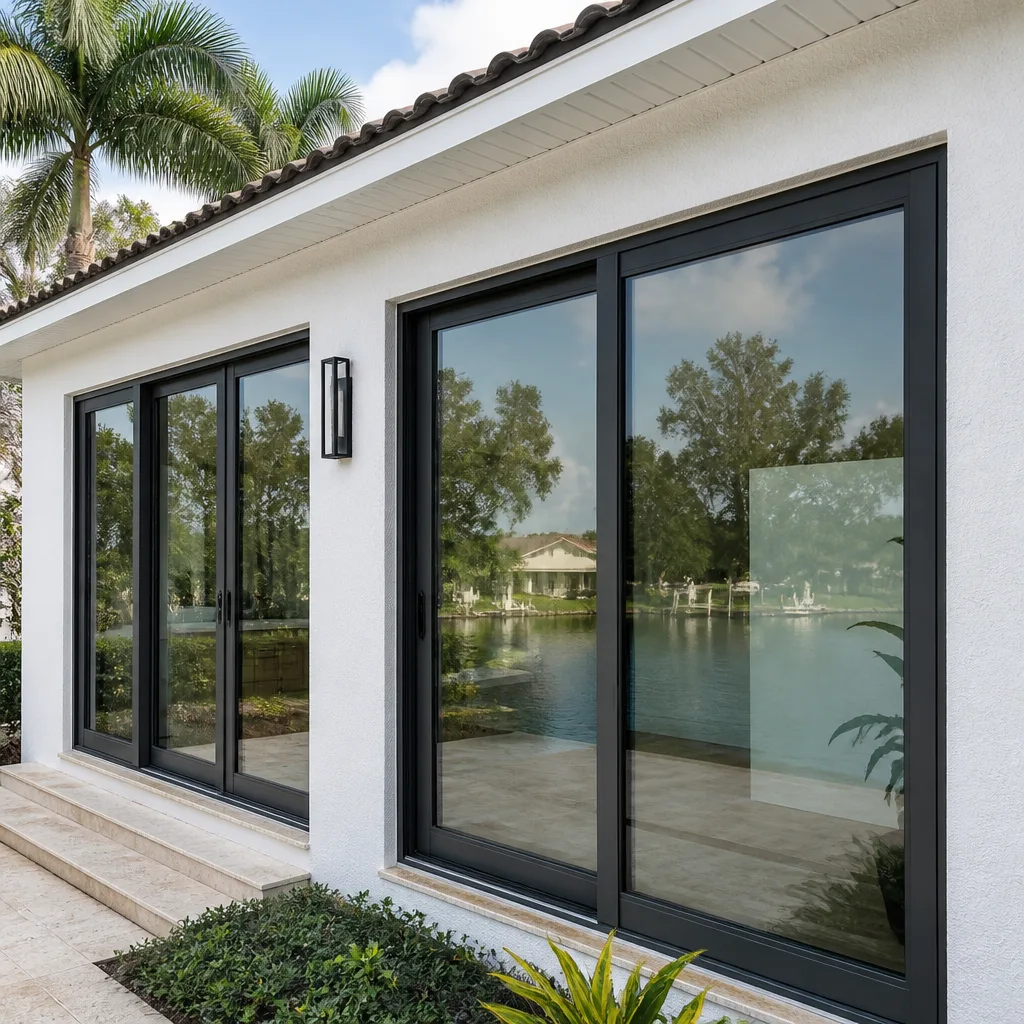
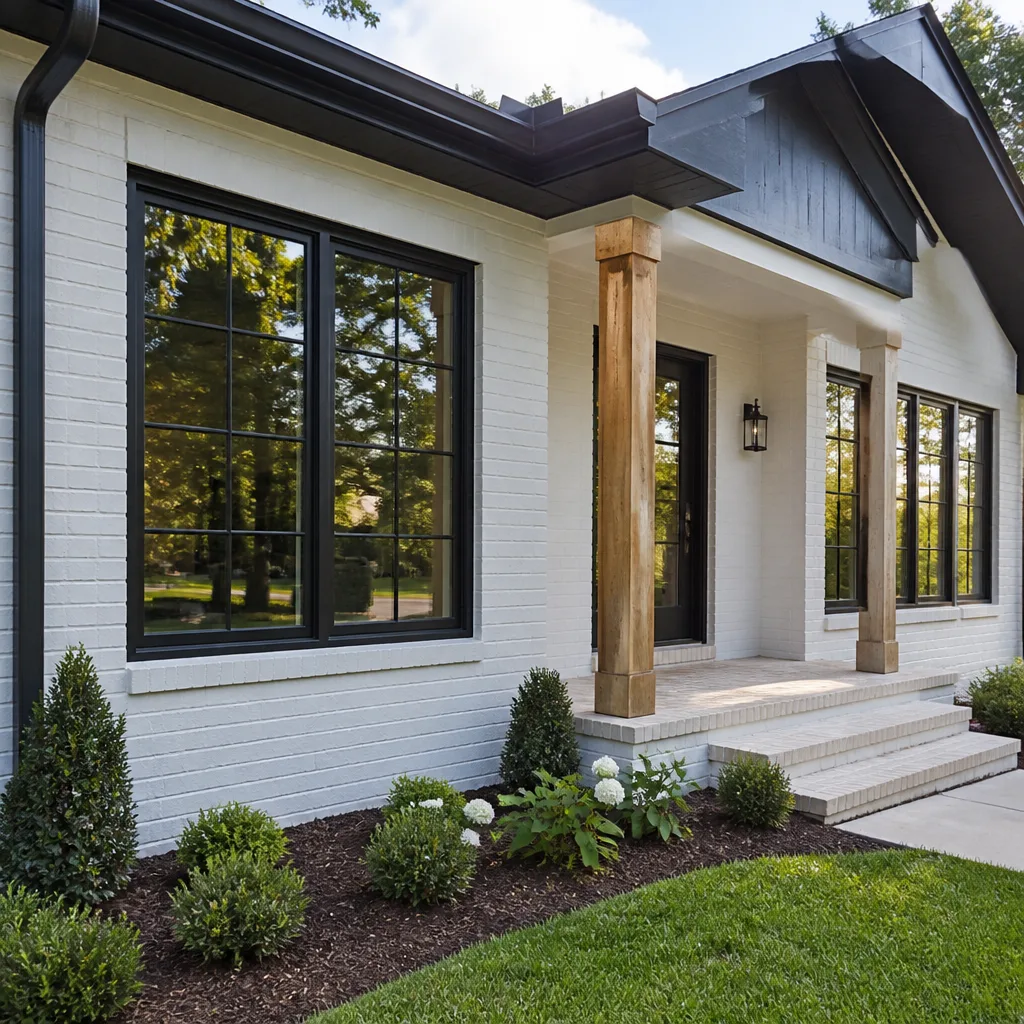
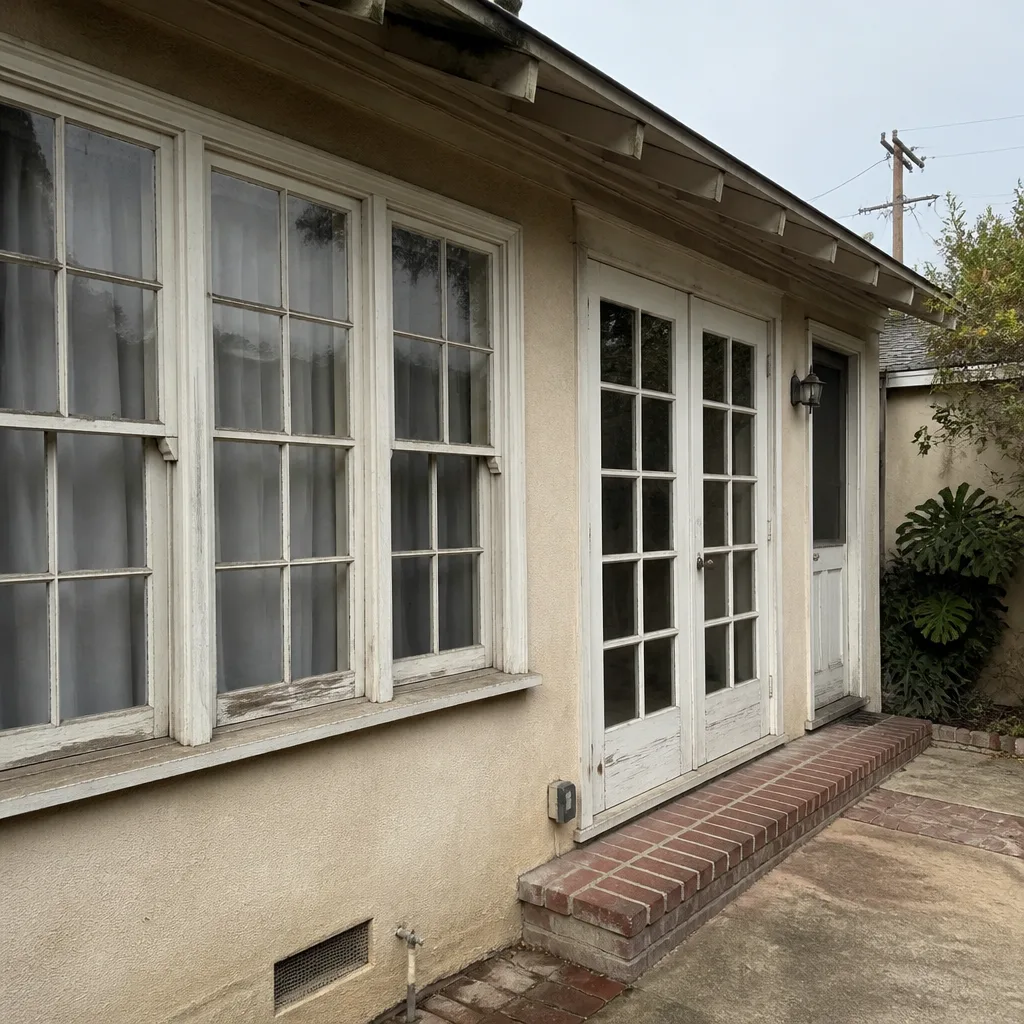 Before
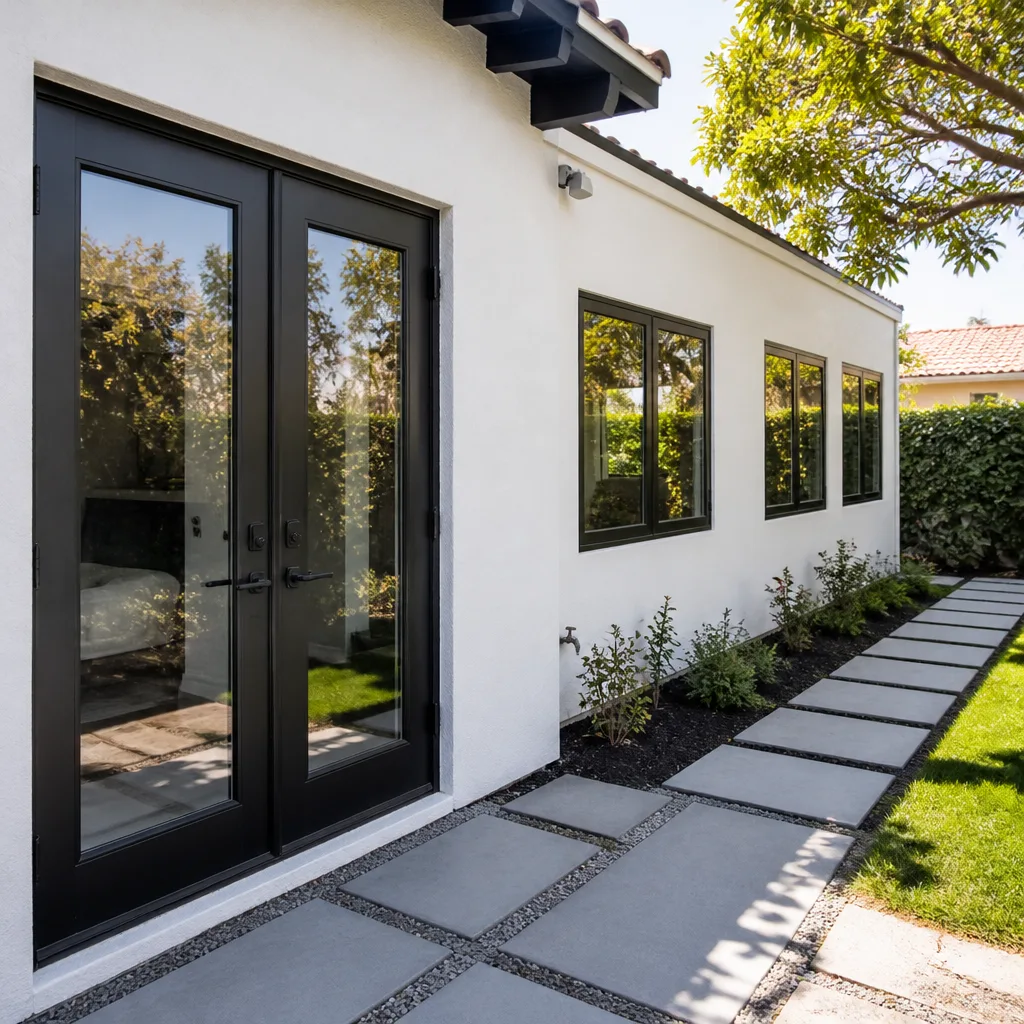 After
After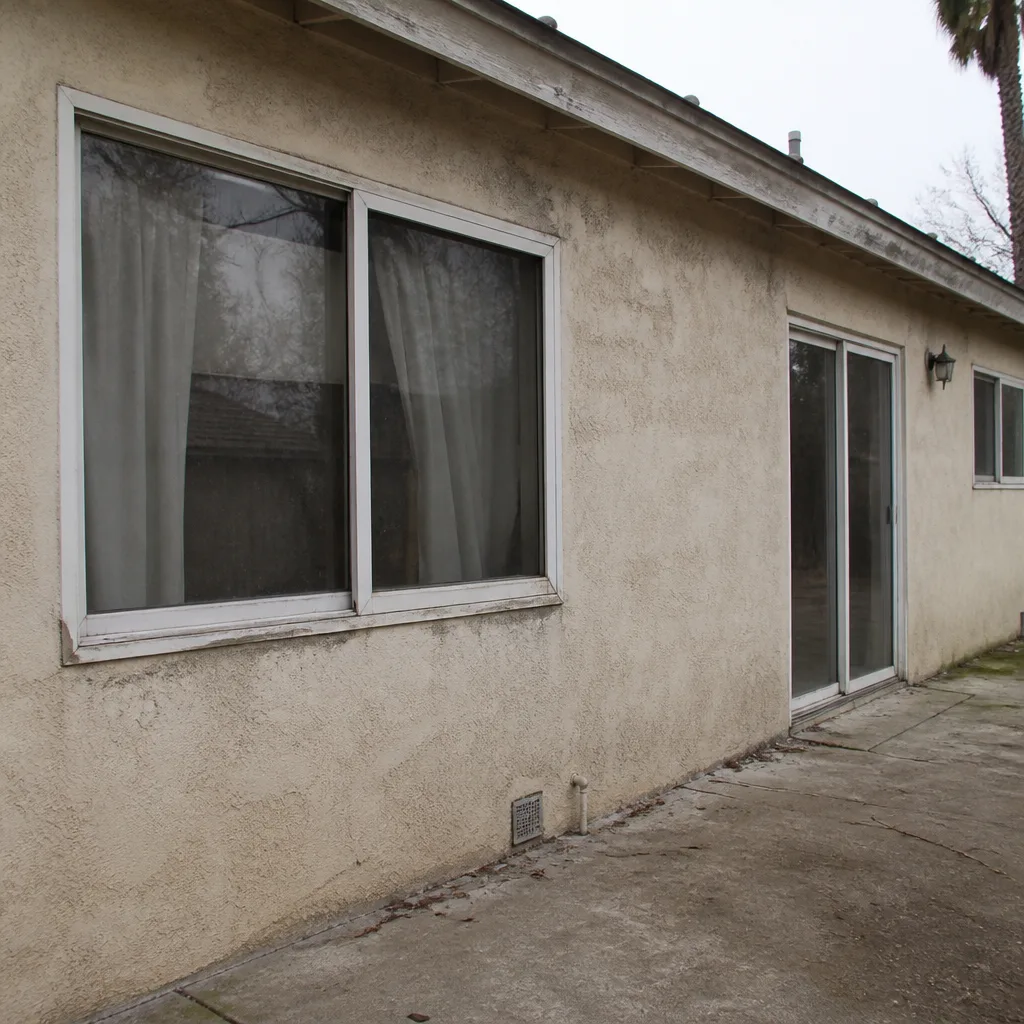 Before
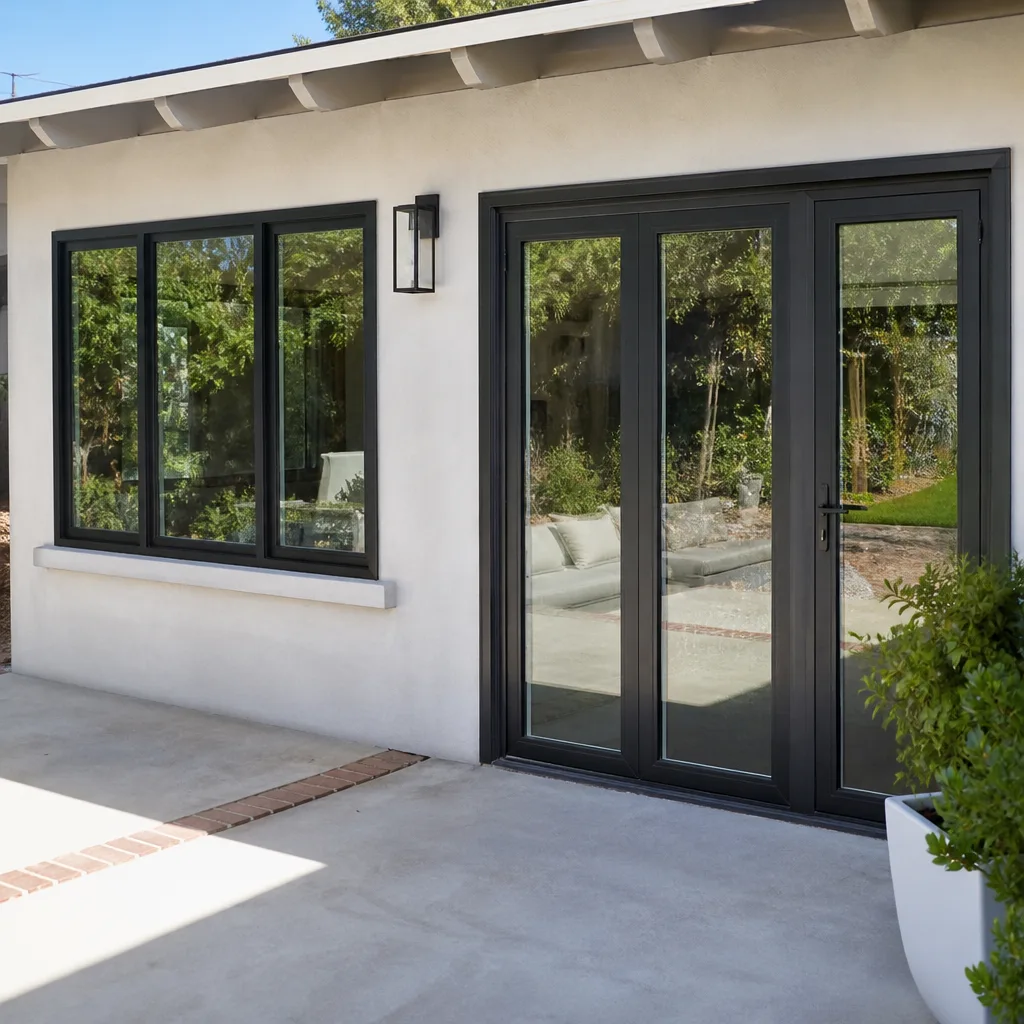 After
After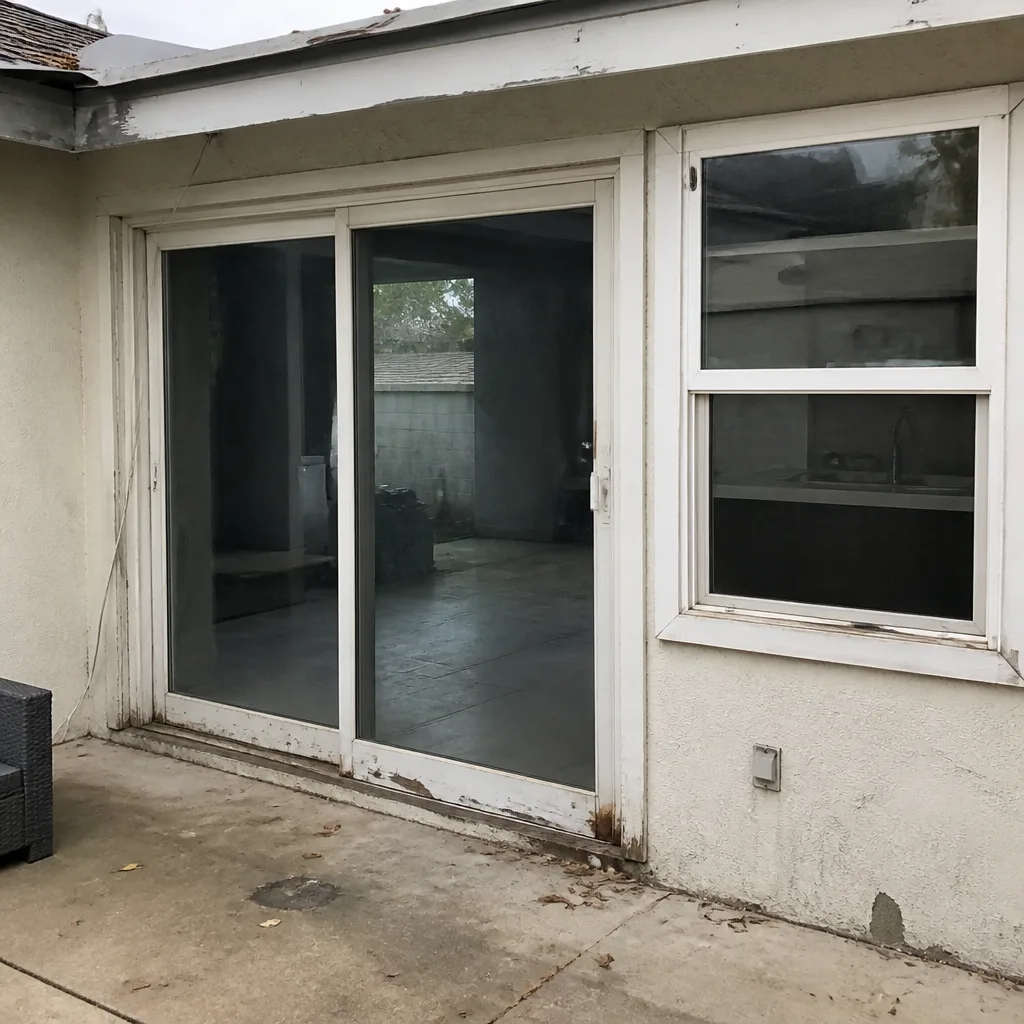 Before
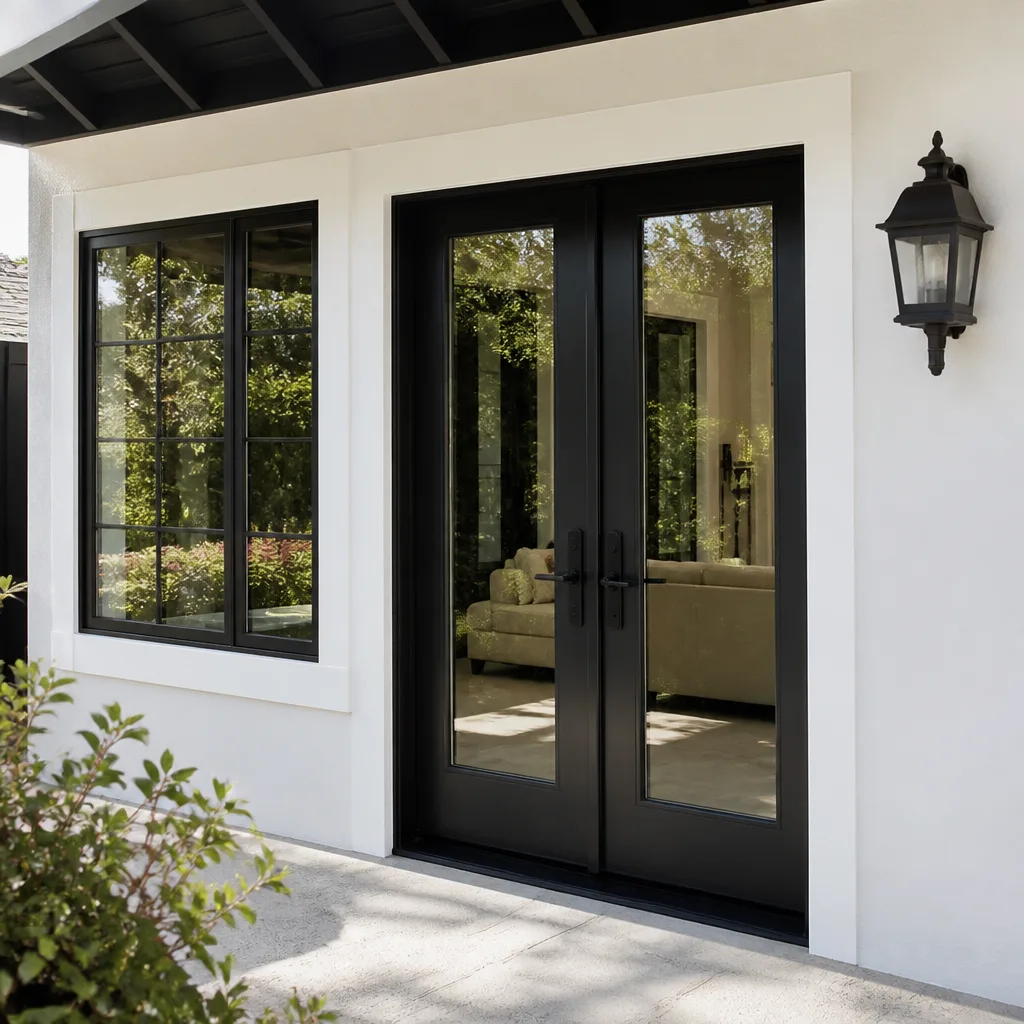 After
AfterCGI Sliding & Patio Doors: The Los Angeles Owner’s Guide
If your CGI sliding door is grinding, sticking, or letting air through, the fix usually comes down to a worn roller assembly, a failed weatherstrip, or a lock that’s seen better days. As an independent CGI service provider in Los Angeles, we stock replacement parts for CGI sliding and patio doors, and we typically install them for $180 to $520 depending on the part. Most CGI part replacements take under 90 minutes once we’re on site.

Here’s how it usually goes for Los Angeles homeowners: the door worked fine for years, then one morning it took real muscle to slide. Or the handle got loose. Or you noticed daylight sneaking under the panel. CGI doors are built for hurricane zones, so the parts are heavy-duty, but rollers and seals wear out faster here than in coastal Florida. LA’s dry heat bakes rubber gaskets until they crack, and the fine desert dust that blows through the San Fernando Valley works its way into roller bearings. By the time a door starts making noise, the part has usually been wearing down for months.
Key Takeaways:
- We’re an independent shop, not affiliated with CGI, but we install and service their sliding and patio door lines (plus PGT, CWS, and ES Windows) every week.
- Most CGI part replacements in Los Angeles run between $180 and $520 installed, with the written price in your hands before we start.
- If the repair fails within the guarantee period, the second visit is free. That’s not a sales line; it’s in writing.
Which CGI Models This Applies To
CGI’s sliding and patio door parts cross several product families. The most common doors we service in Los Angeles are the CGI Estate Collection and the CGI Tribute Series, both of which use roller assemblies sized for their specific frame profiles, not a one-size-fits-all part. If your door has a sticker on the hinge side of the panel, you’ll see a model code starting with “CGI” followed by a series number. If the sticker is gone, we can identify the part from the door’s height and panel thickness, which is usually enough to match it correctly.
Here’s the compatibility gotcha: CGI redesigned their roller housing around 2016, and parts from the older generation do not seat properly in the newer frames. A homeowner ordering a “CGI roller” online without checking the year can end up with a part that’s a quarter-inch off, and no amount of shimming makes that right. We carry both generations on the truck, plus aftermarket equivalents from Prime-Line and other suppliers that match CGI tolerances. Our rule is simple: if OEM is available and the price difference is under $40, we recommend OEM. If OEM is backordered for weeks, we’ll tell you before we install the aftermarket part so you can make the call.
Signs Your CGI Sliding & Patio Doors Is Failing
Most parts give you warning signs before they fully fail. Here’s what we see across Los Angeles, from Westchester to Sherman Oaks:
- The door needs a shoulder to move. This is almost always a roller assembly with flat spots or a seized bearing. CGI doors are heavy, and when the roller stops rolling, the panel is dragging on the track. Fixing it now saves you from a grooved track later, which is a much bigger job.
- Visible daylight or dust under the panel. The interlocking weatherstrip wears down faster in LA’s heat than you’d expect. CGI uses a vinyl bulb seal that hardens and cracks over time, and once it’s compromised, the seal is not doing its job. Same with the pile weatherstrip on the leading edge.
- The handle moves but the lock does not catch. The multi-point lock on CGI doors runs through a gearbox that eventually strips or jams, especially if the door was ever forced while half-locked. A loose handle is the first sign the gearbox is going.
- The door slides on its own when it should stay put. This is a track alignment issue or a worn soft-close mechanism, not always the rollers themselves. Either way, a door that moves on its own is a finger hazard for kids and pets.
- You hear metal scraping when the door opens. That’s the telltale sound of a roller that has lost its nylon tire and is now riding on the metal core. Every day you use it, you’re scoring the aluminum track, which turns a $200 part replacement into a $600 track repair.
Replacement Cost & What’s Included
Here’s what CGI sliding and patio door part replacement actually costs in Los Angeles, based on the jobs we do each month.
- Roller assembly replacement: $180 to $320 per panel, including parts and labor. Both panels on a two-panel door usually run $280 to $450.
- Weatherstrip and seal replacement: $140 to $280 depending on how many sides need new material.
- Multi-point lock or gearbox replacement: $220 to $420, with OEM parts at the higher end.
- Full track cleaning and realignment: $120 to $200 when done as part of any repair; $160 to $260 as a standalone service.
The range comes down to two things: whether we’re replacing OEM or aftermarket parts, and how much disassembly the door panel needs. Every quote we give in Los Angeles is a written line-item price before any work begins, so you’ll know the part cost, the labor cost, and the total before we touch the door. Every repair carries our written guarantee, and if the repair fails, the second visit is free. That’s the 365-Day Done Right Promise: if it is not done right, we make it right, no argument needed.
DIY or Call Us?
There are a few things you can safely check without touching a tool. Clean the bottom track with a vacuum and a stiff brush. Run your hand along the weatherstrip and look for visible cracks. Test the lock by lifting the handle firmly and watching whether the bolts engage. These checks tell you what’s wrong without risking anything.
Here’s where DIY goes sideways: removing a CGI door panel means lifting 180 to 250 pounds of glass and riding on a track that was not designed to be taken apart by a homeowner with a YouTube video. If the door comes off the track, or if the spring-loaded mechanism releases while the panel is half out, you’re dealing with a safety hazard and potentially a shattered glass panel. We’ve been called to plenty of Los Angeles homes where a well-intentioned DIY repair turned a $200 roller replacement into a full door panel order. If the door is heavy, let a professional handle it. Call (252) 675-6980 and we’ll give you a written price before anyone shows up.
FAQs
Roller assemblies on CGI doors in Los Angeles typically last 10 to 15 years before the bearings wear out, though homes in dustier areas like the northeast San Fernando Valley often see replacement closer to the 8-year mark. Weatherstrips last 5 to 8 years before LA’s dry heat cracks the vinyl. If you’re past those numbers and hearing noise, it’s time. Call (252) 675-6980 and we’ll tell you exactly what you need.
Sometimes. A roller that’s just dirty can often be cleaned and lubricated, and a lock gearbox that’s stiff can occasionally be freed up with the right lubricant. But most wear items like nylon-tired rollers, cracked weatherstrips, and stripped gearboxes are not worth repairing, and we’ll tell you that straight rather than patch it and charge you twice. We’ll quote you the honest option either way, in writing, before work starts.
Most single-part replacements, like rollers or a weatherstrip, take 45 to 90 minutes once we’re on site. A multi-point lock replacement runs closer to two hours because the door panel has to come out. And we will never rush the job just to get to the next one.
Yes. Our trucks carry the most common CGI roller assemblies, weatherstrips, and lock components for both pre-2016 and current-generation doors, plus compatible aftermarket options. For less common parts, we order direct and typically have them in hand within a few days. Call (252) 675-6980 and tell us your model code if you have it, and we’ll confirm availability before you book.
If your CGI sliding or patio door is not sliding or sealing the way it should, get it checked before the problem doubles. Call (252) 675-6980 for a free estimate and a written price, and we’ll send a background-checked, photo-badged technician to your Los Angeles home by name and photo before the visit. Measure twice, order once, then make sure the opening was built to code in the first place.
Written by Spencer Odell, Owner, Hale Windows & Doors at Hale Windows & Doors, serving Los Angeles and nearby areas. Spencer grew up in Eagle Rock and has been measuring, ordering, and setting windows and doors across Los Angeles County for going on two decades.