
Free in-home measure and quote - PGT, CGI and CWS impact lines compared on your actual openings, style by style
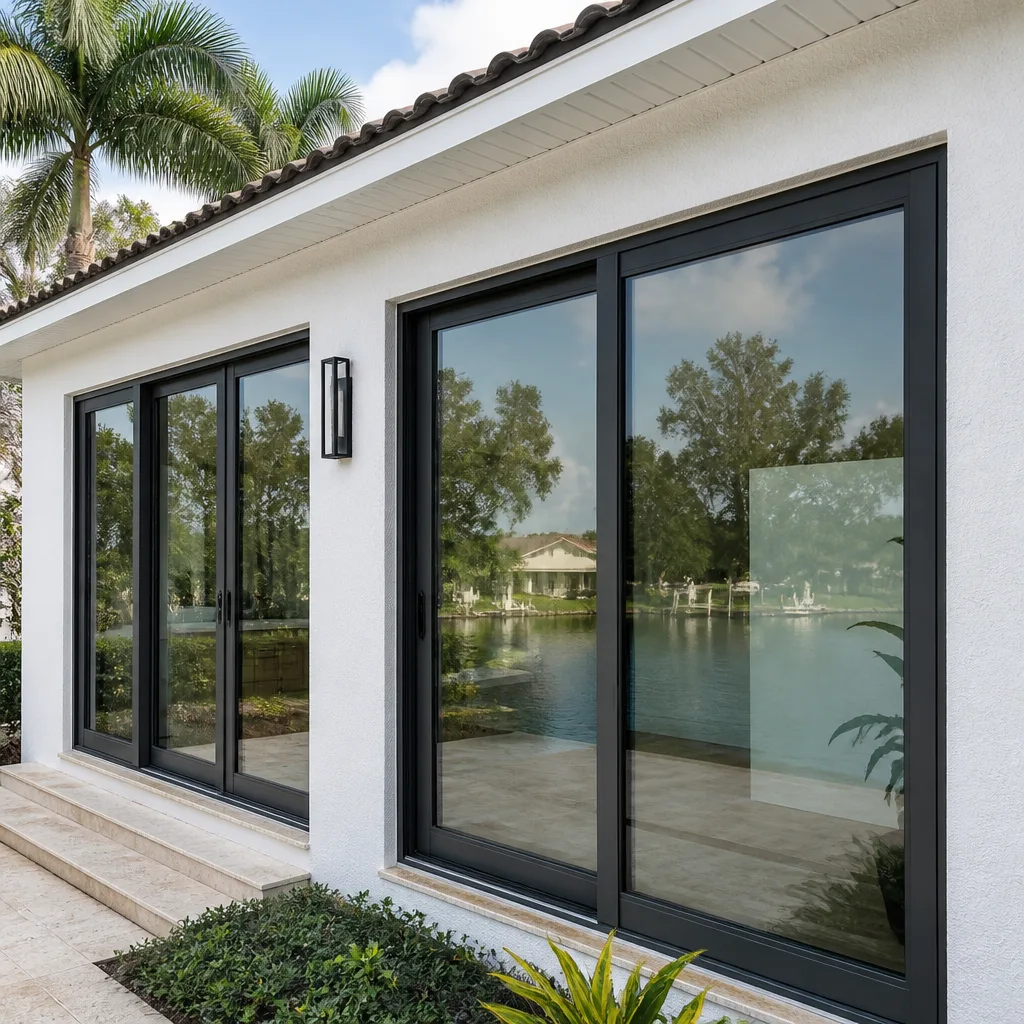
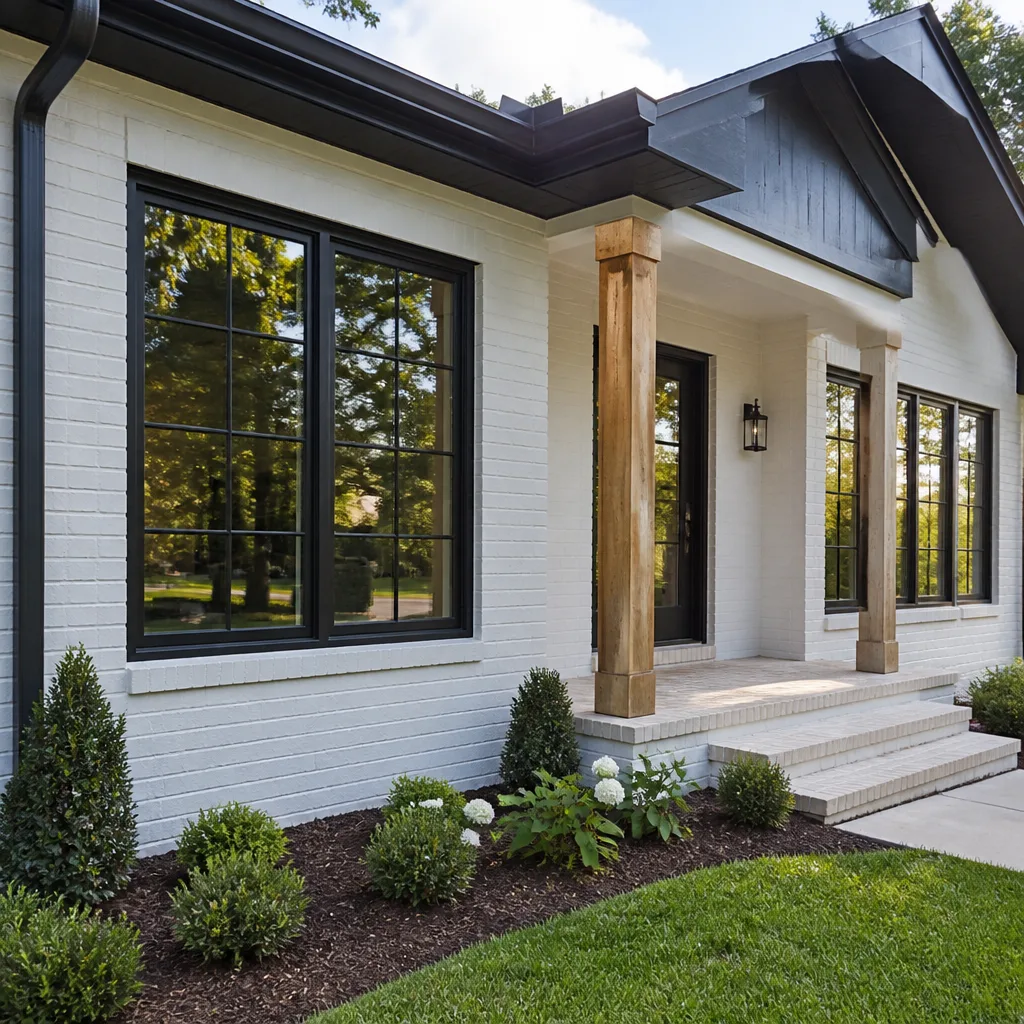
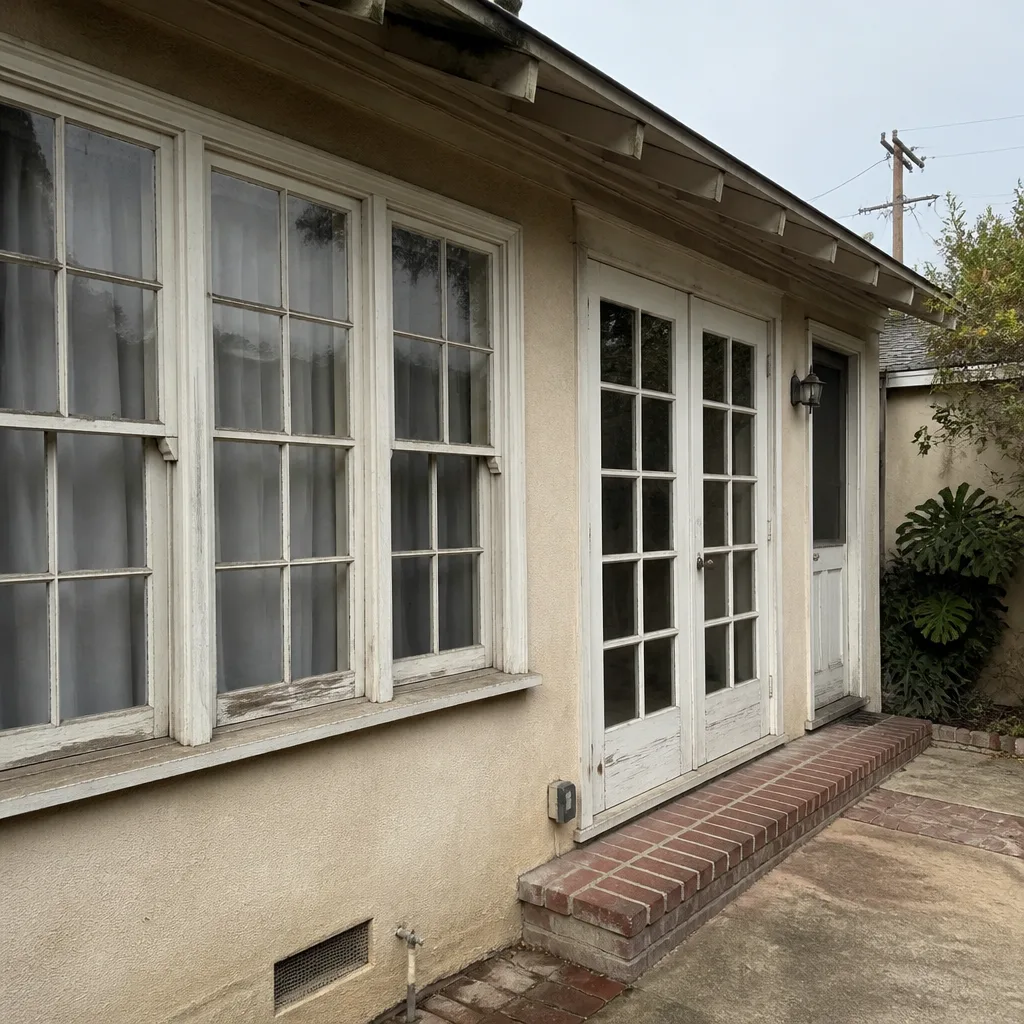 Before
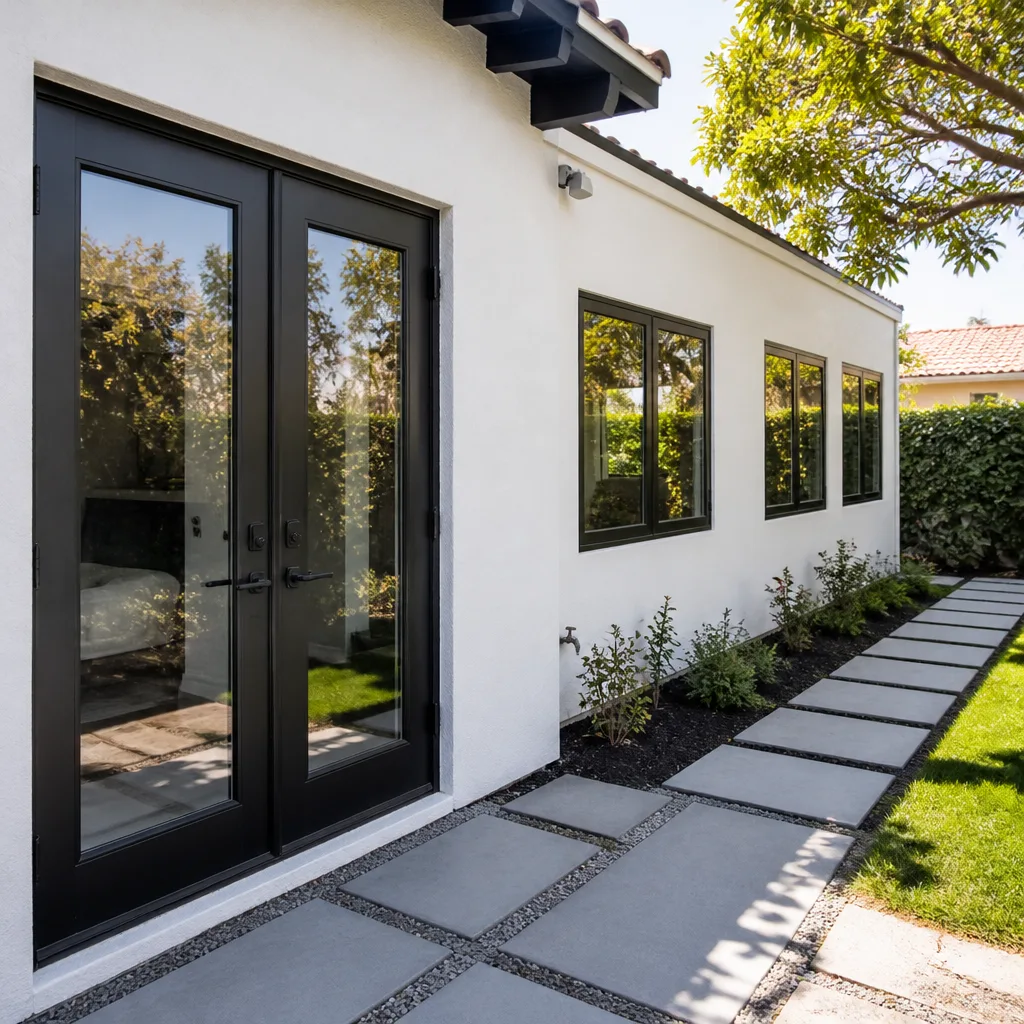 After
After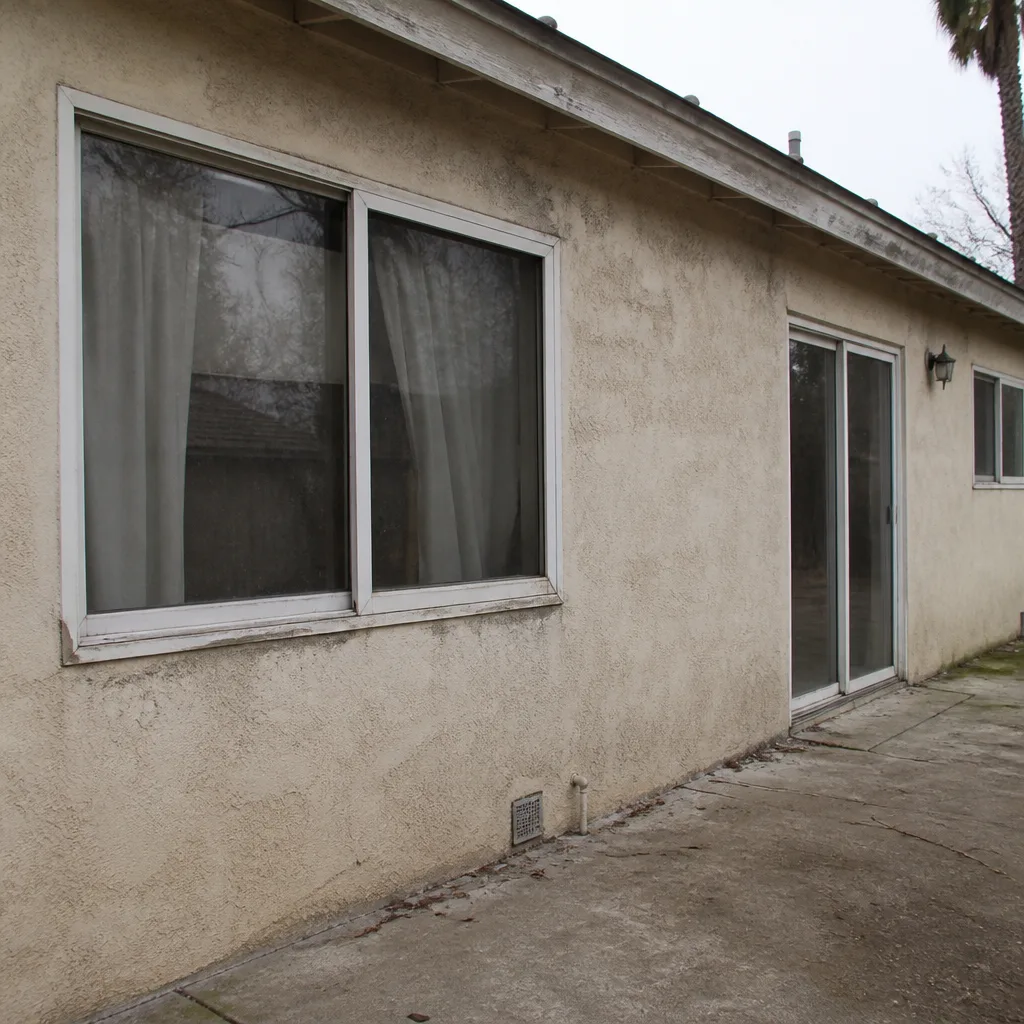 Before
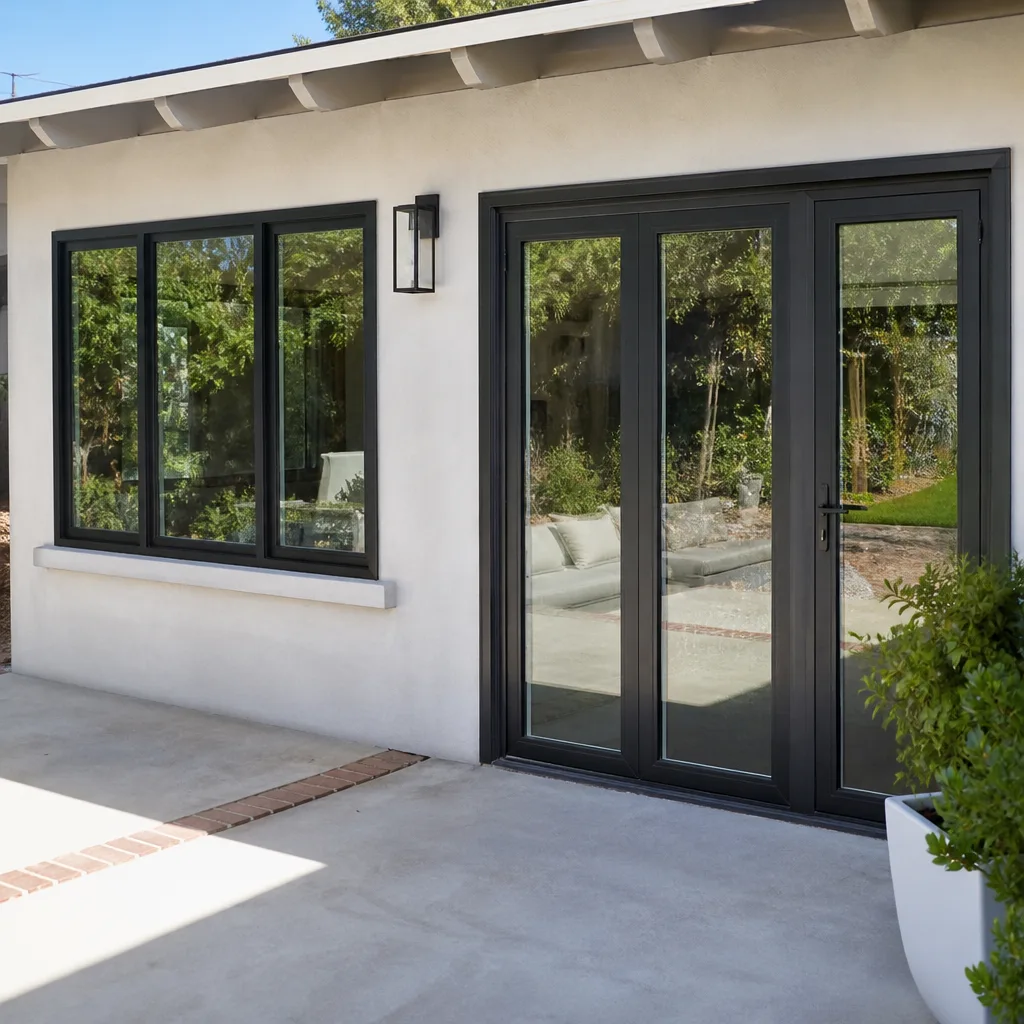 After
After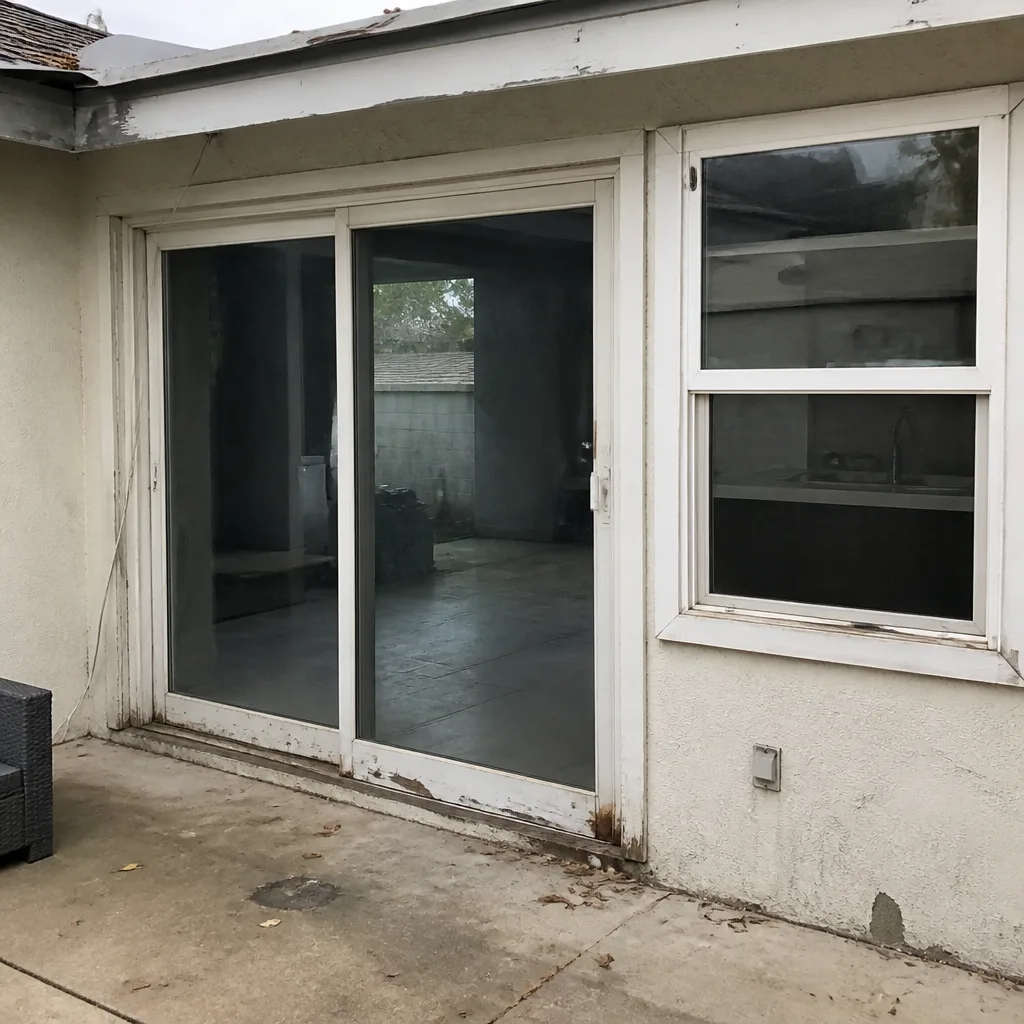 Before
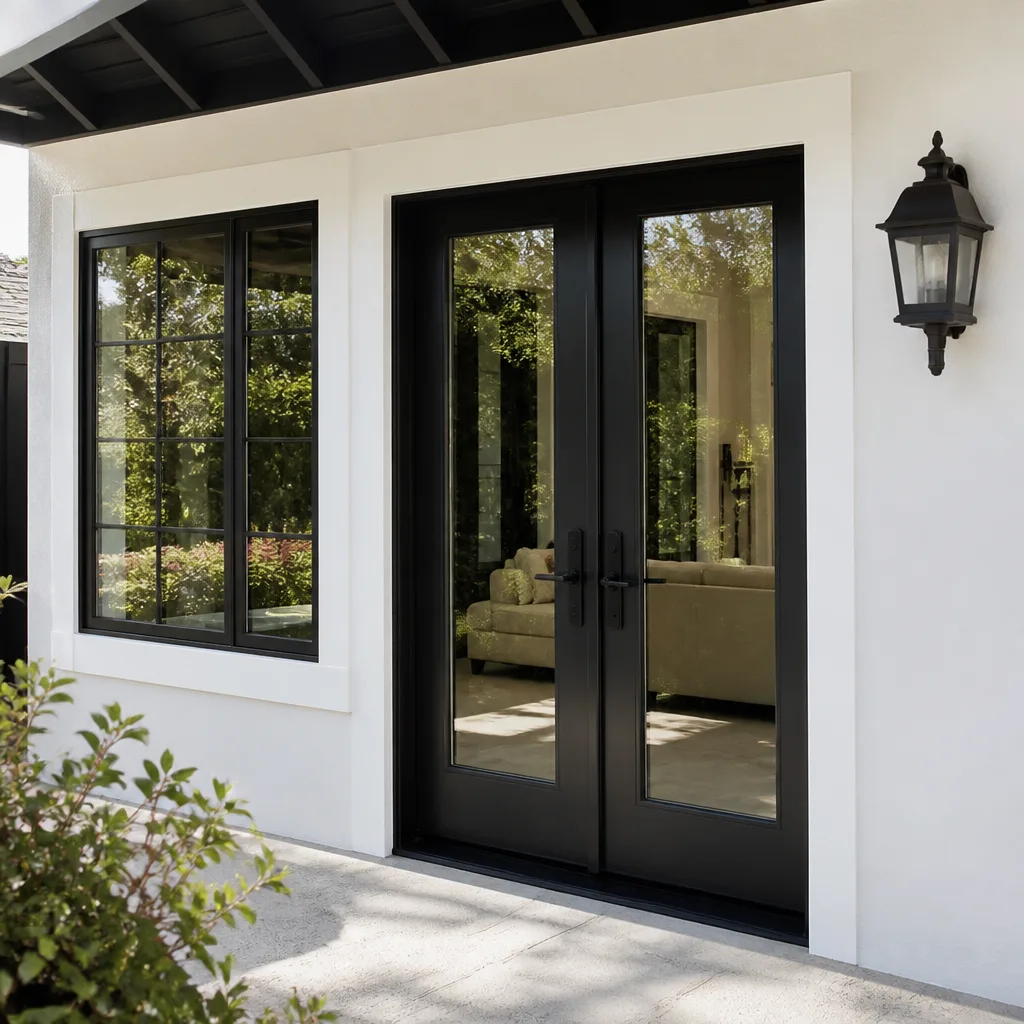 After
AfterCGI Window Installation: The Los Angeles Owner’s Guide
CGI window installation in Los Angeles typically runs $85 to $210 per window for labor, plus the cost of the window unit itself, which depends on the CGI series and size you have. We stock and install CGI-compatible parts for most of the brand’s current and recent product lines, and we can usually complete a single-window swap the same day once we confirm your unit’s specs. Most Los Angeles homeowners discover their CGI window has failed because of one specific sign: a room that suddenly drafts, a sash that no longer closes flush, or condensation that won’t wipe away because it’s trapped inside the glass.

You’ll usually notice the problem in the room you spend the most time in, because that’s where the temperature difference and airflow become obvious. The question is rarely whether something is wrong. The question is which part of the CGI window failed, and whether the entire unit needs to be replaced or just a section of it. That’s where this guide helps.
Which CGI Models This Applies To
We work on CGI window installation across the brand’s main product families: the Estate Collection, the Sentinel Series, and the Classic Series. Each CGI line uses slightly different frame profiles and glazing specifications, so the replacement window or sash has to match the original. An Estate Collection window is not a drop-in replacement for a Sentinel unit, even if the rough opening measures the same. The frame depth and internal drainage channels differ.
The fastest way to identify what you have is to check the metal tag or sticker on the window frame’s edge, usually on the hinge side or the top track. CGI prints the series name, glass type, and sometimes the manufacturing date on that label. If the sticker has faded or peeled, we can identify the unit from the glass thickness, the frame profile, and the locking hardware type. In Los Angeles, where homes range from 1940s Spanish bungalows in Highland Park to 1990s stucco boxes in the Valley, we see both original CGI installs and retrofit situations. A retrofit means the original frame is reused and only the sash or glass is replaced. A full frame replacement means the entire CGI unit comes out. The labor cost changes depending on which path the home’s construction allows.
One compatibility detail worth knowing: CGI builds impact-rated windows that are tested as a complete assembly, meaning the frame, glass, and hardware are engineered to work together. Swapping in a generic sash that happens to fit the opening can void the impact rating and leave the window less able to handle a severe wind event. We default to OEM CGI parts when they’re available because the fit, the look, and the performance are consistent with what the homeowner already has.
Signs Your CGI Window Installation Is Failing
- Condensation you can’t wipe off. If the moisture is between the two panes of glass, the seal has failed and the insulating gas has leaked out. In Los Angeles, where the marine layer hits coastal neighborhoods like Playa del Rey and the afternoon heat dries everything out by 3 p.m., that temperature swing accelerates seal failure on older units.
- The sash drags or sticks when you open or close it. This usually means the balance system or the roller assembly has worn out. On CGI windows, the balance mechanism is tuned to the specific sash weight, so a mismatch causes exactly this symptom.
- A draft you can feel at the edges of the frame. If the weatherstripping has flattened or the frame seal has degraded, air moves through. It shows up first in Santa Ana season, when the wind tests every gap in the house.
- The lock no longer engages or the window won’t seal tight. This can be a hardware failure or a shifted frame. It’s also a security concern, especially for ground-floor windows, which is where most of the break-in attempts in Los Angeles neighborhoods actually happen.
- Visible cracks, fogging, or a milky haze on the glass surface. This is the late-stage version of seal failure. Once the glass starts to oxidize or the glazing shows stress fractures, the repair conversation has moved from a seal replacement to a full unit replacement.
Replacement Cost & What’s Included
For Los Angeles homeowners, a realistic installed price for a CGI window ranges from $450 to $1,900 per window, depending on the series, size, glass package, and whether it’s a sash replacement or a full frame upgrade. The labor portion of that is generally $85 to $210, with the rest going to the CGI window unit itself and any trim or sealant work the opening requires.
| Scope | Typical Los Angeles Price |
|---|---|
| CGI sash or glass replacement (single window) | $450 – $850 |
| CGI full-frame replacement (standard sizes, single window) | $800 – $1,400 |
| CGI full-frame replacement (large or custom, per window) | $1,200 – $1,900 |
| Hardware or weatherstripping repair (per window) | $120 – $340 |
What drives the range: window size, series (Sentinel runs more than Estate), glass upgrades, and whether the home’s exterior is stucco, which adds labor to the demo and re-seal. Every quote from us is a written, line-item price delivered before any work starts. No change orders appear mid-job because we measure and spec before we order. The work carries a 365-Day Done Right Promise: if it’s not right, we make it right, no argument needed.
DIY or Call Us?
Window replacement is not a hazardous DIY job the way a garage spring or an electrical panel is, but it’s also not forgiving if you get the measurements wrong. The tools are basic, but the cost of a mistake is not: a mis-measured custom CGI window can’t be returned, and a bad rough-opening prep leaves water a path into the wall. In Los Angeles, that water finds the one stud bay with a plumbing line in it.
What you can safely check on your own: wipe the frame clean and look for the series label, measure the visible glass area from edge to edge, and take photos of the window from inside and outside. We’ll use those to confirm the series and ballpark the price before the truck rolls. Where DIY goes wrong is when someone orders a window by the glass size and not the frame size, or they try to force a replacement into an out-of-plumb opening. That’s where the leaks start.
Call (252) 675-6980 and we’ll help you identify what your CGI window needs. The estimate is free.
FAQs
A properly installed CGI window lasts 20 to 30 years in Los Angeles before the glazing or hardware typically needs attention. West-facing windows in neighborhoods like Mar Vista or Pacific Palisades get afternoon sun and salt air, which can shorten the effective life of seals by a few years. Call (252) 675-6980 for a free evaluation if your windows are older than 20 years.
Yes, in many cases. A failed sash, worn weatherstripping, or damaged hardware can be repaired without replacing the whole window. If the frame itself is warped or the insulated glass unit has lost its seal, replacement makes more sense. Call (252) 675-6980 and we’ll tell you which path applies to your unit.
A single CGI window replacement typically takes half a day on site once the window arrives. The lead time for ordering the unit is usually one to three weeks depending on the series and size. We’ll give you a written schedule with the written price before anything is ordered.
We carry common CGI hardware like locks, rollers, and weatherstripping on our service vehicles, plus some glass packages for the current series. Custom-size CGI units are ordered directly from CGI, and we also work with PGT, CWS, and ES Windows when a homeowner has mixed brands on the same property. Call (252) 675-6980 and we can check what’s available for your window today.
Written by Spencer Odell, Owner, Hale Windows & Doors at Hale Windows & Doors, serving Los Angeles and nearby areas.