

Free in-home measure and quote - PGT, CGI and CWS impact lines compared on your actual openings, style by style
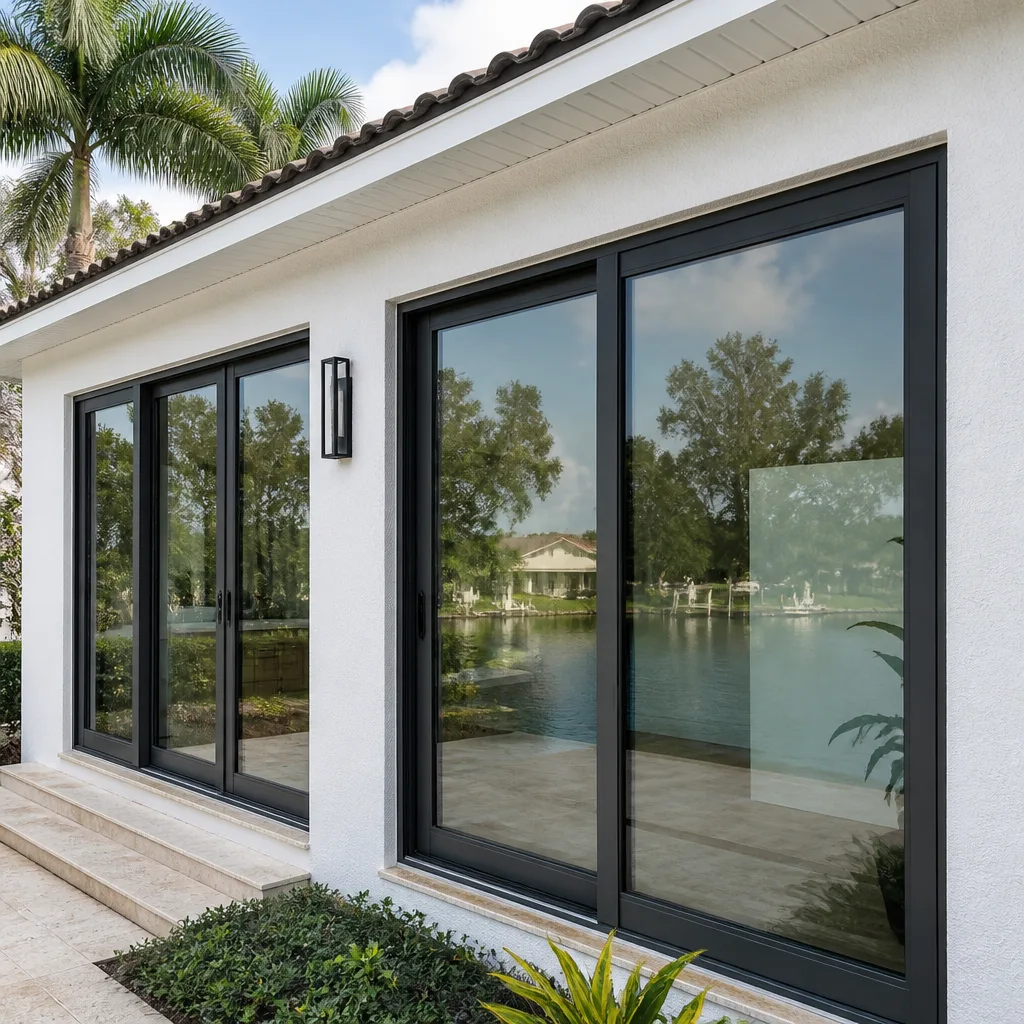
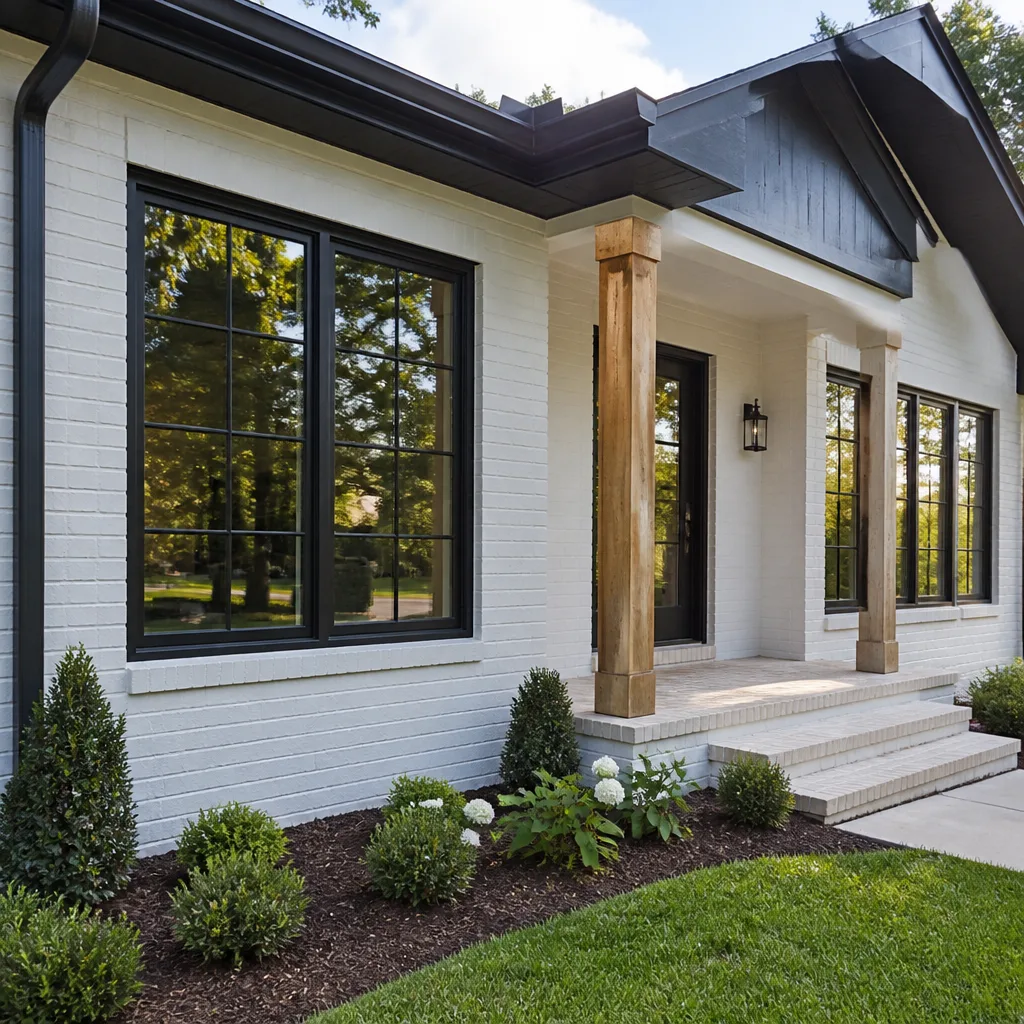
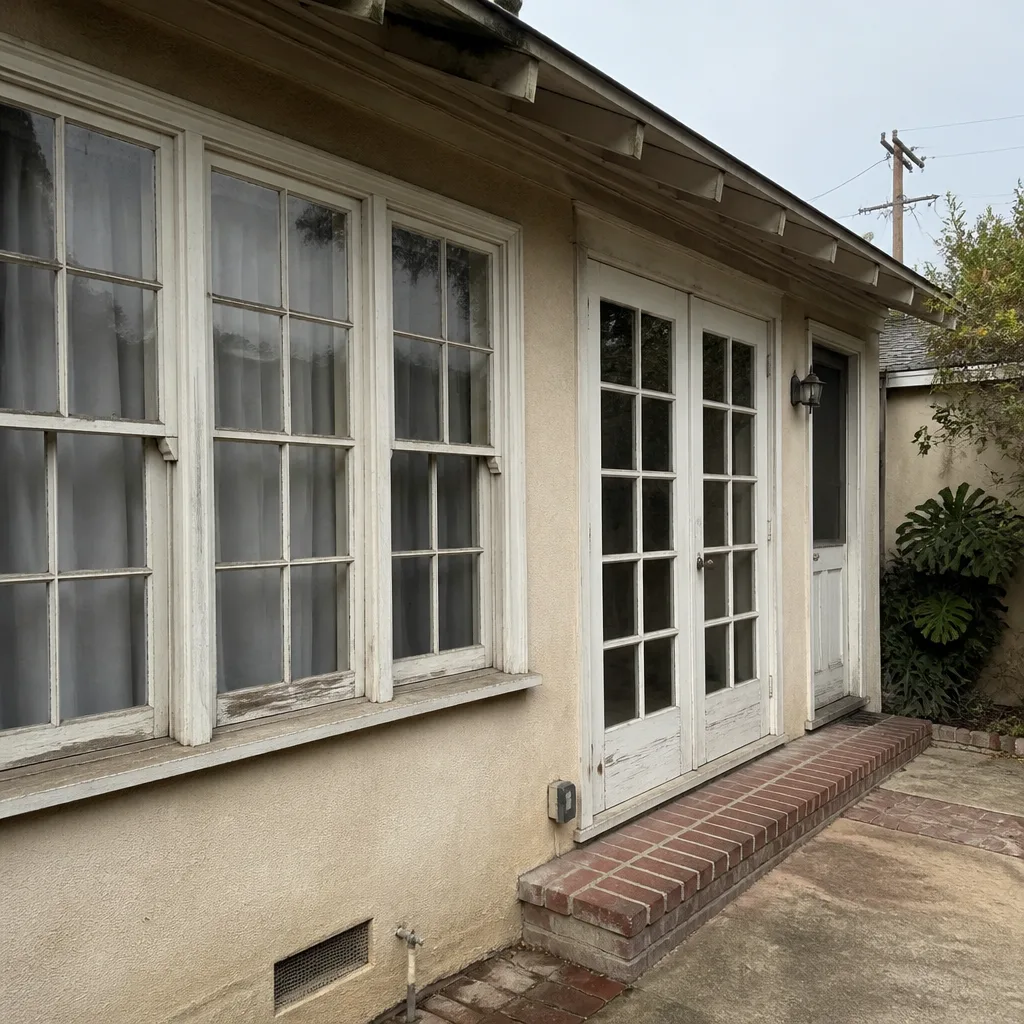 Before
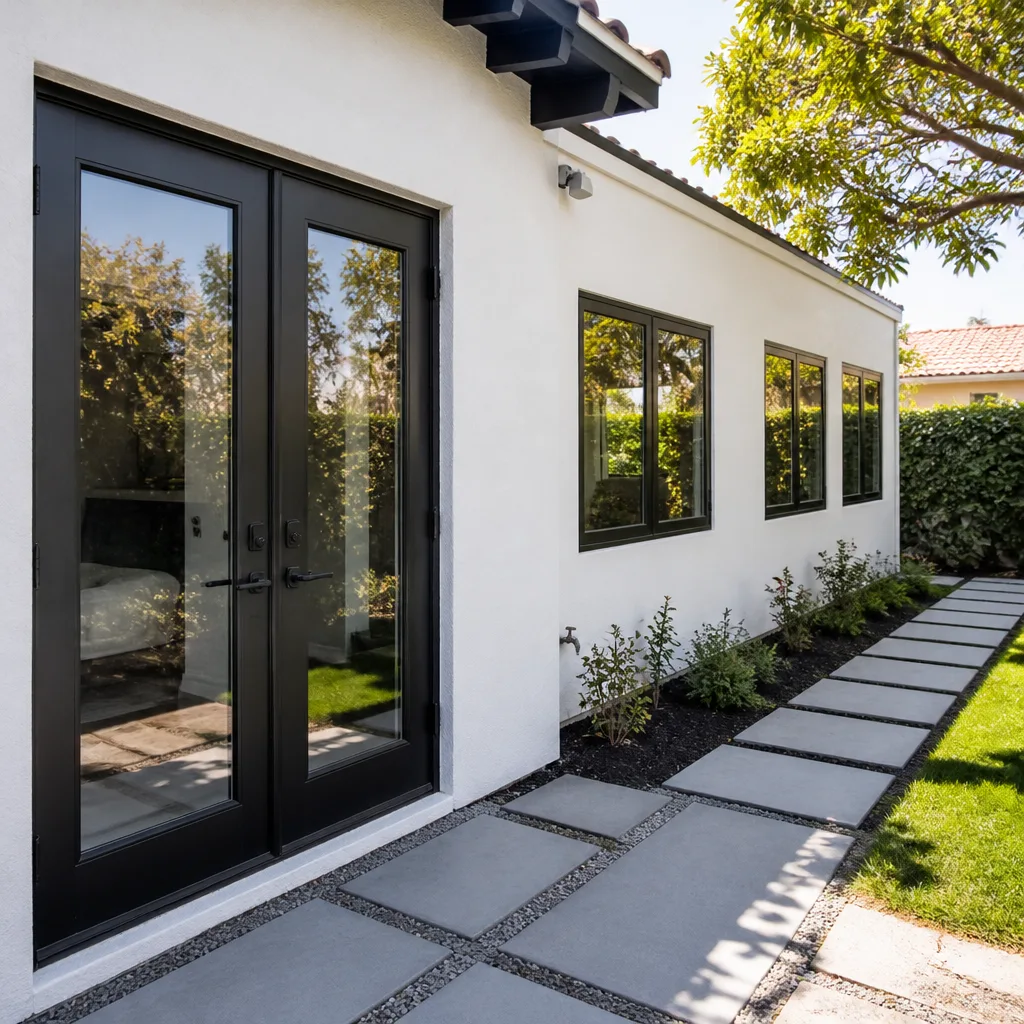 After
After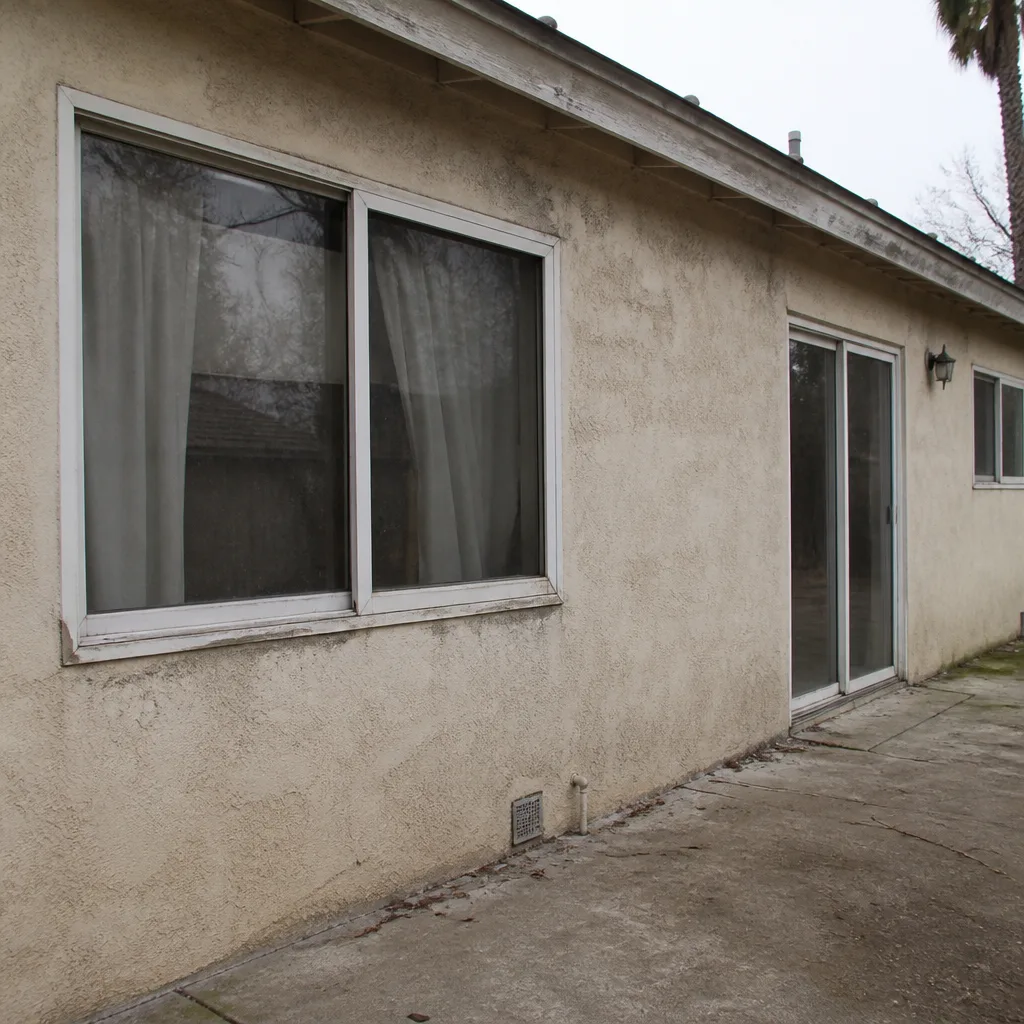 Before
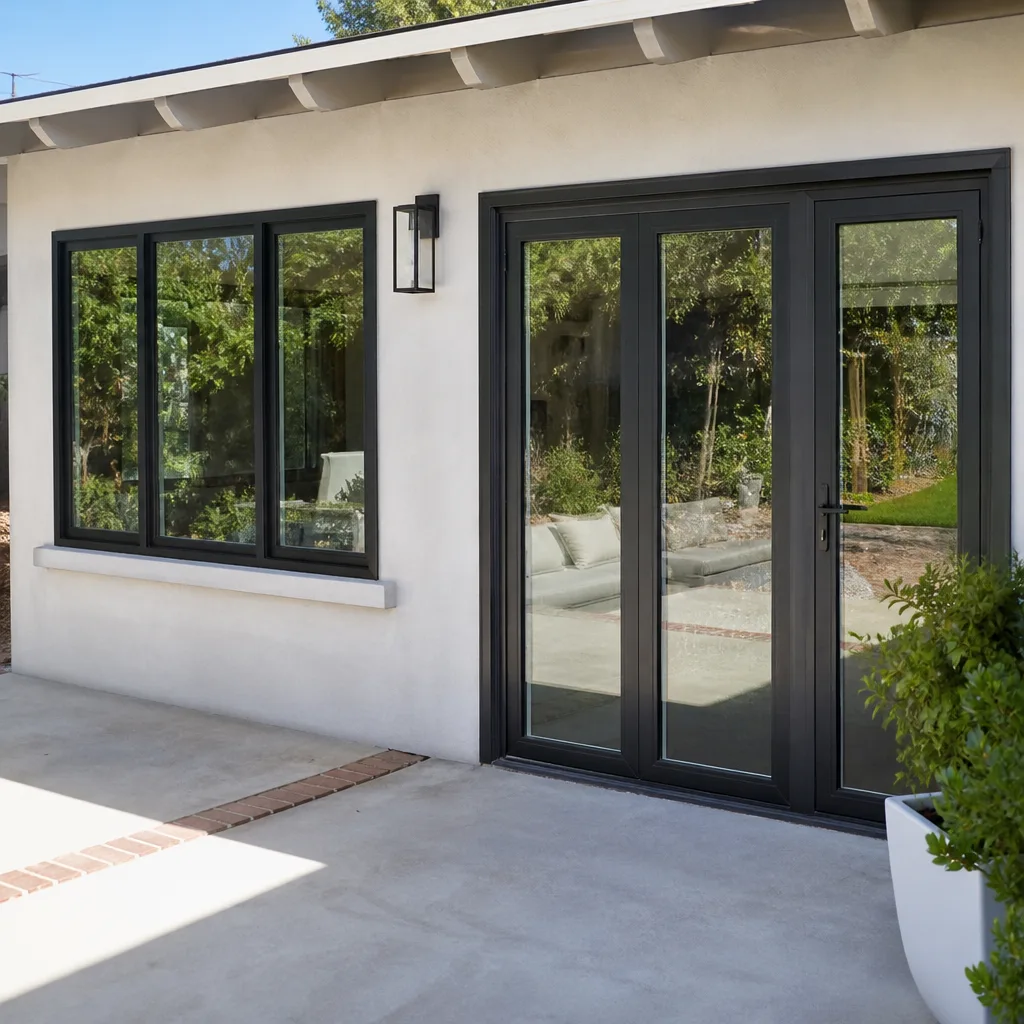 After
After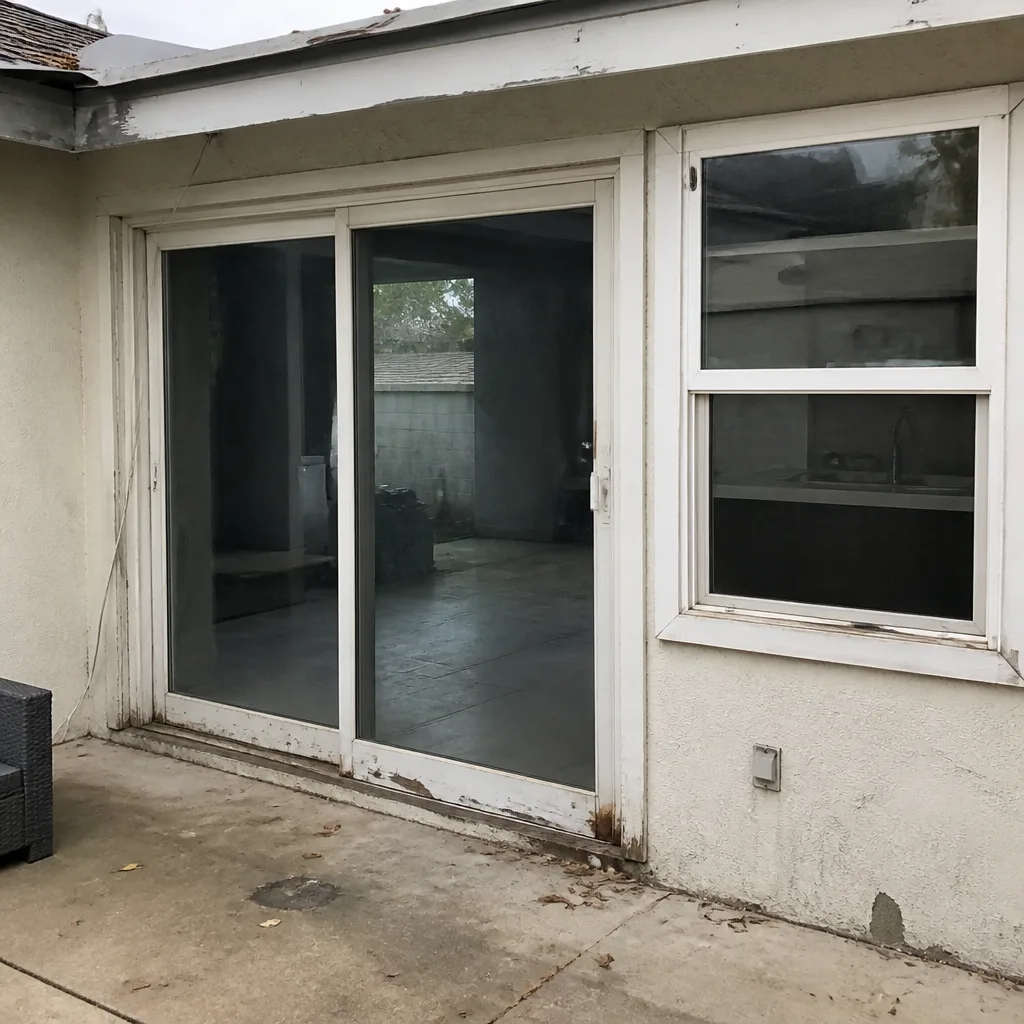 Before
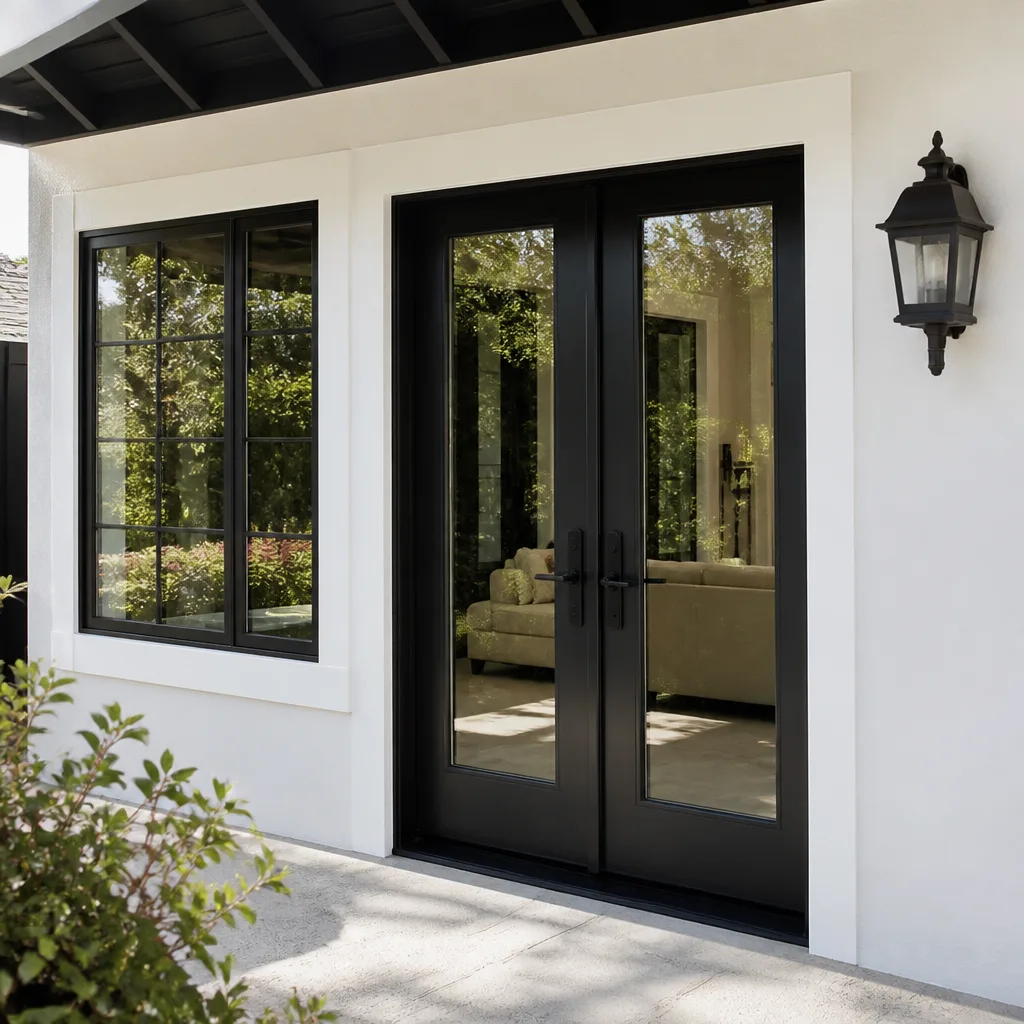 After
AfterWhat’s Happening
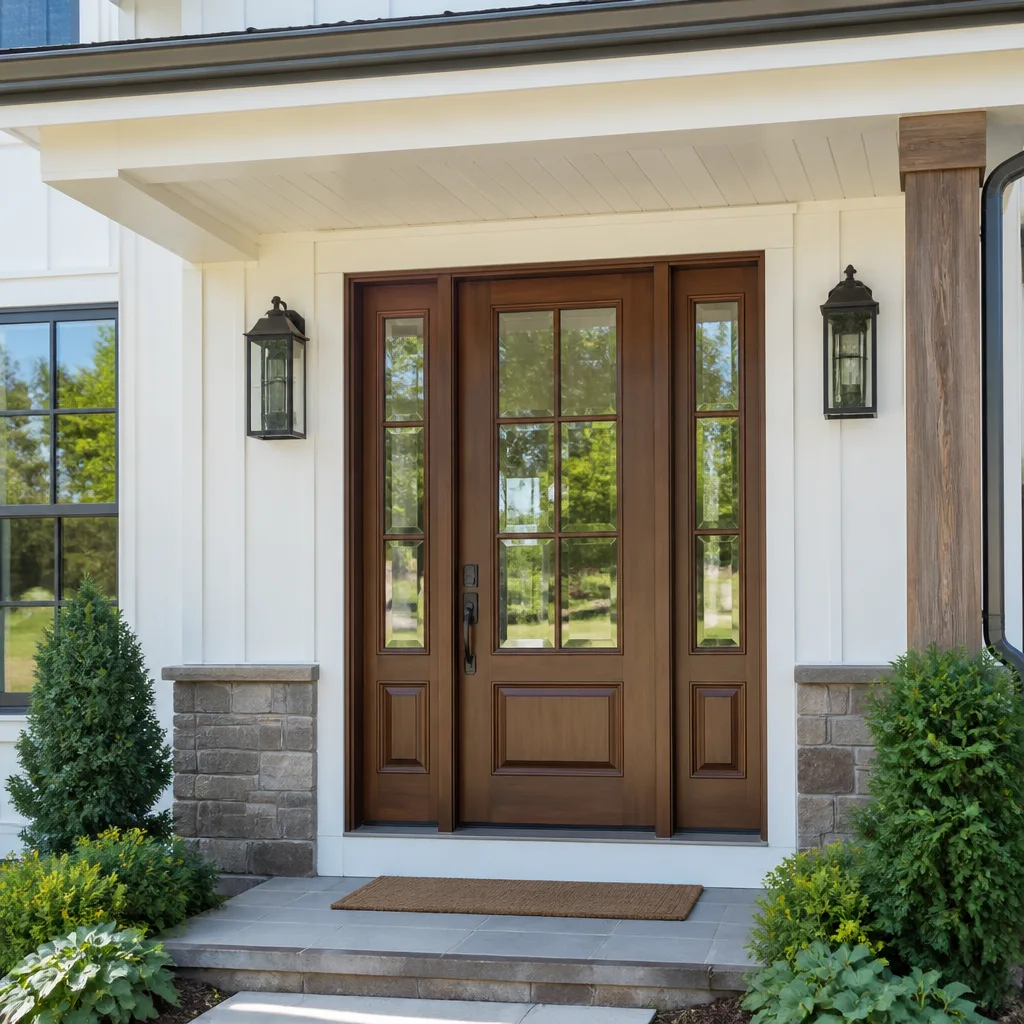
When a front door stops working the way it should – sticking, dragging, refusing to latch, or letting in a draft you can feel from across the room – the door itself is usually trying to tell you something. Most of the time, the problem is one of four things: a failed hinge, a shifted frame, a worn latch or deadbolt mechanism, or a seal that has finally given out. None of these fix themselves.
The good news is that a trained technician can diagnose which one it is on the first visit, and most of these issues resolve the same day. The tricky part is knowing which cause you’re dealing with, because the right fix depends entirely on that. A door that drags on the floor needs a different answer than a door that swings open on its own – even though both get described as “not working.”
Why It Happens
Sagging or Failed Hinges
Hinges carry the full weight of the door – sometimes 80 to 100 pounds or more for a solid wood or fiberglass entry door – and over time the screws strip out of the frame or the hinge itself bends out of plane. When this happens, the door drops on the latch side and starts dragging against the threshold or catching at the top corner. If your door scrapes the floor near the handle but swings freely near the hinge side, a hinge problem is the likely culprit. You may also see a widening gap along the top of the door on the hinge side.
Settled or Shifted Frame
Houses move. Foundations settle, framing dries out and shifts, and doorframes that were perfectly square when the door was installed can rack out of square over time. When the rough opening shifts even a quarter of an inch, the door can bind, fail to latch cleanly, or leave visible gaps between the slab and the frame. The tell here is uneven gaps: if the space around the door is wider on one side at the top than at the bottom, the frame has moved. This is one of the more involved repairs because the fix sometimes goes beyond the door itself.
Worn or Misaligned Latch and Deadbolt
The latch bolt and deadbolt each need to line up precisely with their strike plates to engage. When the door has shifted or the strike plate has backed out, the bolt hits the edge of the plate instead of dropping into the pocket – and the door either won’t close securely or you have to lift or push the door to get the deadbolt to turn. If you’re fighting the lock more than you used to, or you can hear the bolt scraping metal before it seats, the latch hardware is the first place to look. This is one of the simpler fixes when caught early.
Failed Weatherstripping or Door Seal
Weatherstripping compresses thousands of times over its life and eventually either flattens, cracks, or pulls away from the door or frame. When it goes, you’ll feel a draft along the edge of the door even when it’s fully closed, and you may notice outside noise is suddenly louder than it used to be – sound travels through air gaps the same way cold does. Run your hand along the perimeter of the closed door on a breezy day; if you feel moving air at any point, the seal is compromised. Left alone, a bad seal also lets moisture in, which accelerates wood rot and frame damage.
What to Do Right Now
- Stop forcing it. If the door is dragging, binding, or fighting you, stop muscling it open and closed. Repeated force accelerates wear on the hinge screws, the frame, and the latch hardware – what is a minor fix today can become a more involved one in a few weeks.
- Take photos before you do anything else. Get a clear shot of the gap pattern around all four edges of the door, a close-up of where it drags or binds, and a photo of the strike plate and latch bolt if the lock is the issue. These help your technician arrive prepared with the right parts.
- Check the hinge screws by hand. With the door open, try to wiggle each hinge. If one moves or the screws turn easily with your fingers, you’ve found a likely cause. Tightening them yourself is safe and worth trying – but if the screw holes are stripped and the screws spin freely without biting, stop and call. A stripped hinge needs the right repair, not a longer screw forced in.
- Test the latch with the door held exactly in position. If you hold the door up slightly or push it toward the frame and the latch engages smoothly, a hinge sag or frame shift is likely causing the misalignment, not the lock hardware itself.
- Don’t leave the house unsecured. If the door won’t latch or lock reliably, treat it as an urgent repair, not a “get to it eventually” item. Call your local Hale Windows & Doors team so the job gets scheduled before you’re in a situation where the door won’t secure at night.
How We Fix It
When a technician from your local Hale Windows & Doors team arrives, the first thing they do is walk through the diagnosis with you – checking the hinge set, testing the latch and deadbolt engagement, inspecting the frame for square, and running a hand along the weatherstrip seal. That assessment tells them which repair path applies to your door.
For hinge and latch issues, most repairs are completed in a single visit. Frame adjustments take longer depending on how much movement has occurred. If the door or frame has reached the point where repair is the wrong answer – because the damage is too far along or the door itself is failing – the honest recommendation is a Front Door Replacement, and Hale carries product lines including Therma-Tru and ViewLux to match the right door to your home and budget. For doors with failing seals or operational issues that fall short of full replacement, Window and Door Repair covers the work.
Before any of this starts, you’ll have a written price in hand – that’s not a formality, it’s the commitment. Every repair also carries a written guarantee: if the repair fails, the second visit is free. The 365-Day Done Right Promise is on every job.
Frequently Asked Questions
Yes, a door that doesn’t latch or lock reliably is a real security concern and should be treated as urgent. A deadbolt that won’t fully engage leaves your home exposed, and a door that can be pushed open without a key is not a secured door. Call (252) 675-6980 to get it looked at before it becomes a problem at the wrong hour.
Most door problems are progressive – a stripped hinge left alone puts stress on the frame, which then shifts further, which then affects the latch, which then creates a gap for moisture. A small fix that costs relatively little today can turn into a frame repair or full replacement if it’s left for a season. If the door is still functional and secure, it’s not an emergency, but it shouldn’t be pushed to the bottom of the list. Call (252) 675-6980 to schedule a look before the repair scope grows.
Your local Hale Windows & Doors team works to get to door problems quickly because a compromised entry door isn’t something most homeowners want to sit with. Availability depends on your market and current schedule – the best way to find out is to call (252) 675-6980 directly. A live person picks up every call, any time of day, and can tell you exactly what the current schedule looks like.
No. Hale puts the price in writing before any work starts, and that written price is what you pay. There are no add-ons after the fact and no invoice surprises. If the scope of the job turns out to be different from what was initially expected, the technician talks through it with you and updates the written price before doing anything additional – you decide whether to proceed.
Get It Fixed
A door that’s dragging, sticking, or not latching properly isn’t going to sort itself out. Call (252) 675-6980 – a live person answers every call – and your local Hale Windows & Doors team will take it from there. Written price before work starts, every time.
Written by Spencer Odell, Owner at Hale Windows & Doors, part of the Threshold Group family of home-service brands, founded in 2009.
What Our Customers Say
"Honest quote with the glass type and U-factor spelled out. Didn't need the triple pane and he told me so."
- Diane O."Fogged double pane in the living room. They replaced the glass units only, not the whole frame, and saved me a lot."
- Raul C."One sash would not stay up. He rebuilt the balance and now it slides like new."
- Yvonne T.