

Last updated October 9, 2026
Free in-home measure and quote - PGT, CGI and CWS impact lines compared on your actual openings, style by style
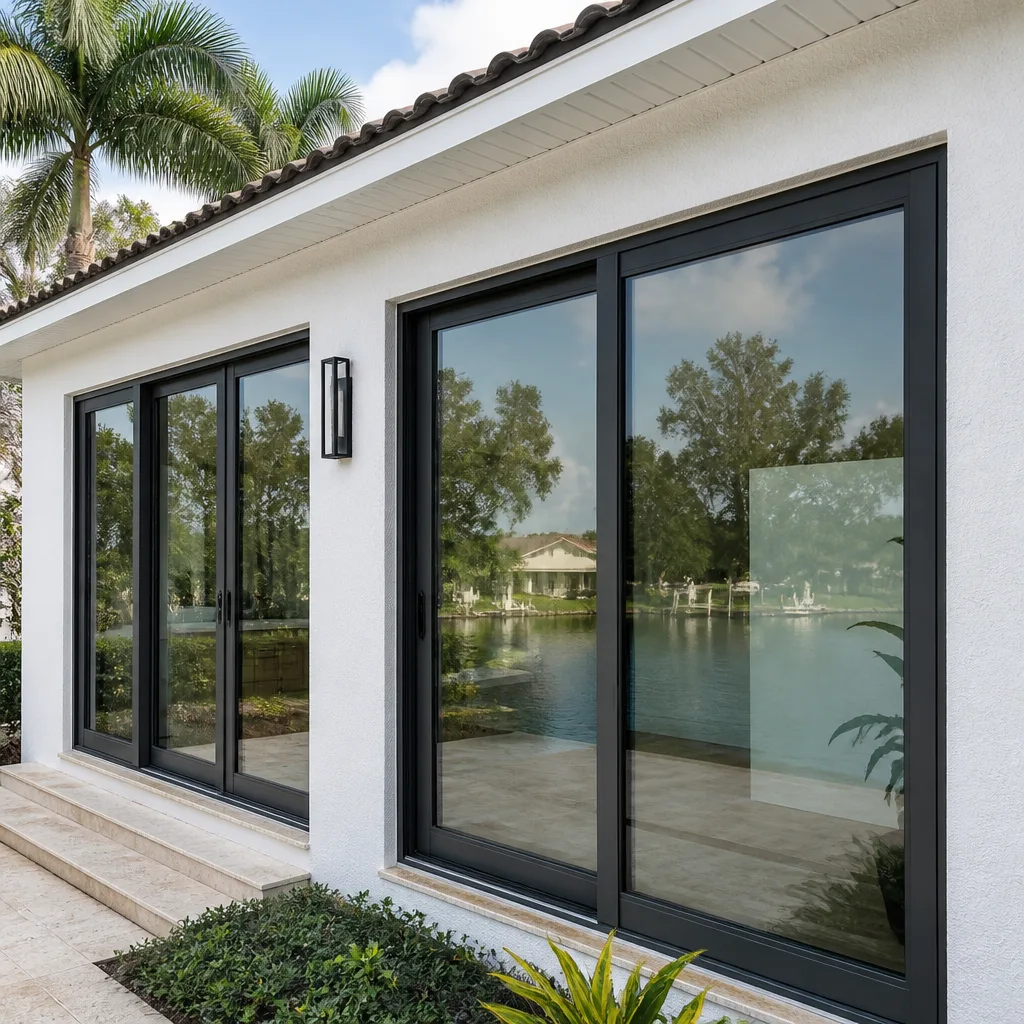
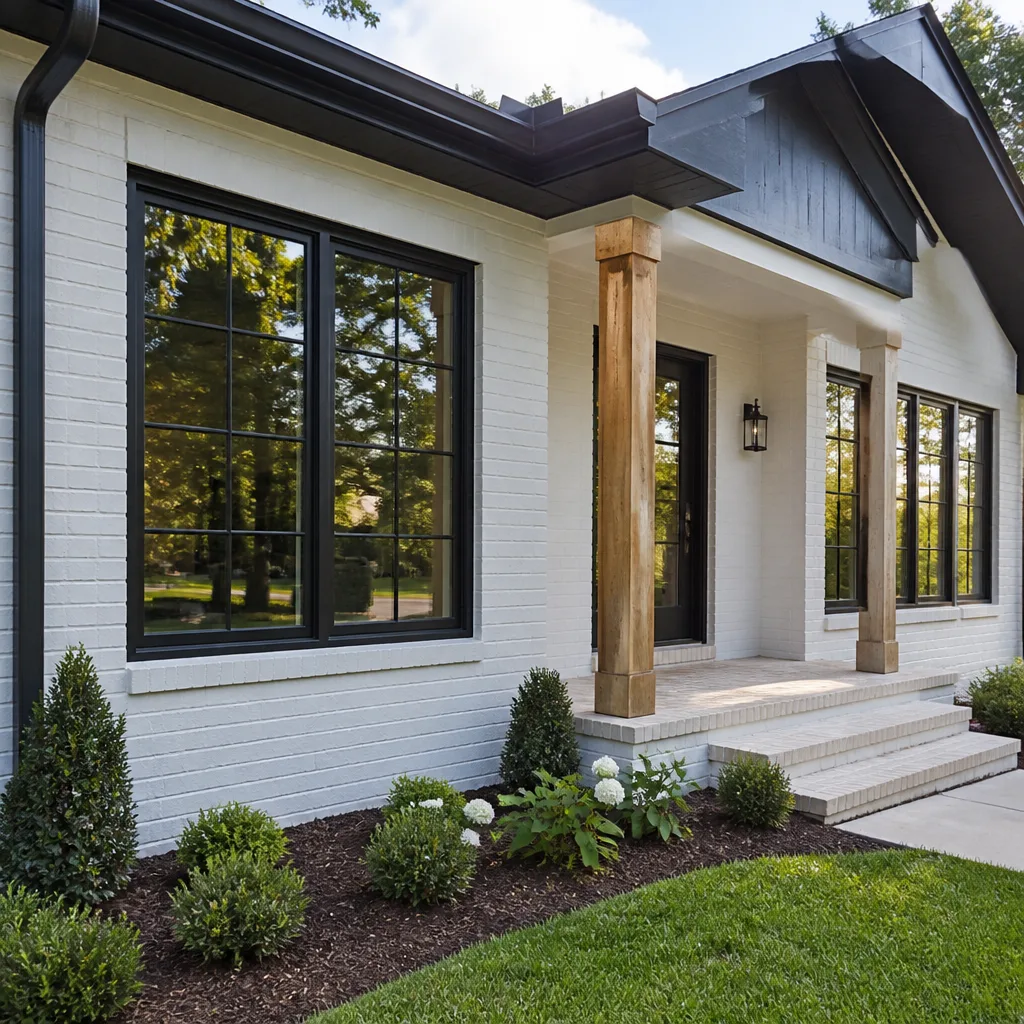
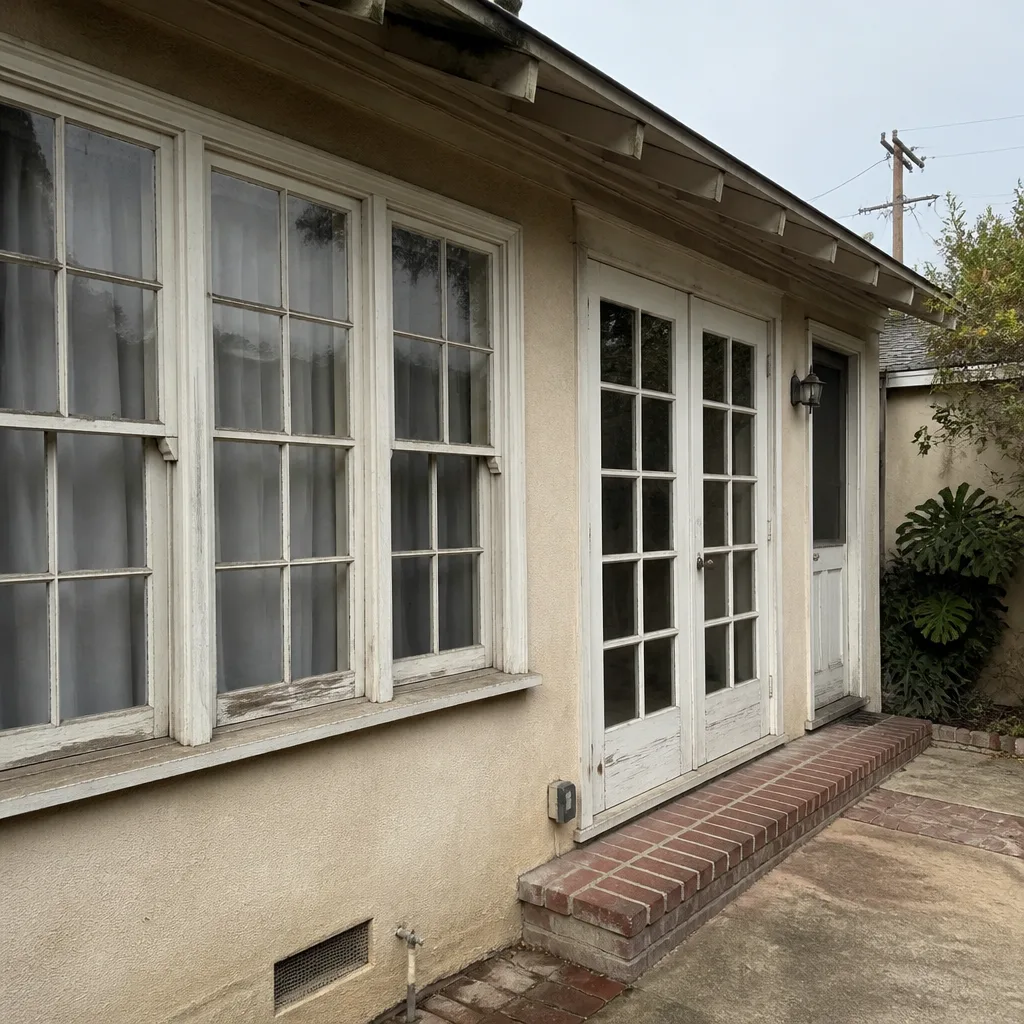 Before
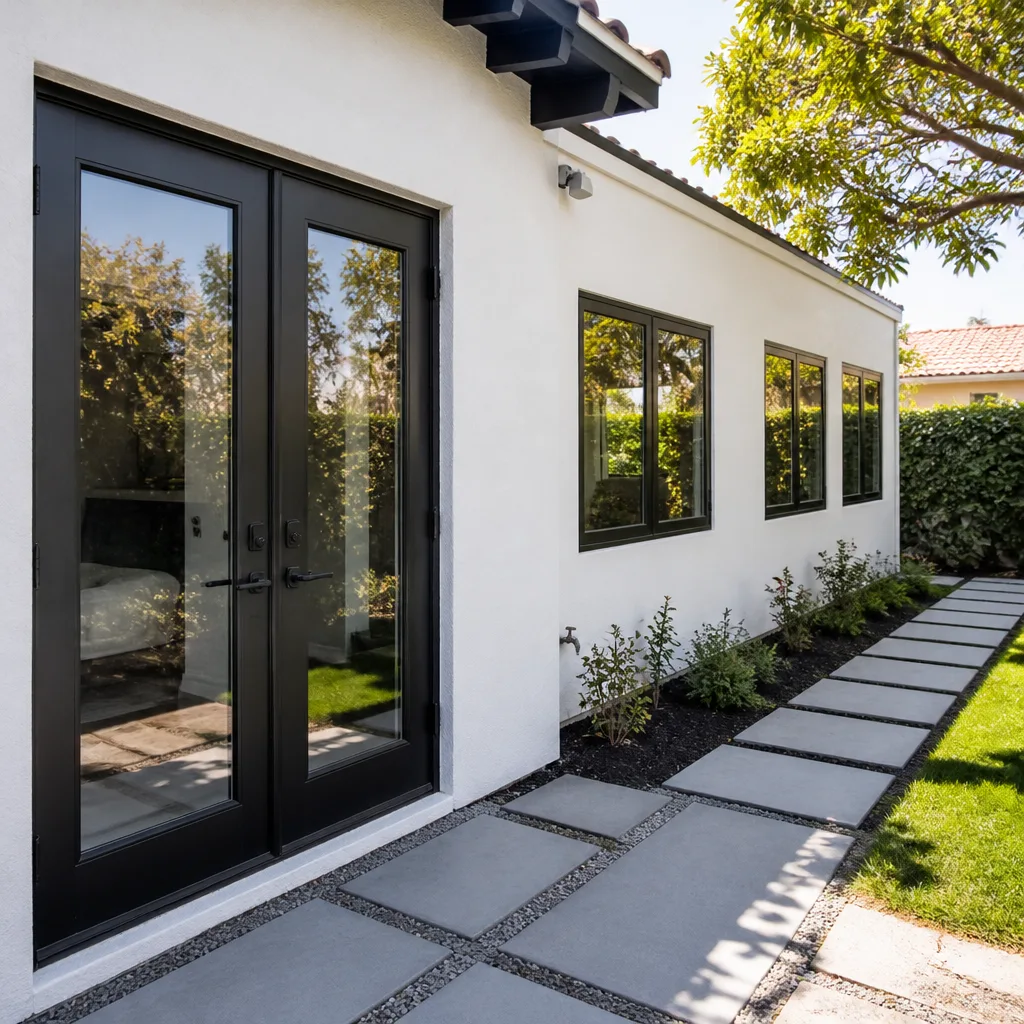 After
After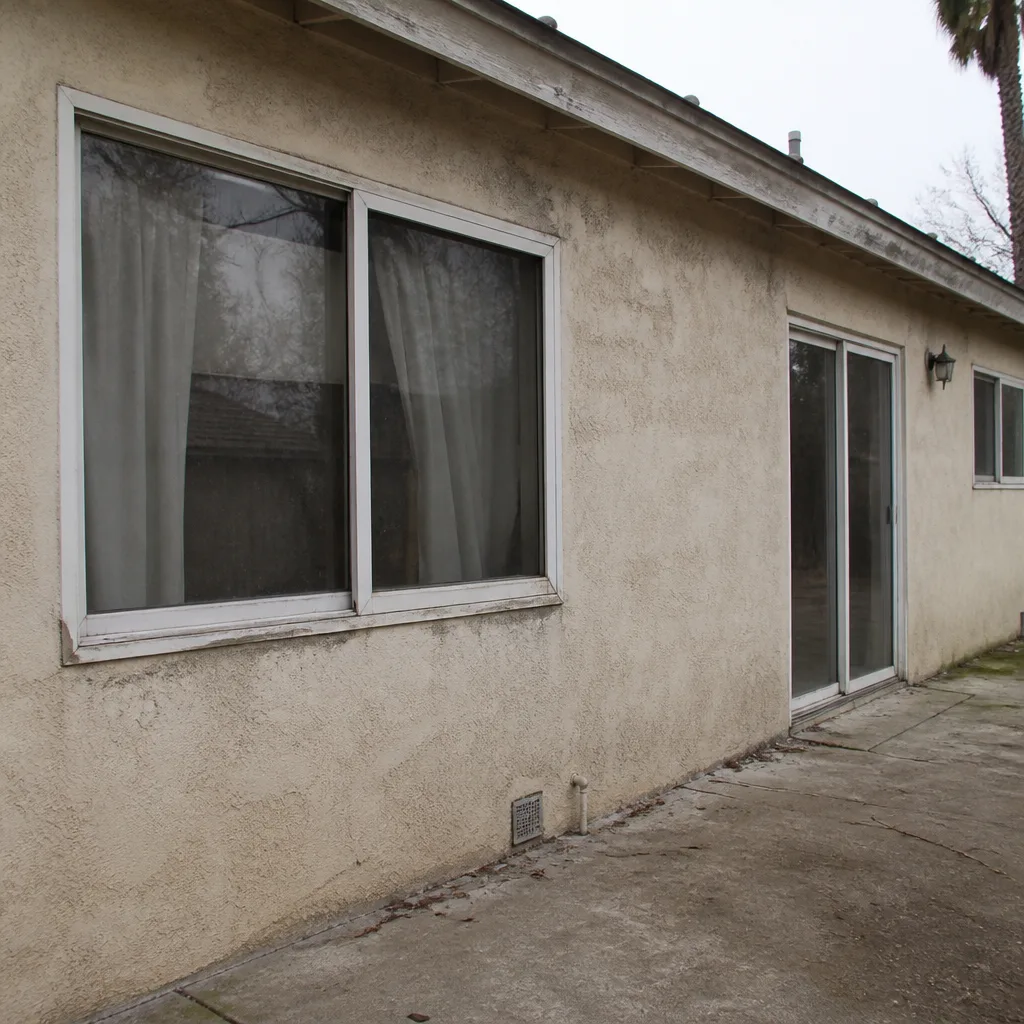 Before
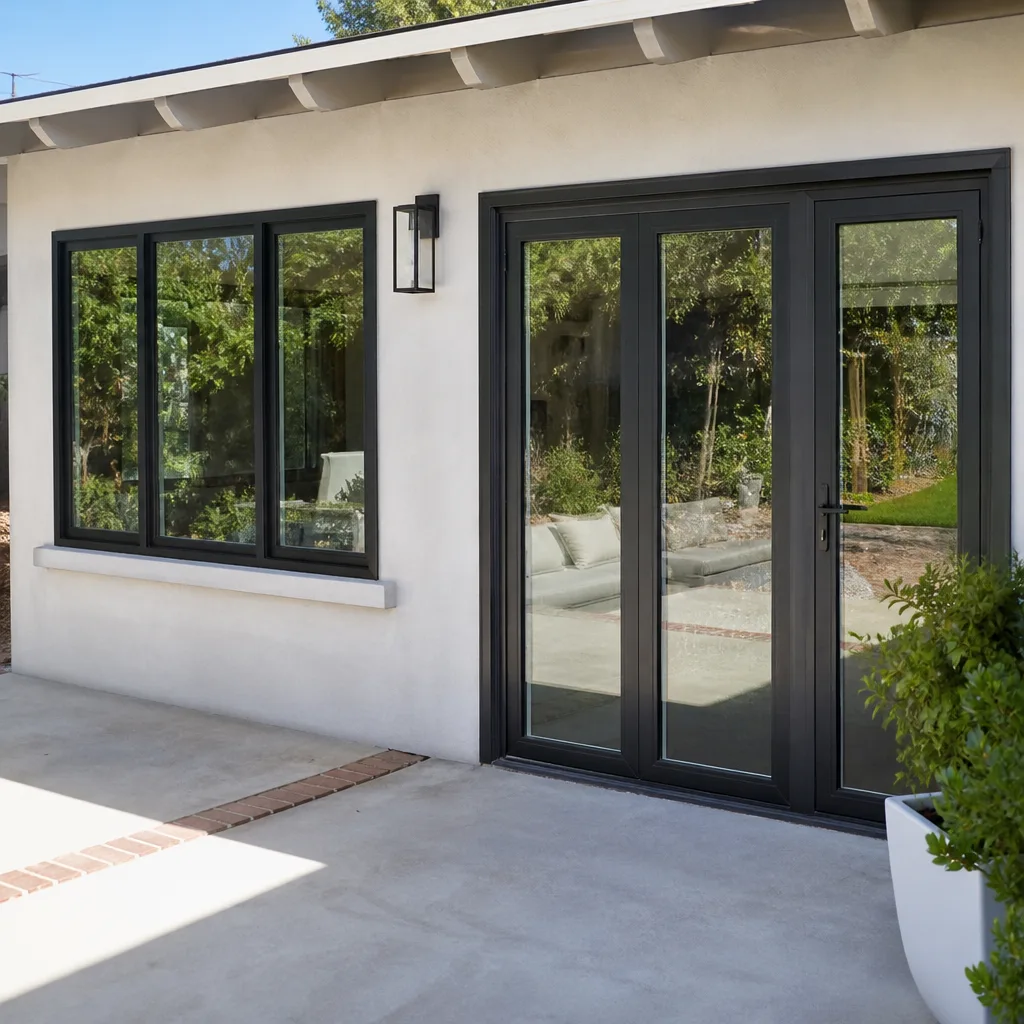 After
After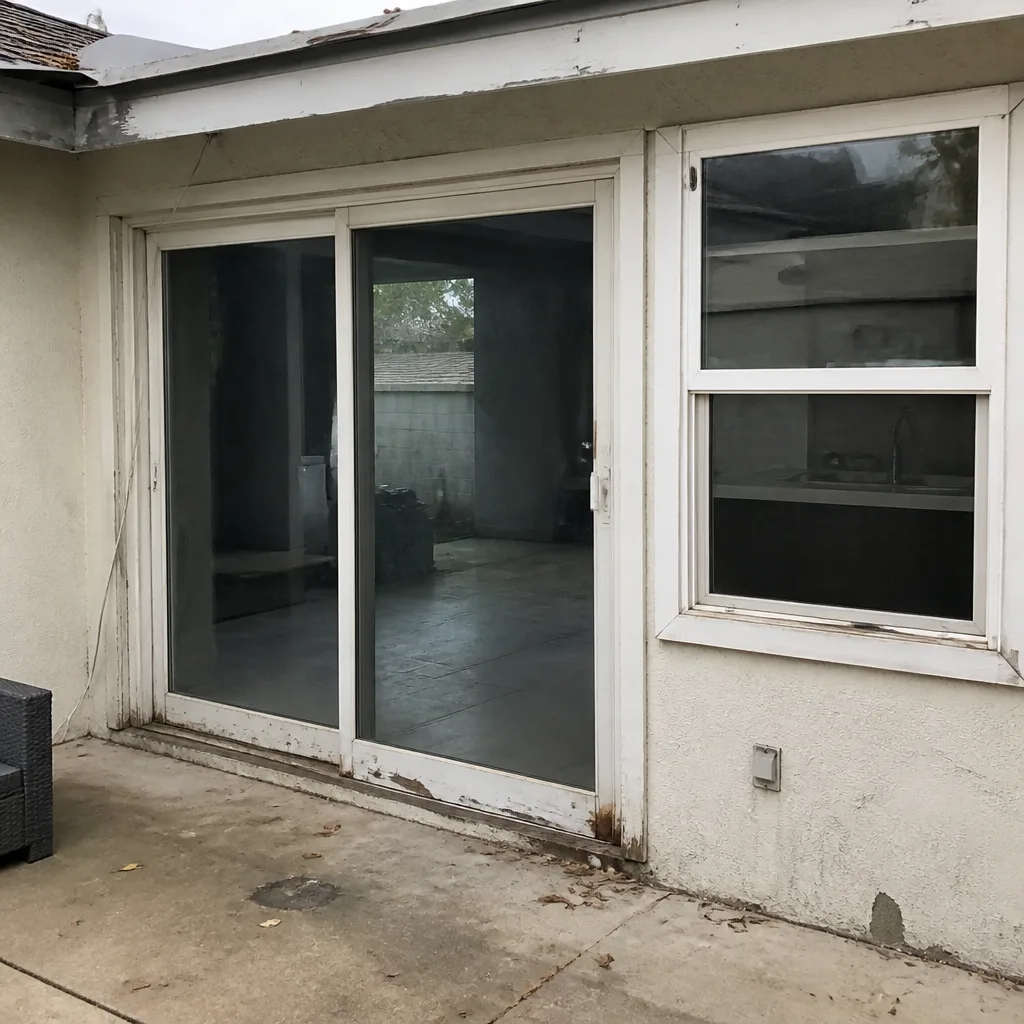 Before
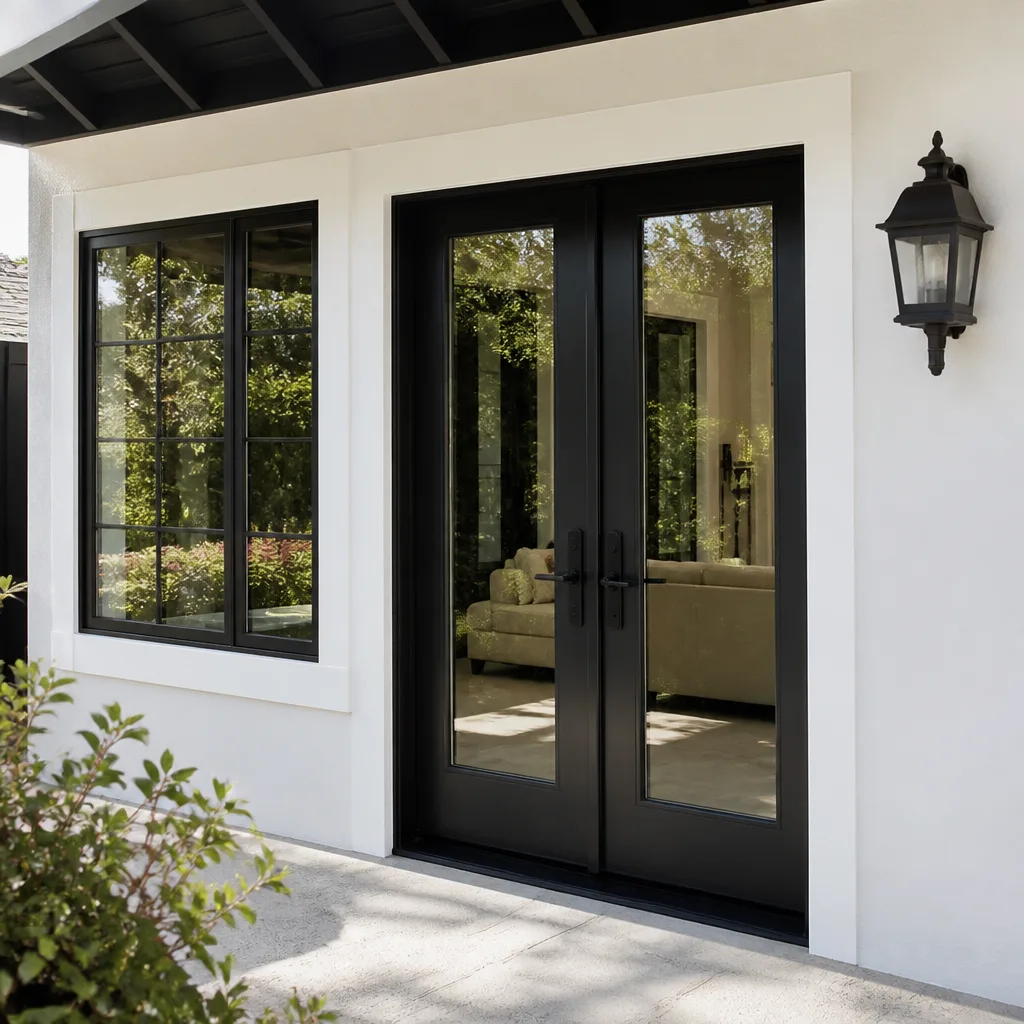 After
AfterFront Door Replacement Troubleshooting: Common Problems and How to Fix Them
If your brand-new door sticks at the top corner six weeks after installation, the door didn’t warp. The frame wasn’t shimmed square, and now you’re in a dispute about whose fault it is. This guide walks through the seven most common post-installation front door failures we see across Los Angeles homes, from latch miss to threshold drafts, and gives you plain-language tests to figure out whether you’re dealing with installer error, normal settling, or a genuine product defect. You’ll learn what you can fix yourself, what requires a pro, and how to approach a warranty conversation with facts instead of frustration.
Quick Answer
Most front door replacement problems, like sticking, latch miss, and drafts, are installation errors caused by a frame that wasn’t shimmed square or a threshold set at the wrong height, not defects in the door slab itself. Simple fixes like tightening hinge screws, relocating a strike plate, or adjusting threshold height solve many issues in under an hour. If the rough opening is out of square by more than 3/8 inch or you discover frame rot after removal, the project scope and cost legitimately change, and a transparent contractor should document and explain that before proceeding.
Table of Contents
- Latch Miss: When the Bolt Doesn’t Line Up
- Corner Drag: The Door Sticks at the Top or Bottom Corner
- Visible Daylight Gaps Around the Frame
- Handle Wobble and Loose Hardware
- Deadbolt Binding: When Turning the Key Feels Like a Fight
- Threshold Draft: Cold Air at Your Ankles
- Door Swings Open or Closed on Its Own
- Common Mistakes to Avoid
- When to Call a Professional
- Frequently Asked Questions
Latch Miss: When the Bolt Doesn’t Line Up
Latch miss means the bolt on your door doesn’t slide cleanly into the strike plate hole on the frame. You push the door closed, the latch clicks, but the bolt sits half an inch above or below the hole, or it barely catches the edge. This is the most common post-installation complaint we hear about front door replacement in Los Angeles.
The diagnosis is straightforward. Close the door slowly and watch the bolt as it approaches the strike plate. If the bolt hits the plate face instead of entering the hole, the door has sagged or the strike plate was positioned wrong from the start. Here’s what causes it:
- Hinge screws loosened: The top hinge carries most of the door’s weight. When screws back out, that corner drops.
- Frame settled: Los Angeles sits in seismic country. Even minor ground movement, plus the natural compression of framing lumber through wet winters and dry summers, shifts a door frame a few millimeters.
- Strike plate mislocated at install: The installer mortised the plate too high or too low and forced the fit instead of correcting it.
The fix you can do yourself:
- Tighten every hinge screw. If a screw spins without gripping, replace it with a 3-inch screw that reaches into the framing behind the jamb.
- If the bolt is less than 1/8 inch off, file the strike plate opening slightly. Use a metal file, not a drill.
- If the bolt is more than 1/8 inch off, remove the strike plate, fill the old screw holes with wood dowels and glue, and remount the plate in the correct position.
If the door latched perfectly at installation and started missing six months later, that’s settling, not a product defect. The fix is adjustment, not replacement. Our Front Door Replacement in Los Angeles guide covers what a correct installation should look like from day one.
Corner Drag: The Door Sticks at the Top or Bottom Corner
Corner drag is exactly what it sounds like: the door rubs against the frame at one corner, usually the latch-side top or hinge-side bottom. You feel resistance when you close it, and the paint wears off the frame at that spot. This is the problem that generates the most warranty disputes, because homeowners assume the door slab warped. In our experience, the slab is rarely the culprit.
Here’s the test. Get a level and hold it against the hinge-side jamb vertically. Then check the latch-side jamb. If either jamb shows more than a 1/8-inch deviation from plumb, the frame was installed out of square. A door slab hanging in an out-of-square frame will always drag somewhere, no matter how straight the slab itself is.
What causes an out-of-square frame:
- The installer didn’t shim the jamb before fastening it
- Shims were placed only at hinge and latch points, leaving the middle unsupported
- The rough opening itself was out of square from the framing stage
- Moisture in the framing lumber caused it to bow after installation
Adjustment steps:
- Remove the hinge-side casing to expose the gap between jamb and rough framing.
- Check the shims. If there are none at the hinge locations, that’s your problem.
- Loosen the jamb screws, tap tapered shims behind the jamb to bring it plumb, and re-tighten.
- Re-check with the level before re-casing.
Los Angeles homes built before 1980 often have rough openings that settled out of square decades ago. A competent installer catches this during the pre-installation inspection and corrects it before hanging the door. When that correction is skipped, corner drag shows up weeks later, long after the install crew has left.
Visible Daylight Gaps Around the Frame
Stand inside your home on a sunny day with the door closed and the lights off. If you can see daylight around any edge of the door, you have a real problem. A front door should seal against the weatherstripping around the entire perimeter, not just for energy efficiency, but for basic security and pest control.
Daylight gaps after a front door replacement fall into three categories:
- Gap along the top or latch side: The frame is twisted. One corner of the jamb sits proud of the door, the opposite corner recessed. This is a shimming error.
- Gap along the bottom: The threshold was set too low for the door slab, or the door sweep was never adjusted. Easy fix.
- Gap that widens and narrows as you open and close: The hinges are misaligned, causing the door to rack slightly with each swing.
The test: Close the door and slip a dollar bill between the door and weatherstripping at several points. When you pull the bill out, you should feel slight resistance everywhere. If it slides out freely in one spot and binds in another, the seal is uneven.
For most cases, the fix is adjusting the frame or replacing the weatherstripping with a thicker profile. The challenge is that a twisted frame often can’t be corrected without removing and re-hanging the door. In that scenario, the contractor who installed it should return and make it right under warranty, not charge you for a second install. This is precisely the type of issue where our 365-Day Done Right Promise matters: if the work is not right, we make it right, no argument needed.
Handle Wobble and Loose Hardware
A wobbly door handle feels like a minor annoyance, but it signals something. Handlesets and levers take repeated force every time the door is used, and if the mounting screws are loose, the internal mechanism grinds against the bore hole. Left unchecked, a wobbling handle will eventually strip the screw holes, loosen the latch assembly, and compromise the door’s security.
Diagnosis steps:
- Grab the handle and move it up, down, side to side. Movement of more than 1/16 inch means loose screws.
- Check the two screws on the interior plate. Tighten them with a Phillips screwdriver, not a drill, to avoid over-tightening.
- If screws are tight but the handle still wobbles, the spindle, the square metal bar connecting both handles, may be undersized for the lock body.
- Remove one handle and check whether the spindle fits snugly in the lock body slot or rattles freely.
On professional-grade doors from manufacturers like Therma-Tru or Mr-Glass, the hardware prep is milled to tight tolerances. Wobble on these products almost always comes from either a hardware brand mismatched to the door prep, or an installer who failed to torque the screws. The fix is usually a matter of minutes. The important thing is addressing it before the screw holes wallow out, because once the wood around a screw is stripped, the door panel itself needs repair.
For Los Angeles homeowners, there’s an added consideration: handlesets on coastal properties and homes near the ocean in areas like Santa Monica and Venice corrode faster due to salt air. If you’re replacing a front door within a mile of the coast, specify marine-grade hardware finishes like PVD or solid brass, not standard stainless or zinc. It costs a bit more upfront but avoids a corroded, binding handle three years in.
Deadbolt Binding: When Turning the Key Feels Like a Fight
A deadbolt should throw and retract with a smooth, consistent turn. If you have to push, pull, or lift the handle while turning the key, the deadbolt is binding. This is different from latch miss: the bolt may line up with the hole, but it drags against the strike plate or the frame opening because the door is slightly misaligned under load.
Here’s the diagnosis test we use:
- With the door open, throw the deadbolt. If it moves smoothly, the lock body is fine.
- Close the door without latching it, and throw the deadbolt. If it binds, the strike plate is misaligned.
- Lift the handle while turning the key. If the binding disappears, the door has dropped and the hinge adjustment is needed.
The fix depends on what the test reveals:
- Smooth open, binds closed: File or reposition the strike plate. This is the most common fix.
- Binds only when you lift the handle: Replace the top hinge screws with 3-inch screws and pull the jamb back into alignment.
- Binds even with the door open: The lock body itself is defective or gummed. Lubricate with dry graphite, and if that doesn’t resolve it, the lock needs replacement.
We’ve replaced front doors in Los Angeles neighborhoods like Silver Lake and Echo Park where the original 1920s framing has settled dramatically. In those homes, deadbolt binding is often chronic, not a one-time fix. The long-term solution is re-shimming the frame for good, not filing the strike plate wider every six months. If you’re replacing a door on an older home, ask the contractor to verify the rough opening is square before the new door goes in-read How Long Does Front Door Replacement Take? Timelines and What to Expect to plan accordingly. It’s a five-minute check that prevents years of fighting the lock.
Threshold Draft: Cold Air at Your Ankles
A draft at the bottom of your front door usually comes from one of three places: the threshold is set too low, the door sweep is worn or wrong height, or the threshold cap is rusted through. In Los Angeles, where winter nights can drop into the 40s and Santa Ana winds press against doorways, a bottom draft is more than uncomfortable; it’s a measurable energy loss every month.
How to diagnose a threshold draft:
- Close the door and run your hand along the bottom seam. Mark the spots where you feel moving air.
- Check the door sweep, the rubber or brush strip attached to the bottom of the door. If it’s cracked, flattened, or missing sections, it’s done.
- Look at the threshold from inside with the door closed. If you can see a visible gap between the sweep and the threshold cap, the threshold is too low.
- If the threshold cap, the metal or wood top piece, is corroded or soft, water has been getting in and the cap needs replacement.
Adjusting the threshold yourself: Most adjustable thresholds have four to six screws running along the top. Turn them counterclockwise to raise the cap and clockwise to lower it. Raise it in small increments, checking that the door still closes without dragging. The ideal height leaves the sweep just touching the cap with light compression.
If the threshold is a fixed block with no adjustment screws, you have two options. You can replace the door sweep with a taller profile, or you can remove and shim the entire threshold block higher. The second option is more involved, and if the door was recently installed, it’s reasonable to ask the installer to do it under warranty. A threshold set at the wrong height is an installation error. Products from CWS and ES Windows are milled to consistent slab dimensions, so threshold misalignment is almost always an installer or rough-opening issue, not a product fault.
Door Swings Open or Closed on Its Own
A door that swings open when you let go, or creeps closed and pushes you from behind, has a frame that is out of plumb. The door is following gravity. This is more than an annoyance; over months, a door that swings on its own strains the hinges, wears the strike plate, and eventually causes latch miss or corner drag.
The test: Open the door to 45 degrees and release it. If it moves, hold a level against the hinge-side jamb. A reading that is even slightly off plumb, a quarter inch over the door height is enough, means the entire frame leans. The door will always swing toward the low side.
The causes:
- Frame installed without checking plumb on both jambs
- Hinges mortised too deeply on one side, cocking the door
- Settling in the rough opening after installation
- Loose hinge screws allowing the door to shift
Correction: The real fix is pulling the casing and re-shimming the jamb so both sides read plumb. A temporary fix is slightly bending the hinge knuckles with an adjustable wrench, which adds friction and holds the door in place. The temporary fix masks the problem; it doesn’t correct the frame. For a newly installed door, this should be handled by the installer as warranty work. For an older door that has been fine for years and recently started swinging, look for loose screws or signs of moisture in the framing.
In our work across Window Replacement in Los Angeles and door projects, we’ve learned that older homes with un-reinforced foundations shift more than homeowners expect. If your door swings open on its own within the first year of installation, document it with photos and measurements, then call your installer. The conversation goes better when you have the level reading in hand.
Common Mistakes to Avoid
- Filing the strike plate hole bigger to fix latch miss: This gets the latch to catch but leaves the bolt with play, which wears the mechanism and weakens security. Reposition the plate instead.
- Planing the door edge to fix corner drag: Shaving the door to fit an out-of-square frame is treating the symptom while permanently altering the slab. You’re also voiding the finish warranty on the door.
- Ignoring a wobbling handle because “it still locks”: Loose hardware strips screw holes quickly. A $5 screw fix today prevents a $200 door panel repair in six months.
- Using WD-40 on a deadbolt or hinges: WD-40 attracts dust, turns to sludge, and worsens binding over time. Use dry graphite for locks and a light machine oil for hinges.
- Replacing weatherstripping without checking the frame alignment: If the frame is twisted, new weatherstripping will wear unevenly and you’ll be back to the same draft in a few months.
- Adjusting the threshold to its highest position to stop a draft: This creates a trip hazard and strains the door sweep. The correct fix balances threshold height with sweep compression.
- Assuming a sticking door means a defective product: In Los Angeles, where many homes are 50 to 100 years old, frame movement and rough opening issues are far more common than warped slabs from professional lines like ECO Window Systems or ES Windows.
When to Call a Professional
Call a door professional when the diagnosis points to the frame rather than the hardware. If both jambs are out of plumb by more than 1/8 inch, if the rough opening is out of square by more than 3/8 inch, or if you discover frame rot or termite damage after the old door comes out, you’re past DIY territory. These conditions require a re-shim, rough opening correction, or frame repair, and a professional should document the findings with measurements and photos. A door that has dropped repeatedly despite hinge screw replacement also signals structural movement that needs evaluation. Hale Windows & Doors offers free estimates in Los Angeles, call (252) 675-6980 and we’ll put the diagnosis in writing before any work starts.
Frequently Asked Questions
A new front door that sticks at the top corner six weeks or months after installation is almost always a sign the frame was not shimmed square during installation, or the rough opening has settled. The door slab itself rarely warps. Check the jamb with a level; if it’s off plumb, the fix is re-shimming the frame, which the installer should handle under warranty.
In Los Angeles, correcting a misaligned front door that doesn’t require frame removal typically runs $150 to $400, including strike plate relocation, hinge adjustment, and threshold tuning. If the frame must be pulled and re-shimmed, expect $500 to $900. Call (252) 675-6980 for an exact quote on your door.
A gap under your front door is only normal if it’s small enough that the door sweep maintains light contact with the threshold. If you can see daylight or feel moving air, the threshold is set too low or the sweep is worn. Both are adjustable or replaceable, and neither should be left unaddressed for long given Los Angeles energy costs.
Yes, a door frame can be re-shimmed, straightened, or partially rebuilt without replacing the door slab, as long as the slab itself is sound. The casing is removed, the jamb is adjusted to plumb and level using new shims, and the casing is reinstalled. Expect paint touch-up afterward.
If your newly installed door truly cannot be corrected, document the problems with photos and level readings, then contact the installer. Under the 365-Day Done Right Promise from Hale Windows & Doors, if the work is not right, we make it right at no charge. Start by calling (252) 675-6980 with your original invoice in hand.
Yes, we repair front doors across Los Angeles regardless of who performed the original installation. We’ll diagnose the issue, give you a written price before any work begins, and if a repair we complete fails, we return for a second visit free.
The Bottom Line
Most front door replacement problems trace back to the rough opening and frame preparation, not the door slab. An installer who checks plumb, level, and square before hanging the door prevents the bulk of the issues covered here: latch miss, corner drag, daylight gaps, deadbolt binding, and doors that swing on their own. When problems do appear, the first step is diagnosis with a level and simple visual tests, not reaching for a plane or a file. Knowing the difference between an installation error and a product defect changes the entire warranty conversation. For more guides & resources on keeping your door in top shape, explore our blog. And in a city like Los Angeles, where older homes shift and settle, that knowledge is the difference between a fix that lasts and a door you fight with for years.
Have a door that’s giving you trouble? We’ll diagnose it, explain the fix in plain language, and put the price in writing before anyone picks up a tool. Call (252) 675-6980 to schedule your free estimate, or learn more about our approach at Hale Windows & Doors home.
Written by Spencer Odell, Owner at Hale Windows & Doors, serving Los Angeles since 2009.