

Last updated October 9, 2026
Free in-home measure and quote - PGT, CGI and CWS impact lines compared on your actual openings, style by style
 Before
 After
After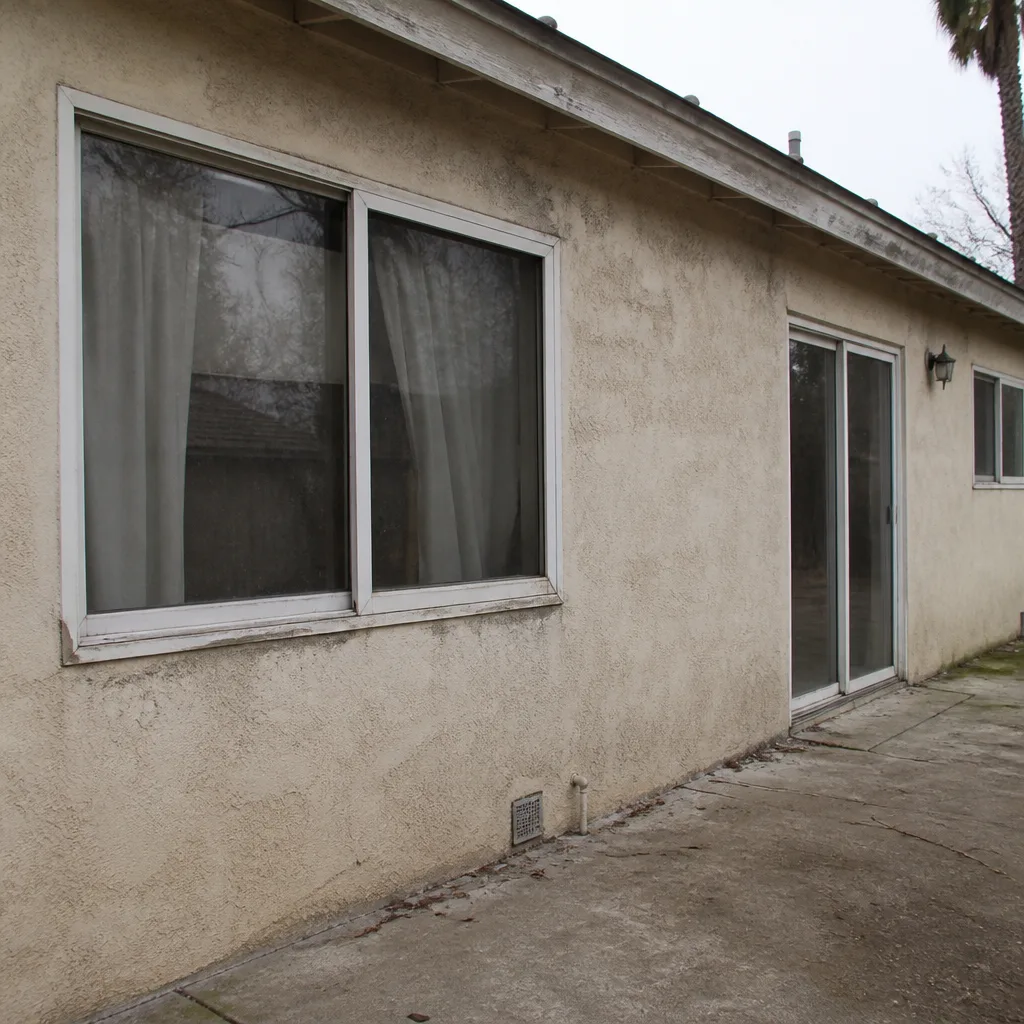 Before
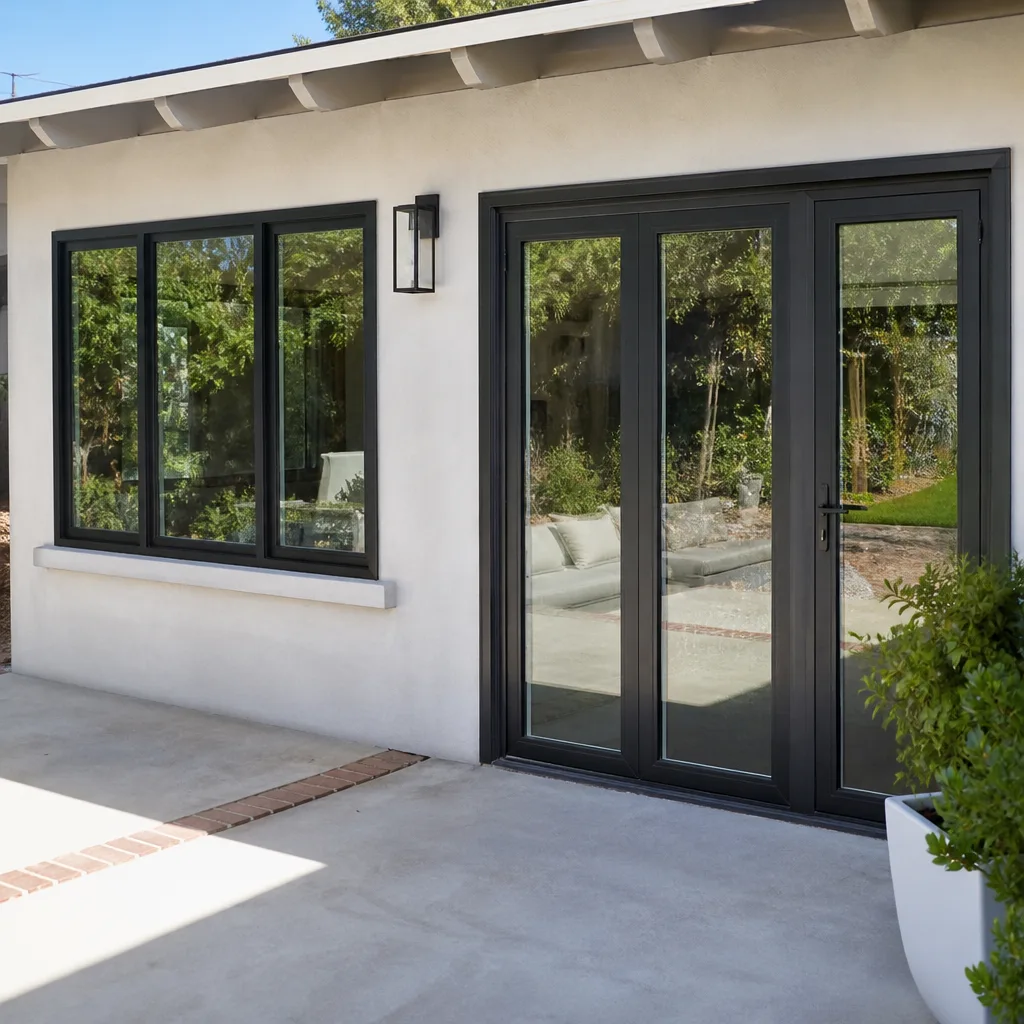 After
After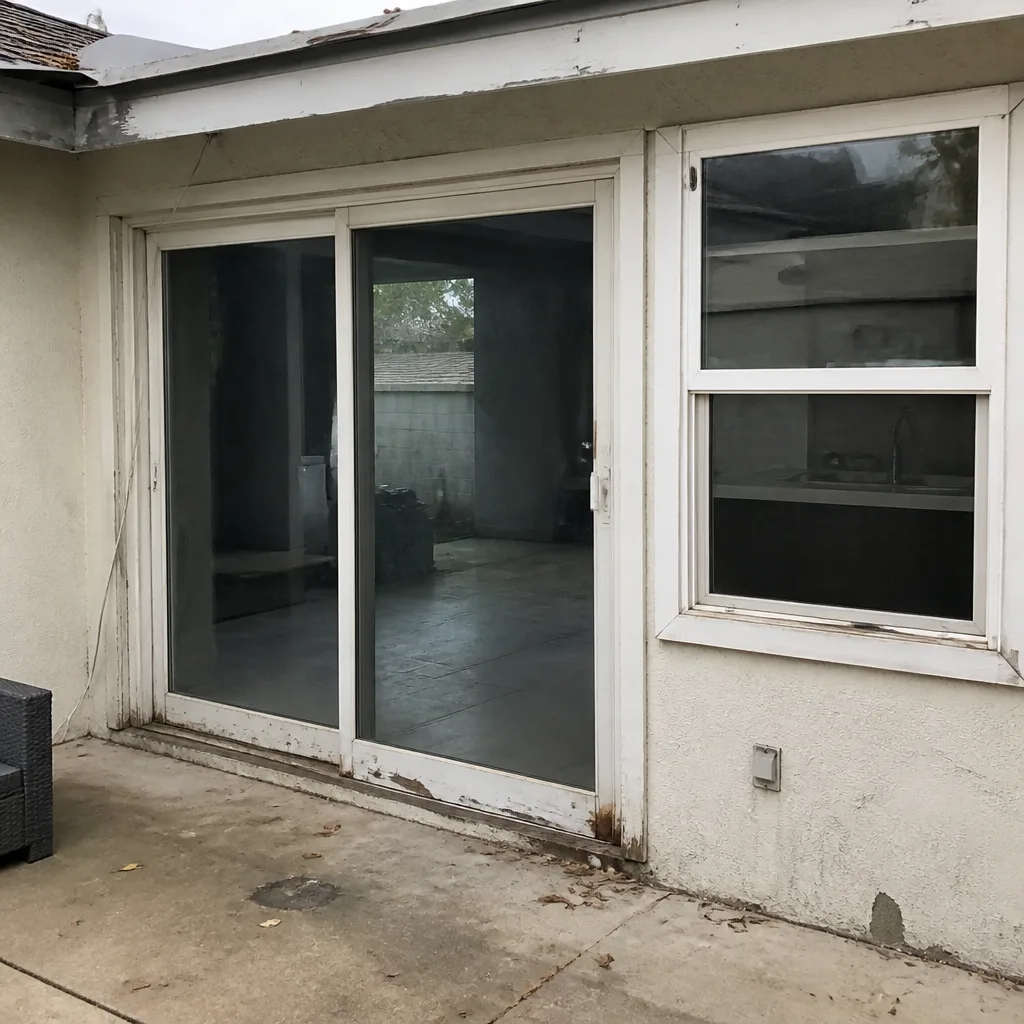 Before
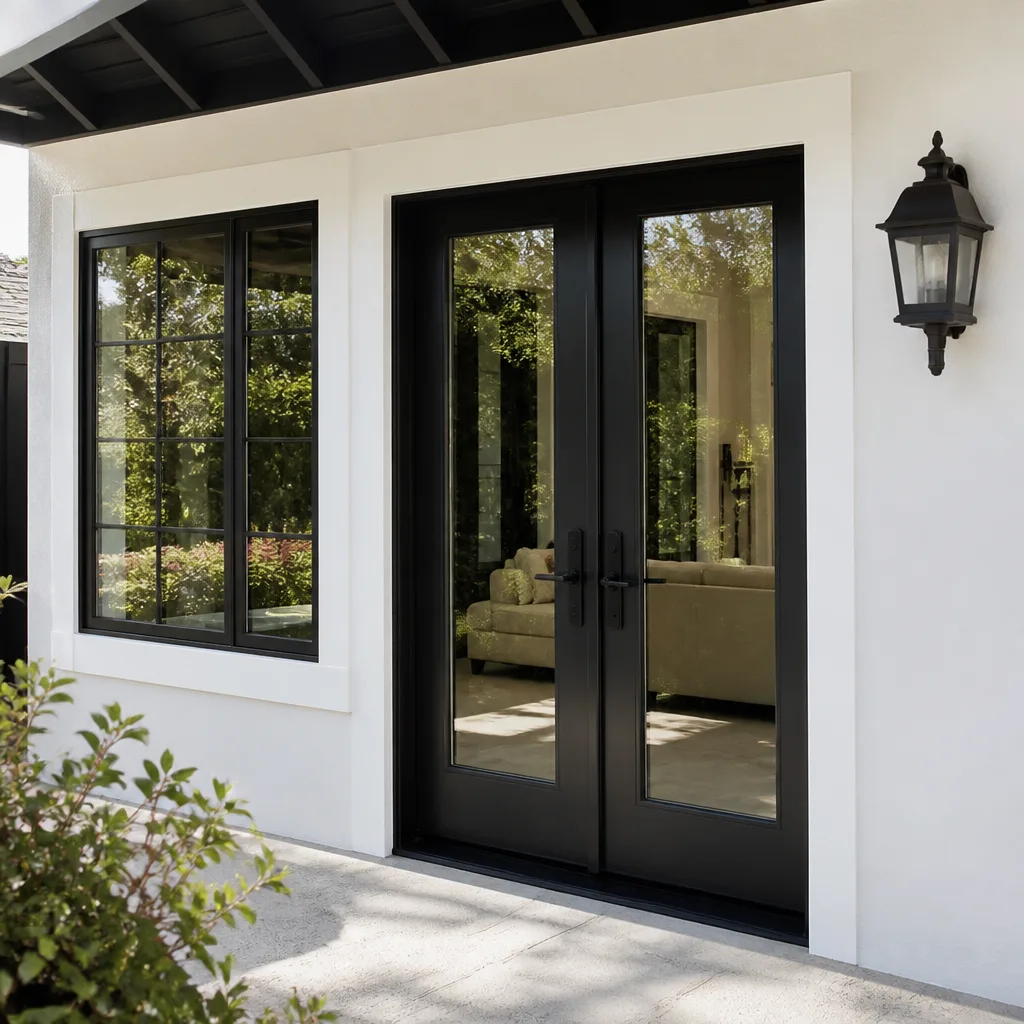 After
AfterFront Door Replacement Maintenance Schedule: What to Do and When
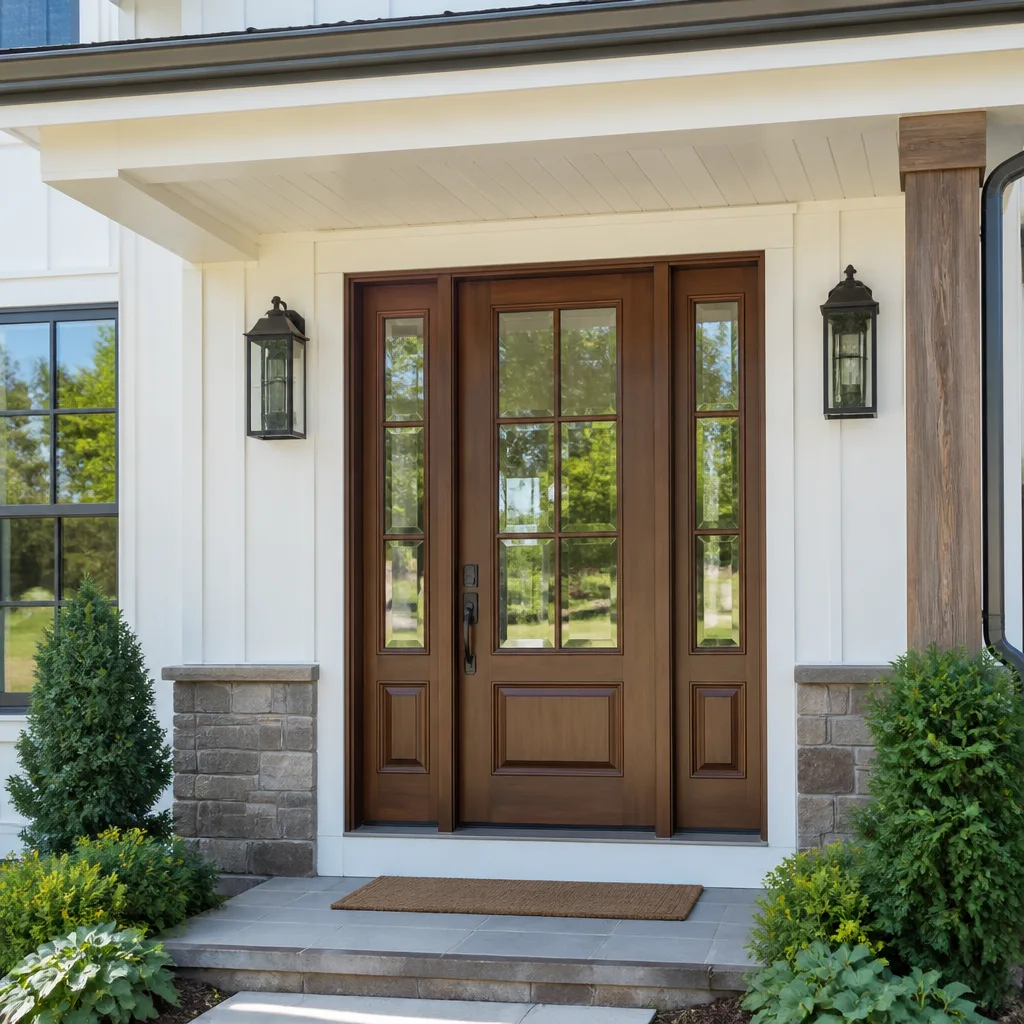
Schlage and Kwikset both publish a maximum lubrication interval for their deadbolts: 12 months. Walk through any Los Angeles neighborhood and you’ll find front doors where the lock has gone untouched since the day the installer packed up. That’s the gap this guide closes. A front door replacement runs $1,500 to $4,000 in the Los Angeles market, yet most homeowners maintain that investment on no schedule at all. Then year three arrives and the handle sticks, the bolt grinds, the weatherstripping flakes off in strips. What follows is a maintenance calendar built for the way Los Angeles actually treats a front door: June Gloom humidity on wood, August UV cooking finishes, October Santa Ana grit, January rain squeezing through old seals. Fifteen minutes a year, broken into the right seasonal tasks, adds a decade to the door’s life. Here’s what to do and when to do it.
Quick Answer
A front door replacement needs four seasonal maintenance passes per year: clean and inspect every season, lubricate hardware every six months, re-seal or touch up the finish annually, and replace weatherstripping every two to three years depending on material. For Front Door Replacement Warning Signs Every Homeowner Should Know, check our dedicated guide. In Los Angeles, the schedule keys to specific months: January (rain prep), April (post-rain inspection), July (UV and humidity check), and October (Santa Ana wind prep). Total time commitment is roughly 15 minutes per season.
Table of Contents
- Why Front Doors Fail on Schedule, Not by Accident
- The Seasonal Maintenance Schedule: What to Do Each Quarter
- Hardware Maintenance: Manufacturer Intervals for Schlage, Baldwin, and Emtek
- Weatherstripping Lifespans by Material and the Failure Tests
- Maintenance by Door Material: Fiberglass, Steel, and Wood
- Warranty Gaps and Owner Maintenance Responsibilities
- Common Mistakes to Avoid
- When to Call a Professional
- Frequently Asked Questions
- The Bottom Line
Why Front Doors Fail on Schedule, Not by Accident
Front doors don’t break randomly. They break when a specific maintenance task goes past its service interval, and the failure follows a pattern we’ve seen across front door replacement in Los Angeles for over fifteen years.
The most common failure we see is the lock. Schlage specifies that deadbolts receive a light lubricant every 12 months. Skip two cycles and the internal pins grind against dried grease, the bolt starts to bind, and eventually the key won’t turn without forcing it. Forcing a stiff lock is how keys snap off inside cylinders. The repair is a $15 can of spray lubricant if caught at year one. It’s a $200 to $400 lockset replacement if ignored until year three.
Weatherstripping follows the same arc. A Q-lon seal on a Therma-Tru door in a Los Angeles entryway exposed to direct afternoon sun typically lasts three years before the polyethylene backing crystallizes and the fin tears. But a door on the west side of a house in Woodland Hills, getting hammered by summer UV from 2 PM to sunset, might lose that same seal in two. The failure is visible for months before it’s total: the fin flattens, the door develops a visible light gap at the strike side, and drafts start moving through. Most homeowners don’t check. Then the first real rain in January pushes water under the door and the fun starts.
The point is this: every failure mode on a front door has a lead time measured in months, not days. A maintenance schedule is just a way to catch those lead times before they become repair bills. What follows is the schedule that works for Los Angeles specifically, because our seasonal stressors are different from anywhere else in the country. For more guides & resources, visit our blog.
The Seasonal Maintenance Schedule: What to Do Each Quarter
Los Angeles doesn’t get a true four-season year. What we get is a four-phase year that cycles through rain, marine layer, UV peak, and wind. Each phase creates a specific set of door problems. Each quarter’s maintenance pass addresses the problem before it arrives.
January: Rain and Moisture Intrusion Prep
- Check the sweep and threshold seal. Run a dollar bill across the threshold with the door closed. If it slides freely beneath the sweep, the seal has failed and water will follow during the next storm. Replace the sweep if the rubber fin is flattened or torn.
- Inspect the perimeter weatherstripping. Stand inside the closed door on a bright day. If you see light anywhere around the frame, mark the gap. Light gaps equal air gaps, and in January air gaps mean water movement.
- Verify the door slab sits square. Check the reveal, the gap between the slab and the jamb on all three sides. It should be even, typically 1/8 to 3/16 inch. If the top hinge side is dragging or the strike side gap is wide at the bottom, the hinges have loosened and the slab is sagging.
- Wipe down wood doors thoroughly. If you have a wood door, dry it completely after any rain event. Water sitting in the grain at the bottom rail is how rot starts. Check the bottom 6 inches of the door for darkened wood or soft spots.
January in Los Angeles is the only month with predictable rain, and a solid front door is your first defense. The January pass takes about 15 minutes and catches most weathersealing failures before they become water damage.
April: Post-Rain Inspection and Surface Assessment
- Look for swelling in wood doors. After a wet winter, a wood door will have absorbed moisture. Check the meeting edges for tightness. A door that sticks now may just be swollen. A door that’s still sticking in August has a structural issue.
- Inspect all finishes for damage. Look at the door’s sun exposure side for fading, chalking, or peeling. April is the month to plan refinishing work before the UV season peaks.
- Clean the door surface fully. Use a mild detergent and water. Pay attention to the bottom rail and hinge-side edge, which collect the most grime from street spray and yard work. A clean surface is the only way to evaluate finish health accurately.
- Check for rust on steel doors. Run fingertips over the lower corners and screw holes. Any raised bumps under the paint signal rust forming underneath. Address these before summer humidity accelerates the corrosion.
April is the assessment pass. You’re not fixing things in April, you’re finding them. The repairs happen in May or June, before the heat makes paint and caulk miserable to work with.
July: UV Peak and Humidity Effects
- Evaluate the finish on sun-exposed surfaces. In Los Angeles, July is when UV degradation peaks. A fiberglass door with a factory finish that has gone chalky by July needs a repaint before the surface substrate starts absorbing moisture during the June Gloom humidity spikes.
- Lubricate all hardware. The dry summer air accelerates lubricant evaporation. Apply a light lubricant to the deadbolt, knob or lever, hinges, and any multi-point locking hardware. See the hardware section below for exact intervals by brand.
- Check weatherstripping compression. The marine layer humidity that rolls through the Los Angeles basin from June into July causes foam and felt seals to swell. Check that compression seals are still springing back. If the weatherstripping stays compressed flat after the door has been open for 10 minutes, it’s lost its memory and needs replacement.
- Test the door swing. Open the door halfway and release it. It should stay put or move very slightly. A door that swings open or closed on its own has hinge or level issues. A door that binds partway through its swing has a sagging slab.
July is the action month. Lubrication is a 5-minute task. Finish evaluation takes two glances at the right surfaces. The key is doing it before August bakes everything in place.
October: Santa Ana Wind and Debris Prep
- Test the latch and deadbolt throw. With the door closed, check that the deadbolt extends fully into the strike plate. A bolt that only extends halfway is a security issue and a wind-resistance issue. October in Los Angeles means Santa Ana events, and a partially engaged deadbolt will work itself loose under repeated wind pressure.
- Tighten all hinge screws. Repeated wind cycles loosen screws. Go through every screw on the three hinges with a screwdriver. If a screw spins without tightening, the hole is stripped. Fix it now, not when the door starts sagging.
- Clear the weatherstripping tracks. Santa Ana winds push dust, grit, and leaf debris into every gap. Fine grit inside the weatherstripping grooves wears the seal material down prematurely. Vacuum or wipe out the tracks on the hinge and strike sides.
- Check the strike plate screws. The strike is where the door takes the most force, especially during wind events. A loose strike plate means the entire locking system is compromised. Tighten or replace the screws with longer ones, 3-inch screws that bite into the framing, not just the jamb.
- Apply fresh finish where needed. October is the right time in Los Angeles for any paint or seal touch-ups. Temperatures are moderate, humidity is low, and the finish cures properly before any winter moisture arrives.
October is the security and structural pass. Santa Ana winds are the most consistent physical stressor a Los Angeles front door faces all year, and the October pass makes sure the door is ready for them.
Hardware Maintenance: Manufacturer Intervals for Schlage, Baldwin, and Emtek
Hardware manufacturers publish specific maintenance intervals, and they’re not suggestions. They’re the intervals at which the mechanical components stay within their designed operating tolerances. Here’s what the major brands specify and what that means in practice.
- Schlage: Schlage recommends lubricating locksets every 12 months. Use a light spray lubricant or a dry PFTE lubricant, never a heavy oil. Apply into the keyway and work the key in and out several times. Wipe the faceplate clean after application.
- Baldwin: Baldwin’s care guidelines specify annual lubrication of all moving parts and periodic cleaning of the finish with a soft cloth and mild soap. Baldwin locksets in coastal Los Angeles areas like Santa Monica or Playa del Rey need more frequent attention because salt air accelerates tarnish on unprotected brass finishes.
- Emtek: Emtek hardware is built around a modular latch system that requires lubrication at the bolt mechanism every 12 months minimum. The manufacturer specifically warns against using graphite powder, which can pack into the mechanism and cause binding.
The practical translation: every six months, hit the lockset. Every 12 months at minimum. The two times a year that make sense in Los Angeles are July and January, tied to the seasonal passes above. The July application prevents summer drying. The January application protects against the humidity cycle.
What to use. A dry PTFE spray lubricant or a light machine oil. Avoid WD-40, which is a cleaner and solvent, not a long-term lubricant. It strips existing grease and leaves the mechanism unprotected. Avoid graphite, which is brand-specified against for Emtek and clogs Schlage cylinders.
What happens if you skip it. The latch mechanism dries out. The bolt starts to drag. The cylinder pins grind. The key becomes harder to turn, so you push harder. A key that bends slightly under excessive force is now a broken key waiting to happen. Then you’re looking at a new lockset installation, which in Los Angeles runs $250 to $450 for the hardware plus labor.
Weatherstripping Lifespans by Material and the Failure Tests
Weatherstripping is not one product. It’s a category of four common materials, each with a different service life and a different failure mode. Knowing what’s on your door tells you when to replace it.
- Q-lon (polyethylene-wrapped foam): The best-performing weatherstripping on the market. Service life of 3 to 4 years in a protected entryway, 2 to 3 years with direct afternoon sun exposure in Los Angeles. Fails when the polyethylene fin tears or separates from the foam core. Test: run a finger along the fin. If it’s split, flattened, or missing sections, replace it. This is the standard weatherstripping on new Therma-Tru doors.
- Closed-cell foam tape: Service life of 1 to 2 years. Fails by compression set, meaning the foam stops springing back after being compressed. Test: close the door, then open it. If the foam stays flattened and doesn’t recover within 10 minutes, it’s done. Foam also fails adhesively in high heat, common on west-facing Los Angeles doors.
- Felt: The cheapest and shortest-lived option. Service life of 1 year. Fails by wearing through at friction points, typically the strike side bottom corner. Test: look for visible wear marks or bald spots in the felt nap. Felt offers no moisture protection and is mostly seen on older doors in Los Angeles that were installed before Q-lon became standard.
- Rubber bulb or vinyl fin: Service life of 3 to 5 years, the longest of the lot. Fails by cracking at fold points or losing its shape memory. Test: press the bulb with a finger. If it crushes flat instead of springing back, the interior structure has failed, and water will pass. These are typically used on door bottoms and thresholds.
The bottom seal, the sweep, is the highest-failure item on any Los Angeles front door because it takes the most abuse. It drags against the threshold every time the door opens. It’s the first thing exposed to rain. It gets hit by direct sun on south and west exposures. Check it at every seasonal pass.
Maintenance by Door Material: Fiberglass, Steel, and Wood
Each door material has a distinct maintenance profile. What works on wood ruins fiberglass. What protects steel does nothing for wood. Here’s the breakdown, material by material.
Fiberglass Doors
Fiberglass is the lowest-maintenance door material available, which is why it’s grown to dominate the Los Angeles replacement market. The slab itself never rots, never rusts, and holds paint well. But fiberglass doors have specific vulnerabilities that need attention.
The finish is the maintenance point. Factory finishes on fiberglass doors typically carry a 5-year warranty against fading and chalking, but the real-world performance depends on exposure. A fiberglass door on a north-facing entry in Sherman Oaks can hold its factory finish for 8 years. The same door on a west-facing entry in Woodland Hills can look chalky and faded in 3. The maintenance response is repainting before the clear coat fails completely, because once the surface starts absorbing UV directly, the gel coat underneath can begin to degrade.
Hinge lubrication is the other fiberglass task. The door itself is light, which means the hinges take less stress than they would on a heavier steel door, but the screws still work loose over time. Check tightness at every seasonal pass.
Steel Doors
Steel doors fail by rust, and rust is always a surface problem. A steel door with intact paint will last indefinitely. A steel door with a single break in the finish will start corroding at that point and the damage spreads from there.
The rust-spot protocol is simple: any scratch, chip, or screw hole that exposes bare steel needs attention within 30 days, because Los Angeles’s coastal humidity cycles accelerate oxidation. If you can see rust, don’t just paint over it. Remove the rust with a wire brush or sandpaper, wipe the area with a rust converter, prime with a rust-inhibiting primer, and topcoat. Skip the converter and the rust comes back through the paint within six months.
Steel doors on the Los Angeles coast need quarterly inspection. Inland, every seasonal pass is sufficient. The failure zone is always the bottom edge, where standing water from the sweep pools against the door face. Check the bottom rail and the lower corners every time.
Wood Doors
Wood doors are the highest-maintenance option in the Los Angeles market, and the maintenance burden is continuous, not periodic. Wood moves with moisture. It swells in winter, shrinks in summer, and gradually breaks down its finish as it works.
The re-sealing schedule is the core maintenance task. In Los Angeles, a wood door needs its finish renewed every 12 to 18 months, more often if it gets direct afternoon sun. The test is simple: sprinkle water on the door surface. If the water beads up, the seal is intact. If the water soaks in and darkens the wood, the seal has failed and the door needs refinishing.
Pay particular attention to the end grain at the top and bottom of the door. End grain absorbs moisture at roughly 10 times the rate of face grain. If the top and bottom edges aren’t sealed, moisture enters the door core and the door starts to weaken. This is the most common cause of premature wood door failure we see in Los Angeles, especially on door bottoms that never get refinished because nobody turns the door over.
Warranty Gaps and Owner Maintenance Responsibilities
Door manufacturers write maintenance obligations into their warranty terms, and many Los Angeles homeowners don’t find this out until a warranty claim is denied.
Schlage, Baldwin, and Emtek all have clauses in their hardware warranties requiring that the product receive “reasonable maintenance,” which they define as annual lubrication and periodic cleaning. A lockset failure caused by a dry, abrasive mechanism is a maintenance failure, not a product defect. The warranty won’t cover it.
Door slab manufacturers carry similar clauses. Therma-Tru’s fiberglass door warranty excludes finish failure on doors that haven’t been maintained according to their paint guidelines. Most wood door warranties require documented re-sealing on an annual or semi-annual basis. If the finish has failed through neglect and the door rots, the manufacturer will point to the maintenance clause and deny the claim.
This is where the 365-Day Done Right Promise from Hale Windows & Doors matters. If we installed your door and a maintenance-related failure appears within the first year, the promise covers it. After the first year, we’re still the resource for the repair work. The distinction is straightforward: manufacturer warranties cover product defects. Our promise covers the quality of our installation and workmanship. Neither covers neglect, which is why this maintenance schedule exists.
Common Mistakes to Avoid
- Lubricating with WD-40. WD-40 is a solvent-based water displacer. It strips the existing grease out of lockset mechanisms and leaves the metal parts unprotected. Within months the lock is drier than it was before you touched it. Use a proper dry PTFE lubricant instead.
- Painting over rust without treatment. Rust keeps oxidizing under fresh paint. You’ll see the raised bubbled paint within six months and have to strip the whole area again. Remove, treat, prime, then paint. There’s no shortcut.
- Ignoring a sticky lock. Sticky is the warning stage. Forcing it makes it worse. If lubricant doesn’t fix a sticking lock, the lock needs service before it fails completely, and a deadbolt that fails with the door locked is a serious problem, especially for someone home alone.
- Replacing weatherstripping with whatever’s on sale. The weatherstripping profile and material matter. Foam tape on a door that carried Q-lon means a worse seal than you started with. Match the material and profile to what the door was designed for.
- Never checking the bottom of the door. The bottom edge is invisible during normal use, so it’s where problems develop unseen. Water wicking up the end grain on wood doors and rust forming on the bottom rail of steel doors both happen out of view, and both are easily prevented with a quarterly look.
- Airing out a sticking wood door by planing it. A wood door that sticks in summer may have swollen from moisture or it may have sagged hinges. Before anyone planes material off the door, check the hinges and the reveal. Planing fixes a symptom, not the cause, and you can’t put material back.
When to Call a Professional
Most of this schedule is DIY-friendly. Some of it isn’t. Call a professional when you find rot in a wood door that goes deeper than surface discoloration, when a steel door has rust through the metal, when a lockset has failed and left the door unsecurable, or when the door slab has sagged badly enough that the reveal is visibly uneven. Stripped hinge screw holes that won’t hold a screw mean the jamb is compromised, and that’s structural work, not a hardware fix.
If you’re in Los Angeles and you’ve found any of these issues during your maintenance passes, Hale Windows & Doors home offers free estimates. We’ll send a technician who has been background-checked, identity-verified, photo-badged, and pre-announced by name and photo before arriving, so you know exactly who’s walking up to your door. Call (252) 675-6980 to schedule an assessment.
Frequently Asked Questions
Lubricate your front door lock every 12 months at minimum, which aligns with what Schlage, Baldwin, and Emtek specify in their care guidelines. In Los Angeles’s dry summer climate, a six-month interval in July and January works better, since the dry air accelerates lubricant evaporation. Use a dry PTFE spray or light machine oil. Call (252) 675-6980 if the lock is already sticking and lubrication doesn’t resolve it, a free estimate will tell you exactly what’s wrong.
DIY seasonal maintenance runs about $20 to $40 per year for lubricant, cleaning supplies, and the occasional weatherstripping replacement. Professional weatherstripping replacement on a standard Los Angeles front door typically runs $75 to $150 per door, refitting a lockset runs $250 to $450 with hardware, and a full door refinishing runs $400 to $800 depending on material and condition. If your maintenance has uncovered damage, a full front door replacement in Los Angeles lands between $1,500 and $4,000.
Q-lon weatherstripping, the polyethylene-wrapped foam used on most new Therma-Tru doors, delivers the best balance of durability and sealing performance, typically lasting 3 to 4 years on a protected entryway in Los Angeles. Rubber bulb seals last longer overall at 3 to 5 years, but they’re mostly used at the door bottom. Felt and foam tape are the shortest-lived options and should be skipped unless you’re restoring a period door where profile matching matters.
Yes, and the terms are specific. Most door slab and hardware warranties require annual maintenance as a condition of coverage, and manufacturers can deny claims for failures caused by dry, unmaintained mechanisms or neglected finishes. The 365-Day Done Right Promise from Hale Windows & Doors covers installation quality for a full year, but no warranty, ours included, covers neglect, so the maintenance routine in this guide is what keeps your warranties valid.
Three tests cover it. First, with the door closed on a bright day, look for visible light around the frame from inside. Light means air and water can pass. Second, run your hand along the weatherstripping fin, if it’s torn, flattened, or missing sections, replace it. Third, close the door and hold a sheet of paper against the seal, if the paper slides out freely, the compression is gone. Any of these failures means the weatherstripping is done.
A front door replacement in Los Angeles runs $1,500 to $4,000, and the investment pays back through two channels. Energy: a properly sealed door reduces the air exchange that forces your HVAC to work harder during hot Los Angeles summers. Security: a new door with a modern multi-point locking system stands up to force far better than a 20-year-old slab with a loosened deadbolt. The maintenance schedule in this guide protects that investment for a decade or more. For pricing on a specific door, call (252) 675-6980, estimates are free.
The Bottom Line
A front door replacement is a $1,500 to $4,000 investment that seasons of sun, rain, and Santa Ana winds will slowly degrade if left alone. The fix is 15 minutes, four times a year, on a schedule that mirrors how Los Angeles actually works. Lubricate hardware every six months, inspect weatherstripping every season, renew the finish annually, and replace the seals before they fail on their own schedule. Catch everything in its warning stage, and a properly maintained door runs 15 years or more before it needs real work. That’s the whole maintenance plan.
If you’re in Los Angeles and your door needs more than a maintenance pass, or you want a professional to do the seasonal checks for you, call (252) 675-6980 for a free estimate. We also provide window replacement in Los Angeles and window repair in Los Angeles. The written price is in your hands before any work begins, and every job is backed by the 365-Day Done Right Promise: if it’s not done right, we make it right.
Written by Spencer Odell, Owner at Hale Windows & Doors, serving Los Angeles since 2009.