

Last updated October 9, 2026
Free in-home measure and quote - PGT, CGI and CWS impact lines compared on your actual openings, style by style
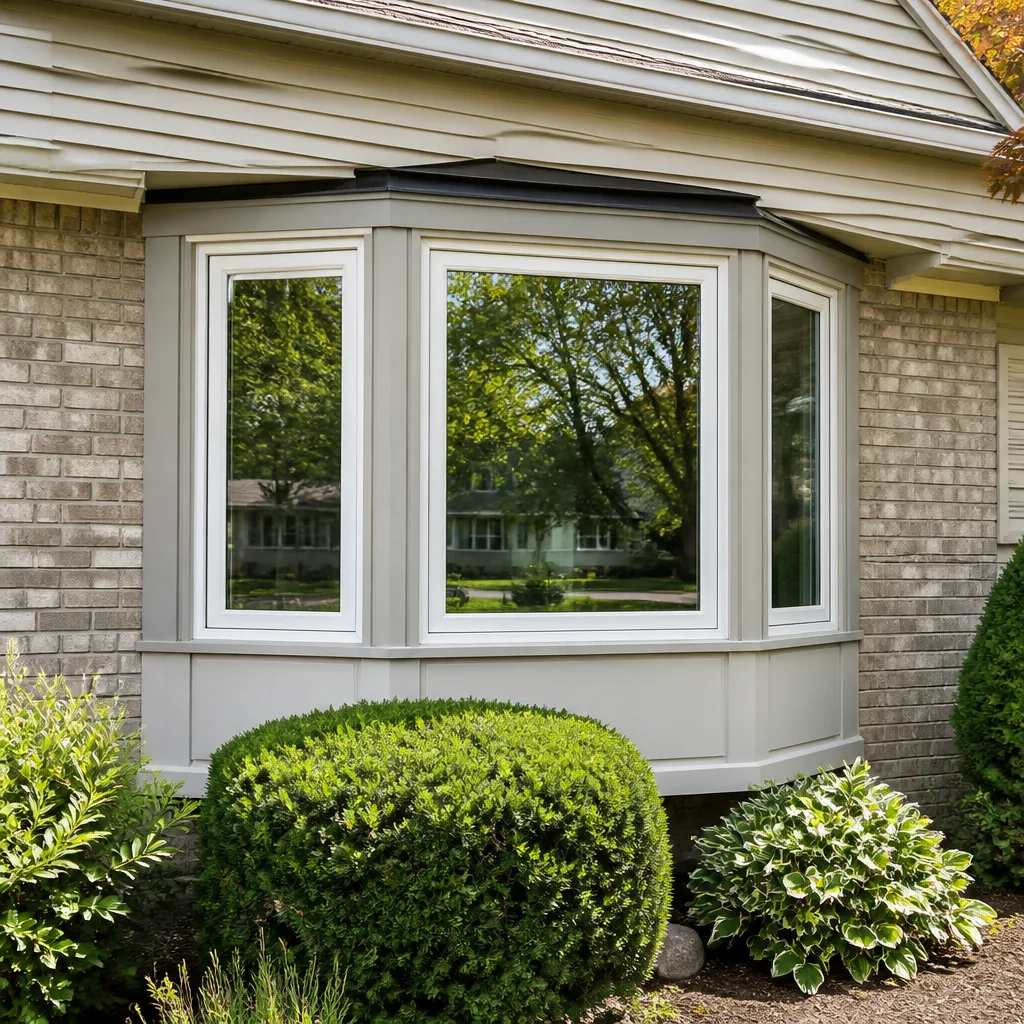
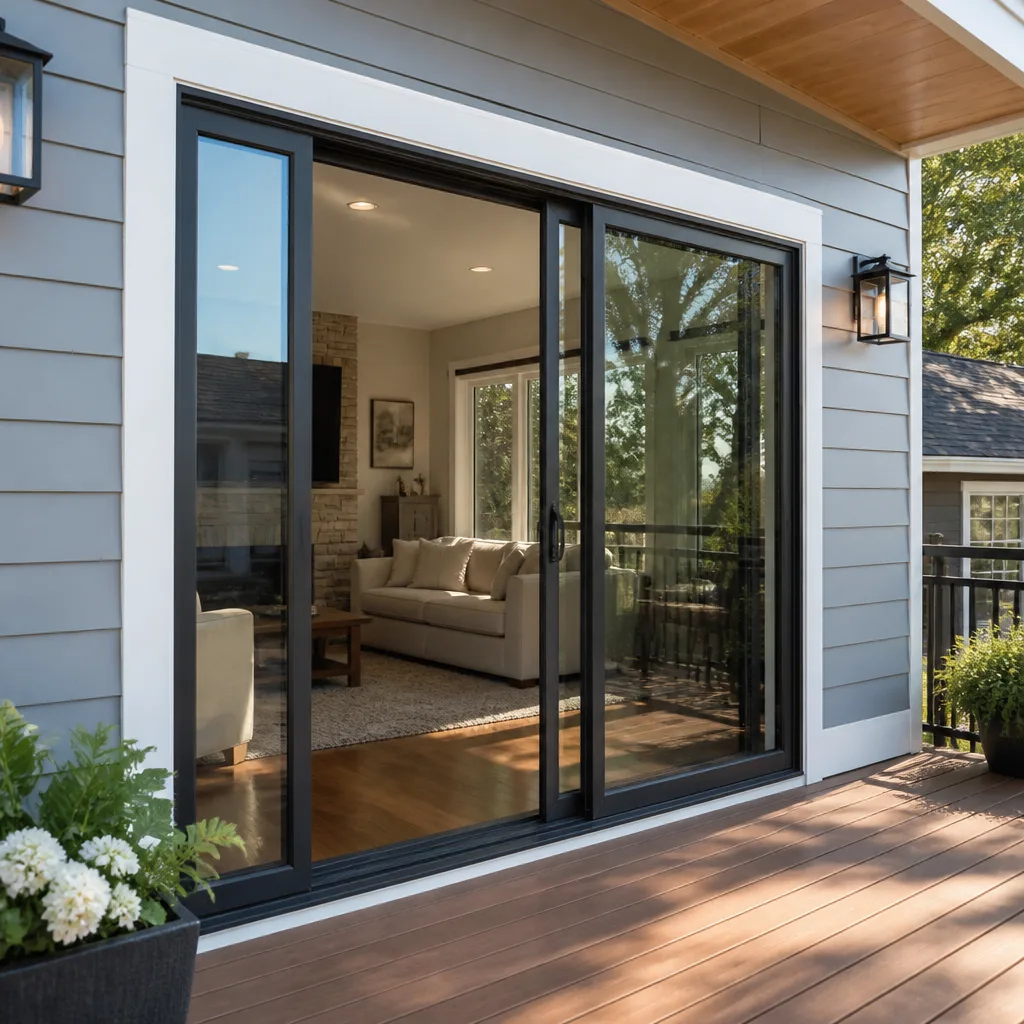
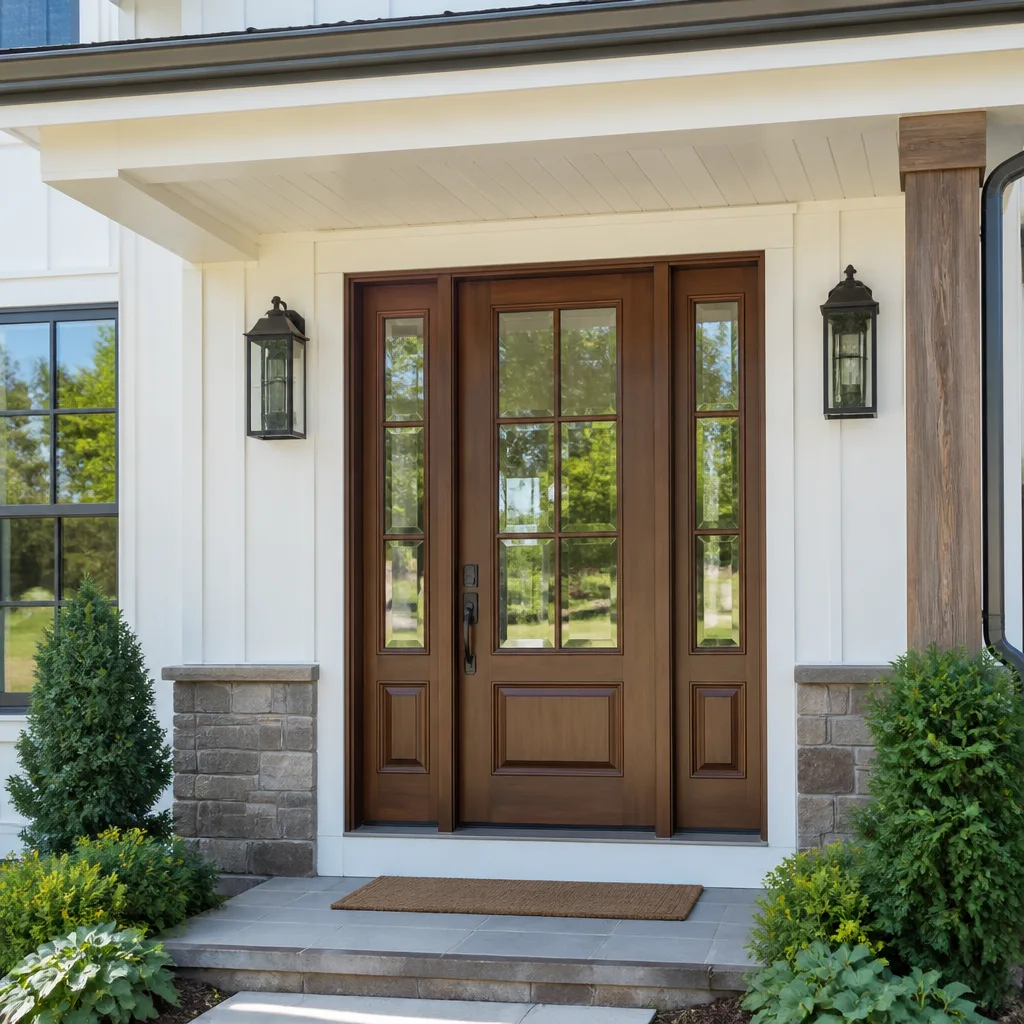
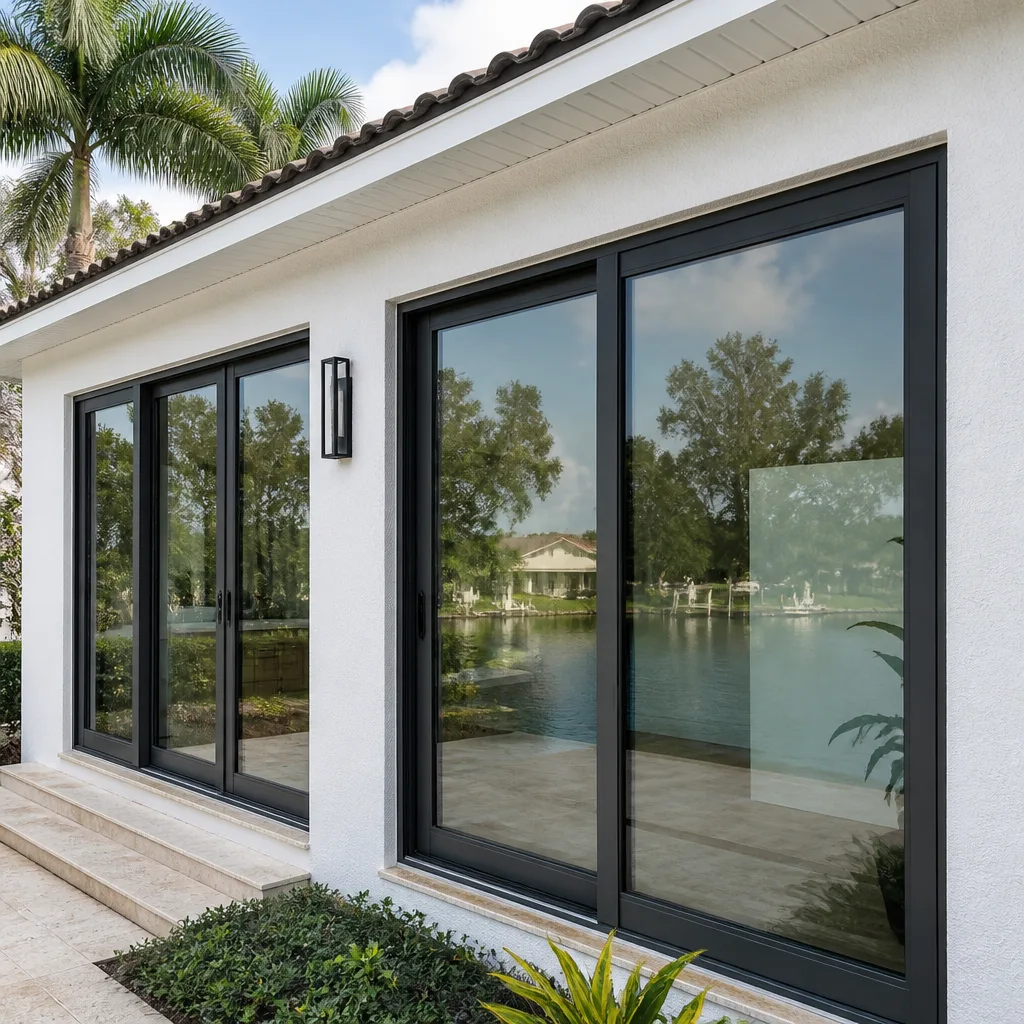
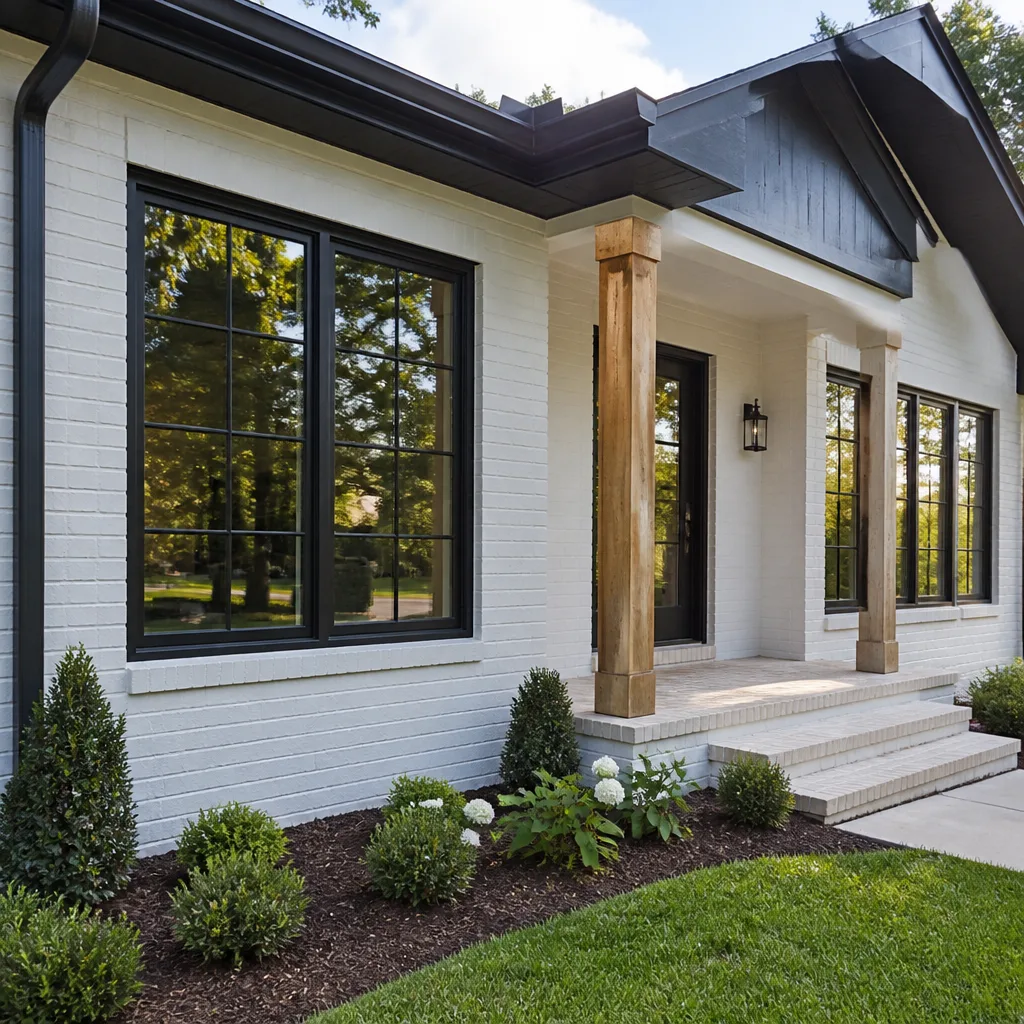
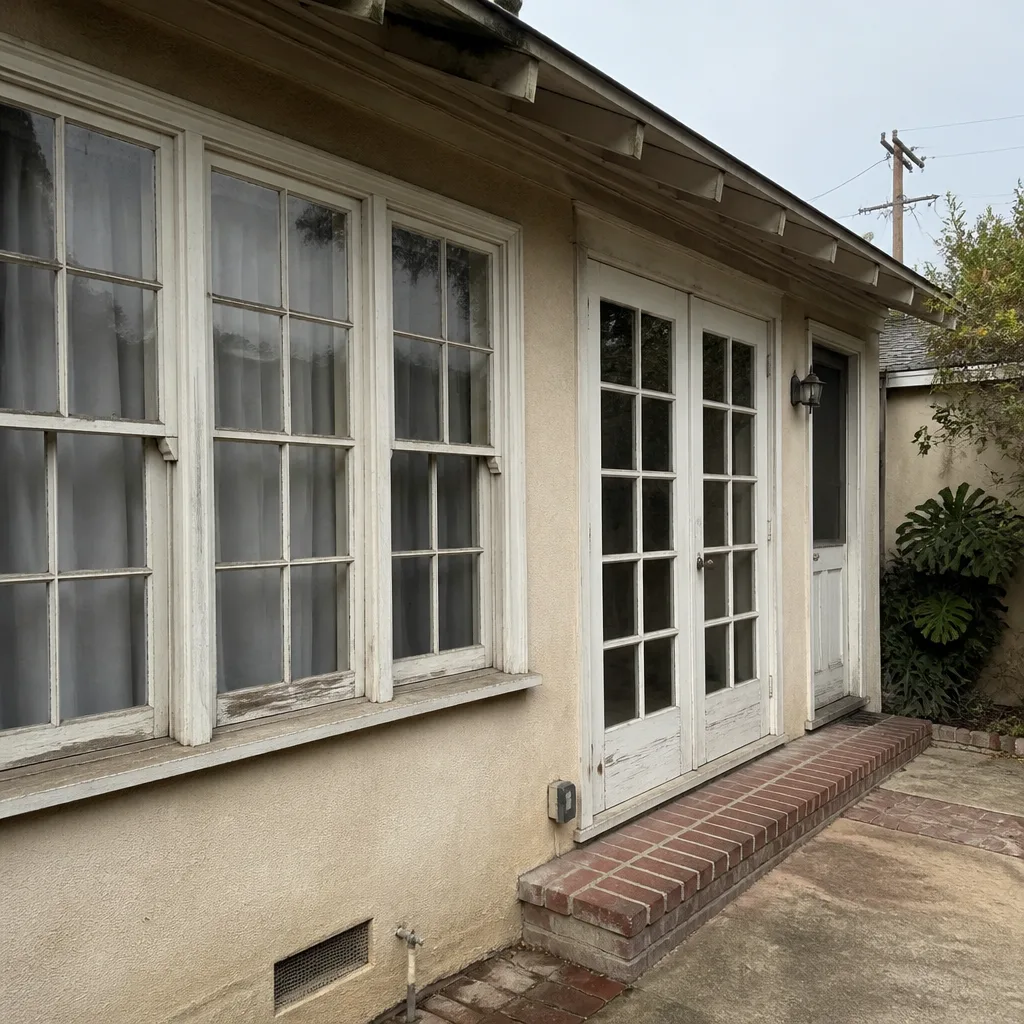 Before
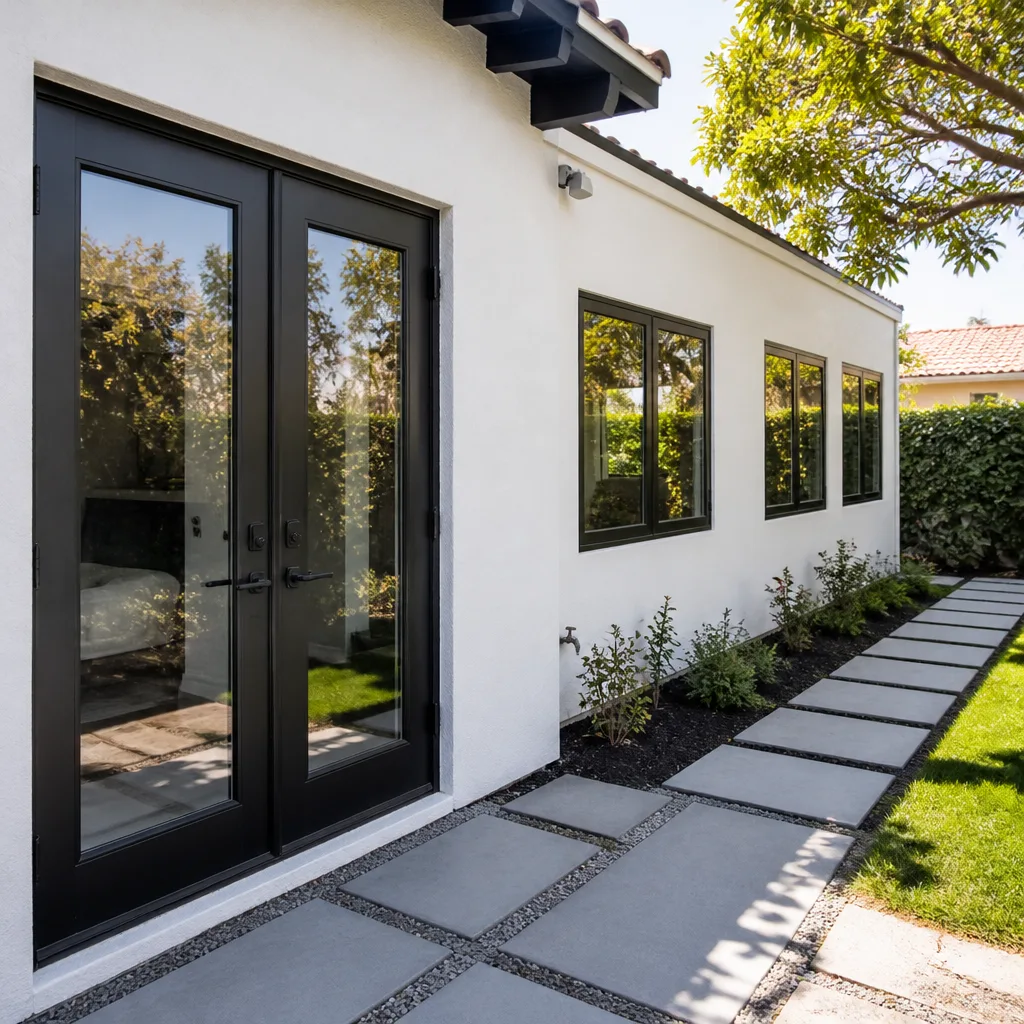 After
After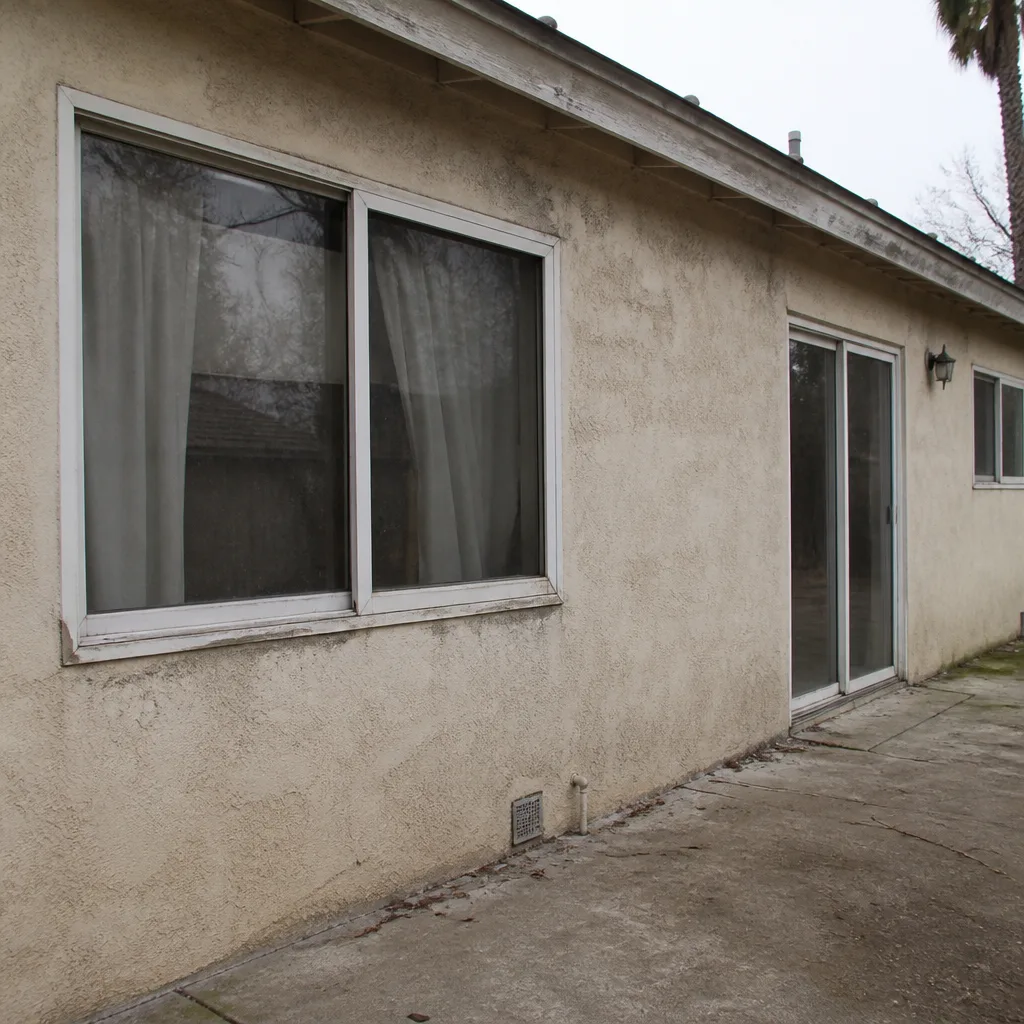 Before
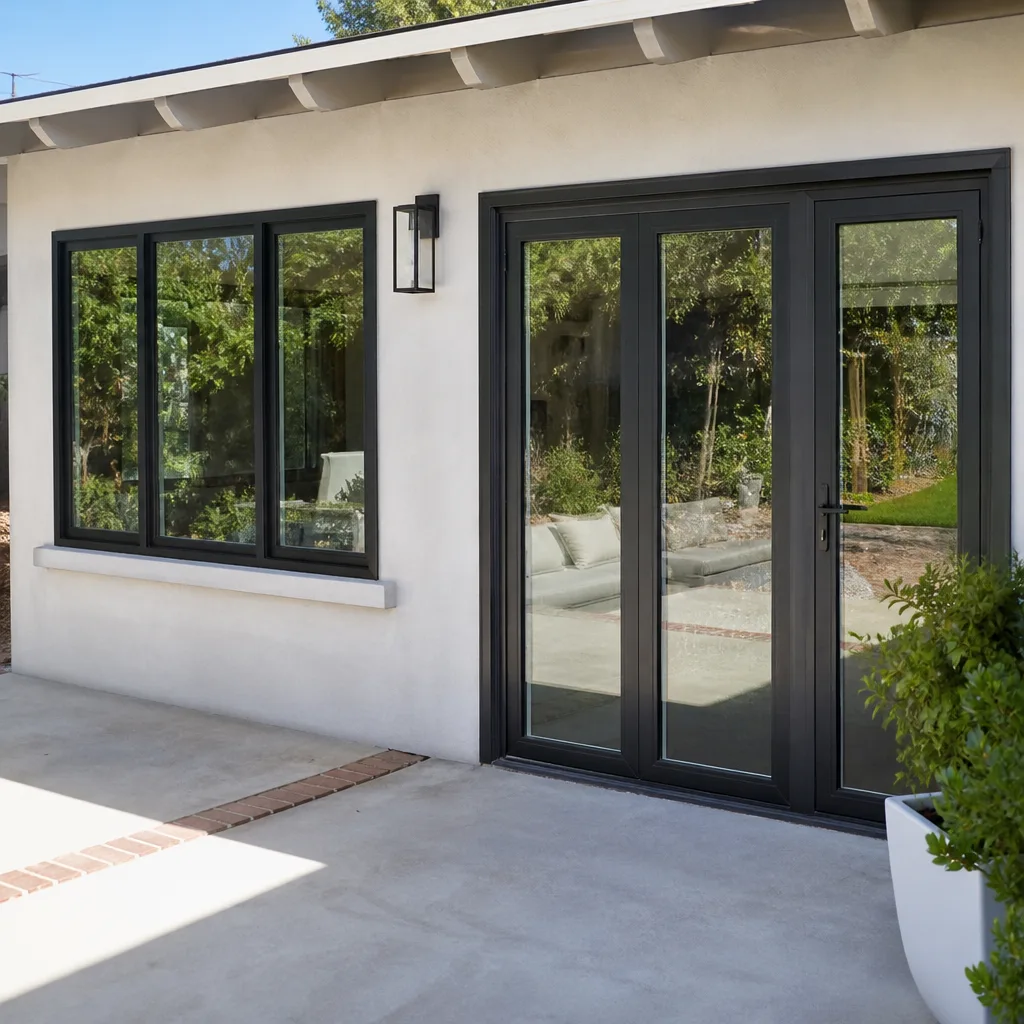 After
After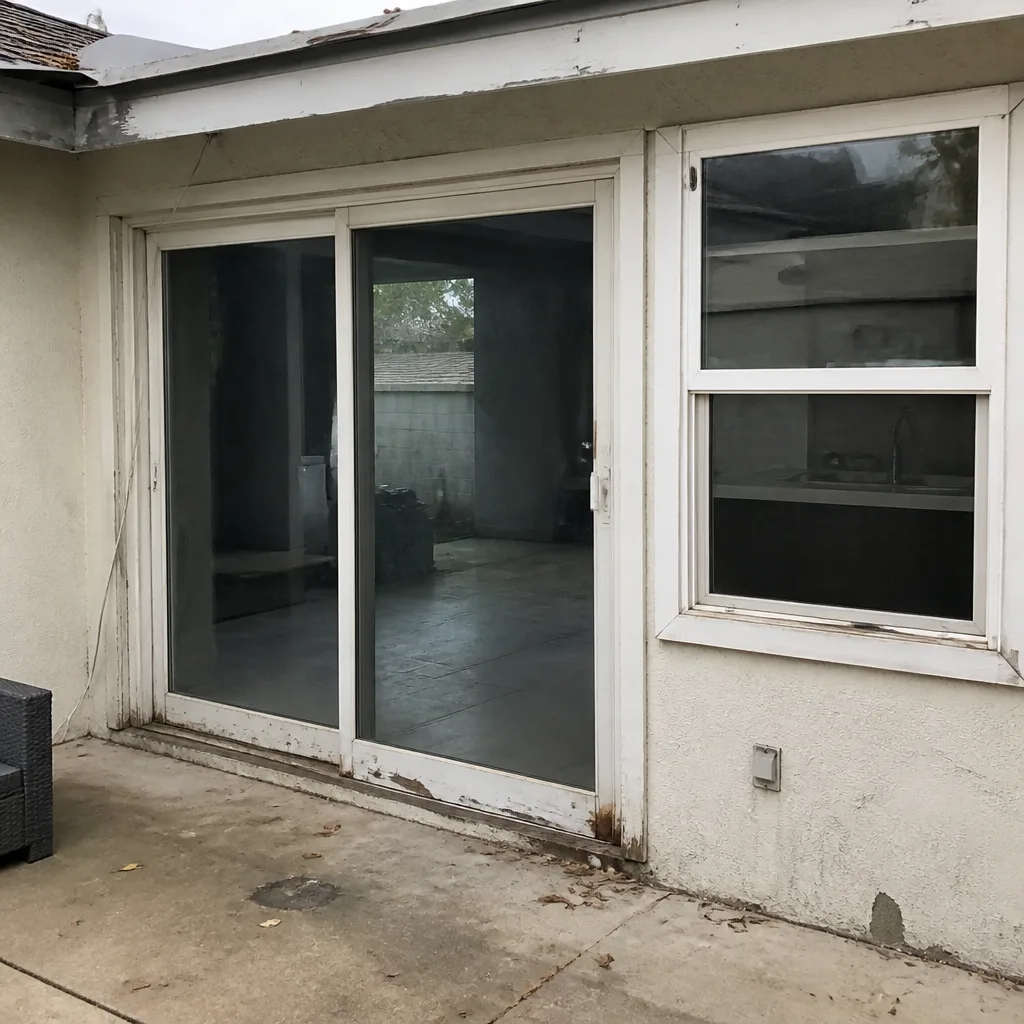 Before
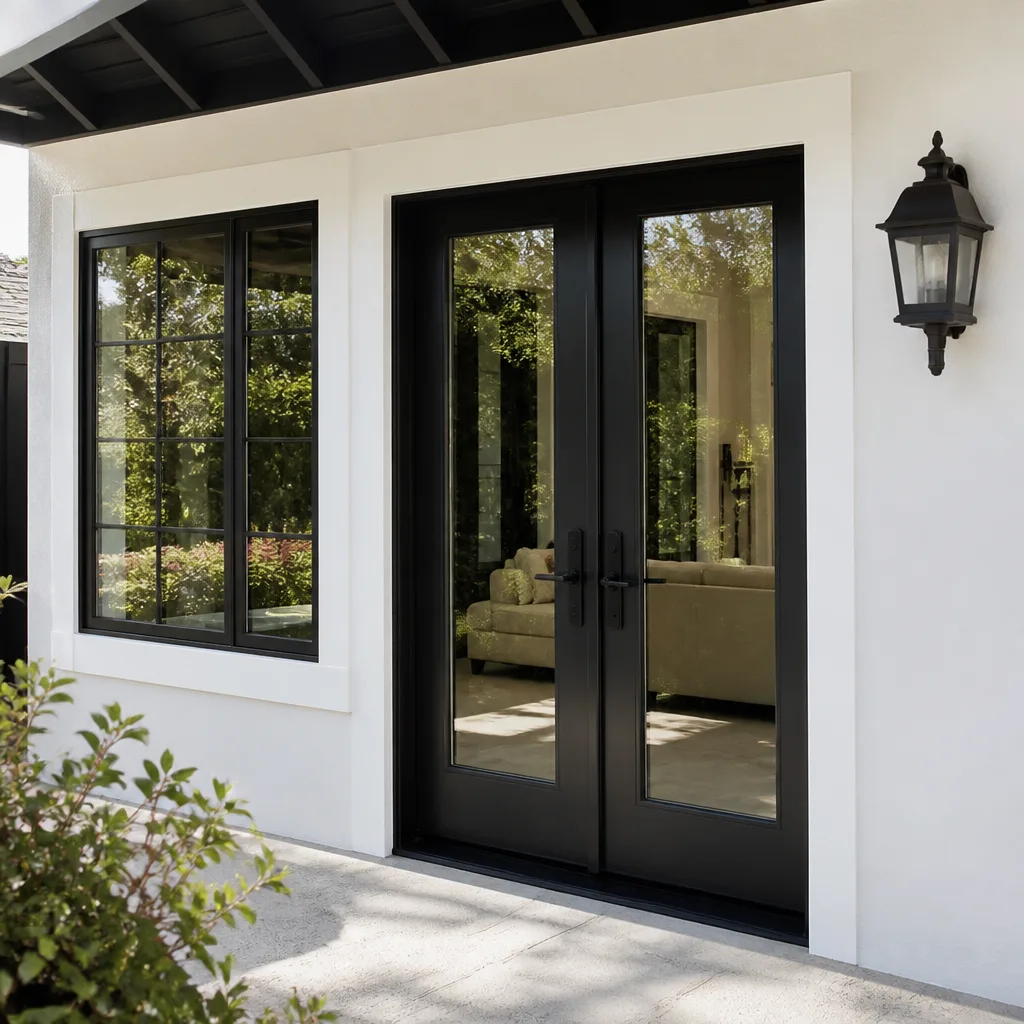 After
AfterSeasonal Windows & Doors Care for Los Angeles: Year-Round Homeowner’s Guide
Santa Ana winds can sustain 50-70 mph gusts and drop relative humidity below 5% for days at a time. Those conditions cause wood frames to shrink, weatherstripping to crack, and sliding door tracks to warp in ways that aren’t visible until the rainy season arrives and water finds every new gap. Los Angeles doesn’t have four seasons in the traditional sense, but it does have four distinct stress periods for windows and doors. Ignoring them leads to the slow failures that cost $3,000-$8,000 to fix. This guide walks you through what to inspect, when to inspect it, and what actually matters in Los Angeles, not what a generic home-maintenance checklist tells you from somewhere with snow. For a full Window Repair Maintenance Schedule: What to Do and When, see our dedicated resource.
Quick Answer
Seasonal window and door care in Los Angeles means four targeted inspections per year: pre-Santa Ana weatherstripping and track checks in October, water-intrusion sealing in January, condensation evaluation in April, and UV-driven caulk and finish inspection in July. Each takes under an hour and costs $0-$60 in materials when caught early. The alternative is a $3,000-$8,000 repair bill when dry-season damage meets wet-season water.
Table of Contents
- The Four Los Angeles Stress Periods That Actually Damage Windows and Doors
- October-November: Santa Ana Wind Season Prep
- December-February: Wet Season Water-Intrusion Checks
- March-May: Coastal Fog and Condensation Management
- June-September: UV Peak and Exterior Finish Inspection
- The One-Page Annual Maintenance Log
- Common Mistakes to Avoid
- When to Call a Professional
The Four Los Angeles Stress Periods That Actually Damage Windows and Doors
If you’ve lived in Los Angeles for more than a year, you know the seasonal rhythm: hot and dry from summer through early fall, windy in October and November, rainy December through February, foggy along the coast in spring, then hot again. Each of those periods stresses different components of your windows and doors.
What trips up most homeowners is the delay between cause and symptom. A window seal that fails during a July heat wave in Sherman Oaks won’t show condensation until coastal fog pushes inland in April. A sliding door track that warps during Santa Ana winds in Pasadena won’t leak until the first real rain in January. By the time you see the water stain on the drywall, the repair has moved from a $40 weatherstripping replacement to a $3,000-$8,000 frame or flange reconstruction. We’ve seen this pattern repeat across Los Angeles for years from Hancock Park to Eagle Rock, and it’s almost always preventable. Learn to spot issues early with our guide to Window Repair Warning Signs Every Homeowner Should Know.
Here are the four stress periods to calendar, and the primary failure each one drives:
- October-November (Santa Ana wind season): weatherstripping cracks, frame shrinkage, track warping, dust and debris intrusion.
- December-February (wet season): water intrusion through thresholds, window flanges, and failed exterior caulk lines.
- March-May (coastal fog season): dual-pane seal failure becomes visible as interior condensation; wood rot accelerates in damp air.
- June-September (UV peak): exterior caulk degradation, finish fading (especially south- and west-facing exposures), and frame expansion in extreme heat.
Below, each season gets its own inspection routine. If you do all four annually, you’ll catch most problems when they’re cheap to fix. If you’re unsure whether your windows are already beyond the maintenance stage, start with our Window Replacement in Los Angeles page to understand when repair stops making financial sense.
October-November: Santa Ana Wind Season Prep
Santa Ana winds aren’t just a fire concern. They’re the single biggest annual stress test for window and door seals in Los Angeles. Sustained 50-70 mph gusts combined with single-digit humidity pull moisture out of wood frames fast enough to cause visible shrinkage within days. Weatherstripping that was pliable in September can crack by mid-November. Sliding door tracks flex under the wind load, and any dust that blows through a gap is proof that water will follow in January.
Step-by-Step Santa Ana Prep Inspection
- Run your hand along every weatherstripping seam. You’re feeling for cracks, stiffness, or compression that doesn’t bounce back. On double-hung windows, check the meeting rails where the upper and lower sash touch. On entry doors, check the sweep at the bottom and the jambs on the hinge side and latch side.
- Test sliding door tracks with a sheet of paper. Close the door on a dollar bill or piece of printer paper. If the paper slides out easily, the track seal has failed or the door has settled out of alignment. Wind-driven dust and rain exploit that exact gap.
- Check for visible daylight. On a bright afternoon, stand inside the house and look at the perimeter of each door and every operable window. Any sliver of light means the seal is compromised.
- Lubricate tracks and rollers. Santa Ana dust is fine and abrasive. Blow out door tracks with compressed air or a shop vac, then apply a silicone-based lubricant to the track and rollers. Skip WD-40 here; it attracts dust and turns into a dark paste within weeks.
- Inspect exterior caulk around window flanges. Santa Ana’s dry air shrinks caulk lines and can cause them to pull away from the frame. Run a fingernail along the caulk. If it’s brittle or separated, remove and replace it now, before rain follows the wind event.
What we’ve learned from Los Angeles homeowners over the years: the gaps you find during Santa Ana prep are the exact gaps that leak during the first real storm. Fix them in October and you won’t be mopping up in January. For windows that have already seen multiple wind seasons with visible track wear or failed seals, the more honest conversation starts with our Window Repair in Los Angeles page, which covers what can and can’t be serviced without full replacement.
December-February: Wet Season Water-Intrusion Checks
Los Angeles gets most of its 12-15 inches of annual rainfall between December and February, and the storms often arrive as short, intense downpours rather than gentle sprinkles. That intensity matters: water under pressure finds gaps that a light drizzle would never reach. The three most common water-intrusion points we see in Los Angeles homes are door thresholds, window flanges, and the seam where exterior trim meets stucco or siding.
The Three Water-Intrusion Points to Inspect Before and During Rainy Season
- Door thresholds: A threshold that slopes inward, even by a quarter-inch, will channel rainwater under the door during a storm. Place a level on the threshold from inside the house. It should tilt slightly away from the interior. If it tilts inward, you’ve found a leak source. The fix is often a threshold cap replacement or re-bedding the threshold in sealant, a $150-$400 repair versus $1,500+ for subfloor repair if the water gets into the framing.
- Window flanges: The flange is the nail fin that attaches the window to the rough opening. Flanges are sealed with exterior caulk or flashing tape. When that seal deteriorates, rainwater runs behind the window, rot begins in the rough opening, and you won’t see it from inside the house until the drywall stains. Check your exterior window perimeters visually, especially the tops of windows, before the rainy season starts.
- Exterior trim-to-stucco seams: Where wood or composite trim meets stucco, the sealant line fails first in the sun and the freeze-thaw of our occasional cold snaps. Check these seams with a hose after you’ve done the visual inspection. A slow trickle of water over the seam for five minutes will reveal leaks that are invisible to the eye.
The repair after a leak is always more expensive than the repair before one. A failed door threshold that leaks into hardwood flooring in Los Angeles typically runs $1,500-$3,000 in subfloor and flooring replacement on top of the threshold repair itself. The threshold repair alone might be $200. The math isn’t subtle.
If your front door has already leaked or the threshold shows visible rot, you may need more than a cap replacement. Our Front Door Replacement in Los Angeles page walks through door replacement scenarios and what a properly installed, properly flashed door should look like in our climate.
March-May: Coastal Fog and Condensation Management
From late March through May, marine-layer fog blankets coastal Los Angeles neighborhoods from Pacific Palisades to San Pedro. That fog pushes inland, and it brings humidity into contact with windows that have spent the preceding eight months in dry heat. For dual-pane (insulated glass unit, or IGU) windows, this is when seal failures become obvious: the interior glass surface fogs between the two panes. It looks like condensation, but it’s happening inside the IGU itself, which means the seal has failed and the inert gas between the panes has escaped.
How to Tell Normal Exterior Condensation from Seal Failure
Exterior condensation is normal and actually a sign that your dual-pane windows are doing their job. It happens on cool, humid mornings when the exterior glass surface temperature drops below the dew point while the interior stays warm and dry. Wipe it away; it’s fine.
Seal failure looks different:
- Fog or haze between the glass panes that you can’t wipe from either side. It may come and go with temperature changes.
- Distorted glass reflections in one section of the window, indicating the two panes are bowing inward as pressure stabilizes.
- Visible moisture droplets between the panes after any rain or heavy fog event.
Once an IGU seal fails, the window’s insulation value drops significantly, and you’re losing money on energy every month after. Seal failure can sometimes be addressed by replacing the IGU rather than the entire frame, but that depends on the window brand and frame condition. We work with eight professional-grade lines, including ECO Window Systems and Mr-Glass, so if you have a failed IGU in Los Angeles, we can tell you exactly which parts are replaceable and which should be upgraded to a modern dual-pane or triple-pane unit with low-E glass (a thin coating that blocks heat while letting light through).
Coastal Los Angeles homeowners should also watch for wood rot acceleration during fog season. The damp air keeps moisture in wood frames longer, which is when rot spreads fastest. If you see soft spots or paint bubbling near window sills or door jambs in April or May, get them assessed before the summer heat dries the wood and hides the damage again.
June-September: UV Peak and Exterior Finish Inspection
Los Angeles sees 280-300 sunny days per year, and the summer months bring the highest UV indices of the year. South-facing and west-facing windows take the worst of it. UV radiation is the primary reason exterior caulk fails: it degrades the polymer bonds in the caulk, causing it to become brittle, crack, and pull away from the substrate. In Los Angeles, un-shaded south-facing caulk can fail in as little as 18-24 months, even when applied correctly.
Summer Inspection Schedule and Product Recommendations
- Inspect all exterior caulk in July. Every year. Pay special attention to the tops and sides of window and door frames. The bottom of the frame gets some shade from the house itself; the top takes the direct sun.
- Use a UV-stable exterior sealant. For Los Angeles’s high-UV environment, we use and recommend elastomeric sealants like OSI QUAD Max or DAP Dynaflex Ultra. These remain flexible in heat and resist UV breakdown far longer than acrylic-latex caulks, which harden and crack within two seasons.
- Check finishes on wood and fiberglass frames. If the finish is chalky, faded, or shows exposed substrate, it needs re-finishing or painting. UV damage to the finish is the first stage of UV damage to the frame itself.
- Test window operation. Heat causes materials to expand. A window that operated smoothly in May may bind in September as components swell. Double-hung windows should raise and lower without resistance. Casement windows should crank smoothly. If yours don’t, the hardware may need adjustment or the frame may have shifted.
UV damage is slow and cumulative. The homeowner who re-caulks every two summers may never need a major window or door repair driven by water intrusion. The homeowner who waits until the caulk has failed entirely then ignores it through a rainy season may need frame reconstruction. One habit; vastly different outcomes.
The One-Page Annual Maintenance Log
Insurance companies and window manufacturers ask for maintenance records when you file a claim for water damage or a warranty issue. A one-page log with dated observations is your paper trail, and it takes thirty seconds per inspection. Here’s a template you can copy into a notebook, a Google Doc, or a printed sheet on the fridge.
Annual Window & Door Maintenance Log Template
- Date: __ / __ / ____
- Season: Santa Ana Prep / Wet Season / Fog Season / UV Check
- Inspection focus: Weatherstripping / Tracks / Thresholds / Caulk / Condensation / Finish
- Condition notes: (one line per window or door examined; note anything unusual)
- Action taken: (Repaired / Replaced / Scheduled follow-up / None needed)
- Product used: (e.g., OSI QUAD Max caulk, silicone lubricant, replacement weatherstripping brand)
- Cost of materials: $____
- Next inspection due: __ / __ / ____
If you keep this log for three years, you’ll also start to notice patterns: the same window keeps showing track wear, the same door threshold needs re-bedding every other year. Patterns tell you when it’s time to stop maintaining and start replacing. They also give you exact, dated documentation to show a window or door specialist or your insurance adjuster.
Common Mistakes to Avoid
- Painting over failing caulk: Paint will not seal a failed caulk line. The crack remains underneath, and water will find it. Remove old caulk, clean the joint, and apply fresh sealant before any paint goes on.
- Using the wrong lubricant on door tracks: WD-40 and other penetrating oils attract dust in Los Angeles’s dry, windy conditions. Within months, the track is coated in abrasive paste that accelerates roller wear. Use a dry silicone or Teflon-based lubricant instead.
- Ignoring exterior condensation: It’s easy to assume any moisture on a window is a problem. But exterior condensation on dual-pane windows in Los Angeles is normal during coastal fog season and actually indicates your windows are insulating properly. Wipe it off and move on; don’t call a repair company for a window that’s working correctly.
- Waiting for a leak to appear before inspecting thresholds: By the time water is visibly entering your home, the threshold or flange has already been compromised for months. Inspect before the rain, not after.
- Replacing windows one at a time without checking the others: When one window in a Los Angeles home fails, its neighbors typically have the same exposure and the same age. Replacing windows piecemeal means paying for installation labor multiple times. Bundling the work saves money and ensures consistent performance.
- Assuming all caulk is the same: Standard acrylic latex caulk hardens and cracks within two Los Angeles summers. UV-stable elastomeric sealant costs a few dollars more per tube but lasts three to five times longer on south-facing exposures.
When to Call a Professional
Some window and door issues are DIY-friendly: replacing weatherstripping, lubricating tracks, re-caulking accessible joints. Others need a professional. If you see persistent water stains on interior drywall near a window or door, that water has been entering for a while, and the damage may extend into framing. If a dual-pane window shows interior fogging, the IGU seal has failed and the unit likely needs replacement. If a door or window won’t lock, the frame has shifted or warped, and that’s a structural alignment issue, not a hardware swap. And any time you can see rotting wood in a threshold or frame, the repair involves removal, assessment, and proper flashing, which means it’s beyond a quick fix. Hale Windows & Doors offers free estimates in Los Angeles; call (252) 675-6980 and we’ll tell you what’s wrong and exactly what it costs before any work begins.
Frequently Asked Questions
Most seasonal maintenance items cost $0-$60 in materials if you do them yourself: a tube of UV-stable elastomeric caulk runs $8-$14, a replacement door sweep costs $15-$30, and silicone lubricant is under $10. Professional threshold re-bedding or weatherstripping replacement typically runs $150-$400 per opening in Los Angeles. The big expense comes from neglect: a rotted threshold or window flange repair commonly costs $3,000-$8,000 once water has reached framing. Call (252) 675-6980 for an exact quote; our estimates are free and written in full before any work starts.
Weatherstripping in Los Angeles typically lasts 3-5 years, shorter on doors and windows with direct south- or west-facing sun exposure. Santa Ana winds accelerate drying and cracking, so inspect weatherstripping every October. If it’s stiff, cracked, or doesn’t spring back when pressed, replace it before the rainy season.
Yes. Santa Ana winds put sustained pressure on window seals and door tracks, and the extremely low humidity shrinks wood and composite frames. Gaps that form during wind events don’t announce themselves, but they’re exactly where rainwater enters during the first winter storm. A quick October inspection of seals, tracks, and exterior caulk is the single best preventive step for Los Angeles homeowners.
Normal condensation appears on the exterior surface of the glass and can be wiped away. A failed seal shows fog or moisture between the two panes of a dual-pane window, which you cannot reach or wipe from either side. Seal failure means the IGU has lost its insulating gas and the window’s energy performance is compromised.
When permits are required by the City of Los Angeles, we handle the permit paperwork, the inspections, and the final sign-off. Not every replacement needs one, but when the scope triggers a permit, we make sure everything is done to code and closed out properly. Call (252) 675-6980 and we’ll tell you exactly what your project requires.
No. Every Hale Windows & Doors job is quoted with a written price before any work begins, and that’s the price you pay. If we find hidden damage during the project, we document it and discuss the options with you before any additional work is approved. There are no surprise line items on the final invoice.
The Bottom Line
Los Angeles windows and doors fail slowly, in four predictable cycles: wind, rain, fog, and sun. Each cycle has a specific inspection routine and a specific failure mode, and each failure mode gets more expensive the longer it waits. The homeowner who does four annual checks and keeps a simple log will catch most problems at the $0-$60 maintenance stage. The homeowner who doesn’t will pay $3,000-$8,000 to repair damage that water and UV have had years to create. Pick your calendar dates now: October for Santa Ana prep, January for water intrusion, April for condensation, July for caulk and finish. For more guides & resources on keeping your windows and doors in top shape, explore our blog. Your windows will tell you what they need if you’re looking.
If anything you’ve read here rings true about your home, start with the Hale Windows & Doors home page to learn how we work, then give us a call. We’ll send a background-checked, photo-badged technician with a written price in hand before any work starts.
Written by Spencer Odell, Owner at Hale Windows & Doors, serving Los Angeles since 2009.