

Last updated October 9, 2026
Free in-home measure and quote - PGT, CGI and CWS impact lines compared on your actual openings, style by style



 Before
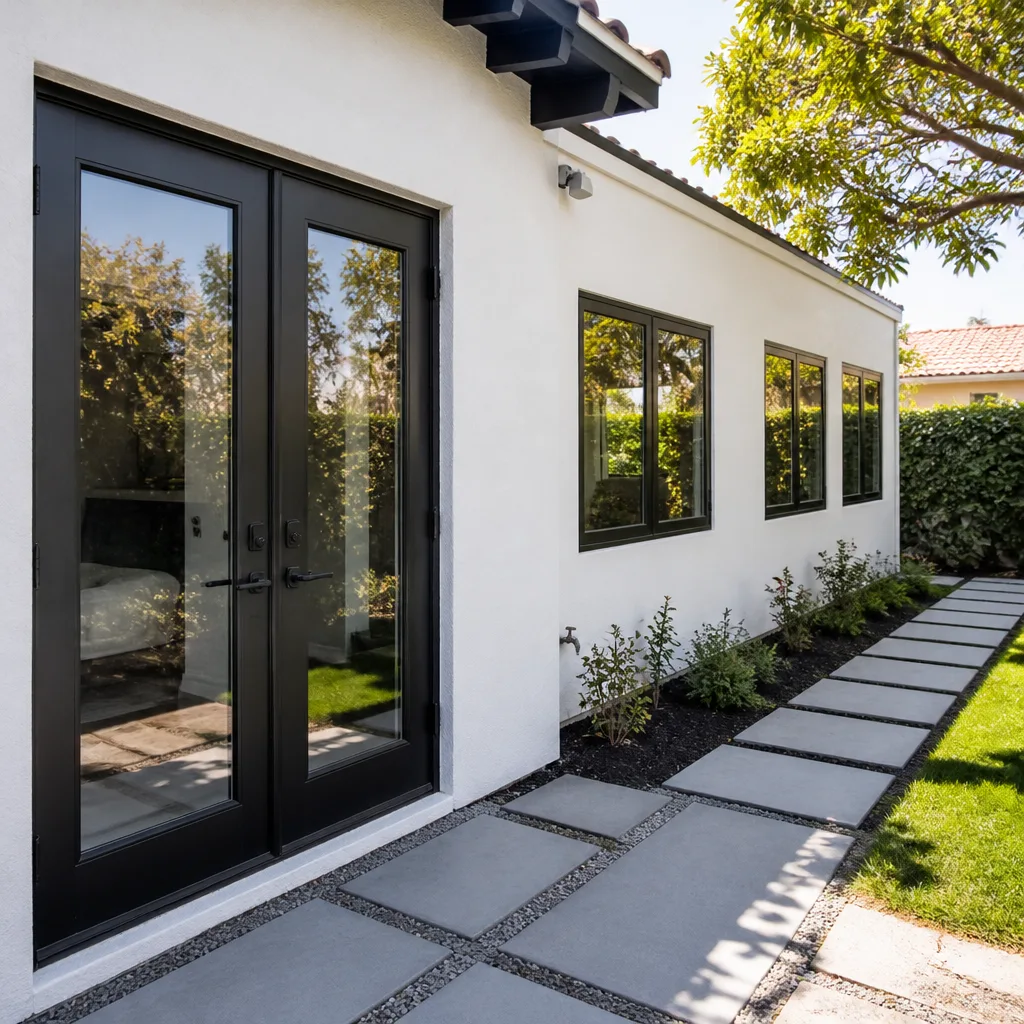 After
After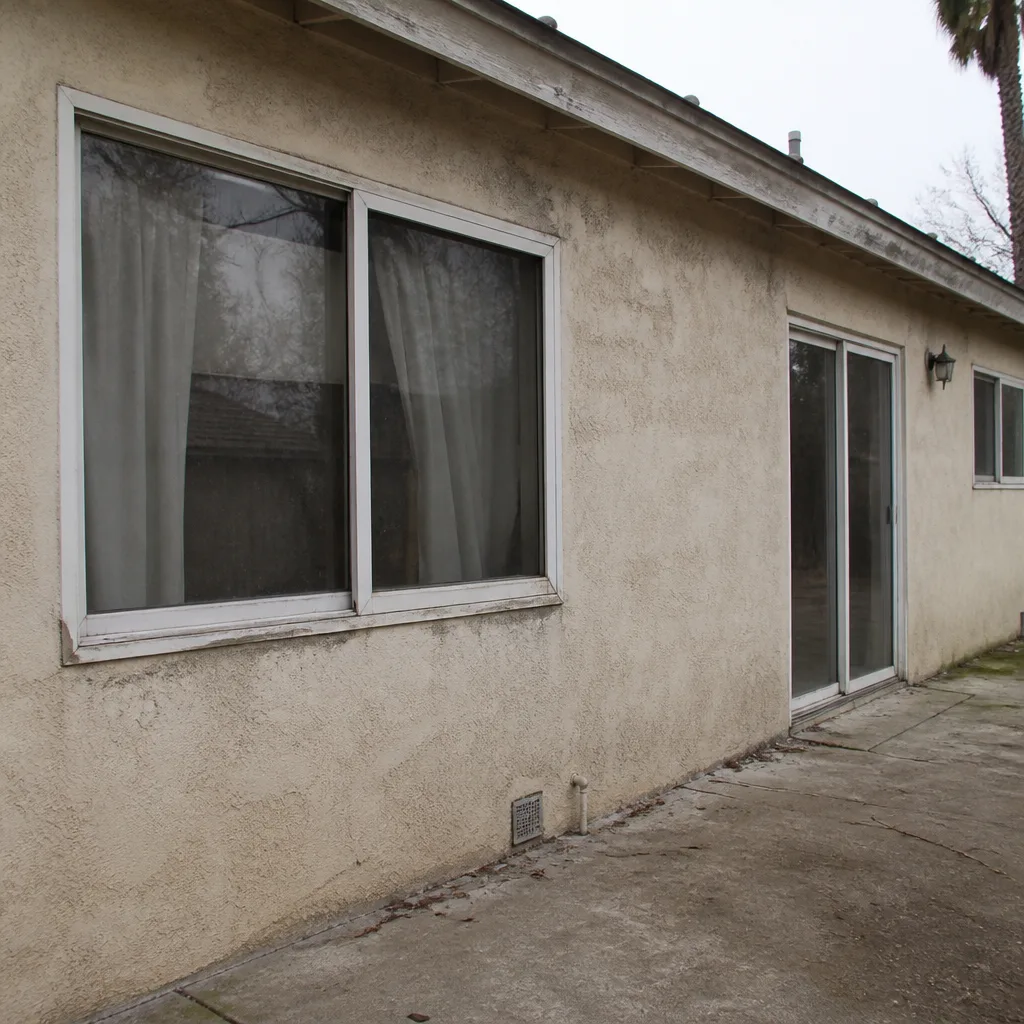 Before
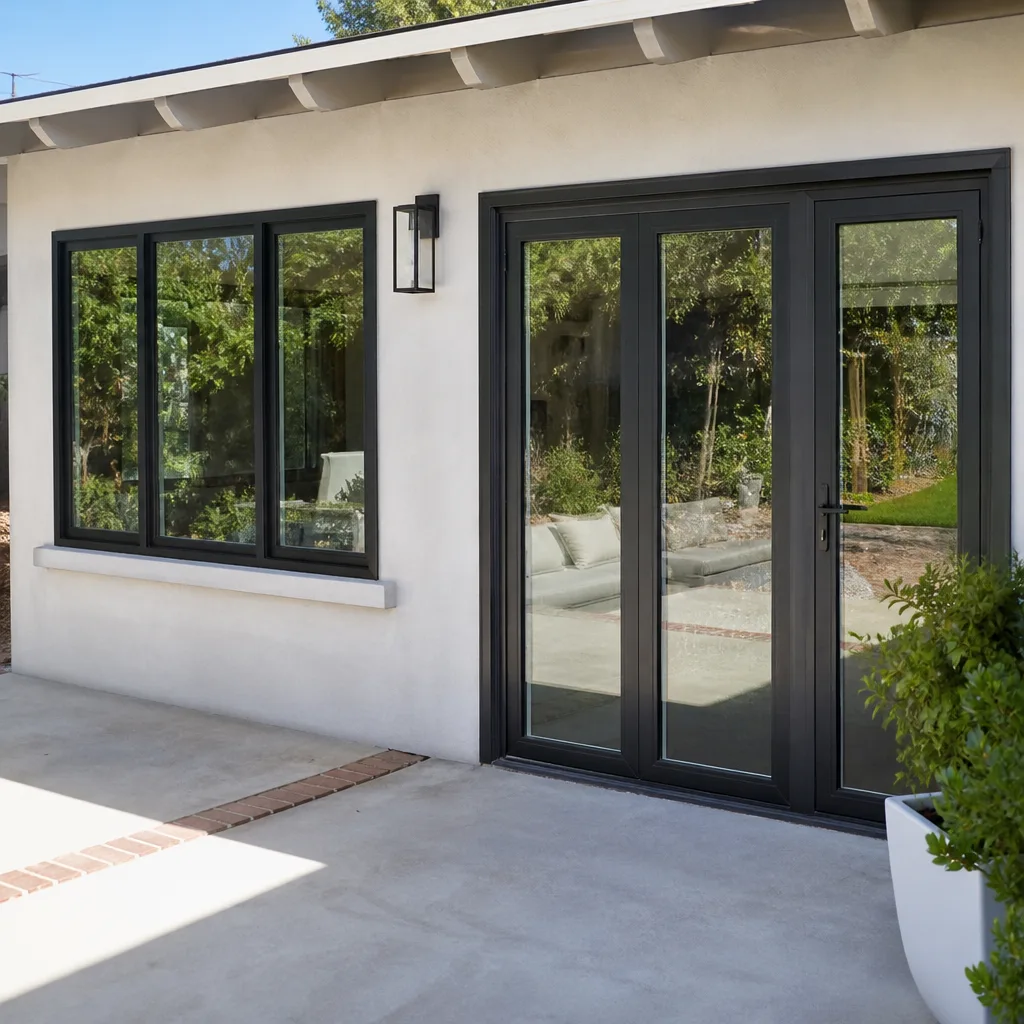 After
After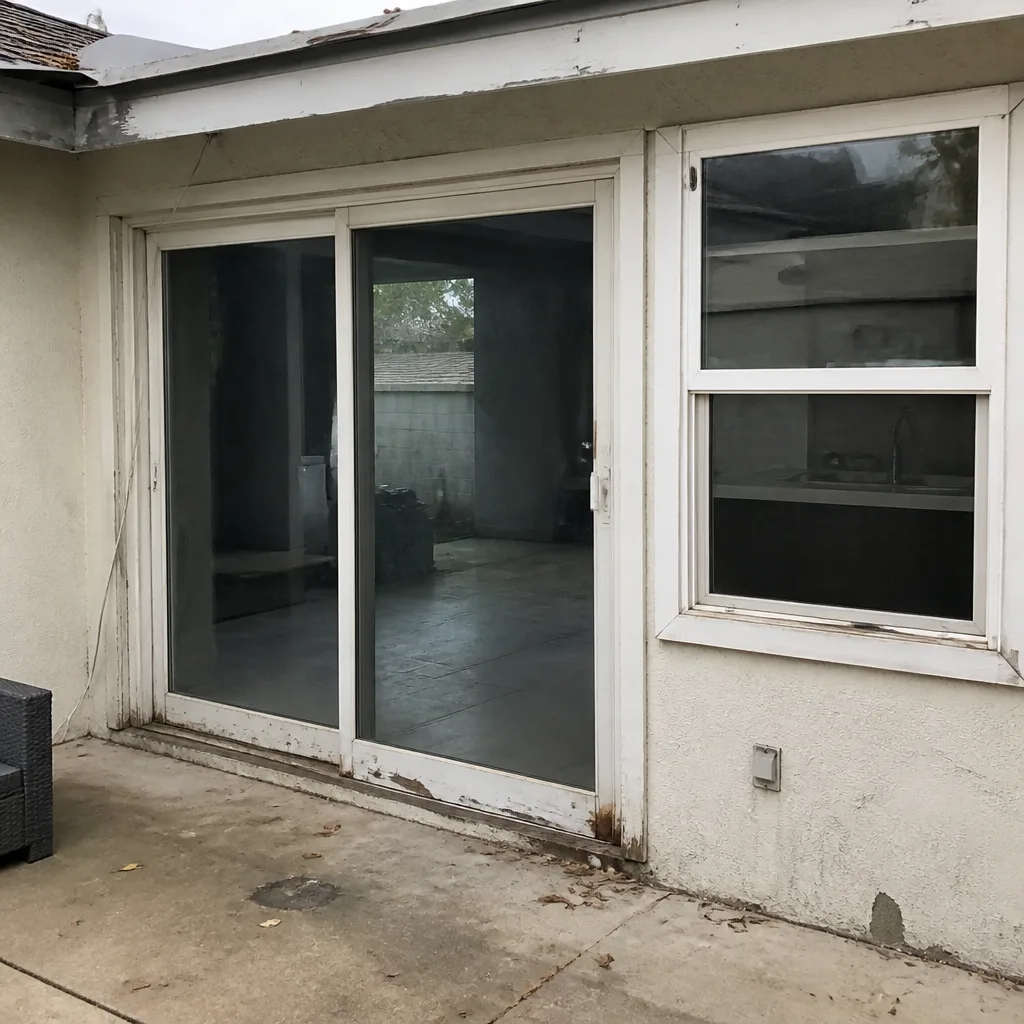 Before
 After
AfterWindow Repair Maintenance Schedule: What to Do and When
Most window hardware failures don’t happen suddenly. A crank operator that snaps in August was grinding and stiffening in March. A sliding door that jumps its track in October was rattling lightly since May. In Los Angeles, where windows face a unique double stress cycle, marine-layer moisture half the year and Santa Ana dust and heat the other half, a twice-yearly maintenance routine catches roughly 90 percent of these problems before they turn into repair calls. This guide gives you that exact routine: what to check, what to clean, what to lubricate, and when, so a five-minute inspection replaces a $250 parts order.
Quick Answer
A Window Repair maintenance schedule means inspecting, cleaning, and lubricating every window in your home twice a year, once in spring and once in fall, with a focus on tracks, weatherstripping, caulk, and hardware. In Los Angeles, the spring check should target moisture damage from the marine layer, while the fall check targets dust and sun damage from Santa Ana season. This routine takes about five minutes per window and prevents the majority of common mechanical failures that lead to repair calls.
Table of Contents
- Why Twice a Year Matters More in Los Angeles
- The Spring Maintenance Checklist
- The Fall Maintenance Checklist
- How to Lubricate Window Hardware the Right Way
- Caulk Inspection and Spot Repair
- Screen Maintenance as Repair Prevention
- Keeping a Window Maintenance Log
- Common Mistakes to Avoid
- When to Call a Professional
- Frequently Asked Questions
- The Bottom Line
Why Twice a Year Matters More in Los Angeles
Los Angeles doesn’t have a single extreme season. It has two distinct stress cycles that attack windows in different ways, and a maintenance schedule built for, say, Denver or Chicago misses both of them.
The marine layer season, typically May through early August in coastal and basin neighborhoods like Santa Monica, Mar Vista, and Westchester, pushes cool, damp air against window frames every morning. Condensation sits in track channels. Felt weatherstripping swells. Aluminum hardware oxidizes slowly, which is why that crank on the ocean-facing bedroom window grinds harder every June. Homeowners a few miles inland, in places like Sherman Oaks or Pasadena, get less of this, but they get the second cycle harder.
Santa Ana season, September through November and again sporadically in winter, reverses the problem. Single-digit humidity, 40 mph gusts, and fine dust push grit into every track, seal, and hinge. Vinyl tracks dry out. Wood sashes shrink and lose their seal. Dust mixes with whatever lubricant is left and turns into an abrasive paste, which is why window hardware that worked fine in July suddenly jams in October.
The fix for both is the same: inspect and service every window twice a year, once in March or April before the marine layer settles in, and once in September before the first Santa Ana event. Each check takes about five minutes per window. What you’re looking for changes with the season, which is why the two checklists below are different, not duplicates.
The Spring Maintenance Checklist
Spring in Los Angeles is drainage season. The goal of this check is to confirm that every window sheds water correctly and that no moisture has been sitting in tracks or seals since the last rain. Walk the house with a rag, a soft brush, and a notebook, in that order.
- Open every operable window fully. Crank casements all the way out. Slide double-hungs up and down twice. Slide horizontal sliders through their full travel. Listen for grinding, scraping, or a change in resistance partway through the stroke. A window that is harder to move in one spot than another is telling you something is wearing unevenly.
- Check the weep holes. Every sliding or hung window has small drainage channels at the bottom of the outer track. In Los Angeles, these clog with dust, spider nests, and leaf debris from jacarandas and eucalyptus. Clear them with a pipe cleaner or a small bottle brush. Water that cannot drain sits in the track and corrodes the rollers or balances.
- Wipe tracks dry and remove debris. Use a dry rag first, then a lightly damp one. Do not use a hose or pressure washer on window tracks, the water pressure drives grit deeper into the rollers and balance pockets.
- Inspect weatherstripping. Look at the felt, bulb seal, or fin seal around each sash. Marine-layer moisture swells felt, and the repeated swell-and-shrink cycle breaks the fibers down. If the weatherstripping looks flattened, cracked, or pulls away from the frame, replace it now. This is a $12 part and a 20-minute job, versus a $150 energy-loss problem and a leaky window come next winter.
- Check caulk and exterior sealant. We cover this in depth in the caulk section below, but the spring check is your primary chance in Los Angeles to catch water entry before the marine layer sets in.
- Test every lock and latch. Close each window and engage the lock. If it binds, does not fully engage, or takes more than light finger pressure, note it. Lock alignment problems start small and end with a window that will not secure at all.
If you find a window that is noticeably harder to operate than the others in the same room, do not force it. A window mechanism that resists is telling you that a roller, balance, or hinge has already begun to fail. Forcing it only finishes the job. That is the point at which a window repair in Los Angeles starts to become the right call, and catching it in March is always cheaper than discovering it in July.
The Fall Maintenance Checklist
Fall in Los Angeles is the Santa Ana preparation check. The goal is to remove abrasive dust, restore dry lubrication, and confirm that every seal still blocks wind. This is the check that prevents most October and November repair calls.
- Vacuum or brush out every track, dry. Do this before you lubricate anything. Santa Ana dust is fine enough to work its way into roller bearings and balance springs. If you lubricate over dust, you create a grinding paste. Use a crevice tool on a vacuum or a stiff dry brush, and get into the corners where the sash meets the frame.
- Lubricate moving hardware. The specific lubricants, and where they go, are in the next section. The fall application is the more important of the two because it protects hardware through the driest, dustiest months of the Los Angeles year.
- Check for sun damage on exterior seals. Los Angeles sun is brutal on exterior window components, especially south- and west-facing windows in neighborhoods like Encino, Woodland Hills, and the Valley floor. We regularly see glazing bead, the flexible strip that holds the glass in place, that has softened, cracked, or pulled away from the frame. If you can press a fingernail into exterior rubber and leave a mark, it has started to degrade.
- Test the sash-to-frame seal with a sheet of paper. Close a window on a single sheet of printer paper and try to pull it out. If the paper slides freely, the weatherstripping is no longer making contact, and Santa Ana winds will whistle right through it. If it catches or tears, the seal is holding.
- Check screen condition. Screens get hammered in fall, both by wind and by debris. More on that in the screen section below.
- Run the window through a full open-close cycle after cleaning. It should move smoothly and quietly with even resistance. A window that was stiff before cleaning and smooth after means the problem was dirt. A window that stays stiff after cleaning and lubrication means hardware wear, and hardware wear only gets worse.
How to Lubricate Window Hardware the Right Way
Most window maintenance advice says “lubricate the tracks.” That is incomplete, and in Los Angeles, where dust turns the wrong lubricant into glue, it is counterproductive. The right lubricant depends on the material it touches, and the most important rule is this: lubricate metal moving parts and non-porous surfaces only, never weatherstripping, never wood, and never felt.
Vinyl tracks: Use a dry silicone spray. Silicone does not attract dust, which is the quality that matters most during Santa Ana season. Spray a light coat on the track where the sash rides, then run the window back and forth twice to distribute it. Do not use WD-40 here. WD-40 is a solvent with light lubricating oil, and on vinyl it leaves a residue that holds dust. We have repaired more windows gummed up by WD-40 than by any other single product.
Wood sashes in wood frames: Use a paste wax, applied sparingly to the sash edges and the jamb where the sash slides. Paste wax lubricates without soaking into the wood the way an oil does. Oil swells wood fiber, which is how a wood window that slid fine last month suddenly sticks this month. Do not use paste wax on vinyl. It builds up in the track channel and hardens.
Steel hinges and crank mechanisms: Use a light machine oil, like 3-in-1. One or two drops on each pivot point of a casement crank, awning hinge, or hopper mechanism, once a year in the fall, is enough. Wipe off any excess immediately. Excess oil runs onto the frame, catches dust, and creates the same abrasive paste you were trying to prevent.
Where not to lubricate, ever: weatherstripping, which relies on friction and can degrade from petroleum products; felt seals, same reason; nylon rollers, which are self-lubricating and attract dirt if oiled; and glass, obviously. If a roller is binding, lubricating it will not help. The bearing is failing, and the window needs a part, not a spray.
The differentiator for Hale Windows & Doors, and what we tell homeowners at every service call, is that we stock hardware and parts for the eight professional-grade window lines we install and service: PGT, CGI, CWS, ES Windows, ECO Window Systems, Mr-Glass, Therma-Tru, and ViewLux. Matching the right service to the right product, like CWS on a coastal home versus ES Windows on a modern architectural job, is the whole job. The lubrication advice above applies across those lines, but the failure patterns differ by brand and material, and that is where experience matters.
Caulk Inspection and Spot Repair
Caulk fails slowly, and in Los Angeles, the typical failure starts on stucco-to-frame joints on south- and west-facing walls. The sun bakes the exterior caulk, the stucco expands and contracts at a different rate than the window frame, and hairline gaps open at the corners. Water does not need a visible crack. A gap the thickness of a credit card is enough for a winter rain or a heavy marine-layer morning to push moisture behind the frame.
How to identify failing caulk before it leaks:
- Press the caulk with a fingertip. Healthy caulk is pliable, like a pencil eraser. Caulk that is hard, chalky, or crumbles under light pressure has lost its bond and needs replacement.
- Look for separation at the edges. Caulk should adhere tightly to both the frame and the stucco. If you can fit a fingernail between the caulk and either surface, it has pulled away.
- Check the corners first. The highest stress point on any stucco-to-frame joint is the lower outside corners, where two different expansion planes meet. In Los Angeles, corners on the sunny side of the house fail first.
- Look for discoloration on interior drywall near the window. Rusty stains, faint tan watermarks, or paint bubbling at the window corners are the canary in the coal mine, they mean water has already entered and you are past the maintenance stage.
Which caulk to use: For stucco-to-frame joints in Los Angeles, use a high-quality elastomeric sealant or a hybrid polymer caulk, not silicone. Silicone does not bond to stucco reliably, cannot be painted, and fails under the UV load of a Southland summer. Elastomeric caulk stretches with the stucco’s expansion cycle and takes paint. Plan on re-caulking sun-facing windows every 3 to 5 years, shaded windows every 7 to 10.
Spot repair procedure: Cut out the failed section with a utility knife, clean the joint with a dry brush, wipe with a rag lightly dampened with mineral spirits, and reapply the caulk in a single continuous bead. Tool it smooth with a wet finger or a caulk tool. Do not caulk over old caulk. The new caulk bonds to the old caulk’s surface, not to the frame, and the joint fails again within a year. On homes built before about 1978, which is much of central and east Los Angeles, remember that old caulk may need testing or careful removal, and do not sand or grind anything until you know what you are working with. When in doubt, a window replacement in Los Angeles consultation will surface seal and flashing issues that spot repair cannot fix.
Screen Maintenance as Repair Prevention
Most homeowners think of window screens as optional: nice to have, replaceable, forgettable. In coastal Los Angeles, from Playa del Rey up through the Pacific Palisades, screens are a wear item that protects the window itself, and a torn or sagging screen accelerates frame corrosion and hardware failure in ways that never show up on a generic maintenance checklist.
Here is the mechanism. A window screen is not just insect protection. It is a first-stage filter for salt-laden air and fine coastal sand. A screen in good condition catches most of the airborne salt and grit before it reaches the frame, the track, and the hardware. A screen that is torn, sagging, or missing lets that salt and grit through. Salt sits in the track channel, combines with morning condensation, and creates a low-grade saline bath on the aluminum track and steel roller hardware. The result in coastal neighborhoods is window rollers, hinges, and locks that corrode and fail two to three times faster than the same window would fail in Pasadena or Glendale.
The maintenance rule is simple: inspect screens at both the spring and fall checks. Look for tears larger than a fingernail, sagging mesh that no longer sits flat, and spline, the rubber cord that holds the screen fabric in the frame, that is cracked or pulling out. A torn screen is a $40 to $75 re-screen, depending on the frame size. A corroded roller assembly or a rusted casement hinge is a $180 to $340 repair. One protects the other.
Screen frames matter too. Aluminum screen frames on coastal homes develop white oxidation at the corners, the same salt-air reaction. A light wipe with a dry rag at each maintenance check removes most surface salt. If the frame corners have corroded to the point that the frame no longer seats square in the window opening, replace the screen. A crooked screen frame rides against the sash and scratches the frame finish, and scratches in anodized aluminum become corrosion points. We see this disproportionately in the ocean-adjacent zip codes, even on windows from premium coastal-rated lines like PGT and CGI, which are engineered for impact resistance but still need their screens maintained by the homeowner.
Keeping a Window Maintenance Log
A maintenance log is the most underrated tool in window care, and it costs nothing; for more guides & resources on protecting your investment, see our blog. The idea is simple: write down what you see, when you see it, so that when a window eventually needs professional attention, you have baseline evidence of when a problem started, how it progressed, and what you tried. This matters for three reasons.
First, it creates a condition timeline. A window that has been grinding for three maintenance cycles is telling a different story than a window that was smooth in September and seized in October. The first is progressive hardware wear. The second may be a failed part, a manufacturing defect, or storm damage. A log tells you which.
Second, it catches slow changes that you would otherwise miss. Creep is invisible. A window that loses a millimeter of seal compression per year goes unnoticed season to season. But when you read back through your log and see “paper test: caught with moderate pull” in year one, then “paper test: caught with light pull” in year two, then “paper test: slides freely” in year three, you have documented a weatherstripping failure in progress. You can replace the seal now, on your schedule, for $12, instead of discovering it in a winter rainstorm.
Third, a log gives any window professional the exact starting point they need. In our experience, the first question a good technician asks is “when did you first notice this?” Most homeowners guess. A log answers.
The log format that works:
- Date of the maintenance check
- Window or room identifier (NW bedroom, rear slider, etc.)
- What you checked (open-close resistance, weep holes, weatherstripping, caulk, screens)
- What you found, in one sentence per window
- What you did (cleaned, lubricated, replaced seal, re-caulked, noted for follow-up)
Keep it in a notebook or a notes app. Five minutes of writing twice a year, total. In ten years, that log will be worth more than any repair manual, because it is the repair manual for your specific house, your specific windows, and your specific corner of Los Angeles.
Common Mistakes to Avoid
- Using WD-40 on vinyl window tracks. WD-40 is a penetrating solvent, not a window lubricant. On vinyl tracks it leaves a residue that attracts Santa Ana dust and turns into sludge. That sludge is the most common cause of the grinding-track repair calls we get in September and October.
- Lubricating without cleaning first. Lubricant over dust creates an abrasive paste. Clean tracks dry, then lubricate. Reversing the order doubles your work and damages the track.
- Forcing a resisting window. A window that grinds, sticks, or stops mid-travel has a mechanical problem. Cranking harder is how a $60 roller replacement becomes a $300 operator replacement. Stop, inspect, and call if it does not move smoothly after cleaning and lubrication.
- Caulking over old caulk. New caulk bonds to old caulk, not to the frame. It looks fine for a season and then fails along the old joint line. Cut out failed caulk, clean the joint, then reapply.
- Ignoring screens on coastal homes. In neighborhoods from Santa Monica through San Pedro, a torn screen is not just an insect issue. It is a salt-air pathway that accelerates frame corrosion and hardware wear on the window itself.
- Doing the same checklist in spring and fall. The spring check is moisture-focused. The fall check is dust and wind focused. Skipping the distinction means you inspect for the wrong problems in the wrong season.
- Assuming a new window needs no maintenance. New windows fail without maintenance too, just on a longer timeline. The first maintenance cycle is when you establish the baseline. Skip it, and three years later you have no idea whether the window was always slightly stiff or getting worse.
When to Call a Professional
Some maintenance findings are not maintenance items. A window that stays stiff after cleaning and lubrication. A crank that slips or spins without moving the sash. Visible rust or corrosion on hinges or track hardware. Water stains on interior drywall or window sills after rain. Glass that has cracked, fogged between the panes, or shifted in the frame. Caulk failure that has already progressed to visible gaps or interior water marks. These are all repair-stage problems, and they all get worse, not better, if left alone. Hale Windows & Doors offers free estimates for window repair in Los Angeles, and every repair includes a written guarantee. If a repair fails, the second visit is free, no argument. Call (252) 675-6980.
Frequently Asked Questions
Twice a year, once in March or April before the marine layer season, and once in September before Santa Ana season. Each check takes about five minutes per window and catches the moisture problems in spring and the dust problems in fall. Set phone reminders for the first weekend of April and the first weekend of September, and you will never rely on memory.
Dry silicone spray is the best choice for vinyl tracks. It lubricates without attracting dust, which is the critical quality during Los Angeles Santa Ana season. Avoid WD-40, which leaves a dust-attracting residue, and avoid paste wax, which builds up in vinyl track channels and hardens into a problem.
Window repair in Los Angeles typically runs $120 to $340 for most common jobs, depending on the part and window type. A roller replacement runs about $120 to $180, a casement crank operator replacement about $180 to $300, and a fogged glass unit replacement about $200 to $400 per sash depending on glass size and coating. For an exact quote, call (252) 675-6980. Estimates are free, and the written price is in your hands before any work begins.
Yes, spot caulk replacement is a homeowner-level task if you catch the failure early. Cut out the failed section with a utility knife, clean the joint, and apply an elastomeric or hybrid polymer caulk in a single bead. For stucco-to-frame joints in Los Angeles, avoid silicone, which does not bond to stucco reliably and fails under UV exposure. If the caulk failure has already progressed to visible water entry or interior staining, call a professional instead.
Replace or re-screen it at the next maintenance check. In coastal Los Angeles, a torn screen accelerates frame corrosion and hardware wear by allowing salt-laden air and sand into the track. A re-screen typically costs $40 to $75, far less than the $180 to $340 roller or hinge repair that corrosion eventually causes. Inspect screens at both the spring and fall checks, and replace frames with corroded corners that no longer seat square.
In Los Angeles, this pattern is usually aluminum or wood frame expansion from temperature swings, or moisture swelling in older wood sashes during the marine layer months. If the window returns to smooth operation in drier weather, the frame is absorbing moisture, and weatherstripping or finish may need attention. If it stays stiff regardless of season, the hardware is wearing and should be inspected. Call (252) 675-6980 for a free evaluation, and you will have a written recommendation and price before you decide anything.
The Bottom Line
Window maintenance is five minutes per window, twice a year, and it is the highest-return home maintenance task most Los Angeles homeowners never do. The spring check catches moisture damage before the marine layer sets in. The fall check clears Santa Ana dust and restores lubrication before the dry season grinds hardware down. Clean before you lubricate. Use silicone on vinyl, paste wax on wood, light oil on metal hinges. Keep a simple log. Know which findings are maintenance items and which are repair calls. And when a repair is the right call, a written price and a written guarantee should come with it. That is how Hale Windows & Doors works in Los Angeles, and it is how your windows stay working, too.
Written by Spencer Odell, Owner at Hale Windows & Doors, serving Los Angeles since 2009.