

Last updated October 9, 2026
Free in-home measure and quote - PGT, CGI and CWS impact lines compared on your actual openings, style by style
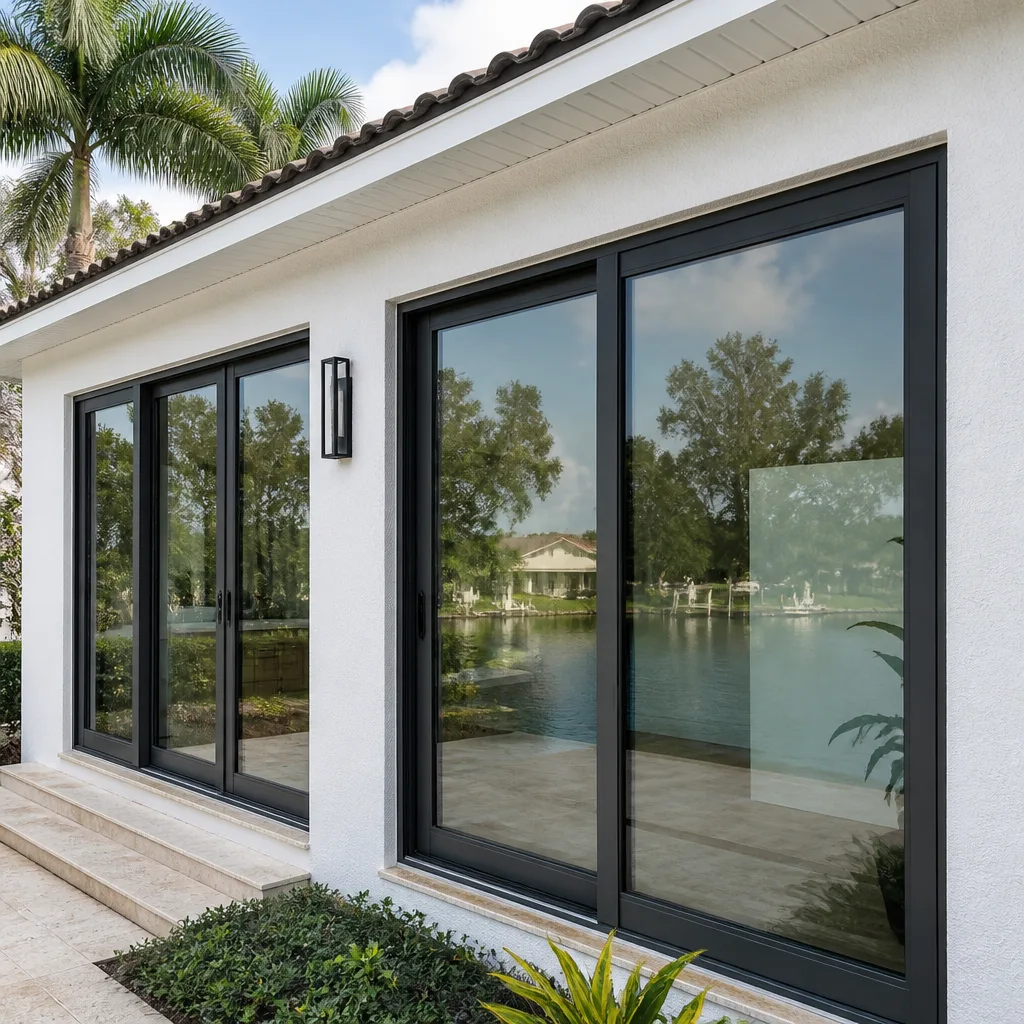

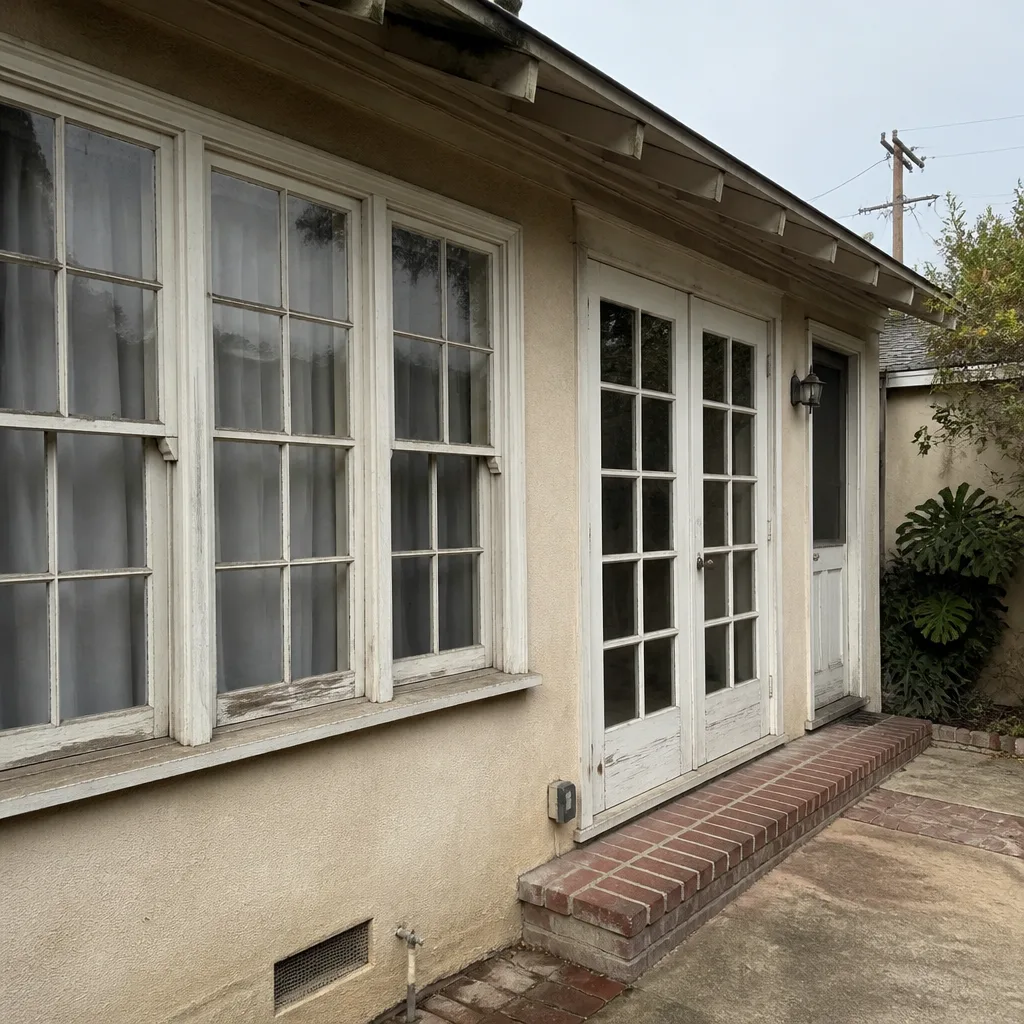 Before
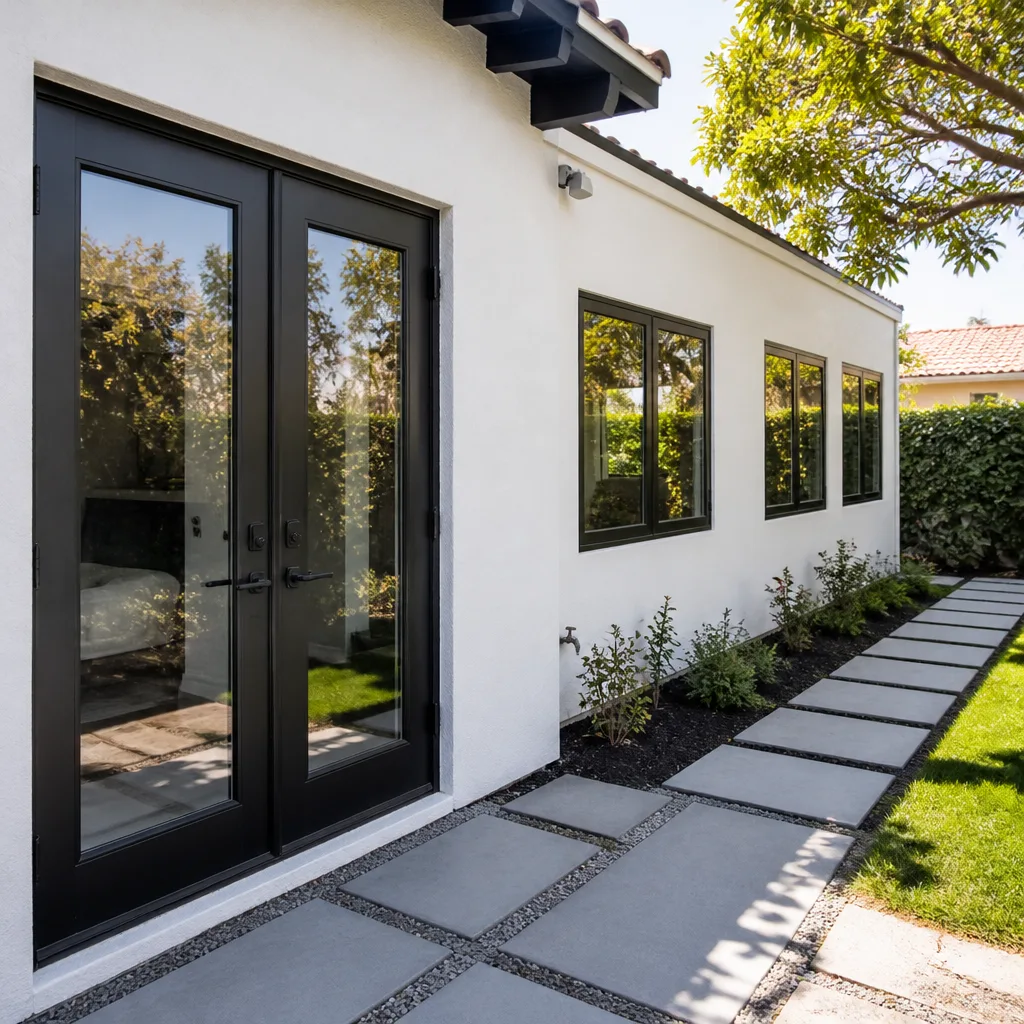 After
After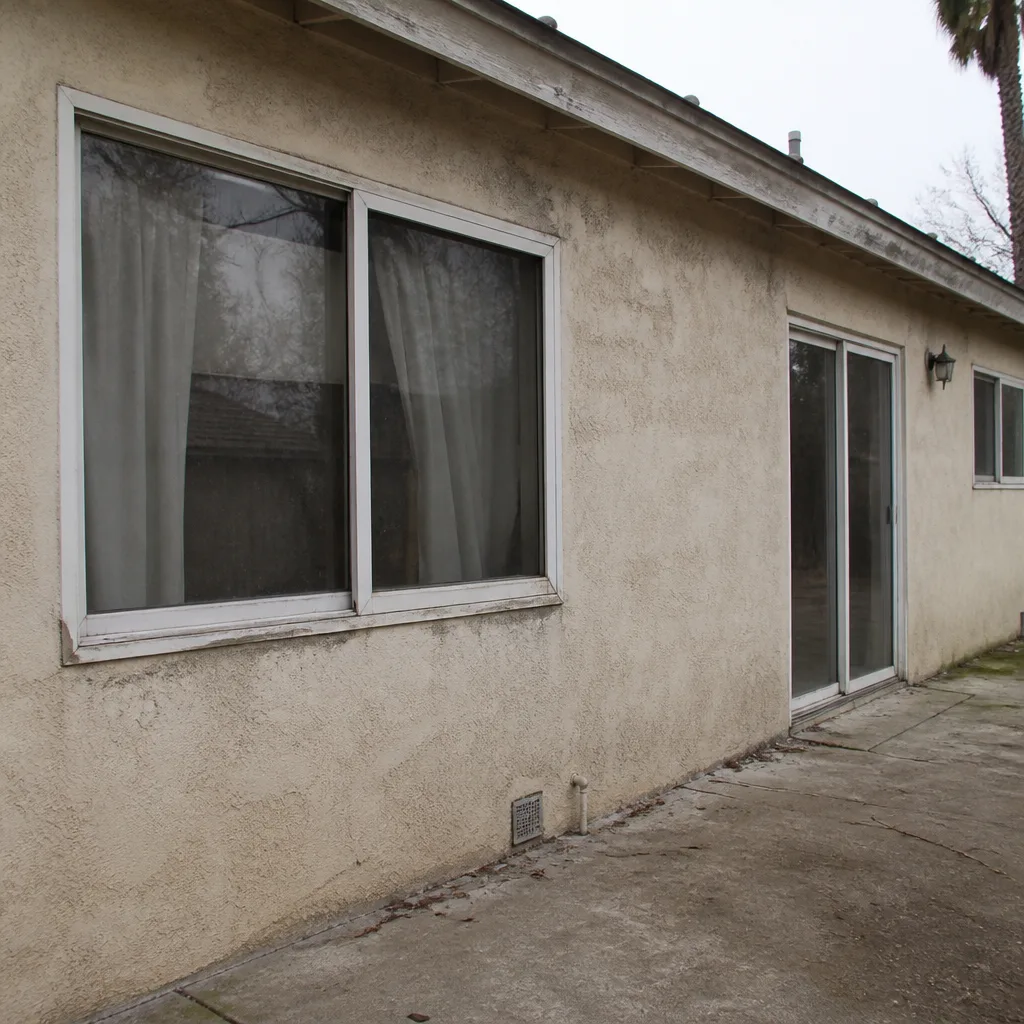 Before
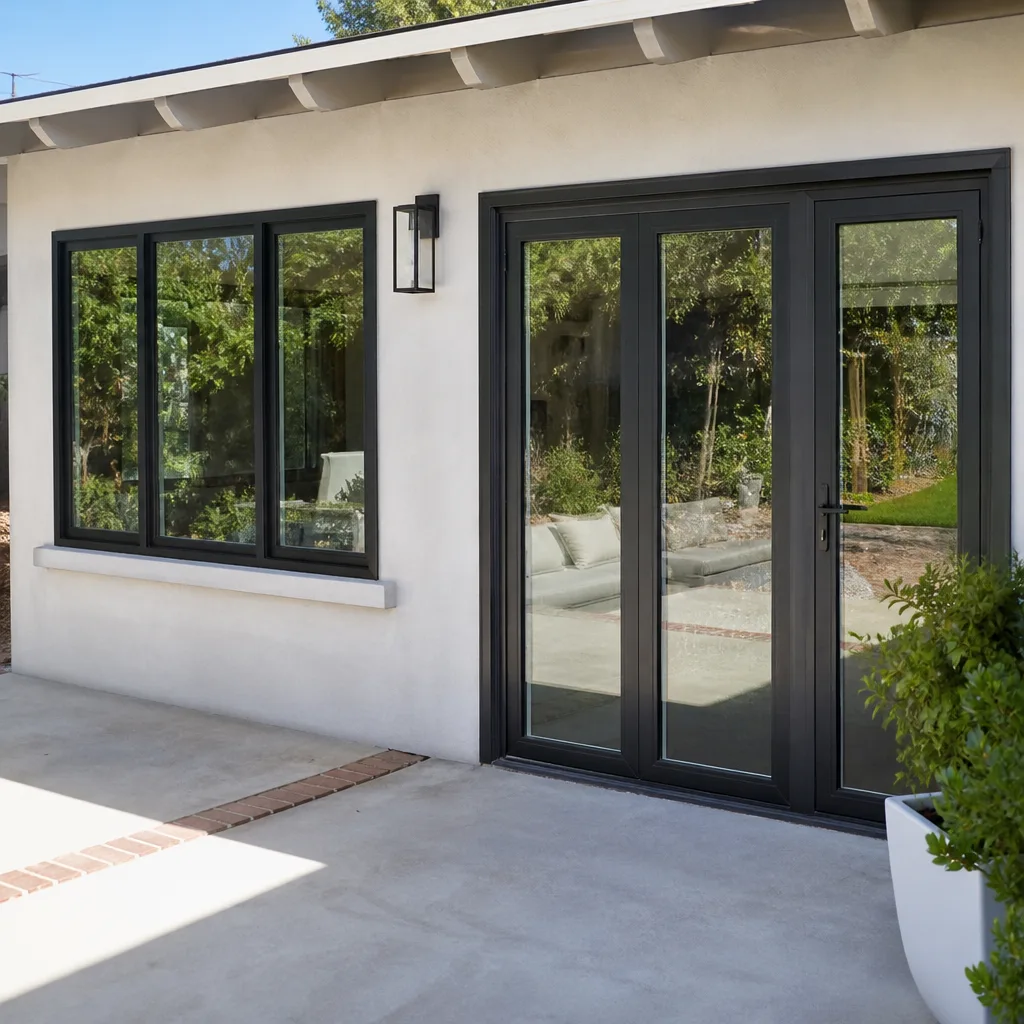 After
After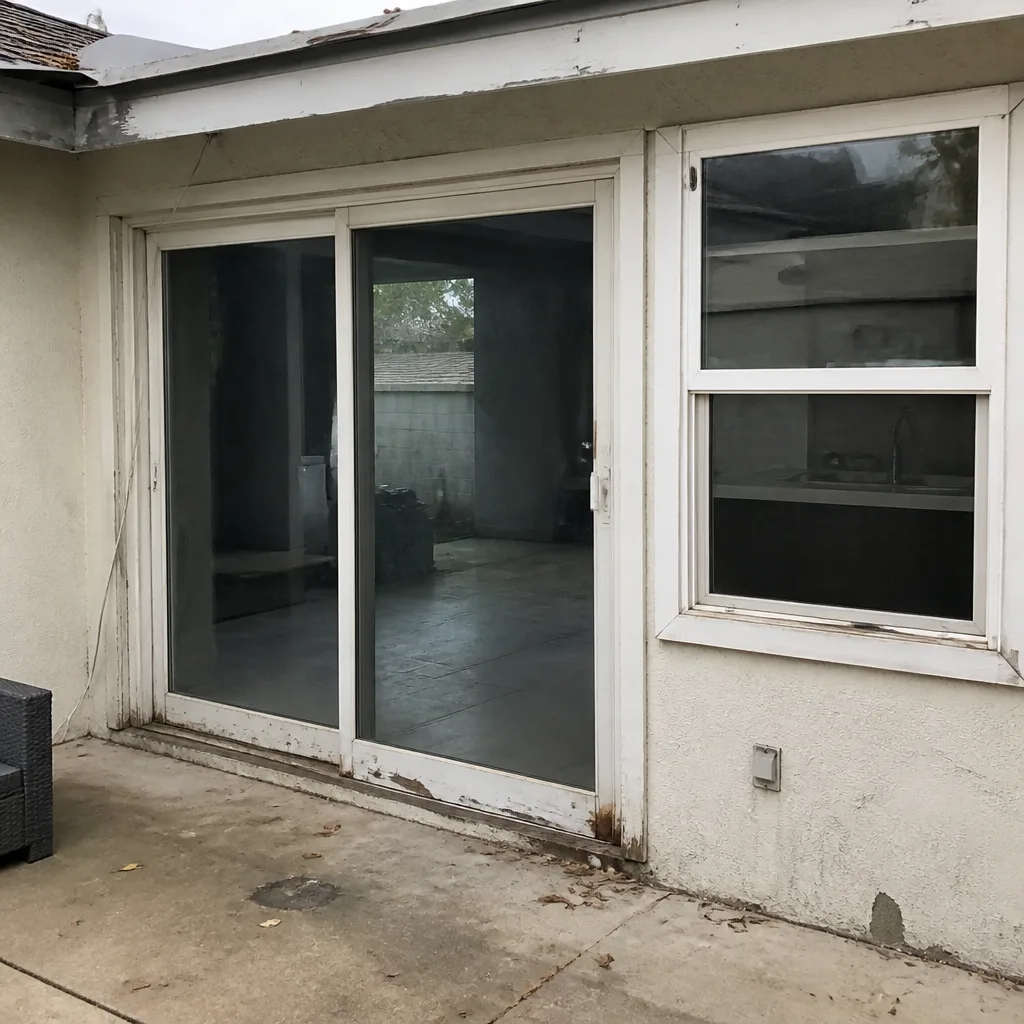 Before
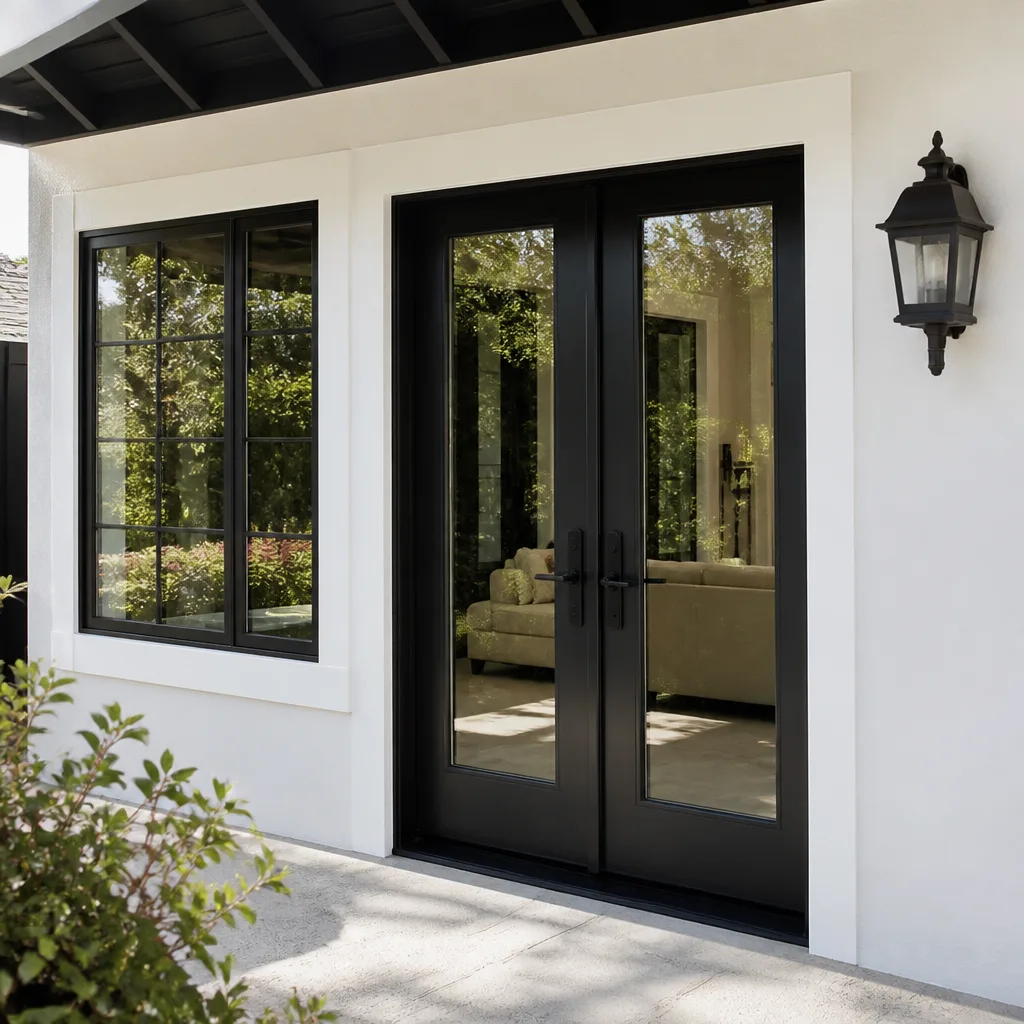 After
AfterWindow Replacement Maintenance Checklist for Los Angeles Homeowners
A dual-pane window’s insulating gas fill, argon or krypton, escapes within 10 to 20 years even without visible seal damage. In Los Angeles, along the high-UV coastal corridors from Malibu to San Pedro, that timeline can shrink to 7 years. Most homeowners don’t learn this until they see condensation trapped between the panes, and by then the window has already lost much of its thermal performance. This guide walks through what actually degrades windows in Los Angeles, when to check each component, and what to document so a warranty claim doesn’t slip away. For more details, see our Window Replacement Maintenance Schedule: What to Do and When.
Quick Answer
A Los Angeles window maintenance routine should include four seasonal checks per year: cleaning tracks and weep holes before winter rains, inspecting seals and weatherstripping after Santa Ana wind season, testing hardware operation in spring, and documenting any glass discoloration or frame corrosion before peak UV months. Homes within 3 miles of the coast need an additional salt-air corrosion check every 90 days. Most critically, photograph the glass, frame corners, and hardware during every inspection so you have dated evidence if a defect surfaces later.
Table of Contents
- Why Los Angeles Weather Is Harder on Windows Than Most Checklists Admit
- The Month-by-Month Maintenance Calendar for LA Homes
- How to Spot Argon Seal Failure Before the Fog Appears
- Cleaning and Re-Lubricating Hardware Without Voiding Warranties
- Salt-Air Corrosion Checklist for Homes Within 3 Miles of the Coast
- What to Photograph and Document After Every Inspection
- Common Mistakes to Avoid
- When to Call a Professional
- Frequently Asked Questions
Why Los Angeles Weather Is Harder on Windows Than Most Checklists Admit
Most window maintenance guides are written for places with snow, ice dams, and sub-zero winters-unlike our more guides & resources tailored for Southern California homeowners. Those checklists spend pages on condensation from furnace humidifiers and frozen tracks. Los Angeles has an entirely different set of stressors, and they’re less obvious precisely because our weather feels mild. The damage happens slowly, invisibly, and often after the warranty clock has already started ticking.
Three forces do most of the work here. First, UV exposure. Los Angeles receives roughly 3,200 hours of sunshine per year, and in neighborhoods like Woodland Hills or Sherman Oaks, summer afternoons routinely cross 95°F. Ultraviolet light degrades rubber gaskets, vinyl weatherstripping, and the polymer spacer materials inside dual-pane units. A seal that would last 20 years in Portland might fail in 9 or 10 years in Van Nuys simply because the sun never really lets up.
Second, thermal cycling. Valley homes can swing 40 degrees between daytime highs and nighttime lows. Glass expands when hot, contracts when cool, and the sealant around the glass edge flexes with every cycle. Over thousands of cycles, that movement creates micro-tears. You won’t see them, but argon gas molecules are small enough to slip through.
Third, salt air. Homes within 3 miles of the Pacific, from Malibu through Manhattan Beach to San Pedro, get a steady deposit of marine salt on metal frames, hinges, and hardware. Salt is hygroscopic; it attracts moisture and accelerates oxidation. Aluminum frames that would last decades inland can show pitting and white corrosion within 5 to 7 years near the water.
None of this means LA homeowners need obsessive maintenance. It means the maintenance schedule should target the right things at the right time of year.
The Month-by-Month Maintenance Calendar for LA Homes
Los Angeles has two distinct environmental stress periods: Santa Ana wind season (typically September through November) and winter rain season (December through March). Peak UV months run May through September. The maintenance calendar below is built around those events, not around generic “spring cleaning” advice.
January – February: Post-Rain Inspection
- Check every window for water stains on interior drywall or window sills, especially after consecutive rainy days.
- Clear weep holes along the bottom track of sliding windows and sliding glass doors. These small drainage openings clog with silt, leaves, and insect debris, and clogged weep holes are the number one cause of water pooling inside tracks during LA winter rains.
- Test the operation of every window. Wood and vinyl can swell slightly with winter humidity, making sashes stick.
March – April: Post-Rain Hardware Review
- Wipe down all visible hardware: locks, latches, crank mechanisms, and hinges.
- Apply a dry silicone lubricant to moving parts on casement and awning window operators.
- Inspect weatherstripping for tears or flattening after a wet winter.
- Test every window’s locking mechanism. A lock that doesn’t fully engage is both a security issue and a sign the sash has shifted.
May – August: Peak UV Monitoring
- Look at the glass surface from an angle on a bright afternoon. Early seal failure sometimes shows as a faint distortion or a slight oily sheen between the panes before visible fog appears.
- Check outdoor-facing caulking and sealant beads around window frames. High heat makes cheap caulk shrink and crack.
- Run your hand along the interior frame corners for any softness in wood frames, which signals moisture intrusion from a failed exterior seal.
September – November: Pre-Santa Ana Season Prep
- Inspect and tighten all visible screws on hinges and operators. Santa Ana winds can rattle loose hardware and amplify any existing play.
- Check the seal between the sash and the frame with a simple paper test: close the window on a sheet of paper and try to pull it out. If it slides out easily, the weatherstripping is no longer compressing properly.
- Clean the exterior glass and frames thoroughly before the dry season so you have a clear visual baseline for upcoming months.
December: End-of-Year Documentation
- Photograph every window from inside and outside, including close-ups of frame corners, glass edges, and hardware.
- Store photos in a dated folder. This becomes your warranty evidence trail.
- Write down any changes you noticed over the year, even minor ones: a window that’s harder to open, a faint whistle on windy days, a small chip in the glass coating.
How to Spot Argon Seal Failure Before the Fog Appears
Once you see condensation between the panes of a dual-pane window, the seal has been compromised for months or years. The fog is the late-stage symptom. Argon gas is colorless, odorless, and invisible. By the time moisture appears, the insulating performance has already dropped.
Here are the earlier warning signs we’ve seen in Los Angeles homes, listed in the order they typically appear:
- Glass distortion at certain angles. Stand at a 45-degree angle to the window on a bright day. A failed or failing seal can create a subtle concave or convex bowing of the glass. You might see a slight funhouse effect along the edges.
- A faint oily residue between panes. The desiccant material inside the spacer bar, the strip that separates the two panes, absorbs moisture. When it saturates, it can release a faint film on the inside glass surface. This looks like a smudge you can’t wipe off because it’s on the inside.
- Temperature difference at the glass center. On a hot afternoon, place your hand flat against the center of the glass, then near the edge. A healthy dual-pane window should feel uniformly warm. A window that has lost its gas fill will feel noticeably hotter at the center, because there’s no argon slowing the heat transfer anymore.
- Intermittent morning fog that burns off. Very early seal failure sometimes produces condensation only during specific temperature and humidity conditions, like a cool LA morning after a humid night. It disappears by mid-morning. Homeowners dismiss it. Don’t.
- Visible fog between panes. This is the point of no return. The window needs replacement or at minimum a new insulated glass unit. The frame may be fine, but the glass unit itself has failed.
In our experience, seal failure in high-UV Los Angeles neighborhoods like Tarzana, Encino, and Granada Hills tends to show as a slow, progressive haze rather than sudden fog. Coastal homes often skip the haze stage entirely and go straight to fogging because salt-laden moisture accelerates the process once the seal starts leaking.
Cleaning and Re-Lubricating Hardware Without Voiding Warranties
Here’s the uncomfortable truth: many window warranties die not from product defects but from improper homeowner maintenance. Manufacturers are specific about what products can and cannot touch their hardware, and using the wrong lubricant gives them a legitimate reason to deny a claim.
The rule that covers almost every major window brand, including the professional-grade lines we work with like CGI, CWS, and ES Windows, is simple: no petroleum-based lubricants on vinyl or rubber components. WD-40 is the most common warranty killer we see. It works fine on raw metal hinges but degrades vinyl weatherstripping, swells rubber gaskets, and attracts dirt that turns into grinding paste inside tracks.
Here’s the safe cleaning procedure, numbered for clarity:
- Vacuum the track first. Use a brush attachment to remove loose dirt, sand, and grit. LA’s dry climate means tracks fill with fine dust that acts like sandpaper on rollers and sliders.
- Wipe the track with a damp microfiber cloth. Plain water is sufficient. If there’s heavy grease buildup, use a drop of mild dish soap and rinse thoroughly.
- Dry completely. Never lubricate a wet track. Water and silicone don’t mix, and whatever you apply will wash off.
- Apply a dry silicone spray or white lithium grease to metal-on-metal contact points only: hinges, crank gears, and the latch mechanism. Use the straw attachment and apply sparingly. One short spray is enough.
- For vinyl and fiberglass tracks, use a silicone-based lubricant labeled safe for plastics. Spray a small amount on a cloth and wipe the track rather than spraying directly. This prevents overspray from reaching weatherstripping.
- Operate the window five or six times to distribute the lubricant evenly.
- Wipe away any excess with a clean dry cloth. Leftover lubricant attracts dust, which defeats the purpose.
For aluminum frames, common in older Los Angeles homes and in coastal areas, the approach changes slightly. Aluminum corrodes, especially in salt air, so the priority is keeping moving parts free of oxidation. A small brass wire brush can remove white powdery corrosion from tracks. After brushing, vacuum thoroughly, then apply white lithium grease to rollers and hinges only.
If you’re working with ECO Window Systems or ES Windows products, both of which use precision-engineered hardware, stick with the manufacturer’s recommended lubricant rather than experimenting. The wrong grease can void a 10-year hardware warranty.
Salt-Air Corrosion Checklist for Homes Within 3 Miles of the Coast
Homes in Malibu, Venice, Manhattan Beach, and San Pedro face a specific maintenance burden that inland homeowners never think about. Marine salt lands on every exposed surface, and when combined with morning fog and marine layer moisture, it creates a mild acid bath on metal window components.
Here’s the 90-day salt-corrosion checklist for coastal Los Angeles homes:
- Inspect all exposed aluminum frame surfaces for white or gray pitting. Early corrosion looks like tiny white dots. Late corrosion looks like flaking paint or chalky residue that rubs off on your finger.
- Check the bottom track of every sliding window and door. This is where salt water pools and sits. Use a flashlight to look for rust-colored stains or pitted metal.
- Test every lock and latch. Salt corrosion binds lock cylinders and latch plates faster than any other component. A lock that’s getting stiff is a warning sign, not an inconvenience.
- Examine hinge screws and mounting brackets. Salt attacks fasteners first because they’re typically a different metal from the frame, creating galvanic corrosion.
- Wipe down exposed metal surfaces with fresh water every 90 days. This is the single most effective salt-air maintenance step. It’s boring, it takes 20 minutes, and it doubles the life of coastal window hardware. Use a damp cloth, then dry thoroughly.
- Look for signs of rust bleed under white or light-colored frames. Rust runs in streaks, and on white frames it’s impossible to miss once you look.
For coastal homes, we often recommend windows with marine-grade finishes. PGT and CGI both build products specifically for high-wind and salt-exposure environments, and their frame coatings are engineered for Florida and Gulf Coast conditions that make Malibu’s salt air look mild by comparison. If your current windows are already showing significant corrosion, patching the frames is generally a short-term fix; the underlying metal has already been compromised.
What to Photograph and Document After Every Inspection
A window warranty claim lives or dies on documentation. Manufacturers don’t send inspectors to every home, so what you submit is all they see. The homeowners who get claims approved are the ones who built a dated paper trail before the problem became obvious.
Here’s what to capture after every seasonal inspection:
- Overall photos of every window from inside and outside. Wide shots establish the condition of the entire unit, not just the problem area.
- Close-up photos of all four frame corners, where sealant failures typically start.
- Photos of the glass edges, including the spacer bar if visible. Early seal failure sometimes shows as a slight discoloration along the spacer.
- Hardware close-ups: locks, hinges, cranks, and handles. If hardware fails later, you want proof it was intact at the time of inspection.
- Any visible defect, even minor: a small crack in the caulking, a chip in the glass coating, a scratch in the frame. Small documented problems create a baseline that protects you if the problem grows.
- Interior photos around the window: drywall, trim, and sills. These show whether water intrusion was happening at the time of inspection.
Store photos in a folder organized by date and window location, labeled something like “2026-03-15_Window_MasterBedroom_NorthWall.” If you ever need to file a warranty claim, you’ll hand the manufacturer a complete visual history, and the claim becomes much harder to deny.
One more thing: note the installation date and warranty term for each window. If windows were installed at different times, their warranty clocks are running on different schedules. A window installed in 2018 with a 10-year seal warranty has until 2028 to claim a failed seal. Knowing that date matters.
Common Mistakes to Avoid
- Using WD-40 on window tracks and weatherstripping. It’s the most common warranty-voiding mistake we see in Los Angeles homes. Petroleum distillers degrade vinyl and rubber, and the short-term improvement in operation masks the long-term damage being done.
- Ignoring foggy glass because the window still opens fine. A dual-pane window with visible interior fog has already lost most of its insulating value. The fact that it operates smoothly doesn’t mean it’s performing.
- Slamming windows shut against Santa Ana winds. High winds create pressure loads that can flex sashes and stress hinge points. Always close windows deliberately, not forcefully, during wind events.
- Painting over weep holes. Weep holes are the small drainage slots on the exterior bottom of the frame. Painters, including DIY homeowners, accidentally seal them with paint, and then wonder why water pools in the track every winter.
- Waiting to inspect until there’s visible damage. By the time fog or corrosion is obvious, the repair is more expensive and the warranty claim may have expired. The maintenance calendar exists so you catch problems early.
- Cleaning glass with abrasive pads or razor blades. Scratches on low-E glass (a thin coating that blocks heat while letting light through) are permanent and not covered by warranty. Use soft cloths and glass cleaner only.
- Assuming the installer will handle warranty issues without documentation. A reputable installer will help with a claim, but manufacturers still want proof. Your photographs are the strongest evidence you can provide.
When to Call a Professional
Some window issues are routine maintenance. Others are structural problems that get more expensive the longer you wait. Call a professional if you see condensation between glass panes that won’t wipe away from either side, if frames are soft or spongy to the touch, if windows no longer open or close without significant force, or if you notice visible daylight through gaps between the sash and frame when the window is closed. A professional can tell you whether the problem is repairable or whether our Window Replacement services are the right call. If you’re in Los Angeles and want an honest assessment, Hale Windows & Doors offers free estimates; call (252) 675-6980 and a live person will answer.
Frequently Asked Questions
Inspect your windows four times per year, following the seasonal calendar in this guide. Homes within 3 miles of the coast should add a salt-air check every 90 days. A full seasonal inspection takes about 30 minutes for a typical Los Angeles home and catches most problems before they become expensive repairs. If you notice anything unusual between scheduled checks, document it immediately and call (252) 675-6980 for guidance.
Window replacement in Los Angeles typically ranges from $450 to $1,200 per window for standard sizes, with premiums for oversized openings, custom shapes, and impact-rated glass. High-end lines like PGT and CGI run higher due to their engineering and warranty terms. For a specific quote on your home, call (252) 675-6980; Hale Windows & Doors provides a written price before any work starts, so you’ll know the exact number before making a decision.
Foggy dual-pane windows cannot be fixed by cleaning, resealing, or any DIY method. The insulating glass unit has failed, and the correct repair is replacing the glass unit or the entire window. In some cases, the frame is still in good condition and only the glass unit needs replacement, which costs less than a full window replacement. Call (252) 675-6980 and we can tell you which option applies to your specific window.
Yes. Los Angeles windows face UV degradation, thermal cycling stress from 40-degree daily temperature swings, and salt-air corrosion in coastal zones, none of which appear in typical cold-climate maintenance guides. The maintenance calendar in this guide is built specifically for LA’s climate and weather events like Santa Ana winds and winter rains.
Quality dual-pane windows in Los Angeles typically last 15 to 25 years before needing replacement, but that lifespan varies significantly by location. Coastal homes within 3 miles of the ocean may see frame corrosion begin at 10 to 12 years, while inland homes in the San Fernando Valley often see seal failure earlier due to extreme heat and UV exposure. Proper maintenance extends the functional life, but every window eventually reaches the point where replacement is more cost-effective than repair.
No, routine cleaning and lubrication done correctly will not void your window warranty. However, using petroleum-based products like WD-40 on vinyl or rubber components can void the warranty by degrading the materials. Stick with dry silicone spray or white lithium grease on metal parts, and silicone lubricant labeled safe for plastics on vinyl and fiberglass tracks. Document your maintenance routine so you have a record if a claim is ever questioned.
The Bottom Line
Windows in Los Angeles fail from UV exposure, thermal cycling, and salt air long before they fail from age. The maintenance routine that protects your investment is simple: seasonal inspections timed to LA’s actual weather events, a 90-day salt-air check for coastal homes, proper lubrication with warranty-safe products, and disciplined documentation of everything you see. The homeowners who catch seal failure early, before visible fog appears, are the ones who get the most value from their warranty and avoid premature full replacements. For more on window care in our climate, see our Window Repair in Los Angeles guide, or visit the Hale Windows & Doors home page to learn how we work. If you’re considering replacement, our Window Replacement in Los Angeles guide covers costs and options in detail, and our Front Door Replacement in Los Angeles page applies the same honest approach to entry doors.
Written by Spencer Odell, Owner at Hale Windows & Doors, serving Los Angeles since 2009.