

Last updated October 9, 2026
Free in-home measure and quote - PGT, CGI and CWS impact lines compared on your actual openings, style by style
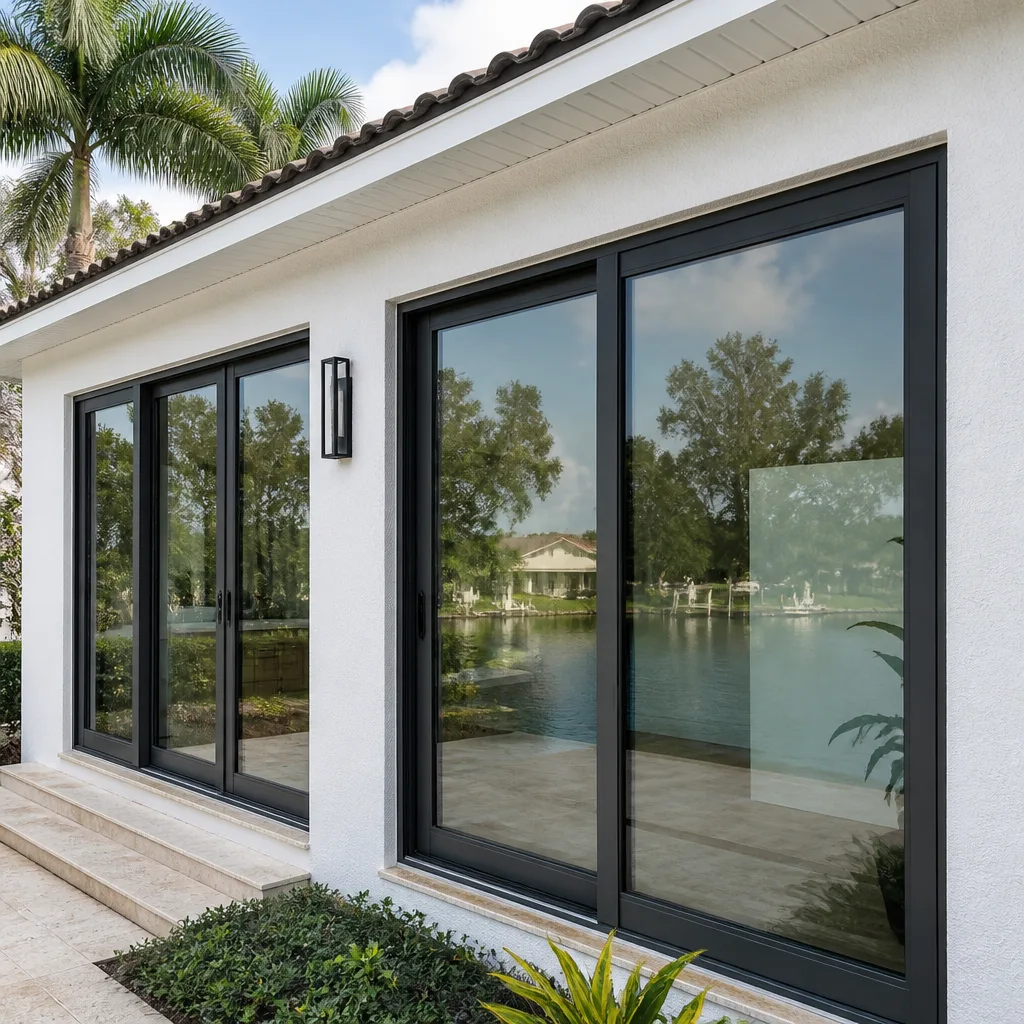
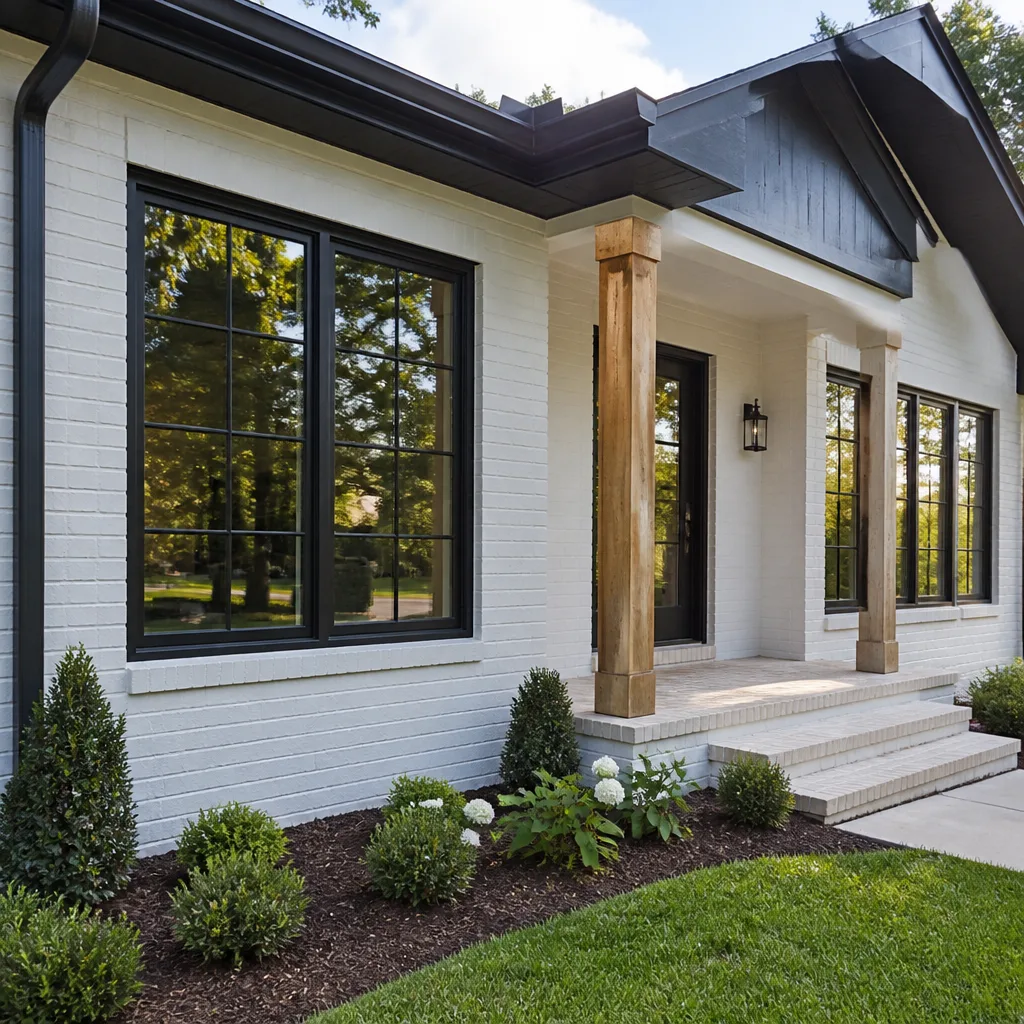
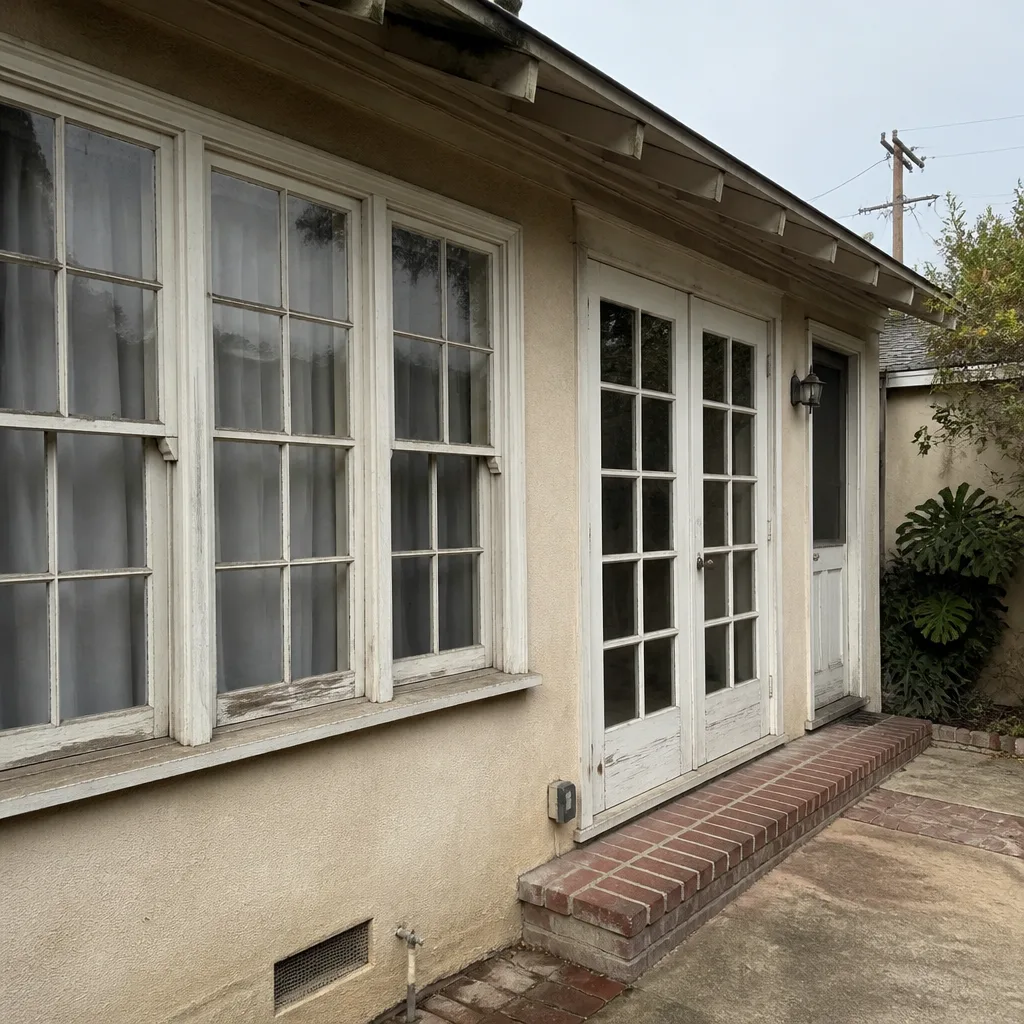 Before
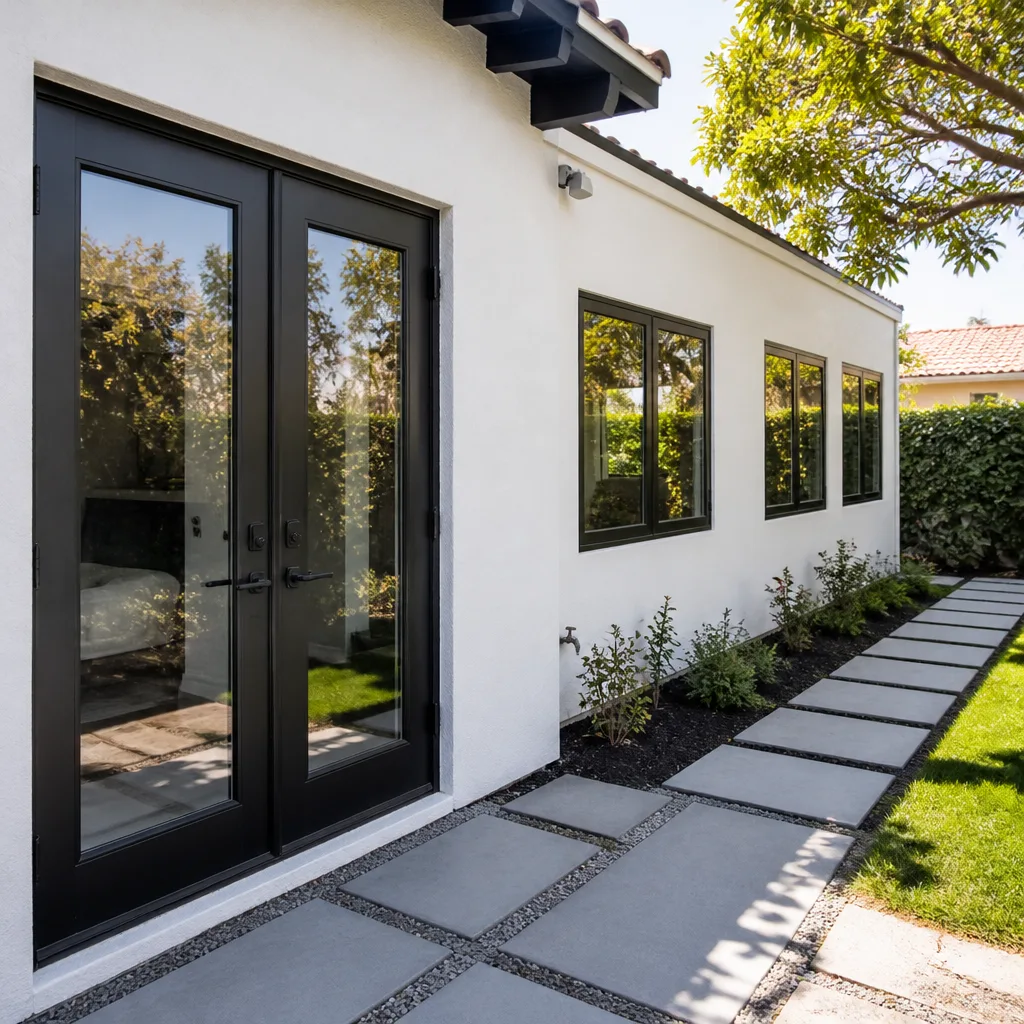 After
After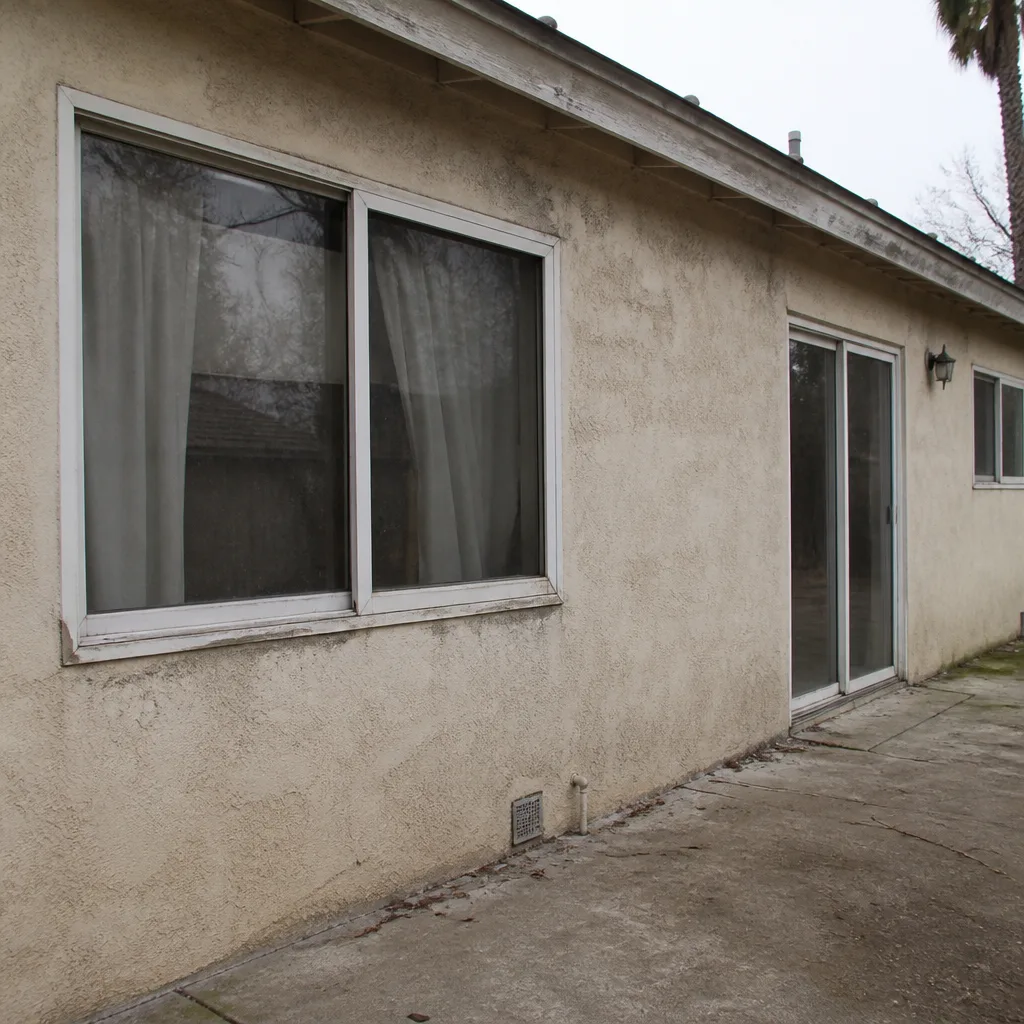 Before
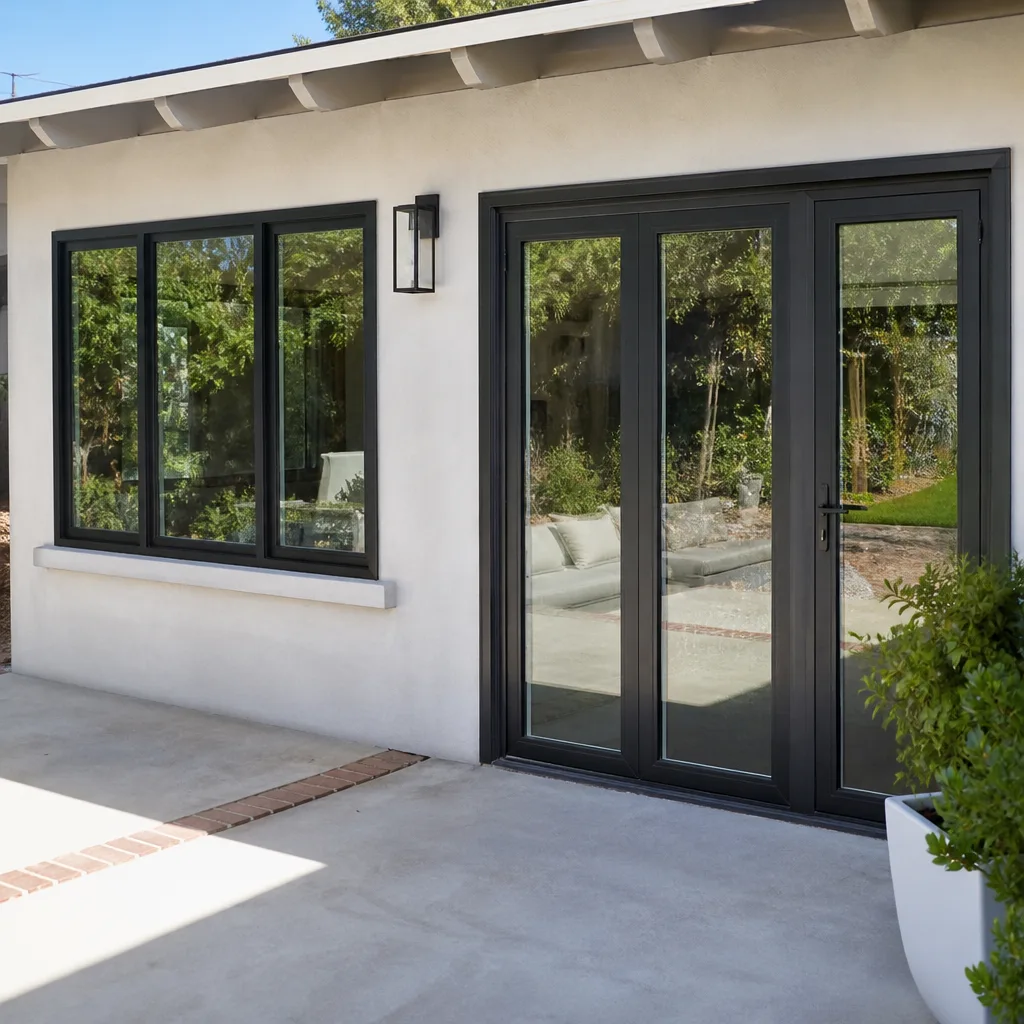 After
After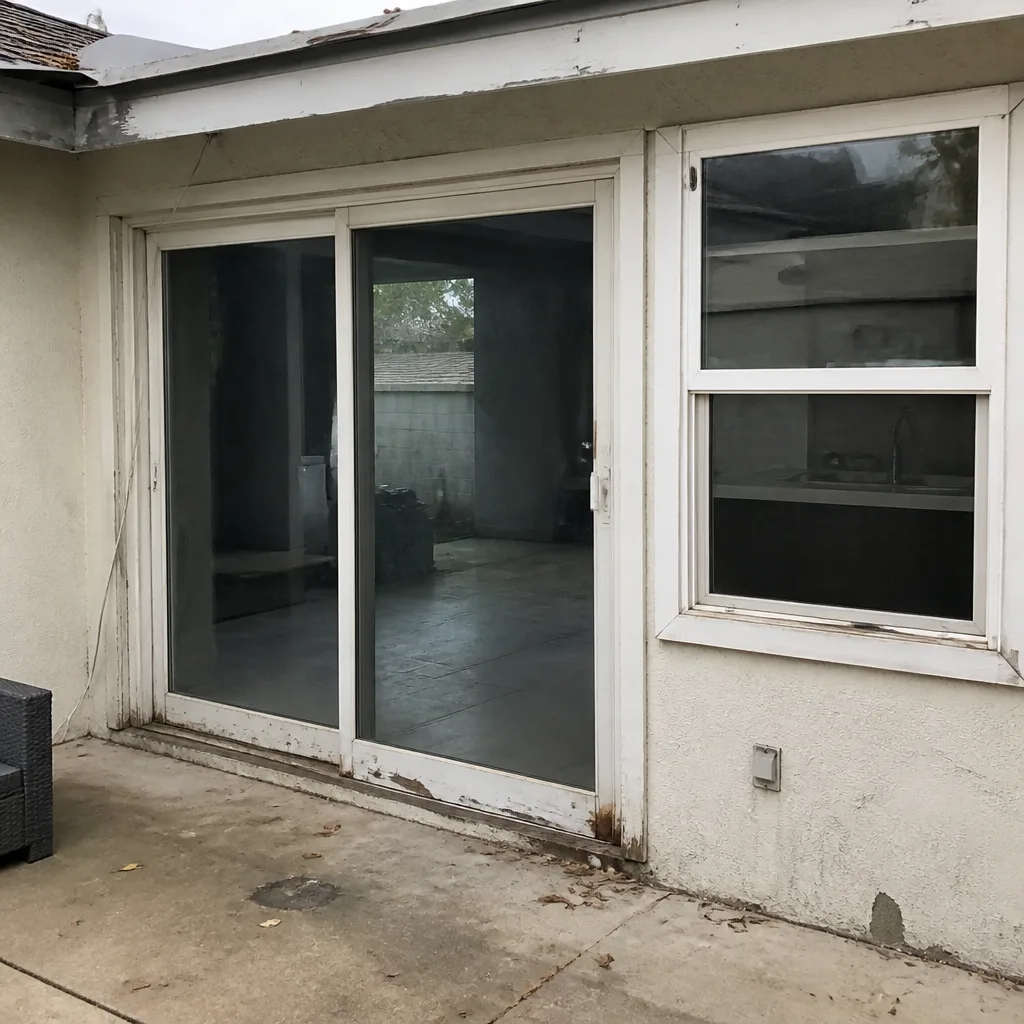 Before
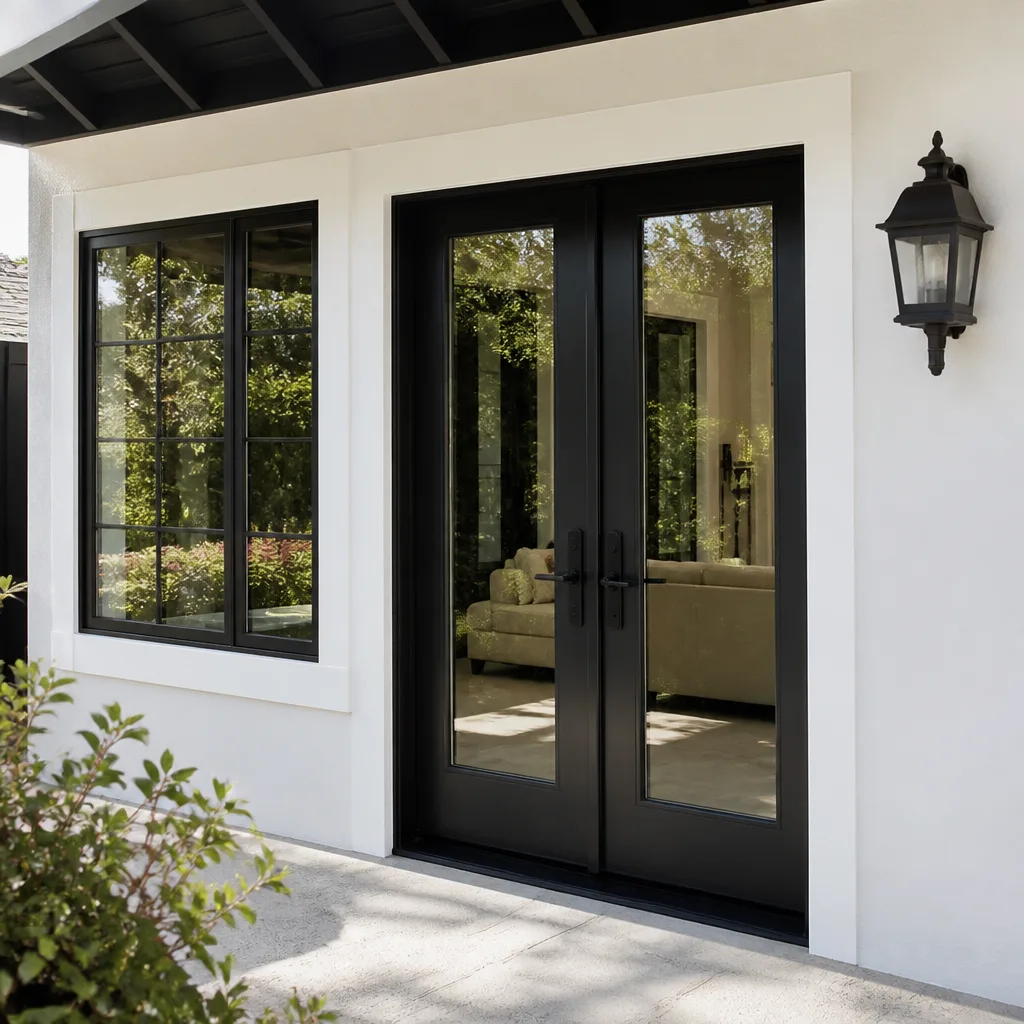 After
AfterWindow Repair Troubleshooting: Common Problems and How to Fix Them
Here is a number most homeowners never hear: a failed window seal in a Los Angeles home costs between $180 and $420 to repair on average, but the same symptom left alone for two years turns into a $900 to $1,400 full-sash replacement because moisture has rotted the frame underneath. The difference between those two bills is usually a two-minute inspection that nobody teaches you. This guide works backward from what you’re seeing and hearing at the window to the actual component that failed, so the fix you do or pay for lasts. If you’re in Los Angeles, you’re also fighting salt air near the coast, hard sun inland, and the occasional earthquake shift, all of which change how windows fail and what it costs to make them right. For a complete seasonal approach, see our Window Replacement Maintenance Checklist for Los Angeles Homeowners.
Quick Answer
Window repair troubleshooting starts with identifying the root cause, not the symptom: a draft usually points to a worn seal or a warped frame, a sticking window to a swollen sash or a settlement problem, and condensation between panes to a failed insulated glass unit. Test the hardware first, check the frame second, and call a professional when the frame itself has moved or the glass seal has broken. Most hardware and weatherstripping fixes run $25 to $180 in parts, while our Window Repair services for glass or frame work typically run $180 to $700 in Los Angeles.
Table of Contents
- A Drafty Window: Where the Air Is Actually Coming From
- A Sticking Window: The Four Different Causes and How to Tell Them Apart
- What That Rattling or Whistling Noise Means
- A Window That Leaks Water: Finding the Real Entry Point
- Condensation Between the Panes: A Sealed Unit Failure
- Worn Balances, Bent Tracks, and Stripped Lock Strikes: The Two-Minute Hardware Inspection
- When a “Simple” Repair Uncovers Something Bigger
- How to Describe a Window Problem So You Get a Realistic Quote
A Drafty Window: Where the Air Is Actually Coming From
Replacing weatherstripping on a window that won’t seal is the classic $25 fix that lasts six months if the frame itself has warped. And it’s the repair most walkthrough videos show you without mentioning the frame check that determines whether the fix will stick. Drafts come from four places, and each has a different repair path.
First, run your hand around the window on a windy day or a cool evening. If air leaks only where the sash meets the frame, the weatherstripping has likely compressed or torn. That’s the cheap fix: compression gaskets and pile weatherstrip cost $15 to $45 per window in parts. But before you buy a roll, check the frame corners with a carpenter’s square. In our Los Angeles service area, we regularly see windows in older homes where the frame has twisted half an inch over decades, especially in neighborhoods with expansive clay soil like parts of the San Fernando Valley. No amount of new weatherstripping will close a half-inch gap that keeps reopening.
The second source is the gap between the window frame and the rough opening in the wall itself. Builders caulk and insulate this space at installation, but in Los Angeles, seismic movement and years of sun exposure can break that seal. This one feels like a wall draft more than a window draft, and it usually requires pulling the interior trim to see.
The third source is the glass-to-frame seal, called a glazing seal. If the glass pane itself is loose in its frame or you can see daylight around the edge of the glass, the glazing has failed. Re-glazing a single pane runs $120 to $220 in Los Angeles.
The fourth is the easiest one to miss: a draft at the top of the window can actually be a failed seal along the top of the frame where it meets the header. Water getting in at that seam, especially during a heavy rain year like we saw in 2024, can soften the frame material and create gaps that summer heat then widens.
The frame check matters because it changes the repair: if the frame is square and sound, replace the weatherstripping and you’re done. If the frame has moved, no weatherstripping will help until the frame is repaired, replaced, or re-squared. We’ve gone to homes in repair calls across Los Angeles where homeowners had replaced their weatherstripping three times in two years but never checked the frame.
A Sticking Window: The Four Different Causes and How to Tell Them Apart
A window that won’t open or close smoothly is never just one problem. It’s four possible problems wearing the same symptom like a costume, and each one has a different fix and a different price. Here is how to tell them apart.
- Paint sealing the sash shut. This happens after a fresh paint job, especially in older Los Angeles homes where layers of paint accumulate over decades. Test: run a thin blade or a putty knife carefully along the seam between the sash and the frame. If you feel paint bonds breaking and the window frees up, the cause is paint. Fix: free the sash and sand the painted surfaces lightly. Cost: $0 to $10 in tools. This is not a repair so much as a correction.
- Humidity-swollen wood or vinyl. Wood absorbs moisture and swells. In Los Angeles, the marine layer near coastal neighborhoods like Santa Monica or San Pedro pushes humidity up in the mornings even when the rest of the city feels dry. Test: check whether the window sticks more on humid mornings and frees up in the dry afternoon. Fix: sand down the contact points slightly, then seal the wood with a quality water-resistant finish. Cost: $15 to $40 in materials. Do not sand aggressively; you can create a gap that drafts later.
- Hardware failure. Balances, pivot bars, and rollers wear out. A window that suddenly drops when raised or won’t stay up has a broken balance spring or shoe. A slider that grinds has a failed roller. Test: open the window halfway and let go. If it slides down or slams, the balance system is shot. Fix: replace the balances. Many replacement balance kits from brands like CWS and PGT cost $30 to $80 per window in parts, but installation requires removing the sash, and we recommend a pro for this because the tension in a spring balance can snap if mishandled.
- Frame settlement or racking. This is the serious one. In Los Angeles, homes settle, especially in hillside neighborhoods like Echo Park, Mount Washington, or the Hollywood Hills, and after earthquakes, even small ones. When the frame is no longer square, the sash binds no matter how clean the tracks are. Test: place a level across the top of the window and check the corners with a square. If the frame is visibly out of square by more than a quarter inch, the window itself is not the problem; the surrounding wall has moved. Fix: this requires re-squaring or replacing the window and sometimes addressing the structural issue first. Cost: $400 to $1,200 and up. Do not force the window open; you’ll crack glass or bend hardware.
Here is the takeaway that most more guides & resources skip: a sticking window tells you something about the house, not just the window. Before you reach for sandpaper or silicone spray, identify which of the four causes you’re dealing with, or you’ll solve the wrong problem twice.
What That Rattling or Whistling Noise Means
Window noise is a diagnostic signal. A rattle and a whistle are two different problems with two different fixes.
A rattle means something is loose. On a double-hung window, the most common source is a worn balance shoe or a loose sash spring. On a sliding window, it’s usually a roller that has lost its bearings. Test this by pressing on each corner of the sash while the window is closed. If the rattle stops when you press a particular corner, the loose component is near that corner. A quick fix for a true hardware rattle is tightening the tension adjustments on the spring or replacing the roller, which runs about $20 to $50 per window in parts, but if the rattle is in the glass itself, the glazing has failed and the pane needs re-setting.
A whistle means air is moving through a small gap. The gap is usually in the weatherstripping, and the whistle is the window telling you exactly where. On windy days in Los Angeles, especially during Santa Ana events when gusts hit 40 to 60 mph through the passes, a small gap becomes audible. Use a piece of thread or a lighter flame (carefully, held away from anything flammable) and move it around the window perimeter. The air current will move the thread or flicker the flame at the exact leak point. The fix is replacing that specific run of weatherstripping, not the whole window’s worth. Cost: $15 to $35.
We have walked into homes in the hills above Burbank and Glendale where the homeowner had replaced entire windows to stop a whistle that turned out to be a quarter-inch gap in a $20 strip of pile weatherstripping at the meeting rail. Sometimes the right fix is small.
A Window That Leaks Water: Finding the Real Entry Point
A window leak in Los Angeles is almost never coming from where the water appears. Water travels, and by the time it pools on the sill or stains the drywall below, it may have entered the wall a foot above the window.
There are four common leak paths, and the order matters. First, check the exterior caulking where the window frame meets the stucco or siding. In Los Angeles, sun and seismic movement crack caulking faster than almost any other market we see. Single-story homes in the Valley get direct sun all day, and after a few summers, that caulking shrinks. Re-caulking a single window runs $90 to $160 in Los Angeles, and it fixes the majority of exterior leaks.
Second, check the weep holes at the bottom of the exterior frame. These are small slots designed to drain water that gets past the sash. If they’re clogged with dirt, sand, or paint, water backs up and drains into the wall instead. Clear them with a wire or a toothpick. In coastal Los Angeles neighborhoods, salt and sand build up in those weep holes surprisingly fast. If they’re painted over entirely, the installer or a prior painter created a standing leak risk.
Third, look at the flashing above the window, which is the metal or membrane that directs water over the top of the frame. Installing a window without proper head flashing or with flashing that has pulled away is the single biggest cause of “mysterious” interior leaks in Los Angeles homes we service. Water gets behind it, runs down inside the wall, and shows up as a stain under the window. This is a professional repair. Expect $150 to $350 in Los Angeles depending on access.
Fourth, check the sill angle. A window sill should slope slightly down and away from the house. If the sill is flat or, worse, pitched back toward the interior, any water that lands on it drains inward. This is especially common in older stucco homes in neighborhoods like West Adams and Leimert Park. A wrong-pitch sill means re-setting the sill, which can run $200 to $400.
The cost spread matters: a $120 caulking job fixes the problem that a $2,000 window replacement would not fix if the water is entering around the frame rather than through it. Find the entry point before you replace anything.
Condensation Between the Panes: A Sealed Unit Failure
If you’re seeing fog, haze, or water droplets between the two panes of a double-pane window, you are looking at a failed insulated glass unit, or IGU. The two glass panes are sealed together with a spacer and a fill gas, usually argon. When that seal breaks, outside air gets in, the gas escapes, and condensation forms in the space between the glass. There is no way to clean it from the outside.
This is the Window Repair Warning Signs Every Homeowner Should Know problem in Los Angeles that homeowners most often ignore because it rarely affects the function of the window. And that’s exactly why it’s expensive: a failed IGU gets worse, and moisture trapped between panes slowly etches the glass and corrodes the spacer. The longer it sits, the more likely the entire sash needs replacement rather than just the glass unit.
Replacing a failed IGU in Los Angeles typically costs $120 to $280 per pane, depending on glass size, glass type, and whether the sash can be re-glazed in the field. If the window is older and the frame is damaged as well, a full sash replacement runs $350 to $800. If you have low-E glass, which is a thin coating that blocks heat while letting light through, expect to pay on the higher end of those ranges because the coating costs more to match.
One Los Angeles-specific note: homes near the coast get salt-laden air that accelerates seal failure. We service windows in Playa del Rey, Venice, and Long Beach where IGUs fail in half the time they’d last inland, purely because of the environment. If your home is within a few miles of the water and the windows are more than 12 to 15 years old, check the seals even if you don’t see fog yet. A view through a failing seal only gets more expensive to restore.
Worn Balances, Bent Tracks, and Stripped Lock Strikes: The Two-Minute Hardware Inspection
Hardware fails before glass does, and it fails in ways that are visible if you know what you’re looking at. Here is the two-minute inspection we run on every window repair call in Los Angeles, and you can run it at home.
- Open the window halfway and release it. If it drops, the balance springs are worn or broken. Double-hung windows depend on balance springs or block-and-tackle systems in the side jambs to hold the sash up. When those wear out, they lose tension. A drop test tells you immediately. Never remove a balance spring by hand; the coil tension can release suddenly and cause a serious hand injury. This is a two-person or professional repair.
- Run a finger along each track, top to bottom. A bent track feels like a bump or a kink. A slider with a bent track will grind at the same spot each pass. Sometimes the track can be straightened with gentle pressure, but visible kinks usually mean the track needs replacement, especially in aluminum windows where the metal has bent over time. Replacement track kits run $40 to $100 per window.
- Look at the lock strike plate. The strike plate is the metal plate on the frame that the lock bolt slides into. If the slot is rounded out or the plate is loose, the lock won’t hold tension, which makes the weatherstripping work harder and drains energy. A stripped strike plate is a $10 to $25 part. It’s one of the smallest and most overlooked repairs in a window, and it’s almost always a five-minute fix.
- Check the pivot bars on a double-hung. When you tilt a double-hung sash inward for cleaning, the pivot bars at the bottom corners clip into the balance shoes. If a pivot bar is bent, the sash sits unevenly and sticks or doesn’t seal. Replacement pivot bars cost $10 to $20 a pair.
The hardware inspection is not about finding reasons to replace a window. It’s about catching $30 parts before they cause $300 damage. A window that gets ignored when the hardware fails will develop frame damage because the sash is moving the wrong way under load.
When a “Simple” Repair Uncovers Something Bigger
Some window repairs are simple until you open the wall. We say this not to scare anyone, but because the warning signs are knowable in advance if you look. When you remove interior trim or pull a sash, here is what tells you the scope just changed.
Brownish staining or soft wood at the bottom corners of the rough opening. That’s water damage, and it means the leak you’re fixing has been active for months or years. The repair is no longer a window repair; it’s a frame repair plus the window repair. In Los Angeles, where older wood-framed homes line neighborhoods from Silver Lake to Atwater Village, this is the single most common scope change we find. Replacing a rotted sill section runs $300 to $700 in Los Angeles, in addition to the window work.
Black staining or white crystalline deposits on the frame. That’s mold or mineral residue from repeated wet-dry cycles. Not every black stain is mold, but in a wall cavity, you treat it as if it is. The fix involves removing the damaged material and addressing the moisture source first. This is not a DIY project, and home insurance in Los Angeles often has specific requirements for mold remediation documentation.
Gaps you can see through into the wall cavity greater than a quarter inch. That means the window was never properly installed or the wall has moved significantly. In Los Angeles, settlement from expansive soil is a real factor in neighborhoods across the Valley, and post-earthquake movement is a fact of life. If the rough opening is out of square by more than half an inch, a new window may be the straightest path to a repair that lasts.
Stucco cracks radiating diagonally from the top corners of the window. Those cracks are not the window’s fault. They indicate settlement or structural torsion around the opening. A window replacement over the top of that without addressing the movement will fail again within a few years. This is the moment to bring in a structural opinion before you spend money on windows.
Hale Windows & Doors does not repair foundations or framing; we’re window and door specialists. But we’ll tell you when that’s who you need, because we’ve learned over sixteen years in Los Angeles that the homeowners who get screwed are the ones whose contractor replaced windows over a moving frame and never said a word.
How to Describe a Window Problem So You Get a Realistic Quote
The phone call matters more than homeowners realize. A vague description gets you a vague quote or, worse, an expensive in-person visit before anyone has even told you a range. Here’s how to describe the problem accurately when you call a repair company in Los Angeles, and what a good company will ask.
Start with the symptom, then the history, then the test you’ve already run. A useful description sounds like this: “I have a double-hung in the front bedroom that won’t stay up, and the sash drops when I open it. The window is roughly 32 by 48 inches, the house was built in 1987, and the same window was fine until about two months ago.” That single sentence gives a repair tech the window type, the likely hardware issue, the size, the age, and the change point. It converts a service call into a plausible parts order.
Then include your address and the home’s age, which matters in Los Angeles because different eras used different windows. A 1950s house in Studio City has different windows than a 1990s condo in Century City, and the same symptom means different things in each. If you can see a brand label on the window, name it. We work with eight product lines including PGT, CGI, CWS, and ViewLux, and knowing the brand up front tells us what parts we’re likely to need and whether they’re still made.
A good repair company will then give you a price range before anyone gets in a truck. Written pricing before work starts means you are comparing apples to apples, and no one is inventing the number on your front porch. At Hale Windows & Doors, every job is quoted with a written price before work begins, every single time. If a company won’t give you a range on the phone, that’s a signal about how they do business.
For a full rundown on what window work costs in this market, our guide to Window Replacement in Los Angeles is worth reading before you call, and if you’re deciding between repairing and replacing, it lays out the economics plainly.
Common Mistakes to Avoid
- Replacing weatherstripping without checking the frame first. If the frame has warped or settled, new weatherstripping is a temporary bandage. In Los Angeles, where sun and soil movement both act on frames, the frame check is not optional.
- Forcing a stuck window open. A window that binds has a cause: paint, swelling, hardware failure, or settlement. Forcing it breaks glass, bends tracks, and can snap balance springs, which release stored tension and can injure hands. Work the diagnostic first.
- Ignoring condensation between panes. A failed IGU does not heal. It gets worse and costs more the longer it sits, especially within a few miles of the coast where salt air accelerates seal breakdown.
- Caulking over weep holes. We see this constantly in Los Angeles homes where a painter sealed the bottom of a window frame thinking it looked neater. Weep holes are drainage; sealing them turns a dry window into a wet wall.
- Replacing a window because of a whistle. A whistle is a weatherstripping problem in most cases, and it’s a $35 fix. Confirm the air path before you spend $800 on a new sash.
- Describing the problem as “the window is broken” on the phone. That phrase gives a repair tech nothing to work with and often triggers an unnecessary site visit. Describe the symptom, the window type, the approximate size, and when it started.
- Assuming a window leak at the sill means water is entering at the sill. Water travels. In Los Angeles walls, a sill leak is frequently a failed flashing installation at the top of the window. Find the entry point before you pay for any repair.
When to Call a Professional
Call a professional when the frame itself has moved out of square, when you have condensation between panes that won’t clear, when water damage has softened any part of the frame, when a balance spring has snapped, or when the repair involves standing on a ladder above the second story. Those situations involve either stored mechanical energy, glass under tension, or structural movement, and each of them can cause serious injury or cascading damage when handled without training. Hale Windows & Doors offers free estimates in Los Angeles, and we’ll name the technician before they arrive and hand you a written price before any work starts. Call (252) 675-6980 to schedule one. If a repair fails within the terms of our written guarantee, the second visit is free, no argument needed.
Frequently Asked Questions
Window repair in Los Angeles typically costs between $90 and $700 depending on the specific repair: re-caulking a single window runs $90 to $160, replacing hardware like balances or rollers runs $100 to $250 per window, replacing a failed insulated glass pane runs $120 to $280, and repairing a rotted frame section can run $300 to $700. Call (252) 675-6980 for a written quote on your exact window.
Repair is the right choice when the frame is square and sound and the problem is in the hardware, weatherstripping, caulking, or a single glass pane. Replacement makes more sense when the frame has rotted or moved, when multiple seals have failed, or when the window is old enough that parts are no longer available. See our guide to Window Replacement in Los Angeles for the full cost breakdown.
Fog or condensation between the panes means the insulated glass unit’s seal has failed and outside air has entered the space between the glass. The fix is replacing the glass unit or the sash, typically $120 to $280 per pane in Los Angeles, and it’s worth addressing quickly because trapped moisture damages the glass over time.
In most cases, yes. A drafty window is usually fixed with new weatherstripping, re-caulking, or re-glazing, which together cost far less than a replacement. The one exception is when the frame itself has warped or settled, in which case the frame must be addressed or the window replaced or the draft will return.
Most window repairs in Los Angeles, including hardware replacement, weatherstripping, caulking, and glass replacement, do not require a permit. Structural changes, such as enlarging an opening or replacing headers, do require permitting through the Los Angeles Department of Building and Safety, and a reputable contractor will pull those permits rather than skip them.
The Threshold Standard means every Hale Windows & Doors technician is background-checked, identity-verified, uniformed, photo-badged, and pre-announced by name and photo before the visit. You know exactly who is at your door before you open it, which matters for homeowners in Los Angeles who are home alone or have young children and don’t open the door to strangers.
The Bottom Line
Window troubleshooting works when you fix the failure point instead of the symptom. Drafts point to seals or frames; sticking points to paint, swelling, hardware, or settlement; noise points to loose hardware or small air gaps; leaks point to caulking, weep holes, flashing, or sill pitch; fogginess points to a dead IGU. Run the two-minute tests described here before you call anyone. You’ll know more than most homeowners do when the tech picks up the phone, and you’ll get a realistic price instead of a surprise. If you need a window repair or a straight answer about whether to repair or replace a window in Los Angeles, call Hale Windows & Doors at (252) 675-6980.
Written by Spencer Odell, Owner at Hale Windows & Doors, serving Los Angeles since 2009.