

Last updated October 9, 2026
Free in-home measure and quote - PGT, CGI and CWS impact lines compared on your actual openings, style by style


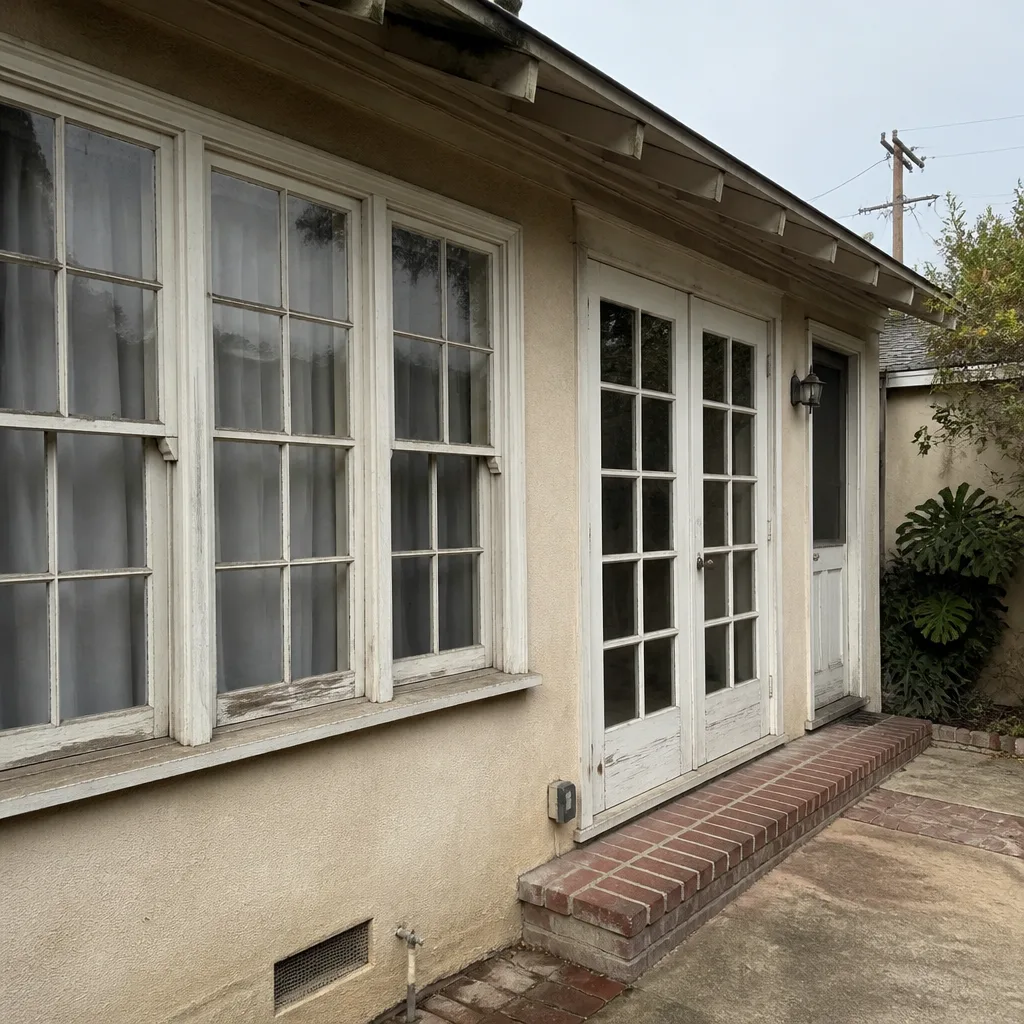 Before
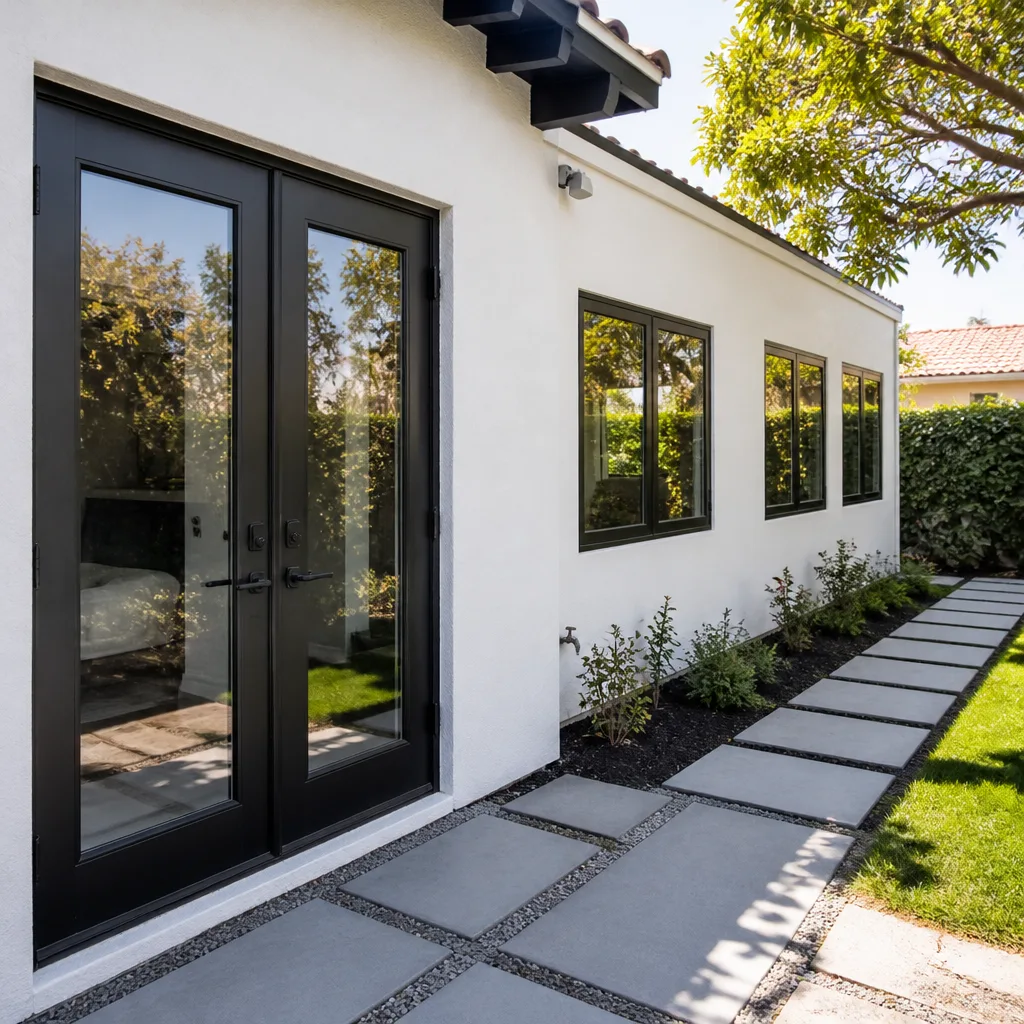 After
After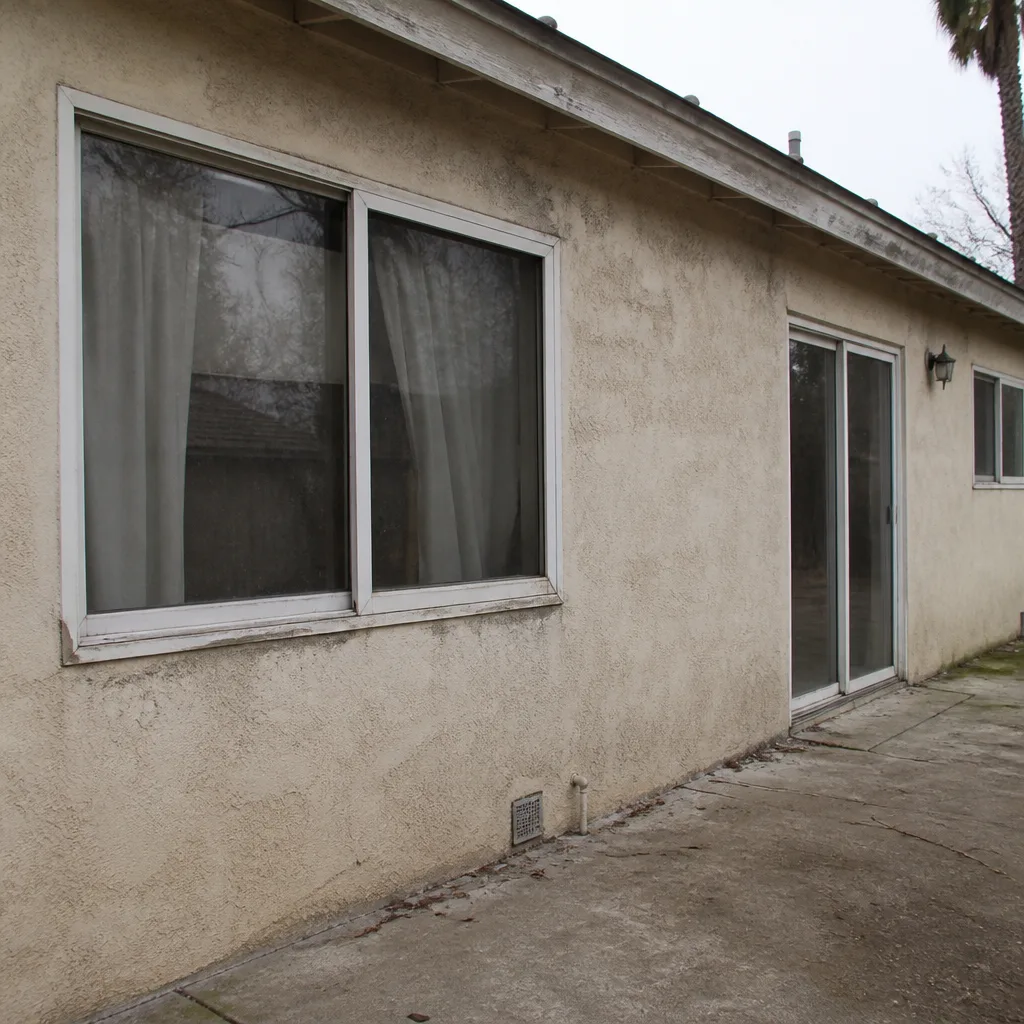 Before
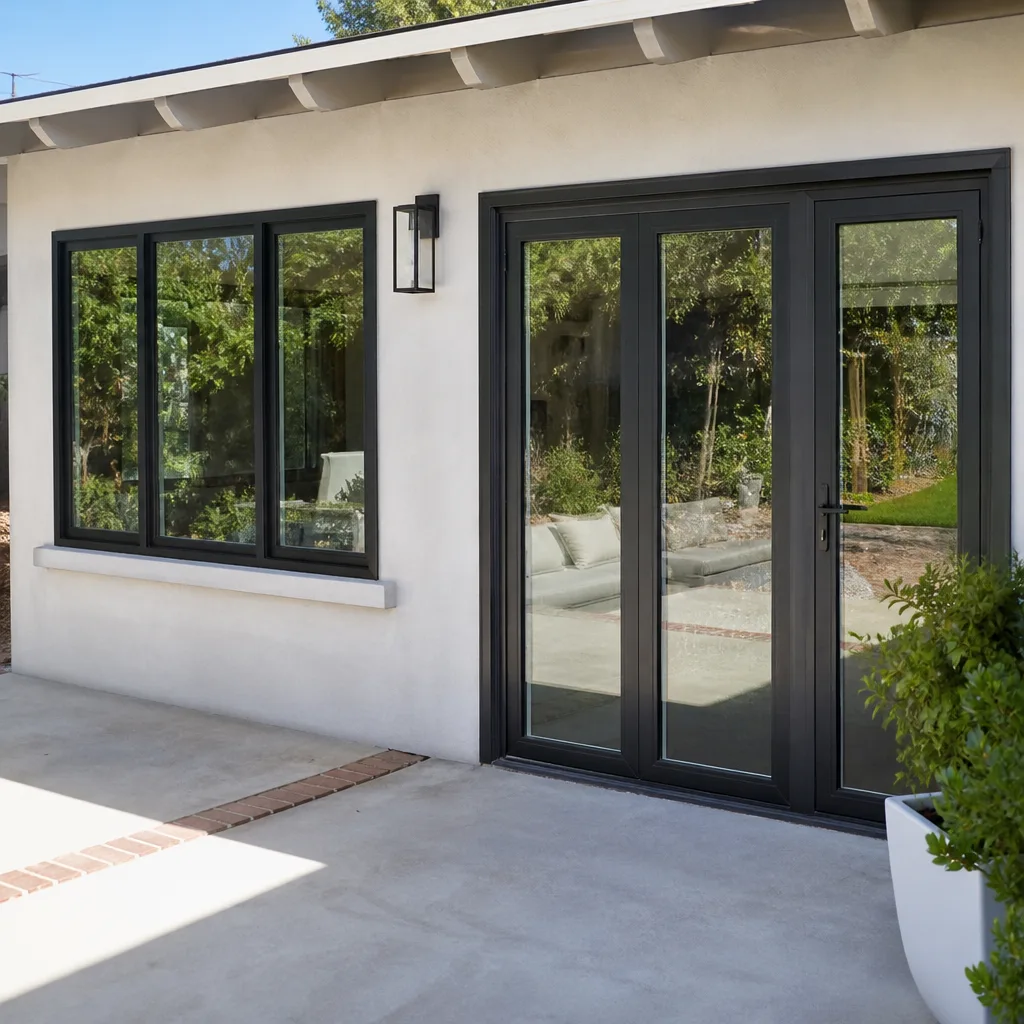 After
After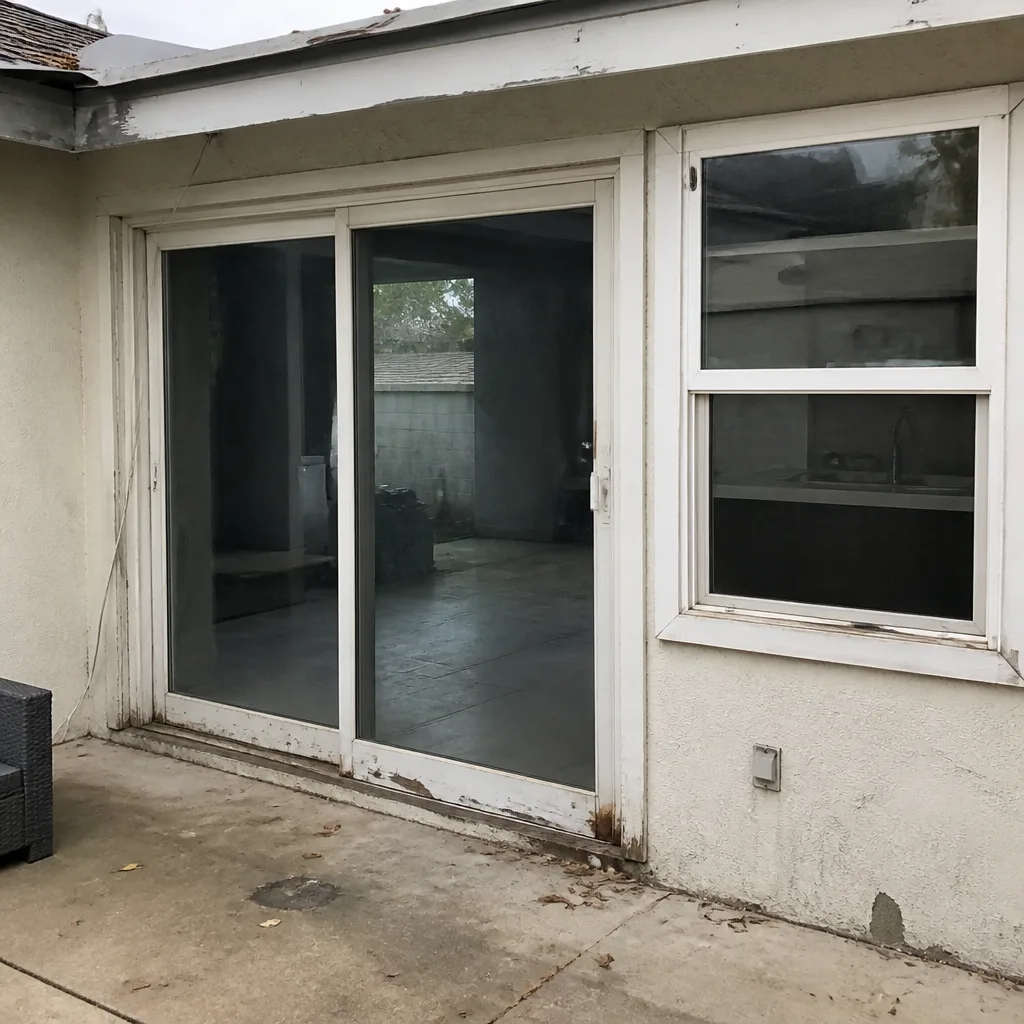 Before
 After
AfterWindow Replacement Maintenance Schedule: What to Do and When
Milgard, Andersen, and Pella all publish warranty exclusions for “lack of maintenance” – but none of them mail you a reminder, so most Los Angeles homeowners only discover that clause exists when a claim gets denied. The truth is that a new window can last 30 to 40 years with basic care, or it can fail in under a decade if you skip the small stuff: weep holes clog, weatherstripping compresses, frames bake under the sun, and glass coatings degrade. This guide gives you the exact seasonal schedule we use when servicing replacement windows across Los Angeles, from the marine layer months to Santa Ana season, with specific products that won’t void your warranty and a simple logging method that keeps your paperwork claim-proof.
Quick Answer
A replacement window needs about 90 minutes of attention per year, split across two sessions: a spring inspection and cleaning after the winter rain, plus a fall weatherstripping and weep-hole check before Santa Ana winds arrive. The schedule covers cleaning glass and frames with ammonia-free products, clearing weep holes, conditioning weatherstripping, lubricating hardware, and logging every task in writing. Skip any of these steps for two or more years and manufacturers can, and do, deny warranty claims for neglect.
Table of Contents
- Why Maintenance Matters More Than You Think
- Your Spring Maintenance Schedule: April Through June
- Your Fall Maintenance Schedule: September Through November
- The Cleaning Products That Won’t Void Your Warranty
- Weep Holes: The Small Detail That Prevents Big Water Damage
- Weatherstripping and the Santa Ana Factor
- How to Log Your Maintenance So a Claim Can’t Be Denied
- Common Mistakes to Avoid
- When to Call a Professional
- Frequently Asked Questions
- The Bottom Line
Why Maintenance Matters More Than You Think
Every major window manufacturer writes maintenance requirements into its warranty language. What they don’t do is make those requirements easy to find or remember. We’ve reviewed warranty booklets from brands we service, including PGT and CGI, and the pattern is consistent: the lifetime glass coverage, the 10-year frame coverage, the transferable provisions – all of it depends on the homeowner performing “reasonable and necessary maintenance” and being able to show it was done.
In Los Angeles, the stakes are higher than most homeowners realize. Our climate is not gentle on windows. It is a specific kind of stress: months of dry heat that bake seals and embrittle weatherstripping, followed by winter rains that drive water into any gap, followed by Santa Ana winds that push air and dust through openings at pressure differentials that can exceed the design tolerance of compressed gaskets. A window that is never maintained in Los Angeles can develop a seal failure, a warped sash, or a corroded track faster than the same window would fail in a milder climate.
Think of the maintenance schedule below as your insurance policy against the “we never told you” defense. It takes less than 90 minutes a year. It costs under $40 in supplies. And it preserves the full value of what may be a $15,000 to $30,000 investment across a whole-home replacement.
Our team at Hale Windows & Doors home fields warranty-adjacent questions every week from Los Angeles homeowners who never knew their window brand required documented upkeep. This schedule is what we tell them to do.
Your Spring Maintenance Schedule: April Through June
In Los Angeles, spring is the right time for the year’s first full maintenance pass. The winter rain has stopped, temperatures are mild enough to work with windows open, and you’ll catch any moisture-related issues before summer heat accelerates them. Here is the complete spring checklist, numbered so you can work through it in order.
- Inspect every window from the outside. Walk the perimeter of your home and look at each frame. Check for cracks in the caulking or sealant where the frame meets the stucco or siding. Look for gaps, peeling, or areas where water might have gotten behind the frame during winter rain. In neighborhoods like Silver Lake or Echo Park, where homes are older, we often find sealant failures around retrofit frames that installers of the previous generation didn’t properly flash.
- Clean the glass with an ammonia-free cleaner. Use a product like Sprayway World’s Best Glass Cleaner (ammonia-free, safe for tinted and coated glass) or a simple solution of one part white vinegar to ten parts water. Spray the cloth, not the glass, to prevent liquid running into the frame and reaching the seal. Dry with a microfiber cloth or lint-free towel.
- Clean the frames and tracks. Vacuum the track first using a brush attachment, then wipe down with a damp cloth and a mild dish soap like Dawn diluted in water. For vinyl frames, never use anything abrasive. For fiberglass frames, same rule. For wood-clad frames, wring the cloth nearly dry before wiping so standing water never sits on the wood.
- Check the weep holes. We cover this in depth below, but every window with a track has small drainage openings on the exterior bottom edge. Make sure they are clear. In Los Angeles, dust from the dry months combines with moisture from winter rain to form a paste that clogs these holes fast.
- Lubricate moving parts. Apply a dry silicone spray (not WD-40, which attracts dust) to hinges, rollers, tracks, and lock mechanisms. Spray into the mechanism, then operate the window several times to distribute the lubricant. Wipe away excess with a clean cloth. For casement windows, hit the crank gear too.
- Inspect weatherstripping. Look at the flexible gaskets and seals around the sash. Feel them with your finger: if they are brittle, flattened, or cracked, they need to be cleaned and conditioned now and possibly replaced before fall. We cover conditioning in the fall section, but spring is when you assess.
- Test every window’s operation. Open and close each window completely. It should move smoothly without binding, sticking, or excessive play. A window that is harder to open in spring than it was in fall is telling you something: dirt in the track, a warped sash, or a balance mechanism that is failing.
This spring pass typically takes 45 to 60 minutes for an average Los Angeles home with 10 to 14 windows. Do it between April and June, after the last real rain and before the first real heat wave.
Your Fall Maintenance Schedule: September Through November
Fall is the second and arguably more important maintenance window in Los Angeles. September through November is when you prepare for two seasonal forces: the Santa Ana winds, which push air and fine dust through every gap, and the winter rain that follows, which exploits every gap the winds find. Here is the fall checklist.
- Deep-clean and condition weatherstripping. This is the single most important fall task. Remove loose dust from gaskets with a dry cloth, then apply a thin coat of a rubber-safe conditioner like 303 Aerospace Protectant or a pure silicone lubricant. This keeps the material supple so it can seal properly when Santa Ana pressure hits. Flattened or cracked weatherstripping should be replaced now, not later.
- Clear weep holes again. Summer dust has had four months to accumulate. A clogged weep hole in October is a water intrusion in December. Use a shop vacuum or a stiff nylon brush. Do not use wire, which can scratch the frame and create a spot where corrosion starts.
- Re-caulk where needed. Inspect the exterior perimeter seal on every window. If you see cracks, gaps, or separation, re-caulk with a high-quality exterior silicone or polyurethane sealant rated for window perimeters. Cut out the failing bead first, clean the surface, then apply a new bead and tool it smooth. In the San Fernando Valley and the foothills, where temperatures swing hard from day to night, this exterior seal is what keeps the Santa Ana pressure from driving air into your walls.
- Check and re-tighten hardware. Screws on hinges, locks, handles, and crank mechanisms can loosen over a season of daily use. Tighten everything with the appropriate screwdriver. A loose screw on a casement crank is often the only difference between a window that seals and one that leaves a 1/16-inch gap along the weatherstrip.
- Do a water test on one or two windows per floor. On a dry day, use a garden hose to spray water along the exterior perimeter of one ground-floor and one second-floor window for about 30 seconds each. Then check the interior for any moisture. This simple test catches seal and flashing failures before the winter rain does it for you.
- Document everything. Log every task, date, and product used. The section below explains exactly how to keep this record so it holds up to warranty scrutiny.
Between the spring and fall passes, nothing else is required. Two sessions per year, about 45 minutes each, with the right products and a notebook or digital log. That’s the entire maintenance burden for a modern replacement window.
The Cleaning Products That Won’t Void Your Warranty
Warranty booklets from the major window brands are surprisingly specific about what you can and cannot put on your windows. The wrong product can etch glass, cloud the surface, attack the frame material, or destroy the weatherstripping – and manufacturers will point to the “improper cleaning” exclusion when that happens. Here is what to use and what to avoid.
Safe for Glass
- Ammonia-free glass cleaner: Sprayway, Hope’s Perfect Glass, or Invisible Glass. All carry no ammonia, which is the key requirement for coated and tinted glass.
- Vinegar and water solution: One part white vinegar to ten parts water in a spray bottle. Safe and effective.
- Plain water with a drop or two of dish soap for heavier grime, followed by a rinse with clean water and a dry microfiber cloth.
Safe for Vinyl Frames
- Warm water with mild dish soap: This is the standard recommendation from every manufacturer. Use a soft cloth or sponge.
- Non-abrasive all-purpose cleaner: Simple Green diluted 1:10 works well for stubborn marks.
Safe for Fiberglass Frames
- The same as vinyl: mild soap and water, or a diluted all-purpose cleaner. Fiberglass is durable but its finish can be dulled by harsh solvents.
Safe for Wood-Clad Frames
- Damp cloth only. Wring it nearly dry. Wood-clad frames from brands like PGT and ViewLux have a protective coating that rejects water, but standing moisture at the joints can eventually cause the wood to swell or the cladding to separate.
Three Products That Void Warranties
These are the three we see cause real damage, and the manufacturers explicitly exclude them:
- Any glass cleaner containing ammonia (including standard Windex): Ammonia degrades low-E coatings (a thin coating that blocks heat while letting light through) and can cause etched, cloudy patches on glass that are permanent and specifically excluded from warranty coverage.
- Bleach sprays or bleach-based cleaning products: Bleach attacks vinyl and rubber seals, causing discoloration, embrittlement, and seal failure. If you clean your window tracks with a bleach spray, you’re actively damaging the components that keep your window weather-tight.
- Abrasive cleaners or scouring pads: Any product labeled “scrubbing” or used with an abrasive pad will scratch glass and frame surfaces. Scratched glass cannot be repaired, only replaced.
When in doubt, use what we use on our service calls across Los Angeles: a spray bottle with warm water and a few drops of Dawn dish soap, and a stack of clean microfiber cloths. It works on everything, harms nothing, and stands up to any warranty audit.
Weep Holes: The Small Detail That Prevents Big Water Damage
Every properly designed replacement window has weep holes, and most Los Angeles homeowners have never noticed them. They are small rectangular or slotted openings on the exterior bottom edge of the window frame, typically in the track where the sash slides. Their job is simple: when water gets into the track – from wind-driven rain, condensation, or a garden hose – the weep holes let it drain to the outside instead of pooling against the frame and finding its way into your wall.
A clogged weep hole is one of the most common causes of window replacement problems that are actually not the window’s fault at all. The sash and frame are doing their job; the drainage system is blocked. In Los Angeles, the usual culprit is dust. Our dry months create airborne particulate that settles in the track, and when winter moisture arrives, that dust becomes a sludge that packs into the weep holes and hardens. By spring, the holes are sealed shut. The next time wind-driven rain hits the window, the track fills like a bathtub and water seeps through the sash seal or over the back edge of the track into the drywall below.
The fix is not a new window; it’s a clear weep hole. Here is how to find and clear them:
- Locate the weep holes. Look at the exterior side of the frame, on the bottom horizontal surface. You may need to look from outside, or open the window and look down into the track. Single-hung and sliding windows have them at the bottom of the outer track. Casement and awning windows have them on the hinge side or built into the sill.
- Clear the visible blockage. Use a stiff nylon brush, a toothpick, or a vacuum with a crevice attachment. Pull out as much of the sludge as you can. Do not use metal wire or a screwdriver tip; scratching the frame creates a corrosion point.
- Test with water. Pour about half a cup of clean water directly into the track. It should drain out the weep holes on the exterior within 10 to 15 seconds. If water pools instead, the interior drainage channel is still blocked and you may need to remove the sash to clear the channel properly.
- Repeat on every window. All of them. It takes about 30 seconds per window and it is the single highest-value maintenance step most homeowners skip.
We have inspected “leaking” windows all over Los Angeles, from Westchester to Pasadena, where the only problem was six years of packed dust in the weep holes. A five-minute fix would have saved the homeowner the cost of a service call and a near-miss with the manufacturer’s “failure to maintain” exclusion. You can read more about the repair side of this in our Window Repair in Los Angeles guide.
Weatherstripping and the Santa Ana Factor
Weatherstripping is the flexible material that creates the seal between the moving sash and the fixed frame. It is most often a rubber or foam gasket compressed when the window closes. When it is new, it is supple and resilient and it seals out air, water, and dust. When it ages, it flattens, cracks, or loses its elasticity – and the window loses its seal.
In Los Angeles, weatherstripping ages faster than the national average because of the Santa Ana wind cycle. Here is the specific mechanism we see every year: dry air and wind desiccate the gasket, stripping out the plasticizers that keep rubber and vinyl flexible. The gasket becomes stiff and compressed, and it stops rebounding fully when the window closes. Then the Santa Ana pressure differentials – which can be significant, especially in the foothill communities like Altadena, La Cañada, and the San Fernando Valley – push air through the microscopic gaps. Homeowners notice it as a whistling sound, a film of fine dust on the sill, or a window that rattles in the wind. The cause is dead weatherstripping.
The fix is twofold. First, condition the weatherstripping every fall with a rubber-safe product like 303 Aerospace Protectant. A thin coat wiped over every gasket with a cloth restores flexibility and adds a season or two of life. Second, replace weatherstripping that has hardened, cracked, flattened, or pulled away from its channel. This is not a major job; replacement gaskets are typically available from the window manufacturer or through a specialist vendor, and installation is usually a press-fit into the existing channel. But it has to be done with the correct profile and material for your specific window; generic hardware-store gaskets rarely match the shape or density and often seal worse than the part they replace.
If you are not sure whether your weatherstripping is still doing its job, a simple test is to close the window on a dollar bill. If you can pull the bill out without resistance, the seal is failing. In Santa Ana season, a failing weatherstrip is the difference between a sealed home and a fine layer of grit on every surface downwind.
For homeowners replacing windows in wind-prone Los Angeles neighborhoods, we often recommend impact-rated product lines like CGI or CWS, which are designed for much harsher wind and pressure conditions, and Window Replacement in Los Angeles is where we walk through the options in detail.
How to Log Your Maintenance So a Claim Can’t Be Denied
A manufacturer cannot deny a warranty claim for lack of maintenance if you can show the maintenance was done. The problem is that most homeowners keep no record at all. They clean their windows once a year, do a reasonable job, and then when a seal fails and they file a claim, the manufacturer asks for “documentation of routine maintenance” – and the homeowner has nothing but memory. Denied.
The good news is that the bar for documentation is low. You do not need receipts from a professional service; you need a written record that shows you performed the recommended tasks on a reasonable schedule. Here is the exact format we recommend to Los Angeles homeowners we work with, and it takes about two minutes per session.
What to Log
For every maintenance session, record:
- Date – the exact day you did the work
- Windows covered – “all 12 windows, entire house” is fine; no need to list each one
- Tasks performed – cleaned glass and frames, cleared weep holes, inspected weatherstripping, lubricated hardware, re-caulked exterior perimeter
- Products used – names of specific cleaners, lubricants, or sealants
- Condition notes – anything you observed: “weep holes partially clogged, cleared with brush,” “weatherstripping on west-facing windows showing cracks, scheduled replacement”
- Photos – two or three photos of the work are enough. Photos of clogged weep holes before and after, or the condition of weatherstripping, are especially useful evidence.
Where to Keep It
A simple notebook works. A spreadsheet works better. A shared photo album on your phone with dates and captions works as well. The key is that it’s dated, continuous, and findable. We suggest a dedicated note in your phone or a folder in Google Drive called “Window Maintenance Log” – something you’ll actually update while you’re standing at the window with a cloth in your hand.
If you file a warranty claim and the manufacturer asks for maintenance records, you’ll send them a copy of the log. This single practice – two minutes twice a year – is what separates a claim that gets paid from a claim that gets a form letter about “excluded damage.”
Common Mistakes to Avoid
- Using ammonia-based glass cleaner on coated glass. Standard Windex on a low-E window produces permanent clouding and voids the glass warranty. Every bottle of cleaner you put on a high-performance window should say “ammonia-free” on the label.
- Cleaning weep holes with wire or metal tools. Scratches in the frame become corrosion points, especially near the coast where salt air is present in neighborhoods like Playa del Rey and San Pedro. Stick to nylon brushes and vacuum attachments.
- Skipping the fall pass and hoping for the best in Santa Ana season. By the time you hear the whistle or see the dust on the sill, the weatherstripping is already gone. The fall pass catches it before the wind does.
- Lubricating tracks with WD-40 or household oil. These products work as short-term lubricants but leave a residue that attracts and holds dust, turning the track into a grinding paste. Use dry silicone spray only.
- Painting over weep holes. This happens constantly in Los Angeles, especially on stucco homes where painters tape off the frame but miss the small openings along the bottom edge. A painted-over weep hole is the same as a clogged one, except harder to clear.
- Caulking the interior of a leaking window. Interior caulk cannot fix an exterior drainage problem and traps moisture inside the frame, where it does the rot and corrosion damage you can’t see until it’s expensive. Fix the exterior cause, not the interior symptom.
- Assuming the warranty covers everything regardless of what you do. Every major brand’s warranty is conditional on maintenance. Read the “exclusions” and “homeowner responsibilities” sections of your warranty booklet the week the windows are installed, not the week they fail.
When to Call a Professional
Most of the tasks on this schedule are within reach of any homeowner with a step stool and an hour. But some situations call for a professional touch. Call a specialist if you see water staining on interior walls or ceilings around a window that persists after you’ve cleared the weep holes – that points to a flashing or installation failure, not a drainage problem. Call if a window will not open or close without force, since forcing it can bend hinges and break the seal. Call if you see fog or condensation between the panes of glass, which means the insulating gas has escaped and the sealed unit has failed; there is no clean-in-place fix for that. For window replacement warning signs every homeowner should know, see our guide. Call if you find rot in a wood-clad frame, which can spread into the rough opening. For any of these, Hale Windows & Doors offers free estimates in Los Angeles – call (252) 675-6980, and a live person answers, day or night.
Frequently Asked Questions
Twice a year is the right cadence for Los Angeles: a spring pass in April or May and a fall pass in September or October. Each pass takes about 45 minutes for an average house. More often than that is unnecessary; less often than that and you risk the condition issues that void warranties. Call (252) 675-6980 if you’d rather have someone else do the inspecting and cleaning on a regular schedule.
Any glass cleaner containing ammonia, any bleach-based spray, and any abrasive cleaner or scrubbing pad can void the warranty on glass, frames, or seals. Stick to ammonia-free glass cleaners like Sprayway, a simple vinegar-and-water solution, or warm water with a few drops of dish soap. They clean well and they are safe for every frame material and glass coating.
In September or October, condition or replace your weatherstripping, clear every weep hole, re-caulk any perimeter gaps, and tighten all window hardware. The Santa Ana winds create pressure differentials that exploit even small seal failures, so the fall maintenance pass is specifically designed to close those gaps before the first wind event. This matters most in foothill and valley neighborhoods like Pasadena, Altadena, and the San Fernando Valley.
It can be. Manufacturer warranty booklets require “reasonable and necessary maintenance,” and if you file a claim for a failure that could be related to neglect – a seal failure, a rotted frame, a corroded component – the manufacturer may ask for documentation. A dated, written log with even basic details is usually enough to satisfy the requirement. Without it, the claim can be denied on the grounds that you cannot prove the maintenance was done.
A professional maintenance visit in Los Angeles typically costs $75 to $150 per trip for the service itself, plus parts if weatherstripping or hardware needs replacement. Repacking weatherstripping across a whole home might run $200 to $500. Compare that with the cost of replacing a failed sealed unit outside warranty, which runs $350 to $1,200 per window. The maintenance math is not close. Call (252) 675-6980 for an exact quote on your home – estimates are free and the price is in writing before any work begins.
Yes, in two specific ways. The dry months from May through October generate dust that clogs weep holes faster than in most of the country, so weep hold clearing is a twice-yearly task here, not an annual one. And the Santa Ana winds compress and desiccate weatherstripping through pressure and particulate loading, so fall conditioning is more important in Los Angeles than in cities with gentler wind seasons. The same schedule works elsewhere; it just matters more here.
Key Takeaways
- Maintain your windows twice a year: once in spring (April or May) and once in fall (September or October).
- Use ammonia-free glass cleaner, mild soap and water, and dry silicone spray – never Windex, bleach, or abrasive scrubbers.
- Clear weep holes every season; clogged weep holes are the top cause of “leaky window” complaints that are not actually window failures.
- Condition or replace weatherstripping before Santa Ana season; the winds test your seals harder than anything else in Los Angeles.
- Keep a written maintenance log with dates, tasks, and products. It is the difference between a paid warranty claim and a denied one.
- When the problem is past the point of upkeep – a failed seal, rot, or water staining – call a professional. Hale Windows & Doors offers free estimates in Los Angeles at (252) 675-6980.
The Bottom Line
A replacement window is a 30-year product that most Los Angeles homeowners accidentally turn into a 10-year product by ignoring a maintenance schedule they never knew existed. The good news is that the schedule is short, the products are cheap, and the payoff is a warranty that still works when you need it. Spring is for inspection and cleaning; fall is for sealing and weatherstripping before the Santa Anas. Clear those weep holes, condition those gaskets, keep a log, and avoid the three cleaning products that manufacturers use to escape paying claims. Or call (252) 675-6980 and have someone who knows windows cold handle it for you. For more guides & resources, visit our blog.
Written by Spencer Odell, Owner at Hale Windows & Doors, serving Los Angeles since 2009.