

Last updated October 9, 2026
Free in-home measure and quote - PGT, CGI and CWS impact lines compared on your actual openings, style by style
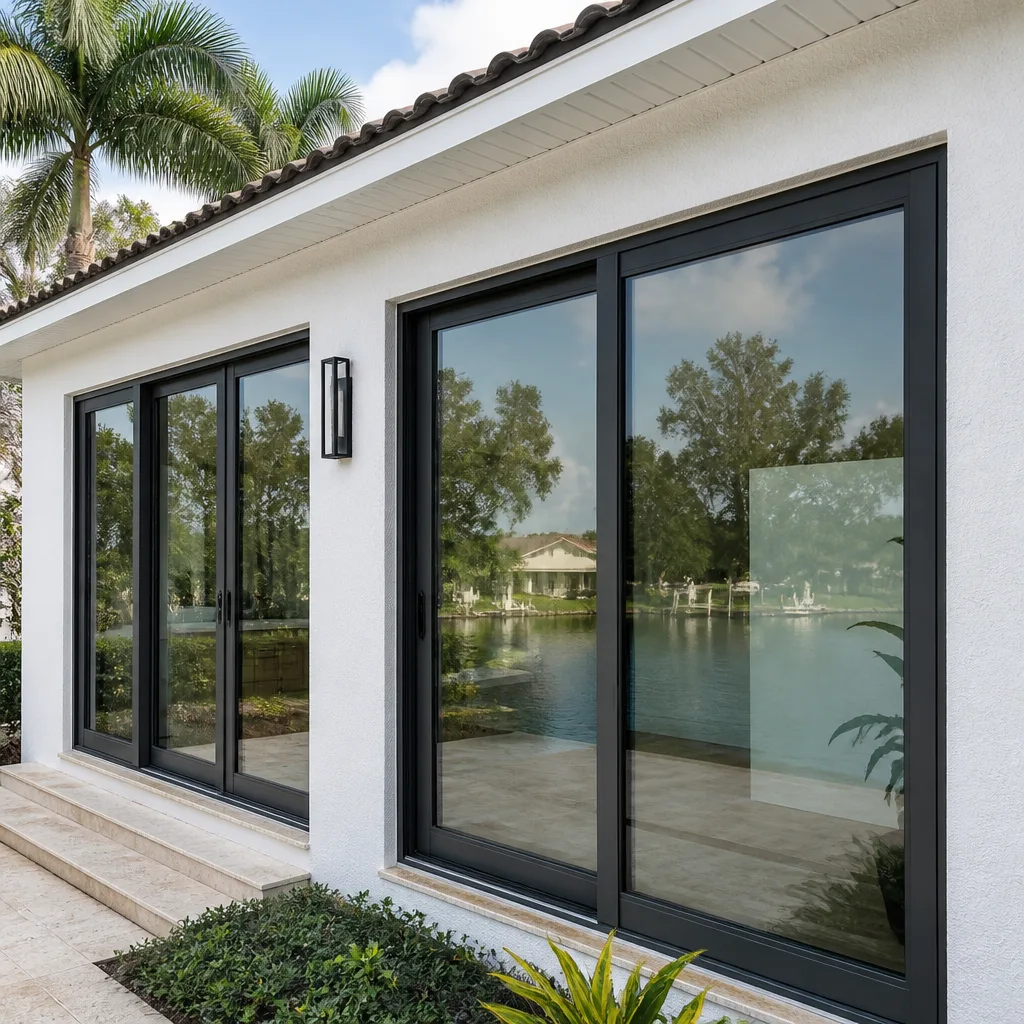
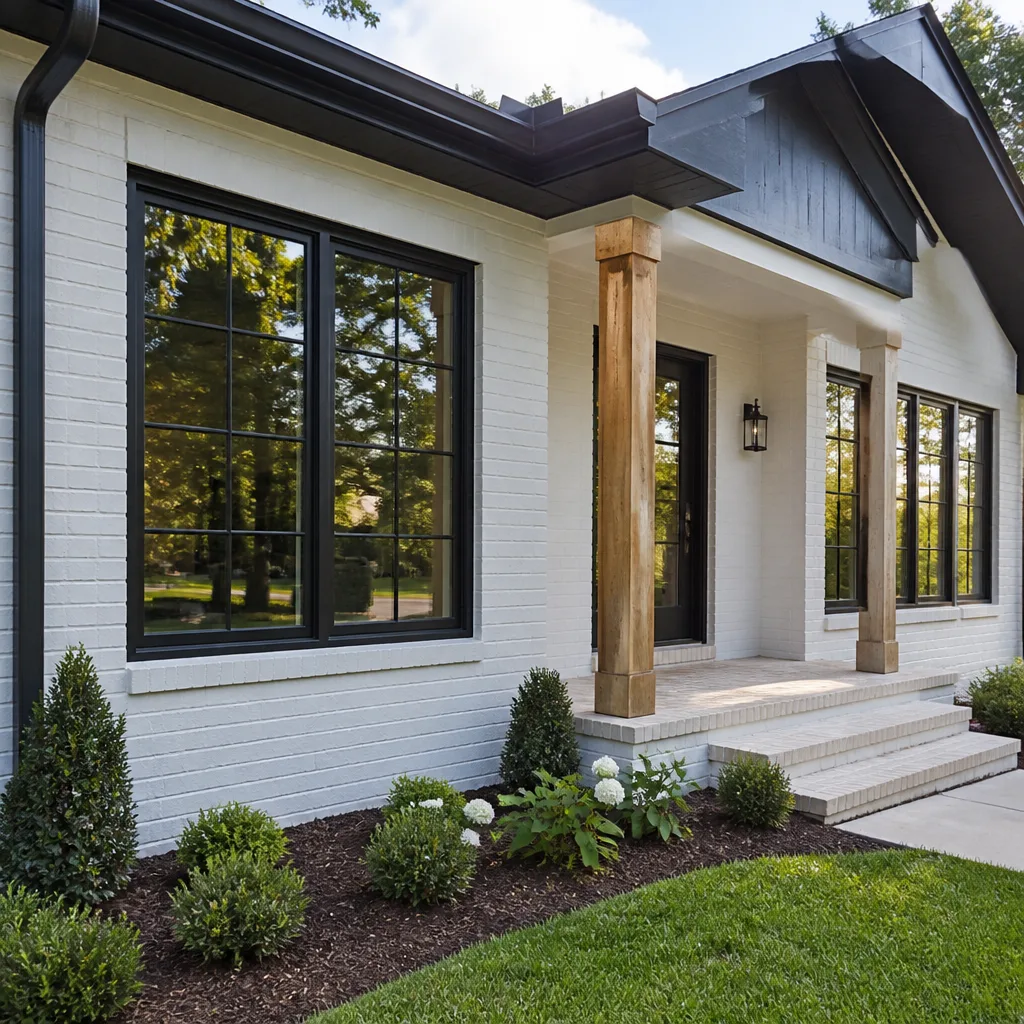
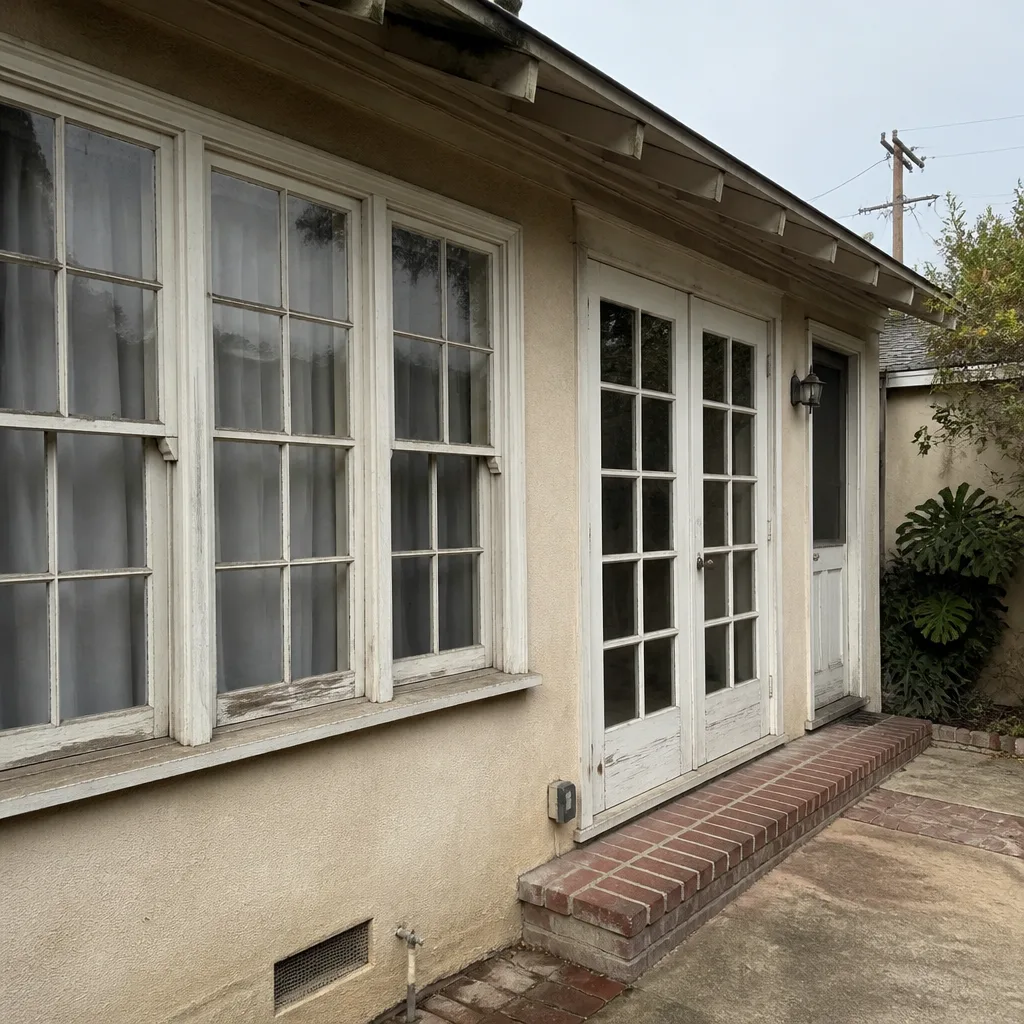 Before
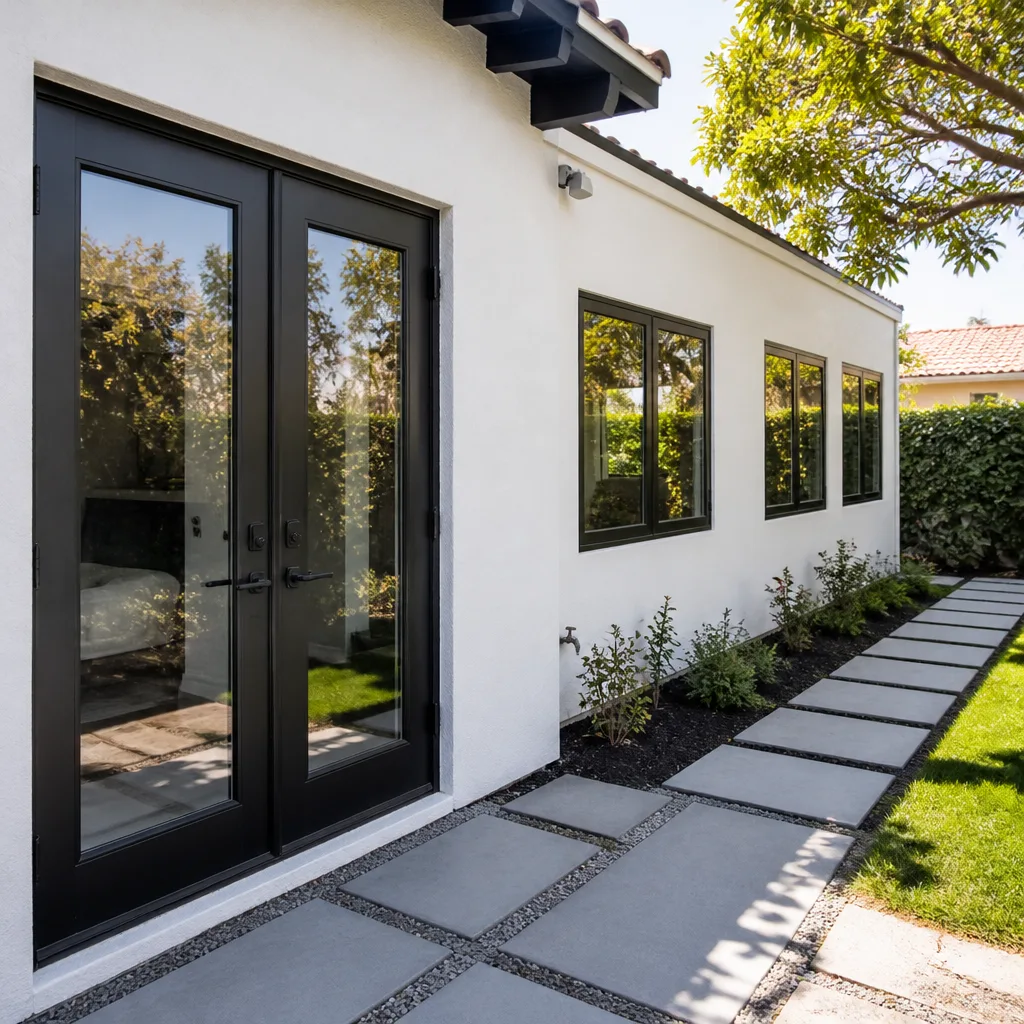 After
After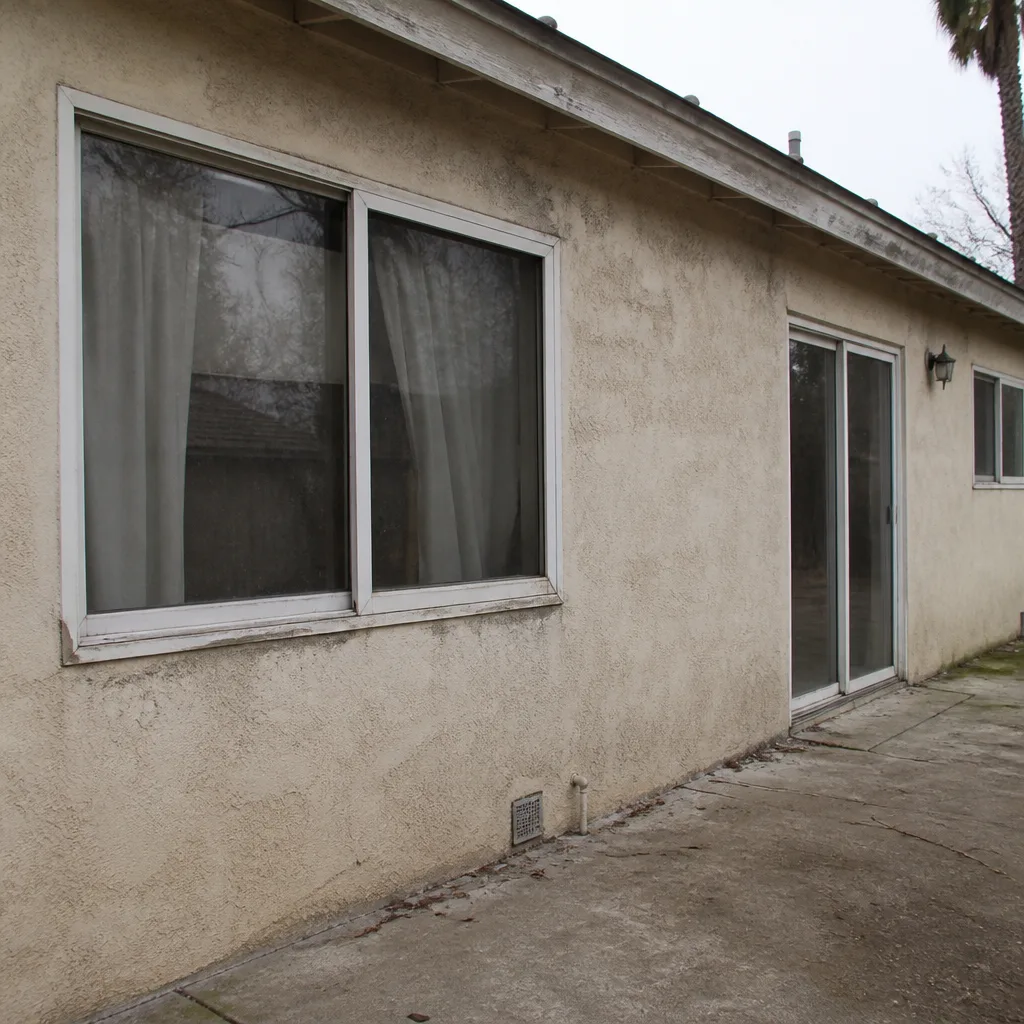 Before
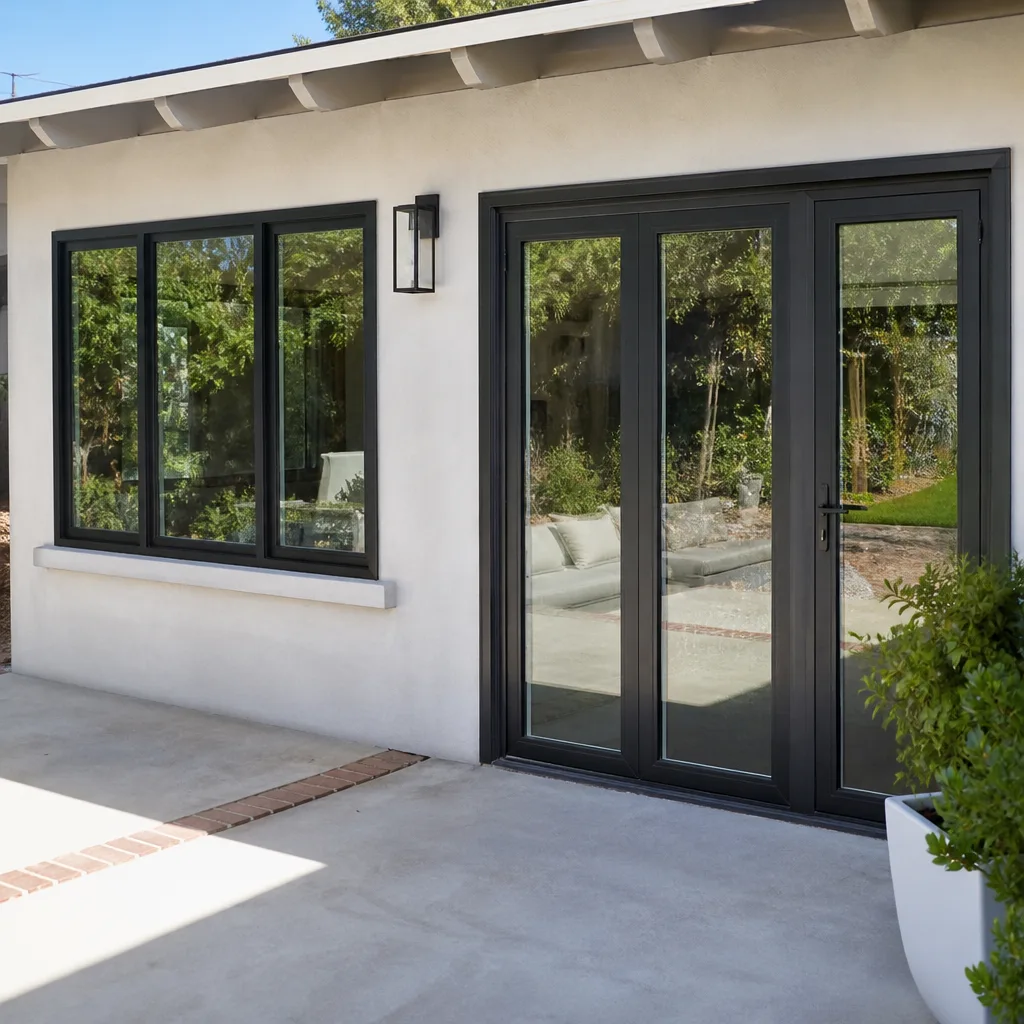 After
After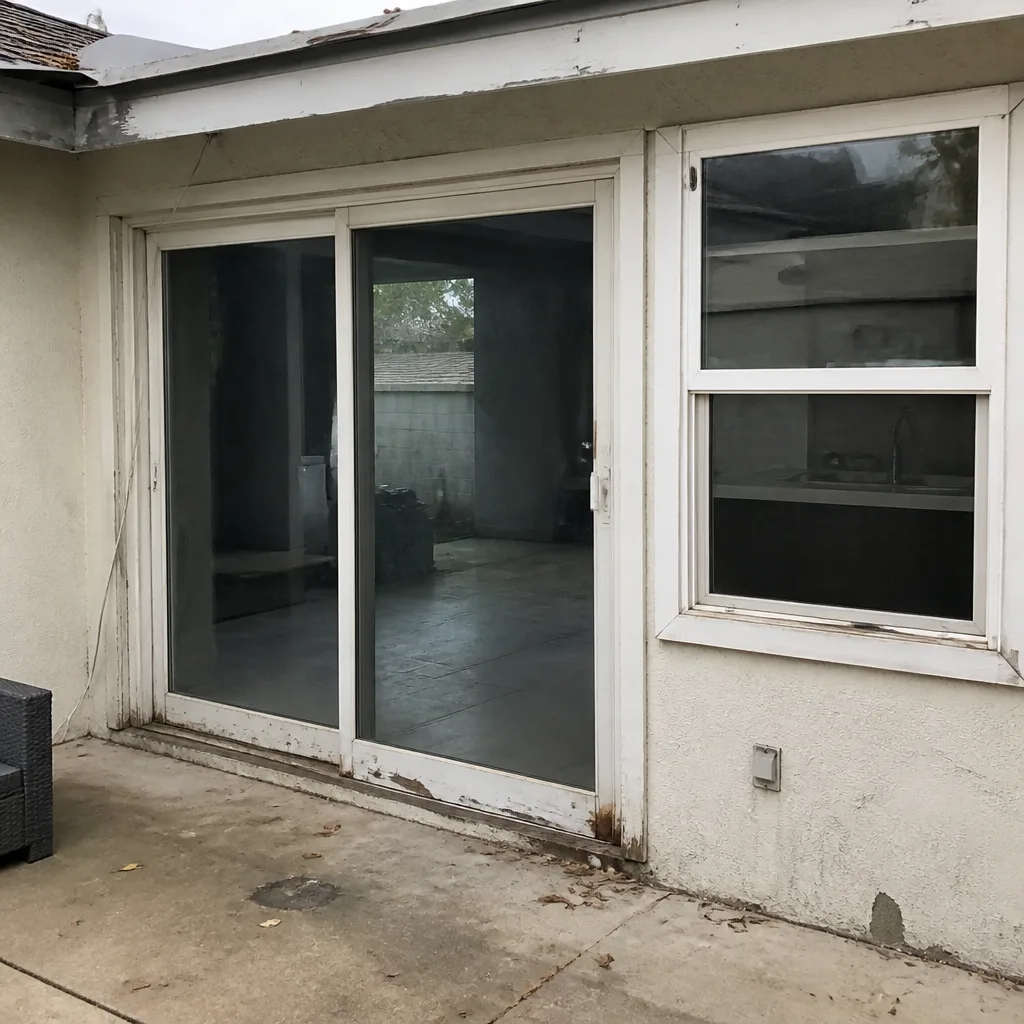 Before
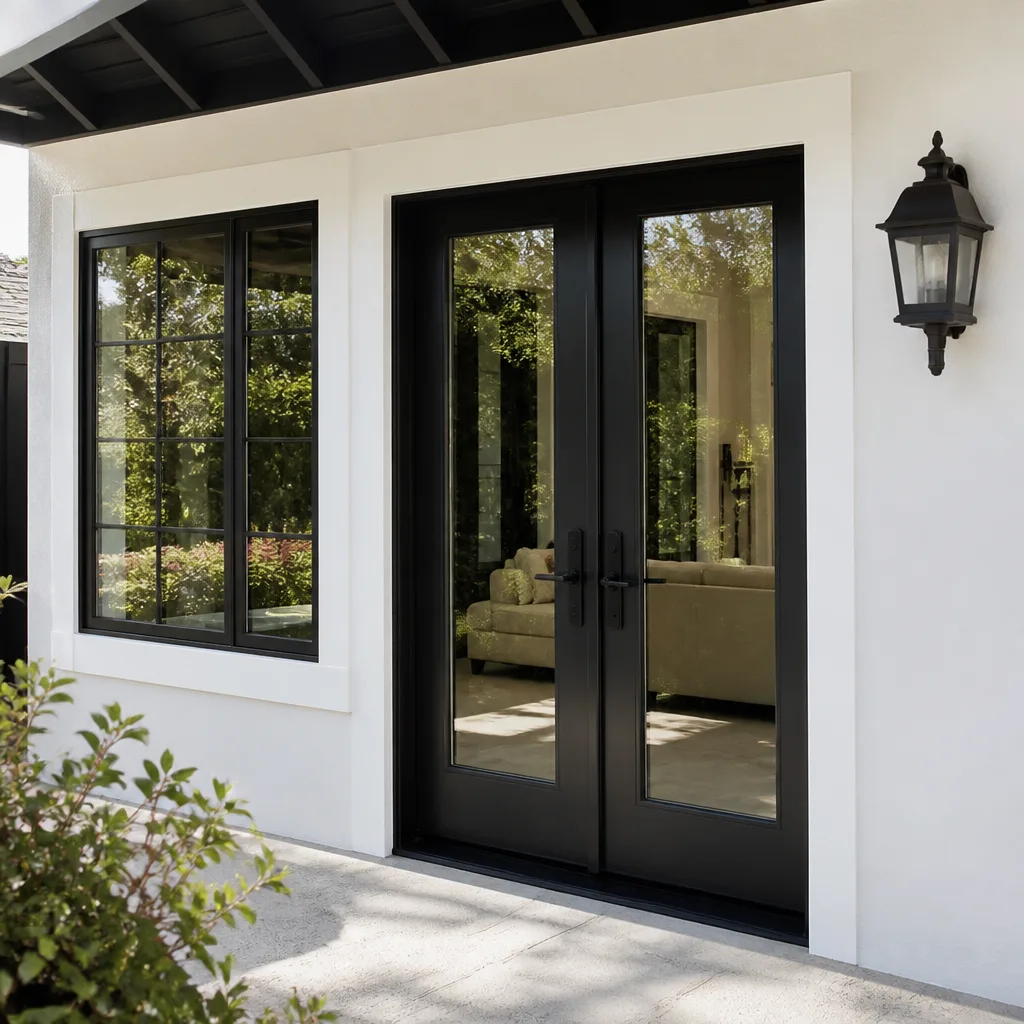 After
AfterWindow Repair Warning Signs Every Homeowner Should Know
Condensation between the panes of a double-pane window looks like a cleaning problem. It’s actually a dead seal, and if the frame has been wet long enough, you may be six months from rot that turns a $180 seal repair into a $900 frame job. Most homeowners in Los Angeles only notice their windows when something becomes annoying: a sticky sash, a draft on a cold evening, a rattle when the Santa Anas kick up. Those annoyances are almost never the real problem. They’re the visible symptom of a mechanical or structural failure happening underneath. This guide maps each symptom you can see, hear, and feel to the actual cause behind it, so you can act while our Window Repair services can still handle it as a repair, not a replacement.
Quick Answer
The most common window repair warning signs are fogging or condensation between glass panes, sashes that stick or won’t stay up, drafts you can feel around the frame, visible daylight through closed windows, rattling in wind, and bubbling or peeling paint around the frame. Each of these points to a specific failure: a dead seal, a broken balance, a warped frame, failed weatherstripping, or water intrusion. Catching the underlying cause early typically costs $120 to $400; ignoring it for a year or two is how that number becomes $800 to $1,500 for a full replacement.
Table of Contents
- Fogging and Condensation: The Dead Seal You Can’t See
- Sashes That Stick, Drop, or Won’t Stay Open
- Drafts You Can Feel: Weatherstripping vs. Frame Failure
- Rattling, Whistling, and Wind Noise
- Bubbling Paint, Soft Wood, and the Rot Hiding Behind It
- Visible Daylight Around a Closed Window
- Two Warning Signs Specific to Los Angeles Homes
- The Touch Test and Tilt Test: Diagnose Before You Call
- Safety Issues That Need Same-Week Attention
- What a Written Diagnostic Report Should Include
- Common Mistakes to Avoid
- When to Call a Professional
- Frequently Asked Questions
Fogging and Condensation: The Dead Seal You Can’t See
Fog or moisture between the two panes of an insulated glass unit (IGU) means the seal around the glass has failed. There is no fixing the seal itself. The glass unit has to be replaced. We say this plainly because a lot of Los Angeles homeowners spend money on “defogging” services that drill holes in the glass and pump in a drying agent. That’s a temporary fix on a sealed unit that has already failed, and it voids the manufacturer’s warranty on the glass. The honest repair is replacing the IGU, which runs $180 to $400 per window depending on size and glass type.
Condensation on the interior surface of the glass is different. That’s a humidity issue inside the house, not a window failure. If you see water beading on the room side of the glass in a bathroom or kitchen, your window is doing its job; the room just has excess moisture. Condensation between the panes is the warning sign that matters. It means argon or krypton gas has leaked out, the insulating value is gone, and the window is now conducting heat and cold. In Los Angeles, where summer cooling costs matter more than winter heating, a dead IGU on a west-facing window means your AC works harder from June through September. We replace failed IGUs with glass from ECO Window Systems and Mr-Glass, both of which offer solid warranty coverage on their sealed units.
Sashes That Stick, Drop, or Won’t Stay Open
A double-hung window has two sashes, upper and lower, each counterbalanced by springs or a block-and-tackle balance system inside the frame. When a sash starts sticking, or it drops closed when you let go, the balance has failed. This is a repair, not a replacement. Most balance replacements cost $85 to $180 per sash, and the window itself stays put. What we’ve seen in older Los Angeles homes, especially pre-1980 construction in neighborhoods like Silver Lake, Echo Park, and West Adams, is that the problem sometimes runs deeper than the balance. The frame itself has shifted out of square as the house settled, and that puts uneven pressure on the sash tracks.
Here’s how to tell the difference. Open the sash halfway and let go. If it drops, the balance is dead. If it stays in place but grinds or catches when you push it up or down, the frame is likely out of square or the tracks have debris and old lubricant built up. The first is a quick hardware repair. The second sometimes requires a frame adjustment or a sash replacement. Either way, do not force a sticking window. Forcing it bends the sash extrusion and can crack the glass. We regularly see this in craftsman-era homes where the wood frames are original and the homeowners have been yanking on stuck sashes for a decade.
Drafts You Can Feel: Weatherstripping vs. Frame Failure
A draft around a closed window is one of two things: worn weatherstripping or a frame that is no longer sealing. Weatherstripping is a consumable. The foam, felt, or rubber strip that runs around the sash edge breaks down after five to ten years in direct sun. In Los Angeles, where summer UV is relentless, we see weatherstripping fail faster on south and west exposures. Replacing it costs $40 to $120 per window and takes about thirty minutes. If that’s the problem, the draft disappears and you’re done.
If the weatherstripping is new or intact and the draft persists, the frame itself is the problem. Aluminum frames can warp from heat cycling. Vinyl frames can flex. Wood frames, especially in older Los Angeles homes, shrink and swell with humidity changes. A frame that no longer seats evenly against the sill will let air through no matter what you do to the weatherstripping. This is the point where a repair estimate matters. A technician needs to identify whether the frame can be adjusted, whether the sash needs replacement, or whether the entire window has reached the end of its structural life. Our window repair assessments in Los Angeles always distinguish between these, because they cost very different amounts. The written price you get before work starts should tell you exactly which condition applies.
Rattling, Whistling, and Wind Noise
Los Angeles gets real wind. Santa Ana events push 40 to 60 mph gusts through the passes and into the valleys, and homes in Woodland Hills, Porter Ranch, Altadena, and the foothills take the brunt. When a window rattles in wind, the sash is no longer seated tight against the frame. Usually the cause is old, compressed weatherstripping. Sometimes it’s a loose or broken lock that no longer pulls the sash tight. Occasionally it’s the frame gaskets around the glass unit that have loosened.
A rattle is a warning sign because every gust that shakes the sash is slowly enlarging the gap. What starts as a noise becomes a draft, and the draft becomes moisture intrusion when rain arrives. The repair is usually straightforward: replace the weatherstripping, adjust or replace the lock, and reseat the sash. Plan on $75 to $200. Whistling is a related symptom and almost always means a small gap somewhere along the sash or frame joint. Walk the perimeter of the window with your hand on a windy day and feel for moving air. The location of the leak tells you what’s failing. Hale Windows & Doors home assessments start with this exterior-to-interior inspection so we’re fixing the root cause, not guessing at the symptom.
Bubbling Paint, Soft Wood, and the Rot Hiding Behind It
Bubbling or peeling paint around a window frame, inside or out, means water has been sitting somewhere it shouldn’t. Paint does not bubble on its own. The water is coming from a failed exterior seal, failed caulking around the frame, a cracked window sill, or condensation running down the interior wall. On wood-framed windows, the warning sign is softness. Press a screwdriver gently into the frame where the paint is bubbling. If the wood gives, rot is already underway.
Rot is the condition that turns a $200 repair into a $900 frame replacement. In coastal Los Angeles areas like Pacific Palisades, Playa del Rey, and San Pedro, wood frames are also dealing with salt-air moisture that accelerates rot once the protective seal breaks. The sequence is predictable: a small exterior caulk crack lets in water, the water sits in the sill track, the wood absorbs it, and the paint starts to bubble months later. By the time you see the bubble, the damage underneath has usually been progressing for a while. This is the single best argument for addressing window problems early. The visible symptom always lags the actual failure. We inspect the frame, remove the rotted section where possible, and replace the whole frame when rot has compromised the window’s structure. A legitimate repair estimate will tell you which it is before work begins, with a written price.
Visible Daylight Around a Closed Window
Close your window on a bright day and look at the gap between the sash and the frame. If you can see daylight, the window is not sealing. It’s that simple. Daylight means the same gap is open for air, moisture, dust, and insects. In Los Angeles, where we’re managing heat, smog, and fine dust from the dry months, an unsealed window is also letting in airborne particles that settle into your home.
Daylight at the meeting rail, where the upper and lower sashes meet, usually points to one of three things: failed weatherstripping, a bent or misaligned sash lock, or a sash that has warped. Daylight along the sides or bottom of the frame points to a frame that has shifted out of square or a window that was installed slightly off-level. The fix ranges from $60 for a simple weatherstripping replacement to $400 or more for sash replacement or frame adjustment. Measure the gap before you call. A gap wider than the thickness of two stacked quarters is significant enough to be worth addressing. Gaps that let in actual drafts in winter and heat in summer are costing you real money in energy bills. For Los Angeles homeowners eyeing a broader efficiency upgrade, window replacement in Los Angeles may be the better long-term number to run, but a repair assessment should come first.
Two Warning Signs Specific to Los Angeles Homes
Most window-warning-sign guides are written generically, which makes them borderline useless for Los Angeles houses. Two failure patterns are common here and rare elsewhere, and if you know them, you can catch trouble before it spreads.
Thermal cycling cracks in stucco surrounds. Los Angeles homes, especially those built before the 1990s, are overwhelmingly stucco-framed. Stucco is a rigid shell. Window frames expand and contract with temperature swings, and in neighborhoods like the San Fernando Valley, where summer days hit 100+ and nights drop 30 degrees, that expansion is extreme. The stress concentrates at the corners of window openings. What you see is a diagonal crack running from the corner of the window frame through the stucco, usually starting small and creeping outward. The crack itself is a repair issue, but it also signals that water is finding its way behind the stucco and toward the window frame. Caulk the crack and have the window assessed. Ignoring it is how stucco repairs become frame repairs.
Salt-air corrosion on aluminum frames near the coast. Homes in Venice, Marina del Rey, Manhattan Beach, and Long Beach sit in a marine layer that deposits salt on window frames continuously. Aluminum handles it well for about fifteen to twenty years, then the finish starts to pit and white corrosion blooms appear, especially along the bottom rail where moisture collects. Once corrosion reaches the frame’s structural channels, the frame begins to warp and the sash won’t travel smoothly. If you live within two miles of the coast and your aluminum windows are showing heavy pitting, have the frames evaluated before the corrosion compromises the window entirely. We install and service coastal-rated lines including CGI and CWS for exactly these conditions, and a repair assessment will tell you whether the frame has life left or has crossed the line into replacement territory.
The Touch Test and Tilt Test: Diagnose Before You Call
You don’t need any tools to do a meaningful first assessment on your own windows. Two simple tests will tell you most of what you need to know and will make you a sharper consumer when the technician arrives. Here is the sequence we recommend to every Los Angeles homeowner before they call anyone.
The Touch Test
- Wait for a temperature difference. Do this on a cool morning or a warm afternoon, when the interior and exterior temperatures are at least 10 degrees apart. That gap is what makes drafts detectable.
- Press your palm against the glass. Walk to each window and hold your hand flat against the center of the glass. On a cold day, a single-pane window will feel noticeably cold. A double-pane window with a live seal will feel closer to room temperature. A dead IGU will feel cold and will often show condensation inside.
- Run your hand around the frame. With the window closed and locked, move your open palm slowly around all four edges, about an inch from the frame. You’re feeling for cold air moving. Note where you feel it. That’s your leak.
- Check the bottom rail on the exterior. Go outside and look at the horizontal frame piece at the bottom of the window. Feel it with your fingers. Softness, flaking paint, or visible corrosion is a problem already in motion.
The Tilt Test
- Open the lower sash about six inches. Let go. A healthy double-hung sash stays exactly where you put it. If it drops, creeps downward, or slams shut, the balance system is failing.
- Raise the sash to full open. It should travel smoothly through the entire range. Grinding, catching, or needing extra force at the top or bottom means the tracks are gummed up or the frame is out of square.
- Try the tilt-in feature. Most double-hung windows made after 1980 have tilt latches near the top of the sash. Tilt the sash inward and inspect the tracks. Built-up gray sludge is old lubricant and dust. Bent tracks are a frame problem.
Do these tests and write down what you find. The notes save you from describing symptoms vaguely on the phone and give the technician a real head start. When we arrive at a Los Angeles home for a repair estimate, the homeowners who’ve done these tests get a faster, more accurate diagnosis.
Safety Issues That Need Same-Week Attention
Most window problems are annoyances until you decide to address them. A few are genuinely dangerous, and these are the ones to treat with urgency. If you have any of the following, same-week attention is the right call.
- Broken balance springs. A weighted sash that drops unexpectedly can slam shut on a hand, a head, or a child. This is not a DIY project. Window balance springs are under high tension and can cause serious injury when mishandled. A trained technician has the tools and the know-how to replace them safely.
- Cracked tempered glass. Tempered glass is designed to crumble into small granules rather than sharp shards. Once it has a significant crack, it is structurally compromised and can fail suddenly, especially in heat. If a large window or door panel has a spreading crack, block off the area and call for replacement.
- Failed egress windows. Bedroom windows are required by code to open fully and stay open, providing a fire escape route. If a bedroom window won’t open, or it drops shut when released, that’s a code violation and a genuine safety issue. The family in that room has no reliable exit in a fire.
- Window that has dropped so far it won’t close or lock. A window that cannot be secured is a security risk, plain and simple. In Los Angeles, an unlocked ground-floor window is an invitation. Get it repaired promptly.
For any of these, the repair cost is modest compared to the risk of waiting. A broken balance runs $85 to $180. A tempered glass panel replacement runs $250 to $600 depending on size. A window that needs rehanging or hardware replacement to meet egress code typically runs $150 to $350. These numbers all assume a straightforward repair; a written estimate confirms it before anyone starts.
What a Written Diagnostic Report Should Include
When you have multiple windows failing or you’re getting conflicting assessments, ask for a written diagnostic report. This is the single most useful document a window company can give you, and it’s also the clearest tell of whether you’re dealing with a professional operation or a sales pitch. A legitimate report from a Los Angeles window specialist should contain the following, at minimum:
- Window-by-window findings. Each window should be listed by location (for example, “master bedroom, north wall, left window”) with the specific symptom observed and the root cause identified. If a report lists only generalities, it’s not a diagnosis.
- Repair vs. replace recommendation per window. A window with a dead balance can be repaired. A window with a rotted frame often cannot. The report should say which is which, and why, for each window that needs work.
- Line-item pricing for every repair or replacement. You want the cost of each window, each part, and each scope of work broken out. A single bundled number with no detail is a red flag, especially in a large Los Angeles house where ten windows may need varying levels of work.
- Glass and hardware specifications. If glass is being replaced, the report should name the glass type, the coating (low-E glass, a thin coating that blocks heat while letting light through), and the brand. If hardware is being replaced, it should name the balance type and manufacturer.
- Warranty terms in writing. What is covered, for how long, and what happens if the work fails. The terms should be explicit, not verbal. Hale Windows & Doors puts a written guarantee on every repair, and if a repair fails, a second visit is free. That’s the standard to expect.
- Timeline and access notes. Which windows will be worked on, in what order, and whether you’ll need to move furniture or provide interior access. You should not be reading this for the first time on installation day.
If a company hesitates to provide a written report, or asks you to sign a contract on the spot before you’ve seen detailed findings, walk away. In the Los Angeles market, where window companies range from specialist operations to big-box installers, the written report is the clearest differentiator. It’s also the document that lets you compare assessments across contractors apples to apples. We include a written diagnostic with every Los Angeles service visit, before any work is quoted, because it’s the only honest way to sell window repair.
Common Mistakes to Avoid
- Waiting until the window is visibly broken. By the time glass cracks or a sash falls out, the underlying failure has usually been advancing for a year or more. Early-stage repairs cost a fraction of end-stage replacements.
- Defogging a dead IGU. Pumping desiccant into a sealed unit that has already failed does not restore the seal. It masks the symptom and voids the glass warranty. Replace the IGU instead.
- Forcing a sticking sash. Yanking on a stuck window bends the frame channels and can crack the glass. The repair goes from an $85 balance replacement to a $400-plus sash and glass job.
- Ignoring stucco cracks around window corners in Los Angeles. These hairline cracks look cosmetic but they’re the early signal that thermal cycling is stressing the frame and letting water migrate behind the stucco. Caulk them early and have the window checked.
- Hiring a general contractor to assess window failure. Most general contractors in Los Angeles subcontract window work or quote a full replacement for a repairable window. A window-and-door specialist diagnoses the specific failure and prices the repair.
- Accepting a verbal quote. No written price means no accountability. Every window repair should be documented with a written price before work starts, every single time.
When to Call a Professional
You can diagnose a lot from this guide and our more guides & resources, and the touch test and tilt test will sharpen your read. But there comes a point where the right move is a professional assessment. Call when you find condensation between panes, a window that drops or slams, drafts you can’t resolve with new weatherstripping, daylight through a closed window, soft or bubbled wood around the frame, corner stucco cracks, or heavy corrosion on aluminum frames. If you have a safety issue, a broken balance, cracked tempered glass, a failed egress window, or an unsecurable window, call that week. We’ve built our Los Angeles window repair practice around written diagnostics and written pricing, because the only way to earn trust is to put everything on paper before the work starts. Hale Windows & Doors offers free estimates in Los Angeles. Call (252) 675-6980 to schedule yours.
Frequently Asked Questions
Most window repairs in Los Angeles fall between $120 and $400 per window. A balance replacement runs $85 to $180, weatherstripping $40 to $120, and a new insulated glass unit $180 to $400. Frame repairs start around $200 and range up to $900 if rot has advanced. For an exact quote on your windows, call (252) 675-6980 for a free estimate.
Foggy double-pane windows need the glass unit replaced. The seal has failed and cannot be repaired. Defogging services offer a temporary cosmetic fix that voids the warranty. Plan on $180 to $400 per window for a proper IGU replacement. Call (252) 675-6980 and we’ll give you a written price before any work starts.
A drafty window is a repair if the cause is worn weatherstripping or a loose lock, which costs $40 to $200 to fix. It’s a replacement if the frame has warped or rotted beyond adjustment. A touch test will usually tell you which you have. If you’re not sure, schedule a free assessment with Hale Windows & Doors at (252) 675-6980.
Most individual window repairs take thirty minutes to two hours. A balance replacement is under an hour. An IGU replacement is one to two hours. A frame repair may take half a day. Larger multi-window jobs are usually completed in a day. We’ll give you a clear timeline in the written estimate before the work begins.
Most window repairs do not require a permit. Full window replacements, especially ones that change the opening size, can require permits depending on Los Angeles building code. We handle permitting on replacement projects and will tell you in the written estimate whether your job needs one.
We install and service windows and doors from eight professional-grade lines, including PGT, CGI, CWS, ES Windows, ECO Window Systems, Mr-Glass, Therma-Tru, and ViewLux. For repair work, we match the replacement glass or hardware to your existing window rather than forcing a specific brand. Call (252) 675-6980 to talk through what’s right for your Los Angeles home.
The Bottom Line
Window warning signs are almost never what they appear to be. Fogged glass is a dead seal. A sticking sash is a broken balance or an out-of-square frame. A draft is failed weatherstripping or a structural gap. Bubbled paint is rot already advancing underneath. The sequence repeats: a small mechanical failure goes unnoticed for months, then becomes visible, and by then the repair window has narrowed or closed entirely. The discipline is simple. Do the touch test and tilt test on your windows once a season. Note anything that changes. Call when you find a symptom you can’t explain. Get the diagnosis in writing, with a written price, before anyone touches the glass. In Los Angeles, where sun, salt air, and thermal cycling push windows hard, early attention is the difference between a $180 repair and a $900 replacement. If your front entry is showing the same age, front door replacement in Los Angeles follows the same rule: diagnose early, act before the frame turns.
Written by Spencer Odell, Owner at Hale Windows & Doors, serving Los Angeles since 2009.