

Last updated October 9, 2026
Free in-home measure and quote - PGT, CGI and CWS impact lines compared on your actual openings, style by style
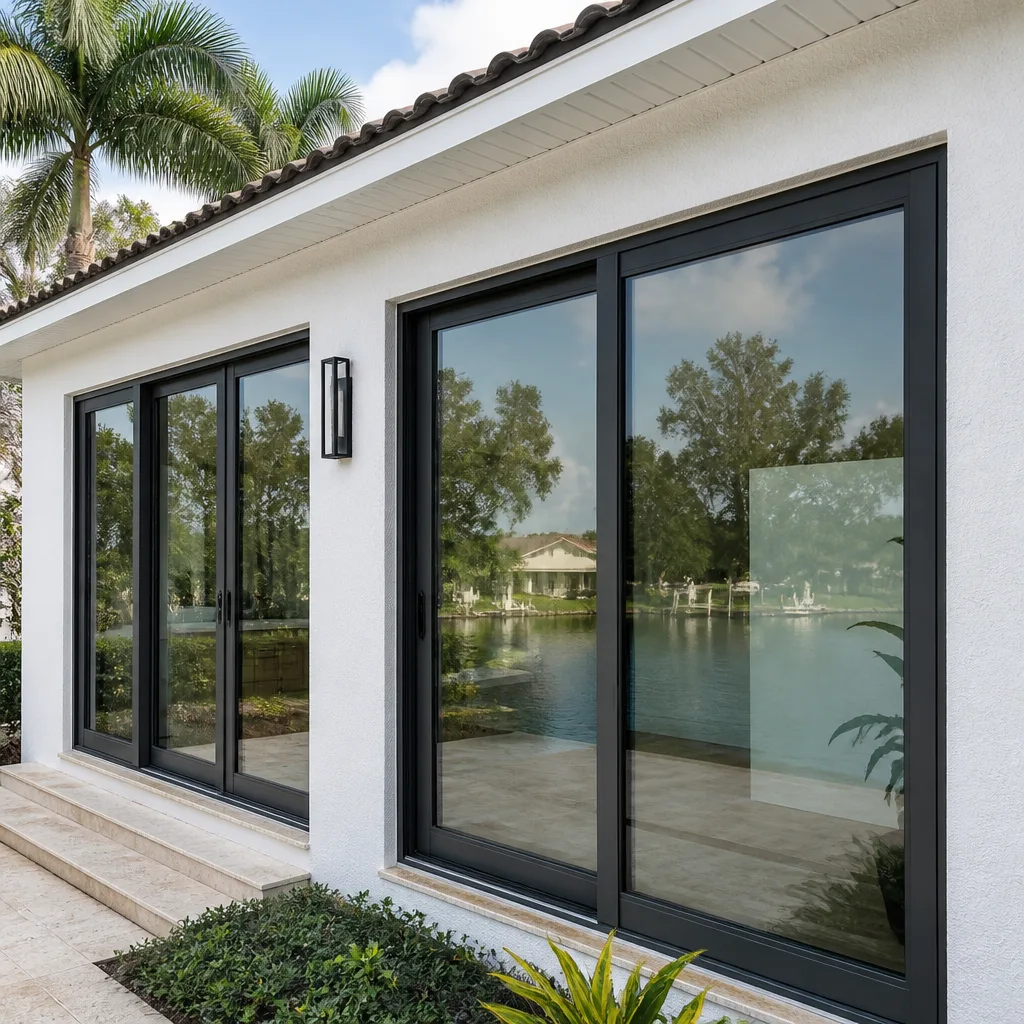
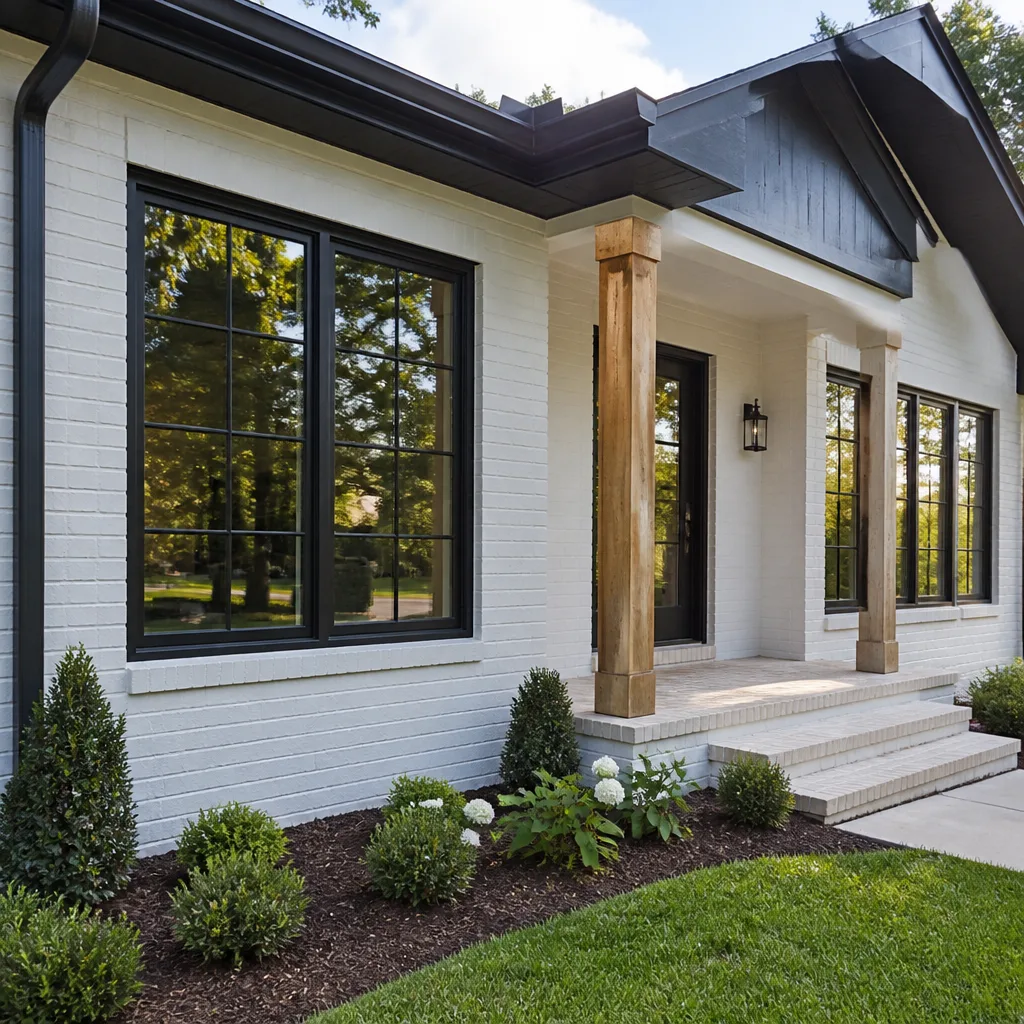
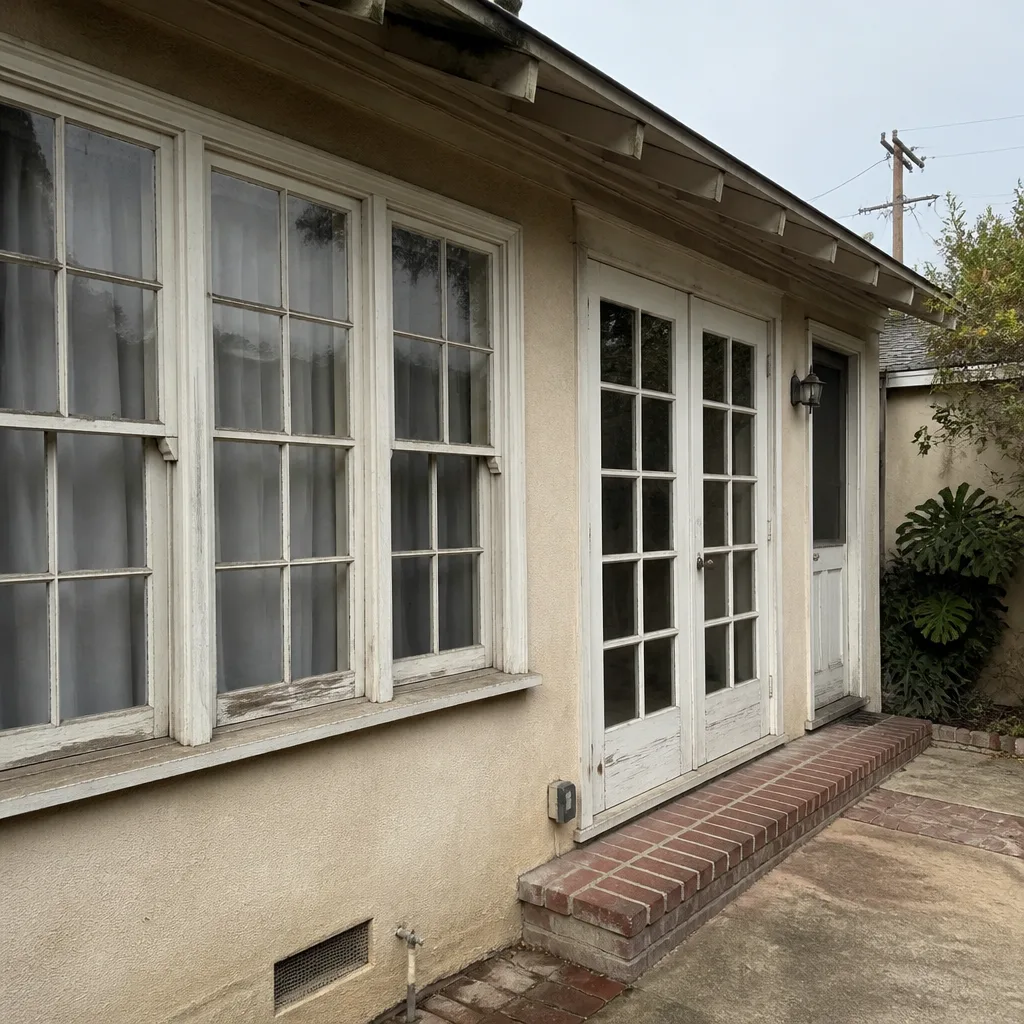 Before
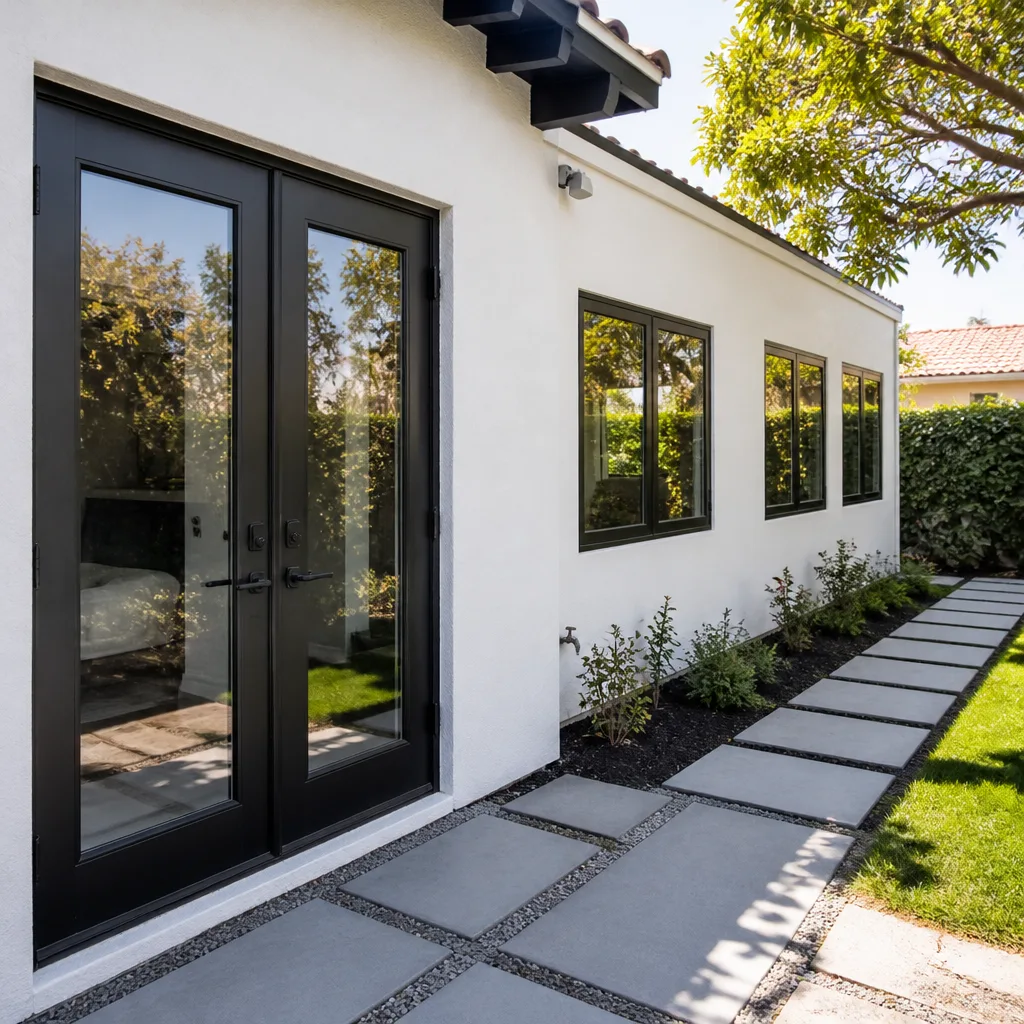 After
After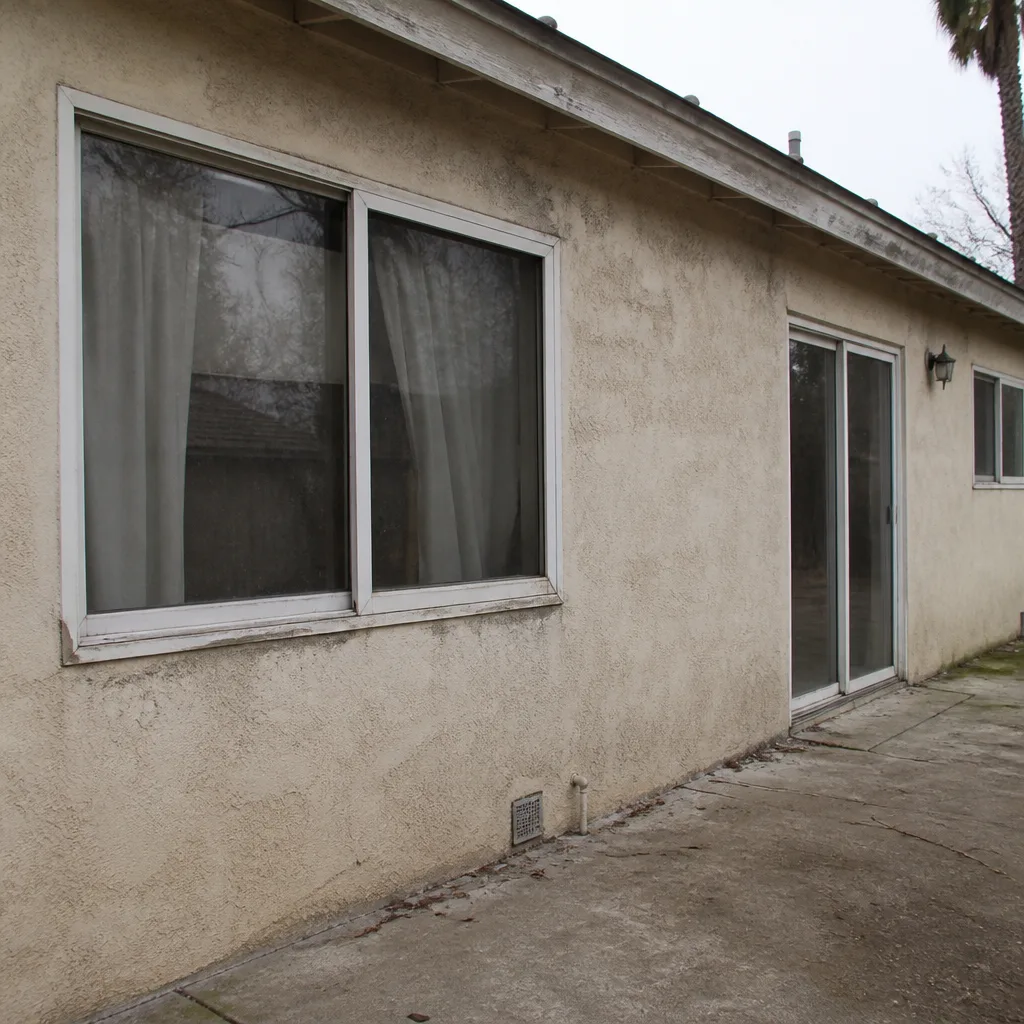 Before
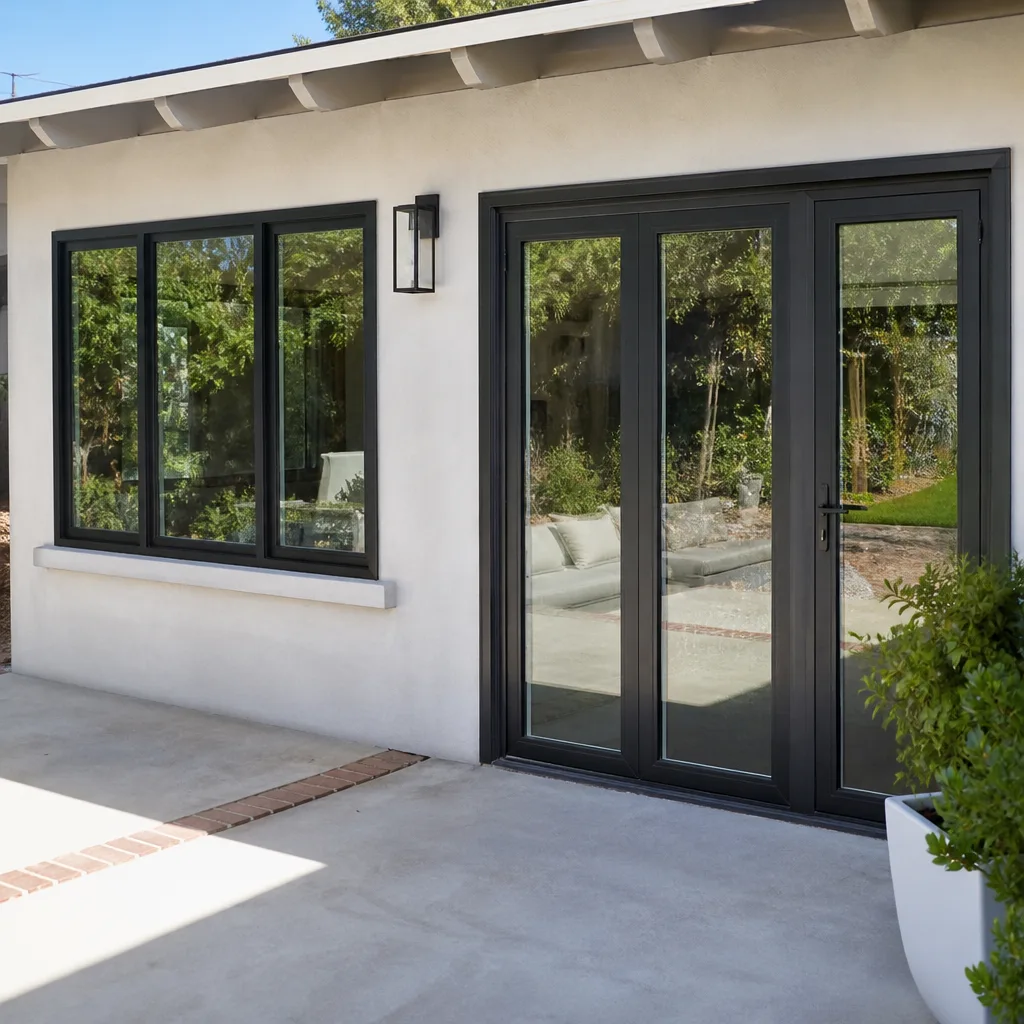 After
After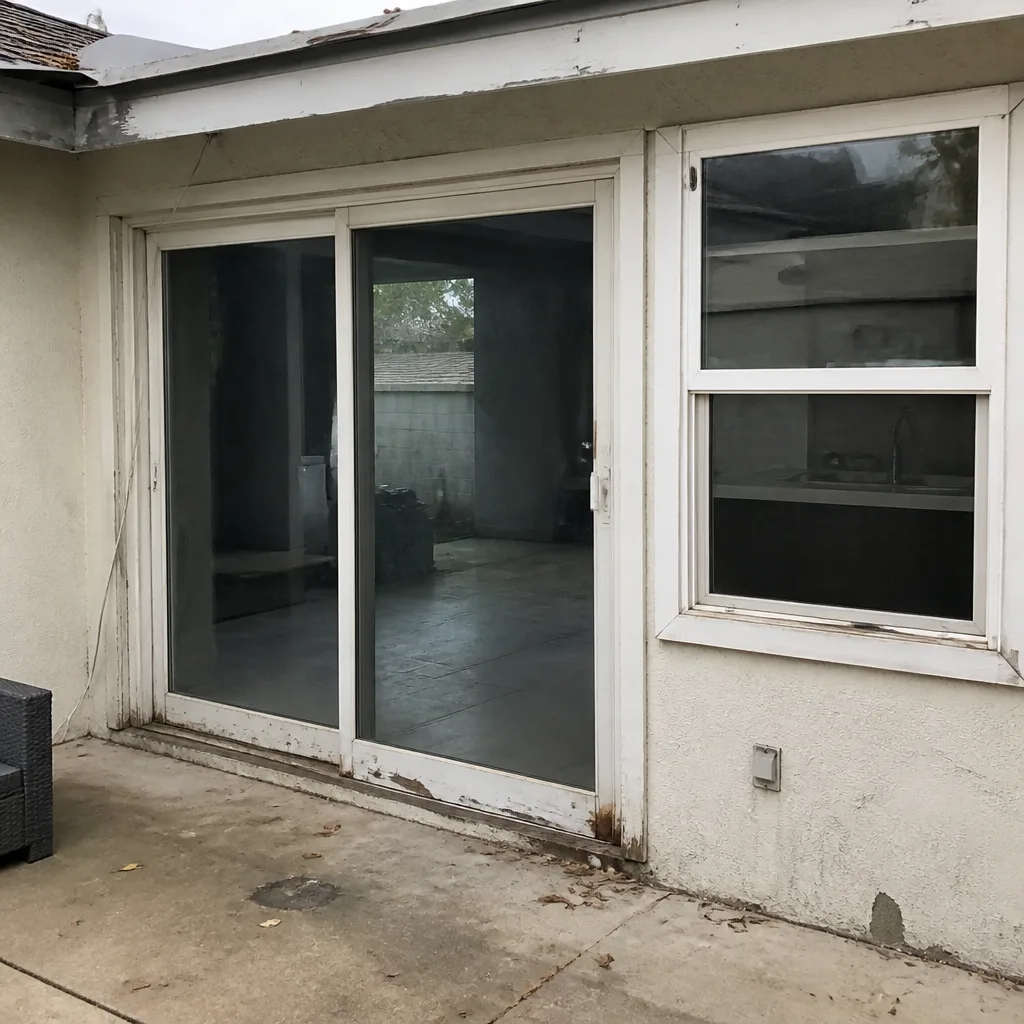 Before
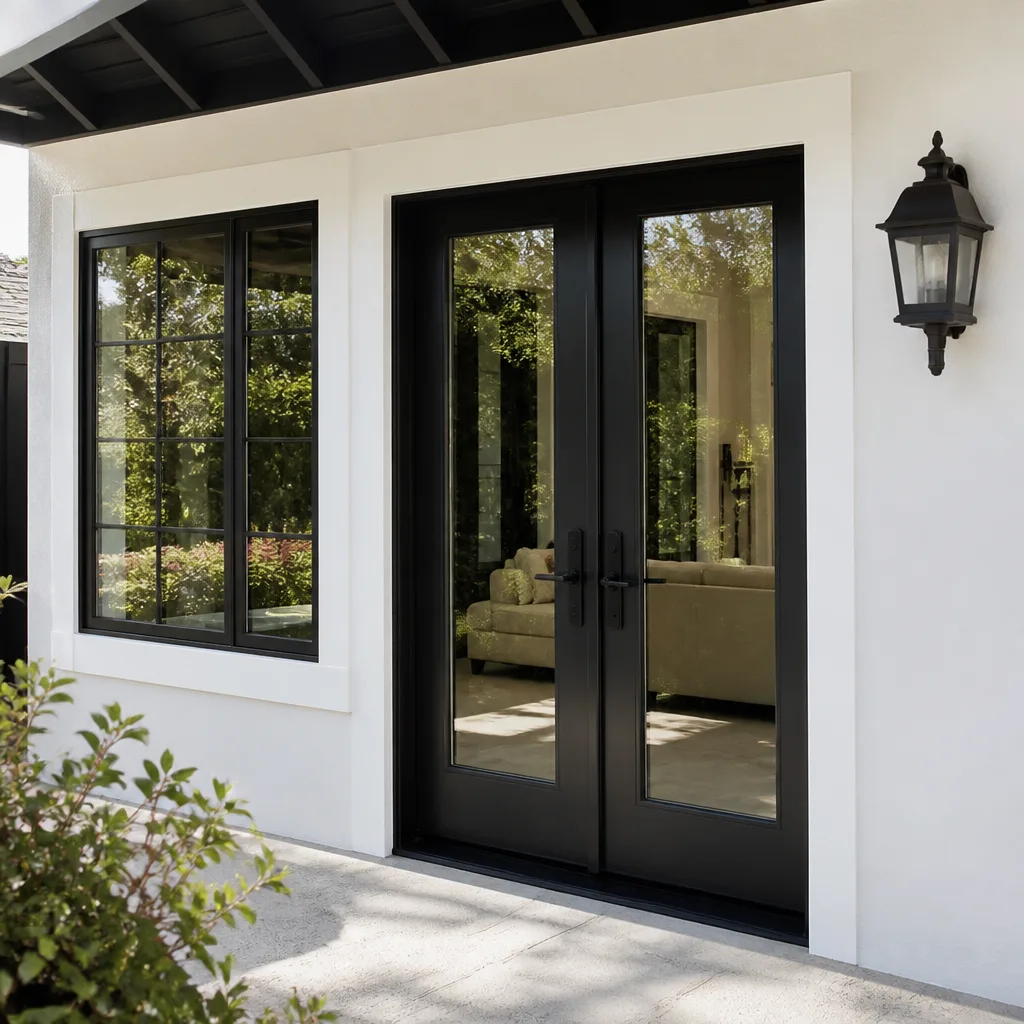 After
AfterChoosing the Right Windows & Doors Brand: A Buyer’s Guide for Los Angeles
Milgard shows up on most Los Angeles installer quotes not because it’s the best window made, but because it’s the easiest to pull from local distributor shelves on short notice. That’s a supply-chain win for the contractor, not a specification win for your house. The right brand for a 1920s Silver Lake craftsman with original divided-light sashes is not the right brand for a 2021 glass-box contemporary in Malibu, and neither is right for a 1970s ranch in Woodland Hills where summer attic temperatures routinely hit 140°F. This guide maps specific brands and product lines to Los Angeles’s actual microclimates, overlay districts, and seismic realities, so you can choose a window or door the way a building scientist would, not the way a distributor’s inventory sheet would. For deeper context, see The Complete Guide to Windows & Doors in Los Angeles.
Quick Answer
The best window brand for a Los Angeles home depends on three factors: which microclimate the house sits in (coastal salt air, valley heat cycling, or hillside wind and seismic flex), what your HOA or historic overlay district demands for profile, color, and muntin configuration, and whether you value long-term warranty depth over the lowest upfront price. For most LA homes, PGT’s WinGuard or CGI’s Estate Collection handle coastal and hillside conditions well, Andersen’s E-Series offers the deepest historic-district customization, and Pella’s Impervia or Milgard’s Trinsic line make sense for inland valley homes on tighter budgets. Our experience installing across Los Angeles since 2009 tells us the window itself matters less than the spec: the glass package, the frame material, and the warranty terms written into the contract. For related reading, check out The Complete Window Repair Guide for Los Angeles Homeowners.
Table of Contents
- Map Your Microclimate: Coastal, Valley, or Hillside
- Brand-by-Brand: What Actually Performs in Los Angeles
- How to Read a Window Warranty: The Three Terms That Matter
- Authorized Dealers vs. National Call Centers: Why Local Service Presence Wins
- HOA and Historic District Constraints: What Your Overlay Actually Requires
- Total Cost of Ownership: The $400 – $900 Per Window Math
- Installation Quality: The Variable That Outweighs Brand Choice
- Who Actually Comes to Your Door: The Threshold Standard in Practice
Map Your Microclimate: Coastal, Valley, or Hillside
Los Angeles is not one climate. It’s at least three distinct environments, and a window that performs beautifully in one can corrode, fog, or leak in another.
Coastal: Santa Monica, Venice, Pacific Palisades, Malibu, Playa del Rey
What matters: salt spray, persistent marine moisture, and unrelenting afternoon sun. Your frame material is the first line of defense. Vinyl (PVC) performs well in salt air and never needs repainting, but cheap vinyl will chalk and discolor under the coast’s UV intensity. Aluminum, the classic mid-century coastal choice, conducts heat aggressively and would be disastrous inland, but on the coast it’s workable if thermally broken. The better answer for most coastal homes is fiberglass (Pella Impervia, Marvin Essential) or reinforced vinyl with a quality acrylic capstock. PGT’s WinGuard aluminum and vinyl lines were engineered in Florida for hurricane zones, which means they’re overbuilt for salt, wind, and driving rain. That’s not a drawback; it’s headroom. Look for: powder-coated aluminum with an AAMA 2605 finish, stainless steel or zinc-plated hardware, and glass packages with low-E (a thin metallic coating that blocks heat while letting light through) tuned for solar heat gain, not just winter warmth.
Valley: Woodland Hills, Encino, Sherman Oaks, Northridge, Studio City
What matters: extreme diurnal temperature swings (35°F nights to 105°F days), relentless summer heat, and significant sun exposure on west-facing walls. The failure mode here isn’t corrosion; it’s fatigue. Vinyl frames expand and contract with temperature cycling, and over a decade, a poorly welded vinyl corner can separate just enough to leak air. We repair valley windows every week that failed not from age but from thermal stress. The right spec: reinforced vinyl with welded corners and at least two low-E double-pane glass panes with argon fill (an inert gas between panes that slows heat transfer). Milgard’s Trinsic line is a solid mid-tier valley choice, and CWS and ECO Window Systems offer impact-rated vinyl lines that handle heat cycling well. A note on direction: if your big glass faces south or west, spend the extra $40 – $60 per window on low-E double-silver or triple-silver coatings. The difference in summer heat gain is measured, not theoretical.
Hillside: Laurel Canyon, Beachwood Canyon, Mount Washington, Eagle Rock Hills, Hollywood Hills
What matters: wind loads, seismic movement, and exposure on three or four sides. A hillside home loses heat in winter from wind wash and gains it brutally in summer from all-day exposure. Frames need to flex without cracking. Aluminum with a thermal break handles this well, as does fiberglass. Andersen’s A-Series wood-clad windows are popular in hillside neighborhoods because they look appropriate on older homes and the wood interior flexes naturally with house movement without failing. The seam between window and wall is the real hill problem: Los Angeles hills have expansive soils, slab movement, and older framing that has settled. If the installer doesn’t do seismic joint detailing (flexible flashing and larger-than-standard perimeter gaps caulked with elastomeric sealant), the brand is irrelevant. Hillside spec priorities: U-factor under 0.30 for winter wind exposure, structural frame rating (DP50 or higher for exposed west faces), and laminated glass on any window over 9 square feet to meet LA County impact resistance framing requirements for hillside structure exposure.
Brand-by-Brand: What Actually Performs in Los Angeles
Here’s the uncommon truth. Most national brand reviews rank the same five names (Andersen, Pella, Marvin, Milgard, Simonton) based on features and price. But in Los Angeles, those rankings matter less than the brand’s local dealer service density, their warranty responsiveness, and whether their product line includes the specific glass package or color your home requires. This is the comparison we make for homeowners every week, based on the jobs we see from the inside.
PGT and CGI: The Florida Overbuild
PGT (which owns CGI, CWS, and ECO Window Systems) is the dominant impact-rated brand in Los Angeles coastal and hillside work. These are aluminum and vinyl windows and doors engineered for Miami-Dade County hurricane zones. In Los Angeles, that means they are overspecified for almost everything, which is exactly what you want on a Malibu bluff or a Laurel Canyon ridgeline. PGT’s WinGuard aluminum line is strong enough to span the oversized openings today’s architects draw. CGI’s Estate Collection is a premium aluminum line that competes with custom window manufacturers at a lower price point. These brands win on strength and salt corrosion resistance, not on aesthetic grace. Expect to pay $500 – $850 per window installed for vinyl impact, $700 – $1,200+ for aluminum impact, depending on size and glass package.
Andersen E-Series and Marvin: The Historic-District Answer
Andersen’s E-Series (formerly Eagle) and Marvin’s Signature Ultimate are the two product lines most likely to satisfy a Los Angeles historic preservation overlay. Why they win: true custom sizing, custom exterior colors (including anodized aluminum finishes that brick-and-mortar HPOZ boards often require), and the widest range of muntin (grid) profiles. If your HPOZ requires a specific lite pattern for your window, Andersen’s E-Series will replicate it; Milgard’s stock lines will not. Expect $800 – $1,200 per window for E-Series wood-clad; Marvin Signature Ultimate is comparable or slightly higher. That’s a real cost difference, but in an HPOZ district, it’s a question of approval, not preference. A window that the HPOZ board rejects is a window you cannot install, period.
Pella Impervia and Milgard Trinsic: The Valley Workhorses
For inland Los Angeles homes not subject to HPOZ rules or coastal salt, Pella’s Impervia fiberglass line and Milgard’s Trinsic vinyl line offer the strongest value proposition. Impervia is fiberglass, which means it expands and contracts at roughly the same rate as glass – a genuine advantage in valley heat cycling, where the joint between glass and frame is where seals fail first. Trinsic is Milgard’s premium vinyl, with a cleaner, modern aesthetic than their older Tuscany line, solid corner welds, and Milgard’s strong local dealer network across Los Angeles. Expect $350 – $600 per window for Trinsic installed, $500 – $800 for Impervia. These are not the best windows made; they are the right windows for the climate and the budget, which is what building science actually means.
ES Windows and ECO Window Systems: The Mid-Range Specialist Lines
ES Windows and ECO Window Systems, both PGT family lines, occupy a useful niche in Los Angeles: impact-rated aluminum and vinyl at prices between the PGT premium and Milgard’s standard lines. ECO is a vinyl line designed for coastal multi-family and single-family replacement, with good thermal performance and competitive pricing. ES is aluminum, aimed at the architect-and-contractor market, with large-span capabilities and a cleaner frame profile than standard PGT. Both are professional-grade products that most homeowners have never heard of, which is the point: they perform in high-exposure environments without the national marketing premium.
How to Read a Window Warranty: The Three Terms That Matter
Window warranties are written by lawyers to sound generous and to pay out rarely. Every major brand offers a “lifetime limited warranty,” and that phrase means almost nothing by itself. Here’s how to read one, in the order that matters.
The Three Terms to Identify First
- Glass seal (insulated glass) coverage period. This is the big one. The sealed unit between two panes of glass is what fails. Fogging, moisture streaks between panes, or a milky film means the argon or krypton gas has leaked out. Andersen, Marvin, and Pella generally cover glass seal failure for 20 years on wood-clad lines and 10 years on vinyl; Milgard’s Lifetime Glass Breakage coverage is the strongest in the mid-tier class, but read the exclusion carefully on impact-rated lines.
- Labor inclusion or labor exclusion. Most window warranties cover parts only, not the labor to remove a failed window, disassemble it, replace the glass, and reinstall it. That labor can cost $300 – $500 per window. Brands vary: PGT’s standard warranty excludes labor; some of their dealer partners, including us, offer labor-backed workmanship warranties that close this gap. Ask specifically: “If the glass seal fails in year 8, who pays the installer?” If the answer is unclear, get it in writing.
- Transferability to a future buyer. In Los Angeles, where the median homeowner sells every 7 – 9 years, a non-transferable warranty is worth less than you think. Pella and Andersen offer fully transferable warranties on most lines; Milgard offers transferable coverage for a limited number of years or a fee. If you plan to sell within a decade, factor this in.
Authorized Dealers vs. National Call Centers: Why Local Service Presence Wins
Every window manufacturer’s warranty is only as good as the dealer network that services it. When a glass unit fogs in year six, you don’t want to navigate a national 800-number call center and wait for a third-party technician who has never been to Los Angeles to be dispatched. You want a local authorized dealer with actual service technicians.
Here’s what to check before you buy:
- Does the brand have an LA-area factory-authorized service program? Milgard has one of the strongest, with a direct-to-consumer service division that handles warranty claims in Southern California. Andersen and Pella route warranty work through their dealer networks, which means your service experience depends entirely on which dealer you bought from.
- Does the dealer employ their own install crews or subcontract? Subcontracting is not inherently bad, but it adds a layer between you and accountability. If the dealer sends a subcontractor, ask whether the subcontractor is also factory-certified for your specific brand.
- Will the dealer register your products for warranty activation? Many brands require warranty registration within 30 – 90 days of installation. A dealer who files this for you, in writing, saves you a denied claim later.
In our experience, the company that answers the phone when something goes wrong is the company that gets the original purchase. That’s part of why we install and service the brands we do: PGT, CGI, CWS, ES Windows, ECO Window Systems, and others all have Los Angeles-area parts availability and authorized technician networks we can actually reach.
HOA and Historic District Constraints: What Your Overlay Actually Requires
In Los Angeles, the window brand you want often collides with the window brand your HOA or HPOZ (Historic Preservation Overlay Zone) board will approve. Here’s how to navigate the constraints before you spend money on a deposit.
Common LA HOA Requirements
- Exact color match: Many Los Angeles HOAs specify a single exterior paint color for all window frames, often from a specific palette. If your HOA requires a custom bronze or a specific beige that only one manufacturer offers in their standard lineup, that single requirement can eliminate half the brands on this guide. Andersen E-Series and Marvin offer the broadest color ranges; Milgard and PGT offer more limited stock colors.
- Grid/muntin configuration: If your development was designed with french casement windows with true divided lites, no modern brand’s simulated lite will satisfy an HOA that cares. You’ll need interior and exterior grilles, or true divided lite from a custom line. Custom lines are E-Series, Marvin, and PGT’s Custom Division (not their stock WinGuard line).
- Frame profile continuity: Some Los Angeles condominium buildings require that every unit on a facade match exactly. If the building standard is a 3-1/4″ frame depth in aluminum, you cannot swap in a vinyl window with a 2-3/4″ frame profile and call it matching. Check your CC&Rs before you shop.
Historic Preservation Overlay Zones (HPOZ)
Los Angeles has one of the largest HPOZ systems in the country: Angelino Heights, Whitley Heights, Hancock Park, Carthay Circle, and dozens more. These districts require municipal approval for visible window changes on street-facing elevations. The review boards often require: wood or wood-clad frames on original facades, specific lite patterns (often 6-over-1 or 6-over-6), and historically appropriate hardware. If you own a home in an HPOZ, start with the district office, not the window catalog. Ask them for their published window guidelines. Then bring those guidelines to a dealer who stocks Andersen E-Series, Marvin Signature, or custom PGT, because those are the only lines that can typically meet the requirements. The Hale Windows & Doors home team has worked through HPOZ approvals in several Los Angeles districts and we’re glad to point you to the right district contact.
Total Cost of Ownership: The $400 – $900 Per Window Math
The upfront price per window is what everyone asks about. The number that matters is what the window costs per year over its service life.
Price Tier Comparison, Los Angeles Market, Per Window Installed
- $350 – $500: Milgard Trinsic vinyl, ECO Window Systems vinyl, Simonton vinyl. Expect 10 – 15 years of reliable service in inland and valley climates; shorter on the coast unless the seal is upgraded. Limited transferable warranty.
- $500 – $750: PGT WinGuard vinyl impact, Pella Impervia fiberglass, CWS vinyl impact. Expect 15 – 25 years with proper installation. Strong service life, impact-rated options. Warranty typically 10-year glass, limited labor.
- $700 – $1,000: PGT aluminum impact, Andersen 400 Series, Marvin Essential. Expect 20 – 30 years. Aluminum impact lines are nearly indestructible in LA conditions but need thermal breaks to avoid condensation. Glass warranty 20 years on most.
- $800 – $1,200+: Andersen E-Series, Marvin Signature Ultimate, CGI Estate Collection. The HPOZ and luxury-architect tier. Custom sizing and colors. Warranty depth strongest at this tier. You’re buying a 30 – 40-year product.
Here’s the total cost of ownership math: a $400 Milgard Trinsic that lasts 12 years costs about $33 per year. A $900 Andersen E-Series that lasts 30 years costs $30 per year. The premium window, over time, is often the cheaper window. The trap is paying $900 for a premium aluminum window that an installer specs incorrectly for the climate, so it sweats in the winter and fogs in year 8 because the seal failed from thermal stress. The right spec at $500 beats the wrong spec at $900, every time.
For a deeper look at the full replacement process in Los Angeles, read our guide on Window Replacement in Los Angeles.
Installation Quality: The Variable That Outweighs Brand Choice
Here’s the data point that generic brand comparisons never mention: a poorly installed premium window will fail faster than a properly installed budget window. The brand manufactures the product; the installer creates the assembly. The flashing, the water management, the perimeter seal, the shimming that keeps the frame square under load – none of that is in the manufacturer’s box.
In Los Angeles, the two installation failures we see most often are water intrusion at the sill pan and air leakage at the perimeter seal. Both are installation failures, not brand failures. When we install, every opening gets a sill pan (a sloped waterproof barrier under the window that directs water outward), backer rod and elastomeric sealant at the perimeter, and proper flashing tape lapped so water sheds away from the opening. For a technical walkthrough of what happens when an older window fails, see our Window Repair in Los Angeles page.
What to Ask Your Installer, in Order
- Will you install a sill pan at every opening, or caulk the bottom of the window and call it done?
- Will the flashing tape be lapped shingle-style so water sheds outward?
- Do you shim the frame to keep it square, or drive the mounting screws until it’s tight?
- Will you insulate the perimeter gap with low-expansion foam or fiberglass batt?
- Who on your crew does the sealant work – the lead installer or a trained finisher?
Who Actually Comes to Your Door: The Threshold Standard in Practice
When you schedule a window estimate in Los Angeles, you are inviting a stranger into your home. This is the reality that most window guides skip, but it’s the reality many homeowners feel most acutely, especially if they’re home alone, have young children, or are older and cautious about who crosses the threshold.
Hale Windows & Doors addresses this with a practice we call the Threshold Standard. Before any technician visits your home, you receive their name and photo on the scheduled appointment. Every technician is background-checked and identity-verified, uniformed and photo-badged at the door. There is no ambiguity about who you’re opening the door to. The practice grew out of the same concern our customers have: the person at the door should be the person you were told to expect, every time.
Here’s the five-step sequence, in practice:
- You call, and a live person answers. Every time. Not a voicemail tree.
- We schedule the visit and send the technician’s name and photo to your phone or email.
- The technician arrives in a marked vehicle, in uniform, with a photo badge matching the photo you were sent.
- You get a written price before any work is discussed, not after the inspection.
- Every job is documented, and the 365-Day Done Right Promise applies to the work: if it is not right, we make it right.
We’ve found that homeowners in Los Angeles choose a window company for two reasons: they trust the product recommendation, and they trust the person who will stand in their living room. The second one is the reason we never send an unannounced technician and never hide behind a callback queue.
Common Mistakes to Avoid
- Choosing a brand before understanding your microclimate. A Milgard Trinsic in a Malibu home will show seal fatigue within a decade; the same window in Encino will be perfectly fine. Choose the spec first, not the brochure.
- Comparing quotes without comparing glass packages. A $450 per window quote and a $700 per window quote for the “same brand” often differ because one includes double-silver low-E and argon fill and the other includes single-pane. The glass package is the window; the frame is just the shipping container.
- Ignoring HOA or HPOZ approval until after the deposit. In Los Angeles, particularly in HPOZ districts like Hancock Park or Angelino Heights, buying a window that the board will reject is the same as burning cash. Get district approval before you pay for custom sizing.
- Reading “lifetime warranty” and stopping. Lifetime of what? The vinyl frame, the glass seal, the hardware? Most “lifetime” warranties are lifetime on the frame, 20 years on glass, and nothing on labor. Read the exclusion list. That’s the real warranty.
- Focusing on brand and ignoring the installer’s water management. We’ve replaced failed windows in Los Angeles where the brand was Andersen and the failure was a missing sill pan. The installer, not the brand, is the largest variable in service life.
- Not asking who the actual technician will be. Many Los Angeles window dealers sell the job and subcontract it to a crew the homeowner has never met. Before you schedule, ask: “Who is coming to my house, and will you send me their name and photo before they arrive?” If the answer is vague, keep looking.
When to Call a Professional
Any time you’re replacing more than one or two windows, or any time you’re working in a Los Angeles HPOZ district, you need a professional who has handled the specific approval and installation requirements. A professional will also catch the structural issues homeowners miss: rotted king studs, failed sill pans, out-of-square rough openings. If you’re planning a Front Door Replacement in Los Angeles, the same principles apply – door swings, threshold seals, and security hardware have their own set of local code requirements. Hale Windows & Doors offers free estimates in Los Angeles – call (252) 675-6980 to schedule yours. We’ll bring written, line-item pricing and a specific brand and glass recommendation for your home’s actual conditions, not a generic quote for whatever’s in stock.
Frequently Asked Questions
In the Los Angeles market, expect $350 to $500 per window installed for good vinyl (Milgard Trinsic, ECO), $500 to $750 for impact vinyl or fiberglass (PGT WinGuard vinyl, Pella Impervia), $700 to $1,000 for aluminum impact (PGT WinGuard aluminum, Andersen 400), and $800 to $1,200+ for custom wood-clad lines (Andersen E-Series, Marvin Signature, CGI Estate). The final total depends on size, glass package, and installation complexity. Call (252) 675-6980 for an exact quote – estimates are free and written.
Only if the wall itself hides damage that wasn’t visible during the estimate (rotted framing, water intrusion, non-code structural work). A reputable installer will write the price for the work they can see, and handle hidden conditions with a change order that you approve before extra work begins. At Hale Windows & Doors, every job is quoted with a written price before work begins, and hidden conditions are discussed and approved with you before any additional cost is incurred.
Window replacement in Los Angeles generally does not require a city building permit when the window is replaced in the same opening without structural modification. However, HPOZ districts have their own separate approval process, and homes in designated hillside or seismic zones may require structural review if the opening is enlarged. If the frame is modified, a permit is typically required. Your installer should know the rules for your specific area; if they say “we never pull permits,” that’s a red flag.
For a typical Los Angeles home of 10 to 15 windows, a professional two-person crew will usually complete the full replacement in 2 to 4 working days, assuming the rough openings are sound. Historic-district homes with custom sizing add manufacturing lead time of 3 to 6 weeks before installation day. Plan for a written timeline from your installer, not a verbal estimate.
Milgard is the volume default: good mid-price vinyl, strong local parts availability, and the easiest procurement for contractors. Andersen is the customization leader: E-Series is the go-to for HPOZ districts and architect-driven designs. PGT is the engineered strength answer: impact-rated aluminum and vinyl built for hurricane zones, ideal for Los Angeles coastal and hillside exposure. None of the three is “best”; the right choice is the one that matches your home’s microclimate, HOA constraints, and budget.
Yes. Hale Windows & Doors offers free, written, no-obligation estimates across Los Angeles. The estimate includes a specific brand and glass recommendation for your home’s actual conditions, line-item pricing, and the technician’s name and photo before the visit. Call (252) 675-6980 to schedule yours.
The Bottom Line
The best window brand for a Los Angeles home is the one that matches your microclimate, satisfies your HOA or historic district, and carries a warranty with real teeth. Coastal salt air, valley heat cycling, and hillside seismic flex each demand different frame materials and glass packages. A $400 Milgard in Encino is a sensible buy; the same Milgard in Malibu is a mistake. The installer’s water management and the specific terms of the warranty matter more than the logo on the frame. And for Los Angeles homeowners opening the door to a stranger, knowing exactly who is coming – by name, photo, and background check – is as important as the window spec. That’s why we built the Threshold Standard into every visit, and why we put every price in writing before work begins. Explore more guides & resources for Los Angeles homeowners.
Written by Spencer Odell, Owner at Hale Windows & Doors, serving Los Angeles since 2009.