

Last updated October 9, 2026
Free in-home measure and quote - PGT, CGI and CWS impact lines compared on your actual openings, style by style
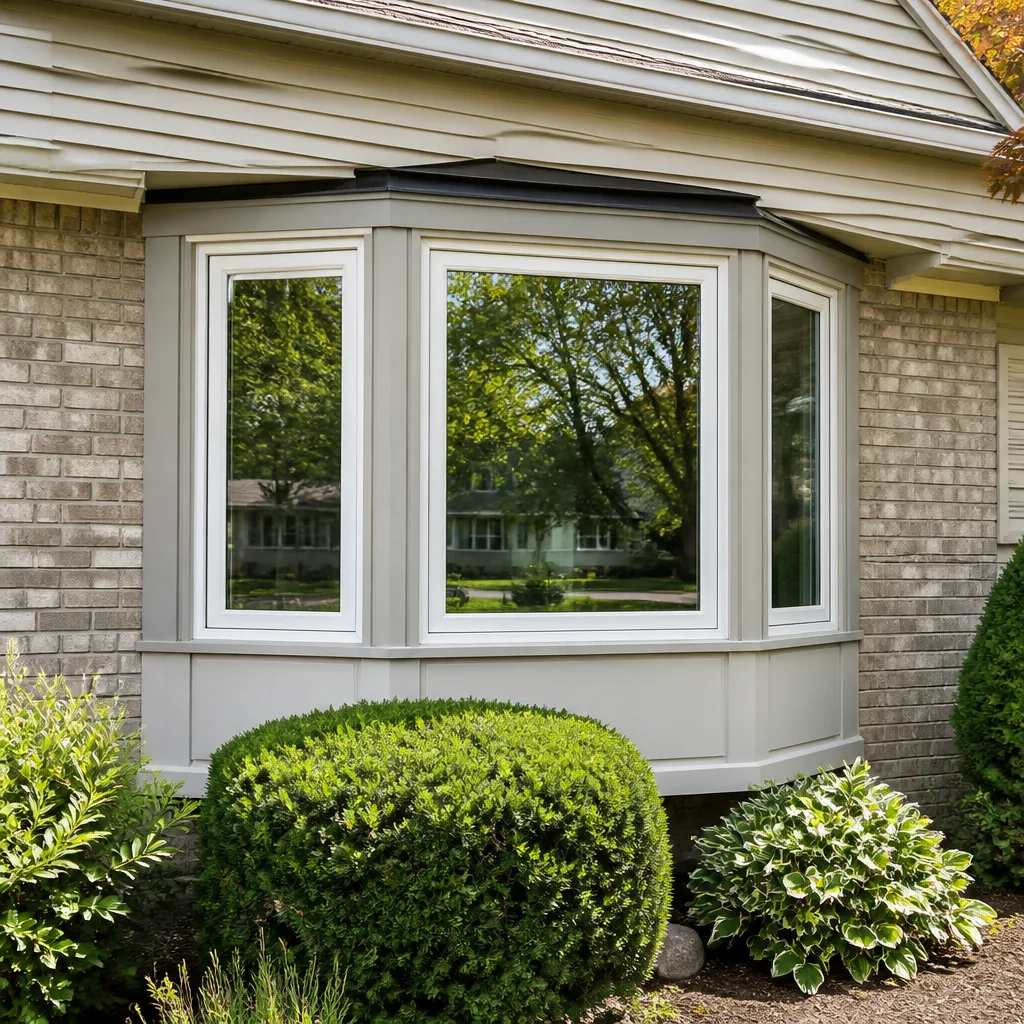
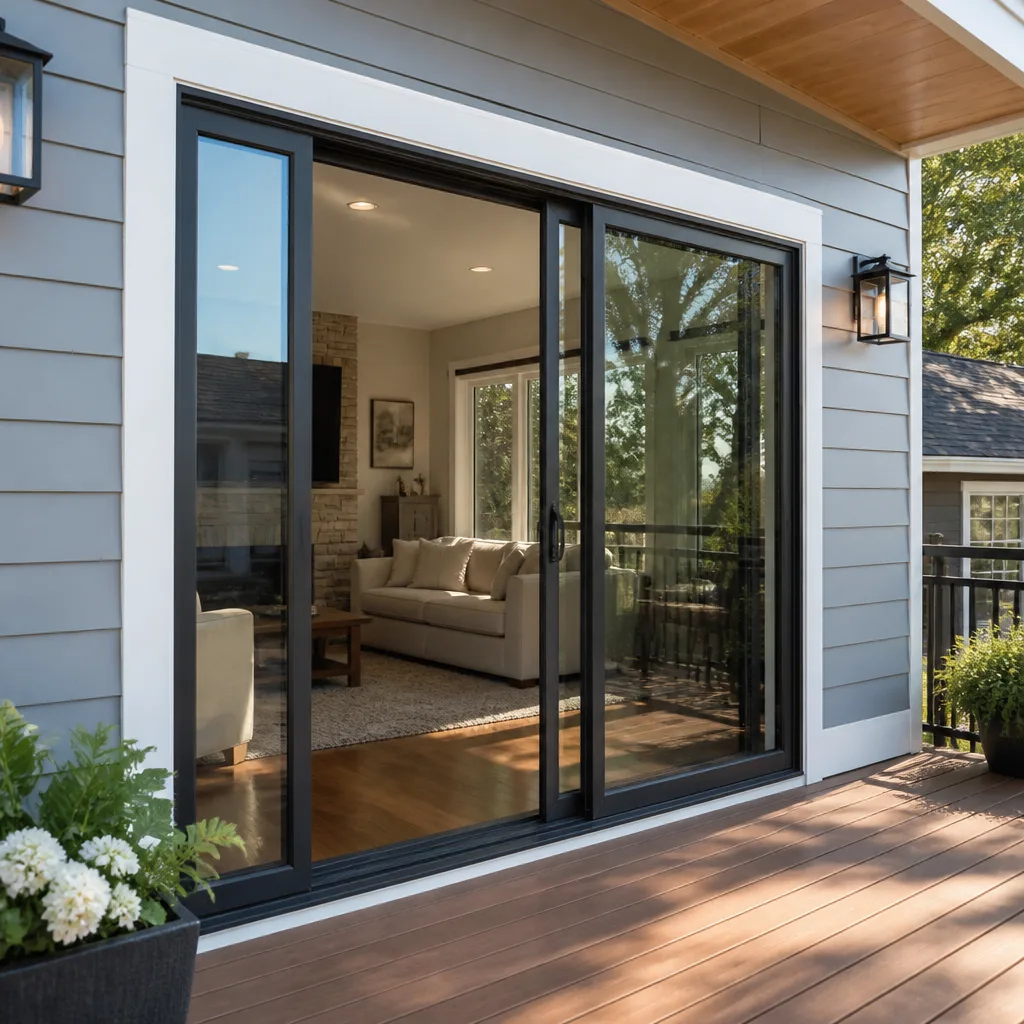
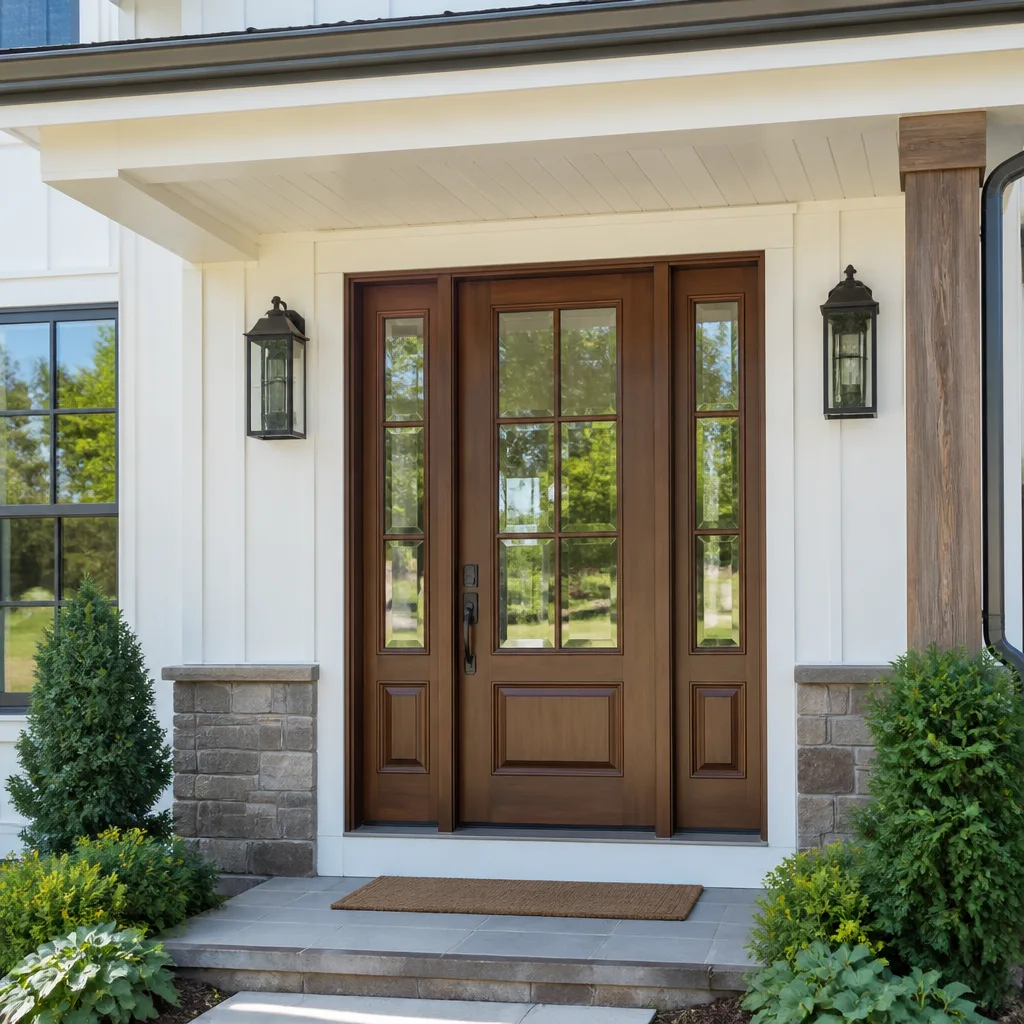
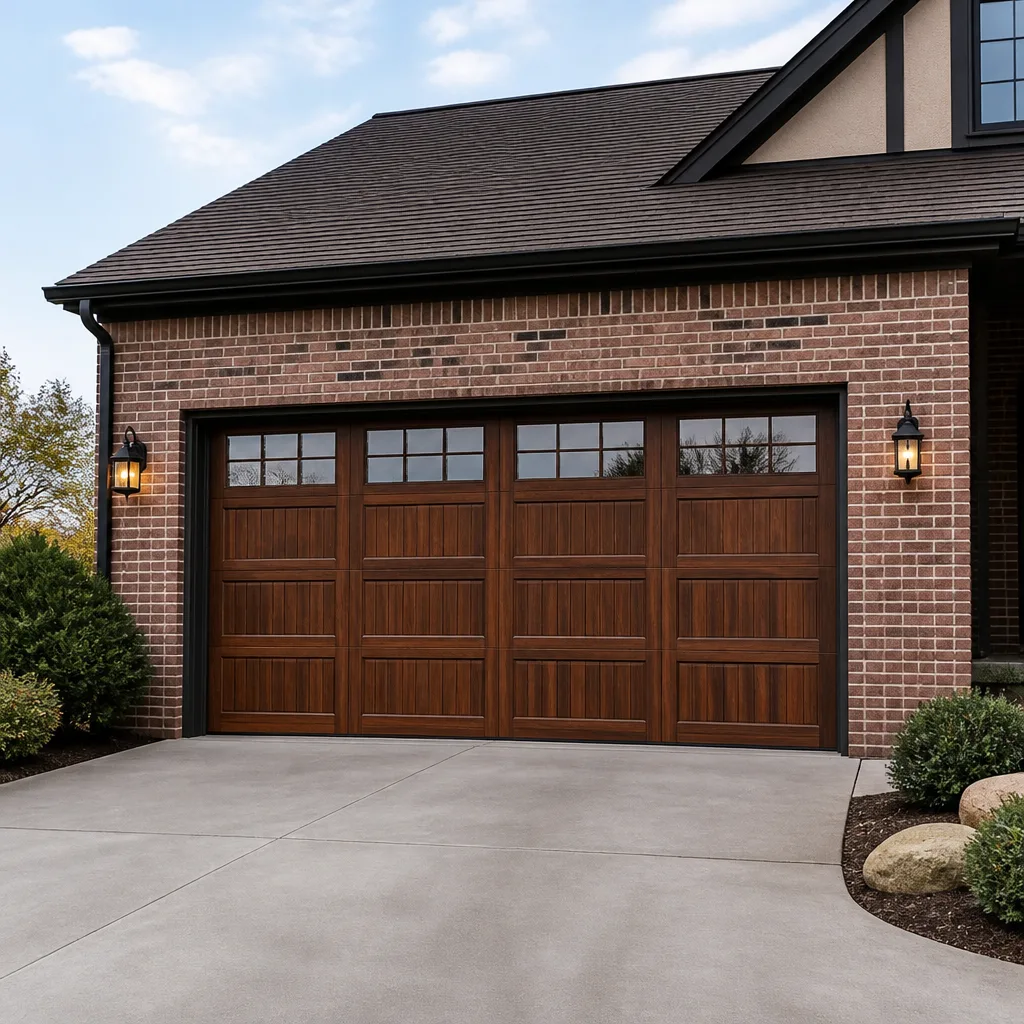
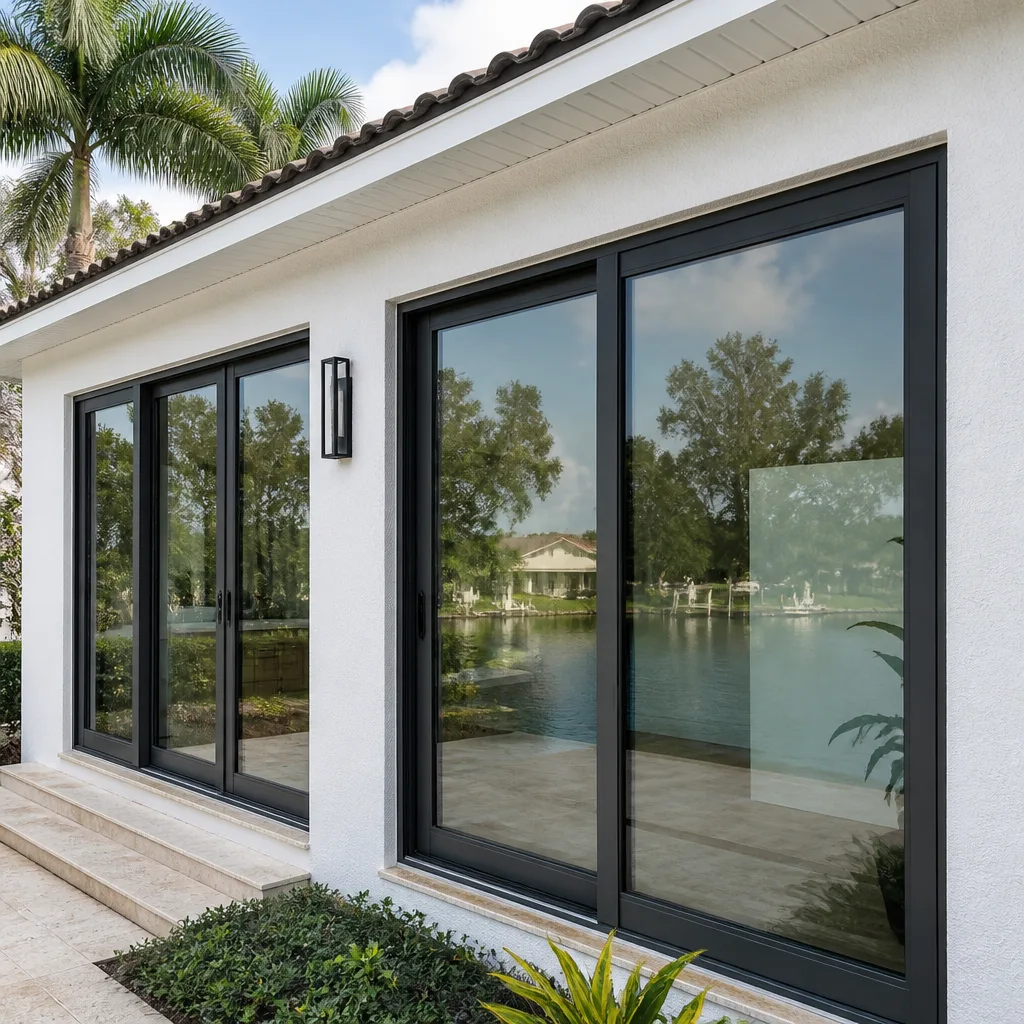
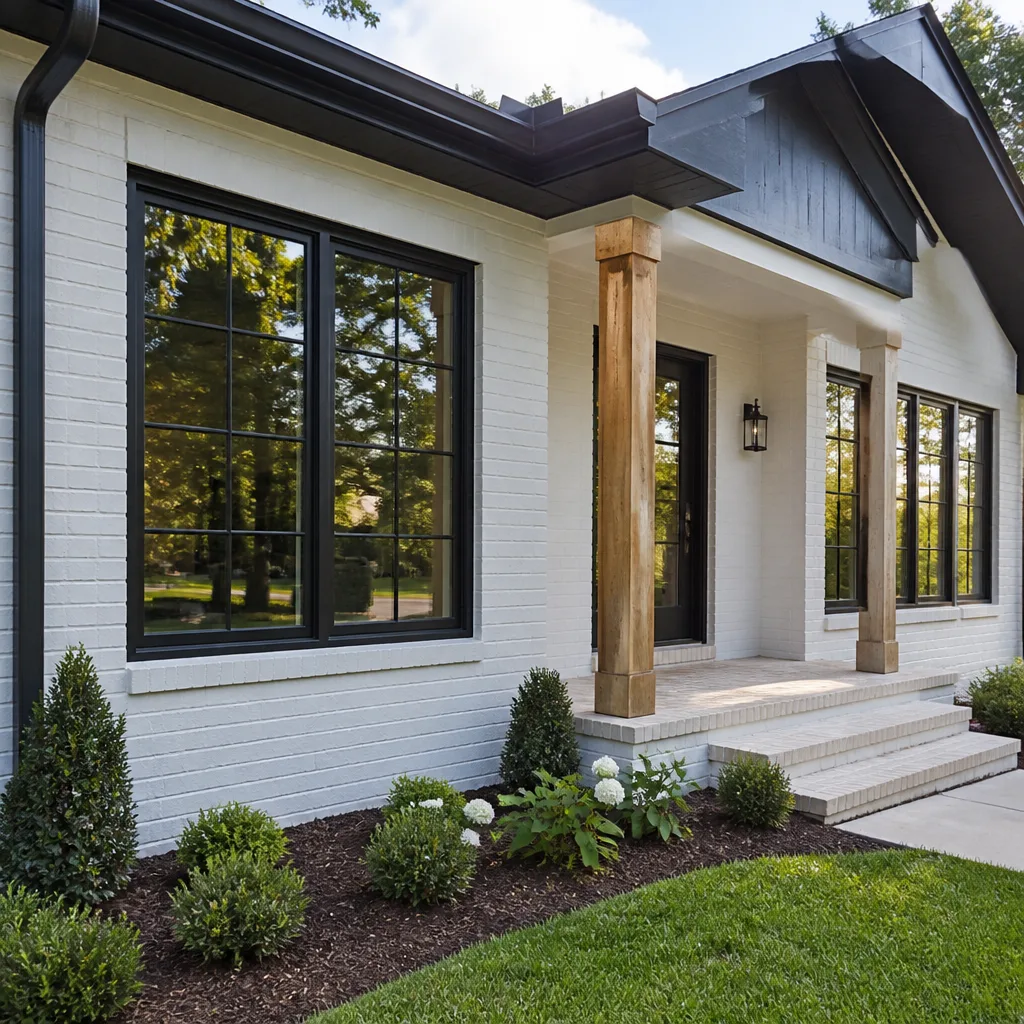
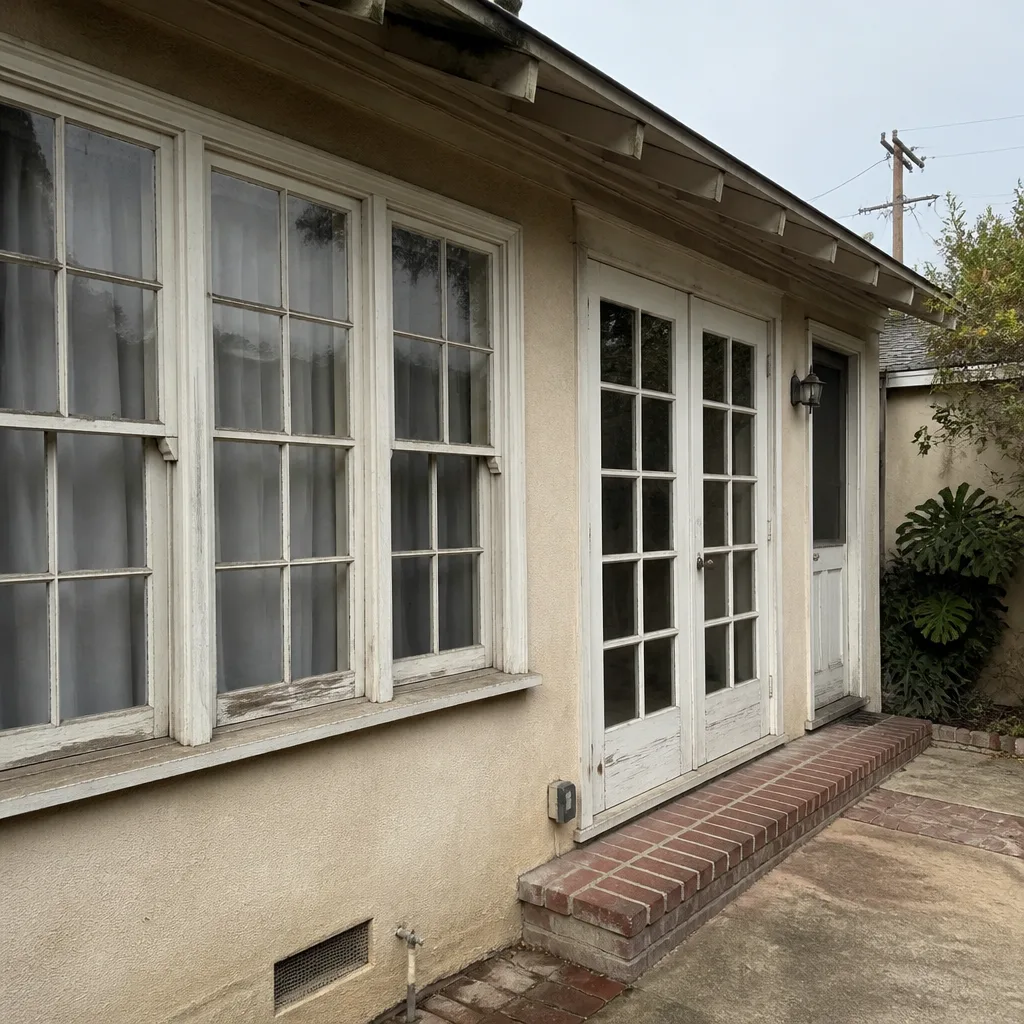 Before
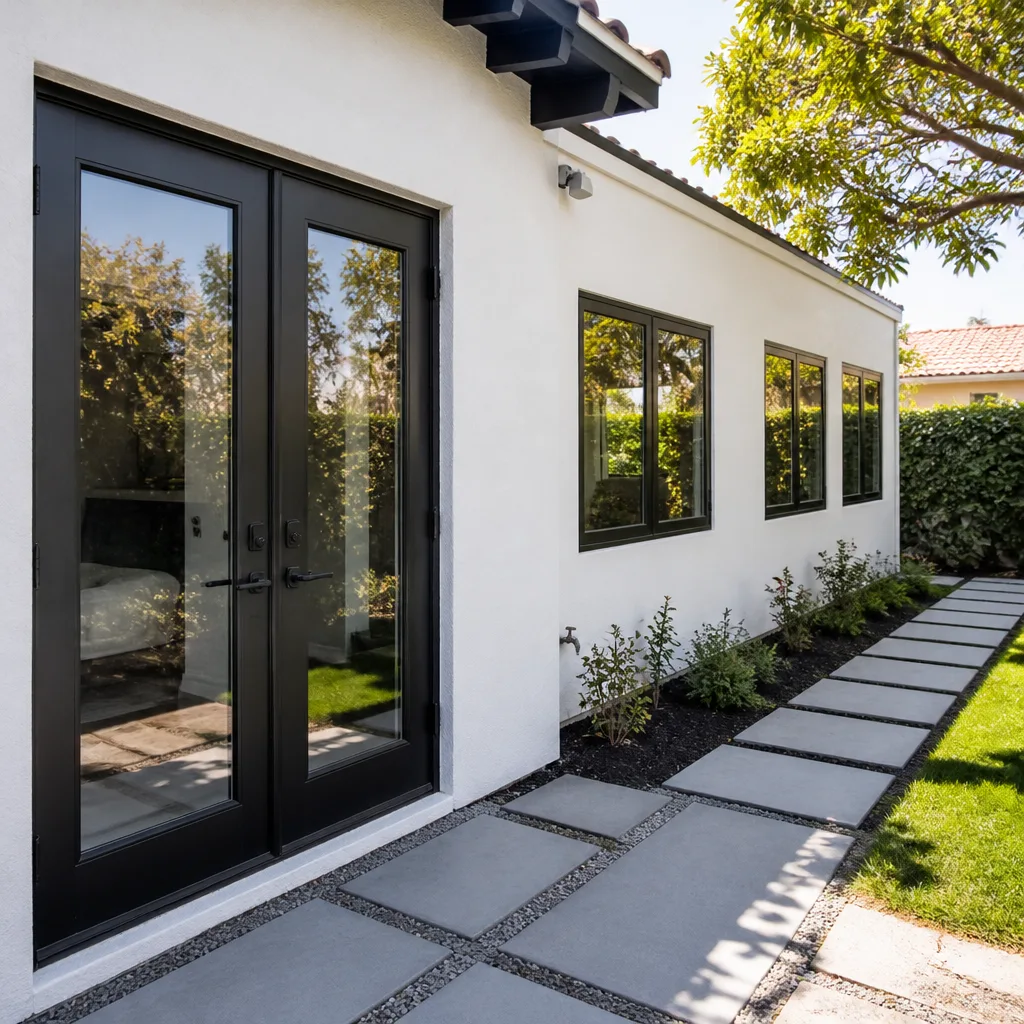 After
After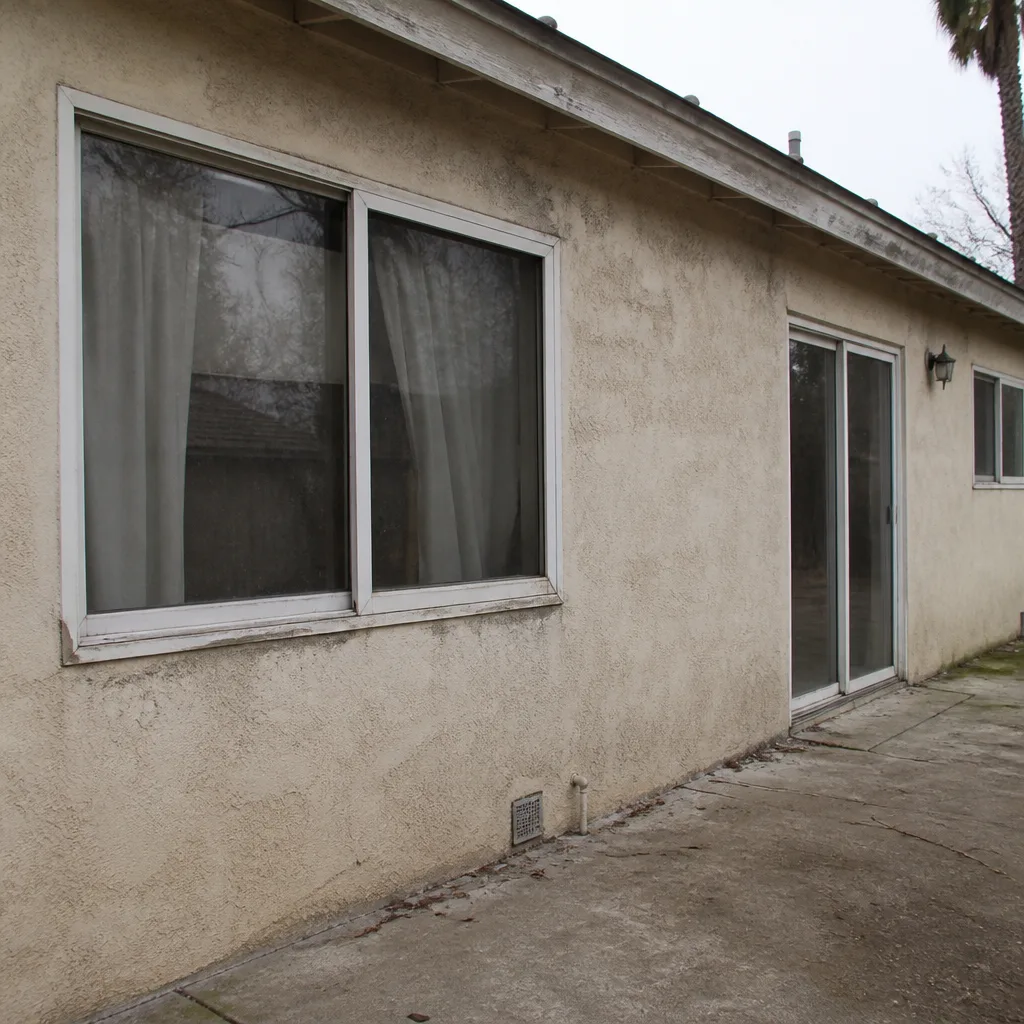 Before
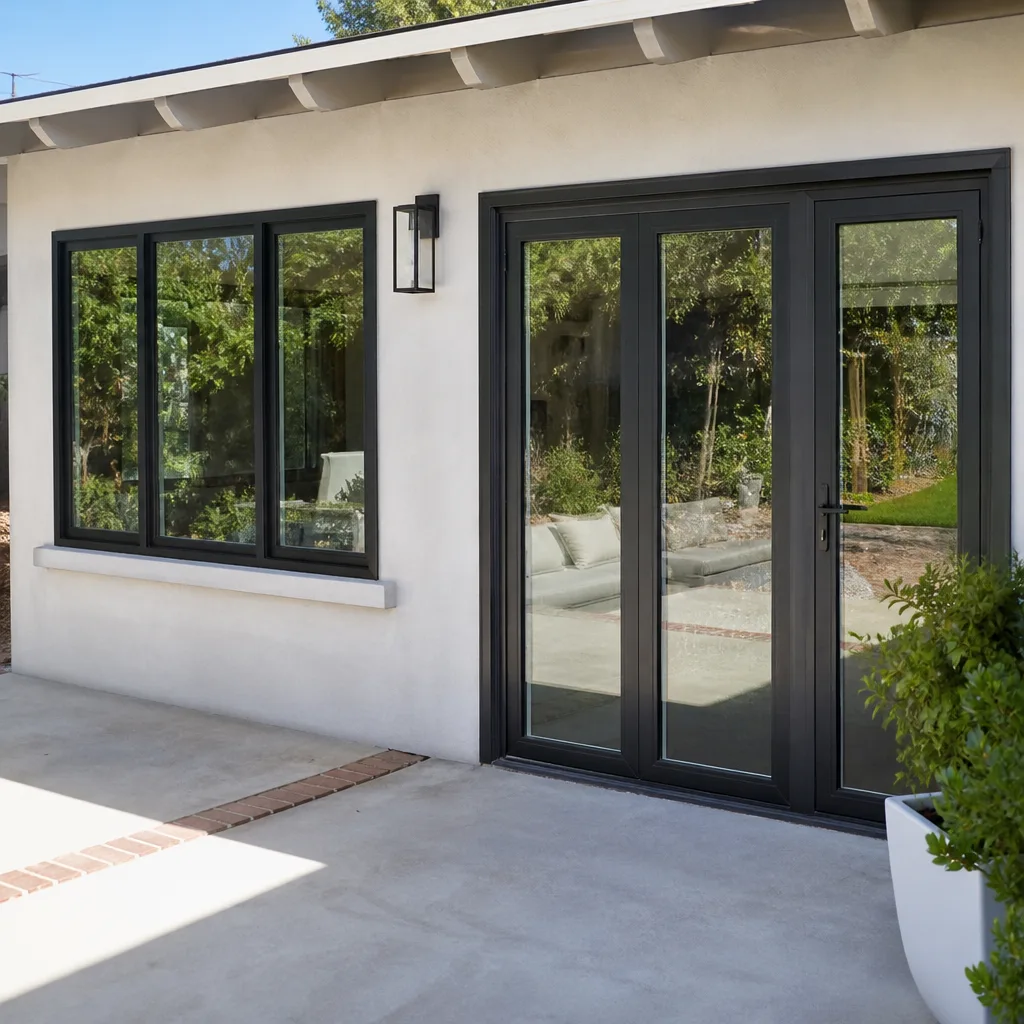 After
After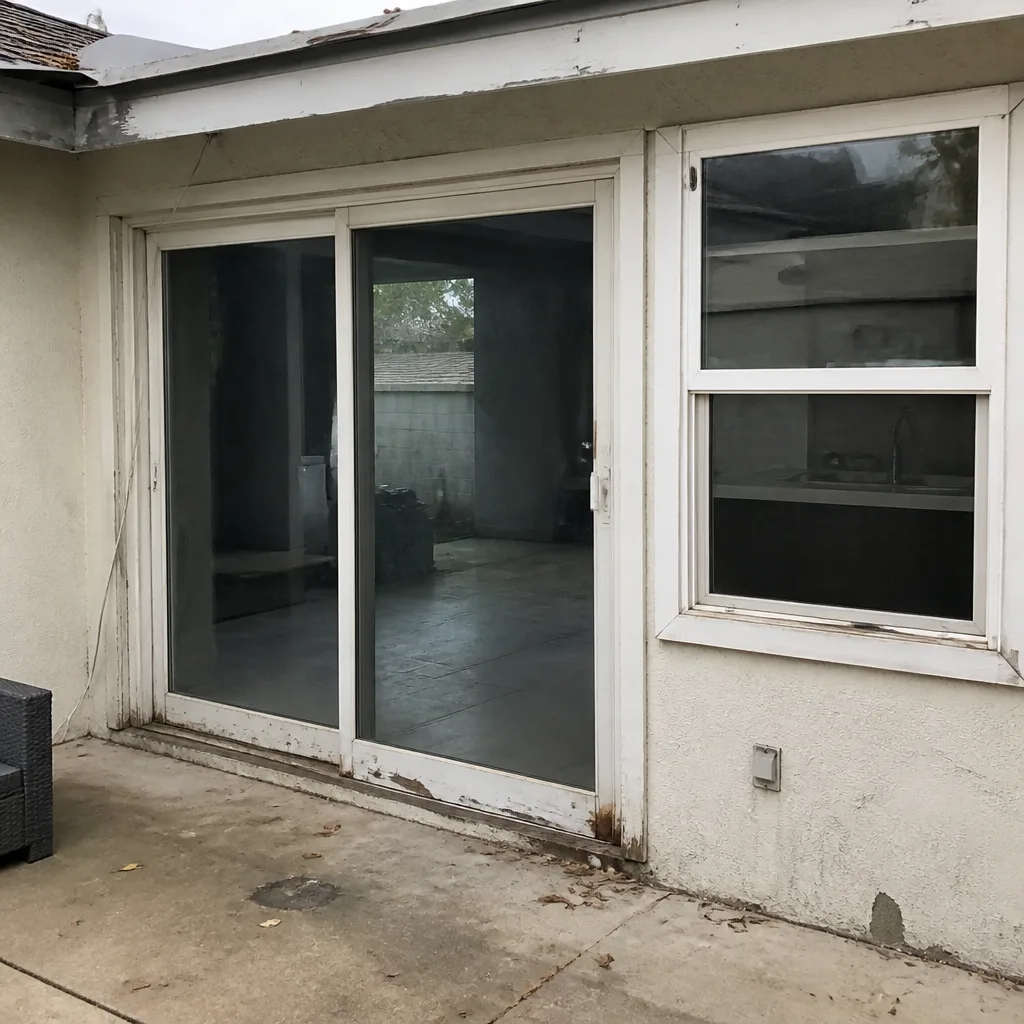 Before
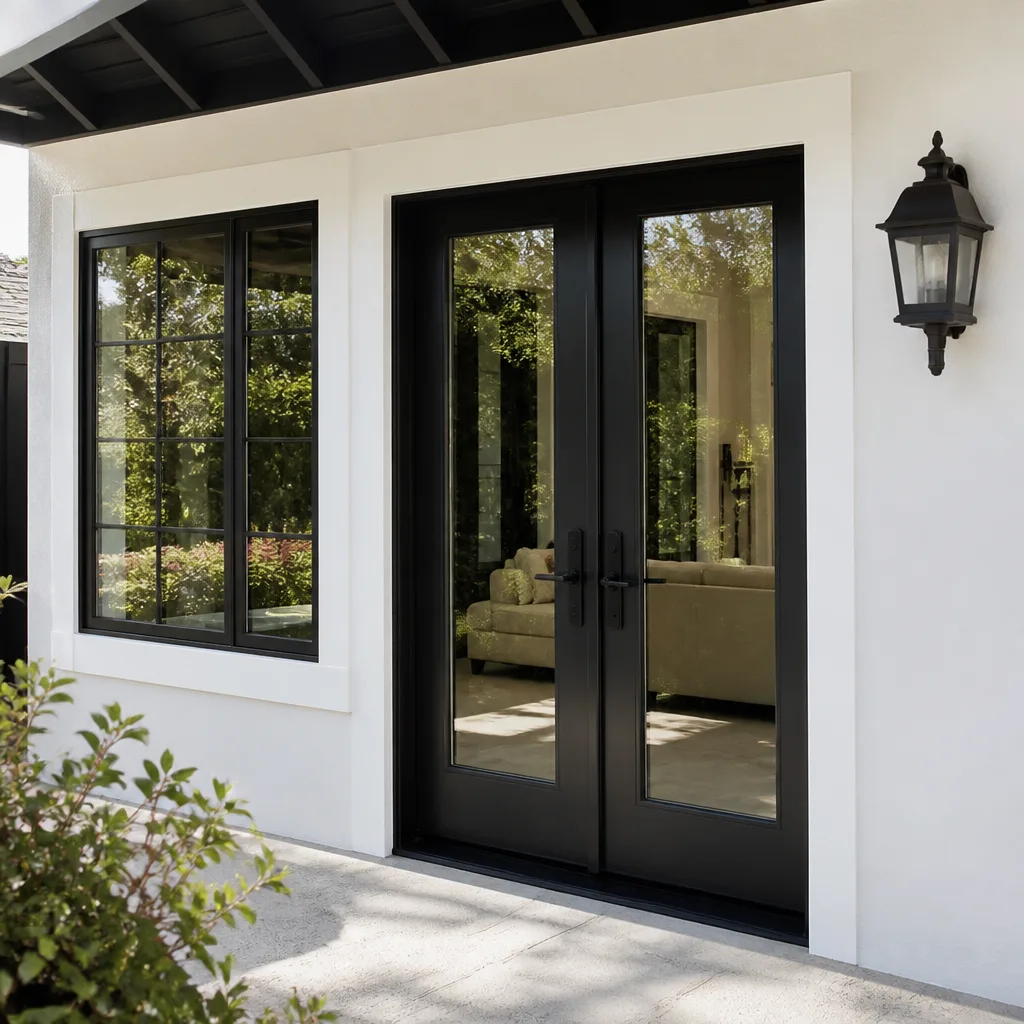 After
AfterThe Complete Guide to Windows & Doors in Los Angeles
California’s Title 24 energy code was updated in 2023, yet a significant share of window replacements pulled in Los Angeles County are still spec’d to the old standard. That mistake costs homeowners failed inspections, re-orders that stall projects six to ten weeks, and hundreds of dollars in avoidable fees. This Complete Window Replacement Guide for Los Angeles Homeowners is built specifically for Los Angeles microclimates, building stock, and the permit environment you’ll actually face, so you can make one right decision instead of two expensive ones. You’ll learn how your ZIP code changes the ideal window spec, which building eras hide surprises inside the wall, what Title 24 and the Los Angeles Department of Building and Safety actually require, and how to match real product lines to real LA use cases.
Quick Answer
A complete windows and doors guide for Los Angeles starts with this window repair guide: choose your glass package by your location (coastal, valley, or hillside), confirm the product meets 2023 Title 24 energy standards before you order, and get a written price and a named, background-checked installer before any work begins. Expect to pay roughly $600 to $1,800 per window installed for mid-grade vinyl or aluminum, and $3,500 to $8,000 for a professionally installed front entry door with hardware. The single most expensive mistake we see is ordering windows to the old 2019 Title 24 standard and failing LA inspection.
Table of Contents
- Why Los Angeles Microclimates Change the Window Spec
- LA Building Eras and the Hidden Wall Cavity Problems
- Title 24 and LADBS Requirements: What Applies to Your Job
- Real Brand-and-Series Comparisons for LA Use Cases
- Seismic Racking and Frame Integrity: What Inspect After a 4.0+
- What Windows and Doors Actually Cost in Los Angeles
- What a Proper Installation Sequence Looks Like
- Common Mistakes to Avoid
- When to Call a Professional
- Frequently Asked Questions
- The Bottom Line
Why Los Angeles Microclimates Change the Window Spec
Los Angeles is not one climate. It is at least three distinct zones, and the window that performs beautifully in Venice will bake a house in Woodland Hills. Understanding this before you order is the difference between a window that works and a window you tolerate for twenty years.
Three factors drive every window decision in greater Los Angeles: marine layer humidity near the coast, Santa Ana wind pressure in the hills and passes, and solar heat gain across the inland valleys. Here is how we match the spec to the geography at Hale Windows & Doors, and how you should too.
- Coastal zones (Santa Monica, Venice, Playa del Rey, El Segundo, Long Beach, Palos Verdes): The marine layer means morning condensation, salt air, and mild temperatures. The priority here is a low U-factor (how well the window resists heat flow) and a durable frame that won’t corrode in salt air. Vinyl or fiberglass beat raw aluminum near the beach. For glass, ask for a U-factor of 0.30 or lower. Solar heat gain is less of a concern; the ocean moderates it.
- Valley zones (Woodland Hills, Studio City, Sherman Oaks, Encino, Burbank, North Hollywood, Van Nuys): Summer highs routinely top 100°F. Here the priority flips: solar heat gain coefficient (SHGC) matters most. You want glass that blocks heat while still letting light through. A SHGC of 0.25 or lower is the right target. U-factor still matters, but SHGC is doing the heavy lifting on your cooling bill.
- Hillside and canyon zones (Hollywood Hills, Bel Air, Brentwood canyons, La Cañada, Topanga, Mount Washington): Santa Ana winds generate pressure and wind-driven debris. You need windows rated for higher design pressure (DP), and if you’re in a wildfire hazard severity zone, the building code may require tempered glass. Hillside homes also get intense afternoon sun on west-facing walls, so SHGC matters, but so does impact resistance if you’re in a wind corridor.
This is why we never quote a window by brand alone. The right product for a 1950s ranch in the San Fernando Valley is not automatically the right product for a 1990s stucco house in Redondo Beach. We spec by ZIP code first, then by house.
LA Building Eras and the Hidden Wall Cavity Problems
Los Angeles has an enormous range of housing stock, and certain eras have rough-opening quirks that surprise installers who’ve never worked this market. Knowing your era helps you anticipate additional cost and choose the right installation approach.
Pre-1940 Craftsman and Spanish Revival
These homes, found in Highland Park, Eagle Rock, Mid-City, West Adams, and parts of Pasadena, often have true divided lite wood windows and rough openings that are not square. The framing is old-growth lumber, which is dense and hard, but it has moved over the decades. When we replace windows here, we often find the rough opening needs shimming or re-framing before the new unit goes in. Expect some add-on carpentry cost. These houses also often fall under historic preservation review if you’re in an HPOZ (Historic Preservation Overlay Zone), which changes what you’re allowed to install.
1950s-1960s Ranch and Mid-Century
Think the flat-roofed or low-pitch houses across the San Fernando Valley, Lakewood, Torrance, and Orange County-adjacent neighborhoods. Many of these were built with aluminum frame windows set directly into the stucco. The rough opening is usually straightforward, but the old aluminum frames were often installed without proper flashing, meaning there is hidden water damage around the sill. We regularly find dry rot at the bottom corners once the old frame comes out. Budget for sill repair; don’t be surprised by it.
1970s-1980s Stucco Box and Condo Conversions
These buildings, common in West LA, Culver City, and the condo corridors of the Westside, often have nail-flange windows with minimal flashing. The bigger issue is that the wall cavity depth is sometimes thinner than today’s standard window frames, which forces a retrofit frame instead of a full-frame replacement. In attached housing, you may also need HOA approval and a specific window style to match the building elevation.
1990s-2010s Modern Development
Newer single-family homes in places like Porter Ranch, Playa Vista, and the master-planned communities are generally easier to work in. Rough openings are standardized, flashing details are better, and the work is more predictable. The main issue here is that original builder-grade windows were often vinyl or low-end aluminum that has seal failure, fogging, or warped sashes after 15-25 years.
Title 24 and LADBS Requirements: What Applies to Your Job
Here is the direct answer: in Los Angeles, any window you install in a residential building must meet the 2023 California Energy Code (Title 24, Part 6), which sets maximum U-factor and SHGC values based on your climate zone. The City of Los Angeles Department of Building and Safety (LADBS) enforces this through its permit and inspection process. You cannot legally install a window that does not meet the 2023 standard, even if a supplier still has old stock on the shelf.
The 5-Step Permit and Compliance Sequence
- Determine if you need a permit. Replacing a window in the same opening with the same size is generally considered a repair and may qualify for a simple permit through LADBS, but any change in opening size or structural framing requires a full building permit. We pull permits on every job that requires one. If a contractor tells you to skip the permit, understand what that means for your insurance and resale disclosure.
- Confirm your climate zone. Most of Los Angeles County falls into CEC climate zones 6, 8, 9, or 10. Zone 6 (the coast) has stricter U-factor requirements; zones 9 and 10 (inland) have stricter SHGC requirements. Your permit package must state the zone-specific values.
- Select glass that meets or exceeds the 2023 maximums. For most of LA, that means a U-factor of 0.30 or lower and a SHGC of 0.25 or lower. Coastal zone 6 may allow a slightly different trade-off. The manufacturer’s NFRC label on the window must show the certified values.
- Submit your window schedule to LADBS. The permit application must list every window’s rough opening size, orientation, and NFRC-rated U-factor and SHGC. Incomplete schedules are the most common reason for permit rejection.
- Schedule inspection and keep your close-out paperwork. LADBS will want to see the installed windows and the NFRC labels. Once you pass, keep the final inspection card. You’ll need it for home insurance and when you sell.
A note for our Los Angeles readers: we still see contractors writing contracts for windows that met the 2019 code because they’re cheaper. That cheaper window will fail inspection under the 2023 code. The re-order delay alone is worth more than the savings.
Real Brand-and-Series Comparisons for LA Use Cases
We install and service windows and doors from eight professional-grade lines, including PGT, CGI, CWS, ES Windows, ECO Window Systems, Mr-Glass, Therma-Tru, and ViewLux. Each line has strengths. Here is how we match two of the most common LA scenarios to the products we carry.
Scenario 1: Santa Ana Wind and Wildfire Zone (Hillside, Canyon, North Valley)
For a home in Porter Ranch or the foothills above Burbank where wind-driven debris is a real risk, we often spec PGT WinGuard or CGI Sentinel impact-rated windows. These are aluminum or vinyl frames with laminated glass designed to take windborne impact without breaching the building envelope. Expect $900 to $1,800 per window installed for impact-rated product, depending on size and frame finish. The added cost buys code compliance in wildland-urban interface zones and a meaningful reduction in exterior noise, which our canyon homeowners tell us matters just as much.
Scenario 2: Modern Coastal and Mid-Century New Builds
Architects in Venice, Mar Vista, and the South Bay often specify ViewLux aluminum thermally broken windows for their slim sight lines and clean interior reveals. ViewLux gives you the narrow frame profile that works in modern design, while the thermal break keeps the frame from conducting heat, which is what you lose with older aluminum. Budget $1,200 to $2,200 per window for ViewLux, depending on glass package and finish.
Where the Big National Brands Fit
Milgard’s Tuscany vinyl series and Andersen’s 100 Series are both solid mid-market choices for LA’s inland rental properties and mid-century remodels. Expect $600 to $1,100 per window installed. Pella’s Impervia fiberglass line works well near the coast where salt air shortens the life of metal frames. PGT and CGI, as noted, dominate the impact-rated conversation. The point is not that one brand wins. The point is that the right product depends on where in Los Angeles you live and what your house is made of. We carry eight lines precisely so we can match product to job instead of forcing a job into one product.
Seismic Racking and Frame Integrity: What to Inspect After a 4.0+
Los Angeles sits on the most active seismic belt in the country, and repeated moderate earthquakes cause what engineers call drift: the building racks slightly to one side, then settles. Over time, that movement works on window and door frames in predictable ways. A 4.0 or larger event is the right moment to do a quick inspection, and here is what to look for.
- Check the diagonal of the sash. If a window sash no longer sits square in the frame, the frame has racked. You’ll see a gap that’s wider at one corner. That’s not a hardware problem; that’s structural movement.
- Look for drywall cracks radiating from window corners. Diagonal cracks at the upper left or lower right of a window opening indicate the wall plane shifted. Minor hairline cracks are often cosmetic. Cracks wider than a quarter-inch deserve an engineer’s review.
- Open and close every door in the house. After a 4.0+ event, we find doors that bound or stick at the latch. If an entry door was perfectly adjusted before the quake and sticks after, the rough opening moved. Do not plane the door to fit. Address the frame or the door will bind again.
- Inspect the corner welds on vinyl windows. Vinyl frames flex, but a significant rack can crack a corner weld. You’ll see a fine white line at the miter. Left alone, water gets in and seal failure follows.
- Re-test any window that was already hard to operate. A window that was sticky before the quake will almost certainly be worse after, because the racking has now pushed the frame tighter. That is the time to call for a replacement estimate, not after the next, larger event.
Our team has walked into Los Angeles homes after moderate quakes and found exactly these failure patterns. The homeowners often assume it’s age. Sometimes it is. But in LA, geometry changes when the ground moves, and you’ll save money by checking the frame, not just the hardware.
What Windows and Doors Actually Cost in Los Angeles
Here are the line-item ranges our Los Angeles customers actually pay, as a reference point for your budgeting. These are installed prices including labor, flashing, and standard trim, but excluding structural repairs if your rough opening needs re-framing.
| Item | Low End | High End | Notes |
|---|---|---|---|
| Vinyl replacement window, standard size | $600 | $900 | Mid-grade vinyl, dual-pane, low-E |
| Aluminum replacement window, thermally broken | $800 | $1,200 | Popular for modern and multi-family |
| Fiberglass replacement window | $900 | $1,500 | Best for coastal salt air |
| Impact-rated window (PGT or CGI) | $900 | $1,800 | Required in WUI zones |
| Architectural aluminum (ViewLux or ES Windows) | $1,200 | $2,200 | Large expanses, slim profiles |
| Full-frame window replacement (vs. retrofit) | Add 20-35% | Over retrofit | Includes new interior trim and casing |
| Front entry door replacement, fiberglass (Therma-Tru) | $3,500 | $6,000 | Pre-hung, with hardware and weather seal |
| Front entry door replacement, wood or iron | $5,000 | $8,000+ | Custom sizes and finishes push higher |
| Sliding patio door replacement | $2,500 | $5,500 | Vinyl or aluminum; multi-slide goes higher |
These Los Angeles prices reflect local labor rates, permit fees, and the fact that many of our jobs are in older homes with rough-opening surprises. When you ask for a written line-item quote, you should see exactly what is included and what is not. That is how we write every estimate: the price is in your hands, in writing, before any tool comes off the truck.
What a Proper Installation Sequence Looks Like
Here is the seven-step sequence we follow on every full-frame window replacement in Los Angeles, so you know what to expect from any crew you invite into your home.
- Site protection. Floors covered, furniture moved or protected, dust barriers at the work zone. If a crew starts demolishing without masking the room, ask them to stop.
- Interior trim removal and rough opening inspection. We remove the casing to expose the actual frame-to-stud gap. This is when we discover dry rot, missing insulation, or racked framing that changes the scope.
- Old window removal. For full-frame, the entire unit comes out to the rough opening. For retrofit, the old sash and tracks come out and the new unit slides into the existing frame.
- Rough opening repair. Any rotted sill stock or water-damaged sheathing is cut out and replaced. We do not seal over rot, and neither should any contractor you hire.
- Flashing and weatherproofing. Flashing tape at the sill, jamb, and head; backer rod and exterior sealant around the perimeter. In Los Angeles, where the rain comes in intense short bursts, flashing is the detail that prevents a window leak from becoming a wall leak.
- Window set, square, and level. Shims at the proper points, checked on all four sides, then mechanically fastened to the manufacturer’s schedule.
- Interior and exterior trim, sealant, and test operation. We reinstall casing or install new, caulk, and run the window through its full range of motion. Then we clean the work area. Every Hale Windows & Doors job is backed by the 365-Day Done Right Promise: if the work is not right at any point within one year, we make it right, no argument needed.
Common Mistakes to Avoid
- Spec’ing to the 2019 Title 24 code instead of the 2023 code. We still see this in Los Angeles County permit offices almost every week. The inspector fails it, you re-order, you wait six to ten weeks. Confirm the NFRC values against the current code before you sign.
- Choosing glass by brand reputation instead of ZIP code. A coastal home needs a different SHGC than an inland home. If your contractor can’t tell you which climate zone you’re in, keep looking.
- Ignoring HPOZ or HOA restrictions. In Highland Park and other historic overlay zones, the wrong window style will get flagged. Call LADBS or your HOA board before you fall in love with a product.
- Replacing only the glass when the frame has failed. Fogged glass can be replaced, but if the frame is racked or rotted, you’re putting new glass into a failing structure. Our Window Repair in Los Angeles page explains when repair makes sense and when replacement is cheaper long term.
- Skipping the permit to save a few hundred dollars. Unpermitted window work becomes an insurance and resale problem. LADBS keeps records, and buyers’ inspectors check.
- Hiring on price alone. The lowest bid in Los Angeles often means a subcontractor with no workers’ comp coverage, no named guarantee, and no one to call when something fails. All of our work is done by Threshold Verified technicians: background-checked, identity-verified, uniformed, photo-badged, and pre-announced by name and photo before every visit.
- Waiting until winter to order. Contractors book out months in advance. If you want windows done before the next Santa Ana season, start the estimate process now, not when you notice the draft.
When to Call a Professional
Most window and door replacements require a licensed contractor and a permit, and some situations require a specialist rather than DIY front door replacement. If you have a rusted, stuck, or broken window spring in an old aluminum frame, or a sagging entry door frame that is binding at the top jamb, these are structural issues, not DIY adjustments. If you see fog between the glass panes, meaning the gas fill has failed, the glass unit must be replaced, and that is a glazing contractor’s job. The same applies to any window in a hillside home subject to Santa Ana winds or wildfire zone requirements; code compliance here is not optional.
Hale Windows & Doors offers free estimates in Los Angeles. Call (252) 675-6980 to schedule a time. We review your windows, your doors, and your permit situation, and you’ll get a written price before any work begins.
Frequently Asked Questions
A standard mid-grade vinyl replacement window in Los Angeles typically costs $600 to $900 installed, while impact-rated or architectural aluminum windows run $1,200 to $2,200. Full-frame replacement adds 20 to 35 percent over retrofit. Front entry doors run $3,500 to $8,000 installed depending on material and hardware. For an exact price on your house, call (252) 675-6980 for a free written estimate.
Yes, in most cases. Replacing windows in the same opening with no structural changes generally requires a simple LADBS permit, while changing the opening size or altering framing requires a full building permit. The permit package must include a window schedule with NFRC-rated U-factor and SHGC values that meet the 2023 Title 24 code. Call us at (252) 675-6980 and we’ll tell you exactly what your project requires.
A retrofit replacement installs a new window unit inside the existing frame, preserving your interior and exterior trim. A full-frame replacement removes the entire old window down to the rough opening and replaces all trim, flashing, and insulation. Full-frame costs more but allows us to repair hidden rot and improve the weather seal. Our Window Replacement in Los Angeles page walks through both options in detail.
For Los Angeles coastal zones like Santa Monica or Redondo Beach, we usually recommend fiberglass or thermally broken aluminum because salt air shortens the life of standard metal frames. ES Windows and ViewLux both offer thermally broken aluminum lines that hold up well near the ocean. The right choice also depends on your HOA rules and your budget.
A standard front door replacement in Los Angeles takes one day from removal through final trim, assuming the rough opening is sound and no structural repair is needed. Custom door orders take 4 to 10 weeks to manufacture. See our Front Door Replacement in Los Angeles page for the full scope of what’s involved.
Standard California homeowner’s insurance does not cover earthquake damage unless you have a separate earthquake policy, and window glass is often excluded from earthquake coverage even then. What you can do is inspect your window frames after every 4.0+ event and address racking early. Call (252) 675-6980 if you’re unsure what you’re looking at; we’ll help you assess it over the phone.
The Bottom Line
Window and door decisions in Los Angeles are local decisions. Your ZIP code determines your U-factor and SHGC targets. Your home’s construction era determines what surprises hide in the wall. The 2023 Title 24 code determines what passes inspection. And the contractor you choose determines whether the price is written, the installer is named, the permit is pulled, and the work is guaranteed. That is the whole game. If you want this done right the first time, with a written price, a named and photo-badged installer, and a 365-day guarantee on every job, start with a free estimate from Hale Windows & Doors. Call (252) 675-6980 or visit our Hale Windows & Doors home page to learn how we work.
Written by Spencer Odell, Owner at Hale Windows & Doors, serving Los Angeles since 2009. Explore more guides & resources.