

Last updated October 9, 2026
Free in-home measure and quote - PGT, CGI and CWS impact lines compared on your actual openings, style by style
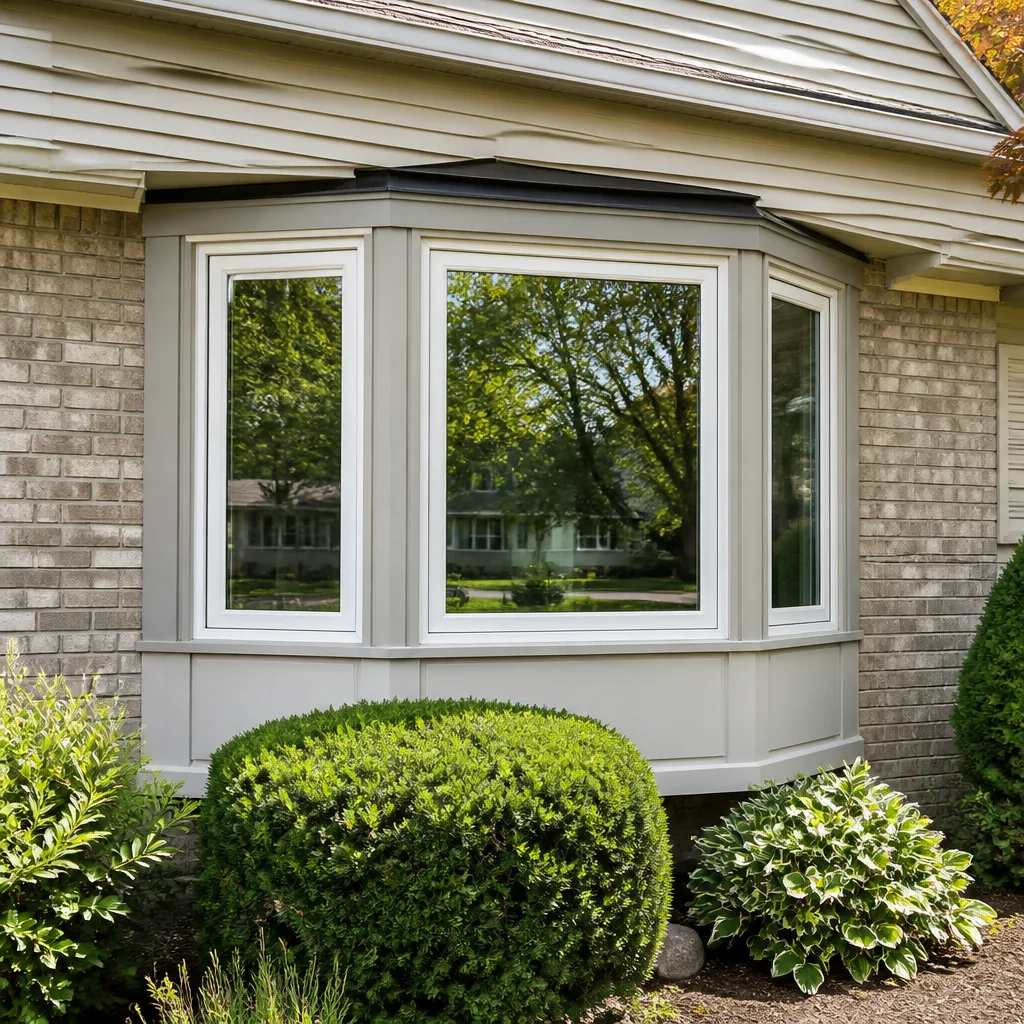
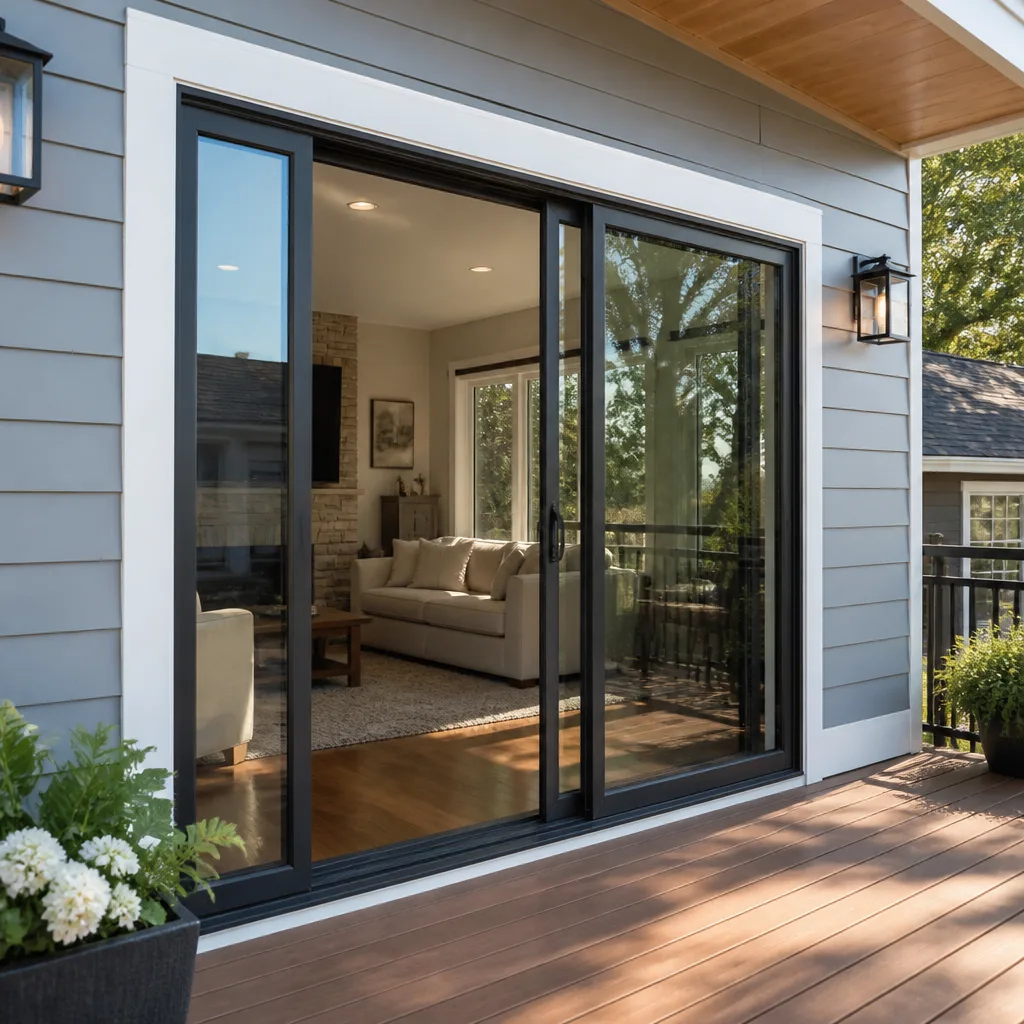
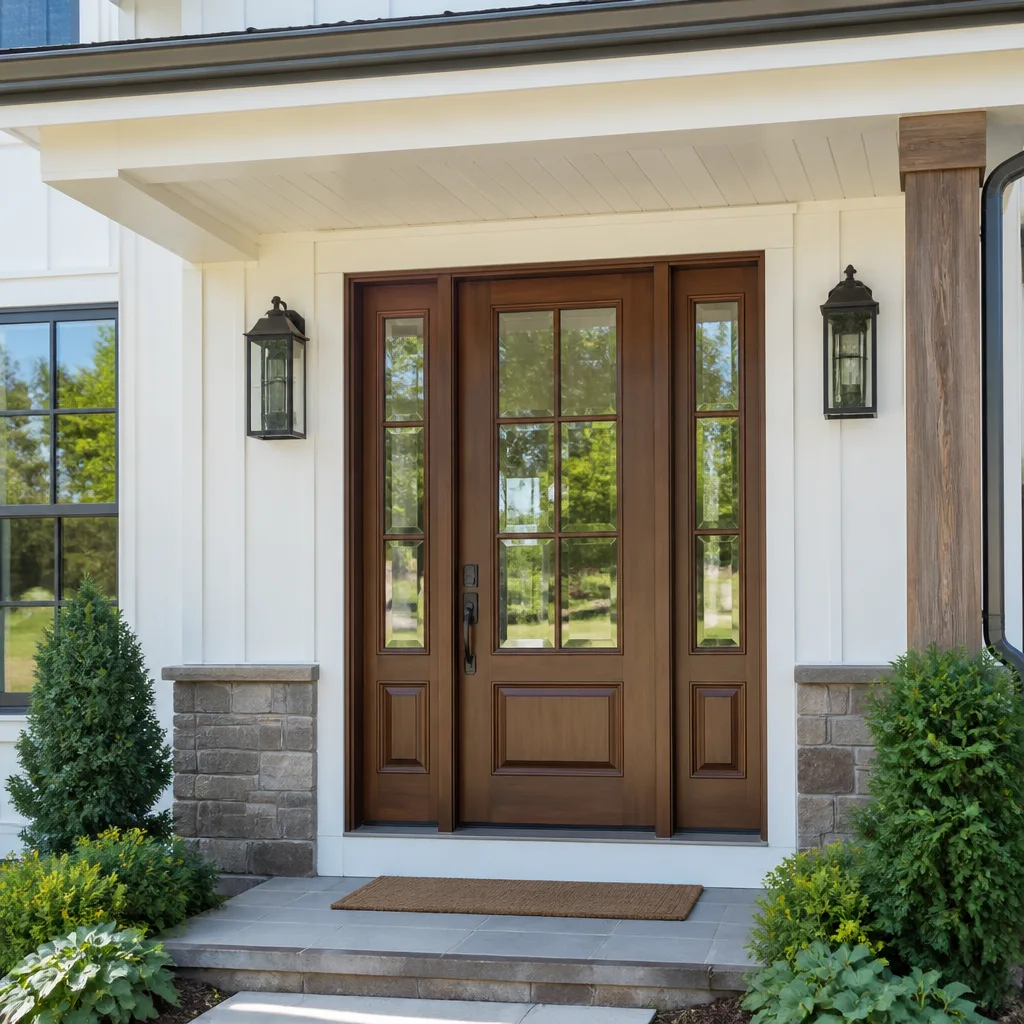
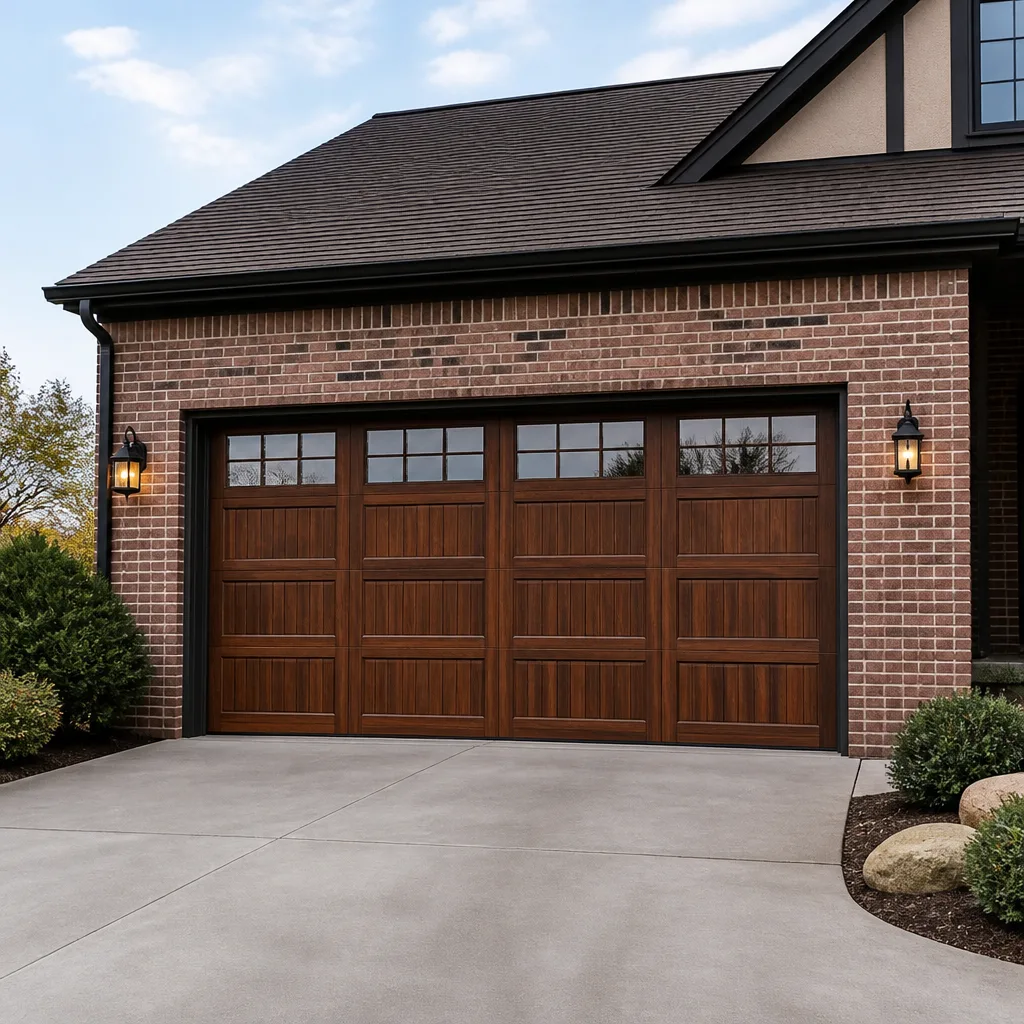
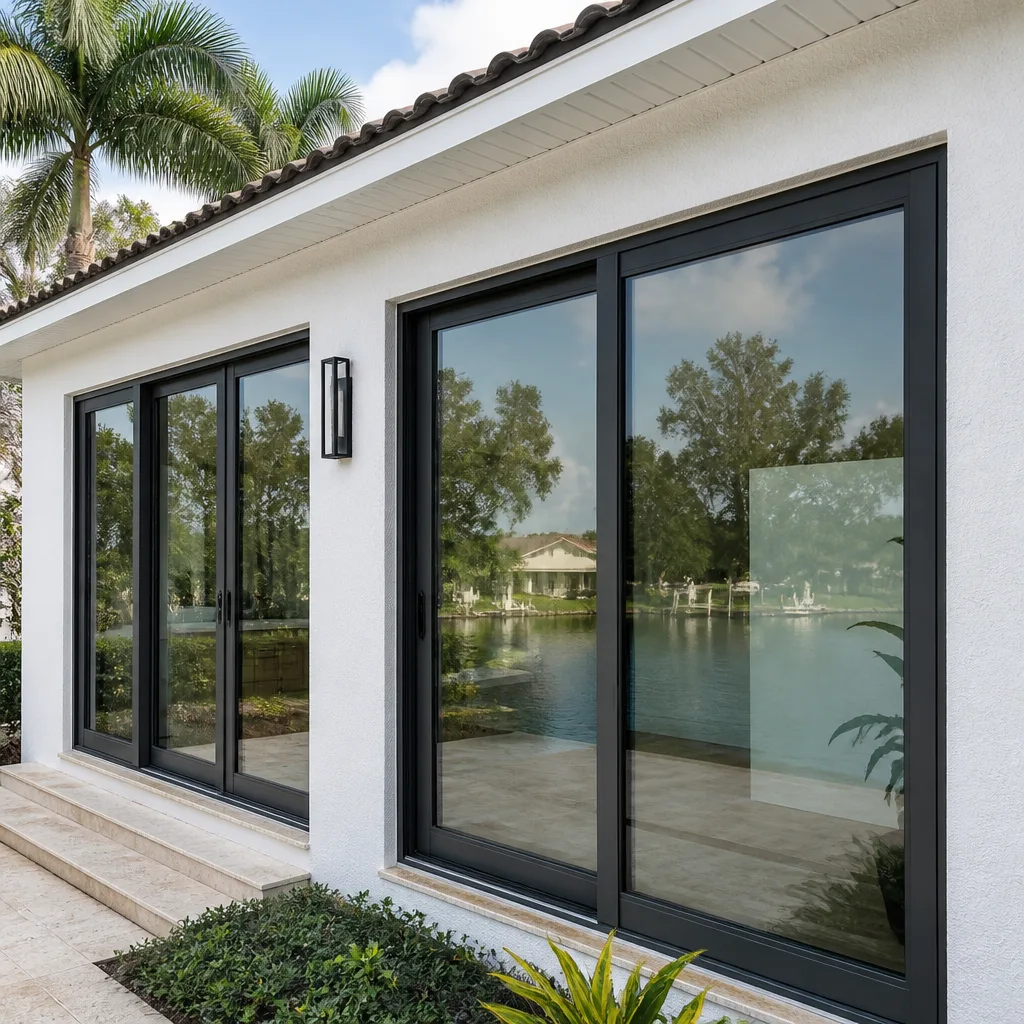
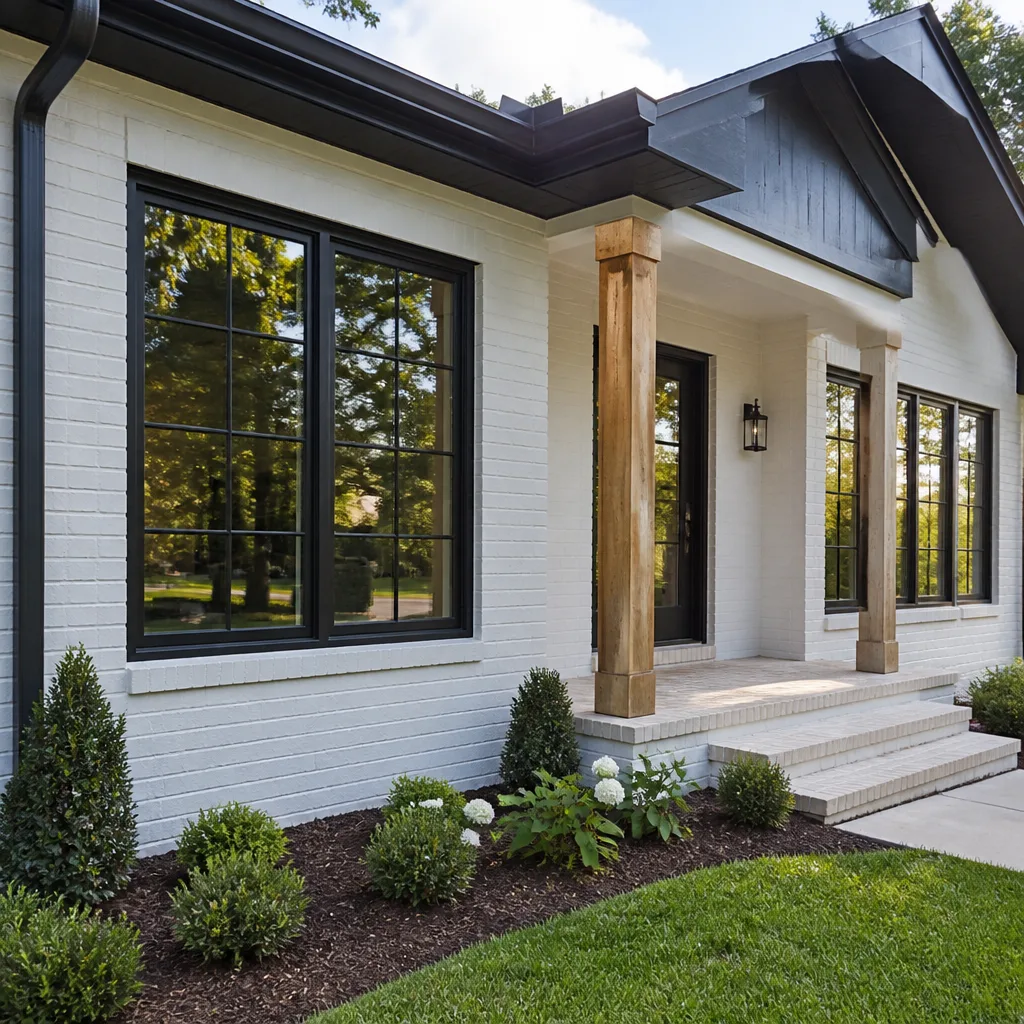
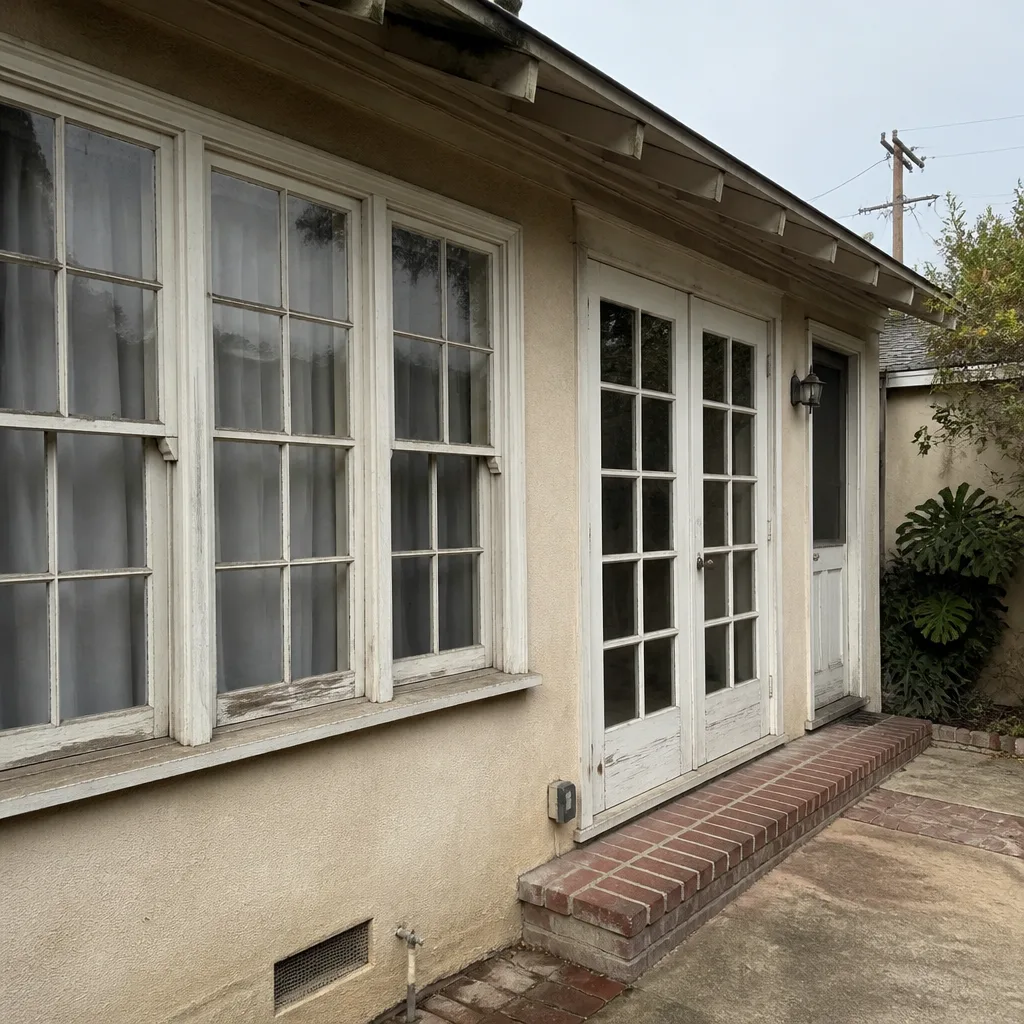 Before
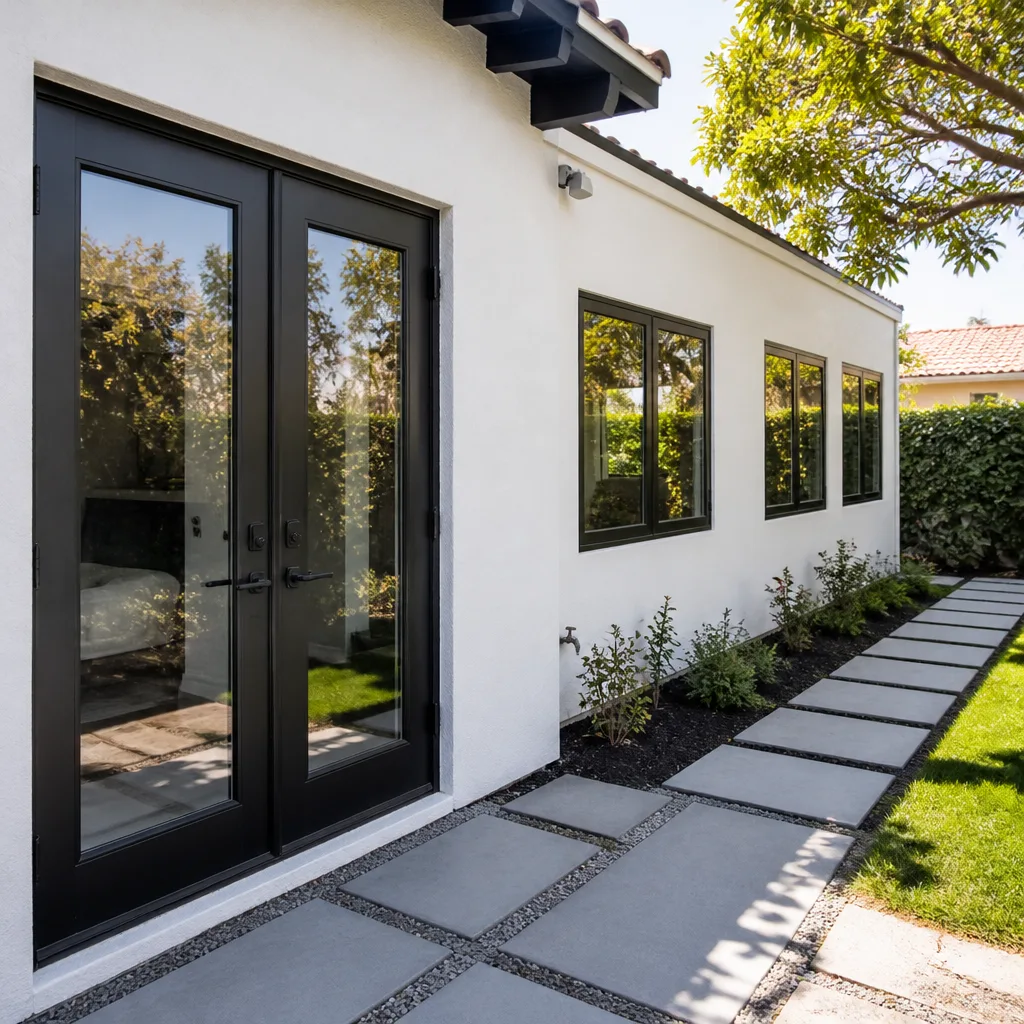 After
After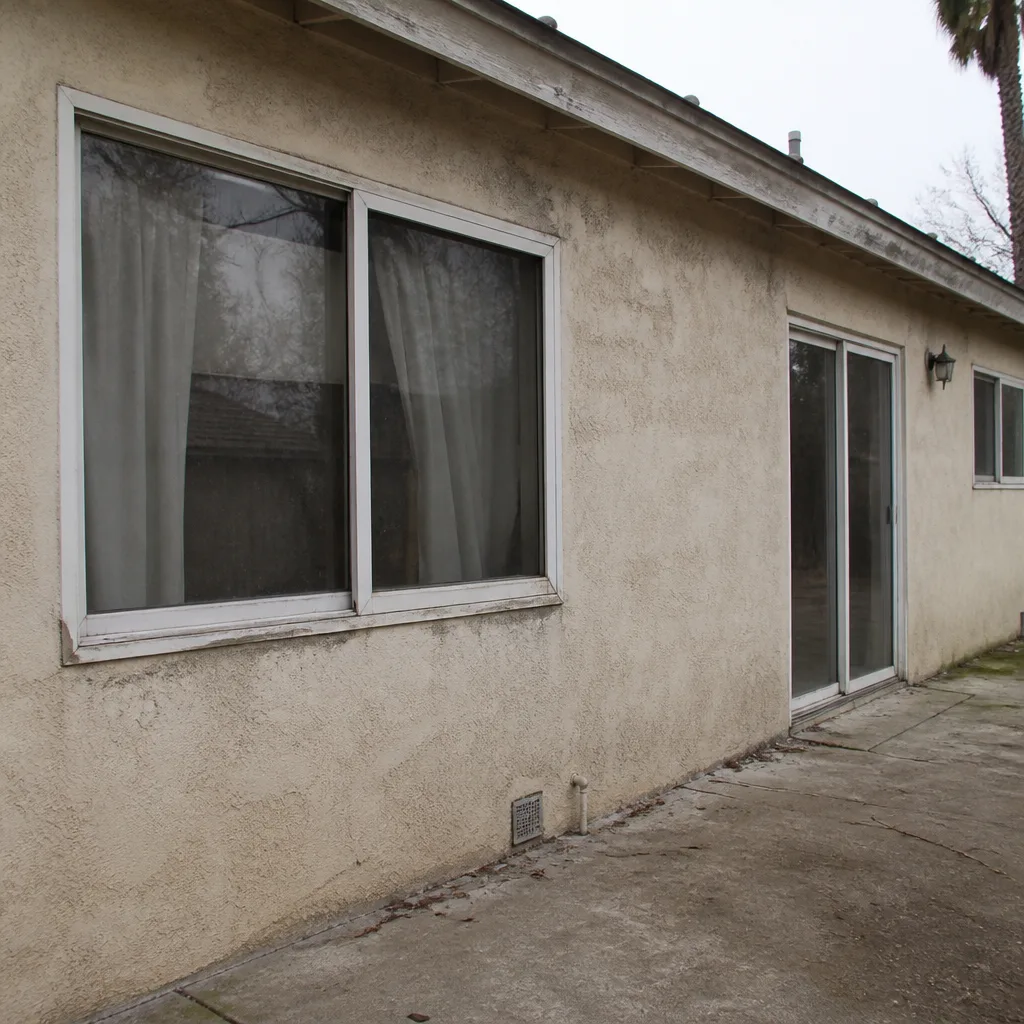 Before
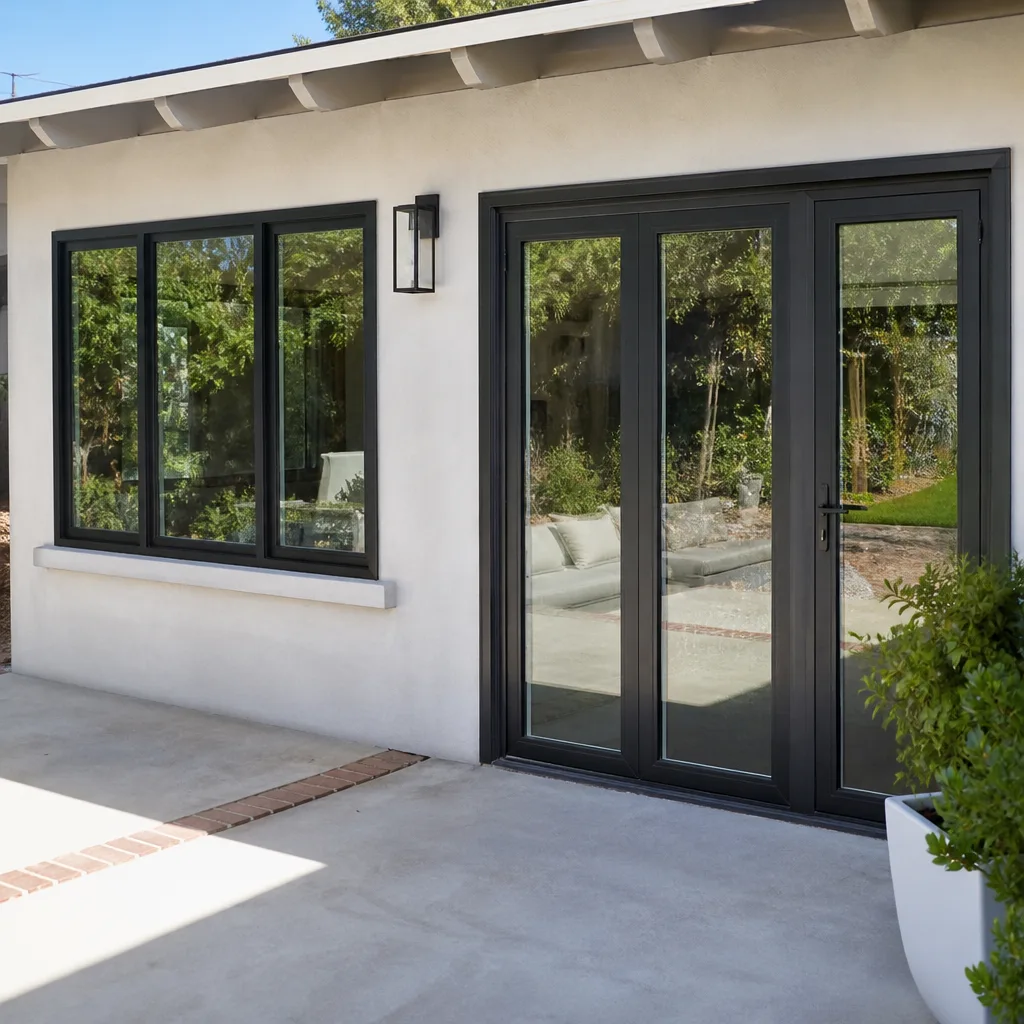 After
After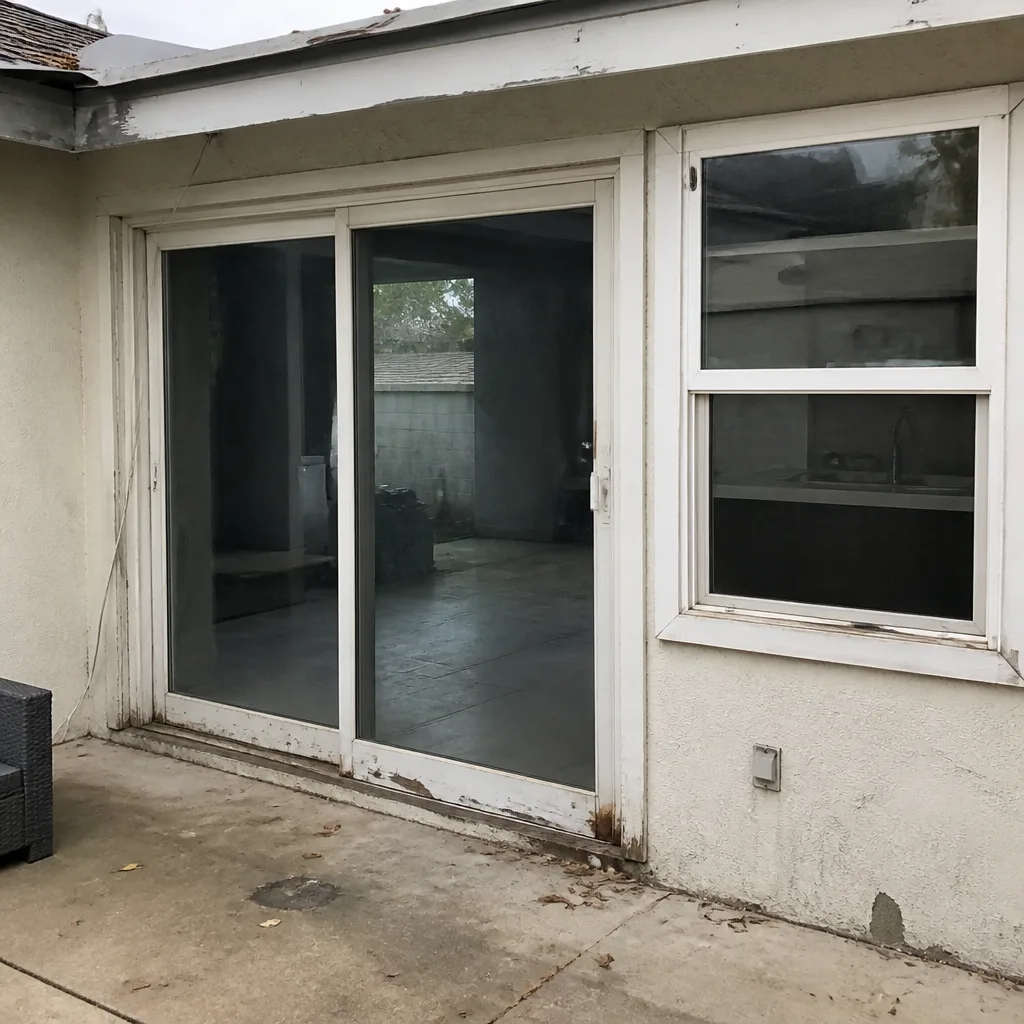 Before
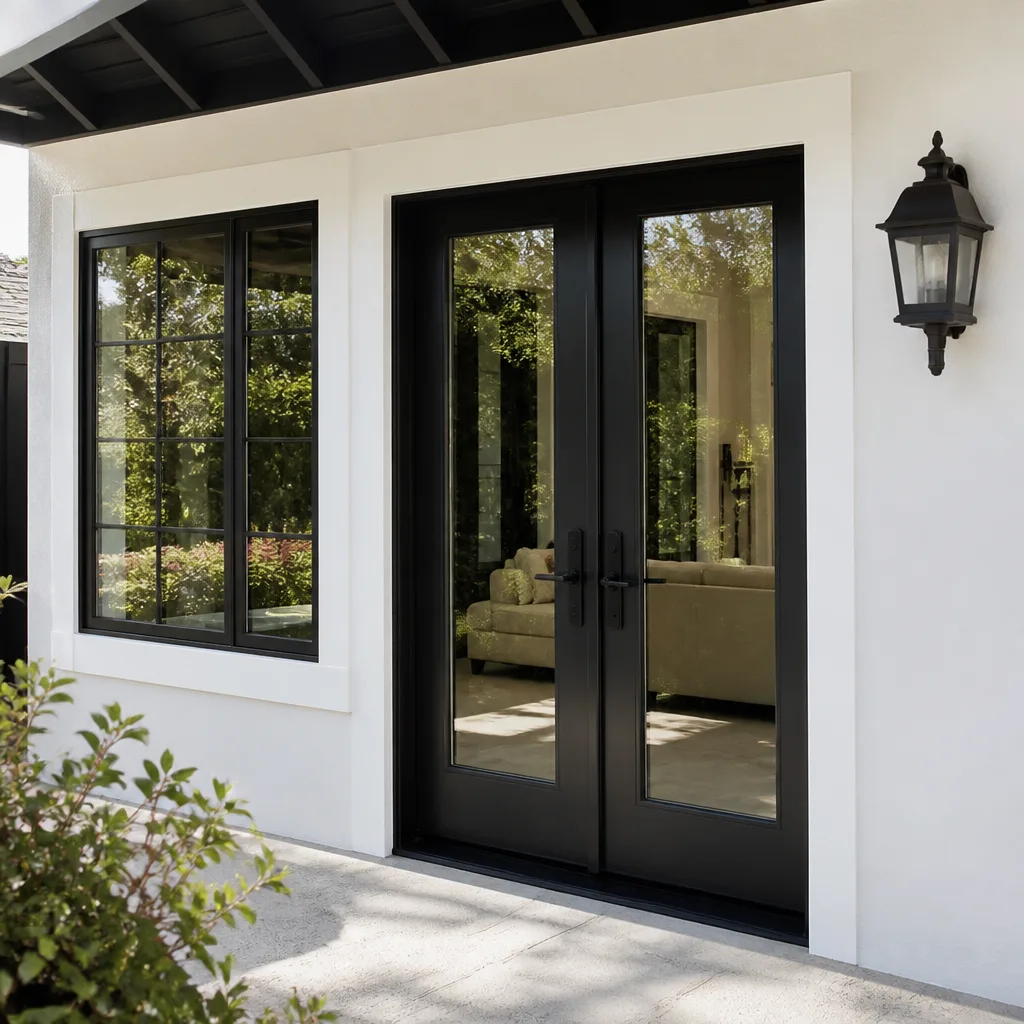 After
AfterThe Complete Window Replacement Guide for Los Angeles Homeowners
Most Los Angeles homeowners don’t realize that replacing a window without a permit can trigger a mandatory disclosure at resale, and in some hillside zones, the wrong glazing can void your fire insurance. A window is not just glass in a frame here. It is a compliance document, a wildfire barrier, and a salt-air survivor all at once. This guide walks you through the exact Title 24 energy numbers for Los Angeles climate zones, when LADBS actually requires a permit, what coastal air does to frames, and how to vet an installer for our Window Replacement services before they ever step onto your property.
Quick Answer
Window replacement in Los Angeles typically costs $550 to $1,400 per window installed for vinyl, $800 to $2,200 for fiberglass or wood-clad, and requires a permit unless it is a like-for-like swap that does not alter the opening size. In climate zones 9 and 10, Title 24 compliance means a maximum U-factor of 0.30 and an SHGC of 0.23 or lower for most residential applications. Coastal homes within about 1,500 feet of the ocean should favor vinyl or fiberglass over aluminum to avoid salt-driven pitting and frame failure.
Table of Contents
- Title 24 Requirements for Los Angeles Climate Zones
- The Permit Reality: When LADBS Cares About Your Windows
- Coastal Salt Air and Frame Material Choice
- Wildfire Ember Resistance in WUI Zones
- What Window Replacement Costs in Los Angeles
- How to Vet a Window Installer in Los Angeles
- Common Mistakes to Avoid
- When to Call a Professional
- Frequently Asked Questions
Title 24 Requirements for Los Angeles Climate Zones
California’s Title 24 energy code splits Los Angeles into two climate zones: zone 9 and zone 10. If you live in the San Fernando Valley, Pasadena, Glendale, or the inland basin, you are almost certainly in zone 9 or an adjacent hot-dry pocket. If you are closer to the coast, Santa Monica, Venice, Manhattan Beach, you are in zone 10. These zones determine what glazing your replacement windows can legally carry, and the numbers are specific.
For residential window replacement in Los Angeles, Title 24 requires a maximum U-factor of 0.30 and a maximum Solar Heat Gain Coefficient of 0.23 for most single-family homes. The U-factor measures how well the window resists heat transfer; the lower the number, the better the insulation. SHGC measures how much solar heat passes through the glass; a lower SHGC means less heat gets in, which matters in Los Angeles because we cool our homes more months than we heat them. Low-E glass, a thin coating that blocks heat while letting light through, is the standard way manufacturers hit these numbers.
If your home sits in a designated wildfire zone, which we cover in our guide on DIY vs Professional Window Repair: What’s Safe to Do Yourself, the glazing requirements tighten further. But even a standard Los Angeles replacement should be double-pane with low-E. Single-pane windows cannot meet Title 24 in zones 9 or 10. That is not a preference question. It is a code compliance question, and we have seen homeowners buy single-pane windows from out-of-state suppliers only to fail inspection on day one.
In our experience installing across Los Angeles, the most common Title 24 confusion is around skylights and large west-facing window walls. Those carry stricter SHGC requirements depending on glazing area. A written quote from any installer should list the U-factor and SHGC for each window line. If it does not, ask for it. Every window we quote at Hale Windows & Doors lists these numbers in writing before work begins. It is the only way a homeowner can verify compliance instead of taking a salesperson’s word.
The Permit Reality: When LADBS Cares About Your Windows
The Los Angeles Department of Building and Safety does not require a permit for a true like-for-like window replacement. If the new window fits the existing rough opening, the opening size does not change, and you are not altering the structure around it, you can legally replace the window without a permit. That is the standard retrofit scenario for most Los Angeles homes.
Things change the moment you touch the opening. If you enlarge a window, add a new window where there was not one, or convert a window to a door, LADBS requires a permit. The same is true if your home is in a designated historic preservation overlay zone, where even like-for-like replacement can trigger design review, as discussed in our post on DIY vs Professional Front Door Replacement: What’s Safe to Do Yourself. And some hillside homes in Los Angeles, particularly in areas with slope stability concerns, require additional structural sign-off when any opening is modified.
Here is the part most guides skip: unpermitted work that changes an opening becomes a disclosure issue at resale. Sellers in California must disclose known unpermitted alterations. A buyer’s inspector will flag a window that clearly does not match the original floor plan. It becomes a negotiation problem, and in a slow market it can cost more than the permit would have.
Here is the step-by-step on checking your own situation:
- Confirm your home is not in an HPOZ. You can check on the City of Los Angeles Office of Historic Resources website.
- Confirm your project is like-for-like. Same rough opening dimensions, same location, no structural changes.
- If it is like-for-like, confirm with your installer in writing. The written quote should state that the work is a retrofit replacement within the existing opening and that no permit is required under LADBS rules.
- If you are changing any opening, budget for the permit. In Los Angeles, a window permit for a modest opening change typically runs $400 to $900 depending on scope and plan review requirements. Your contractor should pull it, not you.
- Do not accept a verbal assurance. Get the permit answer in writing. If a contractor refuses to put it in writing, that is your answer.
We apply this logic to every quote. If your Los Angeles project needs a permit, it is in the written price before work starts, with the permit cost broken out as a line item. If it does not need a permit, that is in writing too. No surprises on the invoice.
Coastal Salt Air and Frame Material Choice
If your home sits within roughly 1,500 feet of the ocean, salt air is working on your window frames every single day. We see this in Venice, Marina del Rey, Playa del Rey, and San Pedro constantly. Aluminum frames in these zones develop pitting and white corrosion within three to five years. That is not a defect. That is salt reacting with aluminum. Once pitting starts, the frame’s anodized or painted finish is compromised, and the window looks worn long before its glass fails.
Vinyl frames do not corrode in salt air. Neither does fiberglass. Both are better choices for coastal Los Angeles. Vinyl is the more budget-friendly of the two, and modern vinyl from a professional-grade line holds dimension well in heat. Fiberglass costs more but offers better structural rigidity, which matters if you are installing large picture windows or sliders facing the ocean breeze.
The brand lines we install at Hale Windows & Doors reflect this reality. PGT and CGI make impact-rated vinyl and aluminum lines that handle salt exposure well when specified correctly. CWS and ES Windows offer aluminum frames with marine-grade finishes that are appropriate for coastal Los Angeles if the homeowner specifically wants aluminum aesthetics. The point is that we match the product to the location, not the other way around. A homeowner three blocks off Abbot Kinney needs a different frame than a homeowner in Sherman Oaks, and a real specialist should say that out loud.
One more coastal detail: weep holes. In salt-air zones, weep holes on window frames clog faster with airborne salt and debris. We recommend an annual rinse of exterior frames and weep holes for coastal homes. It takes ten minutes with a hose and prevents long-term drainage problems. No special cleaner required.
Wildfire Ember Resistance in WUI Zones
Large parts of Los Angeles fall within Wildland-Urban Interface, or WUI, zones. Topanga, Altadena, parts of Pacific Palisades, La Cañada Flintridge, and much of the Santa Monica Mountains foothills. In WUI zones, California Building Code Chapter 7A applies, and that changes your window specification entirely.
Chapter 7A requires exterior glazing in WUI zones to be tempered glass or multi-pane with at least one tempered pane. Tempered glass does not shatter the same way annealed, or standard, glass does when exposed to heat. When a single pane of annealed glass breaks during a wildfire, embers enter the home directly. Tempered glass holds up longer and reduces that entry point. The code also governs frame materials and requires that windows in WUI zones resist ember intrusion at joints and seams.
Here is what this means for a homeowner replacing windows in a WUI-designated area of Los Angeles:
- Standard double-pane windows with annealed glass will not pass.
- You need at least one tempered pane, and the frame must meet WUI performance standards.
- Some insurance carriers now require documented compliance to maintain or renew fire coverage. In our experience, State Farm and Farmers have both asked for window documentation in high-risk Los Angeles hillside zones.
- Impact-rated lines like CGI and PGT, which we install, are designed to meet these WUI requirements while also providing impact resistance for wind-driven debris.
If you are unsure whether your home is in a WUI zone, check the Los Angeles County Fire Department’s Very High Fire Hazard Severity Zone maps. They are public. If your replacement quote does not mention WUI or Chapter 7A and you live in a hillside neighborhood, ask directly. A specialist who works in Los Angeles should know the answer without a beat.
What Window Replacement Costs in Los Angeles
Let us put real numbers on the table. In Los Angeles, entry-level vinyl replacement windows installed by a licensed contractor run $550 to $850 per window. That assumes standard sizes, double-pane low-E glass, and a like-for-like retrofit installation with no permit required. Mid-range vinyl or entry fiberglass runs $800 to $1,300 per window. Large openings, special shapes, wood-clad interior finishes, or WUI-compliant tempered glazing push the top end to $1,600 to $2,500 per window.
Here is a practical breakdown for a typical 10-window single-family home in Los Angeles:
- 10 standard double-hung vinyl windows, like-for-like retrofit: $5,500 to $8,500 total.
- 10 windows with one patio slider, mid-range vinyl: $9,000 to $14,000 total.
- 10 WUI-compliant windows in a hillside home: $11,000 to $18,000 total.
- 10 wood-clad or premium fiberglass windows: $14,000 to $22,000 total.
Labor in Los Angeles runs higher than the national average. Our market carries higher workers’ comp rates, higher dump fees, and higher cost of living for the people doing the work. That is not an excuse; it is the reality of hiring licensed labor in this city. A quote that seems too low usually means unlicensed labor, a missing permit, or a window line you do not actually want in your home.
Every quote we write at Hale Windows & Doors includes a fixed, written price before work starts. That price covers the windows, labor, haul-away of old units, and any permit fees that apply. We do not do change orders on a properly quoted job. If the scope does not change, the price does not change. That is the written-price policy, and it applies to window replacement in Los Angeles on every single job.
How to Vet a Window Installer in Los Angeles
Before anyone steps foot in your home, you should know three things: their license classification, their insurance status, and their name. This process takes ten minutes and eliminates most of the problems Los Angeles homeowners report with window contractors.
- Look up their CSLB license. The Contractors State License Board has a free online lookup. Enter the license number and verify it is active and not under suspension. Any contractor working in Los Angeles on a job over $500 must have a license.
- Check the classification. A “B” classification is a general building contractor. A “C-17” classification is a glazing contractor. Both can legally install windows, but the C-17 is the specialist designation. At Hale Windows & Doors, windows and doors are all we do. That is the difference between a specialist and a generalist.
- Confirm workers’ compensation insurance. The CSLB lookup will show whether the contractor carries workers’ comp. If they do not, and a worker is injured on your property, your homeowner’s insurance can be on the hook. Do not skip this.
- Ask who is actually coming. This is the step most homeowners forget. The person who sold you the windows is rarely the person installing them. Ask for the installer’s name before the appointment. A company that will not tell you who is coming to your home is telegraphing something.
- Get the price in writing before work starts. A written quote with a fixed price, not an estimate range with open-ended allowances. If a contractor will not put it in writing, walk away.
This vetting process is personal for us. Every technician we send to a Los Angeles home is background-checked, identity-verified, uniformed, and photo-badged. Before each visit, you receive the technician’s name and photo. We call this the Threshold Standard. It means you know exactly who is at your door before you open it. For a homeowner who is often home alone, or a parent with young children, that is not a perk. It is the baseline. You can read more about how we handle window repair in Los Angeles with the same standard.
Common Mistakes to Avoid
- Buying windows before checking Title 24. A window that meets code in Arizona may not meet code in Los Angeles. Verify the U-factor and SHGC for your climate zone before money changes hands.
- Assuming all vinyl is the same. There is a meaningful difference between the vinyl extrusions in a professional-grade line and what big-box stores sell. Wall thickness, chamber design, and hardware quality vary dramatically.
- Ignoring the permit question because it is inconvenient. Unpermitted opening changes become a resale liability. The disclosure requirement does not disappear because you sold the house without mentioning it.
- Choosing aluminum frames in coastal Los Angeles. Within 1,500 feet of the ocean, aluminum pits. If you want aluminum for aesthetics, specify a marine-grade finish, but understand it will require more maintenance than vinyl or fiberglass.
- Skipping the WUI check in hillside neighborhoods. If your home is in a wildfire zone and you install non-compliant glazing, you may fail inspection and create an insurance problem. This is avoidable with a five-minute map check.
- Hiring a contractor without verifying their CSLB license. Unlicensed labor is a real problem in Los Angeles. The lookup takes one minute. The risk of skipping it lasts for years.
- Accepting a verbal quote. A verbal price is not a price. It is a conversation. A written fixed quote is a commitment. One protects you; the other does not.
When to Call a Professional
Window replacement is not a job you should take on yourself, and this is not gatekeeping. Improper flashing around a replacement window causes water intrusion inside your walls, and by the time you see the stain on the drywall, the framing damage is already done. High-rise or second-story replacements carry fall risk that is not worth absorbing to save labor costs. If you are in a WUI zone, the glazing specification is too high-stakes to guess at. If your opening size is changing, the structural and permit work belongs in licensed hands. Hale Windows & Doors offers free estimates in Los Angeles. Call (252) 675-6980 and we will put a written price in your hands before any work starts.
Frequently Asked Questions
Standard vinyl replacement windows in Los Angeles run $550 to $1,400 per window installed. A typical 10-window home totals $5,500 to $14,000 depending on frame material, glazing, and whether wildfire zone requirements apply. Call (252) 675-6980 for an exact written quote; estimates are free.
No permit is required for a like-for-like replacement that does not change the rough opening size, unless your home is in a historic overlay zone. If you enlarge or add an opening, LADBS requires a permit. Get the permit answer in writing from your installer before work begins.
Aluminum frames within about 1,500 feet of the ocean tend to pit and corrode within three to five years due to salt air. Vinyl and fiberglass frames handle coastal conditions better. If you want aluminum near the coast, specify a marine-grade finish and expect more maintenance.
Title 24 is California’s energy code. In Los Angeles climate zones 9 and 10, replacement windows must have a U-factor of 0.30 or lower and an SHGC of 0.23 or lower for most homes. Non-compliant windows can fail inspection and complicate resale.
In WUI wildfire zones, impact-rated or tempered glazing is often code-required under Chapter 7A, not optional. Even outside WUI zones, impact-rated lines like CGI and PGT add wind-driven debris protection and often reduce insurance premiums. They cost more, but the insurance and safety payoff can justify it in hillside neighborhoods.
Check the Los Angeles County Fire Department’s Very High Fire Hazard Severity Zone maps. They are free and public. If your home is in a designated zone, your replacement windows must meet Chapter 7A glazing requirements. A specialist installer should confirm this for you at the quote stage. Call (252) 675-6980 and we will check it as part of your free estimate.
Yes, and it often makes sense to do both at once. The same Title 24 and WUI considerations apply to doors, and coordinating the work avoids two separate mobilization costs. We install front door replacement in Los Angeles alongside window projects routinely, and the written quote covers both scopes in one fixed price.
The Bottom Line
Window replacement in Los Angeles is a compliance project as much as a comfort upgrade. Title 24 sets the glazing numbers, LADBS sets the permit line, coastal salt air sets the frame material, and WUI codes set the glass strength in hillside neighborhoods. If you verify those four things before you sign a contract, you will not be the homeowner discovering an unpermitted window at resale or fighting an insurance carrier over non-compliant glazing. Get the U-factor and SHGC in writing. Get the permit answer in writing. Get the price in writing. And know who is coming to your home before the truck pulls up. That is how this job should be done in Los Angeles. You can learn more about Hale Windows & Doors home services or call (252) 675-6980 to schedule your free written estimate.
Written by Spencer Odell, Owner at Hale Windows & Doors, serving Los Angeles since 2009. For more guides & resources, visit our blog.