

Last updated October 9, 2026
Free in-home measure and quote - PGT, CGI and CWS impact lines compared on your actual openings, style by style
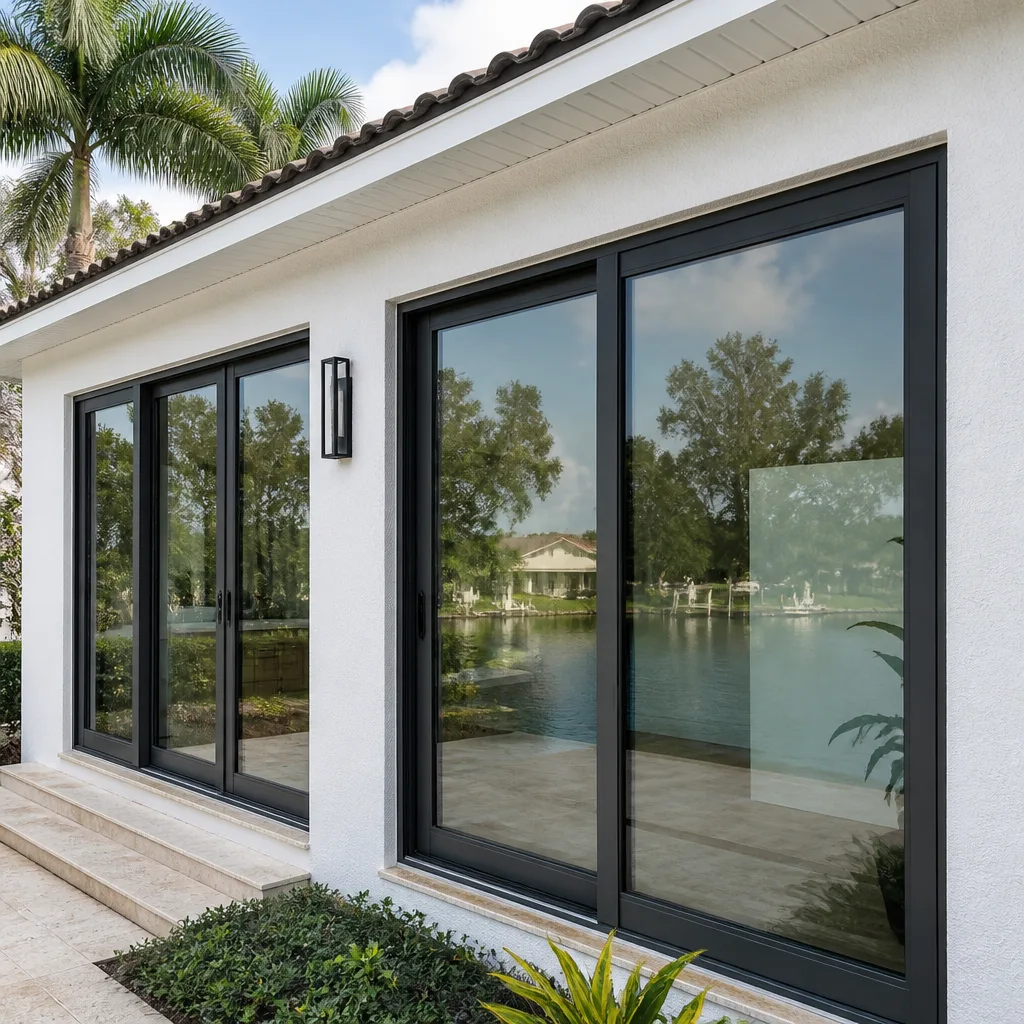
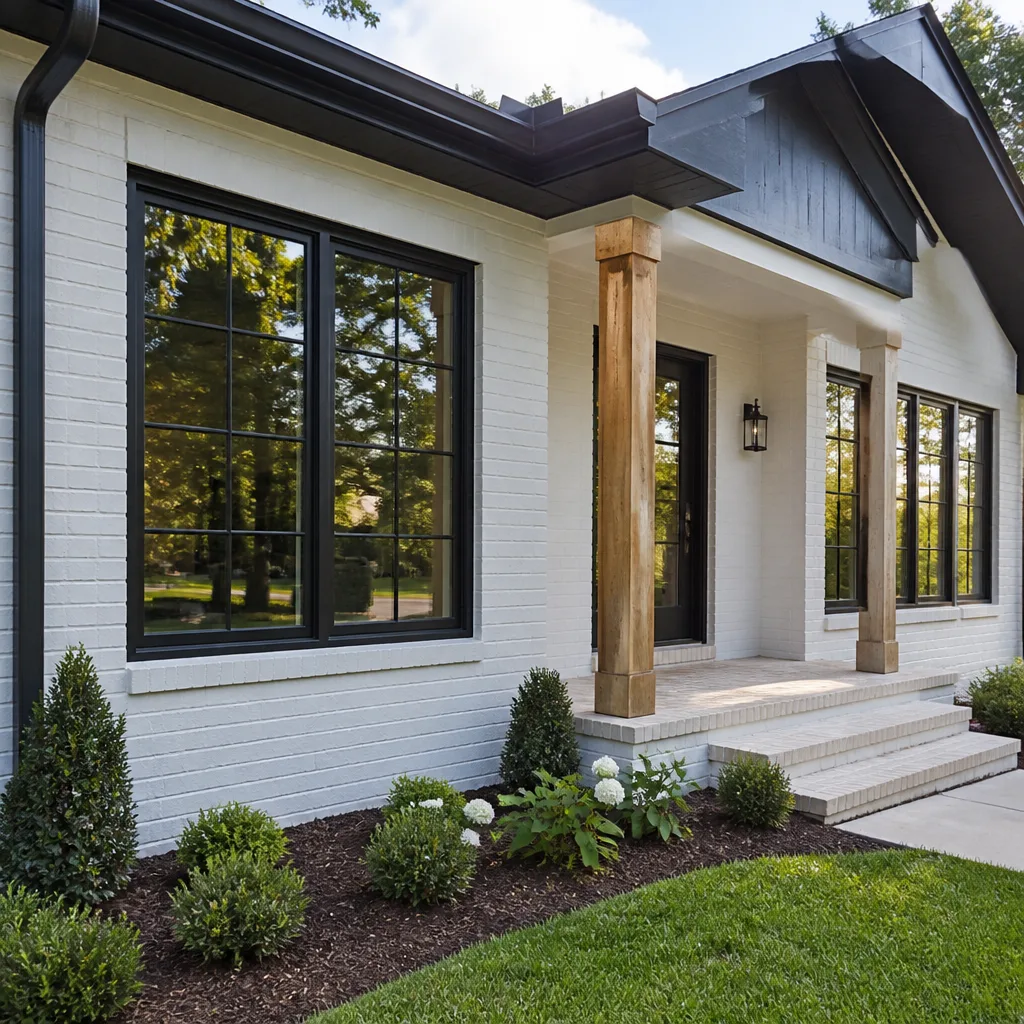
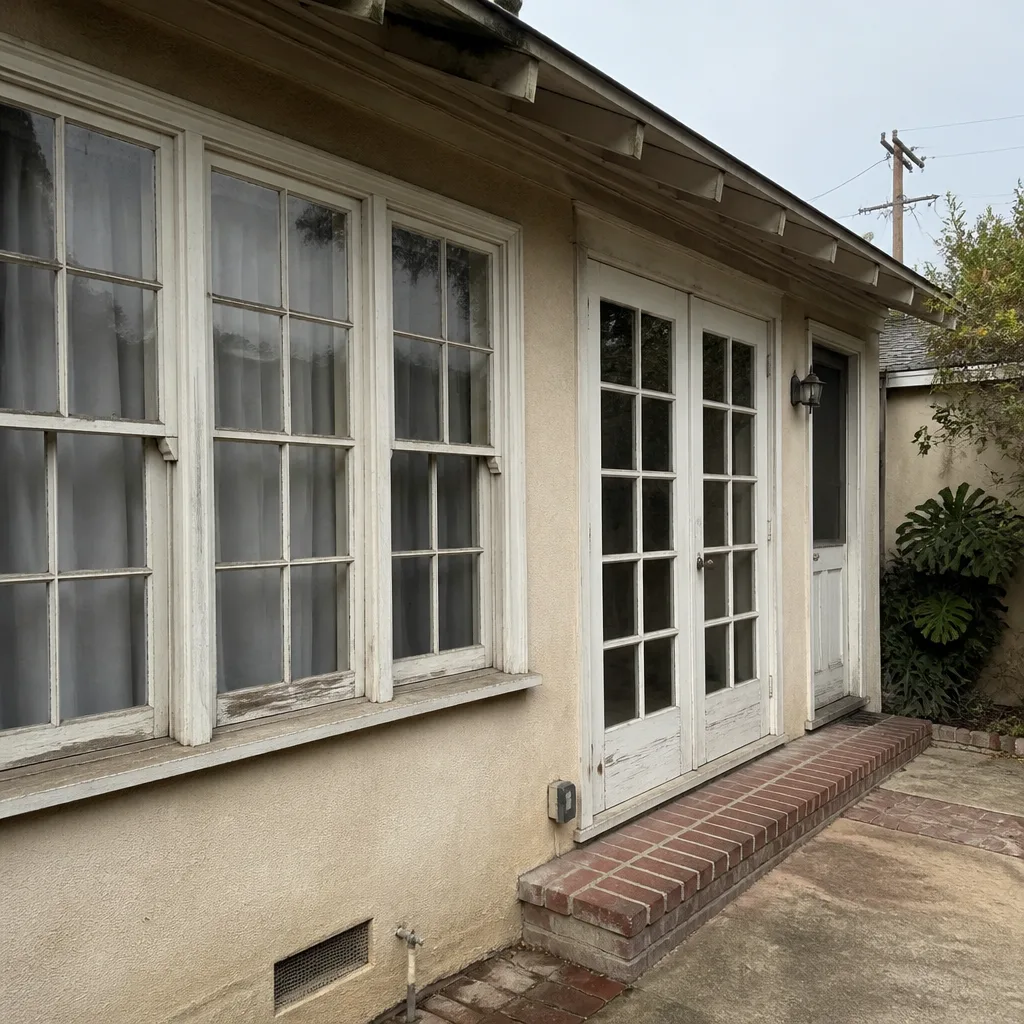 Before
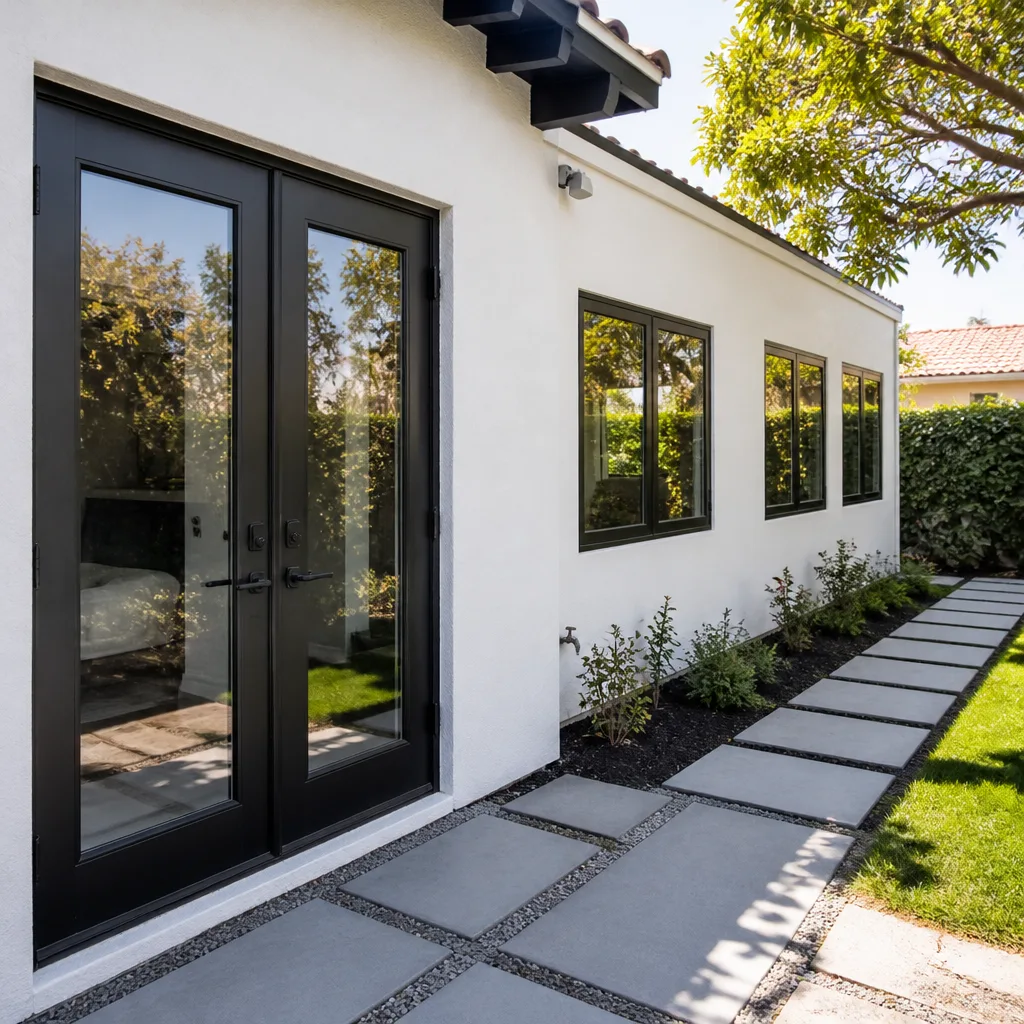 After
After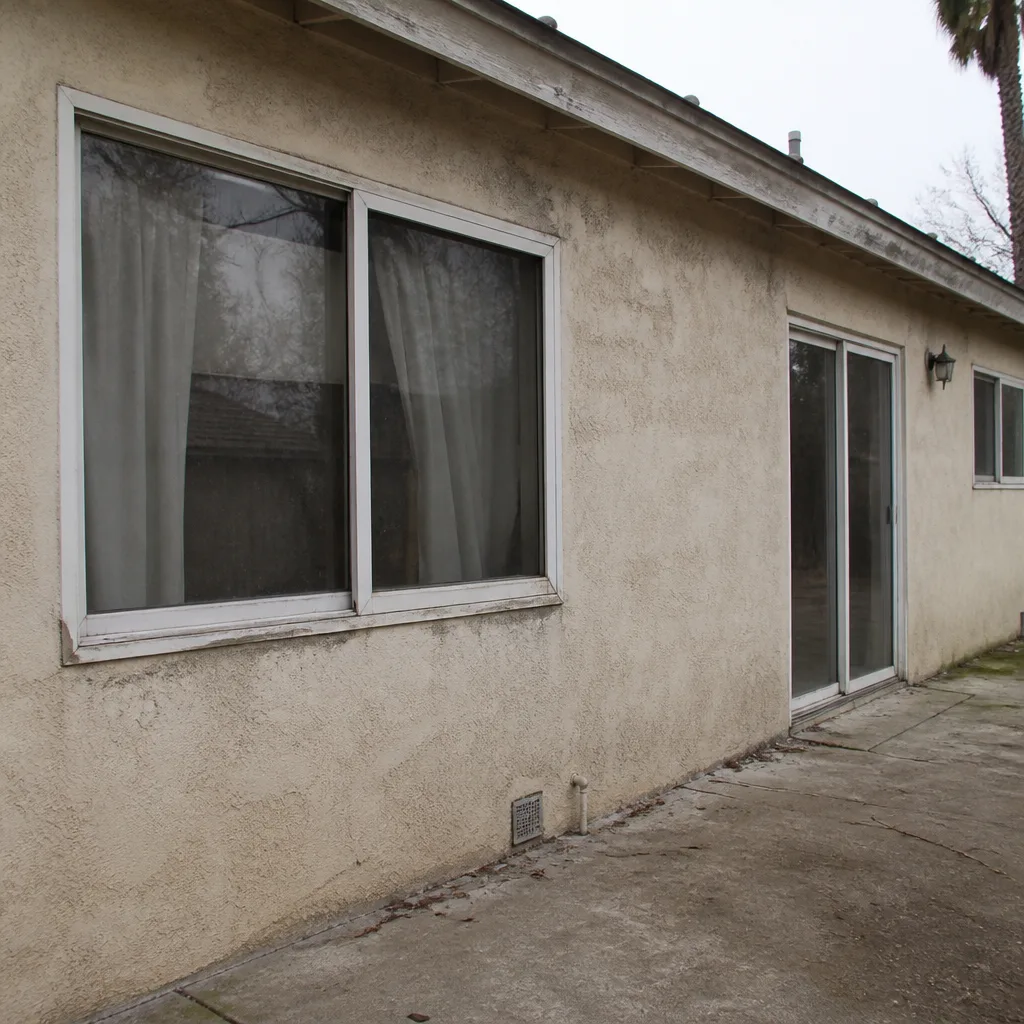 Before
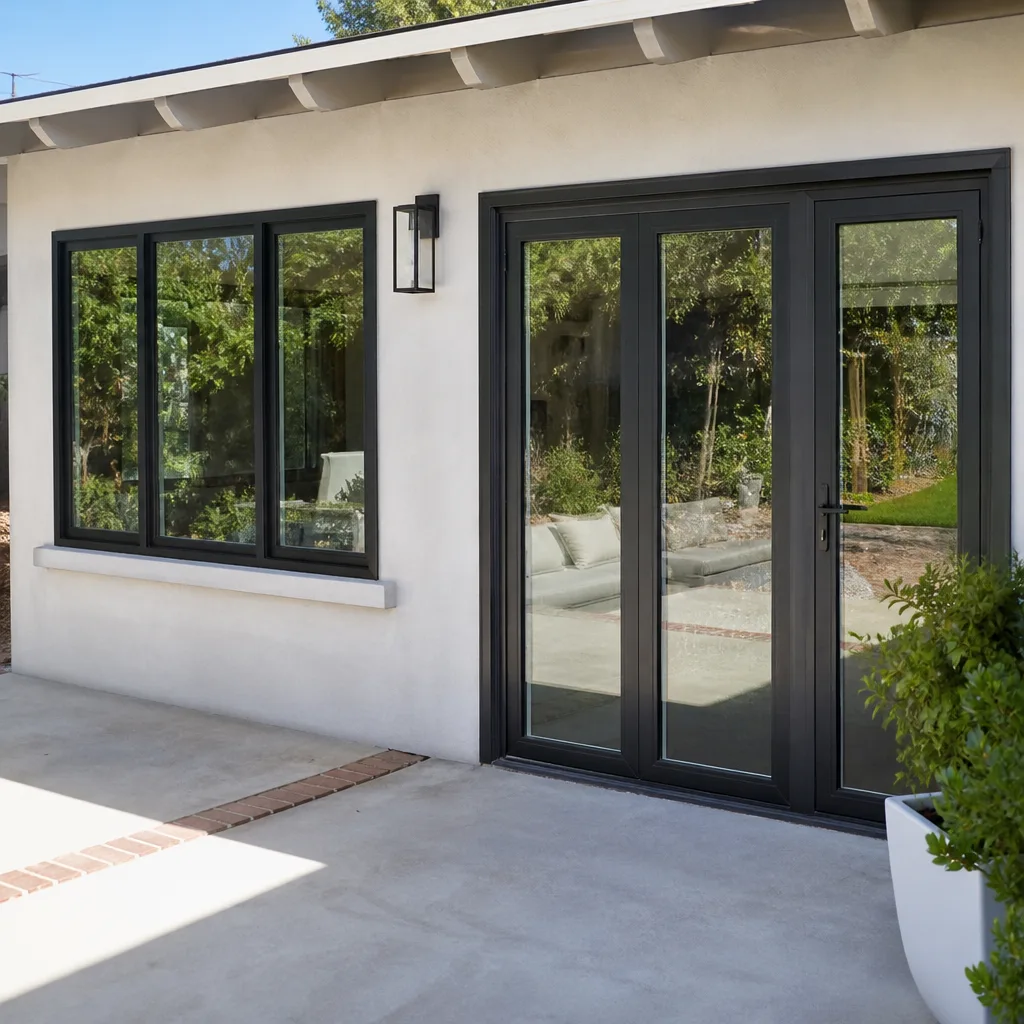 After
After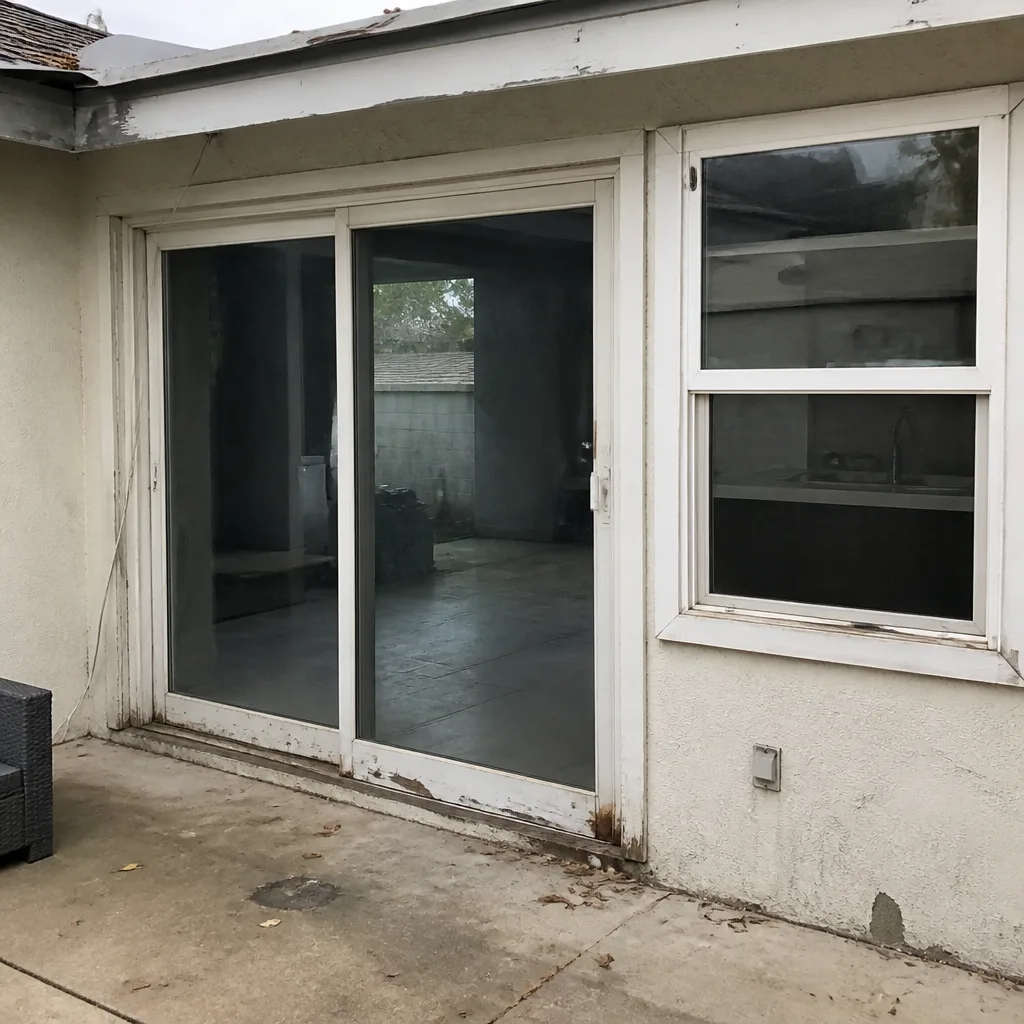 Before
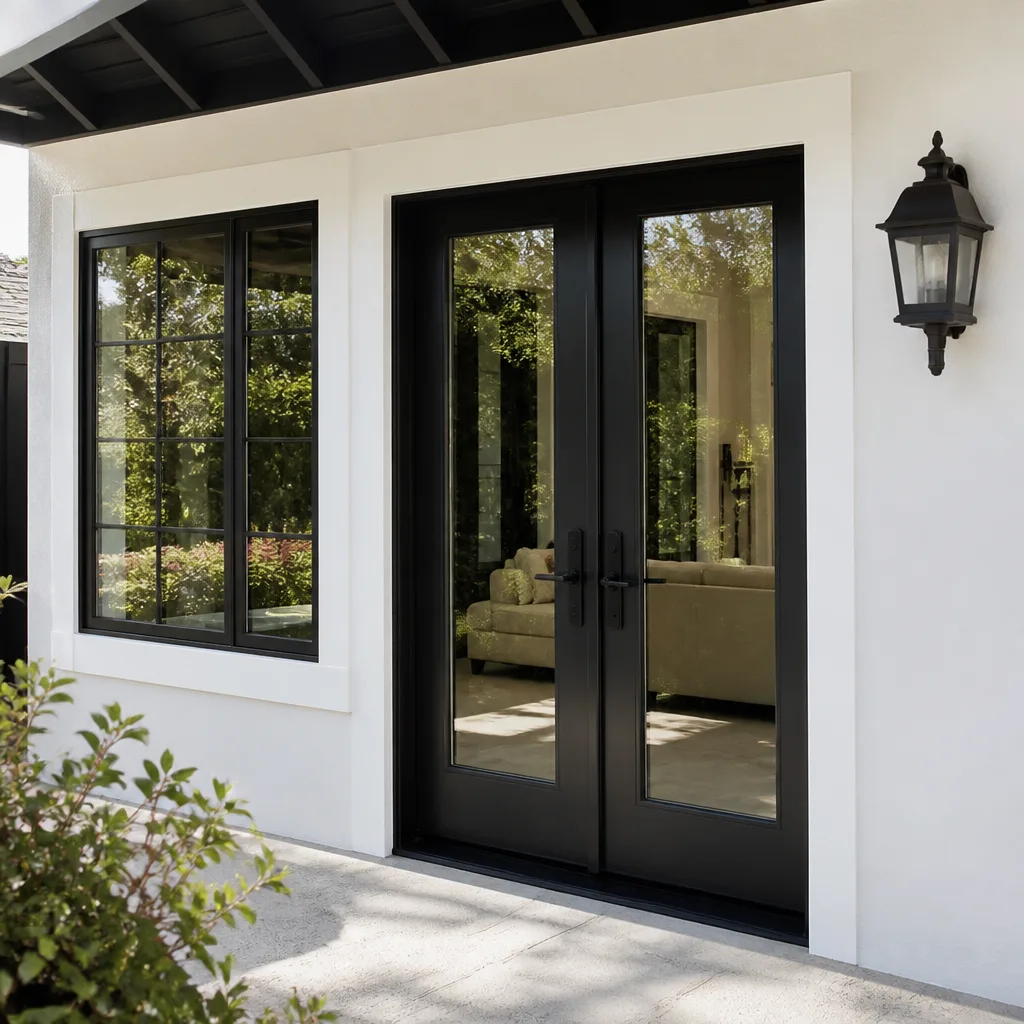 After
AfterDIY vs Professional Front Door Replacement: What’s Safe to Do Yourself
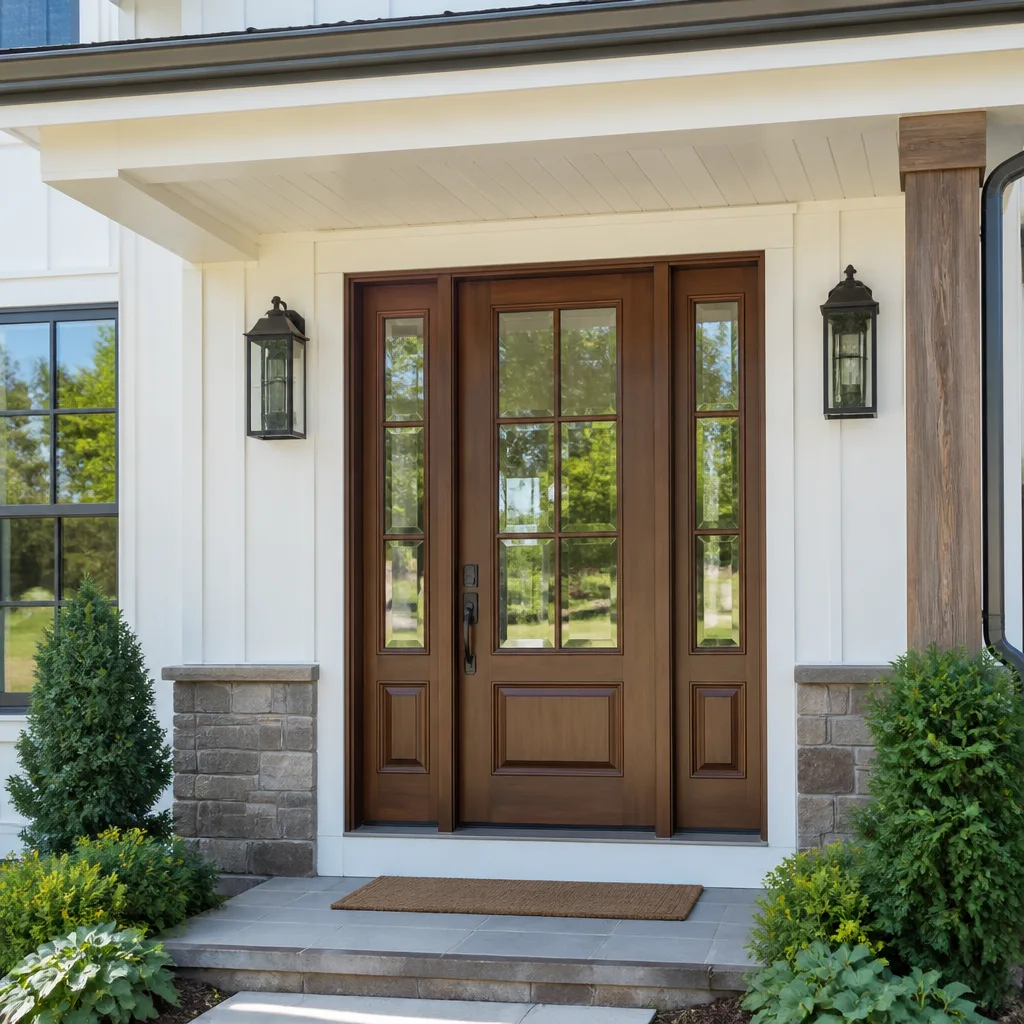
Every YouTube tutorial for Front Door Replacement services starts the same way: a guy leans a pre-hung door into a perfectly square rough opening, shims it level in three minutes, and drives screws home. The video never shows what happens when the rough opening is out of plumb by half an inch on the hinge side, or when the sill plate has been wicking moisture for forty years. In Los Angeles, where much of the housing stock between Echo Park and the Valley went up before 1970, fewer than 40% of door rough openings measure plumb and square to within the 1/4-inch tolerance a pre-hung unit demands. The tutorial assumes the best case. Your doorway probably isn’t the best case. This guide tells you how to know the difference before you spend a dime, what’s genuinely safe to tackle yourself, and where the line sits between a confident Saturday project and a structural liability.
Quick Answer
DIY vs Professional Window Repair: What’s Safe to Do Yourself covers similar ground for windows, and the same logic applies here: DIY front door replacement is genuinely safe and realistic when the existing rough opening is plumb, square, and free of rot, and when you’re comfortable with a level, shims, and a drill. Anything involving structural repair, a non-square opening, WUI-zone fire door requirements, or a building permit crosses the line into professional territory, where the cost of a botched DIY job typically exceeds the price of hiring out from the start.
Table of Contents
- The 4-Point Rough Opening Assessment: Do This Before Buying Anything
- Three Tasks That Are Genuinely Safe for a Capable DIYer
- What Requires a Licensed Contractor in California: Permits, Headers, and WUI Doors
- The Honest Cost Comparison: DIY vs a Written Professional Quote
- The Overlooked Factor: Home Security During a Door Replacement
- Product Selection: What DIYers Get Wrong About Door Specs
- Common Mistakes to Avoid
- When to Call a Professional
- Frequently Asked Questions
- The Bottom Line
The 4-Point Rough Opening Assessment: Do This Before Buying Anything
Before you order a door, before you rent a saw, before you pull the old casing off, you need to know what’s behind it. This four-point assessment takes fifteen minutes with a 4-foot level, a 25-foot tape measure, a speed square, and a flashlight. We walk every Los Angeles homeowner through this same check when they call us about front door replacement in Los Angeles, because it determines whether the project is a swap or a rebuild. Here’s what to check:
- Measure the opening. Not the door. The opening. Pull the interior casing and measure the rough opening width at top, middle, and bottom, then the height at left, center, and right. If any two measurements differ by more than 1/4 inch, the opening is out of square. A pre-hung door will not sit correctly in a trapezoid, and no amount of shimming will fix a 1/2-inch discrepancy without compromising the reveal.
- Hold the level against both jack studs. Check the hinge-side stud and the strike-side stud, full height, in both planes. You’re looking for plumb within 1/8 inch over the door height. An opening that leans 1/4 inch or more forces the slab to swing open or shut on its own, wears hinges unevenly, and defeats weatherstripping within a season.
- Probe the sill plate and subfloor for softness with a flathead screwdriver. Los Angeles homes with stucco exteriors and slab foundations don’t rot as often as raised-foundation houses in Long Beach or South LA, but any door that has ever leaked at the threshold has a story to tell underneath. Press the screwdriver tip into the wood at the corners of the rough opening. If it sinks more than 1/8 inch, if the wood feels spongy, or if you see dark staining, you have rot. Rot means the opening must be rebuilt before any door goes in.
- Check the header above the opening with a flashlight. Look for sagging drywall seams, diagonal cracks extending from the upper corners of the door, or any visible deflection in the header beam. In Los Angeles, many pre-1950 homes were built with undersized headers or no header at all above door openings. If you see a crack or a dip, the load above the doorway is not properly supported. That’s a structural issue, not a door project.
Pass all four checks? You have a legitimate DIY candidate opening. Fail any one of them? The smartest move is to stop, leave the casing off, and get a professional assessment. A new door installed into a compromised opening will misalign within months, and every repair costs more than addressing the opening first would have.
Three Tasks That Are Genuinely Safe for a Capable DIYer
The DIY/pro line isn’t drawn by skill level so much as by consequence. The three tasks below are safe for a homeowner who owns basic tools and follows instructions, because a mistake is visible, reversible, and doesn’t involve modifying the structural frame of your home. None of them touch the rough opening, and none of them require a permit in Los Angeles.
1. Hardware Swaps: Locksets, Handlesets, Hinges, and Deadbolts
Replacing a door knob, deadbolt, or handleset is the most approachable door project there is. Modern locksets are designed for standardized backset measurements, typically 2-3/8 or 2-3/4 inches, and they fit through the same bores as the hardware they replace. The tools you need: a Phillips screwdriver, a flathead screwdriver, and the new hardware. Match the backset of your existing lock before buying anything. The job takes under an hour including the trip to the hardware store, and the worst realistic failure mode is a lock that binds slightly until you loosen and re-tighten the screws. You are not compromising air sealing, you are not touching structural wood, and you can reverse everything you do.
2. Weatherstripping Replacement
Weatherstripping on an exterior door degrades predictably. In Los Angeles, the sun does as much damage as rain does in other cities. UV exposure embrittles vinyl and felt seals in three to five years, and you’ll feel the result as a draft near the floor or a sliver of daylight at the strike side. Replacing it is a two-hour project. You need a utility knife, a scraper, a hammer or rubber mallet, and the correct replacement profile. Note on the profile: weatherstripping is not universal. Kerf-mount, compression, and adhesive-backed profiles each fit different door systems. Pull the old material and take a six-inch sample to the hardware store so you match the profile exactly. The tools required are minimal, the risk is near zero, and the performance improvement is immediate. Do this on any door older than five years, even if you’re not replacing the door itself.
3. Threshold Adjustment and Replacement
Most exterior doors have an adjustable threshold: a metal or wood assembly under the door slab with adjustability built into the center cap. If you see screws in the face of the threshold, it’s adjustable. Turn them a quarter turn at a time until the door passes over the threshold with slight resistance and the sweep makes full contact when closed. The tools: a Phillips screwdriver and a utility knife for cleaning out the channel. Replacing a full threshold is a slightly larger job, but still DIY-appropriate if the subfloor under it is sound and you take the same approach: measure the old threshold, match the profile, and seal underneath with a quality exterior caulk before screwing it into place. In Los Angeles, rain comes in short, intense bursts. A properly adjusted threshold is the difference between a dry entry and water migrating under the front door into your flooring.
The pattern across all three tasks: they work on the door assembly itself, never on the structural frame, and none of them carries the consequence of an air-sealing failure that can drive energy bills up by a consistent margin year over year. Full door replacement is a different category entirely.
What Requires a Licensed Contractor in California: Permits, Headers, and WUI Doors
California draws hard lines around what a homeowner can and cannot legally do to their own home. Front door replacement sits on both sides of the line depending on scope, and getting it wrong carries financial and legal exposure. Here is what requires a licensed contractor in California:
- Structural header work. If the four-point assessment above revealed a sagging header, undersized header, or load-bearing issue, any modification is structural work. No homeowner exemption covers structural repair. A licensed contractor pulls the permit, an engineer specifies the header, and the work is inspected. Doing this yourself is illegal and, more practically, dangerous in a seismic zone. Los Angeles building codes require engineered solutions for any header modification, full stop.
- Any job requiring a building permit. In the City of Los Angeles, a like-for-like front door replacement where the rough opening and header are untouched typically does not require a permit. But the moment the opening size changes, the framing is modified, or the door is part of a larger renovation, a permit is required. Permits mean inspections, and inspections mean a contractor is on the job. Doing unpermitted work that requires one can come back on you at resale, when disclosures force it into the open.
- WUI-zone fire-rated door installations. This is the one that catches Los Angeles homeowners off guard. Large swaths of the city fall inside Wildland-Urban Interface zones: the hills above Studio City, much of the Hollywood Hills, Bel Air, Pacific Palisades, and the canyons. In WUI zones, exterior doors must meet specific fire-resistance standards, and exterior door replacement must comply with Chapter 7A of the California Building Code. These doors are heavier, engineered differently, and specified by a professional who understands the WUI requirements for your specific zone. A fire-rated door installed incorrectly defeats the purpose. You don’t know the difference between a compliant and non-compliant install until it matters most, and by then it’s too late.
The through-line: when the project touches structure, code compliance, or life safety, California says a professional handles it. For everything else, the homeowner has room to move.
The Honest Cost Comparison: DIY vs a Written Professional Quote
Most DIY/pro comparisons conveniently leave out what DIY actually costs when you account for everything. Let’s price it out for a standard front door replacement on a home in Los Angeles, because the numbers tell a story that enthusiasm alone doesn’t.
DIY front door replacement, real costs:
- Pre-hung entry door, mid-grade steel or fiberglass: $400 to $900 depending on the slab, the finish, and whether it includes a framesaver sill or standard wood
- Tool rental for what you don’t own: a reciprocating saw for the old frame, a jamb saw or oscillating tool for the flooring height issue, and a framing nailer or impact driver. Rental fees in Los Angeles run $60 to $120 for the bundle per day, and first door jobs take two days
- Consumables: shims, construction screws, spray foam, caulk, trim nails, new casing if the old cracks during demo. Budget $75 to $150
- Permit fees, if a permit applies to your scope: the City of Los Angeles charges based on valuation, but figure $250 to $600 for a straightforward door replacement with inspection
- The callback risk factor: industry data on first-time DIY door installs suggests a significant percentage require professional correction for air leaks, binding, or misalignment within the first year. Correcting a bad door install typically costs $200 to $500 because the professional is now working around a door that was set incorrectly rather than starting clean
Total realistic DIY cost: $785 to $2,270, with the wide range driven by door quality, whether you rent tools, and whether the opening cooperates.
Professional front door replacement, written quote in Los Angeles:
- Door and hardware, same mid-grade range: $400 to $900
- Labor, including demolition, hauling, installation, trim, and sealing: $400 to $800 depending on the condition of the opening
- Written quote methodology: fixed price, delivered before work begins. No change orders for opening surprises because the opening was inspected before the quote was written
Total realistic professional cost: $800 to $1,700, with a written guarantee on the work and a documented comeback promise if anything fails.
The honest takeaway: a professional quote and a DIY project with rental tools and a mid-grade door often land within a few hundred dollars of each other once you price the real DIY inputs. The difference is that the professional quote comes with a name, a guarantee, and someone to call if the door leaks air six months later. The DIY job comes with a trip to the hardware store for the third time and a 50/50 chance the door still isn’t sealed the way it should be. And before you dismiss the professional range as optimistic, we price doors this way in Los Angeles every week. A written quote means what it says.
The Overlooked Factor: Home Security During a Door Replacement
The DIY/pro debate almost never talks about the fact that replacing a front door means your home’s primary entry is a hole in the wall for several hours. If you’re doing it yourself, you’re managing that hole alone, with a project that demands full attention, often with the interior of your home visible from the street. For many of our Los Angeles customers, that’s a genuine concern: people who live alone, parents managing young children, older homeowners who don’t want an open entryway while they’re occupied with a reciprocating saw.
When we replace a front door, the person doing the work is someone you’ve seen before they arrive. This is the Threshold Standard: every technician is background-checked, identity-verified, uniformed, and photo-badged, and we send you the name and photo of the person coming to your home before the visit. You know exactly who is walking through your door before the door comes out of the frame. A live person answers our phone 24 hours a day, 7 days a week, so if you need to confirm something while the job is underway, you reach a human immediately.
That’s not a side benefit. For the homeowner who is home alone during a replacement, or who has kids in the house, it’s the difference between a stressful day and a predictable one. The front door is your security boundary. Taking it out and replacing it is a more intimate disruption than most people plan for, and the DIY tutorial never covers what it’s like to have the street looking into your living room while you wrestle a 90-pound pre-hung unit into place. If that scenario gives you pause, hire the work out and keep your attention where you want it.
Product Selection: What DIYers Get Wrong About Door Specs
Walk into any Los Angeles building supply yard and you’ll see rows of entry doors that all look roughly the same from six feet away. They are not the same, and the differences live in the spec sheet. The DIYer buying by appearance misses three factors that professionals spec by default:
Thermal performance. Los Angeles isn’t a cold-climate market, but the sun still loads heat into a west-facing entry door in the afternoon. A door with a foam-insulated core, a quality thermal break, and a proper sill system will keep the interior of your home noticeably cooler in August. The cheapest hollow steel door won’t, and you’ll feel it on the inside face of the door every summer afternoon.
Door weight and hinge loading. A solid wood entry door can weigh 100 pounds or more. The hinges, the framing, and the installation have to carry that weight without sagging. Professional installers match the hardware to the slab, use the right gauge screws into the king stud, and set the reveal so the hinges aren’t overstressed. A first-time DIYer often mounts a heavy door with the screws that came in the box, and the door sags within a year.
Brand and spec fit. We install and service doors from Therma-Tru, PGT, CWS, and CGI, among others, because different openings in Los Angeles demand different specifications. A Therma-Tru fiberglass slab makes sense for a sun-blasted west-facing entry in a standard tract house. A PGT or CGI rated door is what goes in when the home sits in a WUI zone with code requirements. Matching the product to the exposure, the code, and the use case is what professionals do, and it’s the difference between a door that still looks and works right in ten years and one that doesn’t.
Common Mistakes to Avoid
- Buying the door before checking the opening. The pre-hung door you special-ordered cannot fix an opening that’s out of square. Measure first, then buy. In Los Angeles’s older housing stock, this mistake is the single most common reason DIY door projects stall halfway through.
- Setting the door on the subfloor instead of the finished floor. If you’re replacing flooring at the same time, the door height has to accommodate the finished floor height, not the current subfloor. Get this wrong and the door binds against the new flooring the first time it settles.
- Using foam that expands too aggressively. Spray foam around a door jamb needs to be low-expansion, window-and-door formula. High-expansion foam distorts the jamb and makes the door impossible to operate correctly, and you won’t discover it until the foam has set.
- Skipping the sill pan or flashing details. In Los Angeles, rain comes irregularly but intensely. The most common source of long-term damage on door replacements is water migrating under the threshold because the homeowner caulked but didn’t install a proper sill pan or slope the threshold correctly.
- Not checking the WUI zone before buying any exterior door. Los Angeles is a patchwork of fire zones. If you buy a non-compliant door for a WUI-zoned home, you’ve spent money on a product that cannot legally be installed as your front door. Check your zone first, and if you’re in one, buy a rated product like PGT or CGI.
- Underestimating the weight of the old door during demo. A solid wood front door with the frame attached is heavy, awkward, and capable of doing real damage if it falls. Two people for demo, even if the install is a solo project.
- Assuming a pre-hung door fits your rough opening without checking the rough opening size on the spec sheet. Different manufacturers build pre-hung units for different rough opening dimensions. A standard 36-inch door slab does not fit a standard 36-inch rough opening; the rough opening is always larger. Read the manufacturer’s rough opening requirements and measure against them before committing.
When to Call a Professional
Call a professional when your four-point assessment fails on any measure, when the opening needs structural work, when your home is in a WUI zone, or when the security reality of an open entryway doesn’t sit right with you. A door installed into a compromised opening will not perform, no matter how carefully you shim it, and the cost of correcting a bad install always exceeds the price of doing it correctly the first time. Hale Windows & Doors offers free estimates throughout Los Angeles, with a written price in your hands before any work begins and a 365-Day Done Right Promise behind every installation. Call (252) 675-6980 and you’ll talk to a live person who can schedule the estimate.
Frequently Asked Questions
Measure the rough opening width at top, middle, and bottom, and the height at left, center, and right. If any measurements differ by more than 1/4 inch, the opening is out of square for a pre-hung door. Hold a level against both jack studs and check for plumb within 1/8 inch over the door height. If you’re outside those tolerances, a professional should assess the opening before you buy a door. Call (252) 675-6980 for a free assessment in Los Angeles.
Professional front door replacement in Los Angeles typically ranges from $800 to $1,700 for a mid-grade door with hardware, labor, and a written guarantee. DIY runs $785 to $2,270 once you factor in tool rental, consumables, and the realistic chance of a callback repair. The ranges overlap more than most people expect. For a written quote with a fixed price before work starts, call (252) 675-6980.
You can hang a new slab in an existing frame only if the frame is square, plumb, and rot-free, and if the hinge mortises align. In practice, a slab swap on an older Los Angeles door frame usually works for a few years before the misalignment shows up as gaps or binding. Replacing the entire pre-hung door is the more durable solution, and the incremental cost is modest compared to the slab alone.
A like-for-like front door replacement that does not modify the rough opening, header, or framing typically does not require a permit in the City of Los Angeles. Any change to the opening size, any structural header work, and any installation in a WUI zone pulls the job into permit territory. When a permit is required, California law expects a licensed contractor to do the work.
A WUI zone, or Wildland-Urban Interface zone, is an area where homes are at elevated fire risk due to their proximity to wildland vegetation. Large portions of the Hollywood Hills, Bel Air, Studio City hillsides, and Pacific Palisades fall within WUI zones. Exterior doors in these zones must meet Chapter 7A fire-resistance requirements of the California Building Code. You can check your WUI status through the Los Angeles County Fire Department’s mapping tools, and a door professional can confirm the requirements for your specific address.
Yes. A worn or poorly sealed front door leaks conditioned air, lets drafts through the threshold, and undermines the security of your home’s primary entry. Replacement typically improves comfort and energy performance immediately, independent of any resale consideration. In Los Angeles, UV damage to door finishes and weatherstripping accumulates faster than most homeowners realize, and addressing it before the frame degrades saves money in the long run.
The Bottom Line
The DIY/pro line for front door replacement isn’t really about your skill with a level. It’s about what’s behind the door. A plumb, square, rot-free rough opening is a legitimate DIY opportunity, and the three safe tasks, hardware swaps, weatherstripping, and threshold adjustment, are well within reach for a capable homeowner in Los Angeles. Anything involving structure, permits, WUI code compliance, or a rough opening that fails the four-point check belongs with a professional. Price the DIY option honestly, including tools and the statistical reality of mistakes, and you’ll find the math often favors hiring out. And when the person coming to your door has been background-checked, identity-verified, and sent to you by name and photo before they arrive, the whole conversation shifts. Window replacement in Los Angeles and window repair in Los Angeles run on the same principles, and we apply them to every door we hang. Call (252) 675-6980 and we’ll put the price in writing before anyone picks up a tool.
Written by Spencer Odell, Owner at Hale Windows & Doors, serving Los Angeles since 2009. See more guides & resources.