

Last updated October 9, 2026
Free in-home measure and quote - PGT, CGI and CWS impact lines compared on your actual openings, style by style
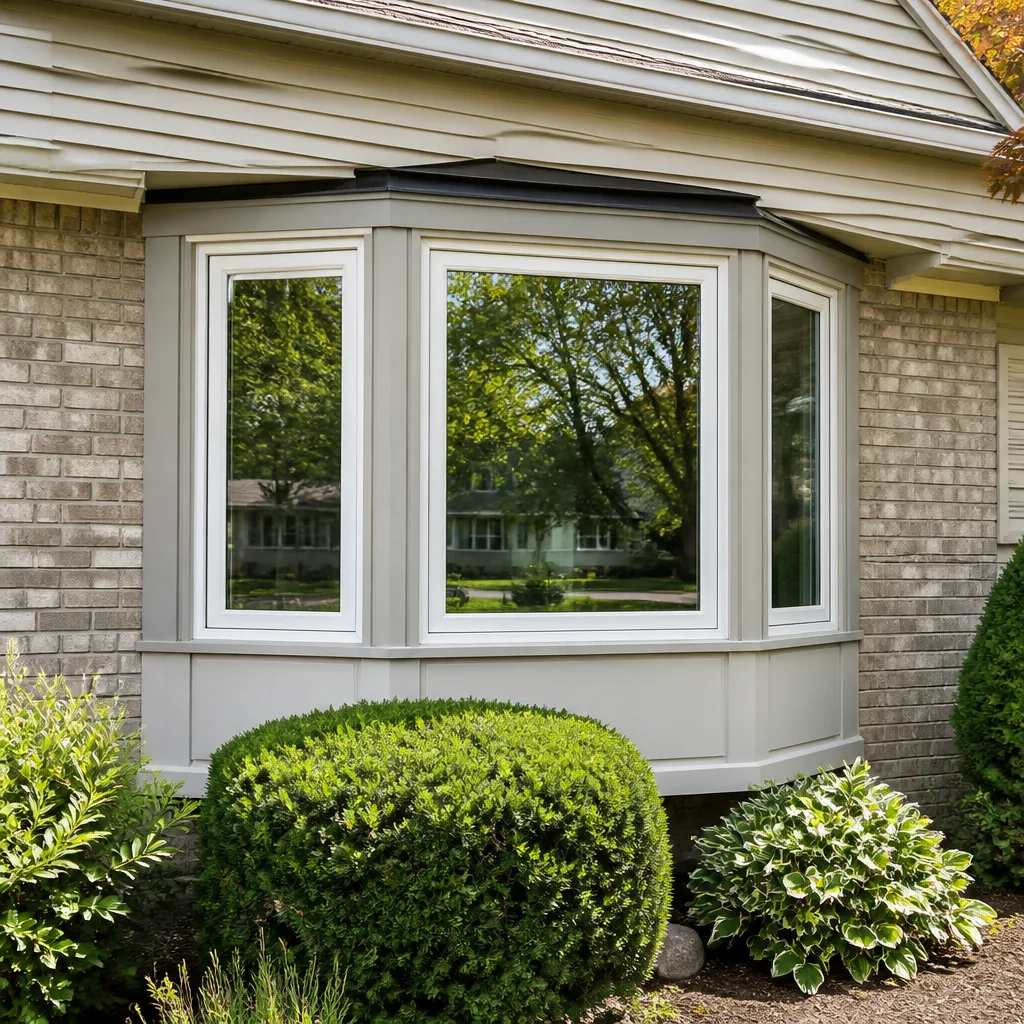
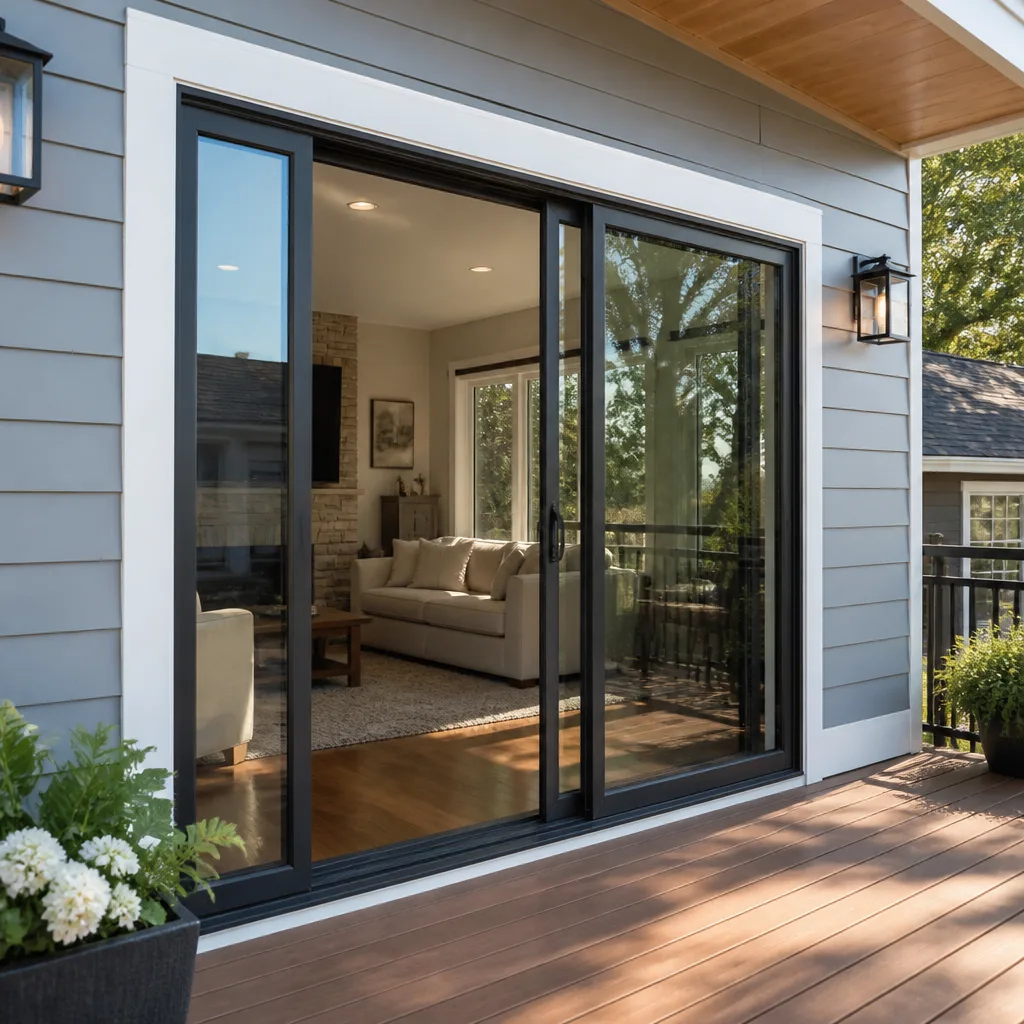
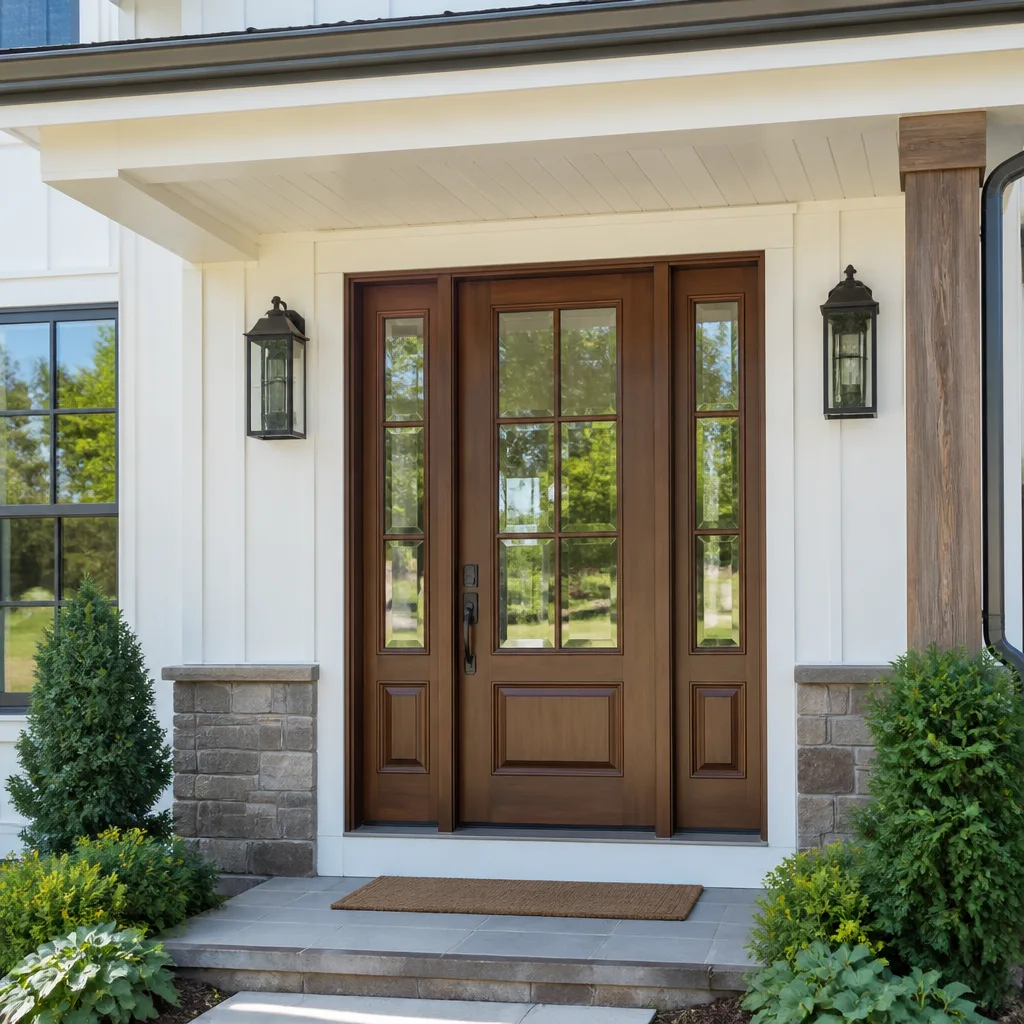
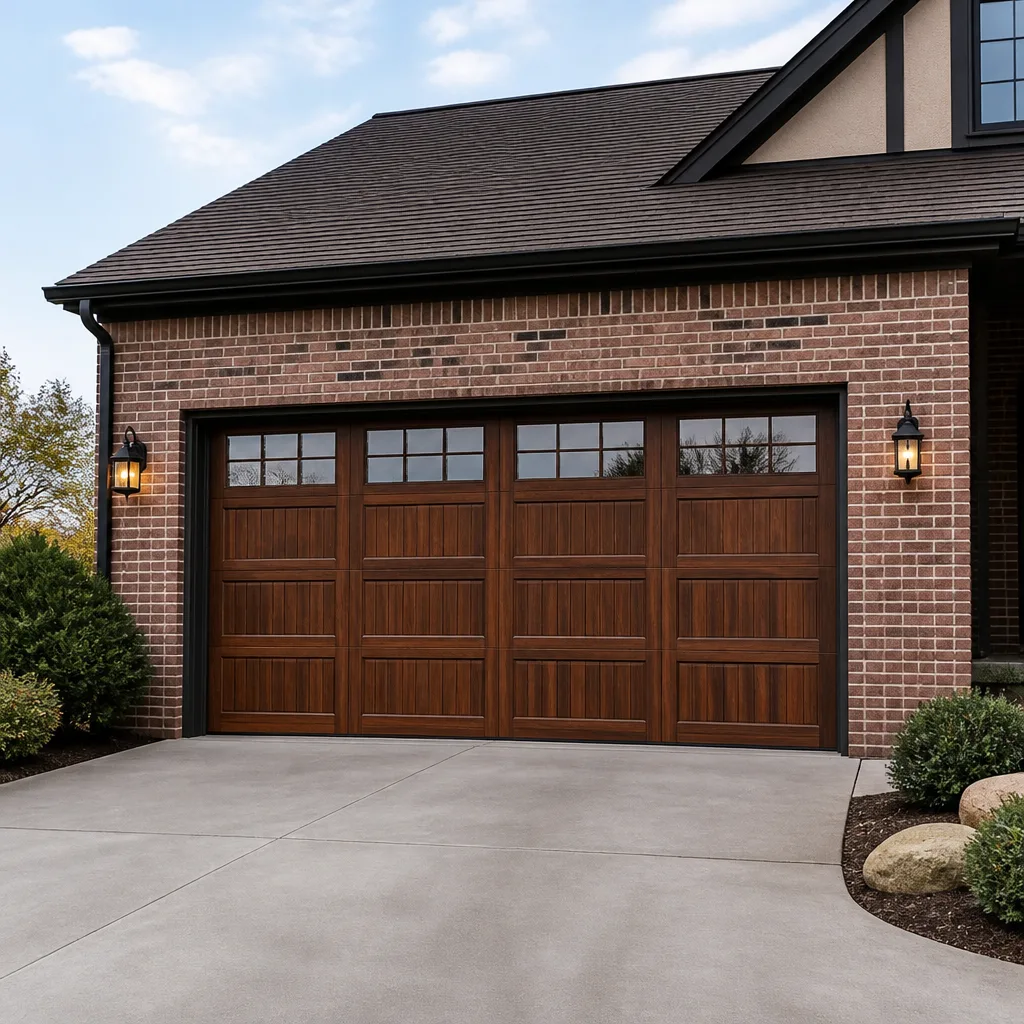
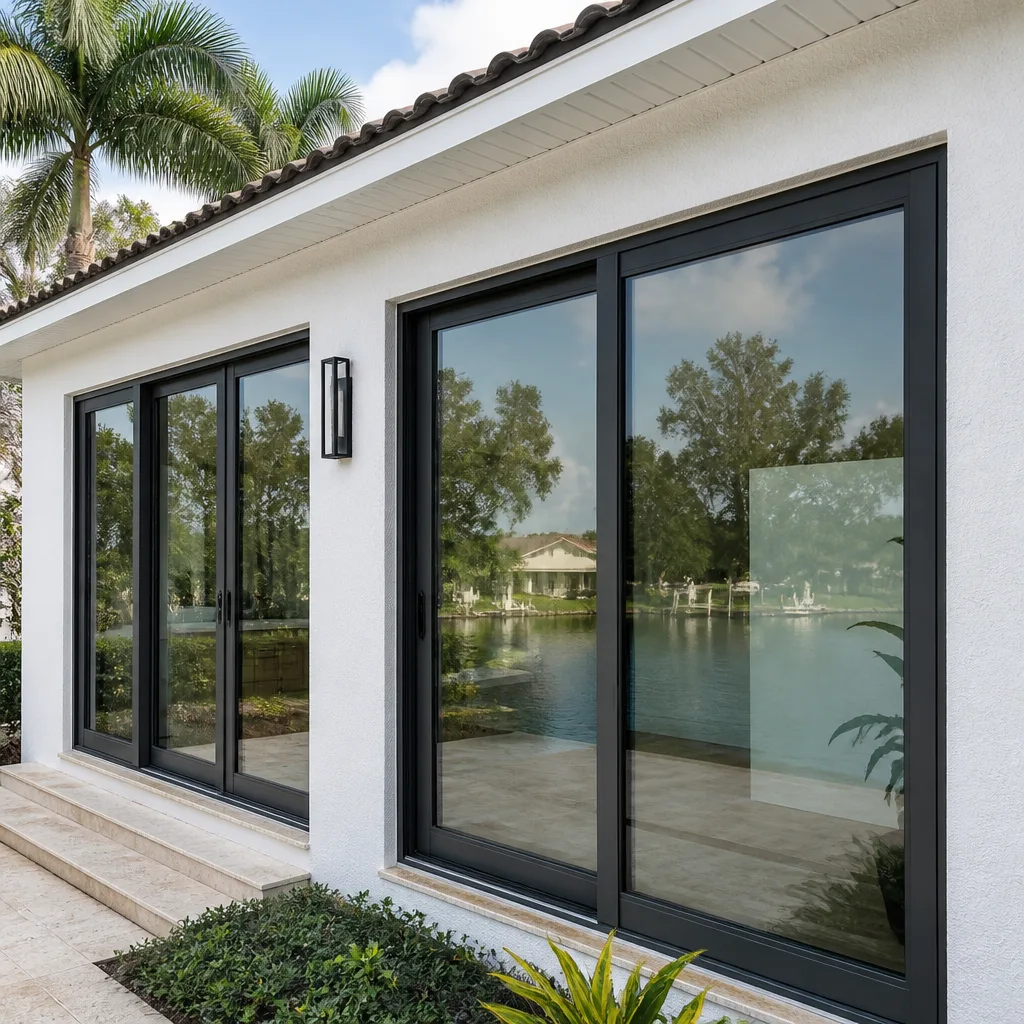
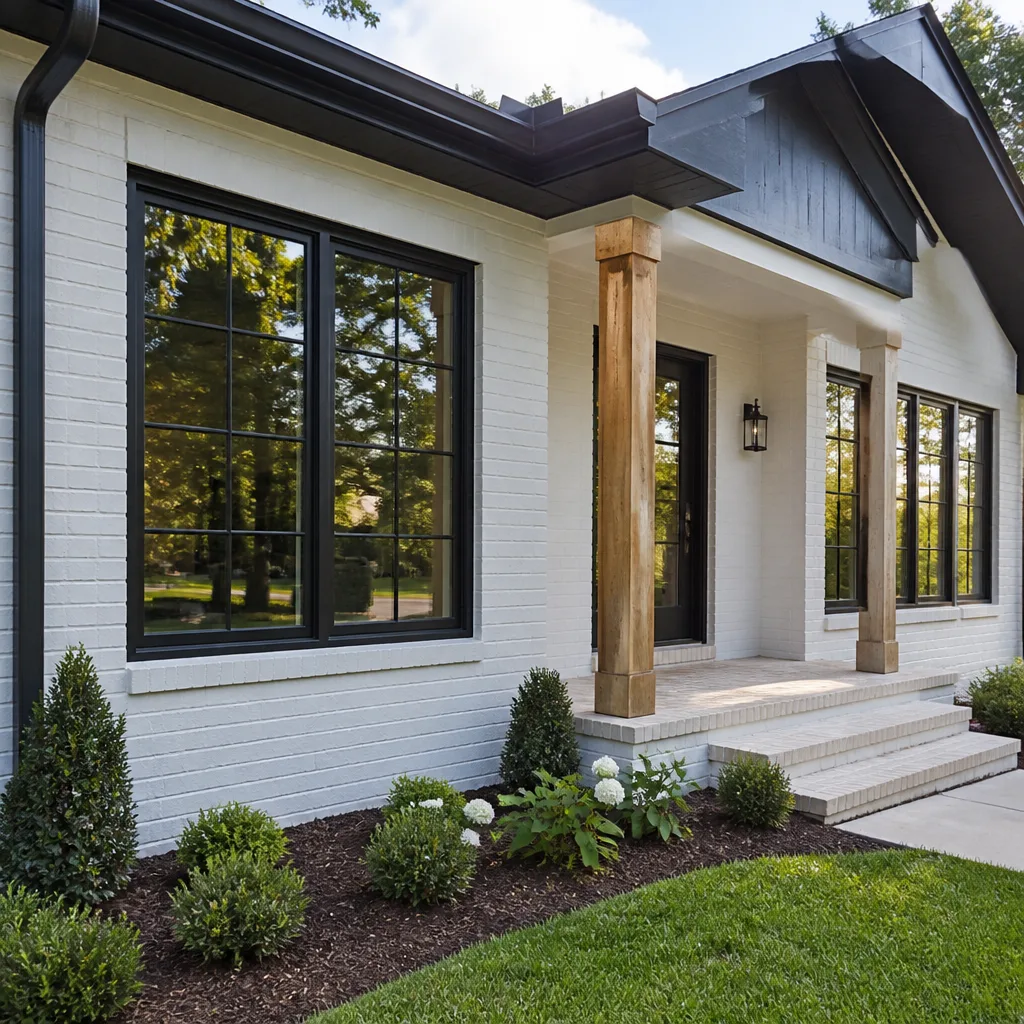
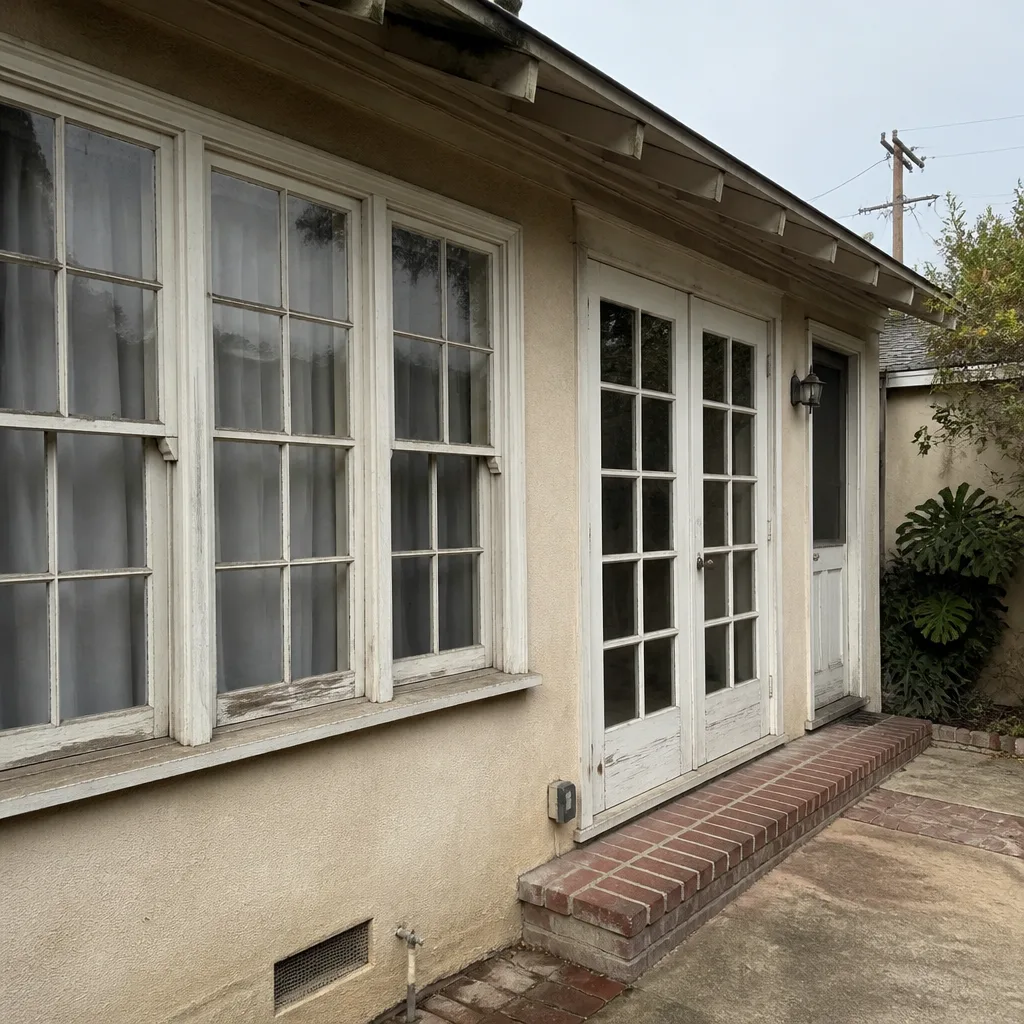 Before
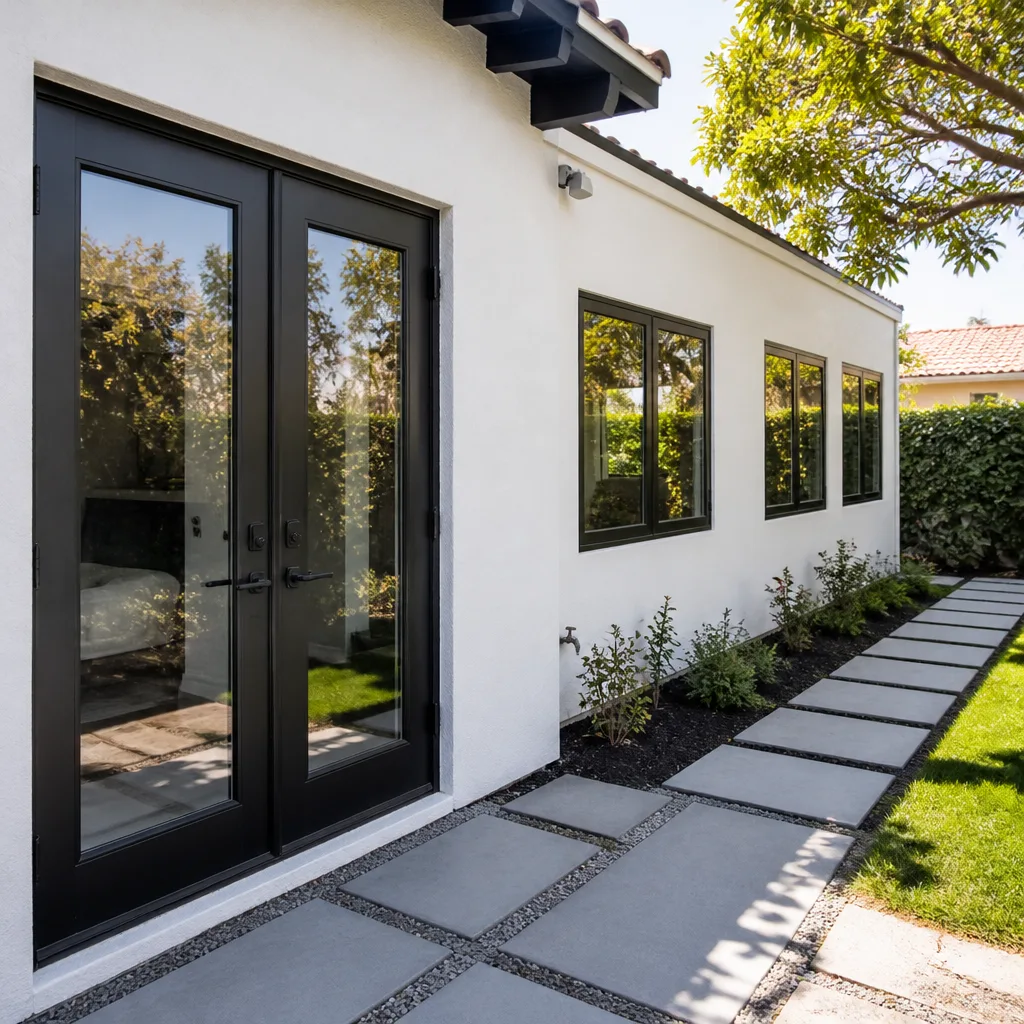 After
After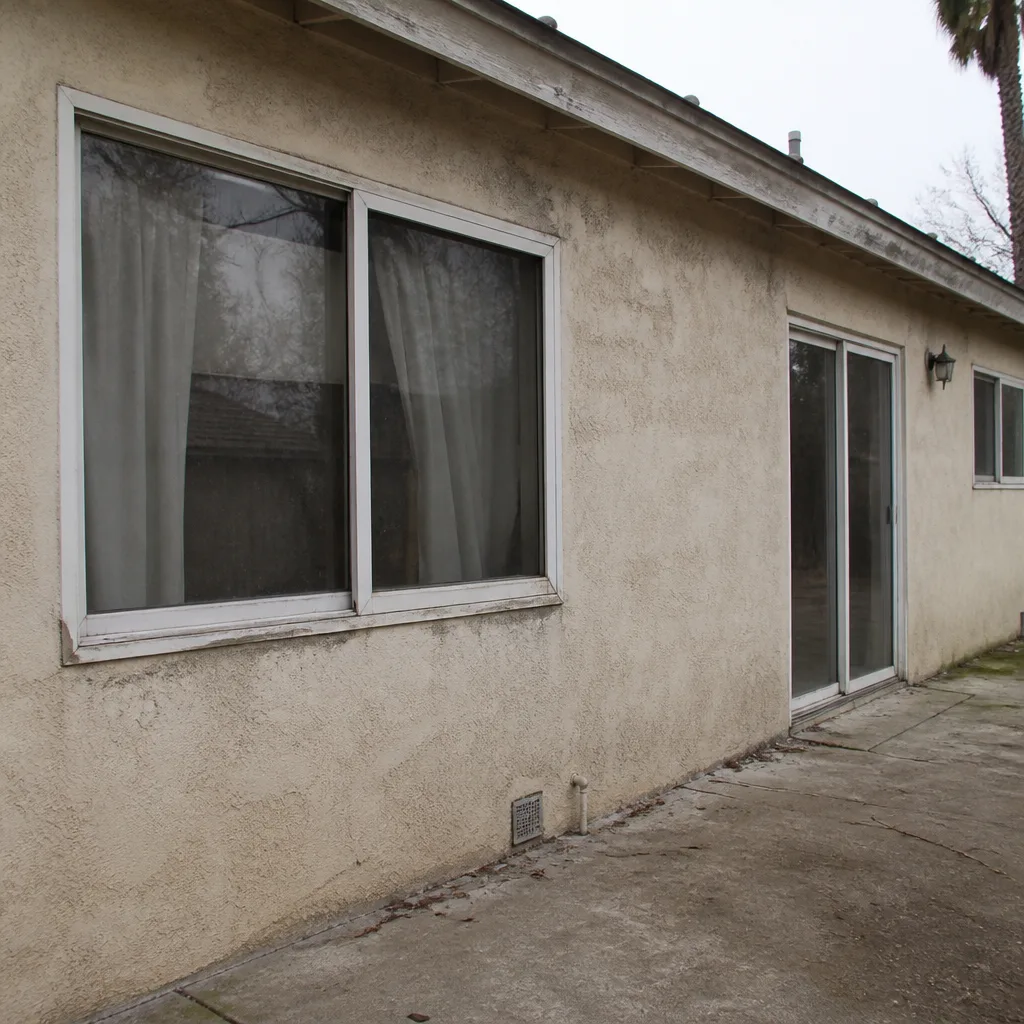 Before
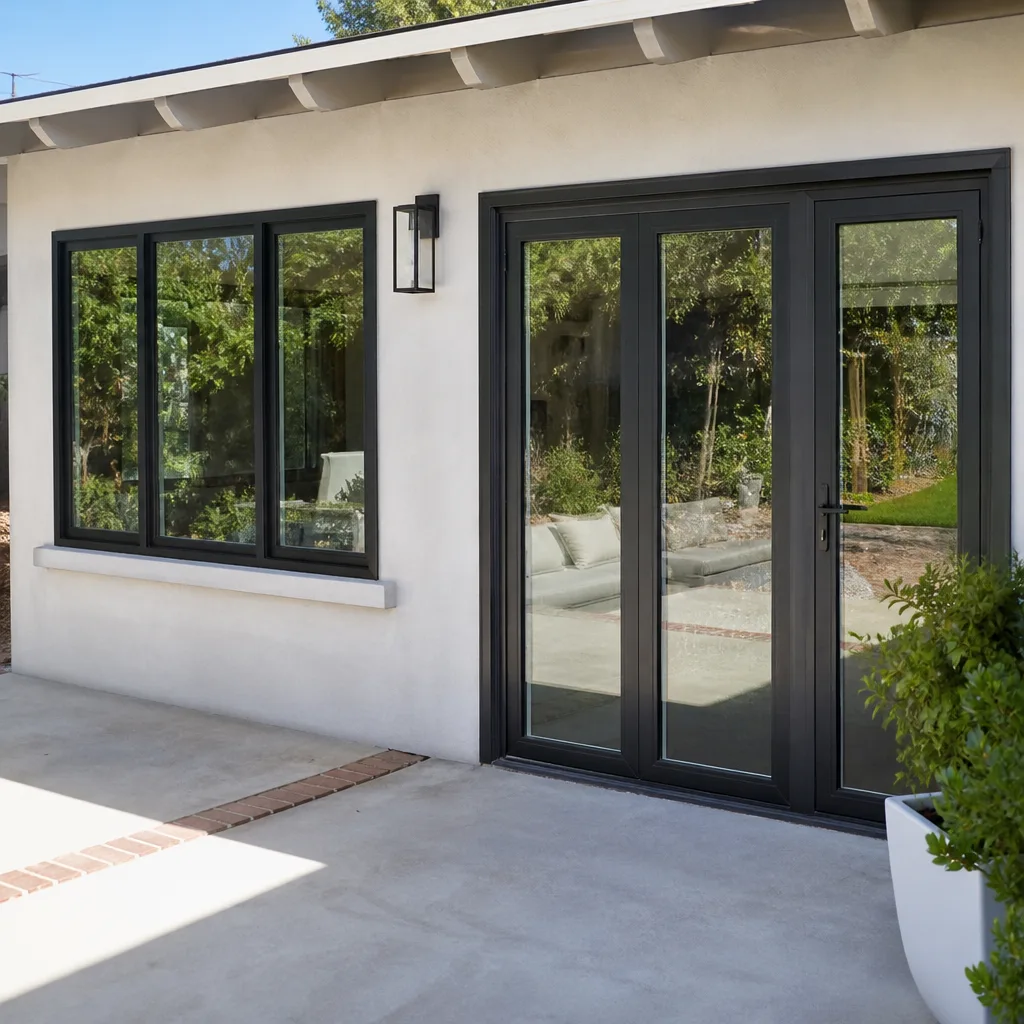 After
After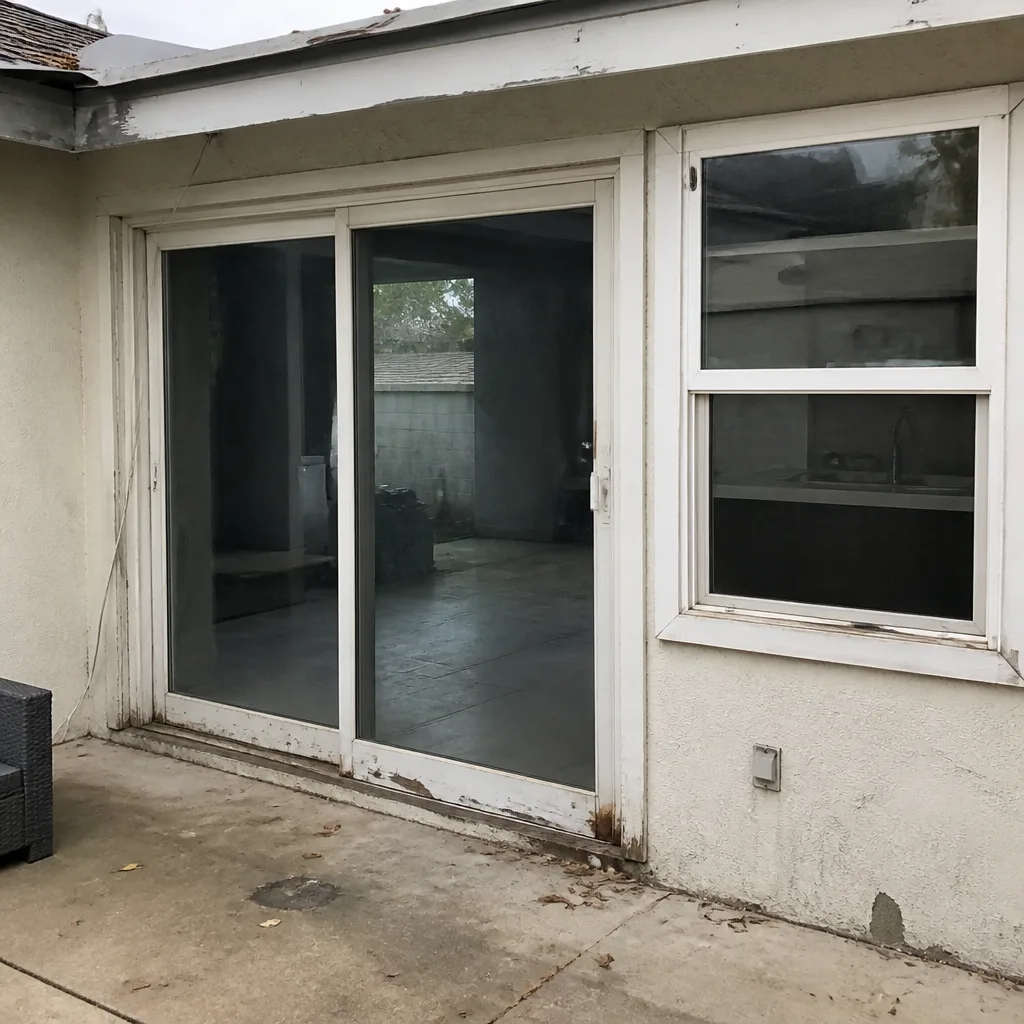 Before
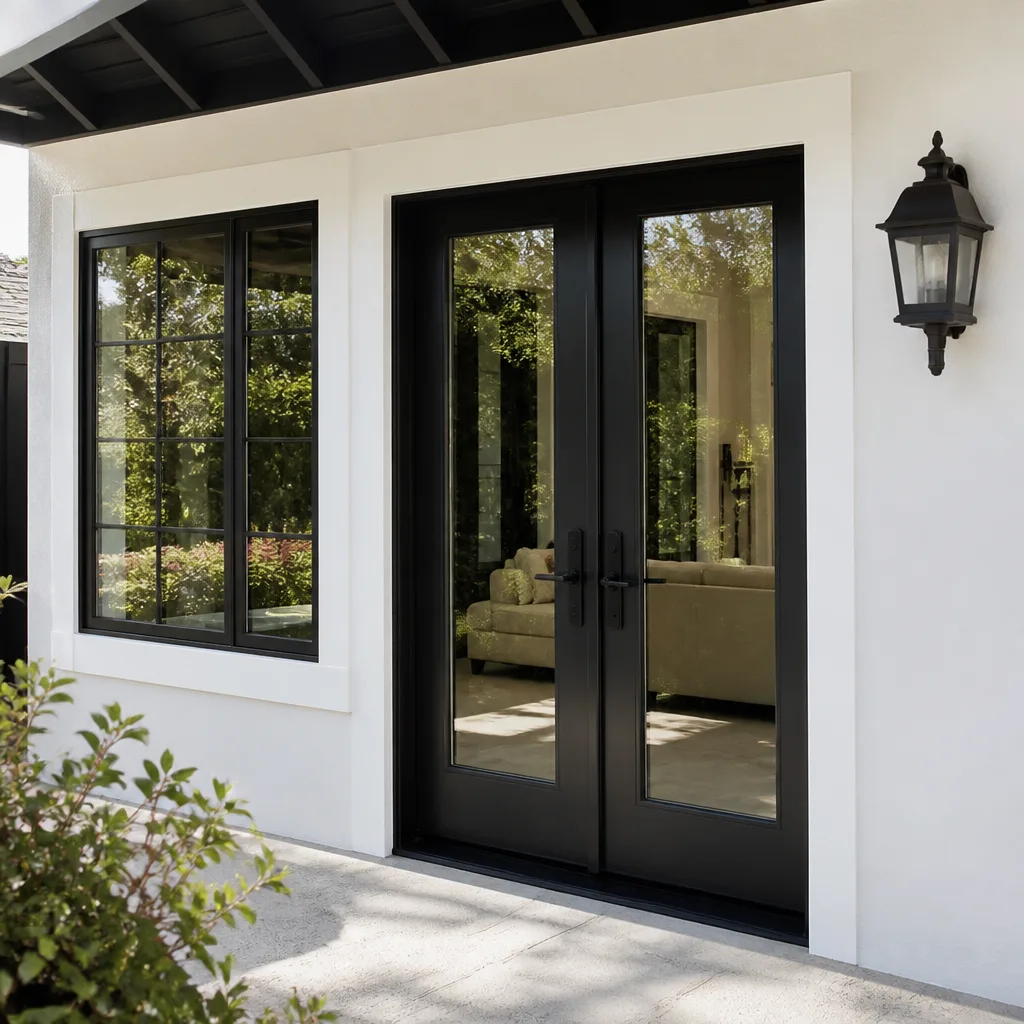 After
AfterDIY vs Professional Windows & Doors: The Los Angeles Homeowner’s Decision Guide
Here’s a number most Los Angeles homeowners never hear until it’s too late: a failed window installation in LA doesn’t just cost you the window. It can void the warranty, create a permit problem that blocks your refinance, and leave you peeling back stucco six months later to find the water damage hiding behind it. This guide lays out exactly where the DIY line sits in Los Angeles, what California law actually says about who can pull a permit, and what a realistic cost comparison looks like when you count the tools, the re-do rate, and the paperwork. For more guides & resources, explore our blog. We’ll give you the honest math so you can decide with your eyes open.
Quick Answer
For a like-for-like vinyl retrofit where the existing frame is square and undamaged, a skilled DIY homeowner can save $200 to $400 per window after tools and permits. But for stucco homes with water intrusion risk, any window in a load-bearing or exterior wall that requires flashing integration, or anything beyond a simple pocket replacement, a professional installation in Los Angeles protects your home’s value, your permit record, and a manufacturer’s warranty that can reach $1,200 per window. The real dividing line isn’t skill. It’s liability, waterproofing, and paper.
Table of Contents
- What California Law Actually Says About DIY Window Work
- Why Los Angeles Construction Makes DIY Risky: Stucco, Seismic, and Title 24
- The Honest Skills-and-Tools Checklist for a Weekend Retrofit
- The Warranty Clause That Voids Your Coverage (Milgard, Andersen, and More)
- Real Cost Comparison: DIY vs Professional in Los Angeles
- Why Doors Are a Separate Question Entirely
- Permits Explained: What a Homeowner-Builder Can Self-Permit in LA
- Common Mistakes to Avoid
- When to Call a Professional
- Frequently Asked Questions
- The Bottom Line
What California Law Actually Says About DIY Window Work
California Business and Professions Code Section 7048 allows a homeowner to act as their own contractor on their own residence without holding a contractor’s license. That’s the good news for DIYers. But the same code section requires that the homeowner actually do the work themselves or with their own employees, and that they not hire unlicensed individuals to perform work that requires a license. Window installation in California that involves structural alterations, changes to rough openings, or work on multi-family dwellings requires a licensed contractor, period.
Where does this leave a Los Angeles homeowner? The legal gray area is narrower than most people assume. Here’s the breakdown:
- Like-for-like retrofit: Removing an old window from an existing frame and sliding a replacement into the same opening without altering framing. A homeowner-builder can often self-permit this work in Los Angeles.
- Rough opening changes: Enlarging, narrowing, or relocating a window opening. This requires a licensed contractor in California, full stop, because it involves structural framing.
- Stucco or exterior wall integration: Opening the wall, replacing flashing, or altering the waterproofing envelope. Most LA building departments will flag this as work that requires a licensed professional due to water-resistance code requirements.
- Any work on a rental property or multi-family building: The homeowner-builder exemption does not apply. A licensed contractor must perform the work.
In our experience working on window replacement in Los Angeles, the permit requirement is the point where most DIY plans fall apart. Los Angeles Department of Building and Safety (LADBS) requires a permit for window replacement when the work involves any change to the rough opening or the installation of new windows where none existed before. Skipping that permit creates an unpermitted condition that must be disclosed when you sell, and it can block financing on the buyer’s side.
Why Los Angeles Construction Makes DIY Risky: Stucco, Seismic, and Title 24
Los Angeles homes present three installation challenges you won’t find in a generic YouTube tutorial filmed in a wood-siding house in Ohio. These three variables are where we see DIY failures most often.
Stucco Flashing Integration
Roughly 60% of single-family homes in Los Angeles County have stucco exteriors. Stucco is unforgiving with water. When you pull a window from a stucco wall, you’re disrupting the paper barrier and flashing that directs water away from the opening. A proper installation requires cutting the stucco back, integrating new flashing into the existing weather-resistant barrier, and sealing the system so water doesn’t track along the window flange and into the wall cavity. Miss a step and you won’t see the failure for months. By the time the water stain appears on the interior wall, the sill plate is already rotting.
Seismic Clearance in the Rough Opening
Los Angeles sits in a high-seismic zone. Windows need shims spaced according to the manufacturer’s structural requirements and the local building code, which accounts for seismic drift. A rough opening that’s too tight around the new window can bind when the house flexes during an earthquake. A rough opening that’s too large needs proper shimming at the load-bearing points, not just at the corners where it’s convenient. We regularly see spring failures in the Valley and South LA where DIY installers shimmed evenly around the frame and ignored the manufacturer’s seismic clearance requirements.
Title 24 Paperwork
California’s Title 24 energy code requires that replacement windows meet specific U-factor and Solar Heat Gain Coefficient (SHGC) ratings for the Los Angeles climate zone. When you pull a permit, LADBS will ask for documentation showing your windows comply. If you install a window without documenting its thermal performance, you may pass inspection, but you’ve created a record that doesn’t match your home’s actual energy profile. That mismatch surfaces when you sell. A professional installer handles the Title 24 documentation as part of the job.
The Honest Skills-and-Tools Checklist for a Weekend Retrofit
Before you decide to tackle a window replacement yourself in Los Angeles, run through this checklist honestly. It’s designed to filter out the optimistic weekend warrior from the genuinely capable homeowner.
- Can you identify the window type? You need to know whether you have a nail-on frame (new construction) or a retrofit frame (replacement). In a stucco home, you’re likely working with a retrofit, but older LA homes have surprising variations. If you can’t tell the difference within five minutes of removing the trim, stop.
- Do you have a moisture meter? Before you replace any window in Los Angeles, you need to check for hidden water damage in the surrounding framing. A moisture meter costs $40 to $80. If you find moisture, the project just doubled in scope and you should call a professional.
- Can you shim for seismic load? This means understanding where the load-bearing points are in the rough opening and shimming at those specific locations. Not the corners. Not evenly spaced. If that sentence didn’t make immediate sense, you’re not ready.
- Do you own a foam gun, or are you planning to use gap filler cans? Gap filler applied incorrectly will bow the frame. A proper foam gun costs $50 to $100 and gives you the control to apply low-expansion foam that doesn’t distort the jambs. If your plan is “foam in a can from the hardware store,” budget for a re-do.
- Can you trim the interior to professional standard? After the window is in, waterproofed, and shimmed, you have to make it look right. That means mitered casing, caulk lines you’d be proud to show a neighbor, and trim that meets the walls without gaps. DIY interior trim is where quality takes a visible hit.
- Will you pull the permit yourself? In Los Angeles, a homeowner can self-permit a like-for-like retrofit. That means online filing, plan check review time, and inspection scheduling. If this process makes you want to skip it, don’t do the project. An unpermitted window is a liability you carry forever.
If you checked every box and you’ve done similar work before, a like-for-like retrofit is within reach. If you hesitated on any point, the money you’re saving may be less than the cost of one professional repair visit. We’ve seen DIY window jobs in Los Angeles where the homeowner spent $700 on a window, $300 on tools, and then called us anyway because the frame leaked in the first winter rain. That’s a $1,000 window that now costs $1,800.
The Warranty Clause That Voids Your Coverage (Milgard, Andersen, and More)
Here’s the clause most DIY guides don’t mention. Major window manufacturers include language in their warranty documents that limits or eliminates coverage when the window is not installed by a licensed contractor or in accordance with local building codes. This isn’t boilerplate. It’s actively enforced.
Milgard’s Full Lifetime Warranty, for example, states that coverage applies to the original purchaser but is contingent on proper installation. Their warranty document specifically notes that improper installation, including failure to follow Milgard’s installation instructions or applicable building codes, voids coverage. If you install a Milgard window yourself and the glass seal fails in year three, Milgard’s technical team will review the installation. If they find you skipped the sill flashing or shimmed incorrectly, the claim is denied.
Andersen’s warranty language is similar. Their Owner-to-Owner Limited Warranty covers manufacturing defects but explicitly excludes damage caused by improper installation. Andersen’s documentation requires installation in accordance with their published instructions and relevant code. A homeowner who self-installs without a permit in Los Angeles has no documentation that the installation met code. In a warranty dispute, that’s a fatal gap.
The practical math is this: a quality vinyl replacement window in Los Angeles runs $600 to $1,200 installed by a professional. The glass seal, the part most likely to fail over time, can cost $200 to $400 to repair with a replacement sash. If your manufacturer voids the warranty because of a DIY install, you’re paying that repair out of pocket. Over a 20-year window lifespan, the expected cost of voided warranty coverage can exceed your initial DIY savings.
We work with brands including ES Windows and CWS because their products hold up in the Los Angeles climate, but every brand’s warranty carries the same professional-installation expectation. The warranty isn’t a marketing promise. It’s a contract with terms.
Real Cost Comparison: DIY vs Professional in Los Angeles
The DIY savings math changes when you count everything. Here’s a realistic breakdown for a single retrofit window replacement in Los Angeles, assuming a mid-grade vinyl window and a like-for-like retrofit in a stucco home.
DIY Total Cost: $620 to $910
- Window itself: $300 to $600 (a reputable mid-range vinyl retrofit window).
- Permit filing as homeowner-builder: $80 to $150 through LADBS (depending on valuation and district fees).
- Tools and materials: $80 to $160 (moisture meter, shims, foam, flashing tape, sealant, trim).
- Disposal of old window: $30 to $50 (LA transfer station fees or hauling cost).
- Unplanned visit from a professional to fix a mistake: $150 to $300 if the first rain reveals a leak or the window binds (we see this often enough to budget for it).
Professional Installed Cost: $700 to $1,300
- Window and installation: $600 to $1,200 (includes demolition, proper shimming, flashing integration, interior trim, and haul-away).
- Permit included: The contractor pulls the permit under their license, and the inspection is scheduled for you.
- Warranty intact: The manufacturer’s warranty remains valid because a licensed contractor installed the window.
- No re-do risk: If the work fails, the contractor is responsible under California law and the written guarantee.
The honest takeaway: DIY saves $100 to $400 per window on paper, but only if you never make a mistake, never have a warranty claim, and value your own time at zero. One failed seal or one water intrusion issue erases the entire savings. And in Los Angeles, where the stucco and seismic requirements are exacting, the failure rate for first-time DIY installers is higher than the national average.
Why Doors Are a Separate Question Entirely
Window retrofits are one level of difficulty. Doors, especially front doors in Los Angeles, are a different league. Here’s what makes them harder:
- Weight and structure: A solid wood or fiberglass front door weighs 100 to 200 pounds. The rough opening must be perfectly square, the hinges mortised to match, and the threshold set to slope water away. A door that sags or sticks is a daily annoyance that screams DIY for years.
- Security: Your front door is the entry point a burglar will try first. A DIY install that leaves the deadbolt aligned imperfectly or the strike plate secured with short screws creates a forced-entry risk that a professional will catch immediately.
- Threshold flashing: In Los Angeles, door thresholds need flashing that ties into the home’s water-resistance barrier. Front doors in stucco homes are especially vulnerable. Water that gets under a poorly flashed threshold tracks into the subfloor and joists.
- Brands and materials: We work with Therma-Tru and ViewLux doors because their pre-hung units come with manufacturer-specific installation requirements that differ from window retrofits in important ways. Missing a Therma-Tru sill flashing detail isn’t a cosmetic issue. It’s a water damage issue.
For most homeowners, front door replacement in Los Angeles is a professional job. The margin of error is thinner, the consequences of a mistake are bigger, and the warranty protection matters more because door failure is more common than window failure. If you attempt one DIY project and one professional project, make the door the professional one.
Permits Explained: What a Homeowner-Builder Can Self-Permit in LA
Let’s get specific about Los Angeles permits. This is the section most guides skip, and it’s the one that matters most for your home’s sale value.
What You CAN Self-Permit as a Homeowner-Builder
- Like-for-like window retrofit: Same opening, same size, no framing changes. You file the permit through LADBS as an owner-builder, pay the fee, schedule the inspection, and the work is yours to do.
- Glass replacement only: If the frame is sound and you’re only swapping the glass sash, many situations in Los Angeles don’t require a permit at all. The frame remains in place; only the glazing is replaced.
- Hardware replacement: Locks, handles, hinges, and weatherstripping don’t require permits.
What You CANNOT Self-Permit
- Rough opening changes: Enlarging or relocating a window opening requires a licensed contractor because it involves structural framing alterations. California’s contractor law is explicit on this point.
- New window openings: Cutting a new hole in a wall and installing a window where one never existed. Structural, waterproofing, and engineering are all required.
- Multi-family or rental property work: The owner-builder exemption applies only to your own residence. Condos, apartments, and rental homes you own must be worked on by a licensed contractor.
- Any work that changes the building envelope’s water-resistance design: In Los Angeles, this typically means any stucco-cut installation where flashing is modified.
The permit isn’t a bureaucratic annoyance. It’s your record that the work was inspected and met code. When a buyer pulls your home’s permit history during escrow and finds an unpermitted window replacement, the sale can stall. Lenders have become stricter about unpermitted work in the last five years, especially in Los Angeles where building records are digitized and easy to check. A professional installation includes the permit and the inspection, so your home’s paperwork stays clean.
Common Mistakes to Avoid
- Skipping the permit because “nobody will know.” In Los Angeles, the next buyer’s home inspector will know. Unpermitted window work is a disclosure item on California’s real estate transfer form, and concealing it opens you to liability.
- using expanding foam from a spray can. The pressure from standard gap filler can bow window frames enough to prevent the sash from operating smoothly. If you buy a DIY window and the frame bows, the manufacturer will attribute it to installation error and deny the warranty.
- Trusting a big-box installation service without reading the warranty terms. Many homeowners assume the installer’s warranty matches the manufacturer’s. It often doesn’t. Ask for documentation of what’s covered, for how long, and who is responsible if the work fails.
- Ignoring flashing because the old window “didn’t have any.” The old window may have had flashing that disintegrated over time, or it may have been improperly installed in the first place. Either way, omitting flashing on a stucco home in Los Angeles is a water intrusion ticking clock.
- Buying the cheapest window to maximize DIY savings. In the LA market, the gap between a $200 window and a $400 window is real: better seals, better vinyl compound, better hardware. The cheapest window is the one most likely to need a warranty claim you’ve voided with your install.
- Doing the project in the middle of rainy season. Los Angeles gets almost all its rain between November and March. Opening a stucco wall in December and leaving it exposed overnight is how DIY projects become emergency repair calls.
- Forgetting the Title 24 documentation. Without the compliance paperwork, your permit file is incomplete. The next buyer’s energy disclosure will flag the gap.
When to Call a Professional
Call a professional when the project involves a stucco exterior with water intrusion risk, a change to the rough opening, a front door that weighs more than you’re comfortable lifting alone, or any window you’re relying on a warranty to protect. For ongoing upkeep, see our Front Door Replacement Maintenance Schedule: What to Do and When. If you’ve discovered water damage behind the old window, that’s not a DIY moment. It’s a structural repair that requires opening the wall, replacing framing, and restoring the water-resistance barrier before the new window goes in.
In our experience, Los Angeles homeowners usually cross the professional threshold when they realize the permit and warranty paperwork matters to a future sale. The window installation isn’t just about the window. It’s about the record of the window. Hale Windows & Doors offers free estimates in Los Angeles. Call (252) 675-6980 and we’ll give you a written price before any work begins, so you know exactly what a professional installation costs compared to your DIY budget.
Frequently Asked Questions
Professional window installation in Los Angeles typically costs $700 to $1,300 per window for a mid-range vinyl retrofit, including the window, labor, permit, and haul-away. The price varies based on window size, brand, and whether the existing frame requires repair. Call (252) 675-6980 for an exact quote on your specific windows. Estimates are free.
No, if the work changes the rough opening or involves new window openings, a permit is required and the work must be done by a licensed contractor in California. A like-for-like retrofit in the same opening can be self-permitted by a homeowner-builder, but the permit is still required and the work must meet all LADBS codes. Unpermitted work creates a disclosure issue when you sell.
Yes, in most cases. Milgard and Andersen warranty documents both exclude coverage for damage caused by improper installation, and they require installation to meet code and manufacturer specifications. Without a licensed contractor’s permit record, you have no documentation to defend a warranty claim. The practical result is that a failed window seal becomes your expense instead of the manufacturer’s.
The flashing integration is the hardest and most critical part. You have to cut the stucco back, tie new flashing into the existing weather-resistant barrier, and seal the perimeter so water is directed away from the opening. This step is where DIY installations fail most often in Los Angeles, and the failure usually doesn’t appear for six to twelve months when the first heavy rain exposes the breach.
Yes, glass sash replacement on a sound frame, hardware replacement, and weatherstripping are all within a homeowner’s reach. A like-for-like vinyl retrofit on a non-stucco home with a square opening is also reasonable for a homeowner with the right tools and experience. But any work that exposes the wall cavity, changes the framing, or involves a stucco exterior is a professional job.
Yes. We provide a written, line-item price before any work begins, every time, on every job. There’s no charge for the estimate and no obligation. Call (252) 675-6980 to schedule yours, and you’ll know exactly what the project costs before you decide between DIY and professional installation.
The Bottom Line
The DIY window question in Los Angeles comes down to four things: permits, stucco, seismic shimming, and warranty protection. For help diagnosing issues, see our Front Door Replacement Troubleshooting: Common Problems and How to Fix Them. A like-for-like retrofit on a simple home with a square opening is within reach for a prepared homeowner who self-permits and does the work correctly. But the savings of $100 to $400 per window evaporate the first time a flashing detail fails or a warranty claim is denied. For stucco homes, front doors, rough-opening changes, and any work that matters to a future sale, professional installation is the lower-risk financial decision. The window itself is the easy part. Everything around it is where the real work lives.
Written by Spencer Odell, Owner at Hale Windows & Doors, serving Los Angeles since 2009.