

Last updated October 9, 2026
Free in-home measure and quote - PGT, CGI and CWS impact lines compared on your actual openings, style by style
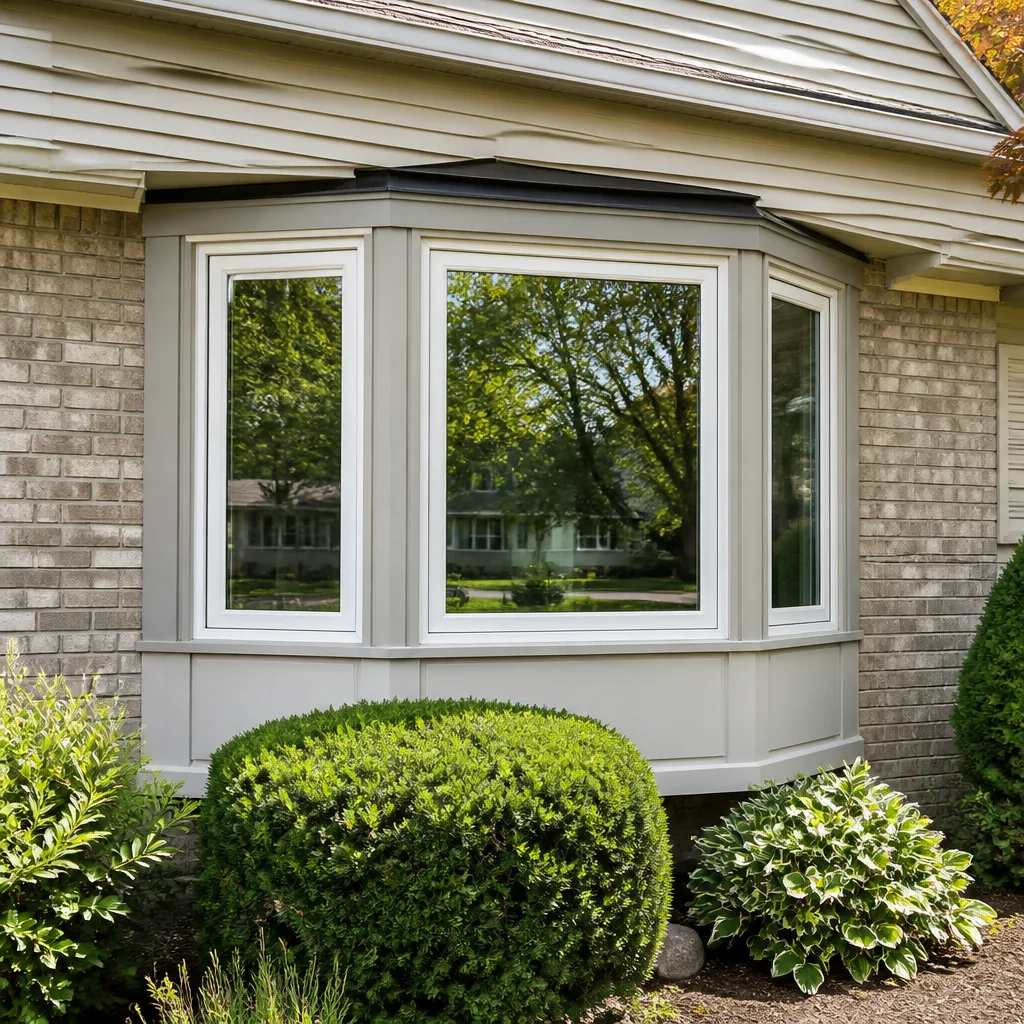
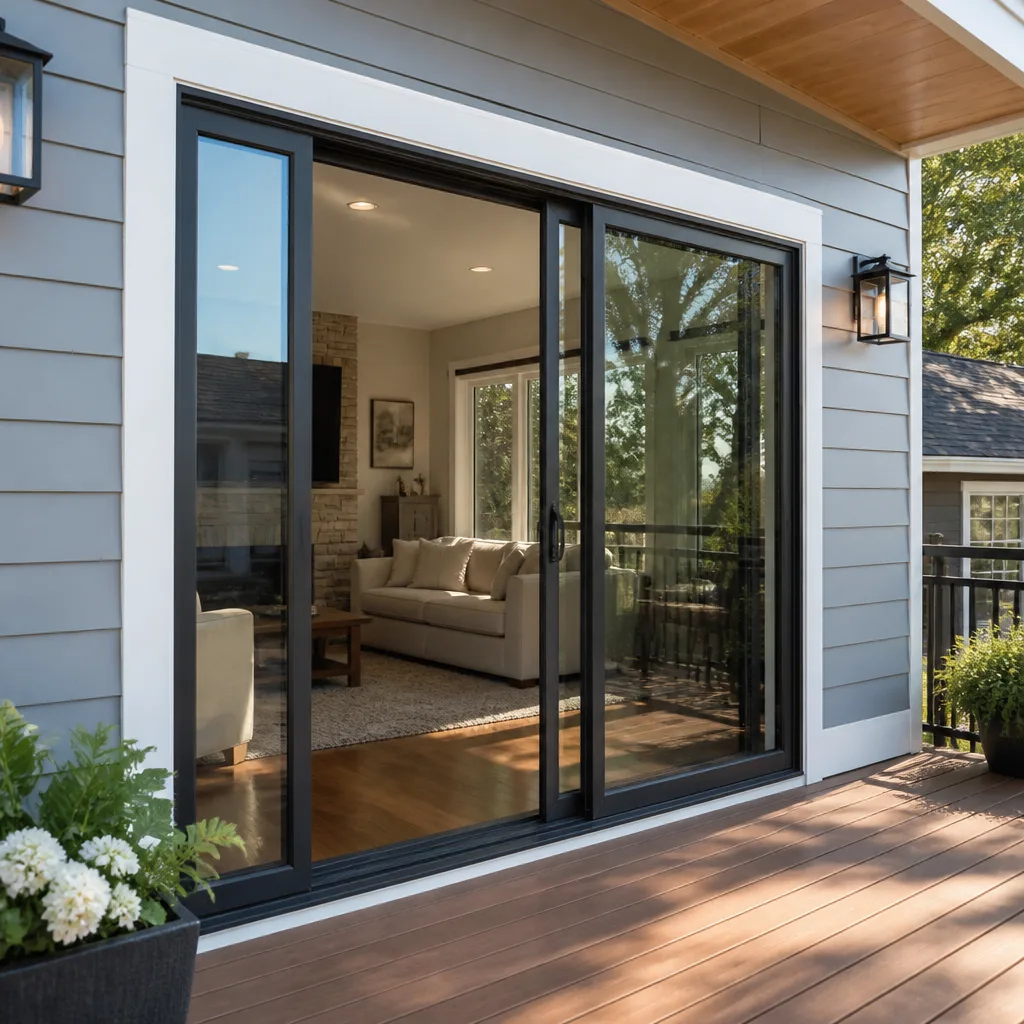
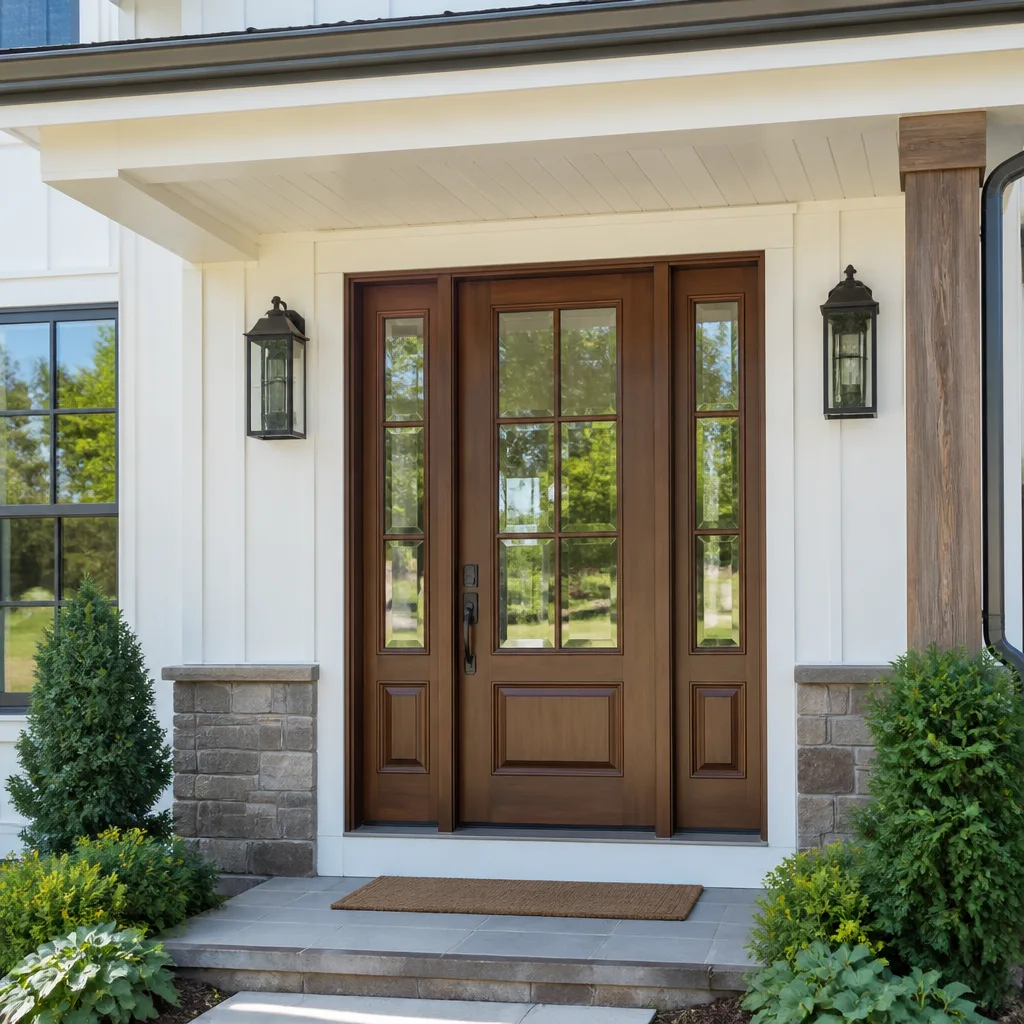
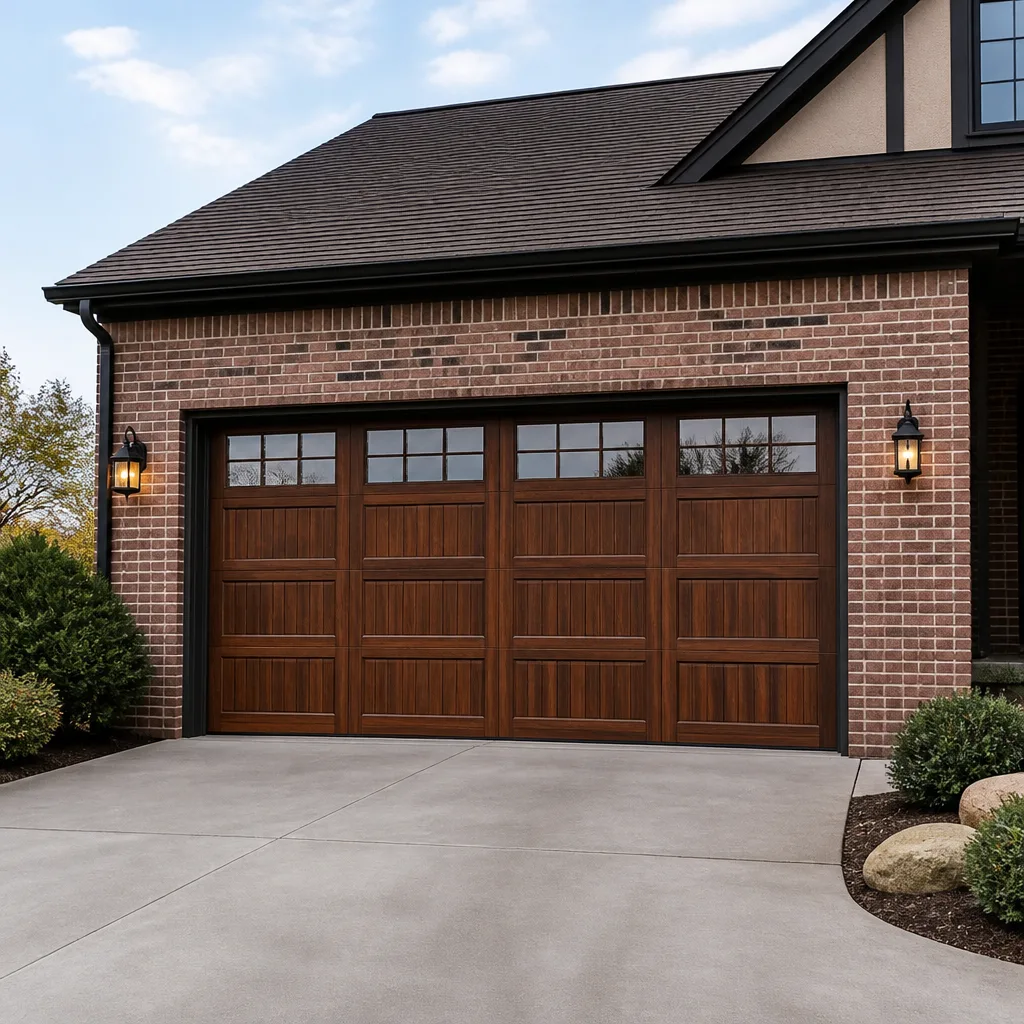
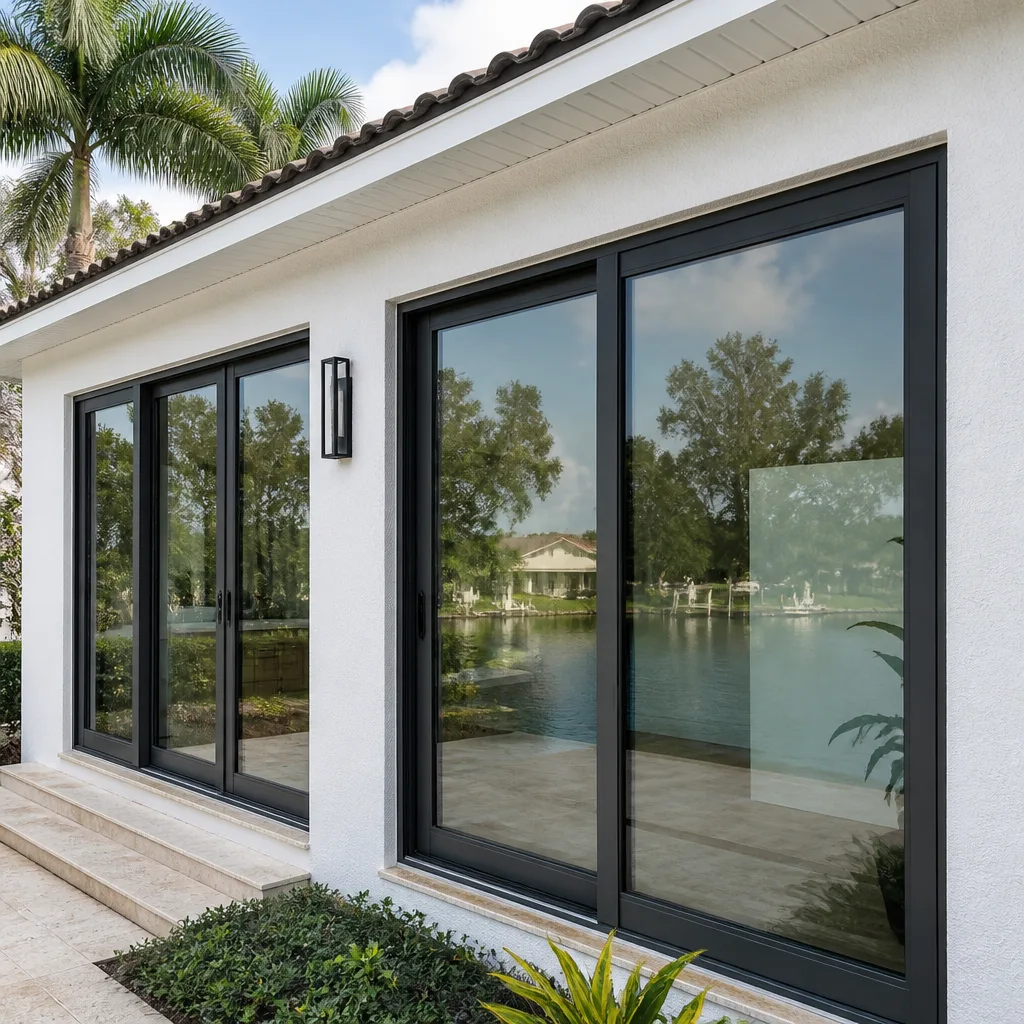
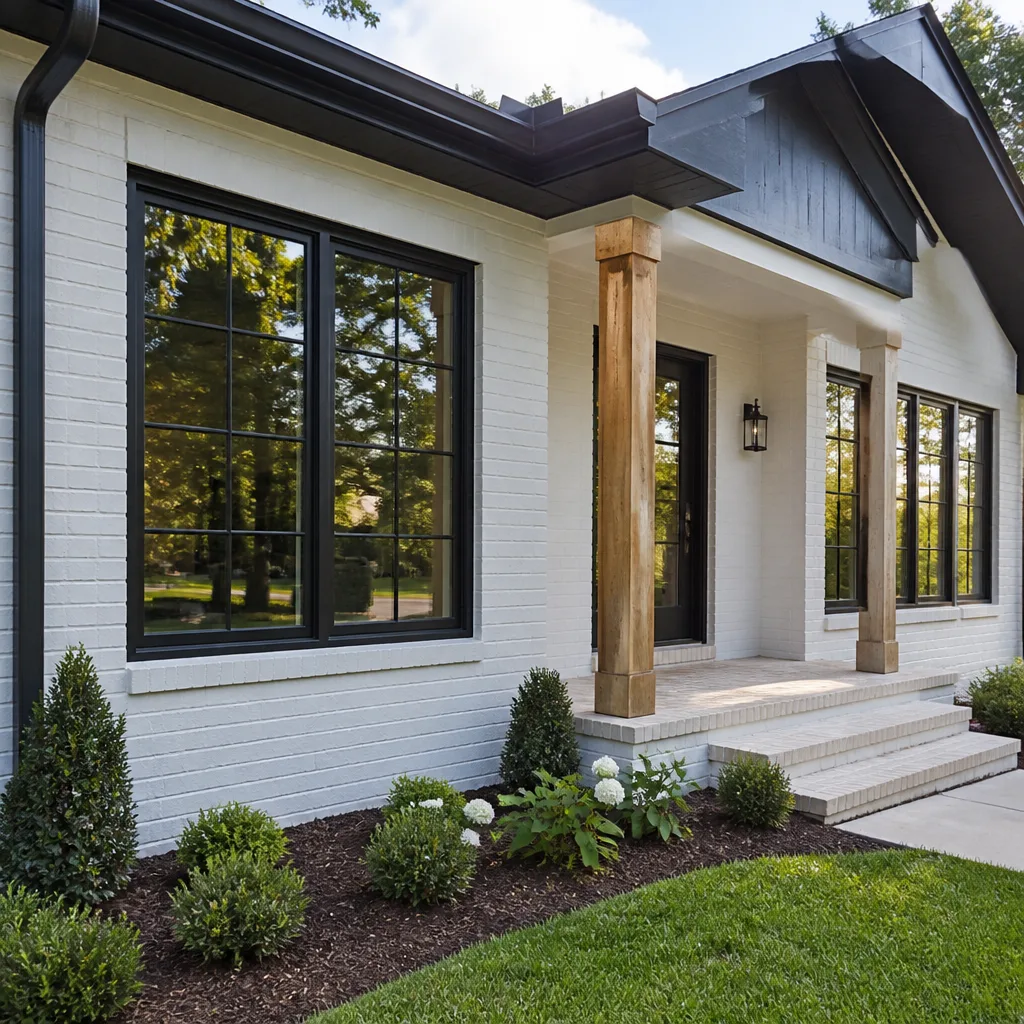
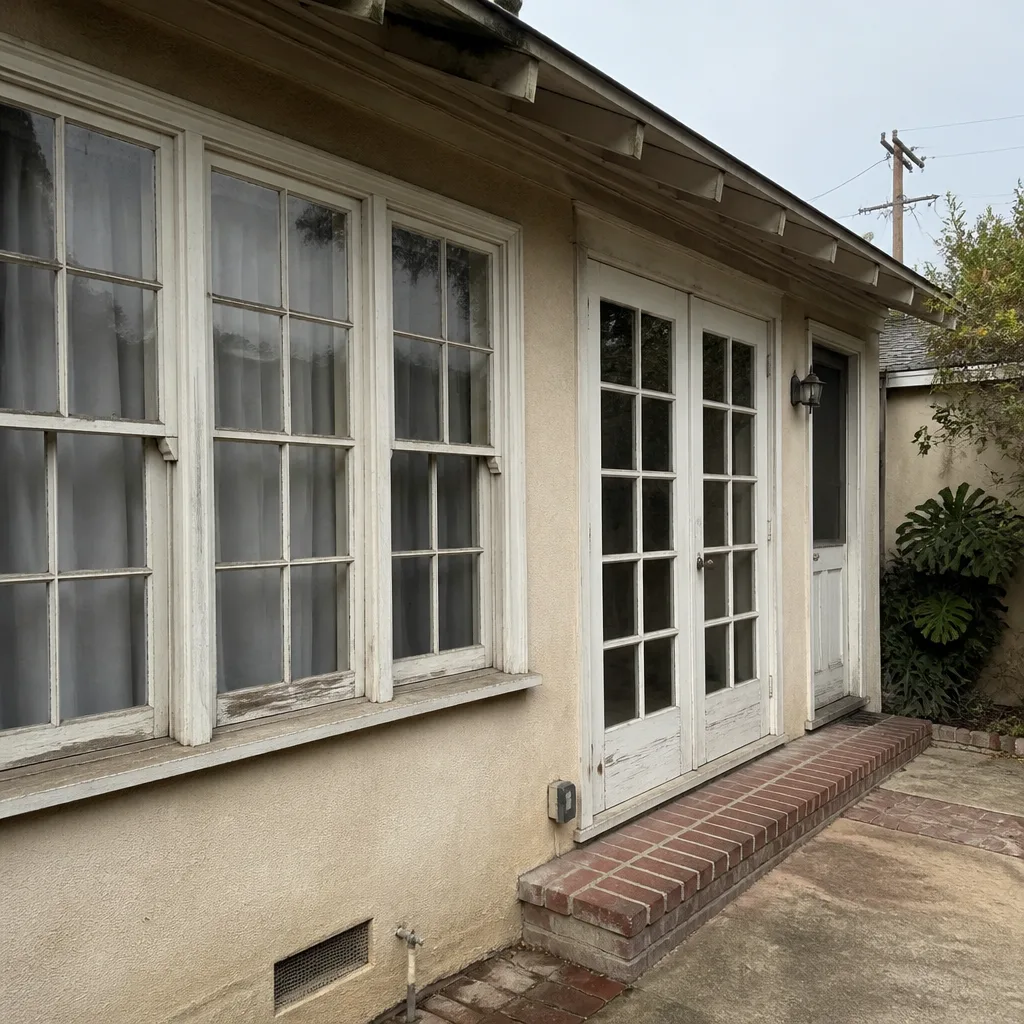 Before
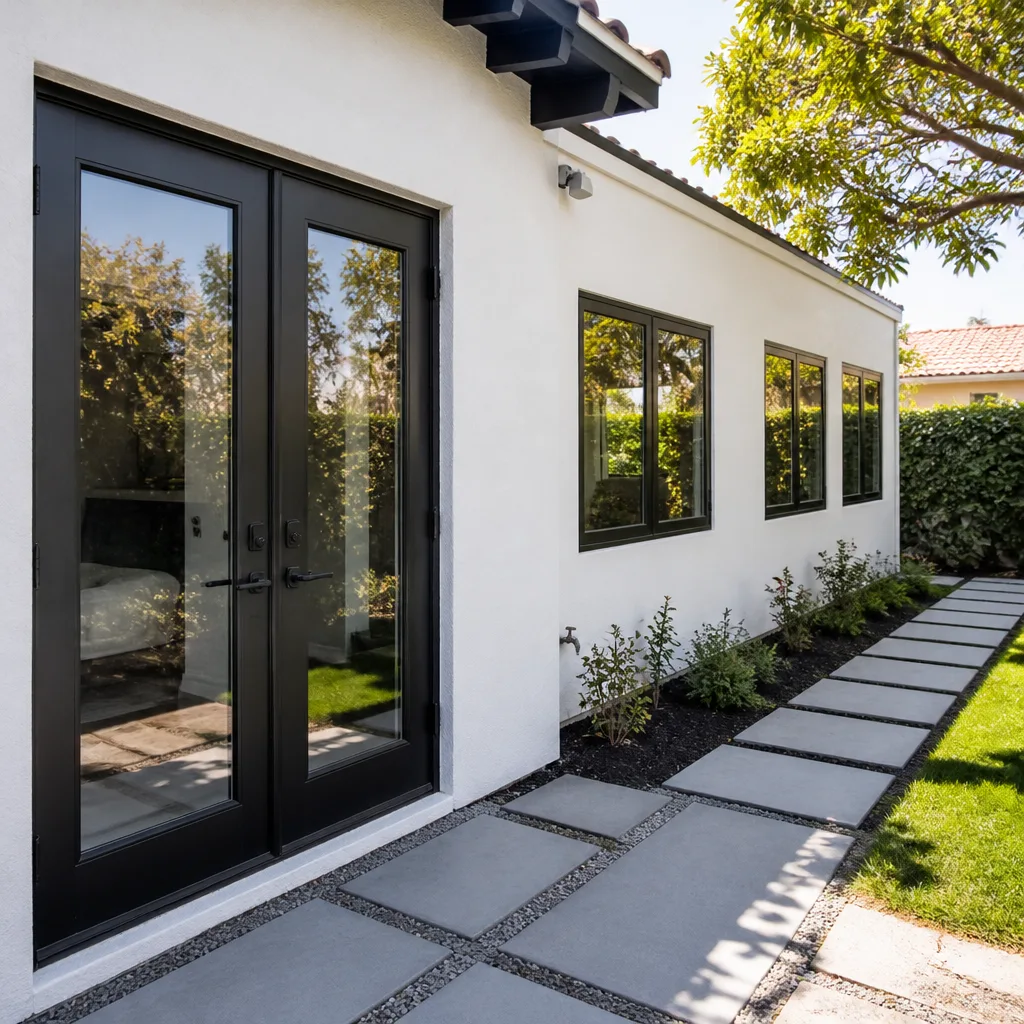 After
After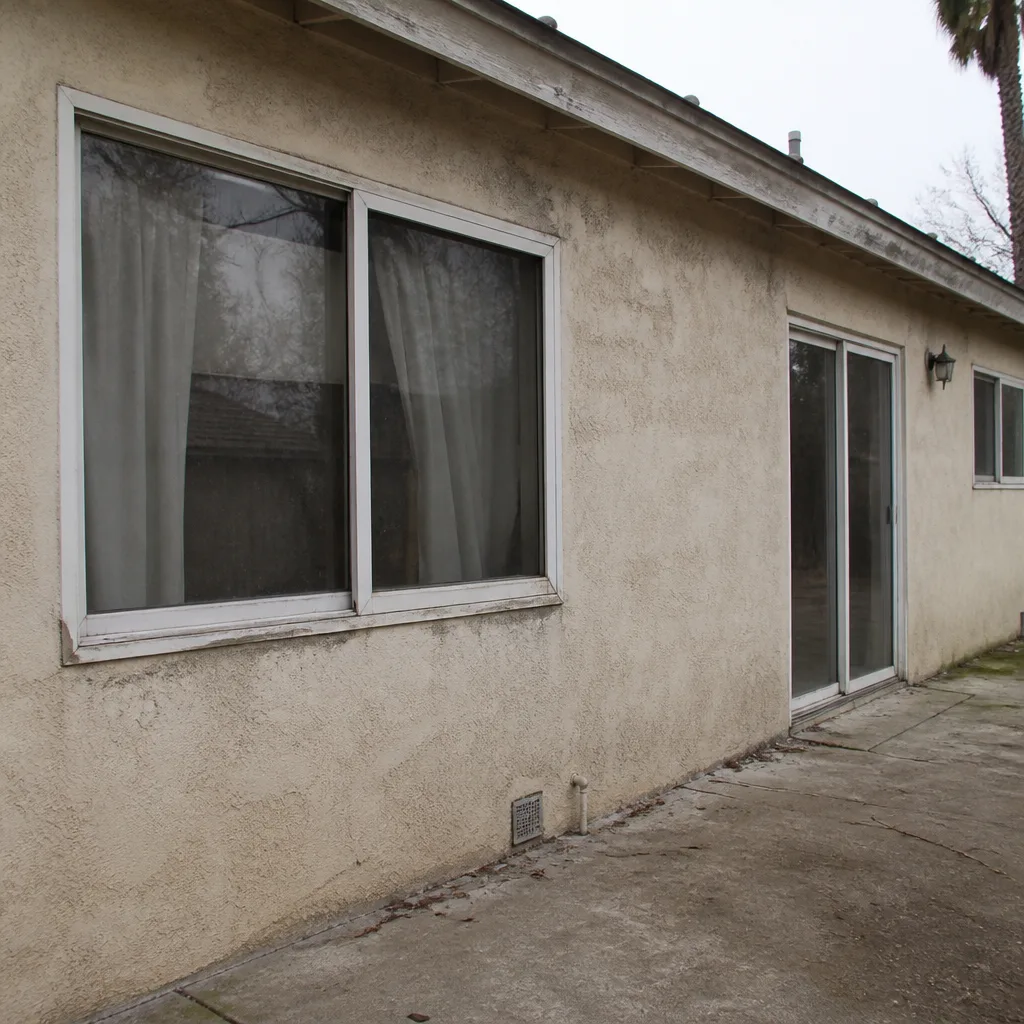 Before
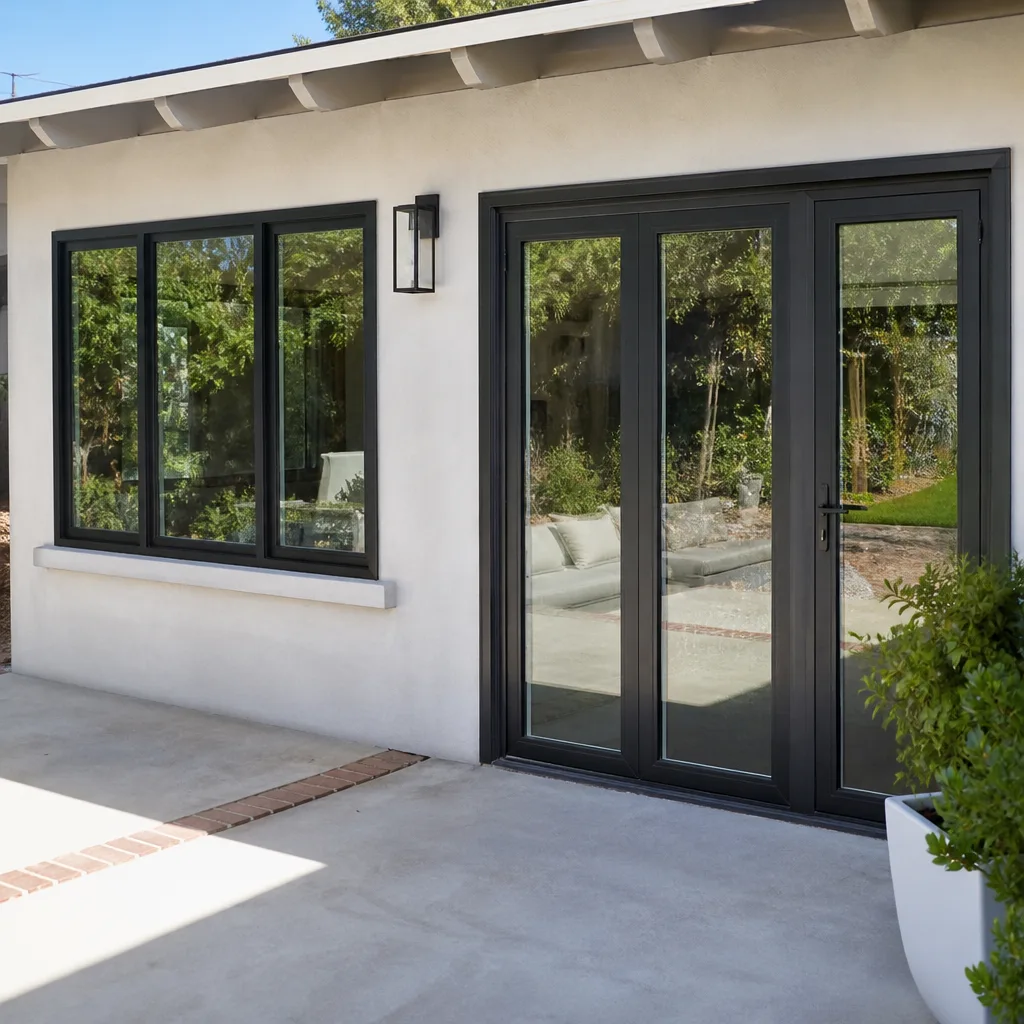 After
After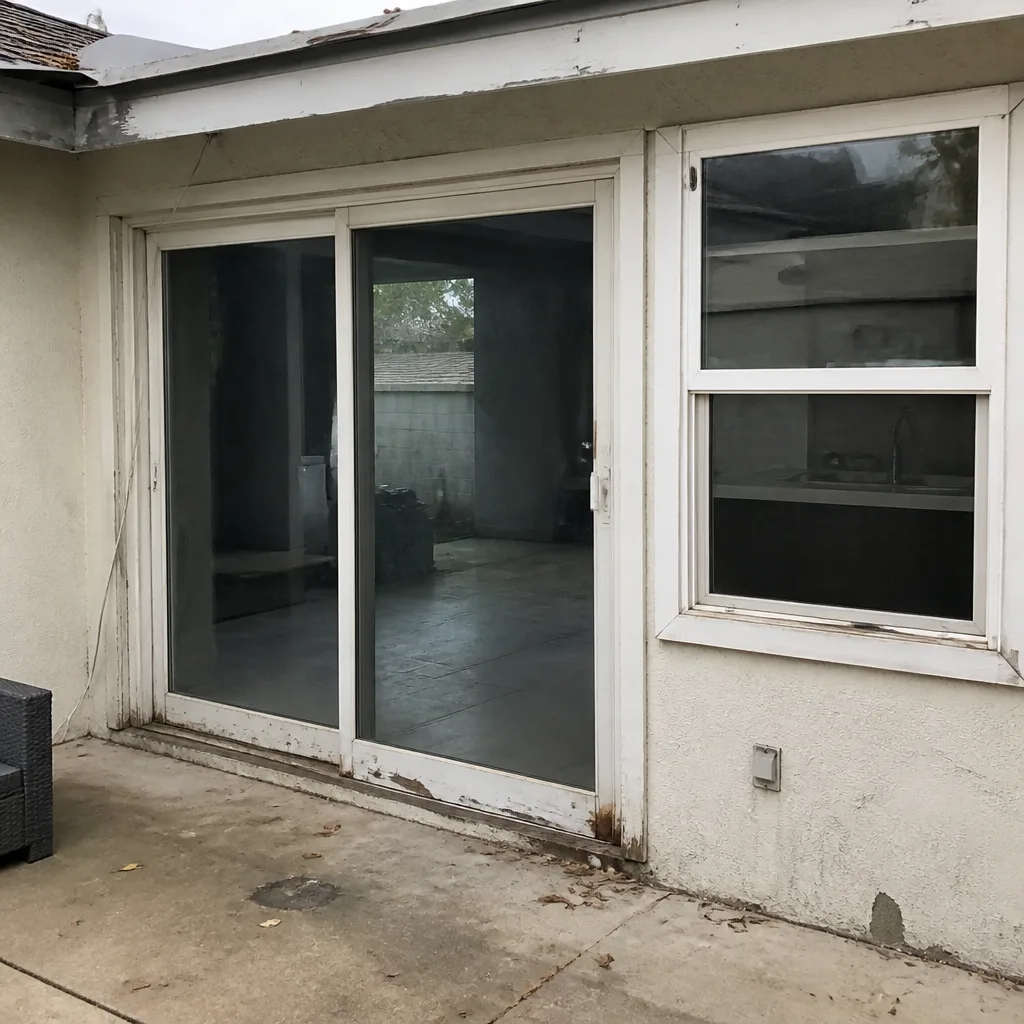 Before
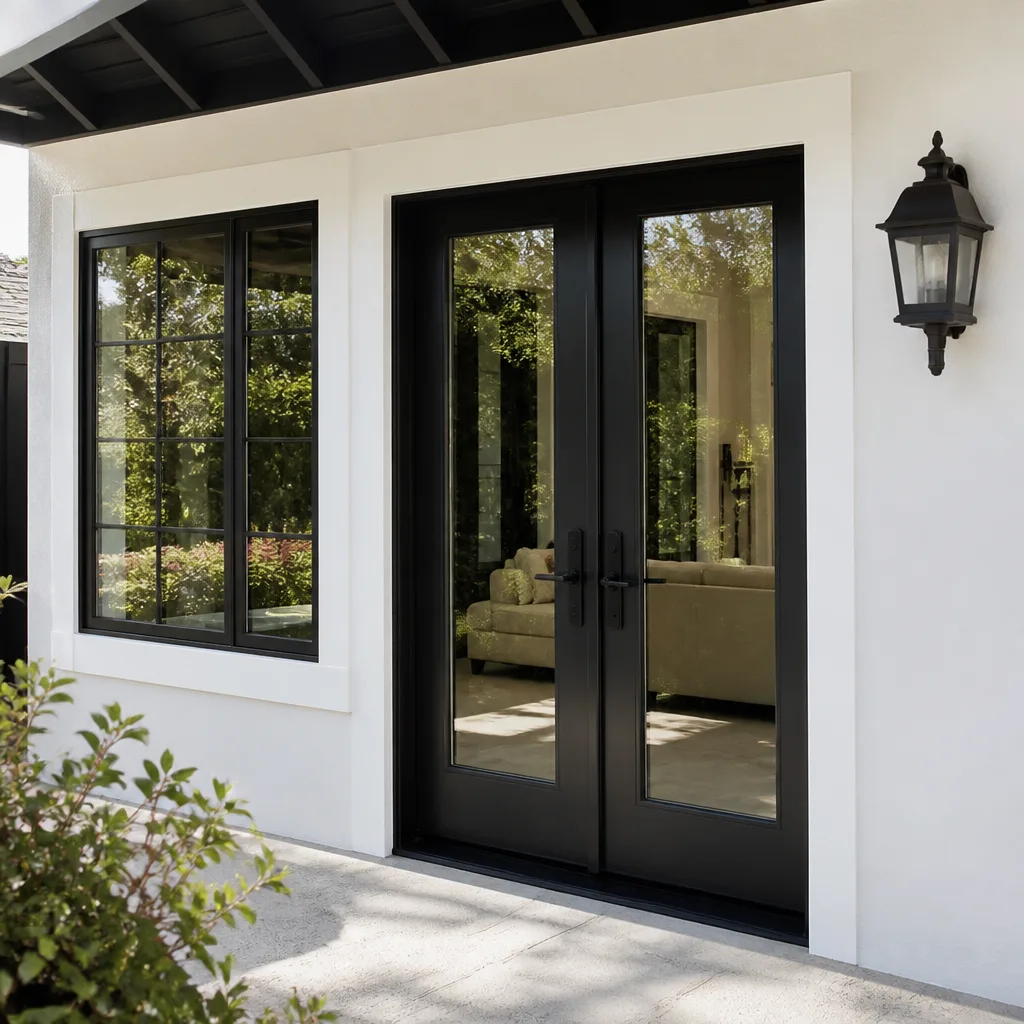 After
AfterHow to Hire a Windows & Doors Contractor in Los Angeles: A Step-by-Step Guide
Here is a number that should stop you cold: the California Contractors State License Board (CSLB) logged more than 14,000 complaints against unlicensed contractors in a recent year, and window and door replacement reliably sits in the top categories those complaints target. The reason is simple. Window work looks easy from the outside, carries a high ticket price, and attracts operators who underbid the job and disappear when the caulk cracks. Los Angeles has one of the highest concentrations of these operators in the state. This guide gives you a concrete vetting sequence that exposes them before they are ever inside your home, and our more guides & resources can help with every stage of your project.
Quick Answer
To hire a windows and doors contractor in Los Angeles, verify their CSLB license at CSLB.ca.gov (look for a C-17 Glazing or B General Building classification), require a written line-item quote before any deposit changes hands, ask who installs the work (in-house crews or subcontracted labor), and structure payments so the final amount is not due until the job is complete and inspected. A legitimate contractor will show license proof, written specifications, and a named, photo-badged technician without being asked twice.
Table of Contents
- Verify the License: The 90-Second Check That Eliminates Most Risk
- The Five-Question Interview Script That Exposes Subcontractor Bait-and-Switch
- What a Legitimate Written Quote Must Contain in Los Angeles
- Structuring the Payment Schedule So You Keep Leverage
- Red Flags Specific to LA Door-to-Door and Digital-Ad Window Sales
- Matching the Right Product to the Job: What Los Angeles Climate Demands
- Permits, Inspections, and Los Angeles Building Code Requirements
- Safety Warning: What Homeowners Should Never Attempt Themselves
Verify the License: The 90-Second Check That Eliminates Most Risk
In California, anyone contracting for window or door work over $500 in labor and materials must hold a state contractor’s license. That is not a suggestion. The CSLB enforces it, and homeowners who hire unlicensed operators forfeit most legal recourse when work fails. The 90-second check goes like this.
- Go to CSLB.ca.gov and click “Check a Contractor’s License.”
- Enter the license number the contractor gave you, or search by business name.
- Confirm two things: the license is active (not suspended or expired), and the classification matches the work.
- Look for the classifications C-17 (Glazing) for glass-specific window and door work, or B (General Building) for full replacement projects involving framing and structural changes.
- Check the license holder’s name matches the person or company actually doing the work.
In Los Angeles, this step matters more than in almost any other market. The city’s dense housing stock, mix of pre-war and mid-century construction, and the sheer volume of replacement work creates a feeding ground for unlicensed operators. A licensed C-17 contractor has passed trade and law exams and carries a worker’s compensation policy. An unlicensed operator carries none of that. If a worker falls off a ladder at your Los Angeles home and the “contractor” has no workers’ comp, the homeowner can be named in the lawsuit.
Our own threshold when we send a technician to a Los Angeles home is documented and non-negotiable: every technician is background-checked, identity-verified, photo-badged, and pre-announced by name and photo before the visit. That is the standard a homeowner should expect from any contractor they let through the door. Linked to our Hale Windows & Doors home page, we recommend every Los Angeles homeowner run the CSLB check before scheduling even an estimate.
The Five-Question Interview Script That Exposes Subcontractor Bait-and-Switch
The most common complaint we hear from Los Angeles homeowners after a bad window job is some version of “the salesperson was great, but the crew that showed up was not the same company.” This is the subcontractor bait-and-switch. A contractor sells you on their reputation, then hands the install to day-labor crews with no affiliation, no training, and no accountability. These five questions, asked in order before you sign anything, expose the practice almost every time.
- “Who will actually install my windows?” A direct answer names specific technicians or an in-house crew. A vague answer says “our installers” without naming anyone.
- “Are your installers W-2 employees or 1099 subcontractors?” In-house W-2 crews mean the contractor stands behind the people on site. Subcontractors mean the person installing your windows answers to someone else.
- “Will I receive a photo and name of the technician before they arrive?” This is a Threshold Standard requirement we set for our own company, and any professional operation can meet it. If they cannot tell you who is coming, you should be suspicious.
- “Who handles the permit process if one is required?” Every Los Angeles zip code has permit requirements for structural changes. A contractor who says “you don’t need a permit” for a full window replacement involving new openings or framing is either uninformed or avoiding the inspection process. Both are red flags.
- “What happens if the install fails within the first year?” A written answer exists: it should name a specific warranty term, a specific process for making a claim, and a specific outcome if the work fails. A verbal “we’ll take care of you” is not an answer.
We ask these same questions of ourselves before every job we take in Los Angeles, because we believe every contractor should be held to a documented standard. The 365-Day Done Right Promise we operate under states it plainly: if the work is not right, we make it right, no argument needed. Ask any contractor you are considering to state their version of that promise in writing.
What a Legitimate Written Quote Must Contain in Los Angeles
A legitimate written quote is not a number on a napkin. It is a document that spells out exactly what you are buying, exactly how it will be installed, and exactly what happens if something goes wrong. In our experience across Los Angeles, vague estimates are the single strongest predictor of a bad experience. Here is what a professional written quote must contain, line by line.
- Product name and manufacturer. Not “energy-efficient window.” The quote should read “ViewLux 6000 Series double-hung, low-E, argon-filled.” We install and service eight professional-grade window and door lines, including Window Replacement in Los Angeles options from manufacturers like ViewLux and Therma-Tru, because specifying the exact product is the only way to compare quotes honestly.
- Glass specifications. Look for low-E glass (a thin coating that blocks heat while letting light through), gas fill (argon or krypton), and the U-factor and SHGC ratings specific to your Los Angeles climate zone.
- Installation method. “Retrofit” versus “full frame” changes the labor, the price, and the result. The quote must state which method is being used and why.
- Permit responsibility. A line stating who pulls permits, who pays for them, and who schedules the inspection.
- Payment schedule. Specific percentages tied to specific milestones, not a single lump sum upfront.
- Warranty terms. Manufacturer warranty and workmanship warranty stated separately, each with a duration and a named contact for claims.
- Start and completion dates. Not “sometime next month.” A range is fine, but a range with no outside date is not.
Every quote we issue in Los Angeles is a written, line-item price delivered before any work begins. No work ever starts on a verbal agreement, and no invoice ever includes a line we did not discuss first. That is not a sales tactic; it is the only way to protect both parties.
Structuring the Payment Schedule So You Keep Leverage
The single worst financial decision a Los Angeles homeowner can make in a window or door project is paying a large deposit before materials are ordered and work is scheduled. Unlicensed operators and undercapitalized contractors rely on that front-loaded cash to fund their operations. If the job stalls, you have no leverage. Here is the payment structure we recommend, based on what we have seen work and what we have seen fail across Los Angeles.
- Initial deposit: 10% to 15%. Enough to cover material ordering and demonstrate good faith. Never pay more than 15% upfront, regardless of what the contractor asks.
- Mid-project payment: 40% to 50%. Due when materials are on site and installation is underway. This is the point where real work is verifiable.
- Final payment: remaining balance. Due only after installation is complete, the site is clean, and any required inspection has passed. Withhold final payment until you have walked the job yourself and confirmed the work matches the written quote.
Any contractor asking for more than 50% upfront in Los Angeles is asking you to assume risk that should be theirs. A professional operation has the working capital to order materials on their own credit. That is one of the ways a legitimate business is distinguished from a one-person operation running job-to-job. For Window Repair in Los Angeles work specifically, the same principle applies in miniature: smaller deposit, completion-based payment, documented guarantee on the repair.
Red Flags Specific to LA Door-to-Door and Digital-Ad Window Sales
Los Angeles has a particular market structure that invites bad actors. High population density, a constant churn of homes changing hands, and a heavy digital advertising ecosystem create a steady supply of homeowners who need window work and have not yet established a relationship with a contractor. This is the environment door-to-door window sellers and social-media ad buyers thrive in. Here are the red flags we tell Los Angeles homeowners to watch for, because these are the patterns that repeatedly produce complaints.
- The same-day close. A contractor who pushes you to sign before they leave the house is not protecting you. Legitimate window projects in Los Angeles involve measurements, product selection, and written quotes. High-pressure same-day tactics exist because the seller knows the deal will not survive your overnight research.
- The disappearing rebate. “We have a manufacturer rebate that expires this week.” Rebates from manufacturers like Therma-Tru and ViewLux have published terms and dates. They do not expire when the salesperson walks out the door. Ask for the rebate in writing with the manufacturer’s name on it. If the contractor cannot produce that, the rebate is a made-up discount.
- “Factory-direct” claims. No legitimate window manufacturer sells factory-direct to Los Angeles homeowners. They sell through established installers and dealers. The phrase “factory-direct” in a door-to-door pitch is almost always code for “we bought a truckload of overstock and are now trying to offload it.”
- No physical address. A Los Angeles contractor should have a verifiable business address in the region. A P.O. box or no address at all is a warning sign.
- The quote that changes when you ask questions. A written quote should stand up to your questions. If the price moves when you ask about the install method, the permit process, or the warranty, the original number was not real.
We have been installing and servicing windows and doors in Los Angeles since 2009 as part of the Threshold Group family of home-service brands, and we have built our entire operating model around the opposite of these tactics: written prices before work begins, named technicians who are photo-badged, and a documented promise that survives the sales call.
Matching the Right Product to the Job: What Los Angeles Climate Demands
Los Angeles is not one climate. It is a patchwork of coastal fog, inland heat, and canyon wildfire risk. A window that performs perfectly in Santa Monica fails in Woodland Hills. This is why we recommend homeowners resist the temptation to buy whatever brand a single-line dealer happens to push. The product should match the specific conditions of your home’s location.
For coastal zones, where salt air and moisture dominate, a corrosion-resistant frame is a genuine requirement, not an upsell. For inland areas, where summer temperatures routinely breach 95 degrees, a low-E coating and gas-filled double or triple glazing becomes a real energy decision. For hillside and canyon homes in wildfire-prone areas, some manufacturers like Front Door Replacement in Los Angeles lines we install, including ECO Window Systems and Mr-Glass products, offer fire-rated options worth evaluating.
We install and service eight professional-grade window and door lines: PGT, CGI, CWS, ES Windows, ECO Window Systems, Mr-Glass, Therma-Tru, and ViewLux. That breadth exists for a reason. A contractor who carries only one brand will recommend that brand whether or not it is the right product for your home. We carry multiple lines because Los Angeles demands multiple answers. The right contractor should be able to explain why a specific product fits your specific street, and that explanation should make sense to you, not hide behind jargon.
Permits, Inspections, and Los Angeles Building Code Requirements
Los Angeles has specific building code requirements for window and door replacement, and they vary by zip code and by the scope of work. A homeowner replacing a window in the same opening with the same dimensions may not need a full permit. A homeowner enlarging an opening, adding a new window where none existed, or replacing a door with a different size or opening direction almost certainly does.
Here is what every Los Angeles homeowner should understand about the permit process before signing a contract.
- Title 24 energy compliance. California requires replacement windows and doors to meet specific energy efficiency standards. Your contractor should be able to state the U-factor and SHGC ratings of the products they are recommending and confirm they meet Title 24 for your climate zone.
- Los Angeles Department of Building and Safety (LADBS). Most window and door permits in Los Angeles run through LADBS. The contractor should specify who will handle the LADBS file, the inspection scheduling, and the final sign-off.
- Historic districts. Homes in Los Angeles historic preservation overlay zones (HPOZs) have additional review requirements before window replacement can proceed. If your home is in an HPOZ, ask the contractor directly whether they have experience with HPOZ approvals.
A contractor who dismisses permit questions is not doing you a favor. They are skipping a step that protects you. If work is done without a required permit, and the issue is discovered during a future home sale, the seller is the one who pays to fix it.
Safety Warning: What Homeowners Should Never Attempt Themselves
Some home improvement tasks are safe for a capable homeowner. Window and full door replacement are not among them. The risks are real and specific. A double-pane insulated window unit can weigh 80 to 120 pounds. Dropping one from a second-story Los Angeles opening is a serious injury risk. Door replacement often involves removing structural headers and shimming framing to maintain load-bearing integrity. An incorrectly installed door on a load-bearing wall can sag, bind, or compromise the structure over time.
We have also seen what happens when homeowners attempt to remove old windows and discover dry rot, termite damage, or non-standard framing behind the stucco. In an older Los Angeles home, that is more the rule than the exception. The problem is that a homeowner who has already torn out the old window now faces an emergency repair with no plan. A professional assessment before demolition prevents that scenario entirely. If you are considering a DIY window or door project in Los Angeles, we strongly recommend at minimum a paid professional assessment first. The cost of the assessment is trivial compared to the cost of recovering from a failed DIY removal.
Common Mistakes to Avoid
- Verifying the license but not the classification. A contractor with an active license in a different trade, like painting or landscaping, is not legally permitted to install windows or doors. Check the classification matches the work before you sign.
- Paying more than 15% upfront. Front-loading cash gives you no leverage if the work stalls. Structure payments around material delivery and installation milestones.
- Accepting “trust me” as a warranty. A verbal promise is not a warranty. Require the workmanship warranty in writing with a named term, a named process, and a named outcome if the work fails.
- Choosing a contractor without asking who installs the work. Subcontracted day-labor crews are the most common source of installation failures in Los Angeles. Ask directly and require a documented answer.
- Dismissing the permit conversation. Skipping permits saves money in the moment and costs more in the long run. The contractor should bring permits up before you do.
- Trusting a photo badge you were never shown. Any contractor can claim their technicians are vetted. A real standard shows you the badge, the photo, and the name before the technician arrives.
- Buying a door-to-door pitch. The same-day close exists because the deal will not survive your overnight research. Do the research.
When to Call a Professional
If you are seeing condensation between glass panes, drafts around window frames, difficulty opening or closing windows, or visible dry rot around a door frame, a professional assessment is warranted now, not later. These issues compound. A drafty window in a Los Angeles summer costs you in cooling dollars; the same window in a rain year leaks water into the wall cavity and starts a rot problem that costs far more to repair. If your home is older than 20 years and the windows are original, plan for a professional evaluation even if nothing seems broken, and follow our Window Repair Maintenance Schedule: What to Do and When. The time to learn about a hidden framing issue is before you list the house for sale, not during escrow. Hale Windows & Doors offers free estimates in Los Angeles – call (252) 675-6980 to schedule one.
Frequently Asked Questions
Window replacement in Los Angeles typically ranges from $600 to $1,200 per window for standard double-pane retrofits, and $900 to $2,000 per window for full-frame replacements, depending on the product line, opening size, and accessibility. Entry-level vinyl retrofits sit at the lower end. Premium lines like ViewLux or Therma-Tru, and larger custom openings, sit at the upper end. Call (252) 675-6980 for an exact written quote – estimates are free.
A typical whole-home window replacement of 10 to 15 windows in Los Angeles takes one to three days for a professional crew, assuming no structural surprises are found behind the existing frames. Full-frame replacements with stucco repair can extend the timeline by a day or two. Door replacement on an existing opening is typically a same-day job.
It depends on the scope. Replacing a window in the same opening with the same dimensions may not require a permit, but enlarging an opening, adding new openings, or changing door sizes usually does. A legitimate contractor will tell you upfront whether your specific project requires LADBS approval and will name who handles the permit process.
C-17 is the Glazing classification, specific to glass and glazing work including window and door installation. B is General Building, which covers broader remodeling work that includes windows and doors as part of larger projects. Either classification can legally perform window and door work, but a C-17 holder has passed trade exams specific to glazing. Both are verifiable in 90 seconds at CSLB.ca.gov.
It should not, if the written quote is specific about scope. Legitimate price changes happen only when the quote was vague or when hidden conditions are discovered after demolition begins. A written line-item quote protects you from both. Any contractor who changes the price without a documented reason tied to a discovered condition is not operating in good faith.
Look for three things: the manufacturer’s warranty on the product, the contractor’s workmanship warranty on the installation, and a documented process for making a claim. Manufacturer warranties from lines like ECO Window Systems and Mr-Glass typically run 10 to 20 years on glass and frames. Workmanship warranties should be stated separately in writing. Ask what happens if the repair fails – a professional contractor will state that a second visit is free without hesitation.
The Bottom Line
Hiring a windows and doors contractor in Los Angeles comes down to one principle: get everything in writing before anyone picks up a tool. Verify the CSLB license and classification. Interview the contractor with the five-question script. Require a line-item written quote with product names, glass specs, install method, permit responsibility, and payment schedule. Do not pay more than 15% upfront. And choose a contractor who tells you exactly who is coming to your home, by name and photo, before the visit. That is the standard we hold ourselves to at Hale Windows & Doors, and it is the standard every Los Angeles homeowner should demand from any contractor they let through the door.
Written by Spencer Odell, Owner at Hale Windows & Doors, serving Los Angeles since 2009.