

Last updated October 9, 2026
Free in-home measure and quote - PGT, CGI and CWS impact lines compared on your actual openings, style by style
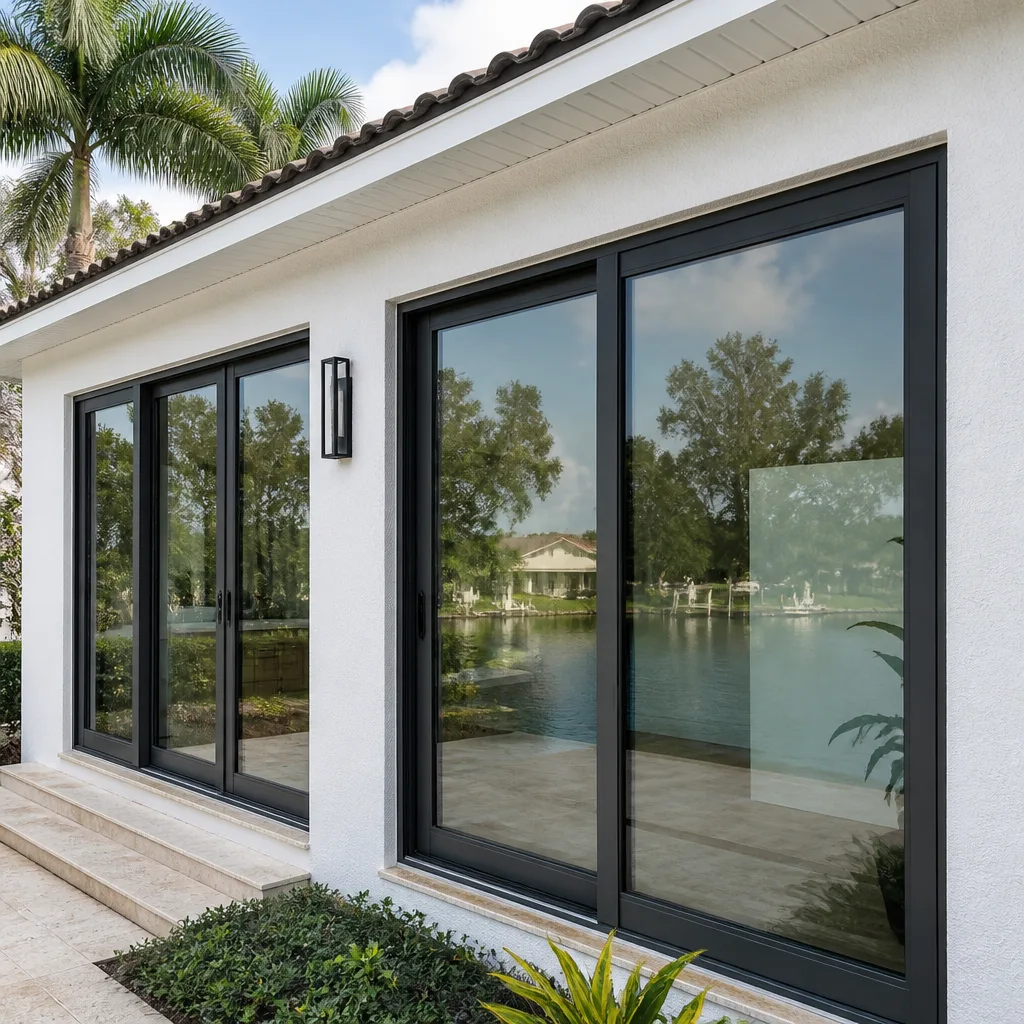
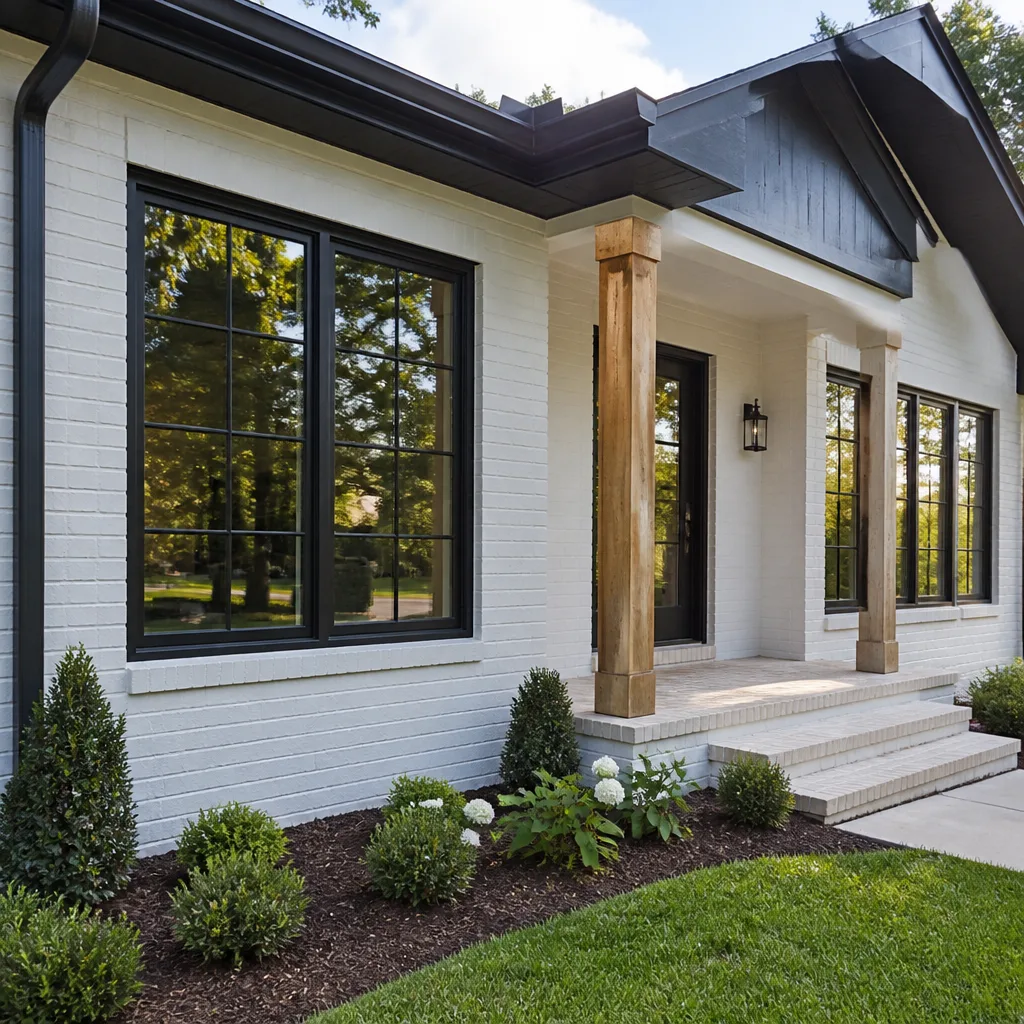
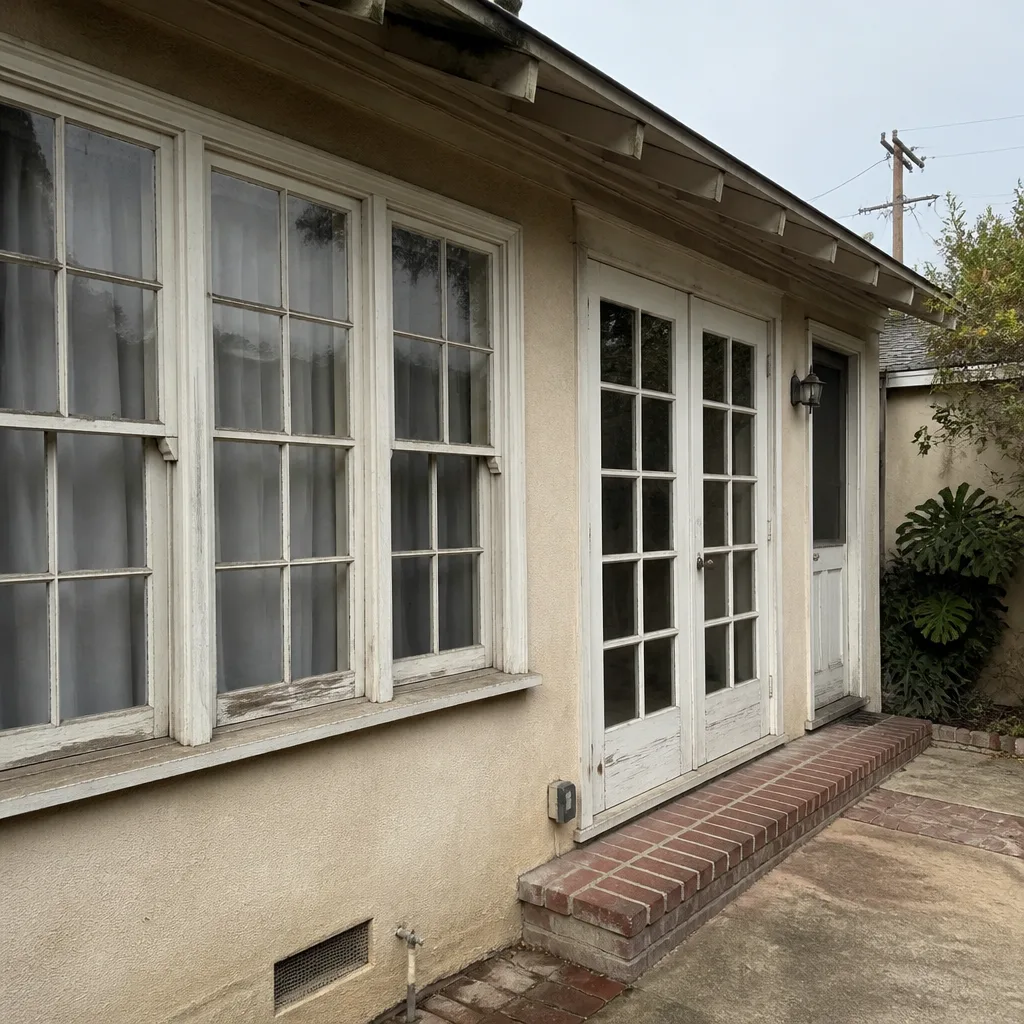 Before
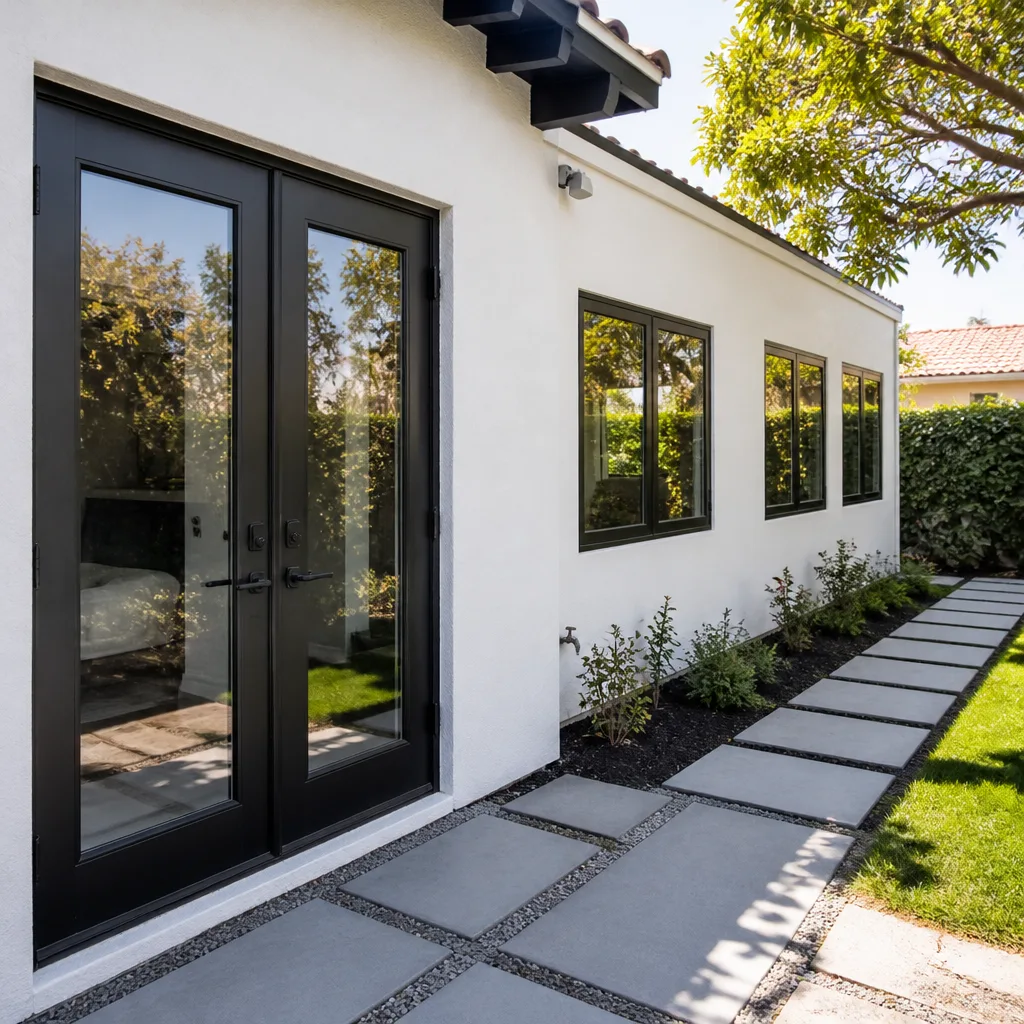 After
After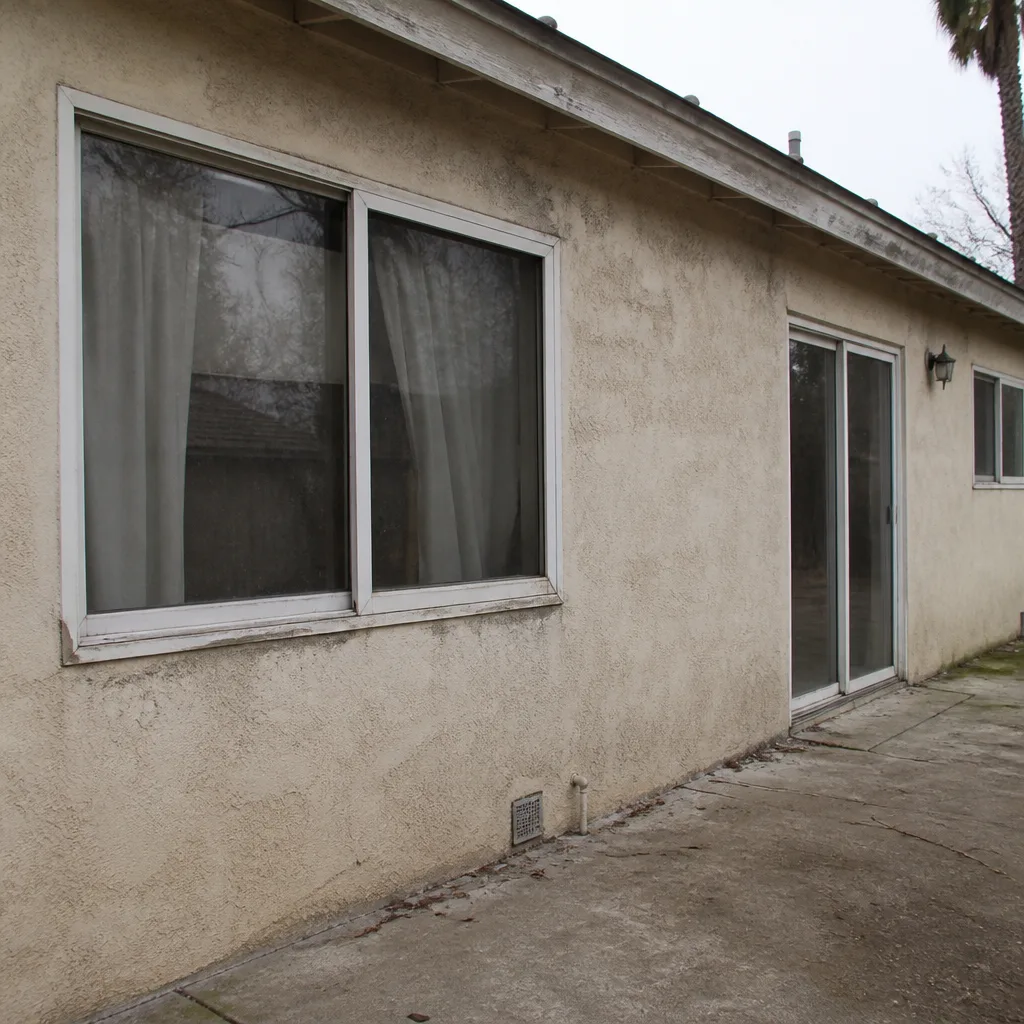 Before
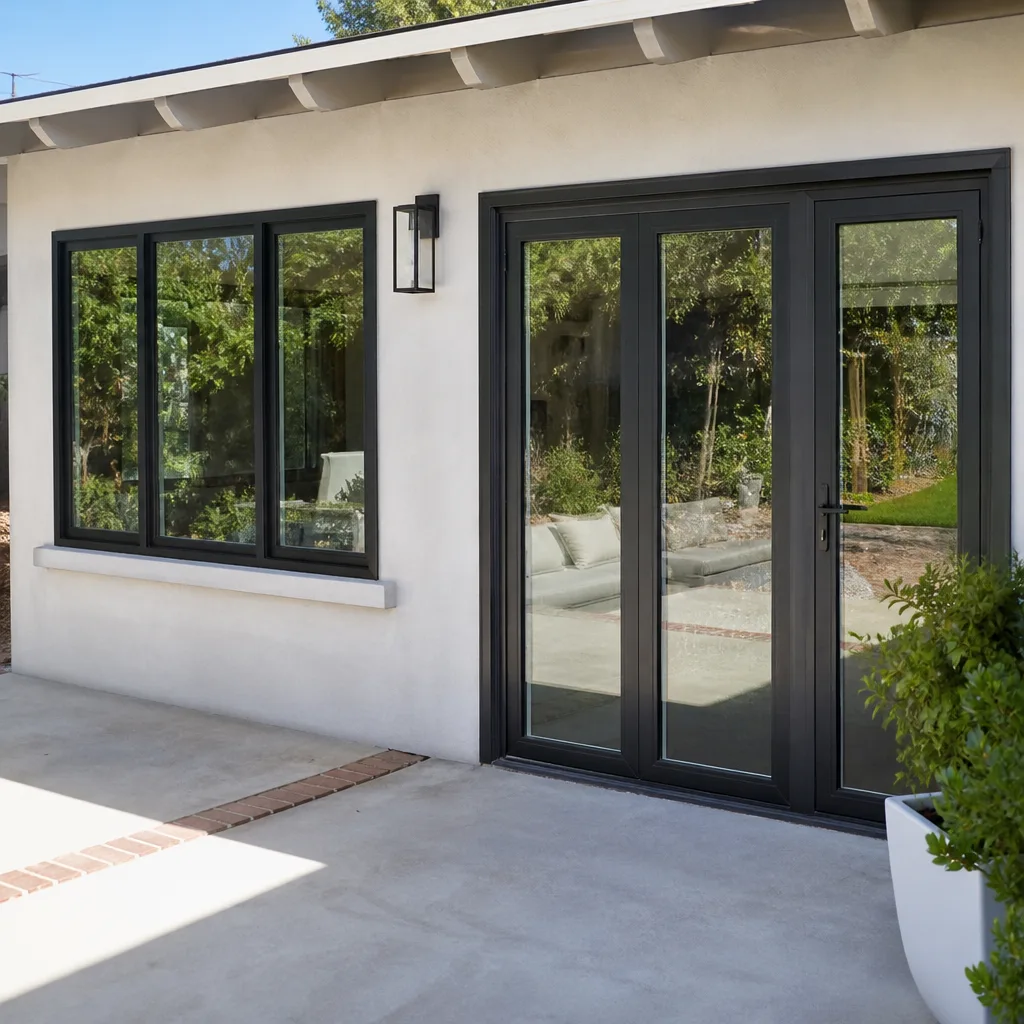 After
After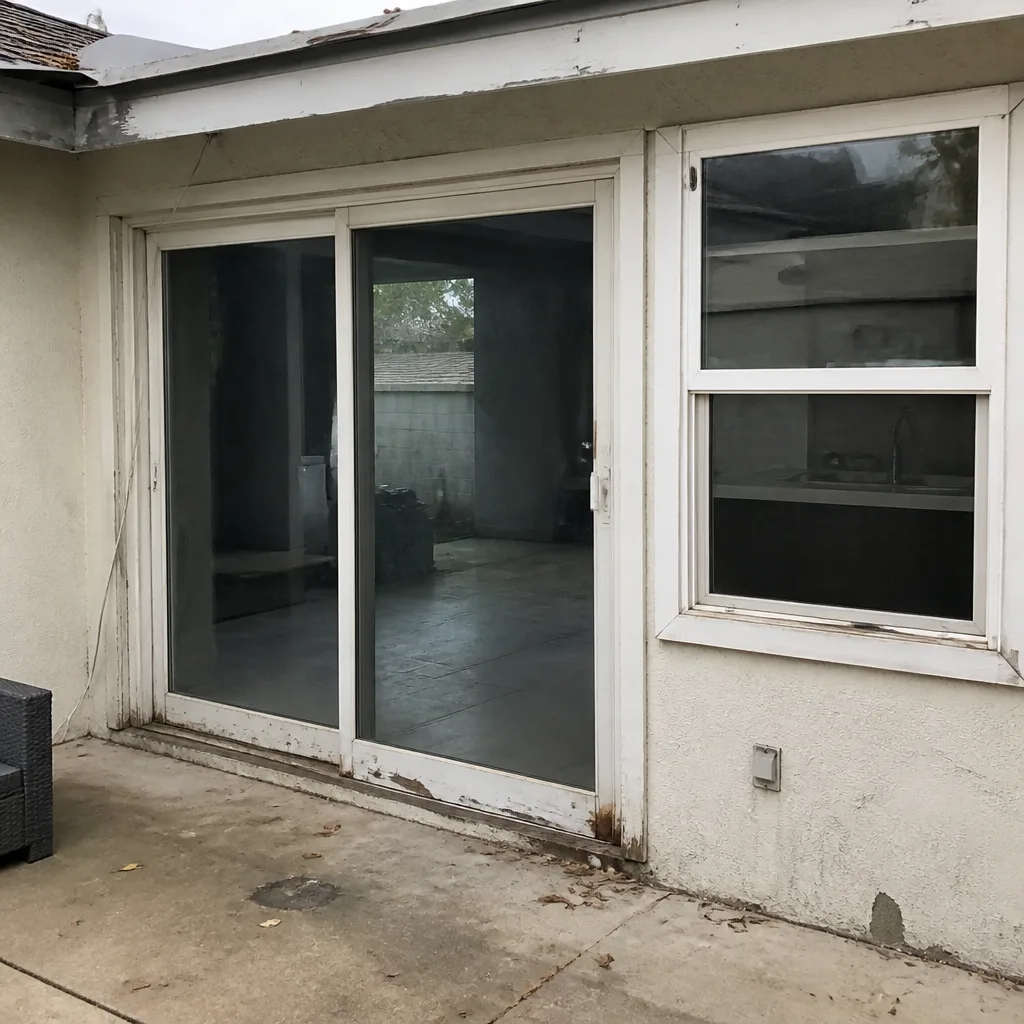 Before
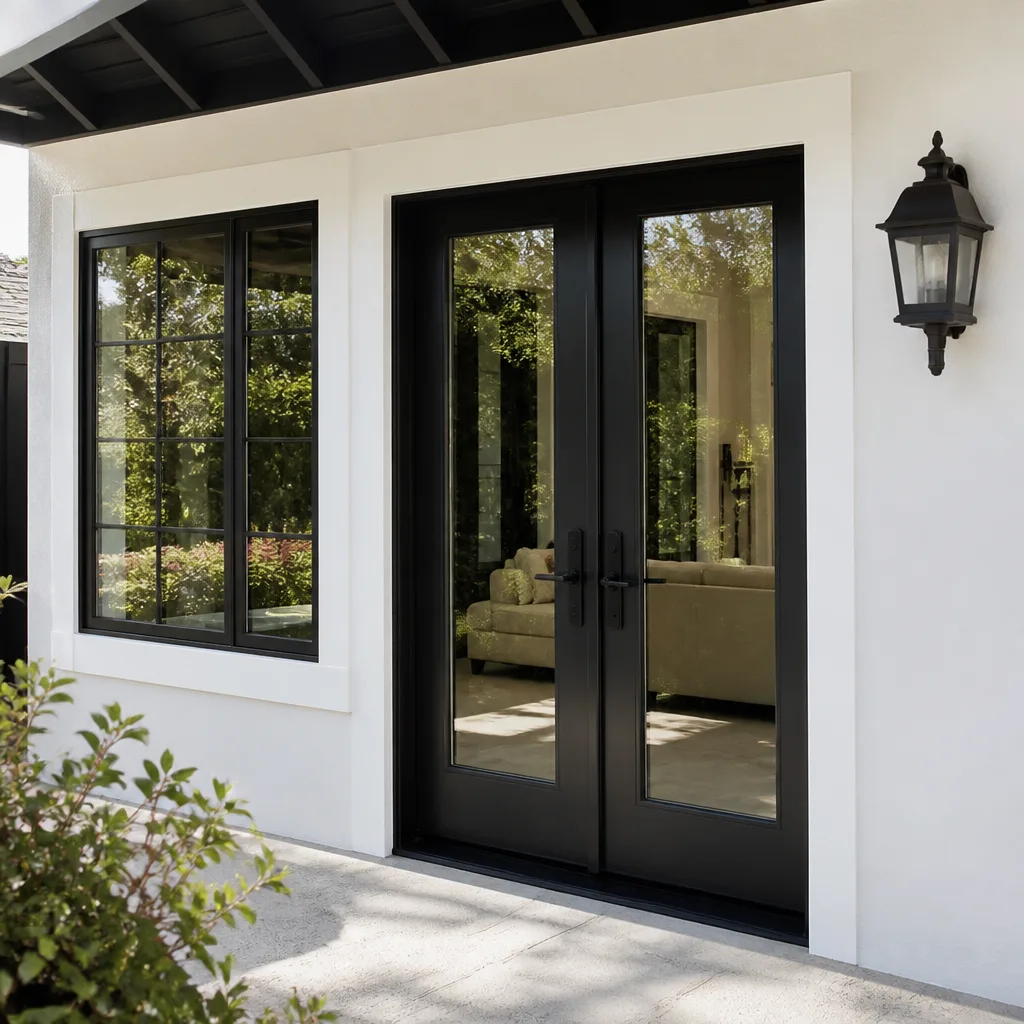 After
AfterWindow Replacement Warning Signs Every Homeowner Should Know
A window that’s “just a little hard to open” and has “just a little condensation” and “just a little paint peeling on the sill” is describing three symptoms of the same moisture problem. By the time any one of them is obvious, the framing behind the drywall has often already started to rot. This guide walks through the warning signs that actually matter in Los Angeles, how to check them yourself in minutes, and what a fair repair or our Window Replacement services should cost before you pick up the phone.
Quick Answer
The windows that cause the most expensive damage aren’t the ones that are obviously broken. They’re the ones showing three or four small symptoms at once: sticking operation, interior condensation between the glass panes, paint peeling on the sill, soft drywall below the window, and a musty smell on warm days. Any one of these is a nuisance. Two or more together usually mean active water intrusion behind the wall. If you spot three, get a professional inspection before the framing rot spreads past the window opening.
Table of Contents
- The Five Signs That Look Minor But Aren’t
- How to Probe a Windowsill for Rot in 30 Seconds
- When Your Energy Bill Is the Warning Sign
- Warning Signs Specific to Los Angeles Homes
- Is It a Window Problem or a Roof Problem Using the Window as an Exit?
- Repair vs. Replace: Where the Line Actually Is
- What Window Replacement Costs in Los Angeles
- Common Mistakes to Avoid
- When to Call a Professional
- Frequently Asked Questions
- The Bottom Line
The Five Signs That Look Minor But Aren’t
Individually, none of these five symptoms will send a Los Angeles homeowner running for the phone. That’s the problem. Each one is easy to rationalize: the house is settling, it’s humid this year, the paint was cheap. But when three or more show up on the same window or on windows along the same wall, you’re almost certainly looking at water getting where it should not be. Here’s what we mean, and what we’ve seen in homes from the Valley to the Westside.
- Sticking operation. A window that used to slide or crank easily and now needs a shove is telling you the frame or sash has swelled. Wood swells when it absorbs moisture. Vinyl frames can distort from heat or from the pressure of a shifting rough opening. Either way, the window is moving out of square. That gap you have to yank it through is where air and water are getting in.
- Interior condensation between the panes. Condensation on the room side of the glass is a humidity issue inside the house. Condensation between the two panes of a double-pane window means the seal has failed. The insulating gas has leaked out, and what’s left is just two pieces of glass with humid air trapped between them. That window is no longer insulating anything.
- Paint failure on the sill or lower sash. Paint peels on a sill for one reason far more often than any other: the wood underneath is getting wet on a regular basis. Water is wicking up from the exterior, or condensation is running down the glass and pooling on the sill. Fresh paint over wet wood will peel again within a year.
- Soft drywall below the window. Press on the wall beneath a window, especially around the corners of the opening. If the drywall gives slightly, feels spongy, or shows a faint water stain, water has been traveling down inside the wall cavity. This is past warning sign territory. The framing is involved.
- Musty smell on warm days. That smell usually shows up when the sun hits a particular wall in the afternoon. Heat releases the odor of mold or mildew growing inside the wall cavity or in the insulation around the window frame. By the time you can smell it, the moisture source has been active for months.
Here’s the pattern that matters: three of these five appearing together means the window opening is compromised. The window may still be repairable, but the flashing, the sealant, and possibly the framing behind the stucco or drywall need to be looked at. In our experience with window replacement in Los Angeles, most of the rot we uncover starts at the lower corners of the rough opening, where water collects and has nowhere to drain. One sign is worth watching. Three are worth a phone call.
How to Probe a Windowsill for Rot in 30 Seconds
You don’t need to be a contractor to check a windowsill for rot. You need a screwdriver, or a pocketknife with a closed blade, and about half a minute. This test works on wood sills and on the wood beneath painted sashes. If your windows are aluminum or vinyl, skip to the drywall check below; the frame itself won’t rot, though the wood behind it can.
Here’s the technique we use on inspections:
- Look first. Check the sill corners, the joint where the sill meets the vertical side jambs, and the exterior bottom edge if you can reach it safely from the ground. Discoloration, hairline cracks in the paint, or a slightly darker tone than the surrounding wood are the places to test.
- Press with the screwdriver handle, not the tip. Push the flat side or the handle into the wood in those suspect areas. Healthy wood feels hard and unyielding. Rotting wood compresses even under moderate pressure. It may feel springy, or the paint may crack open slightly as the wood underneath gives way.
- Tap with the handle end. A solid, sharp sound means the wood is sound. A dull thud means the interior has softened. Compare the suspect spot to an area of the same sill you know has stayed dry, like the interior side away from the glass.
- Probe gently with the tip only if the above tests are unclear. Press the screwdriver tip into the wood at a shallow angle in the most suspect spot. If it sinks in more than about an eighth of an inch with light pressure, the wood is significantly decayed underneath the paint. Stop there. Don’t dig a hole; you’re checking, not demolishing.
This test takes thirty seconds and tells you more than a dozen photos ever will. If the sill is soft, the window is very likely leaking, and the framing below the sill may be in worse shape than the sill itself. That’s because the sill is just the visible end of the wood; the rot tends to travel down and outward from the source of the water. In Los Angeles, where many homes built before 1990 have wood-framed windows with stucco exteriors, sill rot in one window often means the paper backing or flashing detail at that opening has failed. We strongly recommend getting any soft sill evaluated by a professional rather than caulking over it. Caulk seals in moisture and accelerates the rot you can’t see.
When Your Energy Bill Is the Warning Sign
Windows degrade gradually, so most homeowners don’t notice the point where their glazing stops doing its job. The utility bill notices it for you, if you know what to compare. The most useful comparison is your own year-over-year usage for the same month, in the same house, with the same number of people, corrected for how hot the month actually was. Here’s what the numbers tend to show.
A double-pane window with a failed seal has lost most of its insulating value. Single-pane windows, which are still common in older Los Angeles homes from the 1950s through the 1970s, were never good insulators to begin with. If your summer cooling bill jumps 15 to 25 percent over the prior year with no obvious change in your habits, and your windows are fifteen or more years old, the glazing is a primary suspect. If you’re seeing a 30 percent or greater spike, or if two summer months in a row run dramatically hotter in cost than the year before, the windows are likely contributing to a significant loss of conditioned air. Older HVAC systems can also drive this, but windows are the cheaper thing to check first.
One Los Angeles-specific variable to factor in: our cooling loads run hard in the late afternoon, which is exactly when unprotected west-facing windows absorb the most heat. Homes with single-pane or failed-seal windows on the west elevation will see the air conditioner work hardest from about 4 p.m. to 7 p.m., and that shows up as a steeper shoulder rate on time-of-use billing. If you have a smart thermostat or utility usage data, look at the hour-by-hour pattern. A persistent late-afternoon cooling spike on a west wall is a window problem more often than an HVAC problem.
The fix does not have to mean replacing every window. Replacing the worst performers, starting with failed-seal units and large west-facing glazing, captures most of the benefit. We work with products from ES Windows and ECO Window Systems, among others, when the goal is maximum heat rejection without losing the clean sightlines Los Angeles homeowners want. But before you spend on new glass, rule out the simpler causes: worn weatherstripping, gaps in the sealant around the frame, and windows that don’t fully close. Any one of those can bleed conditioned air and cost less to fix than a full replacement.
Warning Signs Specific to Los Angeles Homes
Some warning signs show up in Los Angeles more than anywhere else because of how our houses are built and where they sit, as covered in our Windows & Doors Emergency Preparedness Guide for Los Angeles Homes. If you own an LA home, these are the ones to watch.
- Stucco cracking above the window corners. Stucco is rigid. When the framing around a window opening shifts or swells from moisture, the stucco can’t flex with it, so it cracks in the classic diagonal pattern running up and outward from the upper corners of the opening. A hairline crack at a 45-degree angle off a window corner that widens over a season or two indicates movement at the opening. That movement opens the sealant joints and the flashing path, which lets water in behind the stucco. Cracks that stay hairline and never change are usually just settlement. Cracks that grow are worth an inspection.
- Efflorescence on interior sills after rain. Efflorescence is the white, chalky mineral deposit that appears on masonry or stucco when water moves through it and evaporates, leaving dissolved salts behind. When you see it on the inside face of a windowsill or on the drywall just below a window after rain, that’s not condensation. That’s rainwater coming through or around the window and drying on the inside surface. The water is traveling through the wall. The deposit is the proof.
- Frame corrosion in coastal zip codes. Homes within a few miles of the ocean in neighborhoods like Playa del Rey, Venice, the Palisades, or anywhere else the marine layer sits heavy are exposed to salt air year-round. Aluminum window frames corrode in that environment. You’ll see white or gray pitting, flaking metal, or a rough, bubbled surface on the frame, especially at the bottom corners and around the weep holes. Once the frame corrodes through at a weep hole or corner joint, water moves inside the wall with every rain. Corroded frames on a coastal LA home are a replacement issue, not a repair issue.
- Warped or swelling sashes after a wet winter. Los Angeles typically gets its rain in a concentrated burst between December and March, and after a sequence of wet winters, wood sashes that stayed swollen start sticking first on the south- and west-facing elevations. South and west walls catch the sun after a rain and go through the most extreme wet-dry cycles. If your windows stick more after a rainy winter than they did the year before, the wood has absorbed moisture and is not drying out fully between storms.
- Dust and grit accumulating on interior sills. This sounds trivial, but it’s a real indicator. A window with failing seals or worn weatherstripping lets fine airborne dust from outside into the gap between the sash and frame. You’ll notice a constant fine layer of dark grit on the interior sill, especially around the sides and bottom of the sash, and you’ll find yourself wiping the same sill every week. The same gaps that let dust in are letting conditioned air out.
These LA-specific signs often overlap with the five general warning signs in the first section. When a stucco crack above a corner appears together with a sticking sash and peeling sill paint on the same window, the case is about as clear as it gets.
Is It a Window Problem or a Roof Problem Using the Window as an Exit?
Water travels down and out. When it enters the wall somewhere above the window, it follows the path of least resistance, which is often the first horizontal seam it hits: the top of the window frame. That means a leak at a window can actually be a roof leak, a flashing failure at a roof-to-wall junction, or a siding issue several feet above the window itself. Here’s how to tell the difference before you pay for the wrong fix.
- Check the wetness pattern after rain. If water appears at the top of the window or on the drywall above the window within a few hours of rain, the source is likely above the window: roof, flashing, or wall cladding. If water appears at the bottom of the window or on the floor below it, and the top of the window stays dry, the window itself is the more likely source.
- Trace the dampness upward. After a rain, feel the drywall or plaster at a few points above the window, at the top of the window, and below the sill. The highest point of dampness tells you where the water is coming from. Dampness only below the sill points to the window. Dampness extending up the wall above the window points to something higher.
- Look at the exterior wall and roofline above the window. From the ground, check for missing or lifted shingles or tiles, cracked stucco, gaps at roof-to-wall intersections, or a sagging roofline directly above the window line. A roofer or window specialist can often identify the source from the ground in a few minutes. It’s not always obvious from inside.
- Run an exterior water test if the leak is intermittent. Start low, at the window itself, and have someone inside watch for water. If nothing appears, move the hose to the wall above the window, then to the roof edge, holding each position for several minutes. The point at which water appears inside tells you where the breach is. This test is standard practice, and a window repair in Los Angeles specialist will use it to isolate the source before recommending any work.
The most expensive mistake we see is treating a roof flashing leak with a window replacement, or treating a window leak with roof work that never addresses the opening below. Both waste money and leave the original problem active. A proper diagnosis starts with isolating the water source, and that’s one reason we always send a technician to look before quoting work. You can’t price a repair correctly without knowing where the water enters.
Repair vs. Replace: Where the Line Actually Is
Not every warning sign means replacement. Some symptoms are genuinely repairable, and fixing them early extends the life of the window by years. But there are clear lines where repair stops making sense. Here’s how a Los Angeles window professional thinks about it.
Repair makes sense when:
- The glass is intact and the frame is sound, but the seal has failed on a single double-pane unit. The sash can often be reglazed or the insulated glass unit replaced without touching the frame.
- The window sticks because of worn weatherstripping or a build-up of paint and debris in the track, not because the frame is swollen or out of square.
- The hardware is worn: a crank, a lock, a balance spring. These are replacement parts, not replacement windows.
- A small area of the sill is soft, but the probe test shows the damage is shallow and the rest of the sill and the framing below are sound. The sill can be epoxied or a wood dutchman spliced in.
Replacement makes sense when:
- The probe test shows rot extending more than a shallow depth in the sill, or the drywall below the window is soft. The framing is involved, and patching the visible surface hides the problem.
- Two or more signs from the five-sign list are present on the same window, particularly on multiple windows along the same wall.
- The frame is corroded through anywhere, or the frame is visibly out of square and the window can’t be operated without forcing it.
- The window is a single-pane original from the 1950s-1970s, the glazing has failed, and the frame shows moisture damage. Spending on a new sash for a frame that’s past its lifespan rarely makes financial sense.
In Los Angeles, a good rule of thumb: if the repair cost exceeds about 40 to 50 percent of the replacement cost for that window, replacement is usually the better value, especially once you factor in the energy savings of new double-pane, low-E glazing (low-E is a thin coating that blocks heat while letting light through). We quote both options when both are viable, in writing, before any work starts.
What Window Replacement Costs in Los Angeles
Homeowners deserve a straight answer on price before they call, so here are the ranges we see across the Los Angeles market for window replacement. These are installed prices for standard-sized windows in typical LA homes. Custom sizing, unusual shapes, access issues, and stucco repair around the opening will add to the total. Every project is different, but these numbers will tell you the ballpark.
- Basic vinyl single-hung or slider window, standard size, installed: $450 to $850 per window
- Mid-range vinyl or aluminum window with low-E double glazing, standard size, installed: $700 to $1,200 per window
- Premium vinyl or aluminum window with high-performance low-E glazing and noise-reduction glass, installed: $1,200 to $2,200 per window
- Wood or fiberglass window, standard size, installed: $1,500 to $3,000 per window
- Full-frame replacement, including removal of the old frame and new flashing, per window: add 20 to 40 percent to the window price
- Window repair as an alternative, common items: $75 to $125 for a sash re-balance or hardware replacement; $150 to $350 for an insulated glass unit replacement in an existing frame; $300 to $700 for a partial sill repair
These ranges reflect the Los Angeles market specifically: the combination of stucco exteriors, retrofit-friendly frame styles, and a cost of labor that runs higher than most national averages. If a quote comes in far below these numbers, ask what product line is being installed and whether the price includes removal of the old window, disposal, and sealant work. If a quote comes in far above, ask for a detailed line-item breakdown. In our work at Hale Windows & Doors, every estimate is a written, line-item price delivered before any work begins, so there’s no surprise on the invoice. Products we install and service include lines from CGI, CWS, ES Windows, ECO Window Systems, PGT, Mr-Glass, Therma-Tru, and ViewLux, and the right choice depends on elevation, sun exposure, noise, and budget, not on whichever product one brand happens to push.
Common Mistakes to Avoid
- Ignoring a sticking window because “it’s an old house.” Old windows in good condition operate smoothly. A window that needs force to move is telling you the frame is moving or swelling. Ignoring it for a year or two is how a simple sash adjustment becomes a framing repair.
- Caulking over rot or peeling paint. Caulk seals in moisture already present in the wood. The rot accelerates behind the caulk, and by the time the caulk fails, the damage is worse than it would have been untouched.
- Replacing glass without checking the frame. A new insulated glass unit in a deteriorating frame buys a few years at most. The window is a system: glass, sash, frame, flashing, sealant. The problem is rarely just the glass.
- Assuming a leak at the window is a window problem. In LA’s stucco homes, a roof flashing failure or cracked wall cladding above the window often shows up first as water at the window. Diagnose the source before paying for the fix.
- Comparing quotes on price alone. Window replacement quotes in Los Angeles can vary by thousands of dollars. The differences are usually in the product line, the warranty, whether the old frame is removed or retrofitted over, and how the flashing is handled. Cheap quotes often skip the flashing detail, and that’s exactly where future leaks start.
- Waiting until a window is visibly broken to act. By the time a window is cracked, fogged solid, or the sill has crumbled, the surrounding wall has often been wet for months or years. The signs in this guide exist precisely so you don’t have to wait that long.
- Replacing windows one at a time as they fail, over several years, with no plan. You’ll pay more in the long run, and you’ll end up with a mix of products, glass tints, and frame styles that never quite match. A phased plan across two or three years is cheaper and looks better than a decade of piecemeal replacements.
When to Call a Professional
Call a professional the moment you find three or more of the five warning signs on the same window, or when the screwdriver test finds soft wood, or when water appears inside the house after rain at any point on the wall, not just at the window itself. Fresh efflorescence on an interior sill, drywall that feels spongy below a window, or a visible stucco crack running off a window corner also warrant a call. These conditions are active, not hypothetical. Hale Windows & Doors offers free estimates in Los Angeles, and a technician will take the time to identify the water source before recommending any work. Call (252) 675-6980 to schedule a visit. Every quote is in writing before work begins, and every job is backed by the 365-Day Done Right Promise: if it isn’t done right, Hale makes it right, no argument needed.
Frequently Asked Questions
A window needs replacement when the frame is compromised: the probe test finds rot deeper than a shallow surface layer, the drywall below the window is soft, or the frame is corroded or visibly out of square. A window can be repaired when the frame is sound and the issue is a failed glass seal, worn hardware, or worn weatherstripping. In our experience, if two or more warning signs from this guide are present on the same window, replacement is usually the more honest recommendation. Call (252) 675-6980 for a free inspection, and we’ll tell you which option makes sense for your specific window.
The first sign is condensation or fog between the two panes of a double-pane window, which comes and goes with temperature changes. Before that, on a visual level, the glass may show a faint haze or a slightly distorted reflection. Sealed window glass loses its insulating value the moment the seal fails, even if the fogging hasn’t appeared yet, so energy bills can climb before the glass looks wet.
Window replacement in Los Angeles typically ranges from $450 to $3,000 per window installed, depending on the product line, size, and whether the job is a retrofit or full-frame replacement. Basic vinyl windows start at the low end; premium wood or fiberglass windows run to the high end. At Hale Windows & Doors, every estimate is a written, line-item price before work begins. Call (252) 675-6980 for an exact quote on your windows.
In Southern California, good-quality vinyl and aluminum windows typically last 20 to 30 years, and wood windows 25 to 40 years with proper maintenance, depending on sun exposure and coastal conditions. South- and west-facing windows age faster from UV and heat load, and frames within a few miles of the coast corrode faster from salt air. We regularly see windows from the 1990s reaching the end of their useful life now, especially on those exposures.
In Los Angeles, window replacement that involves resizing openings or structural work to the framing requires a permit, while like-for-like retrofit work in existing openings typically does not, unless local enforcement interprets the scope otherwise. We determine the permit requirement case by case, and when a permit is needed, we pull it and close it out with passing inspections. If an estimate doesn’t mention the permit when the scope requires one, ask why.
At Hale Windows & Doors, the price does not change once the job starts unless the scope itself changes, meaning we uncover hidden damage that requires additional work, in which case we discuss it with you and put the revised price in writing before proceeding. There are no surprise line items at the end of the job. Every estimate is written and itemized before work begins, and our front door replacement in Los Angeles work follows the same standard.
The Bottom Line
The windows that fail expensively are the ones that whispered for years before anyone listened. A sticking sash is not a personality quirk of an old house. Condensation between the panes is not a cleaning issue. Peeling sill paint is not a touch-up job. Each of these is a symptom of a common problem, and together they mean the window opening is compromised and the clock is running on the framing behind the wall. Learn the five signs, do the screwdriver test, watch your energy bill year over year, and know the LA-specific indicators: stucco cracks above corners, efflorescence after rain, and frame corrosion near the coast. For more guides & resources, visit our blog. If any of this matches what you’re seeing, the honest next step is a professional inspection before the repair gets bigger. The estimate is free, and the right time to look is before the wet season, not after.
Written by Spencer Odell, Owner at Hale Windows & Doors, serving Los Angeles since 2009.