

Last updated October 9, 2026
Free in-home measure and quote - PGT, CGI and CWS impact lines compared on your actual openings, style by style
 Before
 After
After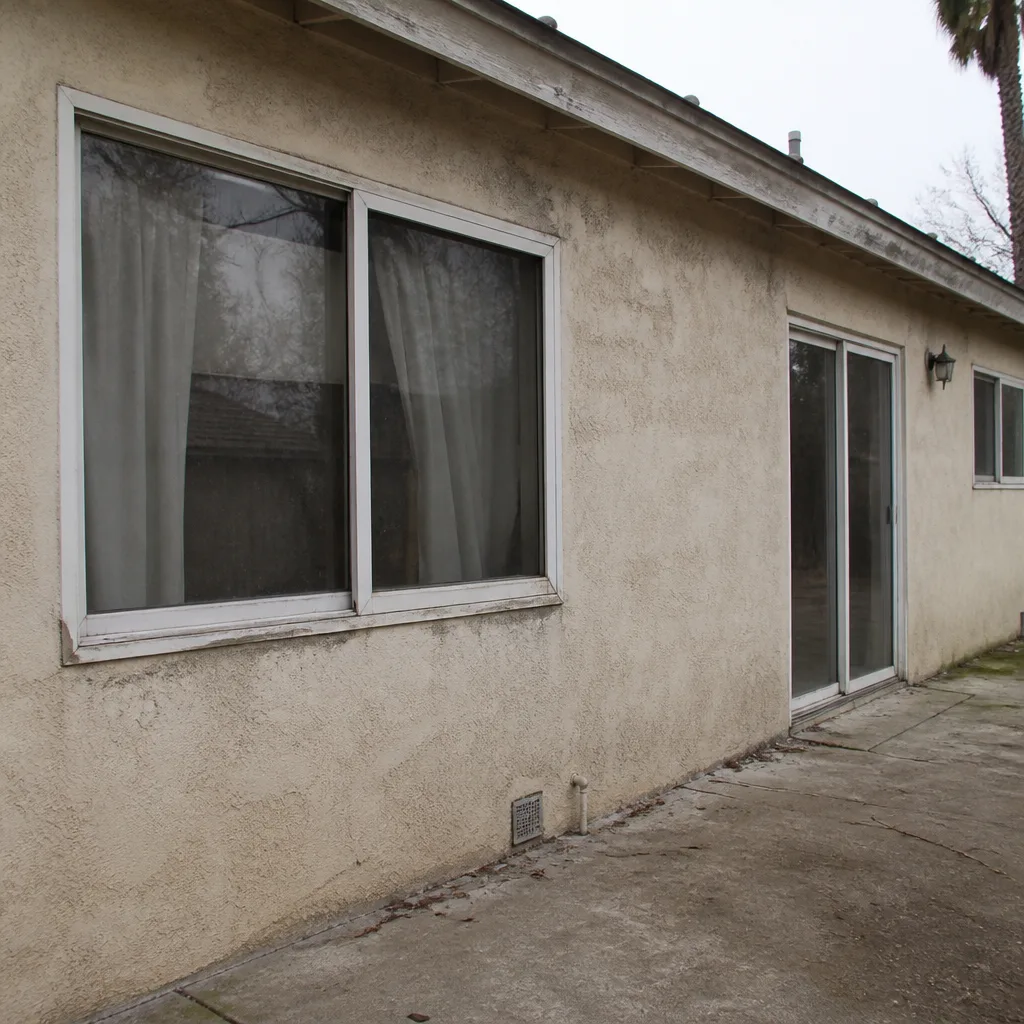 Before
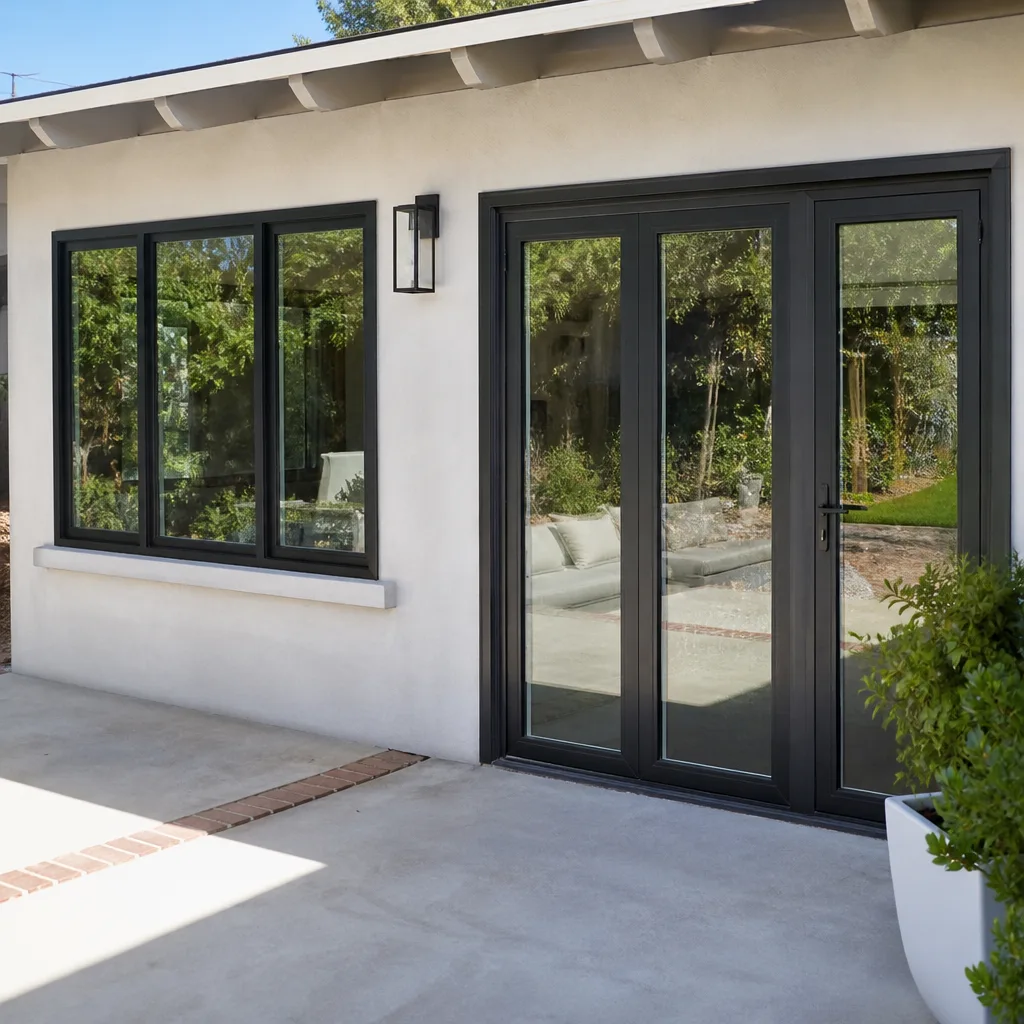 After
After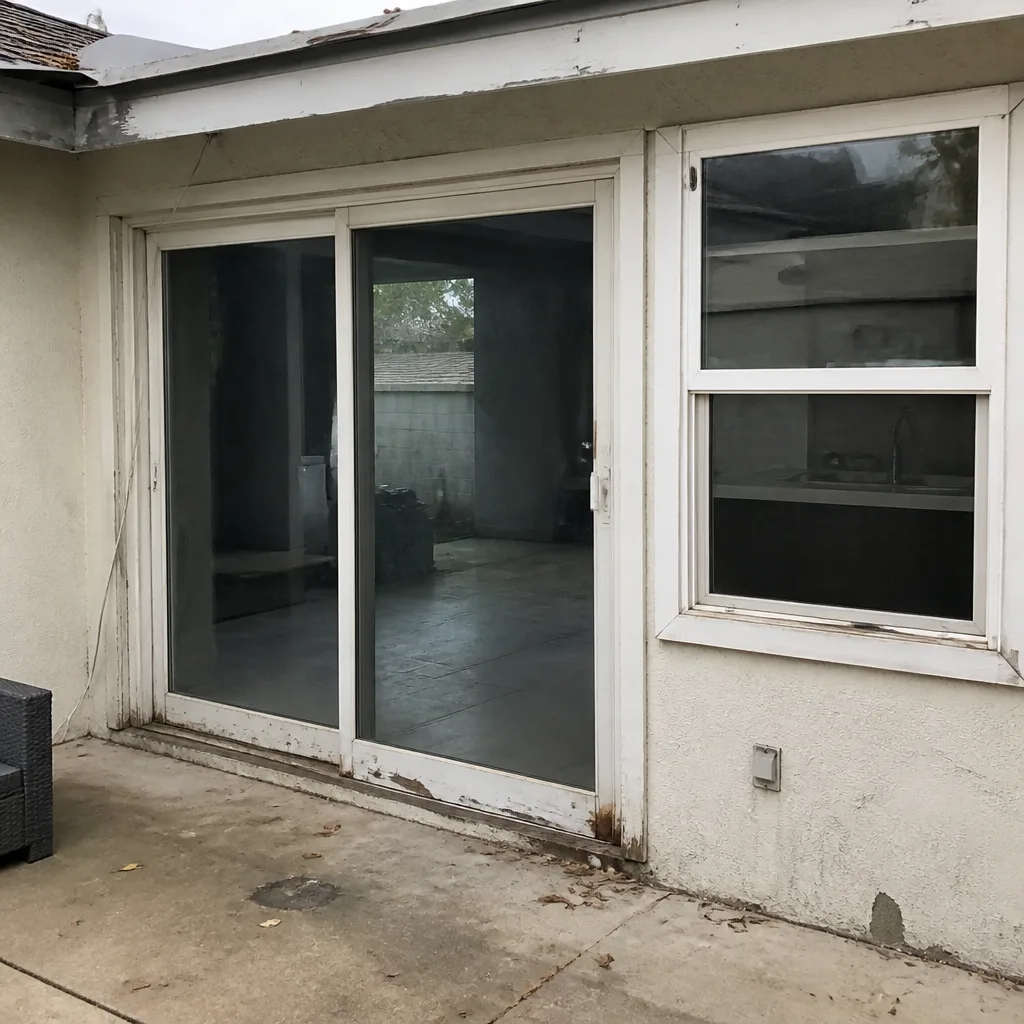 Before
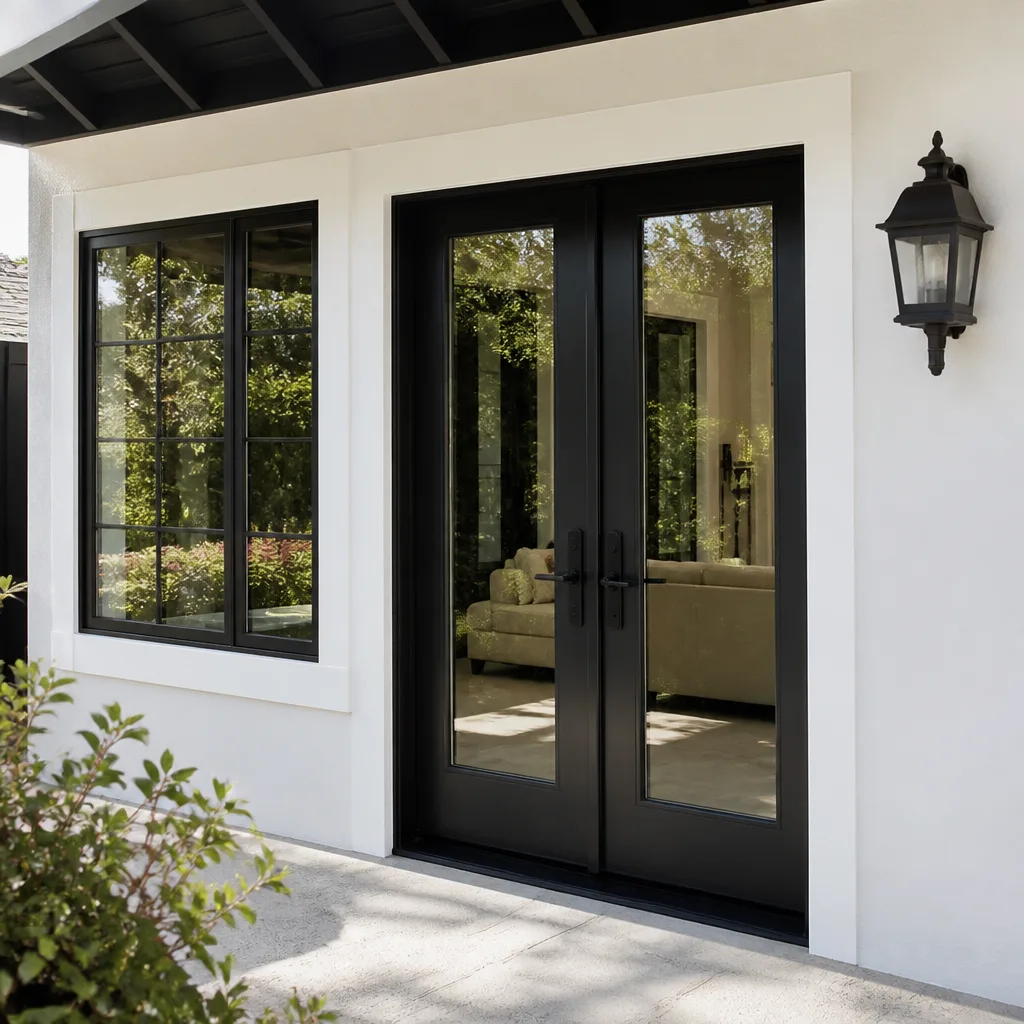 After
AfterWindows & Doors Cost Breakdown: The Los Angeles Homeowner’s Reference for 2026
Here is a number most Los Angeles homeowners never hear until the quote lands on the kitchen table: the same window replacement job, on the same house, using comparable products, routinely comes back $4,000 to $12,000 apart depending on who you call. That spread is not about one company gouging and another being honest. It is about what is inside the quote and what got quietly left out. This guide walks you through every cost line that should appear on a legitimate 2026 window or door quote in Los Angeles, what each item actually covers, and how to tell a low price that will hold from a low price designed to grow once the old window is already out of the wall. For more guides & resources, visit our blog.
Quick Answer
Window replacement in Los Angeles in 2026 typically runs $650 to $1,850 per window installed for vinyl or fiberglass with a mid-grade glass package, while front door replacement runs $1,800 to $5,500 including frame, hardware, and installation labor. The final price depends on frame material, glass package, second-story access, stucco patching, and permit fees. A full-home window replacement on a 1,500-square-foot LA single-story home usually lands between $7,800 and $22,000 before any HOA or historic district requirements.
Table of Contents
- 2026 Cost Per Window by Material and Glass Package
- The Five Line Items Every Legitimate LA Quote Should Include
- How Los Angeles Specifically Affects Your Window and Door Price
- Front Door Replacement Costs in Los Angeles
- Low Quotes That Hold vs. Low Quotes That Grow
- Return on Investment by LA Neighborhood Tier
- Permits, Title 24, and What They Cost
- Common Mistakes to Avoid
2026 Cost Per Window by Material and Glass Package
Before we dig into the line items, here is the baseline: what a window should cost in Los Angeles in 2026, broken down by frame material and glass package. These are installed prices, meaning product, labor, and basic interior trim are included. They do not include permits, haul-away, stucco patching, or second-story access charges, which we cover separately below.
| Frame Material | Single-Pane (Rare in LA Today) | Dual-Pane with Low-E | Triple-Pane with Low-E + Argon |
|---|---|---|---|
| Vinyl | $350 – $550 | $650 – $1,100 | $950 – $1,400 |
| Fiberglass | $600 – $800 | $900 – $1,450 | $1,250 – $1,850 |
| Aluminum | $400 – $550 | $550 – $900 | $850 – $1,200 |
| Wood Clad | $700 – $950 | $1,100 – $1,700 | $1,500 – $2,300 |
Two things stand out when you read this table. First, vinyl is the workhorse of the LA market because it handles the marine-layer humidity in coastal neighborhoods like Playa del Rey and San Pedro without corroding, and it costs less than half of wood clad. Second, single-pane windows almost never make sense in Los Angeles anymore. Title 24 energy standards have pushed the market so thoroughly toward dual-pane low-E glass (a thin coating that blocks heat while letting light through) that single-pane is mostly found in pre-1970s homes getting patched rather than replaced.
In our experience replacing windows across Los Angeles, the most common combination on a mid-century ranch in the Valley is vinyl with dual-pane low-E, landing around $750 to $950 per window. The same house with fiberglass frames and triple-pane glass would run $1,350 to $1,600 per window. Both are legitimate choices; the right one depends on how long you plan to stay and whether the windows face full-sun exposure on the west side of the house.
The Five Line Items Every Legitimate LA Quote Should Include
A window or door quote in Los Angeles that consists of one number and a handshake is a red flag. A legitimate quote breaks down into five components. If any of these are missing, the price you are looking at is not the price you will pay.
- Product cost. The actual window or door unit, including frame material, glass package, hardware, and any factory-applied finishes. For professional-grade lines like PGT, CGI, and CWS, product cost alone typically represents 45 to 60 percent of the total job. Big-box store brands land lower on price but often cut corners on the glazing and weatherstripping that determine how well a window performs over 15 years.
- Labor and installation. This covers tear-out of the old unit, setting and leveling the new one, insulating the gap, reinstalling trim, and sealing. In Los Angeles, experienced window crews charge $150 to $350 per window depending on access. A first-floor window with easy interior and exterior access sits at the low end. A second-story window that requires an extension ladder and two workers on a sloped hillside lot in Silver Lake sits at the high end.
- Permit fees. In LA County, residential window and door replacement permits run $150 to $400 per project, not per window. Some work that qualifies as like-for-like replacement may not require a permit, but if you are changing the opening size or adding a new window where none existed, the permit is non-negotiable. More on this in the section below.
- Disposal and haul-away. The old windows, sashes, and frames do not disappear on their own. Legitimate quotes include $25 to $60 per window for removal, transport, and proper disposal. This line item is missing from most ad-driven quotes because it makes the per-window number look bigger than the competitor’s.
- Patching and finish work. When an old window comes out in a Los Angeles stucco home, it rarely comes out cleanly. The surrounding stucco needs patching, texture matching, and sometimes painting. On a wood-sided home in the Canyon neighborhoods, the exterior trim often needs to be rebuilt. This line item runs $40 to $120 per window depending on the condition of the surrounding wall.
Here is the practical takeaway: when an ad tells you replacement windows are $399 installed, that number covers roughly one-third of what the project will actually cost. The honest per-window price is the sum of all five line items, and any company that will not put those line items in writing before you sign is not giving you a price. They are giving you an estimate that will grow.
How Los Angeles Specifically Affects Your Window and Door Price
Los Angeles is not one market. It is dozens of micro-markets, each with its own cost drivers that a national pricing chart will never capture. Here are the four LA-specific factors that move your final number more than any national average would suggest.
Hillside Access Surcharges
From Mount Washington to the Hollywood Hills to the Palos Verdes Peninsula, hillside homes are beautiful and expensive to work on. When a window crew cannot park a truck within 50 feet of the house, or when the only access route is a set of 40 exterior stairs, or when the backyard drops away at a 30-degree slope, the labor hours climb. We regularly see hillside access add 15 to 25 percent to the labor line item on window replacement jobs. It is not a surcharge companies invent to be difficult. It is the honest cost of moving three or four window units, tools, and debris up and down a slope without damaging the landscape or the house.
HOA-Required Finishes
A large share of Los Angeles homes sit inside HOAs, and many of those HOAs have written finish requirements that a homeowner has signed off on without ever reading. Some require specific exterior colors. Some require that windows on the street-facing elevation match the original aluminum-frame look. Some, particularly in master-planned communities in Valencia, Porter Ranch, and parts of the Westside, require a specific brand or finish grade. When an HOA mandates a wood-clad exterior or a particular color finish, that constraint adds $200 to $600 per window compared to the vinyl equivalent. Before you get quotes, pull your HOA’s architectural guidelines and read the window section.
Historic District Material Restrictions
If you own in a Historic Preservation Overlay Zone (HPOZ) such as Angelino Heights, Whitley Heights, or parts of Hancock Park, your window replacement options are limited by the city’s preservation rules. Original wood windows typically must be repaired or replaced with wood, not vinyl or fiberglass, and the replacement must match the original sightlines and profiles. That constraint can triple the per-window price. A wood window that matches a 1920s double-hung original in Angelino Heights runs $1,800 to $3,000 per unit once fabrication and finish work are included. Compare that to $750 for a vinyl replacement on a standard 1980s home in Van Nuys, and the difference is not the window company’s greed. It is the cost of building a custom product to meet a preservation standard.
Second-Story Lift Costs
Any window above the first floor requires ladders, lift planning, and often a second worker on site. Second-story windows add $50 to $150 per window in labor versus the same window on the ground floor. On narrow lots where the side yard is only 4 feet wide, ladder setup becomes a geometry problem, and the labor cost rises accordingly. If you live in a two-story home in Los Angeles, expect every upstairs window to carry this line item.
Front Door Replacement Costs in Los Angeles
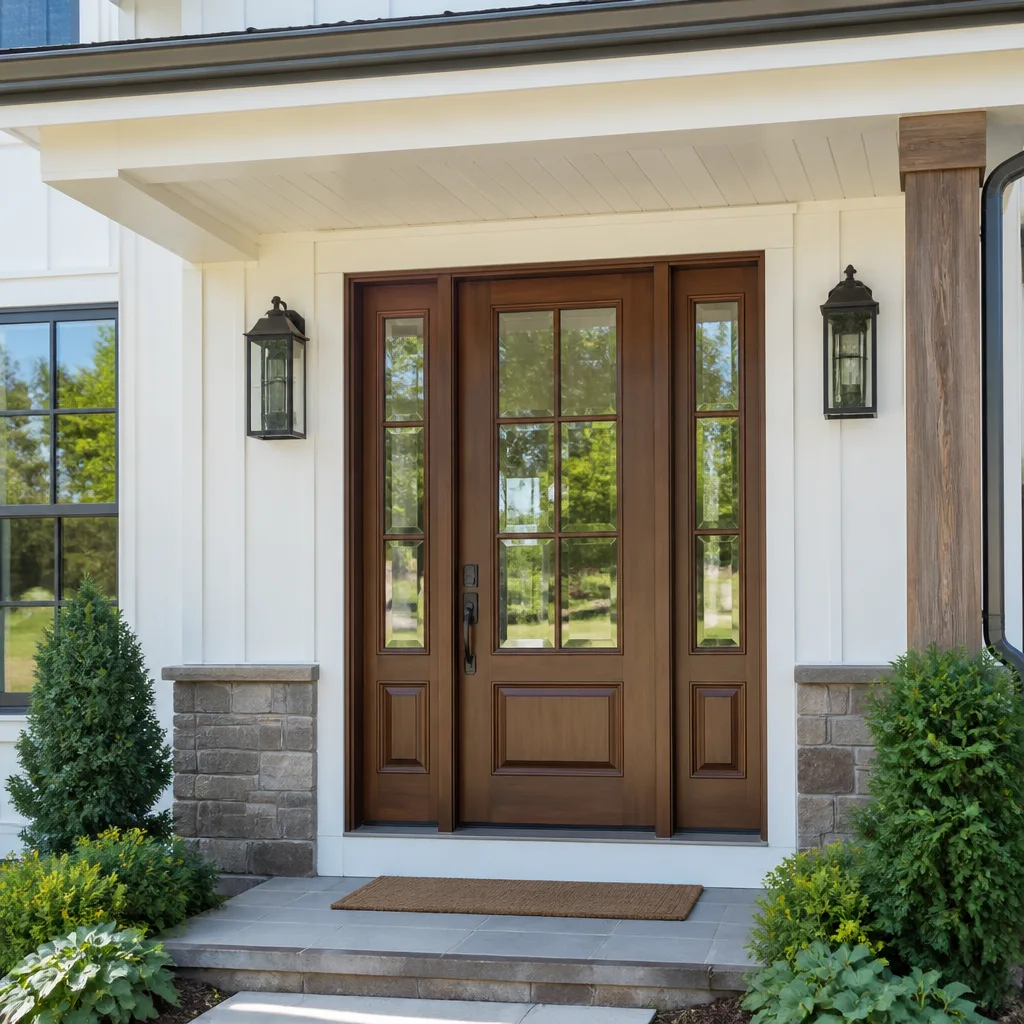
The front door is a different animal from windows, and the pricing structure reflects it. A new front door in Los Angeles in 2026 runs from $1,800 for a basic steel door with a pre-hung frame to $5,500 for a premium fiberglass door with decorative glass, custom hardware, and full frame replacement. Solid wood entry doors start around $2,800 and climb past $7,000 for custom work.
Here is what drives the range:
- Frame replacement vs. slab-only. Replacing just the door slab (the part that swings) is cheaper, but in LA’s older housing stock, the frame is often out of square, rot-damaged along the bottom, or simply too narrow for a modern insulated door. When the frame goes, your price rises by $600 to $1,200 because the installers are now doing structural work, not just hanging a slab.
- Glass content. LA homeowners love a front door with glass because the city’s light is too good to waste. But glass in a door costs money: a single decorative glass panel adds $300 to $900 depending on size and whether it is low-E insulated glass or decorative only. Therma-Tru and ViewLux both build doors with integrated glass options that hold up to direct sun better than cheap inserts.
- Security hardware. A proper deadbolt and reinforced strike plate add $80 to $250, and in Los Angeles, this is not the line item to cut. A deadbolt on a properly installed strike plate is the difference between a door that protects the house and a door that looks protected.
Our front door work in Los Angeles skews toward the replacement of 1960s and 1970s original doors on homes in the San Fernando Valley and the Westside, where sun exposure has warped the original slabs and the weatherstripping has failed. We recommend budgeting $2,800 to $4,200 for a quality door, frame, hardware, and installation that will hold up for 20 years rather than 7.
Low Quotes That Hold vs. Low Quotes That Grow
The difference between a low quote that is the final price and a low quote that balloons after the old window comes out is almost always visible in the contract language before you sign. Here is what to look for.
Language That Signals the Price Will Grow
- “Additional charges may apply for unforeseen conditions.” Broad and vague. Every quote has some version of this, but the specificity of the follow-up matters. If the quote lists no exclusions that would trigger additional charges, the clause is a blank check.
- “Price based on standard installation.” What is standard? The quote should define it: first-floor, accessible from interior and exterior, no stucco damage beyond the opening, no rot in the surrounding framing.
- “Permit fees billed separately.” If the quote is for replacement windows in Los Angeles and the company does not know the LA County permit fee schedule, they have not done this work here.
- “Disposal not included.” This one is straightforward. If it is not in the quote, it is not in the price, and you will see a line item for haul-away after the job is done.
Language That Signals the Price Will Hold
- The quote lists all five line items from the section above, with a dollar figure next to each.
- The installation scope is defined in plain words: “two-story home, all windows accessible via ladder, stucco patching included to 3-inch margin around each opening.”
- The permit language names the specific permit type and the fee, not a vague “permits as required.”
- The written price is delivered before work starts, and the contract states that no change orders will be issued without your signed approval.
We write quotes this way because the alternative is a negotiation after the old window is already in the truck bed. A homeowner who knows the five line items and reads the exclusions can spot the difference in five minutes. The quote that holds does not need to be the most expensive one. It needs to be the one that does not rely on your ignorance of the other four line items.
Return on Investment by LA Neighborhood Tier
The question we hear from Los Angeles homeowners is not just “what does it cost” but “what does it get me when I sell.” The answer varies by neighborhood tier, because buyers in different price bands value different things.
Entry-to-Mid Tier: Van Nuys, Reseda, North Hills, Panorama City
In these neighborhoods, the buyer is often a first-time homeowner who has already stretched to afford the house. A full window replacement with mid-grade vinyl typically recovers 65 to 75 percent of its cost at resale. The value here is not aesthetic. It is the utility bill: homes in the Valley face brutal summer heat, and a buyer who sees new dual-pane windows reads that as a lower air conditioning bill in July and August.
Mid-to-Upper Tier: Sherman Oaks, Studio City, Culver City, Burbank
Here, buyers are more discerning and more likely to have an inspector who counts window condition against the asking price. Quality fiberglass or premium vinyl with good low-E glass recovers 70 to 80 percent. The value is split between energy performance and curb appeal. In Culver City’s post-war ranch neighborhoods, a house with original 1950s aluminum windows reads as a project; the same house with clean new windows reads as move-in ready.
Premium Tier: Brentwood, Pacific Palisades, Beverlywood, Los Feliz
In the premium tier, windows are part of the home’s architectural statement, and buyers notice. Wood-clad or high-end fiberglass products in these neighborhoods can recover 80 to 85 percent or more, because a premium buyer expects premium glass and will discount the house if it is absent. The catch is that the products cost more up front. The ROI percentage is healthy, but the absolute dollar outlay is substantial.
A note of caution: ROI numbers are estimates from resale market data, not guarantees. What we can tell you from years of work in Los Angeles is that new windows help a house sell faster in almost every neighborhood. They signal maintenance history, energy awareness, and a seller who did not defer the expensive stuff to the next owner.
Permits, Title 24, and What They Cost
Los Angeles building code touches window and door work in two ways: permits and Title 24 energy compliance. For a deeper look at the regulatory side, see our Windows & Doors Permits, Codes & Inspections in CA: What You Need to Know. Here is what each costs and why they matter.
Permits
In LA County, a window replacement permit costs $150 to $400 per project when the work is like-for-like replacement with no structural changes. If you are enlarging an opening, adding a new window, or cutting a new door opening, the permit is more expensive and the scope of review grows. Some window companies include the permit fee in the quote; others bill it as a pass-through. Either way, the homeowner is responsible for ensuring the permit is pulled and the final inspection is passed. Unpermitted window work is a common finding on home inspections, and it becomes your problem at resale.
Title 24 Energy Compliance
California’s Title 24 building energy efficiency standards set minimum performance requirements for windows installed in residential buildings. In practice, that means the glass package on your new windows must meet a specified U-factor and solar heat gain coefficient (SHGC) rating for your climate zone. Los Angeles County spans multiple climate zones, and the requirement for a house in Santa Clarita differs from one in Long Beach. The compliance documentation, when required, adds $100 to $250 to the project cost. It is paperwork, but it is paperwork that proves your windows meet the state’s energy code, which matters when you sell the house.
The right installer handles both of these without making you chase down city offices. The wrong installer skips them and tells you it is fine. It is not fine, and in Los Angeles, the city’s code enforcement is active enough that unpermitted window work gets caught often enough to matter.
Common Mistakes to Avoid
- Comparing quotes that itemize different scopes. One quote includes stucco patching and permit fees; another leaves them out. The second one is not cheaper. It is incomplete. Compare line item to line item, not bottom line to bottom line.
- Choosing windows by brand name alone. PGT, CGI, and CWS all build excellent products, but a window is only as good as its installation. A premium window installed poorly will leak and fog faster than a mid-grade window installed correctly. Vet the installer, not just the product.
- Skipping the HPOZ check in historic neighborhoods. If your home sits in an HPOZ like Angelino Heights and you replace original wood windows with vinyl, you may be forced to undo the work at your own expense. Check the zoning overlay before you sign anything.
- Deferring every window at once because the total is big. The total for a full-home replacement is real money, but so is the monthly utility cost of 20-year-old single-pane windows baking in the LA sun. Phasing the work by elevation (west-facing first, then north, then the rest) keeps the cash outlay manageable while stopping the biggest energy loss first.
- Ignoring the frame condition when the glass is fine. A window with intact glass but a rotting wood frame or failing stucco seal is a water leak waiting to happen. Replacing the glass only saves money in the short term and costs more in water damage later.
- Accepting verbal pricing. In California, a verbal quote is not a contract. Anything not on paper is not part of the deal, and if the invoice comes in higher than the verbal number, you have no recourse. Get the price in writing before anyone touches the window.
- Skipping the free estimate because the project feels small. A two-window replacement seems too small to bother with multiple quotes, but the price spread still exists. The free estimate is where you learn whether a company itemizes or hand-waves.
When to Call a Professional
Some window and door work is genuinely professional-grade, and the line is clearer than homeowners assume. If the window opening is out of square, if the surrounding stucco is cracked or moisture-damaged, if the home sits on a hillside where ladder access is complicated, or if the work requires a permit, call a professional before you touch anything. For warning signs that indicate when replacement is needed, read our Windows & Doors Warning Signs: A Los Angeles Homeowner’s Reference Guide. Replacing a window in a stucco wall is not like replacing one in a wood frame; cutting stucco wrong causes the patch to fail within a year, and then you are paying twice. The same goes for any front door where the frame is warped or the threshold is rotted. A door that does not seal properly is a security and water intrusion problem, not a cosmetic one. Hale Windows & Doors offers free estimates in Los Angeles; call (252) 675-6980 and we will put the price in writing before any work starts.
Frequently Asked Questions
For a typical 1,500-square-foot single-story home with 10 to 14 windows, a full replacement in Los Angeles in 2026 runs $7,800 to $22,000 depending on frame material, glass package, and the condition of the surrounding stucco or siding. Most mid-range jobs with vinyl dual-pane windows and standard access land between $9,000 and $14,000. Call (252) 675-6980 for an exact quote; estimates are free and the price is written before you commit.
Vinyl is the cheapest window frame material that performs well in Los Angeles, with dual-pane low-E vinyl windows running $650 to $1,100 installed. Vinyl handles the marine layer in coastal neighborhoods and the dry heat in the Valley without corroding or warping. Aluminum is technically cheaper but conducts heat so readily that it underperforms Title 24 standards in most configurations.
Like-for-like window replacement in Los Angeles typically requires a permit that costs $150 to $400 per project, though the exact requirement depends on the scope and your specific jurisdiction within the county. If the opening size changes or a new window is added, the permit is mandatory and the cost rises with the structural review. A reputable installer includes permit handling in the written quote.
Window quotes in Los Angeles differ by $4,000 to $12,000 on the same house because companies include different line items. Some quotes cover product, labor, permit, disposal, and stucco patching; others quote only product and labor and let the rest become change orders. Compare the five line items, not the bottom line, and the spread shrinks to a difference in product grade and labor quality.
A front door replacement in Los Angeles costs $1,800 to $5,500 for a standard door, frame, hardware, and installation. Premium fiberglass doors with decorative glass and custom hardware start around $3,500, and solid wood entry doors run $2,800 to $7,000-plus. Frame replacement and rot repair add $600 to $1,200 on top of the door price.
Quality vinyl and fiberglass windows with good low-E glass last 20 to 30 years in Los Angeles before the seals begin to fail, while lower-grade builder windows often fog between the panes within 8 to 12 years under the city’s sustained UV exposure. The failure point is usually the seal, not the frame, which is why the glass package and the installation quality matter as much as the brand name on the frame.
The Bottom Line
The advertised per-window price is not the number you will pay. The number that matters is the sum of five line items: product, labor, permit, disposal, and patching. Any quote that does not itemize all five is incomplete, and any company that will not put the whole thing in writing before starting has not earned the job. Los Angeles adds its own layers on top: hillside access, HOA finish rules, historic district restrictions, and Title 24 compliance. The homeowners who get the best outcome are the ones who know what the price should include before they ever pick up the phone. If you would like a written, itemized quote for your Los Angeles home, call Hale Windows & Doors at (252) 675-6980 and we will walk you through each line in plain English.
Written by Spencer Odell, Owner at Hale Windows & Doors, serving Los Angeles since 2009.