

Last updated October 9, 2026
Free in-home measure and quote - PGT, CGI and CWS impact lines compared on your actual openings, style by style
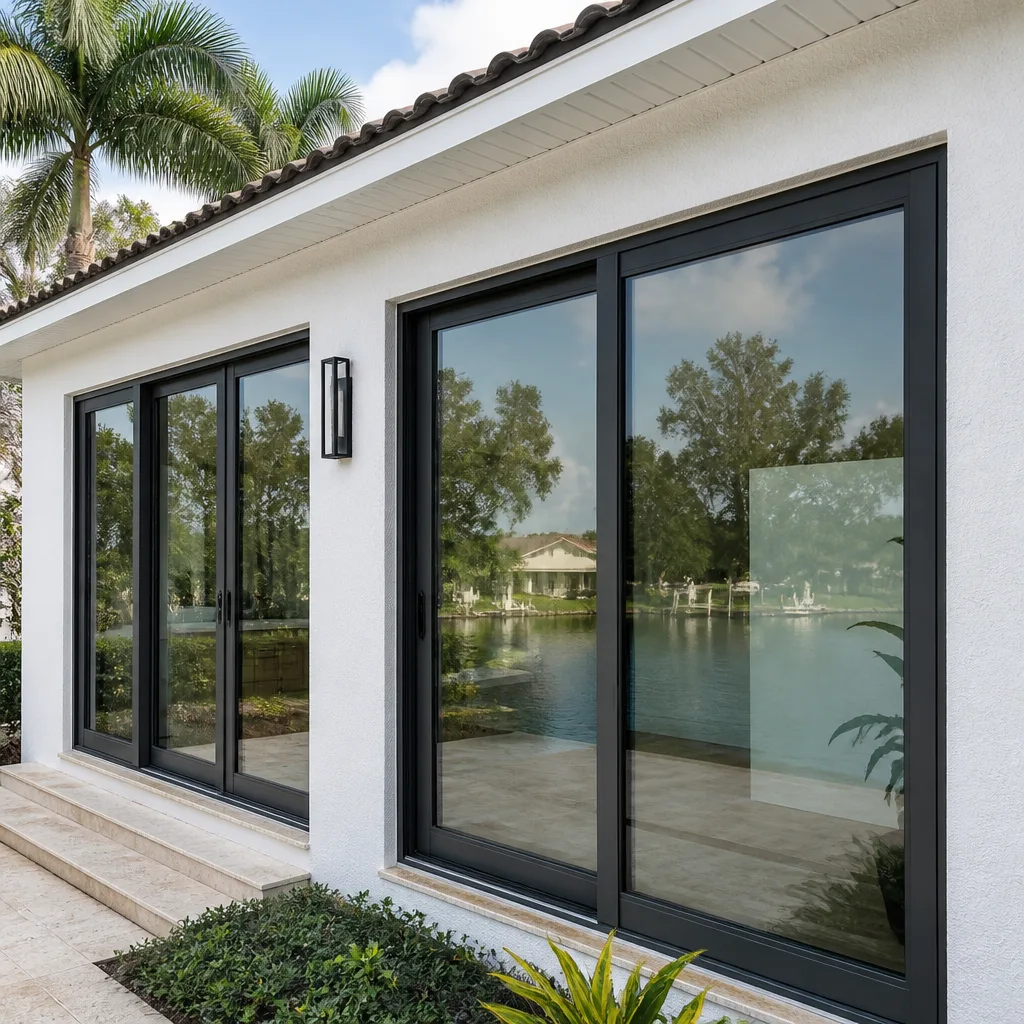

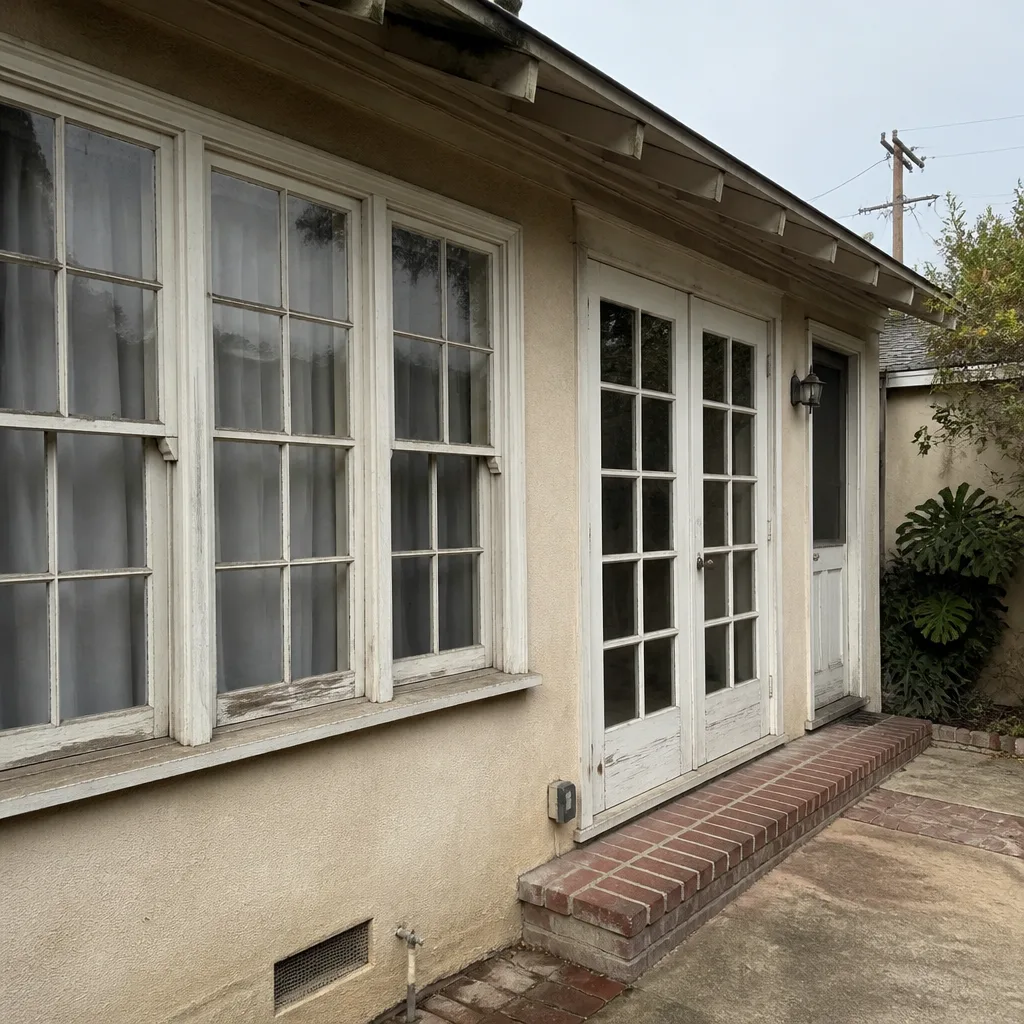 Before
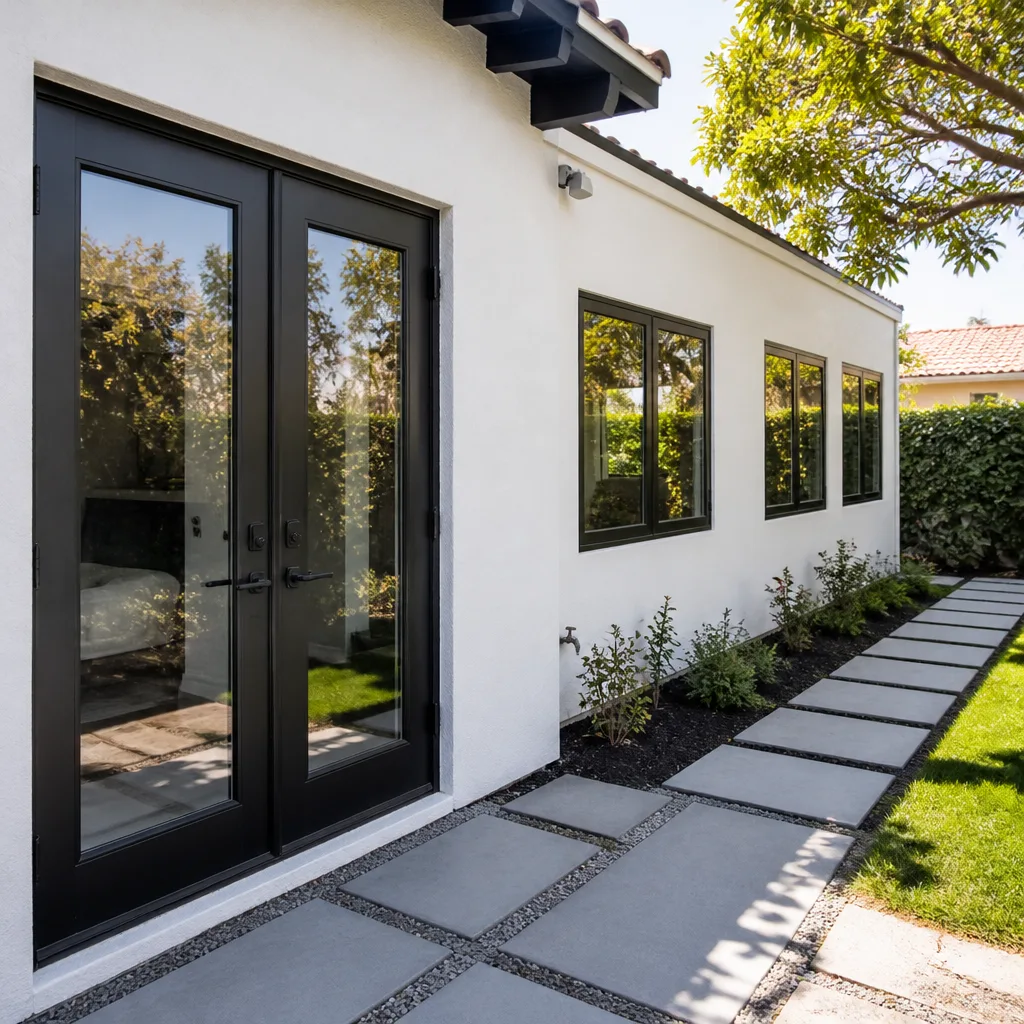 After
After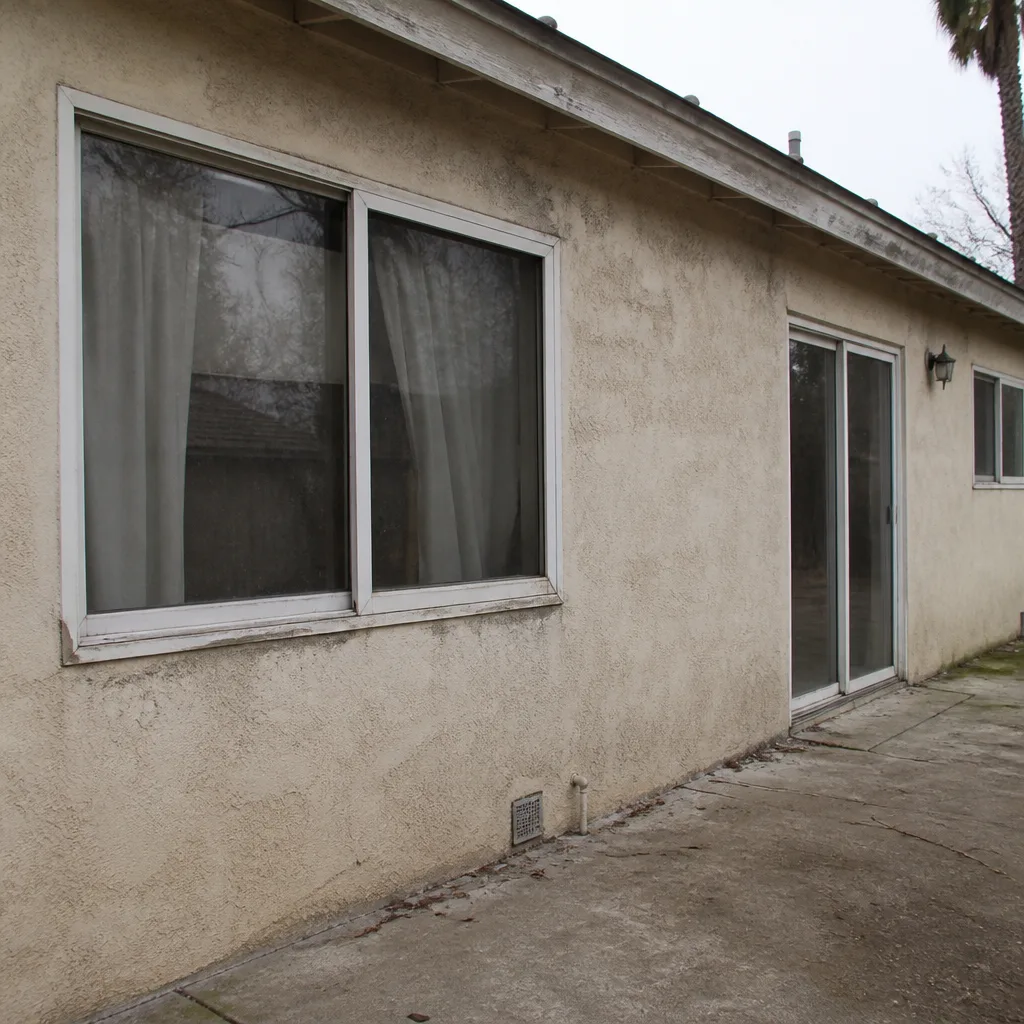 Before
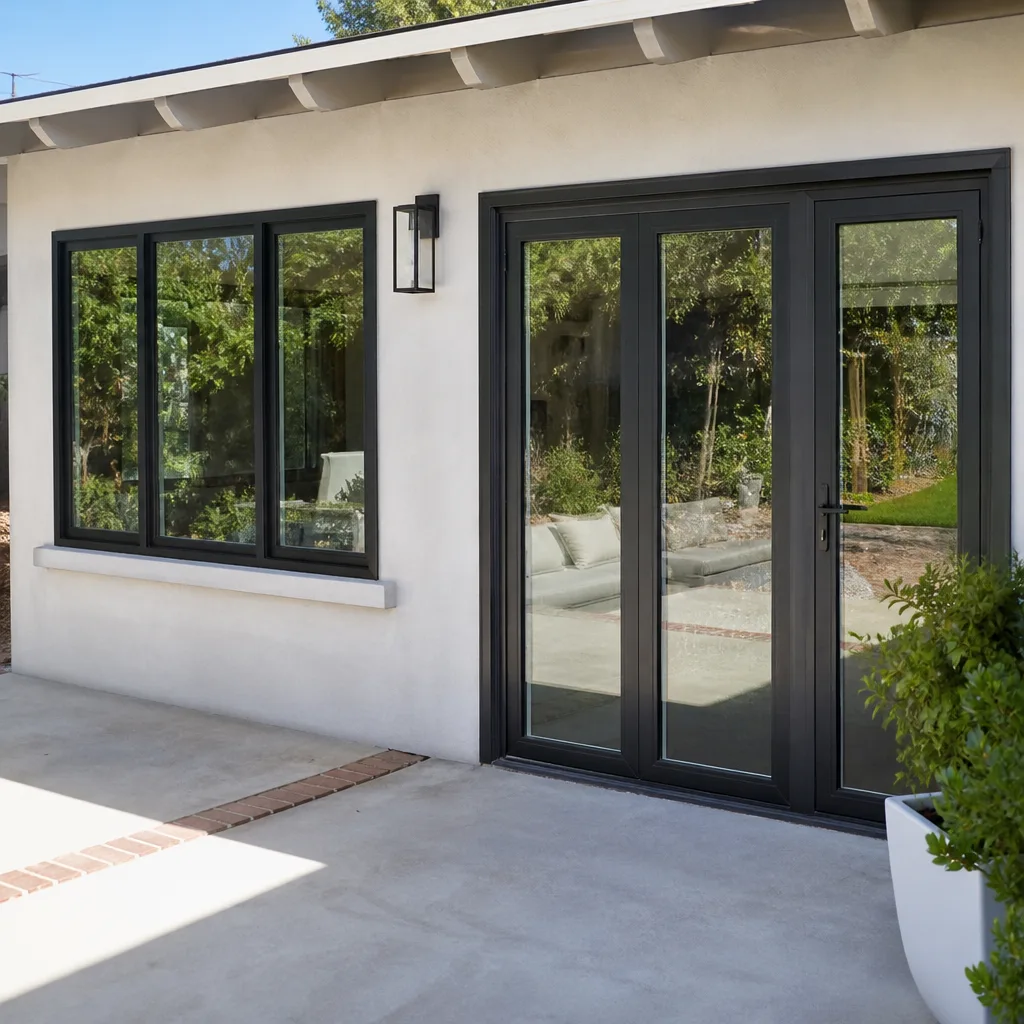 After
After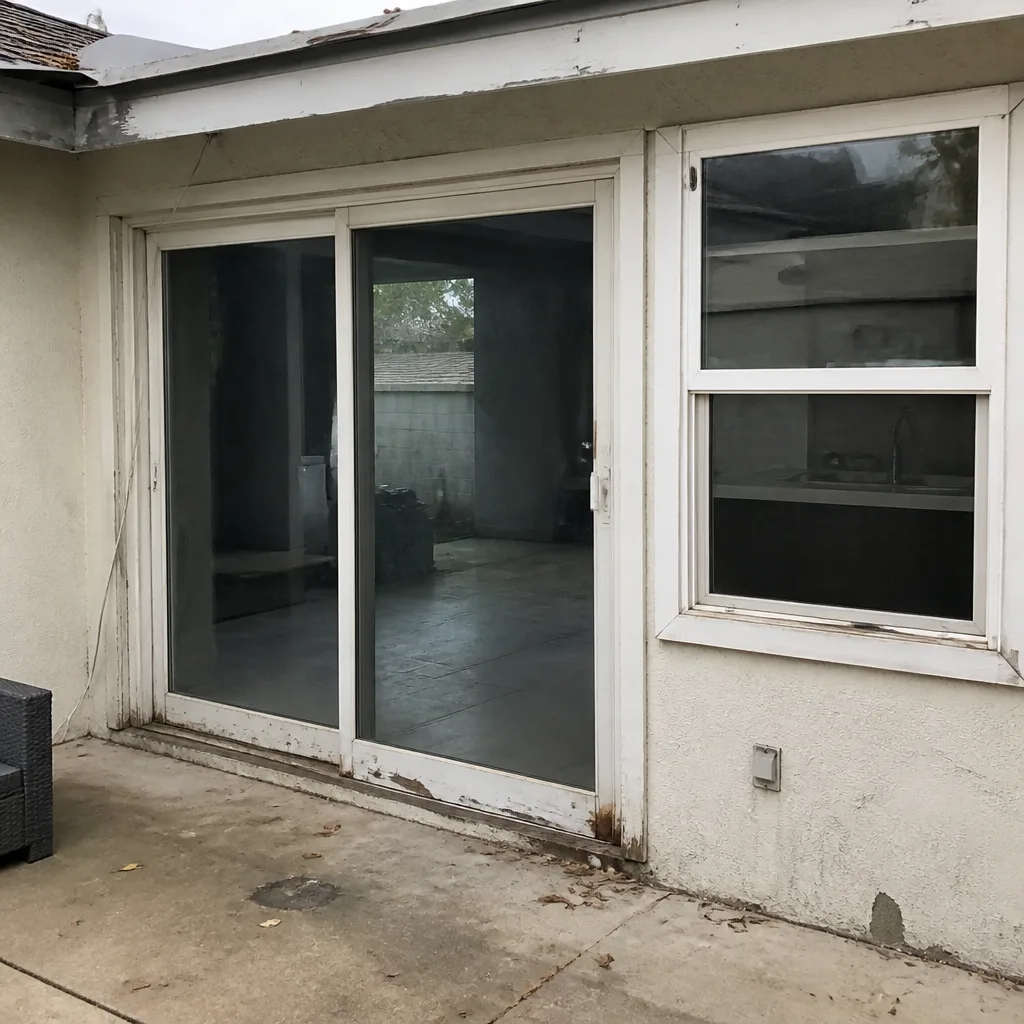 Before
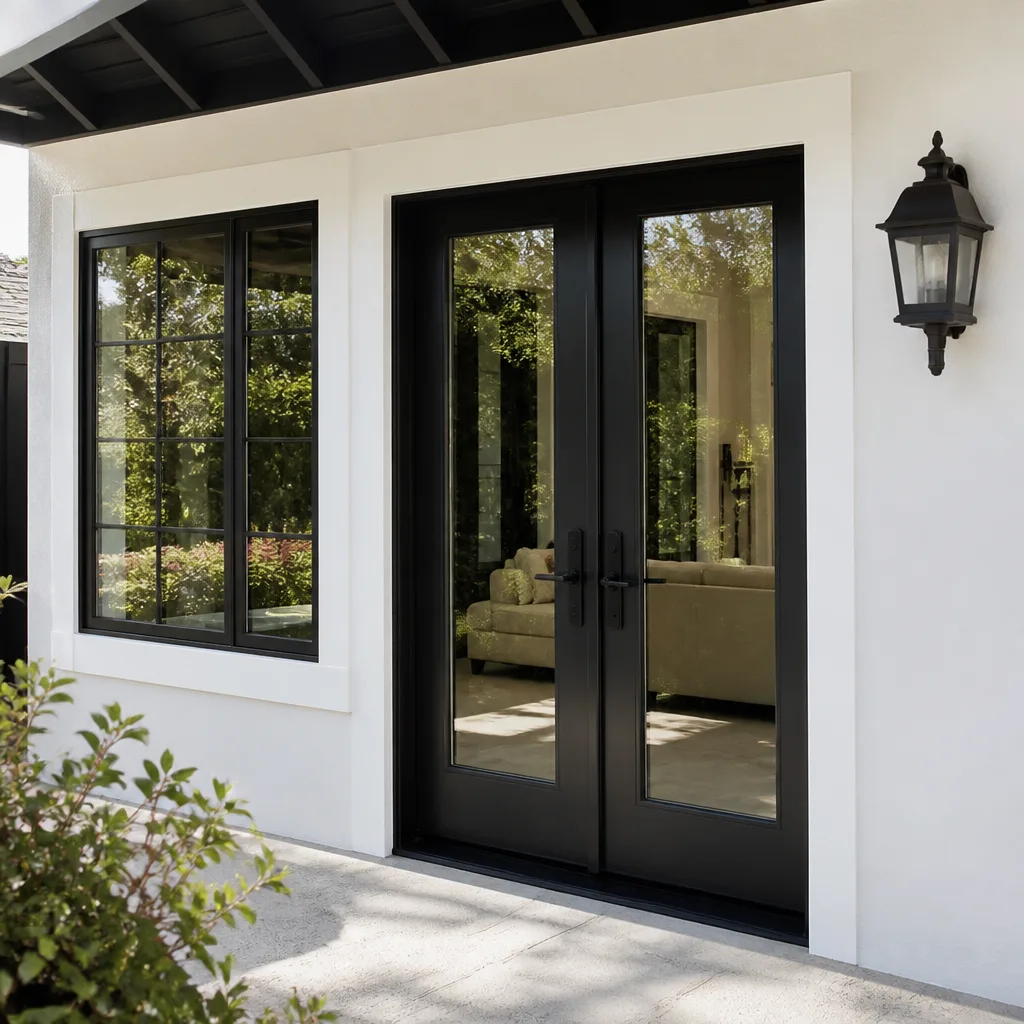 After
AfterWindow Replacement Troubleshooting: Common Problems and How to Fix Them
Here’s a truth most homeowners only learn the expensive way: the majority of window problems aren’t window problems at all. They’re installation problems wearing a window’s clothes. Fogging, drafts, sticking sashes, water on the sill – in our experience across Los Angeles, from Highland Park bungalows to Mid-Wilshire condos, roughly two out of three “failed windows” we inspect trace back to the day someone set the frame in the opening, not to anything the glass manufacturer did wrong. Our Window Replacement Warning Signs Every Homeowner Should Know guide will teach you to tell the difference before you spend a dollar. Because a window that only needs a $40 weatherstrip fix costs about $900 to replace, and a window that’s actually leaking through the rough opening will cost you far more than $900 if you ignore it.
Quick Answer
Most window problems fall into four categories: failed glass seals, frame or hardware issues, installation errors, and surrounding wall or moisture problems. The key to troubleshooting is finding which category your symptom belongs to before anyone quotes you a price. You can diagnose roughly 80% of common issues yourself in under ten minutes with a dollar bill, a flashlight, and your phone camera.
Table of Contents
- Fogging Between Panes: Failed Seal or Something Else?
- Exterior vs. Interior Condensation: Which One Is a Problem?
- Drafts and Air Leaks: The Dollar Bill Test
- Sticking or Hard-to-Open Windows: Frame, Foundation, or Hardware?
- Water Leaks: When It’s the Window vs. When It’s the Wall
- Noise and Heat Problems: What Replacement Can and Cannot Fix
- How to Document Problems So Contractors Can’t Dispute Them
- Red Flags: When a Repair Quote Is Really an Upsell
Fogging Between Panes: Failed Seal or Something Else?
The glass in a modern double-pane or triple-pane window isn’t one piece. It’s an insulated glass unit, known in the trade as an IGU: two or three panes separated by a spacer and sealed around the edges. Inside that sealed space is either dry air or an inert gas like argon. The seal’s entire job is to keep moisture out and gas in. When that seal fails, moisture gets inside, and you see fog, haze, or water droplets trapped between the panes that you cannot wipe away from either side.
This is a genuine glass failure. It means the IGU needs replacing. In Los Angeles, a failed IGU on a standard double-hung or slider window typically runs between $250 and $600 per sash, including labor, depending on the glass size, the glass type, and whether the window takes a standard or custom IGU. Low-E coatings, which block heat while letting visible light through, add to the cost but usually pay for themselves in an LA climate where afternoon sun beats on west-facing windows for six months a year.
Here’s the diagnostic step most people skip: when does the fog appear? If the window is foggy every morning and clears by midday, that’s often not a failed seal. That’s a window installed without adequate perimeter insulation, letting warm interior air meet the cool glass surface inside the sealed cavity. The difference matters because one fix costs a few hundred dollars and one involves pulling the window. If the fog is permanent, doesn’t move, doesn’t clear, and you can’t reach it with a rag, the IGU seal has failed. If the fog comes and goes with the weather, suspect installation.
Steps to confirm a failed IGU seal
- Clean both sides of the glass thoroughly with glass cleaner and newspaper.
- Look at the glass at a low angle, not straight on. Seal failure shows as a milky haze between panes.
- Run your finger across the inside face of the glass. If the haze is on the surface you’re touching, it’s not a seal failure. If it’s behind the glass, it is.
- Note whether the fog shifts. Permanent fog means failed seal. Weather-dependent fog means condensation from air infiltration around the frame.
- Photograph the window from inside and outside on an overcast day. Overcast light reveals haze better than direct sun.
One more detail worth knowing: a failed seal on a window under an active manufacturer warranty is usually covered for glass replacement, but labor may not be included. Read the fine print before you assume it’s free. Many warranties are glass-only, prorated after the first few years.
Exterior vs. Interior Condensation: Which One Is a Problem?
Here’s a sentence that surprises people: condensation on the outside of your window is good news. It means the glass is doing its job. Modern low-E windows with a thin metallic coating reflect heat back into the room, which keeps the outside pane cool. When overnight temperatures in LA valleys drop into the 40s and warm humid air touches that cool exterior glass, moisture forms on the outside. Like dew on grass. It burns off by late morning. You should do absolutely nothing about it.
Interior condensation is a different conversation. Moisture on the inside face of the glass, on the frame, or on the sill means warm, humid indoor air is reaching a cold surface. The causes, in order of likelihood:
- High indoor humidity. Cooking, showers, houseplants, drying laundry indoors. A humidity monitor costs $10 and will tell you in one day whether this is your issue. Interior humidity above 50-55% in cooler weather will fog windows regardless of window quality.
- Poorly insulated wall cavity around the window. If the installer left gaps around the frame, cold air sits against the interior side of the frame, and condensation forms there even with normal indoor humidity. This is an installation failure, and in older LA homes with original framing it’s one of the most common things we find.
- Failed or missing weatherstripping. Air leaking around the sash lowers the surface temperature of the interior frame, pulling moisture out of the air. A $40 weatherstrip replacement often clears up condensation that a sales rep will diagnose as “you need new windows.”
If you run a dehumidifier for two weeks and the interior condensation stops, the window was never the problem. If it persists despite indoor humidity in the 40% range, call a professional who will inspect the frame insulation before quoting new glass. Because replacing the window without fixing the cavity insulation just moves the condensation to your new window.
Drafts and Air Leaks: The Dollar Bill Test
A draft is air moving where you didn’t invite it. Finding where it enters matters more than knowing it exists, because the fix is different for each source. Here’s how to isolate a draft in five minutes without spending a dime.
- Close and lock the window. Locking compresses the weatherstripping the way it’s meant to be. Testing an unlocked window gives you false positives.
- Take a crisp dollar bill. Close the window on the bill at the meeting rail where the sashes overlap. Try to pull the bill out. If it slides out with no resistance, the weatherstripping at that point is failing or the window is out of alignment.
- Repeat the test on all four sides of the sash, at least two points per side.
- On a breezy day, light a stick of incense and hold it near the window perimeter. Watch the smoke. Plumes of smoke moving horizontally mean moving air. This works in LA’s afternoon onshore flow, especially in coastal neighborhoods like Playa del Rey, where sea breezes push against west-facing windows daily.
If the dollar bill test passes but your hand still feels cold air near the window on winter nights, you’re probably feeling what’s called a draft effect, not an actual leak. Cold glass cools the air next to it, that air sinks, and your body reads the moving air as a draft. Double-pane low-E windows reduce this. Old single-pane aluminum sliders from the 1960s and 70s, common across the San Fernando Valley, do it all winter. A thermal camera rental from a local tool library or equipment rental shop for about $50 will show you exactly where temperature differences are. That’s money well spent before any contractor walks in. In our experience, a homeowner who can show us thermal images knows exactly which windows are leaking. It changes the whole conversation.
Sticking or Hard-to-Open Windows: Frame, Foundation, or Hardware?
A window that won’t open isn’t automatically a broken window. It might be a broken balance. It might be paint. It might be the house settling. Los Angeles sits on some of the most geologically active ground in North America, and older homes in neighborhoods like Silver Lake and Echo Park sit on hillsides that move more than their owners realize. When a home shifts, window frames twist. A quarter-inch of frame torque makes a window stick.
Here’s how to sort it out:
- Look at the gap between the sash and the frame. If the gap is even on all sides and the window binds in one spot, it’s usually dirt, debris, worn weatherstripping, or hardened paint in the track. Clean the track, lubricate the weatherstripping with silicone spray, and test again.
- If the window is hard to lift but drops or closes fine, the balance springs or torsion rods are failing. On a double-hung window, this is a common fix. Parts run $30 to $80 per window from a supplier. Labor is the bigger cost. Older wood double-hungs in LA’s Craftsman bungalows usually need new spiral balances after 20 to 30 years.
- If the window sticks at the top or bottom corner only, and the house is more than 40 years old, suspect frame racking from settlement. This is not a window hardware problem. Replacing the window in a racked frame without addressing the frame squareness means the new window sticks too. A good installer will shim and square the opening before setting a replacement window. That’s real installation work, and not every crew does it.
- If the window has a crank mechanism that skips or grinds, the operator gear is stripped. Casement and awning window operators are replacement parts, not full-window failures. A new operator typically costs $40 to $120 in parts plus labor.
The key takeaway: sticking usually means repair, not replacement. Any quote that jumps straight to full replacement without diagnosing the cause should make you pause.
Water Leaks: When It’s the Window vs. When It’s the Wall
Water leaks are the highest-stakes window problem in Los Angeles, not because we get endless rain, but because we get intense, concentrated rain a few times a year. When it pours for three days straight, any water path that’s been quietly waiting gets exercised. And the damage is already done long before you see the first stain.
A window that leaks water during rain can be failing in four places:
- The glass-to-frame seal. Water gets between the glass and the frame material. This is a window failure, and it’s rare in modern windows unless they were damaged or poorly manufactured.
- The frame-to-rough-opening flashing. The waterproof membrane and flashing tape that bridges the gap between the window frame and the house’s framing. This is the number one source of window-related leaks we find. The window itself is dry. The water is running down the wall, hitting the top of the window, and finding a gap where flashing should be. In stucco-clad LA homes, a missing head flashing above a window is painfully common.
- The wall above the window. Water enters through a roof issue, a crack in stucco, failed caulk at a trim board, or a plumbing leak in an upstairs wall. It travels down and exits around the window. The window is a symptom. Fixing the window does nothing. This is the $3,000 to $8,000 repair hiding inside a $900 window quote.
- The window sill slope. Sills should slope away from the house. If the sill is flat or slopes inward, water pools against the frame and eventually finds its way inside. A properly installed window in a wood-framed LA house includes a sill pan that slopes to the exterior and is sealed at the corners. Skip that step and you’ll know within two rainy seasons.
If water appears around a window after rain, and it’s in a stucco house built before 1990, and there’s no visible damage to the window itself, the smartest thing you can do is call an installer who tests before quoting. A water test with a garden hose, applied from the bottom of the window upward, will reveal where the water is entering from without guesswork. If a contractor wants to replace the window without doing a water test, walk away. You’d be paying for a new window to sit in the same leaky hole.
Noise and Heat Problems: What Replacement Can and Cannot Fix
Los Angeles is a loud city. Freeways, flight paths, garbage trucks at 6 a.m., neighbors with a pool pump that runs all night. Homeowners often assume new windows will solve noise problems, and the honest answer is: sometimes. The window industry term is STC, Sound Transmission Class, and moving from a single-pane to a double-pane window typically improves STC from around 26-28 to 30-34. Noticeable, but not magical. Going from double-pane to sound-rated glass, which uses laminated glass panes of differing thicknesses, pushes STC into the 38-42 range. That’s the difference between “I can hear the freeway hum” and “I notice the freeway when a Harley goes by.”
What windows cannot do is block sound that travels through walls. If your window replacement is motivated by freeway noise in Sherman Oaks or Studio City, ask the installer to test the wall next to the window with a sound meter before you spend money on windows. A wall that transmits more noise than the window will defeat the entire investment. In many stucco homes, adding mass to the wall around the window matters as much as the glass you put in the opening.
Heat is a simpler conversation. Low-E glass blocks a meaningful amount of solar heat gain. In LA, where air conditioning is the biggest single line item on many summer electric bills, a standard double-pane low-E window beats a single-pane clear window by roughly 30-40% on solar heat gain reduction. East- and west-facing windows gain the most because they catch low-angle morning and afternoon sun. South-facing windows are easy. North-facing windows get you the least heat improvement from any upgrade. If your goal is energy savings, prioritize the east and west sides. And confirm the window you’re being quoted actually has a low-E coating. Some vinyl windows sold as “energy efficient” don’t include it. Look for a stamped glass marking or ask to see the window’s NFRC label, which lists U-factor and Solar Heat Gain Coefficient in numbers you can compare.
How to Document Problems So Contractors Can’t Dispute Them
Here’s a scenario we’ve seen more times than we can count: a homeowner calls a contractor about a draft or leak. The contractor arrives, looks at the window, and says, “That’s just normal wear. Not a defect. Nothing I can do.” And the homeowner has no comeback because they never documented anything.
You fix that problem before it starts. Document everything from the day you first notice the symptom.
- Photograph the problem immediately. Fog between panes, water staining, crack in the caulk joint, whatever it is. Use a flash. Phone cameras are fine. Take one wide shot and one close shot from the same angle every time.
- Record the date and weather conditions. “Fogged on December 3rd, overcast, 55 degrees, no rain for 5 days” is evidence. “Fogged at some point last winter” is a story. Contractors, inspectors, and warranty departments respond to specificity.
- Take photos from the interior and exterior. Water staining inside the frame tells one story. Cracked caulk or failed flashing on the outside tells another. You need both.
- Note any events that preceded the problem. A rainstorm, a minor earthquake, a roof repair, a neighbor’s tree falling on the house. LA gets regular seismic reminders, and ground movement is a real thing for window frames.
- Keep a running log. A notes app entry with date, conditions, and photo attached takes 30 seconds each time the problem recurs. Three months of logs showing a leak that appears after every heavy rain is far harder to dismiss than one grainy photo.
When you call a contractor, you can say: “I have photos from November 3rd, January 12th, and February 8th showing water entering around the corner of the frame each time it rains.” That is a completely different conversation than “sometimes I think water might be getting in.”
One more thing: document the condition of your walls and frames before any repair work begins. If a contractor damages your stucco, your interior drywall, or your window casing during a repair, the before-photos are what makes the repair claim easy. This is standard practice for any professional crew, and anyone who resists a homeowner documenting conditions is telling you something.
Red Flags: When a Repair Quote Is Really an Upsell
Our Window Replacement services and window repair are different jobs with different economics, and you should know a hard sell when you hear one. Here are the patterns that tell you a company is trying to replace windows you don’t need to replace.
- “We can’t repair this because the part isn’t made anymore.” Often true for 20-year-old windows from defunct brands. But hardware for most major lines is still manufactured. Get a second opinion before accepting it. Most of the window lines we work with, including ES Windows, ECO Window Systems, and Mr-Glass, have active hardware availability stretching back decades.
- “The seal is blown, so the whole window has failed.” A blown IGU seal is a glass problem, not a frame and sash problem. Replacing the IGU is always cheaper than replacing the entire window unless the frame itself is damaged or deteriorated. Anyone who skips straight to full replacement without discussing IGU replacement first is upselling.
- “Your whole house has bad windows; we should do them all.” If the repair on a single failed window is quoted at an inflated price and the sales pitch is really about replacing all 14, you’re hearing a commissioned sales strategy, not a diagnosis. Ask which individual windows have failed and why. A legitimate company will talk about each window’s condition, not the fleet.
- “This is a one-day price.” Legitimate window work in Los Angeles doesn’t come with a same-day expiration. A company that needs you to sign today is relying on pressure, not on the quality of their quote. Written pricing with a validity window of 30 to 90 days is standard practice for reputable installers.
- “We’ll upgrade you to triple-pane and it’ll pay for itself.” In LA’s climate, triple-pane glass rarely pays for itself in energy savings the way it does in Minnesota or Chicago. The upgrade cost per window might be $200 to $400, and the annual energy difference in a coastal climate might be $5 to $15 per window. That’s a 20-to-30-year payback. If you want triple-pane for noise or comfort, buy it as a deliberate choice, not because the math works. The math usually doesn’t in Southern California.
- “The installer will call you when they’re on the way.” This one’s subtler but worth knowing. A company that can’t tell you who is coming to your home, by name, before the truck rolls, is not a company that’s serious about who enters your house. At Hale Windows & Doors, every technician is background-checked, identity-verified, photo-badged, and announced to you by name and photo before the visit. We call it the Threshold Standard. If a company can’t give you the tech’s name ahead of time, ask why.
Common Mistakes to Avoid
- Replacing a window when the real problem is the wall around it. Water testing before replacing a leaking window costs less than $200 and can save you from a $900 replacement that doesn’t fix anything. This is the single most expensive mistake in Los Angeles window work.
- Ignoring exterior condensation as if it’s a defect. Condensation on the outside of your glass on cool mornings means the low-E coating works. Calling a repair company for this might get you a bill for a non-problem if that company is less than honest.
- Skipping the dollar bill test before accepting a draft diagnosis. If the weatherstripping is passing the test, the “draft” is likely the cold-air effect from poor glass. Replacing the whole window won’t change the physics of air next to cold glass.
- Accepting a quote without asking which exact window line is being installed. There is a $300 to $800 per-window spread between entry vinyl and a solid mid-grade line in Los Angeles. “Premium window” means nothing unless it names a brand and a glass package.
- Failing to check warranty language on IGU replacement vs. full window replacement. Some homeowners replace entire windows because labor is excluded from glass warranty coverage, when the difference between a glass-only fix and full replacement is the entire cost of the frame. Read the warranty terms and have a contractor explain what’s covered, what’s prorated, and what’s excluded.
- Not documenting conditions before a crew starts work. Photos of the surrounding stucco, drywall, and casing on the day of installation protect you if a window pull damages the surround. A professional crew photographs these anyway. If yours doesn’t, do it yourself.
- Choosing a general contractor for window replacement instead of a window specialist. Windows are a specific trade. Flashings, sill pans, shimming, and sealing are the difference between a window that performs for 20 years and one that fails in two rain seasons. A general contractor who does windows twice a year doesn’t have the repetition to do it right every time.
When to Call a Professional
Some problems are diagnosed in five minutes with a dollar bill. Others need a water test, a thermal camera, and someone who has pulled and reset hundreds of windows in Los Angeles homes. Call a professional if you have water entering around a window after rain, if you’ve got multiple windows fogging in a short period of time, if the window frame is visibly pulling away from the wall, or if you’ve replaced a window once and the same problem came back. The common thread on all of those: there’s something happening you can’t see from inside the house. For window issues like these, window repair in Los Angeles starts with a diagnostic visit, not a quote. We do free estimates, with the water test and the investigation included, and we’ll tell you if the problem is glass, frame, installation, or wall. If we can fix it without replacing the window, that’s what we’ll tell you. Hale Windows & Doors offers free estimates in Los Angeles – call (252) 675-6980.
If you’re troubleshooting a window that’s past the point of repair, window replacement in Los Angeles is a conversation worth having with someone who can walk you through glass packages, frame materials, and the written pricing before you commit. And if the window next to your entry door is part of the problem, front door replacement in Los Angeles is often paired with window work because both use the same flashing and sealing details. For a broader read on how we approach windows and doors across the city, start at the Hale Windows & Doors home page.
Frequently Asked Questions
Window replacement in Los Angeles typically runs between $600 and $1,800 per window for a standard double-pane insulated unit, with the average mid-grade vinyl installation landing around $900 to $1,200 per opening. The spread depends on window size, frame material, glass package, and whether the existing frame requires repair or re-flashing. See our Windows & Doors Cost Breakdown: The Los Angeles Homeowner’s Reference for 2026 for deeper pricing context. Call (252) 675-6980 for an exact quote based on your specific windows – estimates are free.
The test is whether the frame and hardware are still sound. If the frame is square, the hardware operates, and the only issue is fogged glass or worn weatherstripping, you’re in repair territory. If the frame is warped, rotted, or pulling away from the wall, replacement usually makes more sense than patching. A diagnostic visit that separates glass problems from installation problems tells you which side of the line you’re on.
Yes. A fogged IGU is fixed by replacing the insulated glass unit, not the entire window. The frame, sash, and hardware stay in place. IGU replacement typically costs 30-50% less than a full window replacement, assuming the frame is in good condition. If the window is under warranty, the glass itself may be covered, though labor often is not.
Most like-for-like window replacements, where the opening size doesn’t change, fall under simple repair and don’t require a permit in Los Angeles. But if you’re enlarging an opening, adding a new window where one didn’t exist, or changing header conditions, a permit is required. A qualified installer will know the line and tell you honestly when the work crosses it.
A full-house window replacement of 10 to 15 windows in Los Angeles typically takes two to three days with a professional crew. A single window replacement is often a half-day job. Expect a few extra days if the inspection reveals framing repairs, rot, or flashing work that must be addressed before the new window goes in. You should get a written timeline before the job starts, not a verbal guess.
Heavy rain exposes flashing failures that light rain never reaches. Water pools above the window, finds a break in the flashing tape or a missing head flashing, and runs down into the wall cavity, exiting around the frame. This is usually an installation or wall problem, not a glass failure. A water test isolates the entry point before any repair work begins. Call (252) 675-6980 if you’re seeing this pattern on multiple windows.
The Bottom Line
Window problems in Los Angeles break down into four categories, and each one has a different fix and a different price tag: failed glass seals, frame or hardware failures, installation errors around the window opening, and wall problems that happen to show up at the window. Your job as a homeowner is to know which one you’re looking at before you accept a quote. A dollar bill, a flashlight, and a phone camera answer most questions. For more guides & resources, explore our blog. For the rest, a professional diagnostic visit costs nothing. Look for a company that names its brands, puts the price in writing before work starts, gives you the technician’s name and photo before they arrive, and backs the work with a guarantee long enough to expose problems. If the first heavy rain shows a leak that wasn’t there before, you want a company that comes back. At Hale Windows & Doors, our 365-Day Done Right Promise means exactly that: if it’s not right, we make it right. No argument. No exclusions. That’s the standard, and it’s been ours since we started in 2009.
Written by Spencer Odell, Owner at Hale Windows & Doors, serving Los Angeles since 2009.