

Last updated October 9, 2026
Free in-home measure and quote - PGT, CGI and CWS impact lines compared on your actual openings, style by style
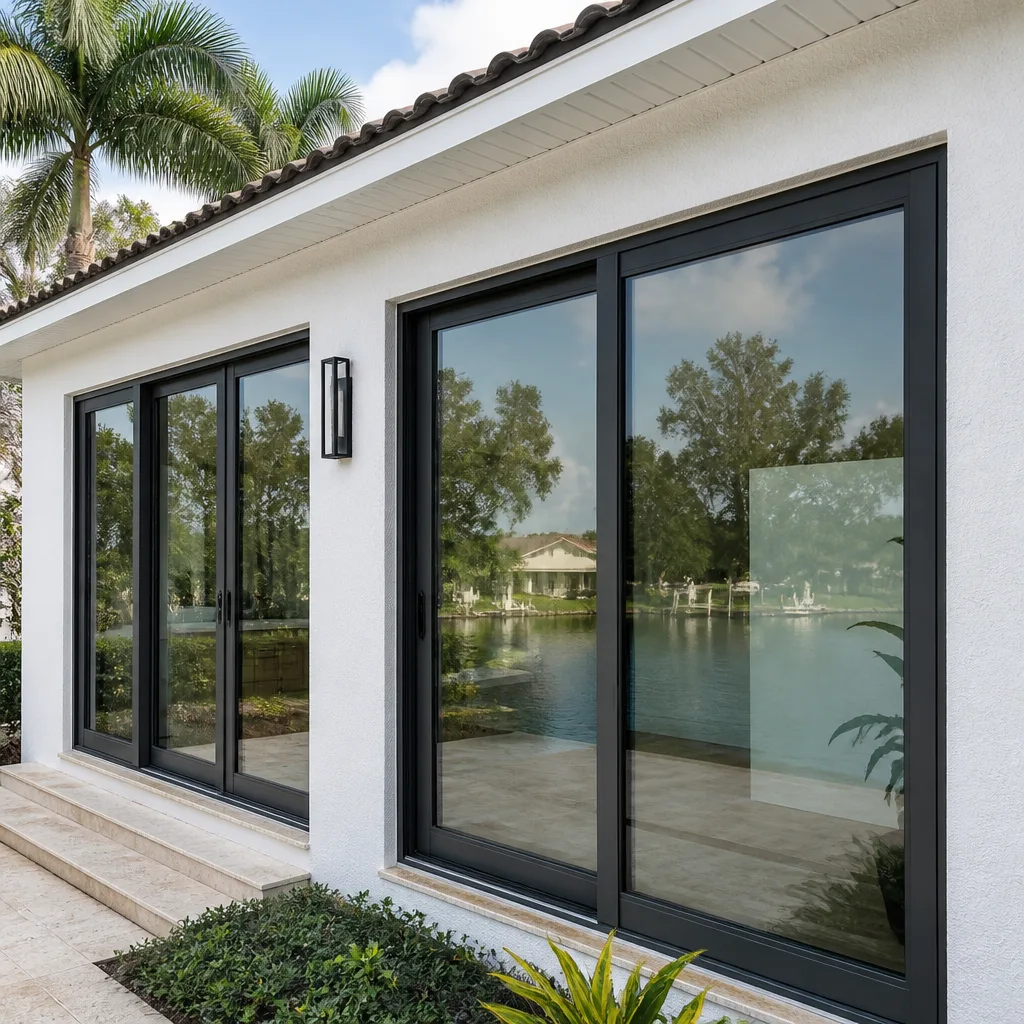
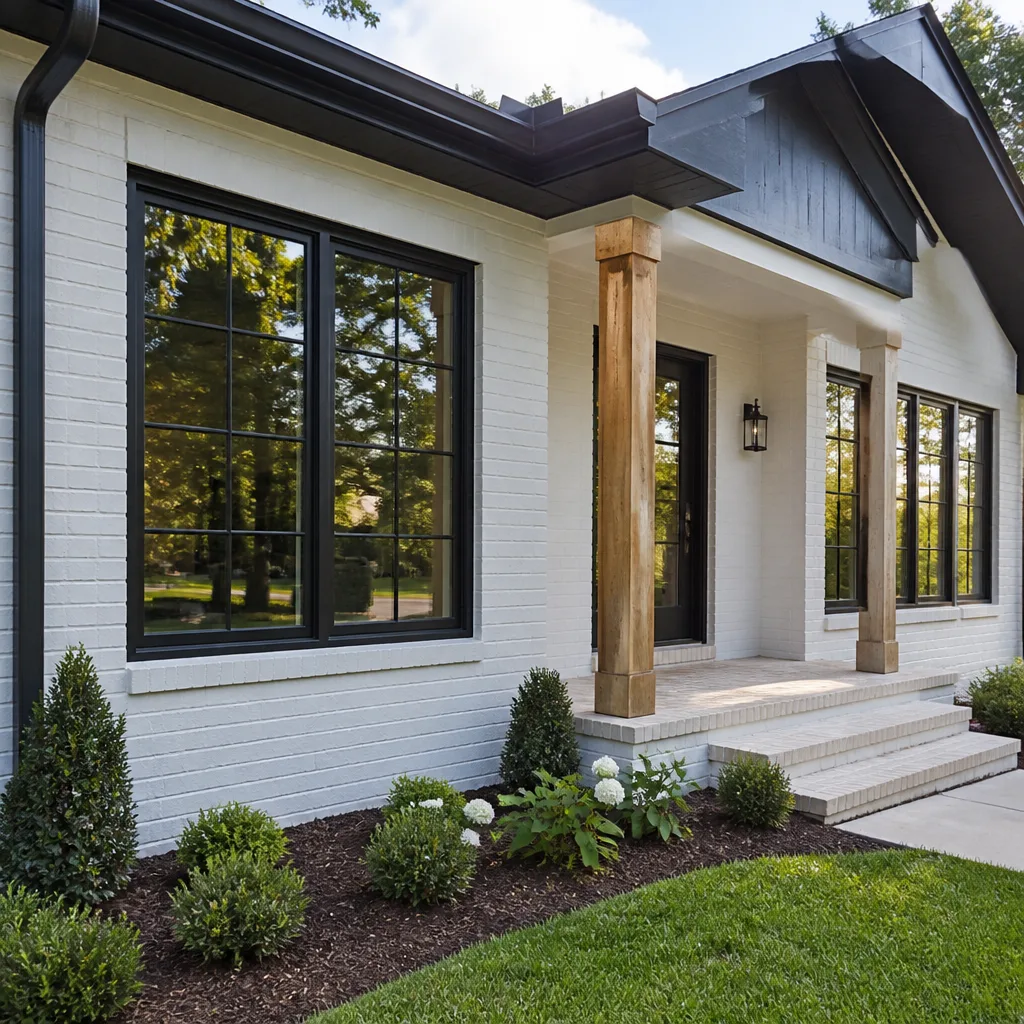
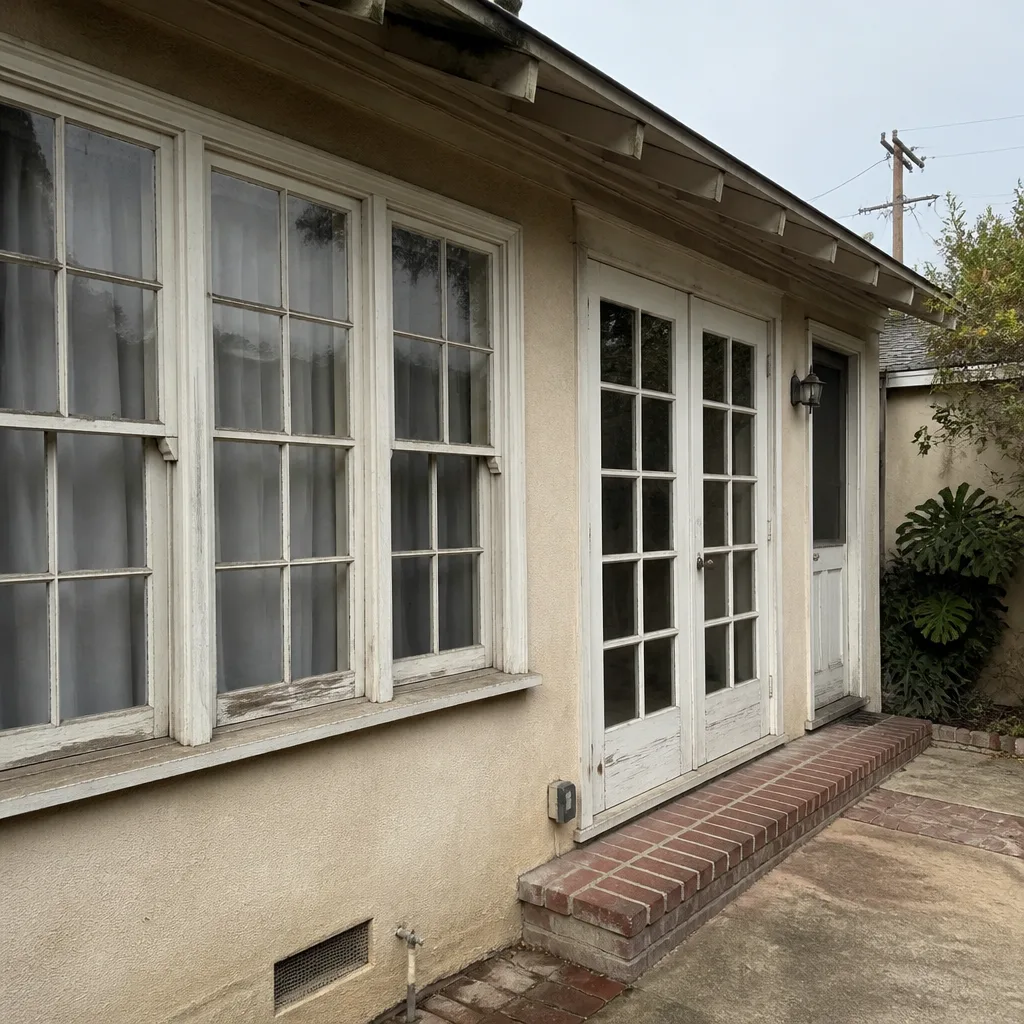 Before
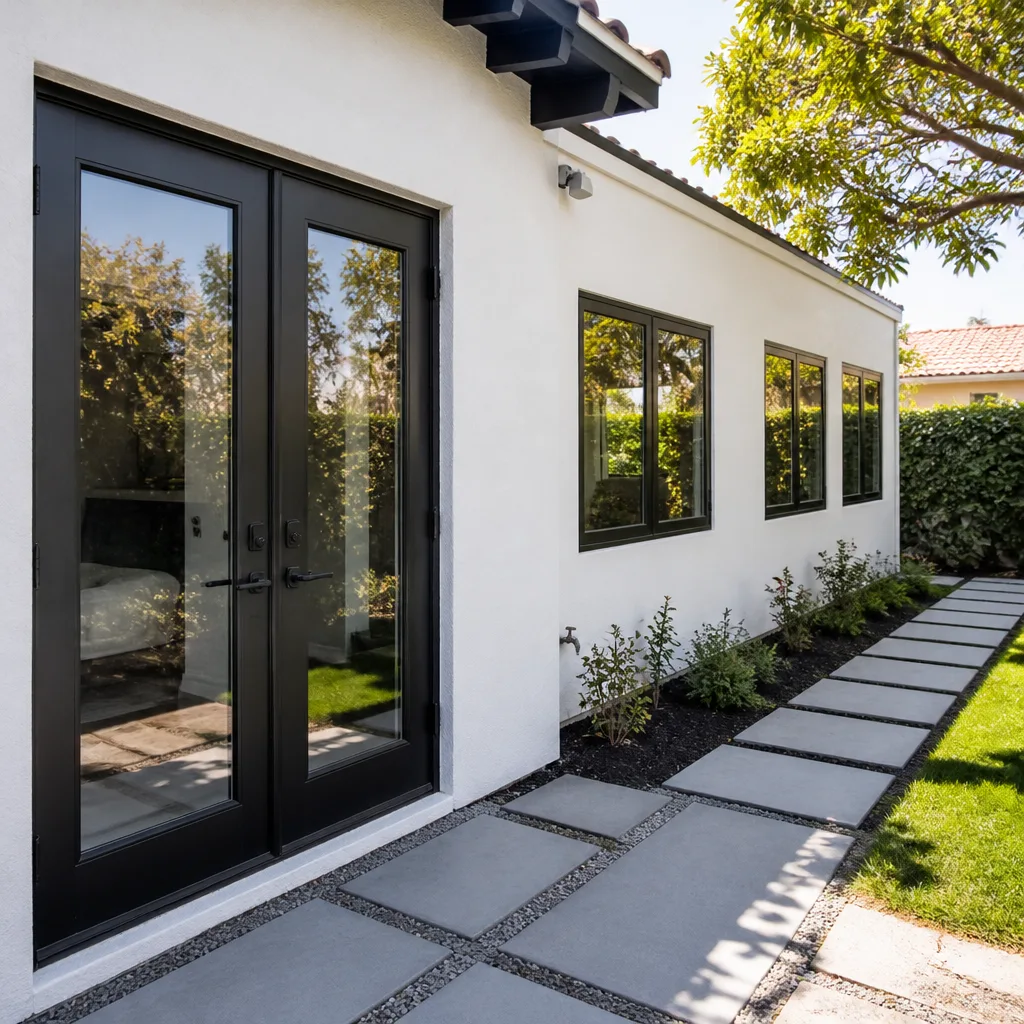 After
After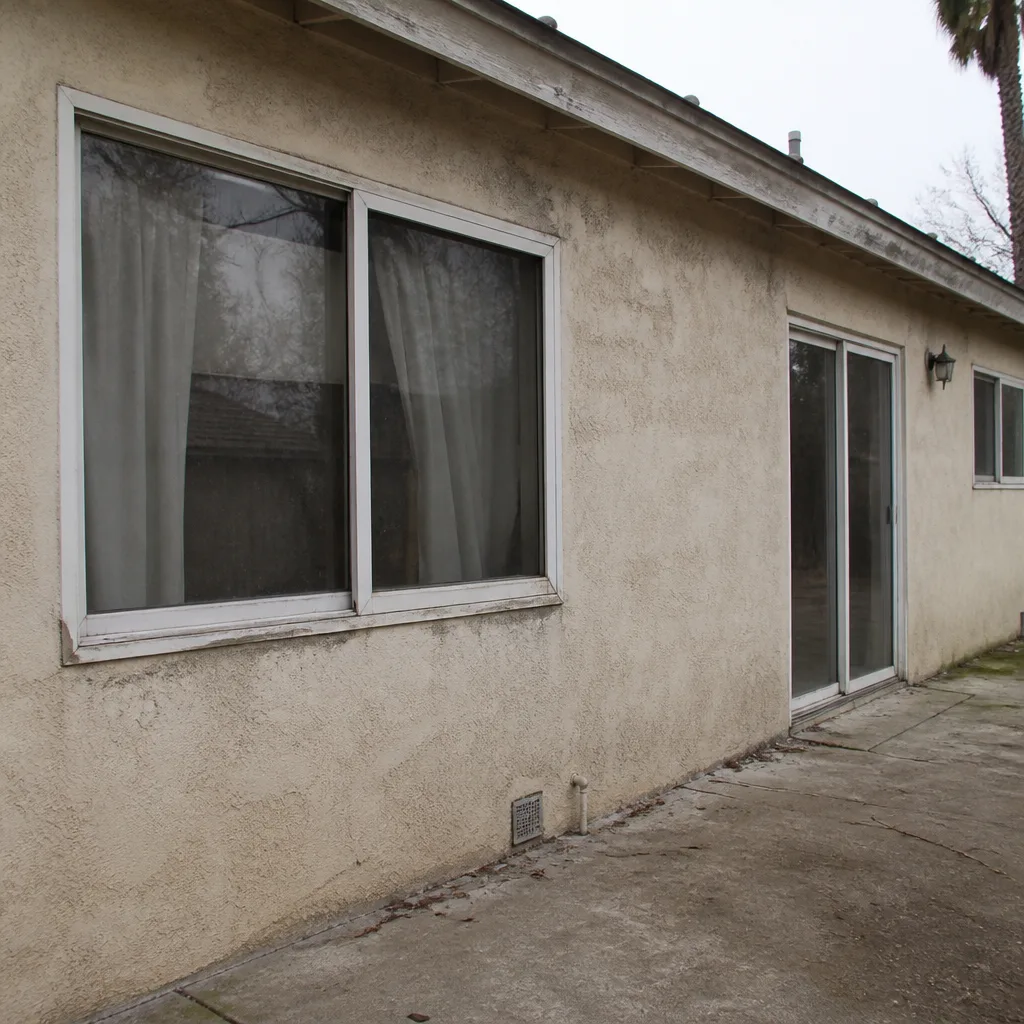 Before
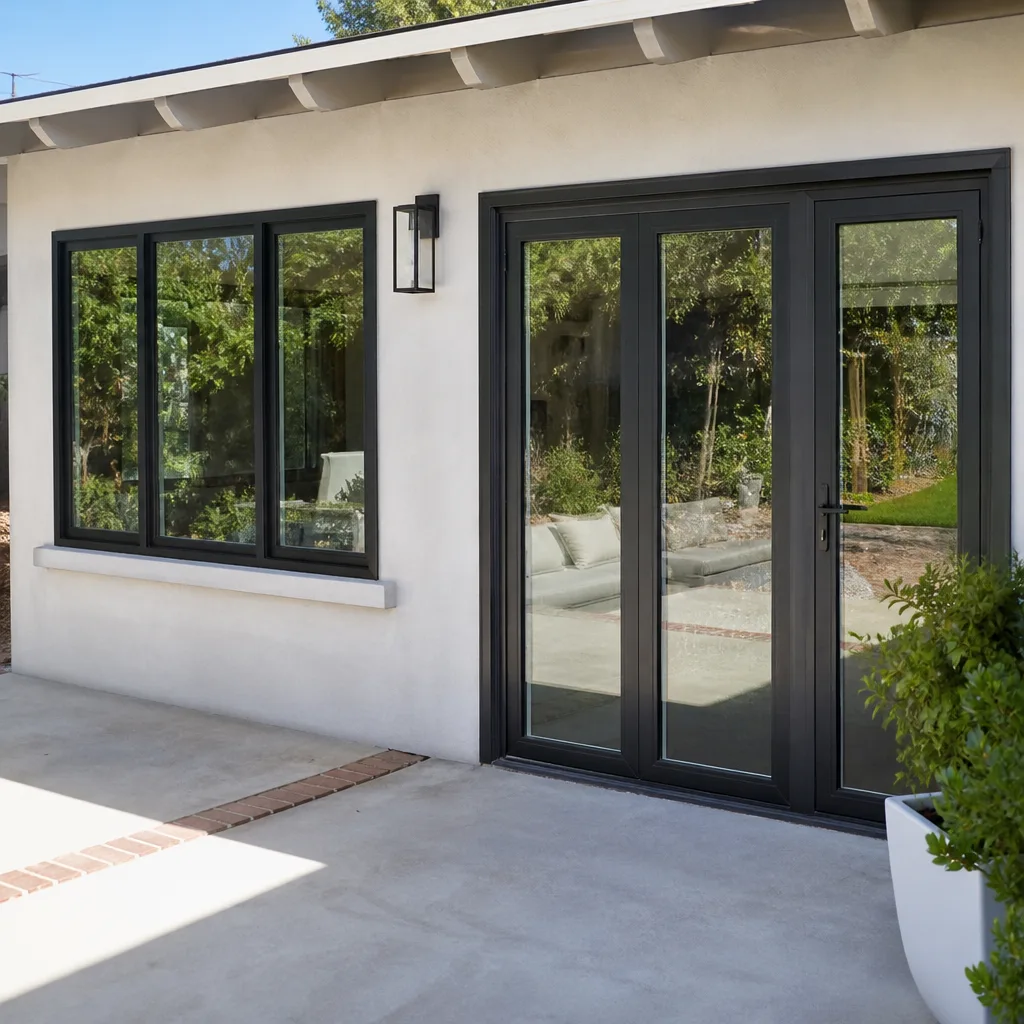 After
After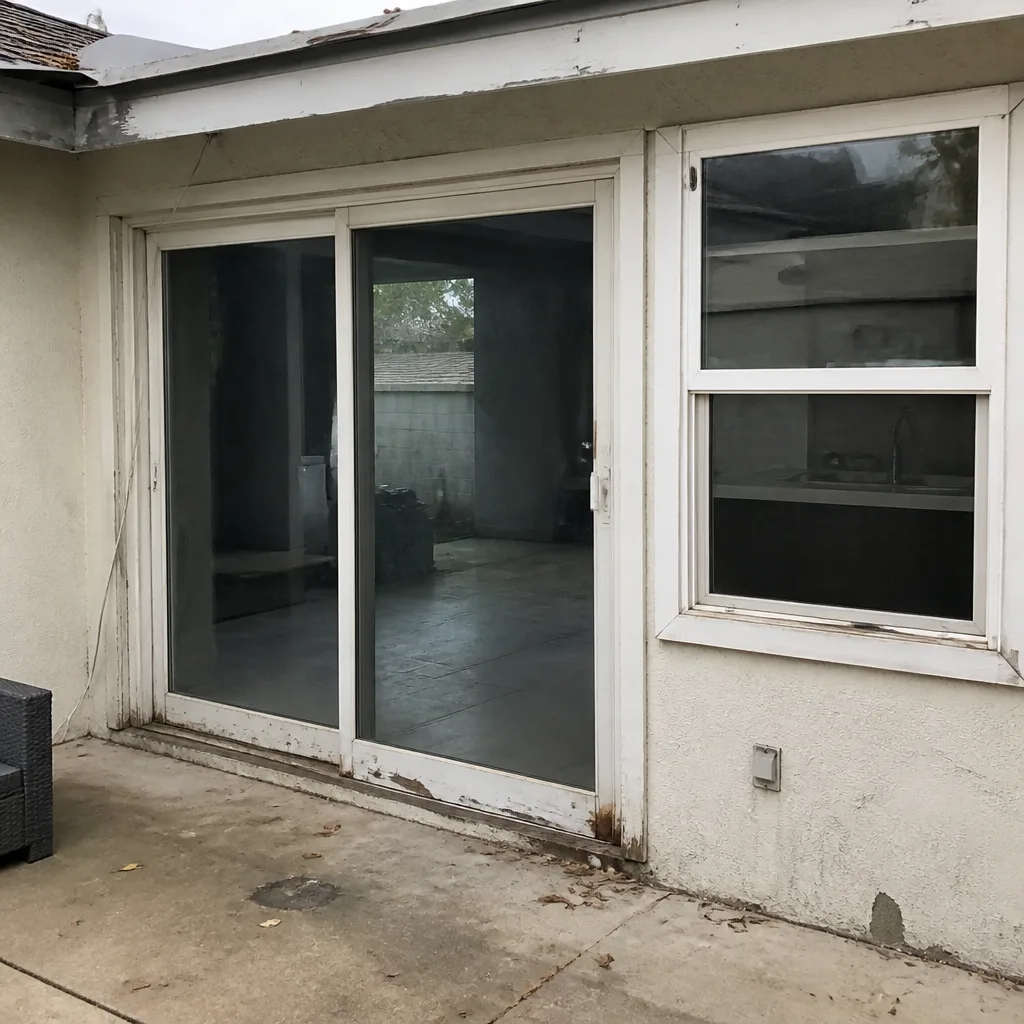 Before
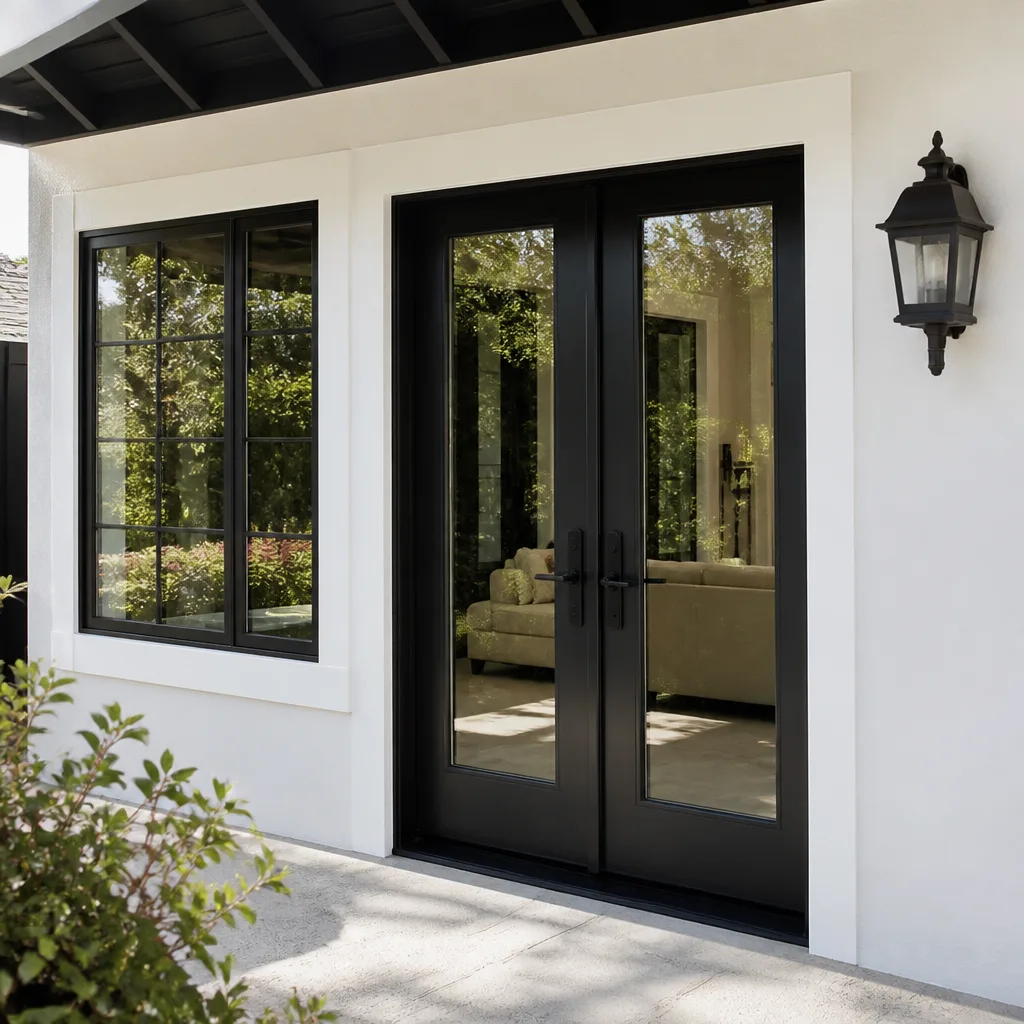 After
AfterWindows & Doors Emergency Preparedness Guide for Los Angeles Homes
After the 1994 Northridge earthquake, building investigators examining damaged homes found something that rarely makes headlines: a significant portion of houses with failed window and door frames had pre-existing seal deterioration and flashing corrosion that the seismic event simply accelerated. The quake didn’t create those failures. It exposed them. That’s the core problem with how Los Angeles thinks about emergency preparedness. We stock water, secure bookshelves, and map evacuation routes, but we rarely ask whether the openings in our walls, the glass and frames that hold everything together, will actually perform when the ground shakes or embers fly. This guide changes that. You’ll learn what to inspect now, what to fix before the next event, what to do in the first 48 hours after one, and which upgrades genuinely matter in LA’s risk environment. For Windows & Doors Warning Signs: A Los Angeles Homeowner’s Reference Guide, see our dedicated post.
Quick Answer
Emergency preparedness for windows and doors in Los Angeles comes down to three things: inspecting seals and frames annually so small deterioration never becomes seismic failure, knowing which window and door types resist wildfire embers best, and documenting everything with photos before an event so insurance claims move faster afterward. Most earthquake-related window damage in LA homes traces back to pre-existing seal failures, not the quake itself. A basic pre-event inspection and a few targeted upgrades cost far less than post-event water intrusion repairs.
Table of Contents
- Why LA’s Risk Profile Is Different
- The Pre-Event Inspection: What to Check Every Year
- Wildfire Ember Intrusion: What Actually Matters
- The 48-Hour Post-Earthquake Window Protocol
- Temporary Sealing and Board-Up: Step-by-Step
- Which Upgrades Are Worth It in LA, and Which Aren’t
- Insurance Documentation: What to Record Before an Event
- Common Mistakes to Avoid
Why LA’s Risk Profile Is Different
Los Angeles is not one hazard zone. It’s several stacked on top of each other. A home in Sherman Oaks faces different risks than one in Pacific Palisades or Tujunga. What connects every neighborhood is the same underlying vulnerability: windows and doors are the least reinforced openings in the building envelope, and they’re the first components to fail when the ground moves or when wind-driven embers arrive.
Two forces define LA’s risk for window and door integrity:
- Seismic movement: Clay-heavy soils in the San Fernando Valley shift differently than the sandy soils closer to the coast. When a 4.5+ event hits, frames that have been slowly pulling away from stucco for years can separate entirely. The movement doesn’t need to be catastrophic. A quarter-inch racking shift is enough to crack a seal and let water in.
- Santa Ana wind events: Wind gusts of 60 to 80 mph during Santa Ana conditions turn a wildfire miles away into an ember storm. Embers don’t need open flames to reach your house. They travel on wind currents and seek entry points: gaps under doors, cracked weatherstripping, deteriorated window glazing putty, and unsealed frame joints. A home doesn’t burn because a wall of fire reaches it. It burns because one ember found a gap.
What makes Los Angeles distinct from, say, Houston or Chicago, is the combination of both threats in the same structure. A door that’s perfectly fine for weather isn’t necessarily fine for seismic racking. A window that keeps water out during winter rain isn’t necessarily ember-resistant during a Santa Ana event. The standards are cumulative, and they’re specific to this city.
We’ve inspected homes in Los Angeles where the original 1960s aluminum window frames looked intact from the street but had dry, crumbling glazing compound and seal gaps wide enough to slide a credit card through. Those windows would have failed in a moderate quake, not because of the shaking, but because they had already failed quietly over decades. The emergency didn’t start when the ground moved. It started the first year the maintenance stopped.
The Pre-Event Inspection: What to Check Every Year
You don’t need a full window replacement before the next earthquake. You need a structured inspection that catches the small things before they become structural. Here’s what to check, and it takes about an hour:
- Seal and caulking integrity around every frame. Run a fingernail along the perimeter seal. Caulking that’s dry, cracked, or pulling away from the stucco or wood is a water intrusion point waiting for a seismic event. In older Los Angeles neighborhoods like Mid-City or Eagle Rock, original caulking from the 1980s and 1990s is often completely failed. This is the single most common pre-existing condition that causes post-earthquake window damage, according to the Northridge findings.
- Sill slope and drainage. Window sills should slope slightly downward and outward so water drains away from the frame. If water pools on the sill after rain, the sill has settled or warped. That’s a water intrusion risk even without an earthquake. During one, trapped water gets forced deeper into the wall cavity.
- Glazing compound and gaskets. On wood windows, check the putty or glazing compound around each pane. Brittle, cracked, or missing compound means the glass is loose in the frame and will rattle or shatter during shaking. On vinyl or aluminum windows, check the compression gaskets. If they’re flattened or cracked, the window can’t hold a seal under racking forces.
- Hardware and lock engagement. Every lock should engage fully. A window or door that doesn’t latch completely is a security issue every day and a structural issue during an earthquake. Unlatched windows rack and twist independently of the frame, which is how glass breaks and frames warp.
- Weep holes. Those small openings at the bottom of the window frame that you probably never notice serve a specific purpose: draining water that gets past the first seal. If they’re clogged with paint, dirt, or insect debris, water sits inside the frame. That trapped water corrodes metal frames from the inside and rots wood frames. Los Angeles’ dry climate means homeowners go months without seeing rain and forget that trapped water needs an exit. When the next atmospheric river arrives, the damage is already done.
If you find failed seals, cracked caulking, or hardware that won’t engage, repair them now rather than waiting. This is where the Window Repair in Los Angeles team at Hale handles the work that prevents the larger failure. A repair that costs a few hundred dollars before an event beats a full frame replacement and water remediation after one.
Wildfire Ember Intrusion: What Actually Matters
Wildfire homes don’t typically catch fire because a flame front reaches the house. They catch fire because embers, some the size of a thumbnail, get driven into the building envelope through vulnerable points. Windows and doors are the primary entry candidates, which means the design and condition of those openings determine whether an ember finds fuel.
Here’s how different window and door types compare for ember resistance, based on what we’ve seen in Los Angeles wildfire zones:
- Single-pane aluminum windows: The least resistant. Aluminum frames conduct heat rapidly and warp, creating gaps at the frame joint. Single-pane glass cracks or shatters under radiant heat, and once the pane fails, embers have direct access to the interior. Many older LA homes in the hills, particularly in areas like Topanga and La Cañada, still have these original aluminum windows.
- Vinyl single-hung windows: Better than aluminum because vinyl doesn’t conduct heat the same way, and the frames resist warping longer. The vulnerability is the weatherstripping along the sash. Standard pile weatherstripping is not ember-rated. If an ember gets caught there, it can melt the vinyl and create a larger gap. Upgraded ember-resistant weatherstripping makes a meaningful difference.
- Wood casement windows: Wood burns, which sounds like a problem, but the mass of a solid wood frame actually buys time. A wood casement with properly maintained compression seals closes tightly against the frame, which reduces the gap where embers can enter. The failure point is old, dry wood with cracked paint, because that’s an ember landing zone waiting to happen.
- Steel or impact-rated windows: The highest resistance. Steel frames don’t warp, impact-rated glazing doesn’t shatter from radiant heat, and the laminated interlayer remains intact even when the outer pane cracks. These are the windows specified in many wildfire-prone California building codes. Products like ES Windows and ECO Window Systems professional-grade lines meet these specs.
For doors, the same logic applies. A hollow-core interior door installed as an entry door, which we still see in some older Los Angeles apartments and converted garages, has almost no fire resistance. A solid Therma-Tru fiberglass entry door, combined with ember-resistant weatherstripping and a tight threshold seal, completely changes the equation.
The upgrade that matters most is not always the most expensive one. Replacing standard weatherstripping with ember-resistant materials and installing a proper door sweep costs a fraction of a full door replacement and closes the primary ember entry point. If you’re in a high-risk zone near wildland interface, the full replacement becomes the better investment.
The 48-Hour Post-Earthquake Window Protocol
Within 48 hours of a 4.5+ earthquake in Los Angeles, you need to complete a structured inspection. The goal is not to assess whether your windows are cracked. The goal is to identify water intrusion risk before the next rain event, because post-quake water damage typically exceeds the original glass damage. Here’s the protocol:
- Start at the exterior, not the interior. Walk around the house and look at every window and door frame from outside. You’re checking for frame separation from the wall, cracked stucco radiating from frame corners, and shifted sill lines. A sill that’s tilted even slightly tells you the wall moved around the window.
- Check operation, but don’t force it. If a window or door resists opening or closing, the frame has racked. Do not force it shut. That’s how you stress the glass and crack a pane that was fine. Leave it in place and photograph it.
- Inspect glazing from multiple angles. Look at each pane from straight-on, then from a 45-degree angle. Microfractures from seismic stress are often invisible straight-on but visible at an angle as small refractive anomalies. Use a flashlight if it’s overcast or you’re working in shadow.
- Run water along window sills and door thresholds. Not a hose blast, just a slow pour from a water bottle along the exterior sill. Watch whether water runs off or pools. Pooling after an event means the drainage path was interrupted by shifting. Document it with photos.
- Photograph everything before cleaning anything. Insurance adjusters and repair estimators need to see the post-event condition. Once you sweep the broken glass or wipe the dust, you’ve altered the evidence. Take wide shots showing each window in context, then close-ups of any cracks, separations, or water stains.
This protocol takes less than an hour on a typical Los Angeles single-family home. If you find frame separation, racking, broken seals, or glazing damage, schedule a repair evaluation before rain arrives. Water intrusion through a breached seal, even a small one, starts degrading insulation, drywall, and structural framing within days. The repair cost escalates quickly from there.
Temporary Sealing and Board-Up: Step-by-Step
If a window breaks during an earthquake or a door frame shifts enough that it won’t close, you need a temporary seal in place quickly. This is a short-term fix until permanent repair can be scheduled. Here’s how to do it with materials from any Los Angeles hardware store:
For a broken window pane:
- Clear the glass safely. Wear heavy gloves and safety glasses. Remove loose shards from the frame using pliers, not your hands. Lay a tarp or old sheet inside to catch debris.
- Cut plywood to fit the opening. Measure the full frame dimensions, not just the glass. Use 1/2-inch or thicker exterior-grade plywood. Most Los Angeles hardware stores including the big chains will cut it to size if you bring measurements.
- Seal the remaining glass edges first. Apply duct tape in an X pattern over any remaining glass still in the frame. This keeps it from shattering further while you work.
- Set the plywood against the exterior opening. Secure it with 1-5/8-inch exterior screws driven into the window frame at 8-inch intervals. Use washers to prevent the screw heads from pulling through the plywood.
- Caulk the perimeter. Run a bead of exterior-grade silicone caulk around all four edges of the plywood. This is what keeps water out, not the plywood itself.
For a door that won’t close or latch:
- Don’t force the door. A racked door frame means the wall moved. Forcing the door closed stresses the hinges and frame further.
- Shim it into approximate position. Use wooden shims to get the door as close to closed as possible without forcing it.
- Seal the gaps with expandable foam weatherstrip or rolled insulation. Use temporary foam tape, not spray foam. Spray foam is permanent and creates problems during the actual repair.
- Add a temporary deadbolt plate if the latch won’t engage. For security, install a surface-mount security hasp across the door and frame. It’s not pretty, but it secures the opening until proper repair.
These are temporary measures. A plywood board is not a window. It’s a stopgap that buys you days, not months. Schedule the permanent repair as soon as possible. If you need the replacement or repair handled properly, Window Replacement in Los Angeles through Hale includes written pricing before any work starts, and the 365-Day Done Right Promise on the work.
Which Upgrades Are Worth It in LA, and Which Aren’t
The window and door industry has no shortage of marketing claims tied to emergency protection. Here’s an honest breakdown of what provides real protection in Los Angeles and what’s sales language-start with our Choosing the Right Windows & Doors Brand: A Buyer’s Guide for Los Angeles to cut through the noise:
Worth the investment:
- Impact-rated glazing: Multi-laminate glass with an interlayer that holds the pane together even when cracked. This is the standard in hurricane zones and increasingly specified in wildfire interface areas. It prevents the catastrophic failure mode where a broken pane collapses entirely and exposes the interior. Brands like PGT and CGI produce these to Miami-Dade and California standards. Expect to pay $900 to $1,600 per window installed, depending on size and frame material.
- Dual-pane with a laminated inner lite: A step below full impact-rated glass but a meaningful upgrade over standard dual-pane. The laminated inner pane holds shards in place if the outer pane breaks, which prevents glass blow-out during seismic events and keeps embers out if the outer lite fails. This is a good value option for LA homeowners not in the highest wildfire severity zones. Expect $600 to $1,100 per window.
- Ember-resistant weatherstripping and door sweeps: The lowest-cost upgrade with the highest ember-intrusion prevention value. Less than $200 per door installed, and it closes the most common wildfire entry point.
- Solid fiberglass entry doors: Therma-Tru doors with proper seals outperform hollow metal and wood in both seismic resilience and fire resistance. Expect $1,500 to $3,500 for a door and frame replacement, depending on glass configuration.
Marketing overreach:
- “Earthquake-proof” windows: No such product exists. Windows and doors can be reinforced to survive racking forces, but nothing anchored to a moving structure is proof against failure. Any company using that phrasing is not being honest about the physics.
- Triple-pane glass for wildfire protection: The third pane adds insulation value, not ember resistance. The ember failure mode is at the frame and weatherstripping, not through the glass cavity. You’re paying for energy efficiency, which has value, but it won’t meaningfully change your fire resilience.
- Any upgrade that skips the seal inspection: The best window in the world, installed with failed perimeter seals, will still leak. The seal is the system. The glass is just one component.
For most Los Angeles homes, the highest-value package is: replace failed seals and weatherstripping, install ember-resistant sweeps on all entry doors, and upgrade the most vulnerable windows (usually the largest or oldest ones) to dual-pane with a laminated inner lite. Full impact-rated glazing makes sense in Zones FHSZ and VHFHSZ, but for a Westside or Mid-City home, the laminated upgrade gets the meaningful protection at half the price. A professional-grade line like ViewLux offers that middle-tier laminated configuration without going to full impact-rated pricing.
Insurance Documentation: What to Record Before an Event
Insurance adjusters don’t work from memory. They work from evidence. The documentation you create before an earthquake or wildfire determines how smoothly, and how fully, a window and door damage claim resolves afterward. Create this file now:
- Photograph every window and door from inside and outside. Use a ruler or tape measure in the frame of each shot so scale is unambiguous. Do this on an overcast day or when the light is even; direct sun creates shadows that obscure condition details.
- Record the manufacturer, model, and age of every window and door. The labels are usually on the spacer bar between panes for windows and on the hinge edge for doors. If the labels are worn off, note the frame material, glass type (single, dual, laminated), and approximate age. This determines replacement value in a claim.
- Keep receipts for any repair or replacement work. If you replaced glazing compound in 2021 or installed new weatherstripping in 2023, that receipt proves the component was maintained and in good condition before the event. Insurance companies reduce payouts when they can argue pre-existing deterioration.
- Store the file in at least two locations. Cloud storage plus a local external drive. If your home is damaged, the local drive might be destroyed with it. If cell service is down, cloud access might be delayed. Redundancy matters.
- Include a dated video walkthrough. Walk the exterior and interior of the home with the camera running, narrating what you see: “Front living room window, dual-pane, no cracks, caulking intact, seals solid.” The narration creates a timestamped record that photos alone can’t.
In our experience with Los Angeles insurance claims, the difference between a $4,000 payout and a $9,000 payout often comes down to whether the homeowner could prove the windows and doors were in good condition before the event. Documentation is the cheapest insurance you’ll ever buy.
Common Mistakes to Avoid
- Ignoring failed caulking because it doesn’t look urgent. That dried caulk line around your window frames is the primary water intrusion point after an earthquake. In Los Angeles neighborhoods with older housing stock, like West Adams or Highland Park, we routinely see original caulking still in place from the 1990s. It’s not sealing anything.
- Forcing a stuck window or door after a seismic event. If the frame has racked, forcing it stresses the glass and frame further. A hairline crack becomes a shattered pane. A minor frame shift becomes a full replacement. Never force operation.
- Using interior-grade materials for temporary board-up. Interior plywood and painter’s caulk fail outdoors within weeks, and once they fail, the water intrusion begins. Use exterior-grade materials from the start.
- Relying on standard weatherstripping in wildfire interface areas. The standard pile and vinyl weatherstripping on most Los Angeles homes is not ember-resistant. In zones like Porter Ranch, Granada Hills, or the hillside neighborhoods, that’s the difference between an ember lodging in a gap and an ember bouncing off.
- Waiting until after an event to photograph the windows. Post-event photos document the damage, but without pre-event photos, there’s no baseline to show the condition before. Insurance adjusters need both. There’s no way to create the “before” record after the fact.
- Choosing a window upgrade based on a door-to-door pitch. A window salesman in Los Angeles is selling one product line, often at aggressive pricing, regardless of whether that product fits your home’s risk profile. The right choice depends on your neighborhood’s wildfire severity zone, your home’s age, and your budget. A Front Door Replacement in Los Angeles or window upgrade should be matched to the structure, not to the sales quota.
When to Call a Professional
Some post-event conditions need a trained eye and proper equipment. Call a professional if you see frame separation from the wall that exceeds an eighth of an inch, if glass is cracked in a pattern radiating from a single point (that indicates frame stress, not just impact), if water stains appear around a window or door within days of an event, or if a door won’t operate at all after racking. These are structural signals, not surface issues. A temporary board-up buys you time, but the underlying frame damage needs proper assessment. Hale Windows & Doors offers free estimates in Los Angeles, and every repair includes a written guarantee. If the repair fails, the second visit is free. Call (252) 675-6980 to schedule an evaluation.
Frequently Asked Questions
Emergency window repair in Los Angeles typically runs $250 to $600 for a single pane replacement or seal repair, and $800 to $2,500 when the frame has racked and needs realignment or section replacement. Board-up service before the repair adds $250 to $500 depending on window size. Call (252) 675-6980 for an exact written quote; estimates are free.
No. At Hale Windows & Doors, a written price is in your hands before any work begins, and it doesn’t change unless you approve additional work in writing. No change orders, no surprise invoices, no vague “time and materials” line items. What you’re quoted is what you pay.
Permits are required in Los Angeles when a window opening changes size or when structural framing is altered. See Windows & Doors Permits, Codes & Inspections in CA: What You Need to Know for full details. Like-for-like window replacements and most door replacements don’t trigger permit requirements. When a permit is needed, we pull it and schedule the inspection. We don’t skip steps to save time, and we don’t leave you holding an unpermitted installation that complicates a future sale.
For a single window replacement that’s a like-for-like swap, the work is typically done in one day. Frame realignment or section replacement takes two to three days, including the time for materials to set and seals to cure. Board-up service can be done the same day you call. A full multi-window replacement project generally runs three to five days for a typical Los Angeles home.
Impact-rated windows with laminated glazing hold up best. The laminated interlayer keeps the glass intact even under racking forces, and the reinforced frame resists the twisting that cracks standard panes. For most LA homes, dual-pane with a laminated inner lite delivers most of that earthquake resilience at a lower cost than full impact-rated glazing.
Not necessarily. If the frames are structurally sound and the seals and caulking are in good condition, your existing windows will likely survive a moderate event better than a neglected set of high-end replacements. The seal is what fails first. If you schedule an inspection and the seals are intact, your money may be better spent on documentation and minor upgrades. Call (252) 675-6980 and we’ll tell you honestly whether replacement is warranted or whether maintenance is enough. We don’t sell windows to people who don’t need them.
The Bottom Line
Emergency preparedness for Los Angeles windows and doors is not about buying the most expensive impact-rated glass or waiting for an earthquake warning. It’s about the quiet maintenance work that determines whether your openings hold: caulking, weatherstripping, seal integrity, drainage. The Northridge lesson applies just as much today: the damage was often already there, waiting for a trigger. Inspect your openings annually, document their condition, upgrade the weatherstripping and sweeps that close ember entry points, and know exactly who you’ll call when the next event exposes what’s been quietly failing. The Hale Windows & Doors team can inspect, advise, and quote the work in writing before anything starts. Call (252) 675-6980 for a free estimate.
Written by Spencer Odell, Owner at Hale Windows & Doors, serving Los Angeles since 2009. Browse more guides & resources on windows and doors.