

Last updated October 9, 2026
Free in-home measure and quote - PGT, CGI and CWS impact lines compared on your actual openings, style by style
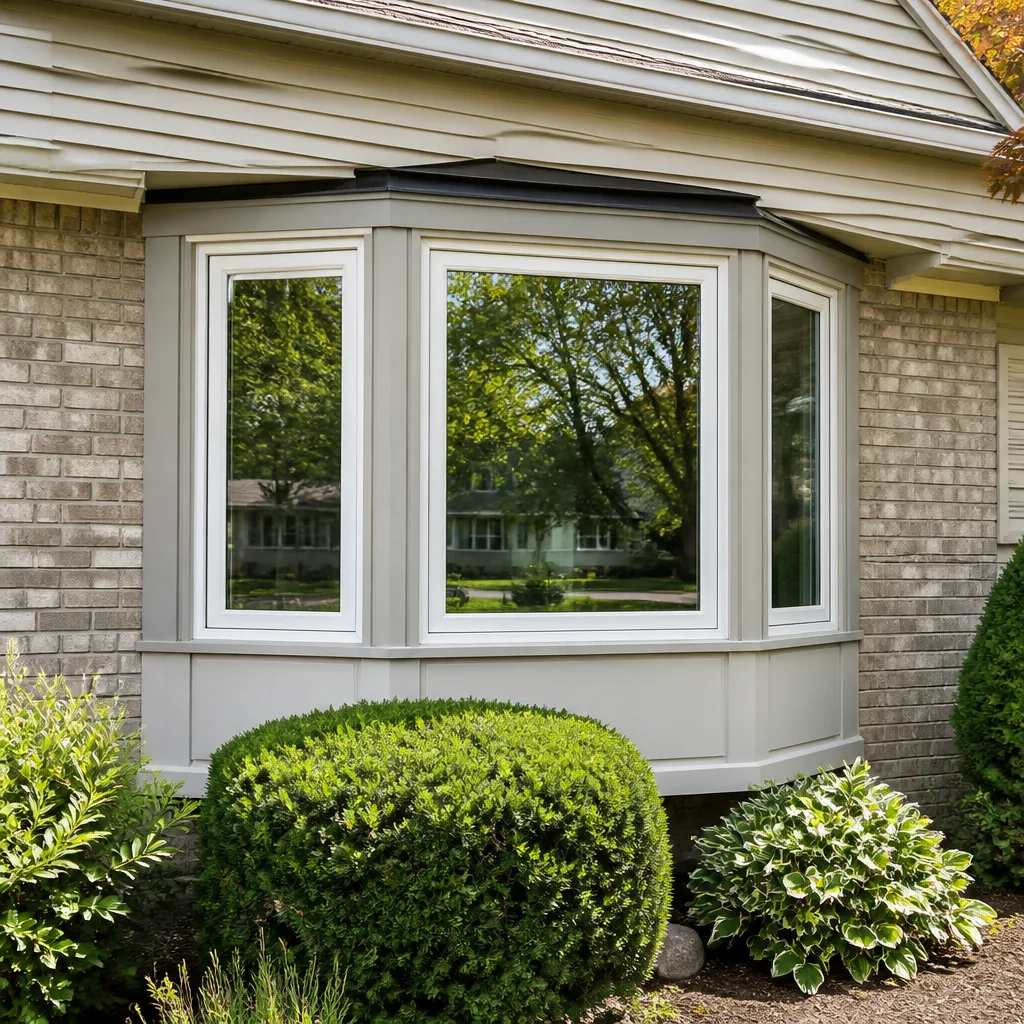
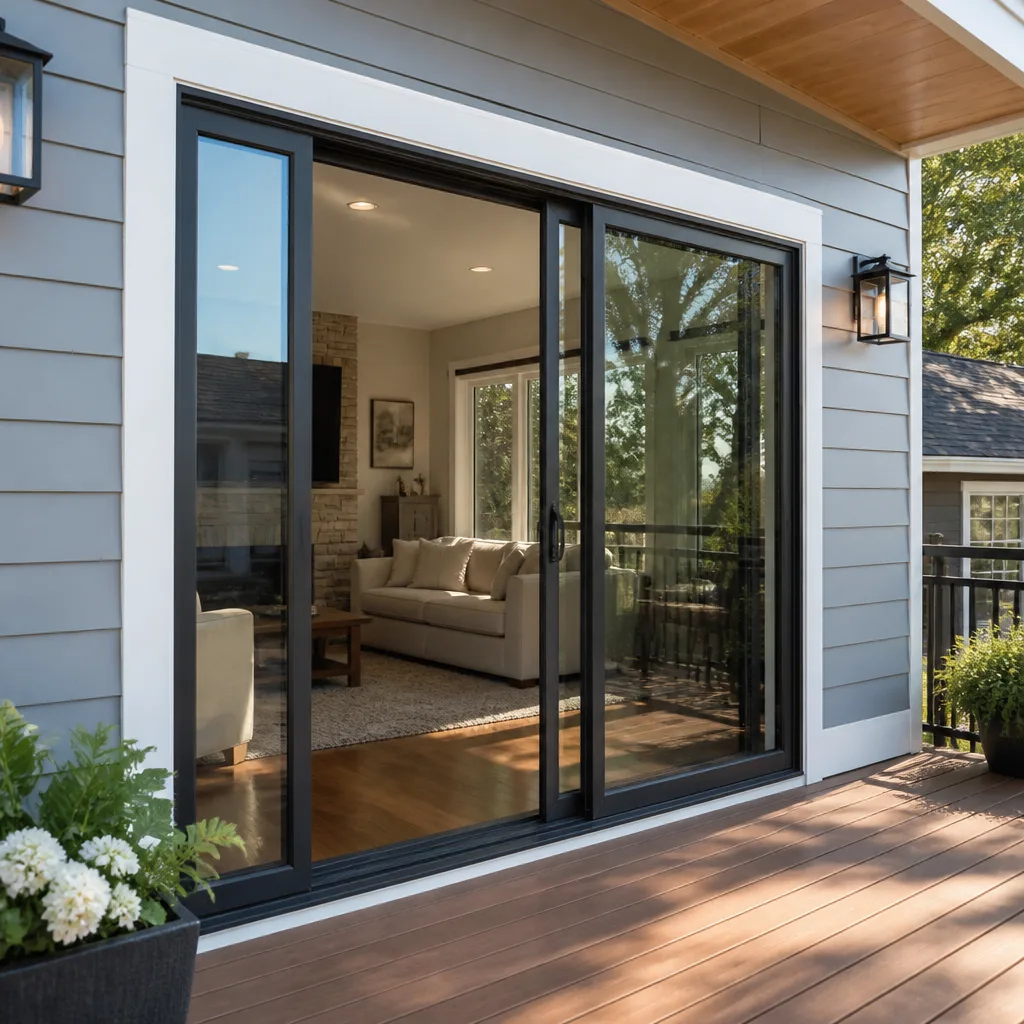
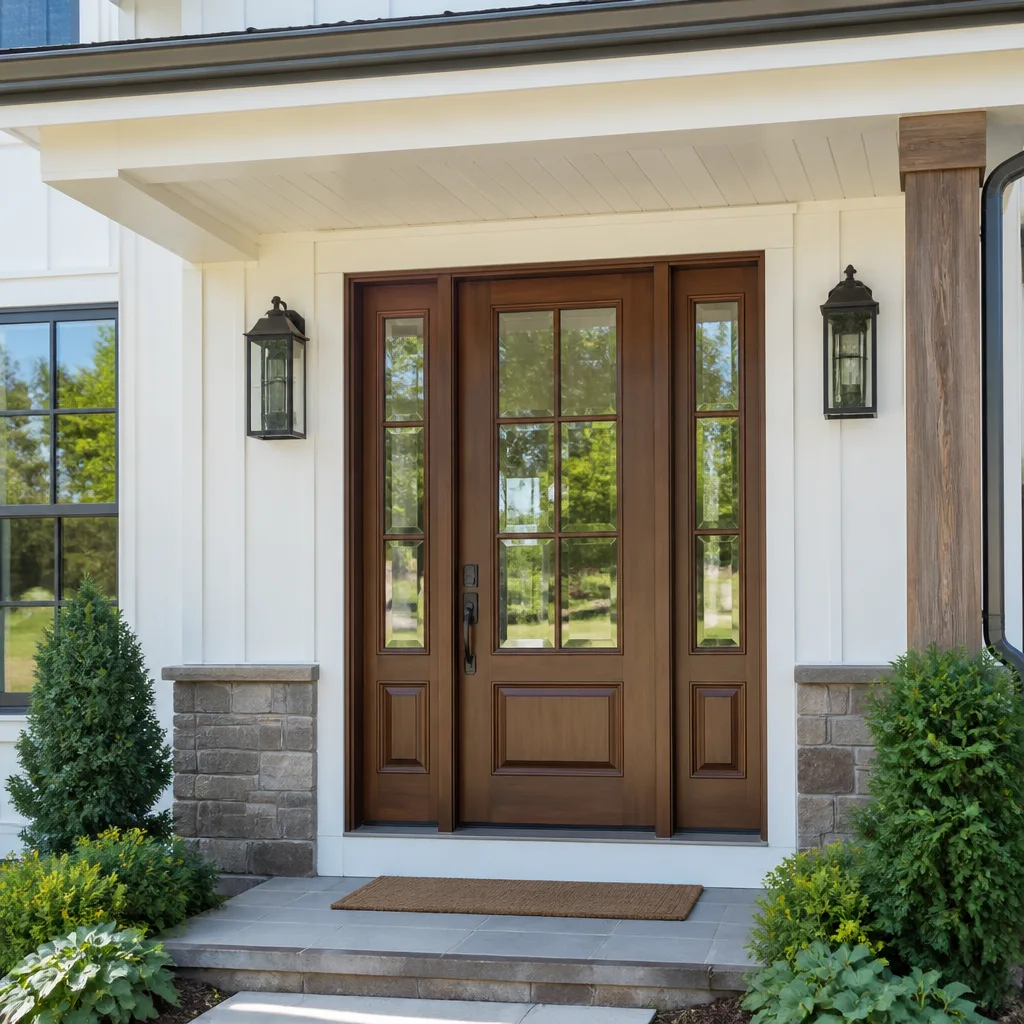
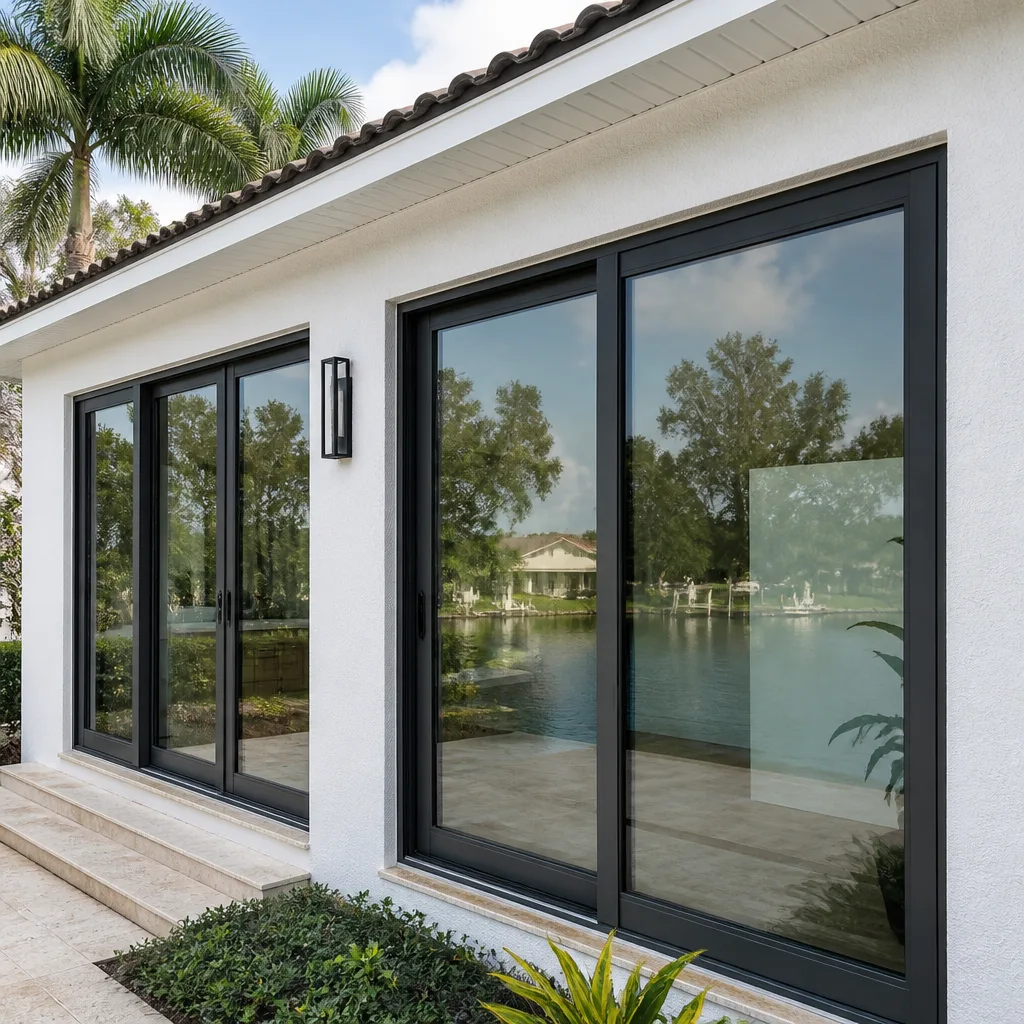

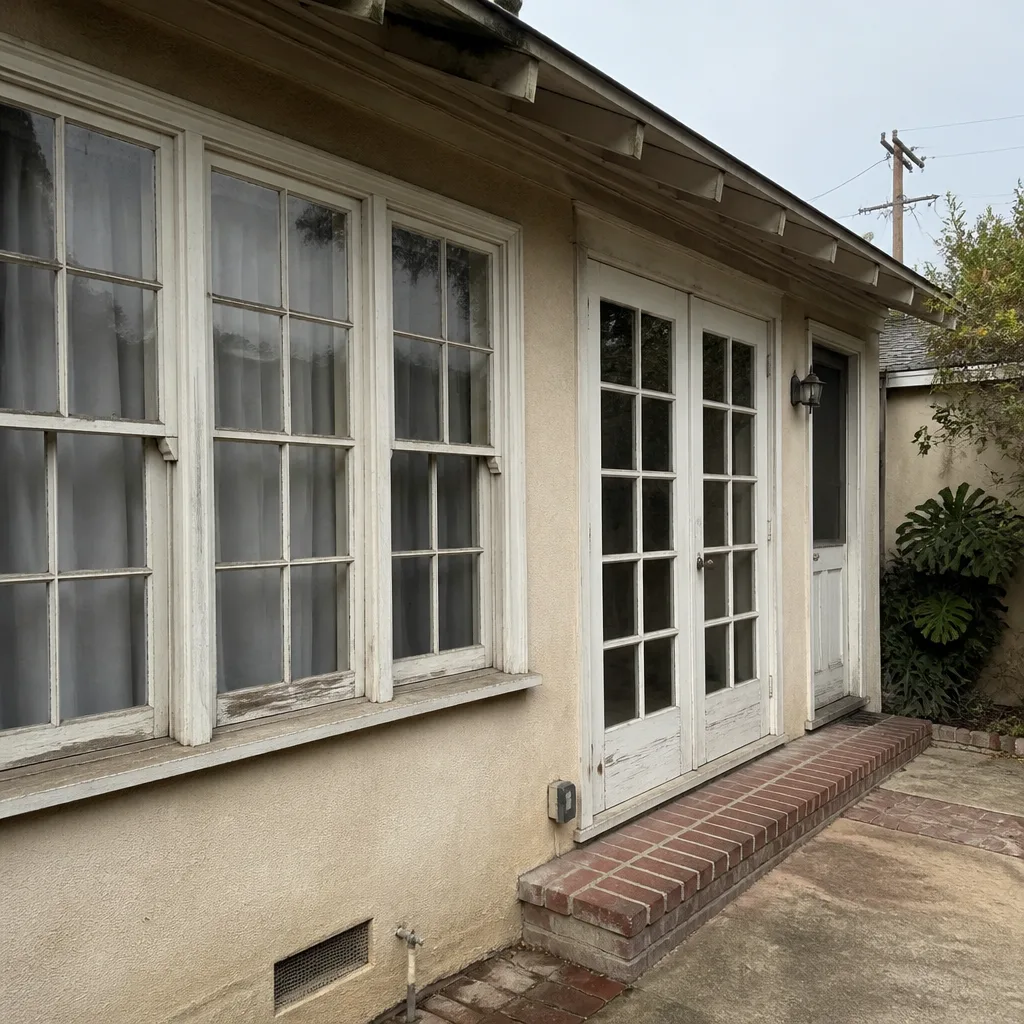 Before
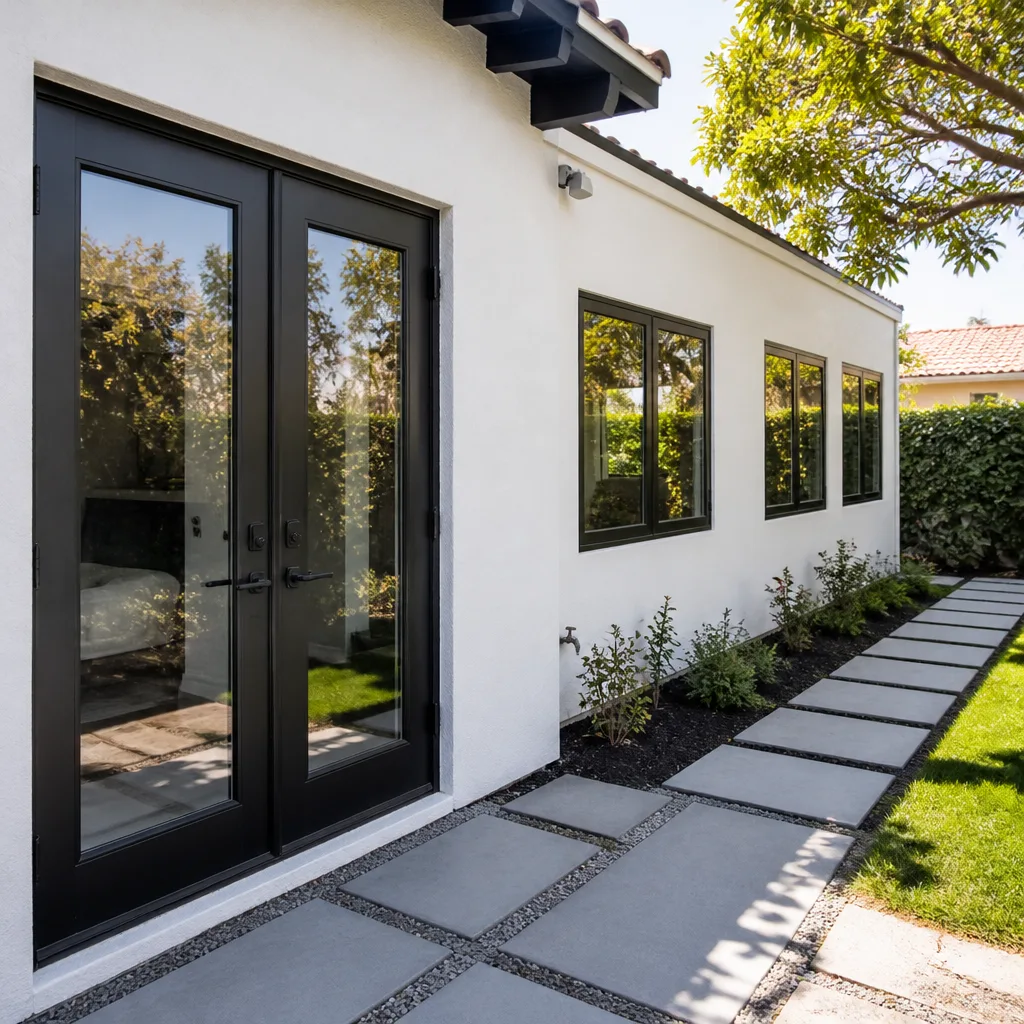 After
After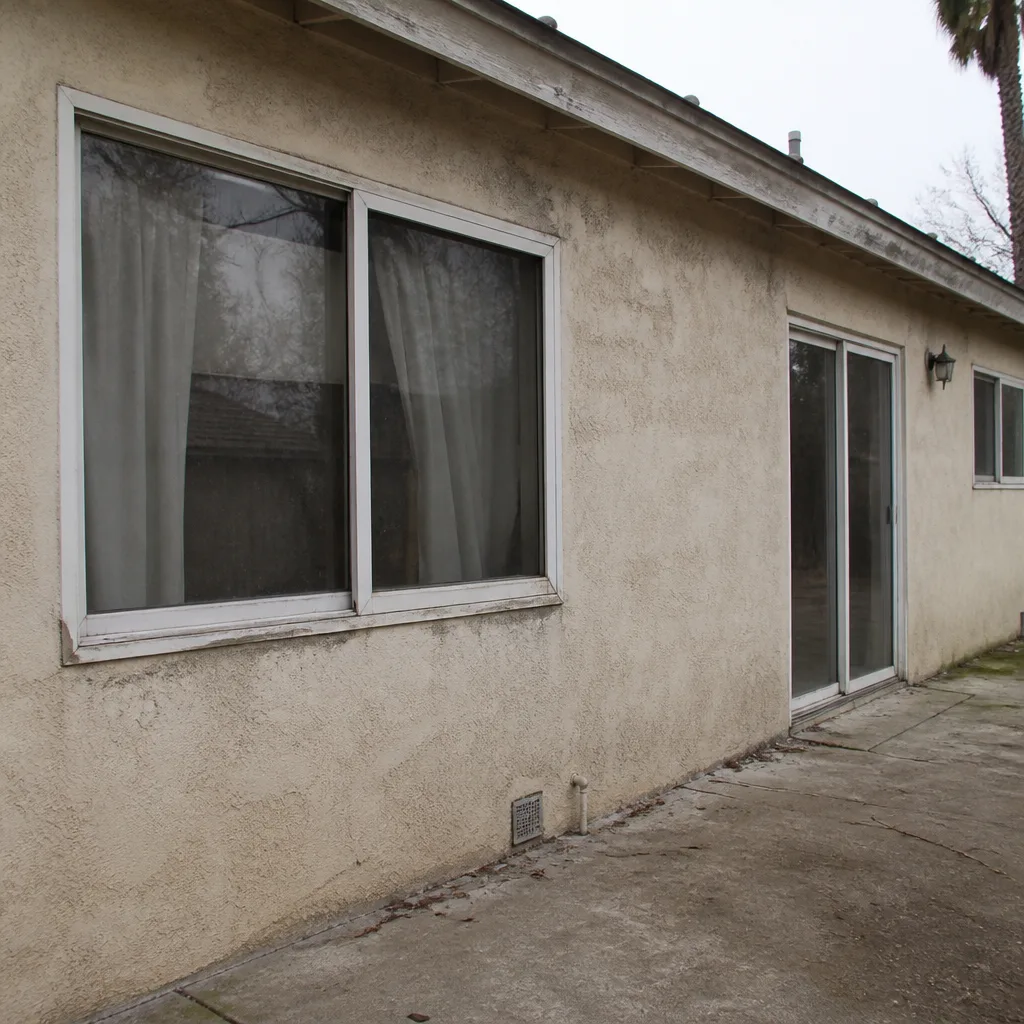 Before
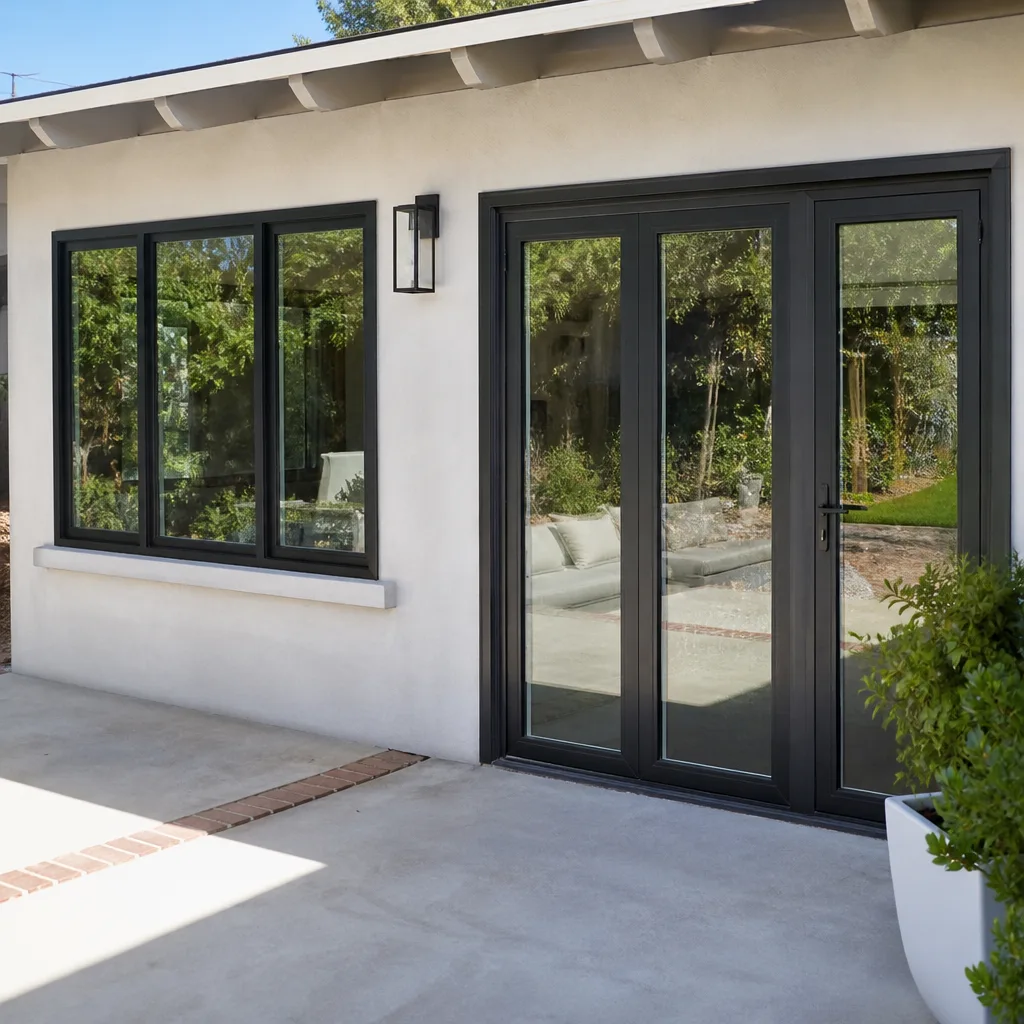 After
After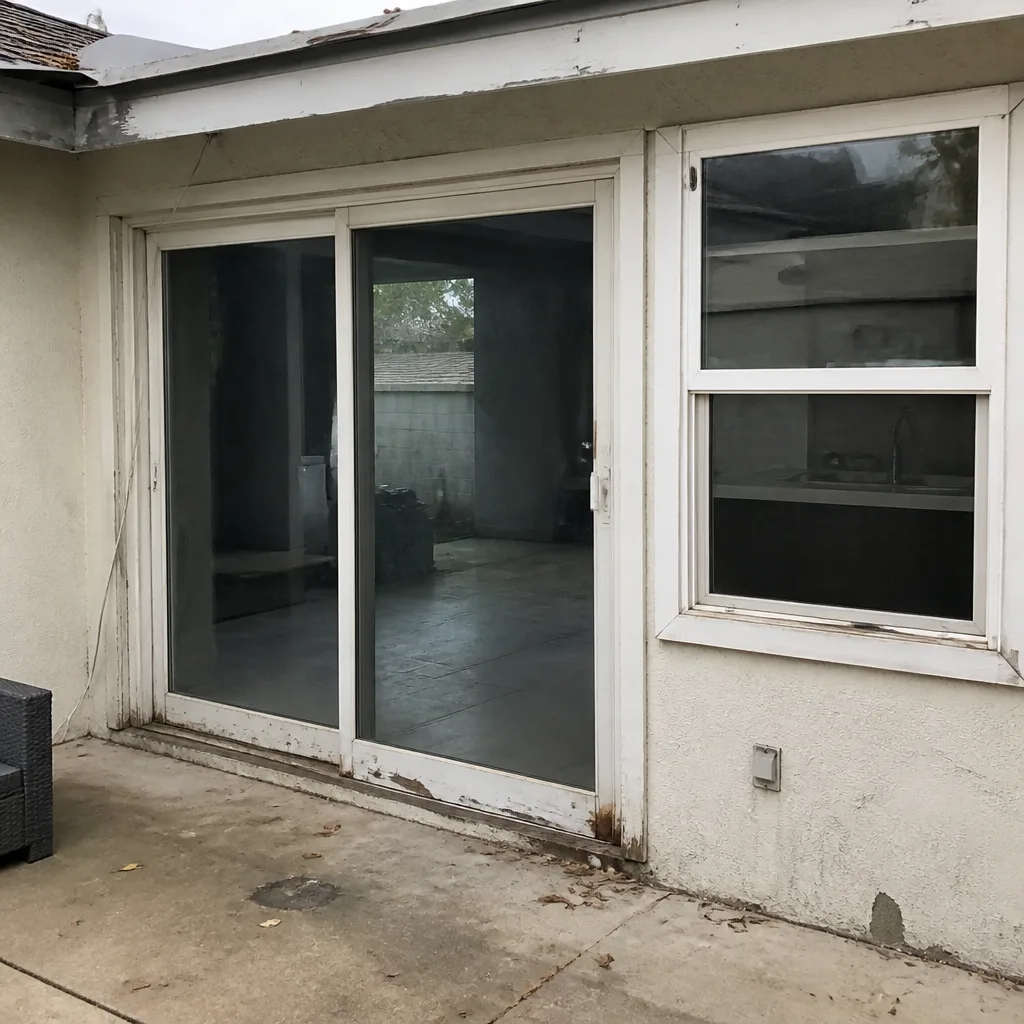 Before
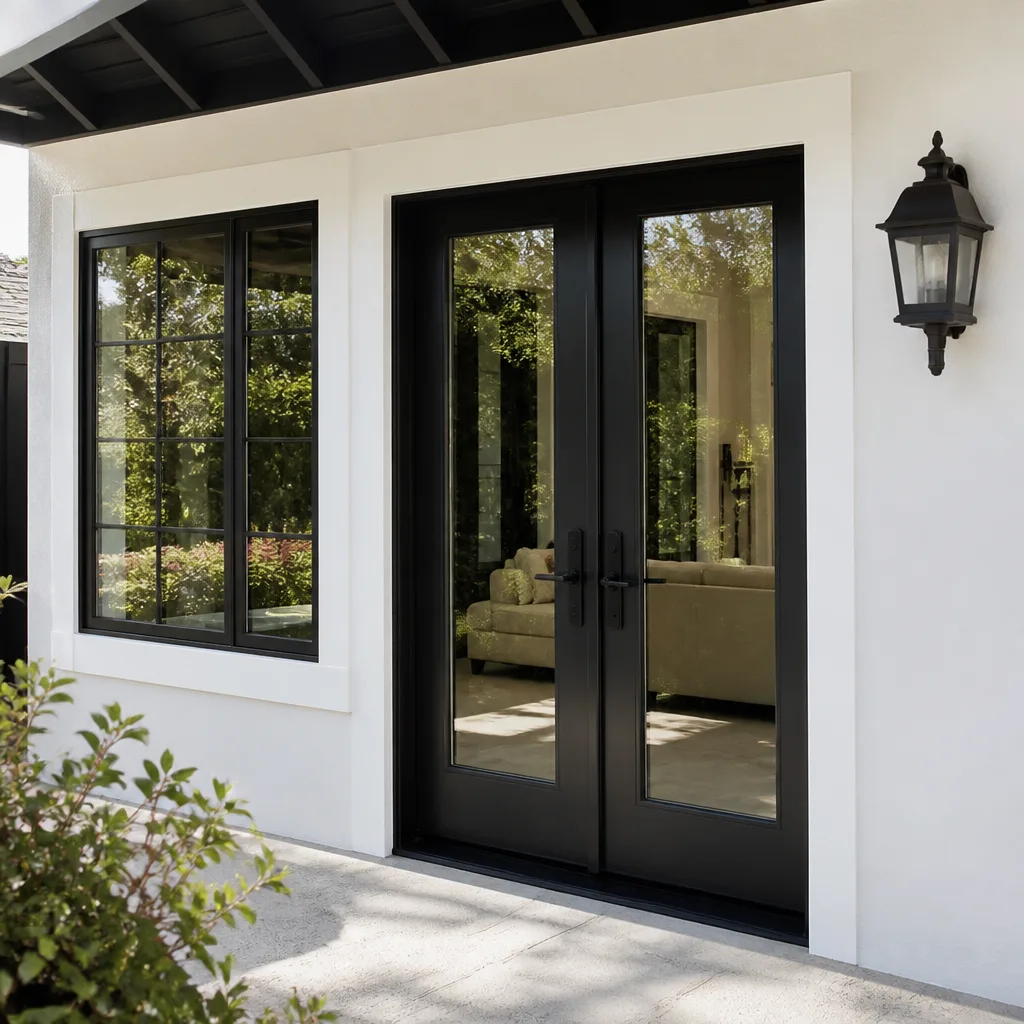 After
AfterDIY vs Professional Window Repair: What’s Safe to Do Yourself
Most Los Angeles homeowners overpay for small window repairs because they assume every fix requires a licensed pro, while simultaneously underestimating which “simple” jobs can destroy a window outright. Replacing a broken window latch takes 15 minutes and a $12 part from the manufacturer, yet homeowners routinely pay a $150 service call for exactly that. Meanwhile, re-glazing a fogged double-pane window is a task that should never be attempted at home without glazing tools and argon fill equipment. This guide draws the line between both worlds with specific tasks on each side, so you know before you touch a screwdriver whether the job is worth doing yourself, what it should cost if you hire, and how to get an honest scope from a Window Repair professional in Los Angeles without getting upsold.
Quick Answer
Safe DIY window repairs include latch replacement, weatherstripping, screen re-splining, caulk touch-up, and sash cleaning. Jobs that carry high failure risk for amateurs are insulated glass unit (IGU) replacement, balance spring replacement on double-hungs, and vinyl frame crack repair. If your repair involves glass removal, frame structural integrity, or factory-sealed components, call a professional. For a written price before any work starts, call Hale Windows & Doors at (252) 675-6980.
Table of Contents
- The DIY-Safe Zone: 5 Repairs You Can Do This Weekend
- The Outer Boundary: Repairs That Look Simple But Go Wrong Fast
- How to Source Genuine OEM Parts Without Paying the Hardware Store Markup
- Warranty and Liability: Which DIY Repairs Void Your Manufacturer Coverage
- How to Get an Honest Repair Scope Without Getting Upsold
- Los Angeles-Specific Window Wear Patterns
- What Window Repairs Cost in Los Angeles
- Common Mistakes to Avoid
- When to Call a Professional
- Frequently Asked Questions
- The Bottom Line
The DIY-Safe Zone: 5 Repairs You Can Do This Weekend
Most window repair guides err on the side of caution and tell you to call a pro for everything. The truth is more forgiving. Here are five repairs that a careful homeowner can complete with basic hand tools, each rated by difficulty. If you live in an older Los Angeles neighborhood like Hancock Park or Silver Lake, your windows are likely wood-framed from the 1940s or earlier, which changes some guidance below. Vinyl and aluminum windows, common in newer Los Angeles construction and mid-century tracts in the San Fernando Valley, behave differently under repair.
1. Latch and Lock Replacement (Difficulty: Easy)
A sash lock or casement latch failure is the most common window repair we see, and it is almost always a 15-minute fix. The part is manufacturer-specific, but every major brand, including Andersen, Pella, and Milgard, sells replacement hardware directly. In Los Angeles, coastal salt air accelerates corrosion on exposed lock hardware in Venice, Santa Monica, and other beach communities, so expect to replace these parts more often if you live within two miles of the ocean. A replacement latch typically costs $8 to $20. If you call a repair company instead, expect a $120 to $180 service call plus parts. That is a 10x price difference for 15 minutes of work.
2. Weatherstripping Swap (Difficulty: Easy to Moderate)
Worn weatherstripping shows up as visible drafts, increased dust on sills, and higher summer cooling bills. Los Angeles heat waves make tight weatherstripping more critical than many homeowners realize, especially for west-facing windows in neighborhoods like Sherman Oaks and Woodland Hills where afternoon sun is the biggest load. Replacement weatherstripping is sold in rolls or pre-cut kits by window brand and series. Self-adhesive foam tape is the simplest type; compression bulb and V-strip styles require more patience but perform better. Budget $15 to $45 in materials for a standard double-hung window. The fastening method matters: pull the old strip slowly, note the channel design, match it. If the new strip is thicker than the channel, the window will not close properly. If it is too thin, the draft remains.
3. Screen Re-Splining (Difficulty: Easy)
A sagging or torn window screen is a $12 fix with a spline roller and replacement spline, but many Los Angeles homeowners pay $50 to $90 for screen replacement. The spline is the rubber cord that holds the screen mesh in the frame channel. You remove the old spline with a flathead screwdriver, lay the new screen over the frame, press the new spline into the channel with the spline roller, and trim. The tool costs $8 to $10. The screen mesh costs $8 to $15 per window. Inland Los Angeles neighborhoods like Pasadena and Glendale see more dust accumulation, so a tighter mesh size may be worth considering if you are re-splining anyway. But if the screen frame itself is bent or cracked, you need a new frame, which is a custom-order item and better handled by a pro.
4. Caulk Touch-Up (Difficulty: Easy)
Interior caulk around window trims and exterior caulk at the window-to-stucco or window-to-siding junction will fail eventually. In Los Angeles, UV exposure degrades exterior caulk faster than rain ever will. A slight gap at the exterior joint is open to moisture intrusion during the winter wet season, so check before November. A tube of paintable silicone or polyurethane caulk costs $5 to $12. A caulk gun costs $8 to $15 if you do not own one. Clean out the old bead with a utility knife, use masking tape on both sides for a straight line, apply, tool with a wet finger, pull the tape while the caulk is wet. The key: if the gap is wider than a quarter inch, caulk is the wrong material. That indicates frame movement or seal failure, and that is a different conversation.
5. Sash Cleaning and Lubrication (Difficulty: Easy)
Windows that are hard to open or close are usually not broken, they are dirty. In Los Angeles, accumulated dust, pollen, and the fine particulate that drifts in from the 405 corridor gum up sash tracks within a year. Clean the tracks with a vacuum brush attachment, then wipe with a damp cloth and mild detergent. Once dry, apply a silicone-based lubricant, not WD-40, which attracts dust and leaves a greasy residue that makes the problem worse. Silicone spray costs $6 to $10. This solves the issue roughly 70 percent of the time. If the sash still sticks after cleaning and lubrication, the next likely cause is a broken or worn balance system, which belongs in the professional category below.
The Outer Boundary: Repairs That Look Simple But Go Wrong Fast
Some window repairs are deceptively straightforward. They involve one component, one visible symptom, and a repair process that seems manageable from a YouTube video. Here is where the line sits.
IGU Replacement (Fogged or Failed Double-Pane Glass)
When a double-pane window fogs between the glass panes, the insulated glass unit, or IGU, has failed. The seal between the two panes broke, moisture entered, and the argon or krypton gas that once provided insulation leaked out. The visible symptom is condensation you cannot wipe off. Some homeowners attempt to remove the IGU, separate the panes, clean the interior, and re-seal with basic materials. This fails for a practical reason: you cannot restore the argon fill without specialized equipment, and the new seal will not hold outside a controlled environment. The result is a window that fogs again within months, now with a butchered frame. IGU replacement requires removing the glass stop, extracting the failed unit, ordering a correctly-sized replacement, setting it, and sometimes re-gassing if the unit is gas-filled. In Los Angeles, where many homes have custom-size windows, the IGU is rarely a stock size. Expect to pay $250 to $500 per IGU replaced by a pro.
Balance Spring Replacement on Double-Hung Windows
A double-hung window uses a system of springs or spiral balances hidden inside the side channels to counterbalance the sash weight. When a balance fails, the sash slams shut or will not stay open. The repair looks simple: remove the sash, replace the balance. What makes it risky is tension. Spring-loaded balances are under significant force. If they release unexpectedly, they can cause serious hand or finger injury. In addition, balance systems are brand- and series-specific. A Pella balance will not fit a Milgard window, and even different Milgard series have different balance designs. Installing the wrong balance in the wrong orientation creates a window that is dangerous to operate. We recommend a pro for this one, no exceptions. In our experience, the cost runs $120 to $200 per balance including parts and labor.
Vinyl Frame Crack Repair
A visible crack in a vinyl window frame is a structural problem, not a cosmetic one. Vinyl window frames are extruded as a single profile, and the frame is a structural member that supports the glass and the sash. Attempting to glue or bond a cracked vinyl frame creates a weak point that will fail under load, especially in Los Angeles where thermal expansion from summer heat cycles the material daily. The only correct repair is a full frame replacement or, at minimum, a professional assessment to determine whether the crack is surface-level or structural. Homeowners cannot tell the difference from a visual inspection, and the cost of guessing wrong is a window that fails in a way that compromises the home security envelope. If you see a crack that runs through the frame wall, call a pro before touching it.
How to Source Genuine OEM Parts Without Paying the Hardware Store Markup
This is the section most guides skip, and it is where DIY window repair actually gets cheaper without getting riskier. Hardware stores carry generic replacement parts that are cheap to make and expensive to buy relative to what you get. The right way is direct from the manufacturer or an authorized parts distributor.
- Identify the window brand and series. Most windows have a label somewhere on the frame or sash. Look for an etching in the corner of the glass, a sticker on the head jamb, or a marking on the hinge. Andersen windows typically have the model and serial number etched on the glass or on a label inside the opening. Milgard stamps a code on the edge of the glass spacer bar. Pella markings are often on a label hidden under the lower sash. If the label is gone, take a clear photo of the window profile and send it to a window repair company that services multiple brands. A specialist can often identify the series from the photo.
- Go to the manufacturer’s parts page, not the retail store. Andersen, Pella, and Milgard each operate a direct-to-consumer parts portal. You will need the window series and often a model number, but once you have it, the replacement hardware costs 30 to 60 percent less than the same part at a home center, because the home center marks it up twice.
- Search the part number on an authorized distributor’s site. Some manufacturers do not sell direct in all regions. In that case, look for authorized parts distributors like SWISCO or All About Doors and Windows. These companies stock OEM parts at wholesale-adjacent prices and will help match the part if your label is unreadable.
- Do not buy “universal” replacement hardware. Universal fit means it fits nothing properly. A universal latch will work for 6 months on a 15-year-old window and then wobble loose. The exception is weatherstripping, where self-adhesive foam tape in the right thickness is functionally generic and perfectly adequate.
- Order two of anything that costs under $15. If the latch breaks once, the other window in the room is on a similar wear timeline. Having the spare costs you $12 and saves you a second order or a service call in six months.
We service eight professional-grade window lines at Hale Windows & Doors, including PGT, CWS, and ES Windows, which means we keep a running inventory of common OEM hardware and can often identify a brand from a photo even when the label is missing. That identification is part of what a good repair company provides at no charge.
Warranty and Liability: Which DIY Repairs Void Your Manufacturer Coverage
This is the least understood part of DIY window repair, and the part where enthusiasm costs real money. Manufacturer warranties on replacement windows from brands like PGT, CGI, and ES Windows typically run 10 years to lifetime on glass and frame, with shorter terms on moving parts and hardware. What most homeowners do not read is the exclusions section.
Work that voids the warranty:
- Removing or replacing the IGU yourself. The IGU is the sealed glass sandwich. If you pull the glass stop, remove the unit, and reinstall it, you have broken the factory seal and the remainder of the glass warranty is void. This applies across all major brands. The only exception is if the manufacturer explicitly documents a DIY IGU replacement process and your window is designed with a removable glazing bead. Most are not.
- Modification of the frame or sash profile. Cutting, drilling, or routing the frame material changes the structural design and voids the frame warranty. This includes drilling new drain holes in a vinyl frame. If the window is not draining properly, the existing drain holes are clogged or the installation was wrong. Drilling new ones is the amateur fix and it voids the frame coverage.
- Applying aftermarket tint film directly to the glass. Window film causes thermal stress on the glass, especially in Los Angeles. On double-pane or triple-pane replacement windows, aftermarket film can create uneven heating that cracks the glass, and manufacturers will deny the warranty claim when they see the film. If you want solar control, replace the glass with a low-E coating (a thin coating that blocks heat while letting light through) already applied by the manufacturer, or use an exterior shade structure.
- Using non-OEM hardware on a window still under warranty. If a latch fails and you bolt on a generic hardware-store replacement, the manufacturer can deny future hardware claims on that window because the modification altered the operating mechanism. Buy the OEM part.
Work that does NOT void the warranty:
- Replacing a latch, lock, or keeper with an OEM part.
- Replacing weatherstripping with material of equivalent specification.
- Re-splining a screen. Screens are excluded from most window warranties anyway.
- Cleaning and lubricating sashes and tracks.
- Touch-up caulking on the exterior. In fact, maintaining exterior caulk keeps the warranty valid. Neglecting it can void the water intrusion coverage.
Before you attempt anything beyond hardware and weatherstripping, pull your original warranty and read the exclusions. If you cannot find the document, the manufacturer will email it to you with the window serial number. The 10 minutes it takes to verify beats a voided lifetime glass warranty.
How to Get an Honest Repair Scope Without Getting Upsold
If you have determined the job belongs in the professional column, the next challenge is getting a straight answer about what actually needs repair. The window repair industry in Los Angeles ranges from single-truck specialists to sales-driven replacement companies that will tell you repair is not worth it and you should replace everything. Here is what to ask, and what the answers mean.
Questions to Ask Any Repair Company
- “What is the exact scope of work, written down?” A legitimate repair company will put the scope in writing before starting. This includes the specific parts, the labor steps, and the total price. If the answer is vague or “we’ll see once we’re in there,” that is a red flag. At Hale Windows & Doors, we deliver a written price before any work begins, every time, on every job. That is a hard rule, not a preference.
- “Is this repair covered by a written guarantee?” Ask what happens if the repair fails in 60 days, or 6 months. The answer should be a specific second-visit policy. Hale provides a written guarantee on every repair, with a free second visit if the repair fails. If the company will not guarantee the work in writing, keep calling.
- “Who exactly is coming to my home?” Ask for the technician’s name before the visit. A professional company commits to who shows up. Under Hale’s Threshold Standard, every technician is background-checked, identity-verified, photo-badged, and pre-announced by name and photo before the visit. You know who is at the door before you open it. If a company will not tell you who is coming, that tells you something.
- “Can you repair this, or do I need a new window?” This is the upsell test. If the answer is replacement without a specific reason, ask what specifically is unrepairable. A cracked frame, a failed IGU, or a rotted wood sash are legitimate replacement candidates. A bad latch is not. If the company pushes replacement on a repairable window, they are fishing for a bigger invoice.
- “What brand is the window, and do you have the part?” A specialist who services multiple brands can identify your window and confirm the repair part exists before they arrive. A replacement-only company will say parts are unavailable whether they are or not. We work with eight professional lines, including PGT, CGI, CWS, and ES Windows, so a part availability question usually has a specific answer on the first call.
Los Angeles-Specific Window Wear Patterns
Window repair is not the same job everywhere, and Los Angeles has its own fingerprints on every window that needs work. If you live here, these are the patterns that drive most repairs.
Coastal corrosion. In Venice, Santa Monica, Playa del Rey, and Long Beach, airborne salt works on window hardware year-round. Latches pit, hinge screws seize, and aluminum frames oxidize faster than inland. If you live within two miles of the ocean, plan on replacing window hardware twice as often as someone in Los Feliz or Echo Park. Choose stainless steel hardware where it is offered.
Thermal expansion in the valleys. Woodland Hills, Tarzana, Encino, and Northridge see sustained summer temperatures above 100 degrees. Vinyl and aluminum frames expand and contract through a larger daily range than in cooler parts of Los Angeles, which stresses frame welds and accelerates caulk failure. Check exterior window caulk in the valleys every two years, not every five.
Dust and particulate load. Homes within a mile of the 405, the 10, or the 110 see faster accumulation of dust in window tracks, which makes sashes stick. Los Angeles particulates from brake dust and freeway traffic settle as a fine grit that works into the track material. Silicone lubricant after cleaning restores smooth operation.
Older housing stock. A significant share of Los Angeles homes predate 1960, especially in areas like Hancock Park, Windsor Square, and parts of Pasadena. These windows are often wood-framed, sometimes original to the home. Wood frame rot at the sill is the most common repair in these neighborhoods, not glass failure. The repair involves cutting out the rotted section and splicing in new wood, which is a specialized carpentry job, not a DIY task.
Earthquake stress. Los Angeles is seismically active, and repeated small tremors take a toll on window frames and hardware. After a felt quake, latch alignment may shift, making windows hard to lock. This is a simple adjustment, but if the frame has racked, the repair is more involved. If your window will not lock after a quake, check the keeper plate position before assuming the latch is broken.
What Window Repairs Cost in Los Angeles
These are the price ranges we see across the Los Angeles market. They are not quotes; they are reference points so you know what to expect before calling anyone.
| Repair | DIY Cost (Parts) | Professional Cost (Parts + Labor) | DIY Safe? |
|---|---|---|---|
| Latch or lock replacement | $8 – $20 | $120 – $180 | Yes |
| Weatherstripping replacement | $15 – $45 | $100 – $200 per window | Yes |
| Screen re-spline | $12 – $25 | $50 – $90 | Yes |
| Caulk touch-up | $5 – $15 | $75 – $150 per window | Yes |
| Sash clean and lubricate | $6 – $10 | $80 – $150 | Yes |
| Balance spring replacement | $30 – $60 (part only, not recommended) | $120 – $200 per balance | No |
| IGU replacement (fogged glass) | N/A | $250 – $500 per IGU | No |
| Vinyl frame crack repair | N/A | Assessment often free; full frame replacement $600+ | No |
For comparison, a full window replacement in Los Angeles typically runs $600 to $1,800 per window installed, depending on the brand, size, and frame material, so repairing a single component is almost always the lower-cost option when the window is structurally sound. If you are deciding between repair and replacement, window repair in Los Angeles is worth exploring first. Hale provides a written price before any work begins, so the repair-versus-replace decision is based on real numbers, not a sales pitch.
Common Mistakes to Avoid
- Using WD-40 on window tracks. WD-40 is a penetrating oil, not a lubricant. It attracts dust and creates a sticky film that makes sash operation worse within weeks. Use silicone spray for vinyl and metal tracks, or a dry graphite for wood.
- Re-caulking over old caulk without removing it. New caulk will not bond to old, dirty caulk. The bead will fail in months. Strip the old bead fully with a utility knife, clean the joint, then apply new material.
- Attempting to disassemble an IGU to clean fogged glass. The seal is factory-applied. Once broken, it cannot be restored without industrial equipment. You will end up with a worse window than you started with.
- Buying universal hardware for a brand-name window. It fits until it does not. Universal parts fail sooner and often damage the operating mechanism over time. Buy the OEM part.
- Drilling extra weep holes in a vinyl frame. If water is not draining, the existing holes are clogged or the window was installed out of level. Drilling new holes changes the frame structure and voids the warranty.
- Ignoring a sticking sash and forcing it open. The component you force past resistance is the one that breaks. Clean and lubricate first. If it still sticks, the balance or track has a mechanical problem.
- Applying interior window film to double-pane glass. Los Angeles sun plus window film creates uneven thermal stress that can crack the glass, and the manufacturer warranty will not cover it.
When to Call a Professional
Call a professional when the repair involves any of these: a failed double-pane IGU, a broken balance spring or spiral balance, a vinyl or wood frame crack, sash rot, a window that no longer locks or operates smoothly after cleaning and lubrication, or any glass replacement beyond a small single-pane. The line is not about effort, it is about the cost of getting it wrong. A failed IGU that you attempt yourself becomes a warranty-voided window that still fogs. A broken balance can cause hand injury. A structural frame crack compromises the window’s job of keeping your Los Angeles home secure and sealed. When the stakes are that high, the professional route is the cheaper route. Hale Windows & Doors offers free estimates in Los Angeles, call (252) 675-6980.
Frequently Asked Questions
You can safely replace latches and locks, swap weatherstripping, re-spline screens, touch up caulk, and clean and lubricate sash tracks. All five are DIY-appropriate with basic tools and OEM parts, and none of them risk structural damage or injury. Call (252) 675-6980 for anything beyond these five.
Professional window repair in Los Angeles typically runs $80 to $500 depending on the repair. Hardware replacement is $120 to $180, balance springs are $120 to $200 per balance, and IGU replacement is $250 to $500 per unit. DIY versions of the safe repairs cost $5 to $45 in parts. For an exact quote on your window, call (252) 675-6980, estimates are free.
It should not, and if the company says it might, that is a red flag. A written price delivered before any work begins means the scope is defined and the number does not move. At Hale Windows & Doors, every job carries a written price before work begins, no surprise change orders. If the scope changes because additional damage is discovered, the second scope and price are communicated before additional work happens.
It depends on the repair. Replacing hardware with OEM parts, swapping weatherstripping, re-splining screens, and caulking do not void manufacturer warranties. Removing an IGU, modifying the frame, applying aftermarket window film, or using non-OEM hardware can void coverage. Read the exclusions section of your warranty before attempting anything beyond basic hardware.
A window needs replacement when the frame is structurally compromised, the IGU has failed and the window is out of production, or the repair cost approaches 50 percent or more of the replacement cost. A window needs repair when a single component has failed and the frame and glass are intact. For a straight answer on your specific window, front door replacement specialists often share the same diagnostic mindset, or call (252) 675-6980 for the window side of the house.
Most single-component window repairs take 30 to 90 minutes on site. Hardware replacement is under an hour. IGU replacement is 1 to 2 hours. A repair involving wood rot or frame work can take half a day. The limiting factor is often part availability, which is why identifying the brand and ordering OEM parts in advance keeps the visit short. Call (252) 675-6980 and we can identify the window and part availability before anyone is scheduled.
The Bottom Line
Window repair has a genuine DIY-safe zone and a hard outer boundary, and the difference is not about how handy you are. It is about whether the component is consumable hardware or part of the window’s structural and sealed assembly. Latches, weatherstripping, screens, caulk, and track cleaning are yours to own, for under $50 in parts. Failing IGUs, broken balances, and frame cracks are where the cost of the mistake exceeds the cost of the professional, and where warranties and safety come into play. When you reach that boundary in Los Angeles, explore our more guides & resources, or call a company that puts the price in writing before work starts and tells you exactly who is coming to your door. Hale Windows & Doors does both, backed by a 365-Day Done Right Promise on every job. Call (252) 675-6980 for a free estimate.
Written by Spencer Odell, Owner at Hale Windows & Doors, serving Los Angeles since 2009.