

Last updated October 9, 2026
Free in-home measure and quote - PGT, CGI and CWS impact lines compared on your actual openings, style by style
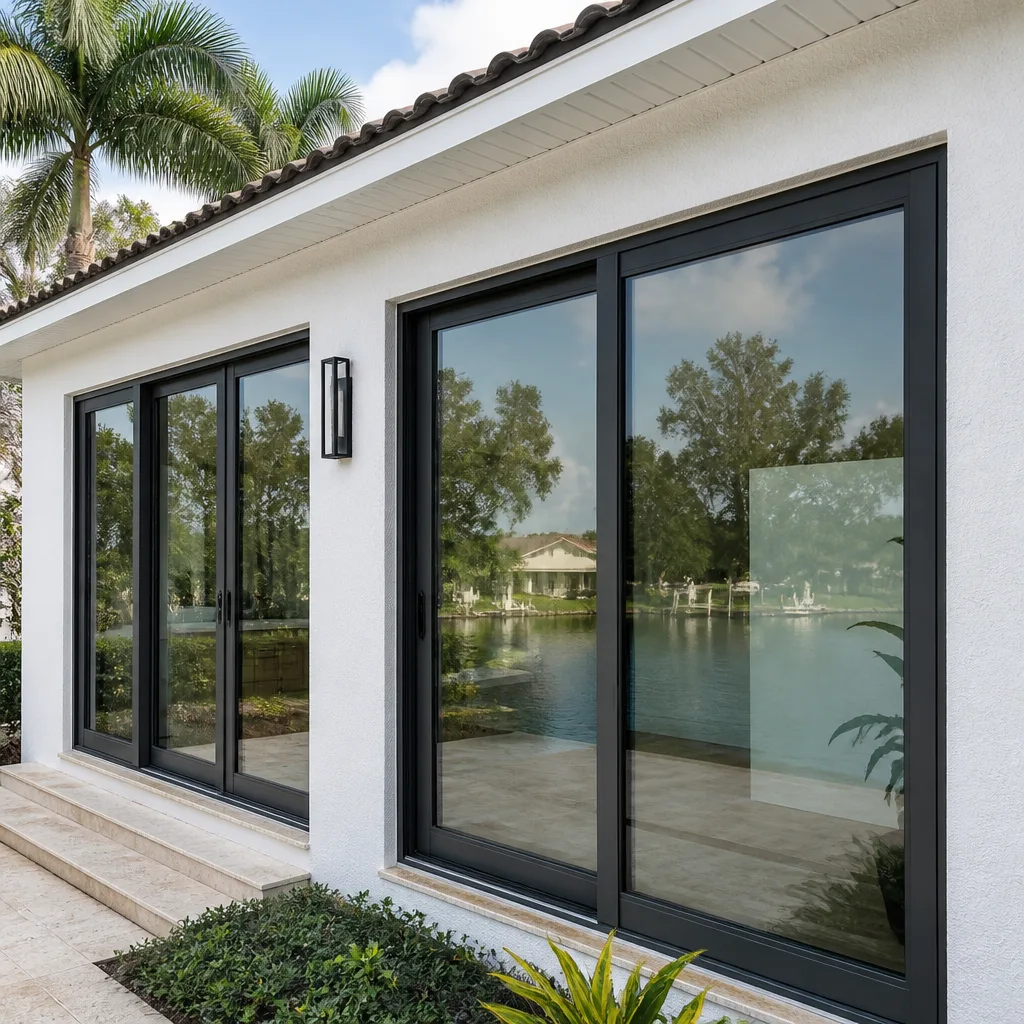
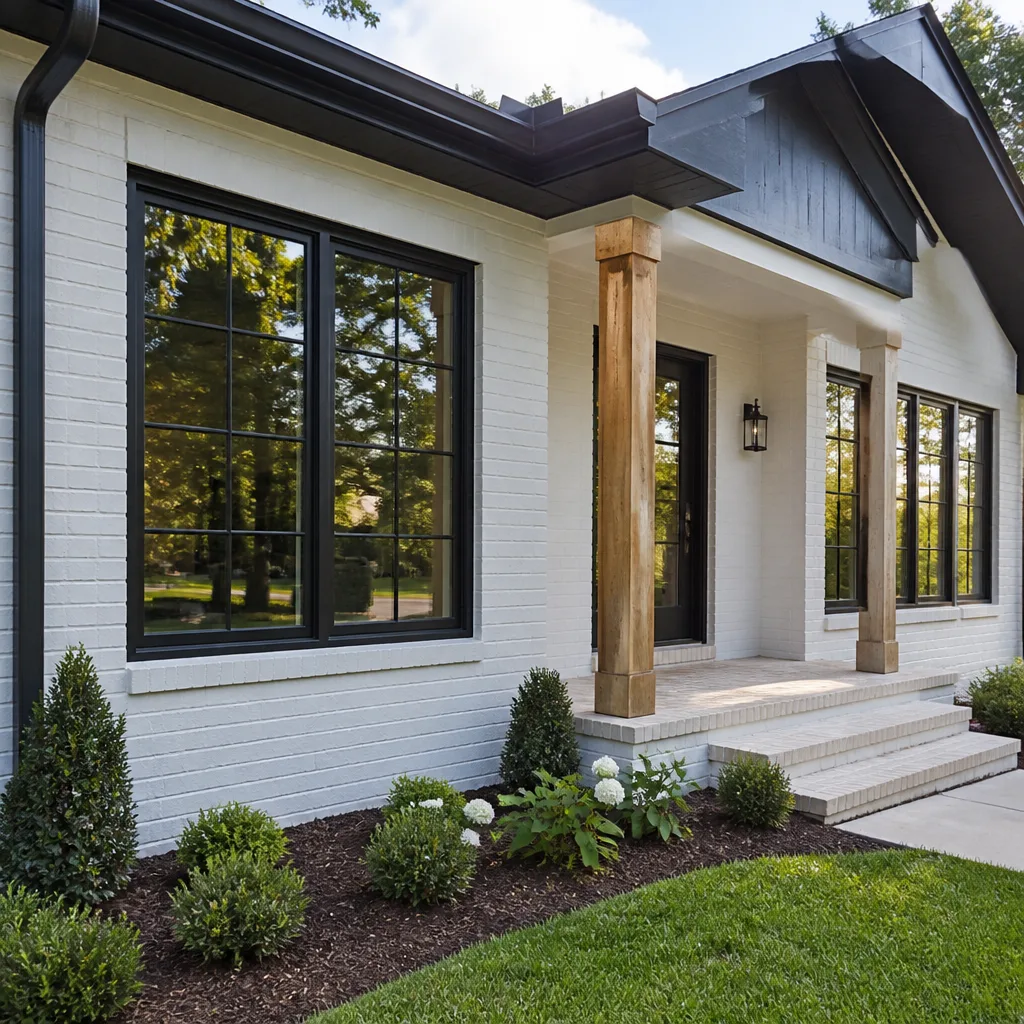
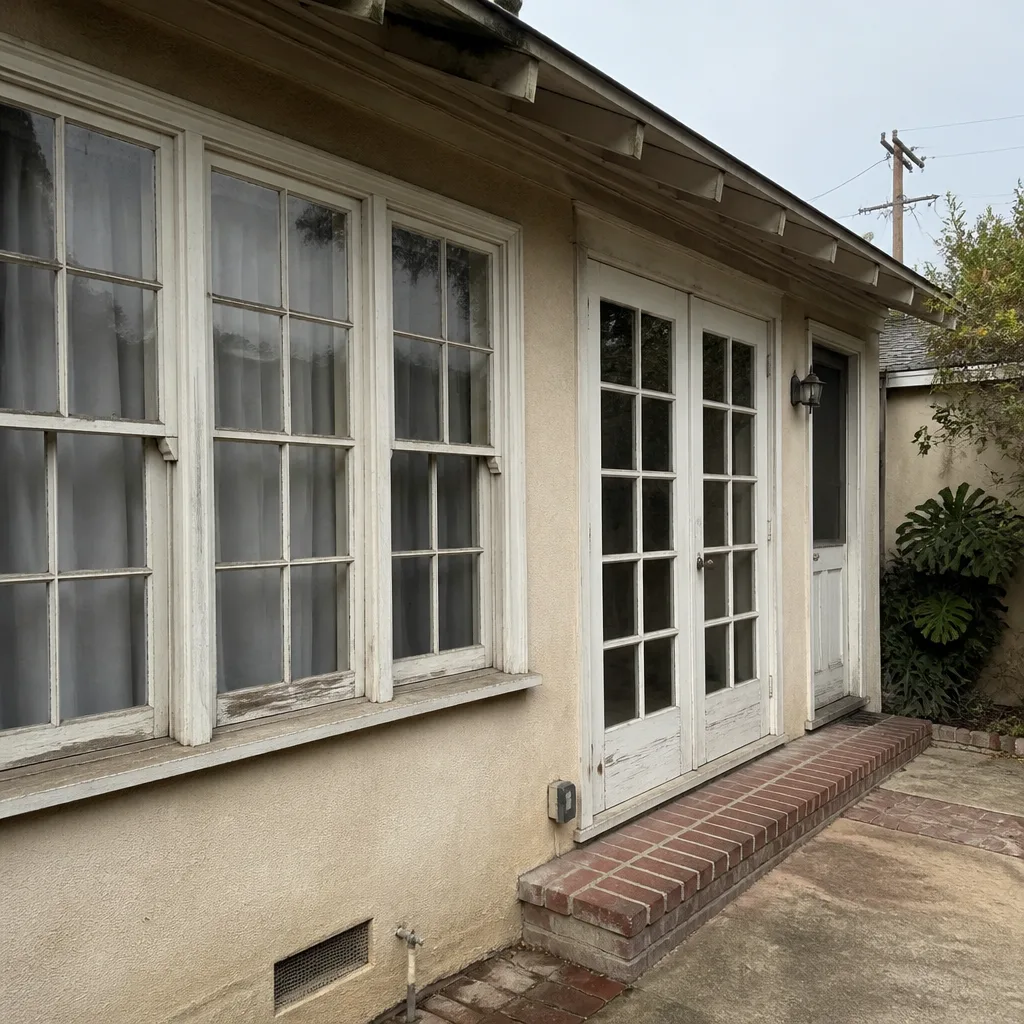 Before
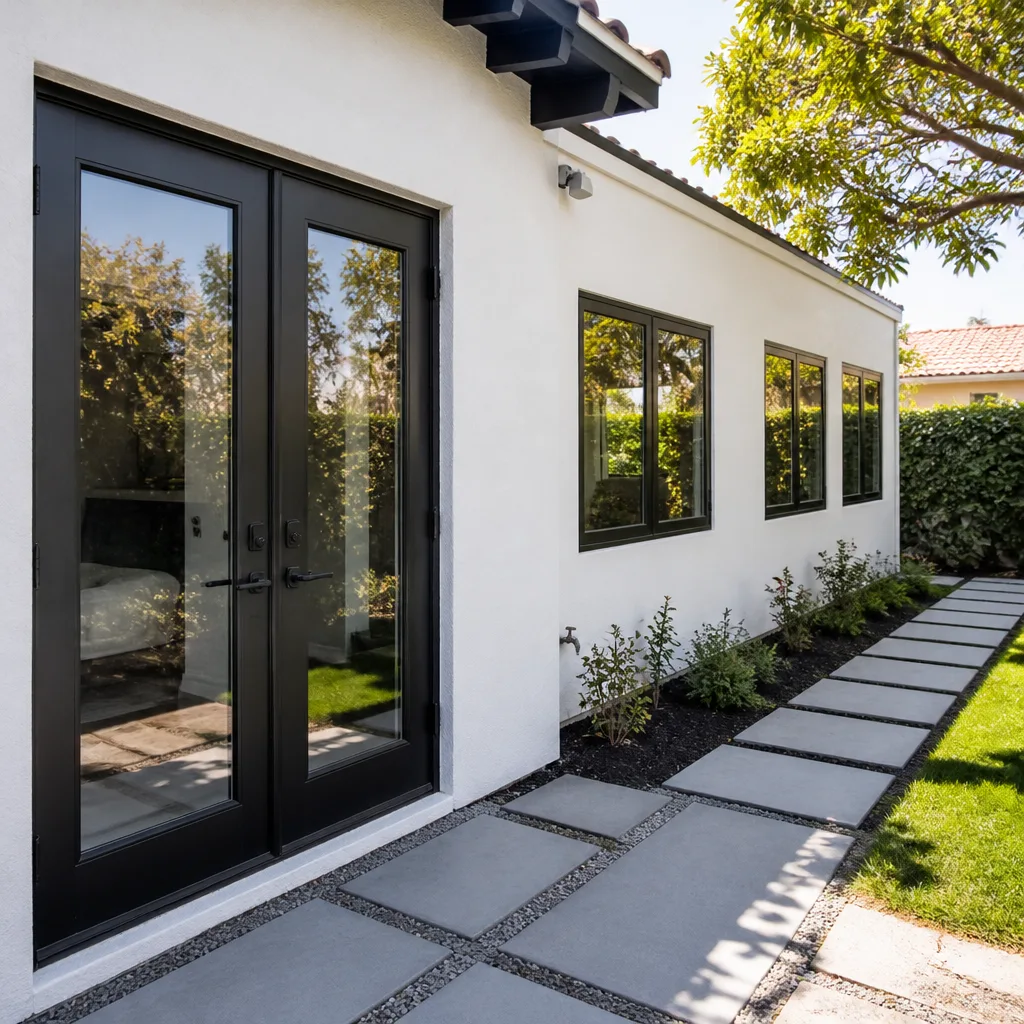 After
After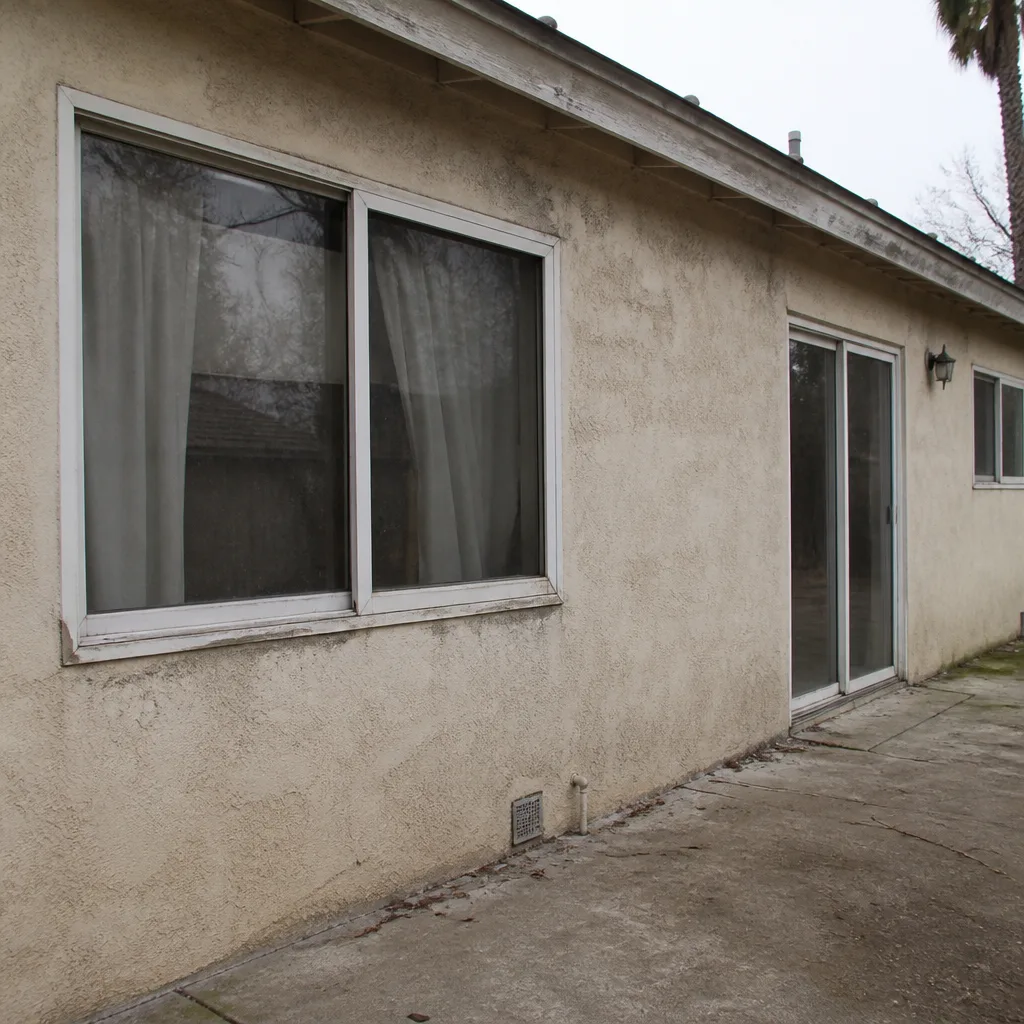 Before
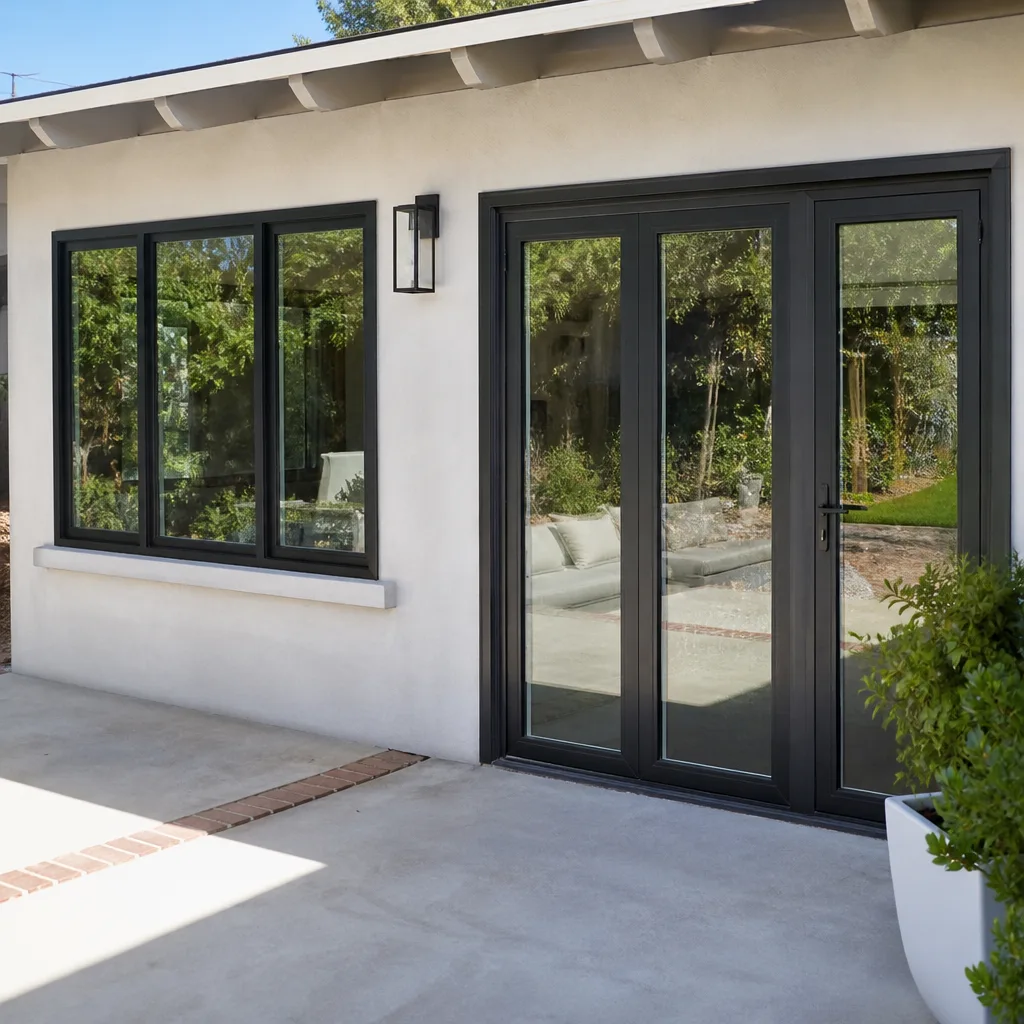 After
After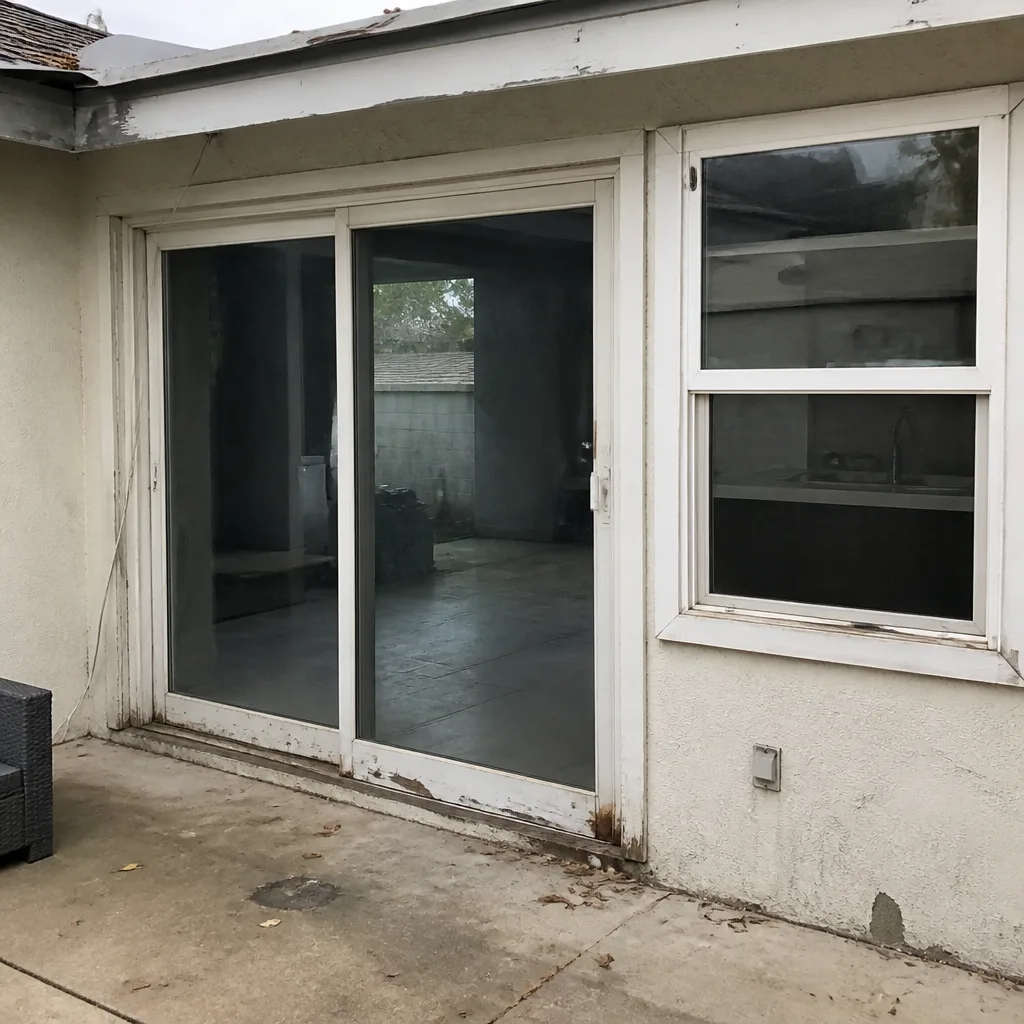 Before
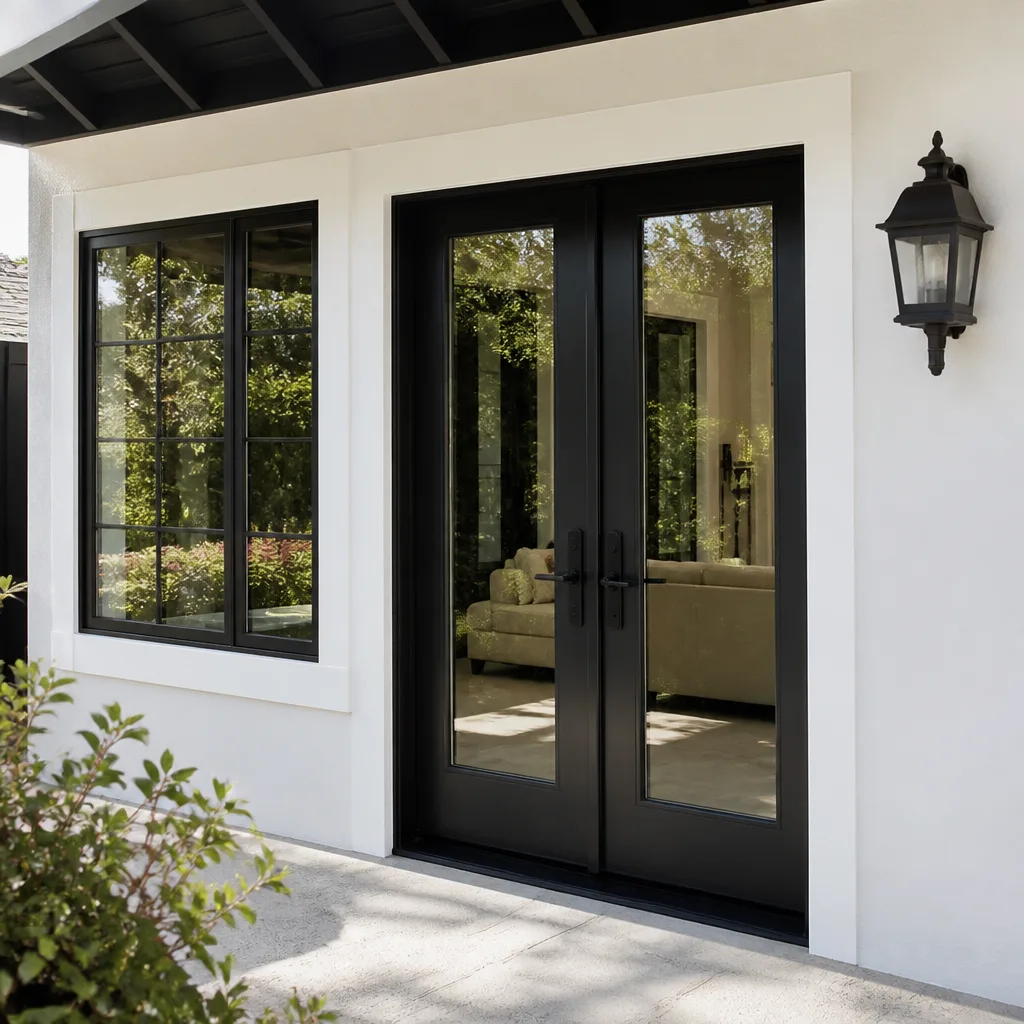 After
AfterWindows & Doors Permits, Codes & Inspections in CA: What You Need to Know
In California, replacing a window with a different-sized unit, changing the frame material, or adding an egress window in a bedroom all trigger a mandatory building permit, yet an estimated majority of these jobs in Los Angeles are completed without one, leaving the liability entirely with the homeowner. That liability stays quiet for years, then surfaces at resale when the title company pulls the property file and flags the bedroom window that was never signed off. This guide explains exactly when a permit is legally required in Los Angeles, how Title 24 compliance paperwork works, what happens if you get caught without one, and how to protect yourself before, during, and after the job. For more guides & resources, see our blog.
Quick Answer
In California, you generally do not need a building permit to swap a window or door for a like-for-like unit of the same size and same frame material, but you do need one when the rough opening changes size, the frame material changes, or you add a new opening. In the City of Los Angeles, permit applications go through the Department of Building and Safety (LADBS), and all replacement windows and exterior doors must meet Title 24 energy standards with CF1R and CF2R documentation. Unpermitted work at resale commonly forces retroactive permits, lender delays, or a price reduction negotiated against the seller.
Table of Contents
- When a Permit Is Legally Required in California
- Title 24, CF1R, and CF2R: The Paperwork Nobody Explains
- The City of Los Angeles vs. LA County Jurisdiction Split
- What Happens at Resale When Unpermitted Window Work Surfaces
- Retroactively Permitting Window Work: Step-by-Step
- Egress Code for Bedrooms: The Rule That Trips Most Homeowners
- What the Inspection Actually Covers in Los Angeles
- Common Mistakes to Avoid
- When to Call a Professional
- Frequently Asked Questions
When a Permit Is Legally Required in California
The California Building Code draws a clear line between a like-for-like replacement and an alteration. A like-for-like replacement means the new window or door fits into the existing rough opening without changing its dimensions, and the frame material stays the same. You do not need a permit for this work in most California jurisdictions, including Los Angeles, though you still need to meet energy code and install to manufacturer specifications. An alteration means anything that changes the structure around the opening: enlarging it, shrinking it, adding a new one, or removing the old frame entirely down to the studs. That work requires a permit.
The specific triggers that require a building permit for windows and doors in Los Angeles include:
- Changing the rough opening size – if the new window is wider, taller, narrower, or shorter than the old one and framing changes are needed, a permit is mandatory.
- Changing frame material – swapping a wood window for vinyl or aluminum means the new frame will not match the original installation method, which triggers a permit in the City of LA.
- Adding a new opening – cutting a hole in an exterior wall for a new window or door is structural work and always requires a permit plus an inspection.
- Bedroom egress changes – replacing a bedroom window with one that has a smaller clear opening than the original can violate egress code and requires a permit review.
- Structural repairs around the opening – if dry rot or termite damage has compromised the header, king studs, or sill, the repair work is structural and needs a permit.
The LADBS enforcement reality in Los Angeles is that permit and inspection requests for window replacements are not aggressively pursued for like-for-like work. But if a neighbor files a complaint, an insurance claim follows water intrusion from a new window, or a home sale triggers a file review, the missing permit becomes an immediate problem. In our experience across Los Angeles neighborhoods from Sherman Oaks to Long Beach, the homeowners who get caught are almost never the ones who intentionally skipped the permit. For a deeper look at common issues, see Windows & Doors Warning Signs: A Los Angeles Homeowner’s Reference Guide. They are the ones whose contractor told them “you don’t need one for this” without ever checking the actual code.
Title 24, CF1R, and CF2R: The Paperwork Nobody Explains
California’s Title 24 energy code applies to every replacement window and exterior door in the state, including Los Angeles. It requires that new products meet minimum energy performance standards, usually measured through U-factor (how well the unit resists heat flow) and SHGC, or Solar Heat Gain Coefficient (how well it blocks solar heat). Title 24 compliance is documented through two forms: CF1R and CF2R.
A CF1R is the projected compliance document. It is filed before or during installation and certifies that the products specified for the job meet the energy code based on the climate zone, which for most of Los Angeles is Climate Zone 6 or 9 depending on proximity to the coast. A CF2R is the installation verification document. It is completed after installation and certifies that the products actually installed match what was filed on the CF1R, including model numbers, glass coatings like low-E, and frame materials.
Here is who is responsible for each piece:
- The contractor or installer is responsible for selecting products that meet the code and for completing the CF1R and CF2R forms accurately.
- The homeowner is legally responsible for ensuring the forms exist and are kept on file. If a permit was pulled, the forms are part of the permit record. If no permit was required, the forms still must be kept for the life of the home.
- The product manufacturer provides the performance data (U-factor and SHGC ratings) that appear on the forms. Brands like PGT, Therma-Tru, and ViewLux publish these ratings for every product line.
If you sell your Los Angeles home and cannot produce CF1R and CF2R forms for windows installed during your ownership, the buyer’s lender may require a retrofit energy audit or a third-party HERS verification, which typically costs $250 to $600 in the LA market. That is a cost that lands on the seller in almost every transaction. Keeping the paperwork is not optional; it is part of protecting the value of the home.
The City of Los Angeles vs. LA County Jurisdiction Split
Los Angeles is not one permit jurisdiction. It is two entirely separate systems, and which one applies to your home depends on whether you live in the incorporated City of Los Angeles or in an unincorporated area of Los Angeles County. The distinction catches a surprising number of homeowners, because many addresses say “Los Angeles” while falling under County jurisdiction.
If your home is in the incorporated City of Los Angeles, which includes neighborhoods like Hollywood, Silver Lake, Westwood, Brentwood, Van Nuys, and San Pedro, your permits come from the Los Angeles Department of Building and Safety (LADBS). LADBS operates online through its e-Permit portal and allows express permits for certain types of window and door work, including like-for-like replacements when a permit is required for other reasons. If you’re selecting new products, our Choosing the Right Windows & Doors Brand: A Buyer’s Guide for Los Angeles can help.
If your home is in an unincorporated area of Los Angeles County, which includes communities like Altadena, East Los Angeles, Marina del Rey, Topanga, and parts of the San Fernando Valley near Universal City, your permits come from the LA County Department of Public Works Building and Safety Division. The County issues permits through the Los Angeles County e-Permit system and has its own inspection schedules and fee structures.
The code requirements are nearly identical, because both jurisdictions adopt the California Building Code and Title 24 energy standards. But the filing process, fee amounts, and inspection turnaround times differ enough that we always confirm the jurisdiction before we begin any window or door job in the Los Angeles area. A Googled answer that applies to the City of LA may not apply in Altadena. When in doubt, check your property tax bill; it names the taxing jurisdiction, and that tells you which building department governs your address.
What Happens at Resale When Unpermitted Window Work Surfaces
The discovery usually happens during escrow, when the title company or the buyer’s lender runs a permit history check against the property and notices that the current window layout does not match the last permitted set of plans. This is the most common moment unpermitted window and door work is exposed in Los Angeles. The homeowner often had no idea the installer skipped the permit years earlier.
The consequences tend to follow a pattern:
- Lender rejection or delay. Many conventional lenders, and almost all FHA and VA lenders, will not fund a loan on a property with unpermitted work that affects safety or structure. The closing stalls while the seller resolves the issue.
- Retroactive permit costs. The seller must file a permit after the fact. In the City of Los Angeles, retroactive window and door permits are typically 2 to 3 times the original permit fee, and filing often requires a current inspection that may fail if the work does not meet current code.
- Negotiated price reductions. If the seller cannot resolve the permit quickly, the buyer commonly demands a price concession. In the Los Angeles market, we have seen unpermitted window work reduce final sale prices by $5,000 to $15,000, depending on the scope and the buyer’s urgency.
- Failed inspection repairs. A retroactive inspection may reveal that the installed windows fail egress code or energy code, forcing the replacement of windows that have been in the wall for years.
- Sale cancellation. In rare cases, the buyer walks. This is more common when the unpermitted work includes structural changes around the opening, not just a window swap.
The homeowner’s protection is documentation. If you have a permit for every alteration and CF1R/CF2R forms for every replacement, the resale process is quiet and fast. If you do not, the liability sits with you. No buyer absorbs it willingly.
Retroactively Permitting Window Work: Step-by-Step
If you discover that a previous owner replaced windows or doors without a permit, or if a contractor did unpermitted work on your Los Angeles home, the fix is not as bad as it sounds. The process is well-defined, and you can usually complete it in 2 to 6 weeks depending on inspection scheduling.
Here is the step-by-step path for retroactively permitting window work in the City of Los Angeles, with the same general flow applying in LA County:
- Confirm the jurisdiction. Check your property tax bill or search your address on the LADBS or LA County DPW portal to determine which building department governs your home.
- Gather any existing documentation. If the previous owner left paperwork, invoices, or product stickers, collect them. Model numbers help the building department verify whether the installed units meet current code.
- File an application for a permit. For the City of Los Angeles, file through the LADBS e-Permit system. For unincorporated areas, file through the LA County e-Permit portal. The permit type for most window and door work is a building permit for alterations.
- Submit plans if required. If the work involved a changed rough opening or a new opening, you will need drawings showing the current as-built condition. A licensed contractor or draftsperson can prepare these.
- Prepare for the inspection. The inspector will check that the installed windows meet egress code (where applicable), energy code, and structural code at the opening. If the existing work fails, you will need to correct it before the permit is signed off.
- Obtain the sign-off. Once the inspection passes, the building department closes the permit and the work is officially permitted retroactively. Keep the final signed permit with your home records.
The retroactive permit fee in the City of Los Angeles for window and door work typically runs between $200 and $600 depending on the number of openings and the permit valuation. That is almost always less than the price reduction a buyer will demand if the issue is left unresolved at resale.
Egress Code for Bedrooms: The Rule That Trips Most Homeowners
California Building Code requires that every sleeping room have at least one operable emergency escape and rescue opening, commonly called an egress window. The minimum clear opening is 5.7 square feet, with a minimum clear opening height of 24 inches and a minimum clear opening width of 20 inches, and the sill height must be no more than 44 inches above the floor. In Los Angeles, the same standard applies citywide and countywide.
The most common mistake we see in Los Angeles homes is a bedroom window replaced with a unit that has a smaller clear opening than the original. The homeowner wanted a slider instead of a casement, or a picture window instead of a double-hung, and the new unit no longer meets egress. If that replacement was done without a permit, the issue hides until resale. If it was done with a permit, the inspector catches it before the job is signed off. Either way, the window has to be changed, because no inspector will sign off on a bedroom without egress, and no buyer’s lender will fund a loan on one.
Egress applies only to sleeping rooms. Living rooms, kitchens, bathrooms, and hallways do not have the same requirement. But in Los Angeles homes, where garages, dens, and bonus rooms are frequently converted to sleeping use, the classification of the room matters. If the room is listed as a bedroom on the property records or is being used as one, egress applies. If the room is an office or a den, it does not. The rule is use-based, not location-based.
What the Inspection Actually Covers in Los Angeles
When you pull a permit for window or door work in the City of Los Angeles, the inspection is not a formality. LADBS inspectors check specific things, and knowing what they look for helps you prepare the job so it passes the first time.
Here is what the window and door inspection typically includes:
- Flashing and weatherproofing. The inspector verifies that the opening is flashed correctly to prevent water intrusion, particularly where the new window meets the sheathing and the exterior finish. In Los Angeles, where winter rains concentrate water flow around window penetrations, this is a primary failure point.
- Fastening and anchoring. The frame must be anchored to the rough opening per the manufacturer’s specifications, with the correct type and spacing of fasteners.
- Structural integrity of the opening. The header, king studs, trimmer studs, and sill must be intact and correctly sized for the span. If rot or termite damage was repaired, the repair itself is part of the inspection.
- Egress compliance. For bedroom windows, the inspector measures the clear opening and the sill height against the code minimums.
- Energy code compliance. The inspector verifies that the installed units match the CF1R and that the CF2R forms are completed and available on site.
- Hardware and operation. The window or door must open, close, and latch correctly. Exit doors must meet hardware and swing requirements under California code.
If any item fails, the inspector writes a correction notice, and you resolve it before a re-inspection is scheduled. Re-inspection fees in the City of LA typically run $50 to $150 depending on the inspector’s office. Passing the first time is mostly a function of hiring an installer who knows the California code and the Los Angeles inspection culture, which is its own thing, and who does not rush the flashing or the framing.
Common Mistakes to Avoid
- Trusting a contractor who says “you don’t need a permit” without checking. Many installers in the Los Angeles market skip permits to save time and cost, and the liability lands on you. Verify the permit requirement yourself through LADBS or LA County DPW.
- Throwing away the paperwork. CF1R, CF2R, and permit sign-offs are part of your home’s permanent record. If you lose them, you will pay for energy audits at resale. Keep them with your property file.
- Replacing a bedroom window without checking egress. The new unit must meet the 5.7-square-foot clear opening standard. Smaller is not acceptable, and changing it later means buying another window.
- Ignoring the jurisdiction split. City of LA and unincorporated LA County have separate permit systems. Filing in the wrong one wastes weeks and forces a refile.
- Skipping the flashing inspection. In Los Angeles, water intrusion around windows is one of the most common sources of homeowner insurance claims. The flashing detail matters as much as the window itself.
- Assuming the buyer will absorb the risk. In the current Los Angeles market, buyers and their lenders are flagging unpermitted work more aggressively than ever. The seller absorbs the cost, not the buyer.
- Using a general contractor for window-specific code questions. Window and door code compliance, Title 24 paperwork, and egress calculations are specialized. A general remodeler who does a few windows a year often does not know them cold.
When to Call a Professional
Call a professional when the work involves anything beyond a true like-for-like swap: a changed opening size, a new opening, a bedroom egress change, or a retrofit after years of water damage. For front door projects specifically, see The Complete Front Door Replacement Guide for Los Angeles Homeowners. Also call when the paperwork is missing. If you cannot produce permits or Title 24 forms for windows replaced during your ownership, a specialist can assess what is needed and handle the retroactive filing before the home hits the market. And call if you simply do not want to manage the inspection process yourself. In Los Angeles, Hale Windows & Doors works with homeowners across the city and county to handle permits, code compliance, and the inspection process from start to finish. We offer free estimates, and every estimate includes a written price before any work begins. Call (252) 675-6980 to schedule yours.
Frequently Asked Questions
You do not need a permit for a like-for-like replacement that keeps the same rough opening size and frame material, but you do need one for any change to the opening size, frame material, or structural work around the opening. When in doubt, check your address against the LADBS or LA County DPW requirements. Call (252) 675-6980 if you want us to verify it for you, and the estimate is free.
Permit fees for window and door work in the City of Los Angeles typically run between $150 and $600 depending on the scope and the number of openings. Retroactive permits cost more, usually 2 to 3 times the standard fee. The cost of not having a permit at resale is usually far higher. Call (252) 675-6980 for a written estimate that includes all permit costs up front.
Title 24 is California’s energy code, and it applies to every replacement window and exterior door in the state. Compliance is documented with CF1R and CF2R forms, which must be kept for the life of the home. Missing forms at resale typically mean a retrofit energy audit at the seller’s expense.
Yes, when a permit is pulled, the inspector comes to the home and checks flashing, anchoring, structural integrity at the opening, egress compliance for bedrooms, and energy code documentation. A failed inspection means a correction notice and a re-inspection fee. We prepare every job to pass the first time.
You inherit the liability. The fix is a retroactive permit through LADBS or LA County DPW, followed by an inspection of the existing work. If the work meets current code, the permit is signed off. If it does not, you correct it before the permit closes. We handle retroactive permits for Los Angeles homeowners regularly.
The contractor or installer typically files both forms, but the homeowner is legally responsible for ensuring they exist and are kept on file. If your installer cannot produce them, that is a red flag. Ask for copies with your final invoice. Call (252) 675-6980 if you need help recovering missing paperwork, and the estimate is free.
The Bottom Line
Permits for windows and doors in California come down to a simple test: like-for-like replacement generally does not need one, and anything that changes the opening, the frame, or the structure does. Title 24 energy compliance applies to everything, and the CF1R and CF2R paperwork matters as much as the permit itself. In Los Angeles, where the City and County run separate permit systems and where resale scrutiny is aggressive, unpermitted work is a financial liability that hides until it is expensive. The fix is documentation and code compliance before the job, not after. If you are planning window or door work in Los Angeles, start with a written price and a clear answer on whether you need a permit. Hale Windows & Doors provides both. Call (252) 675-6980 to schedule a free estimate.
Written by Spencer Odell, Owner at Hale Windows & Doors, serving Los Angeles since 2009.