

Last updated October 9, 2026
Free in-home measure and quote - PGT, CGI and CWS impact lines compared on your actual openings, style by style
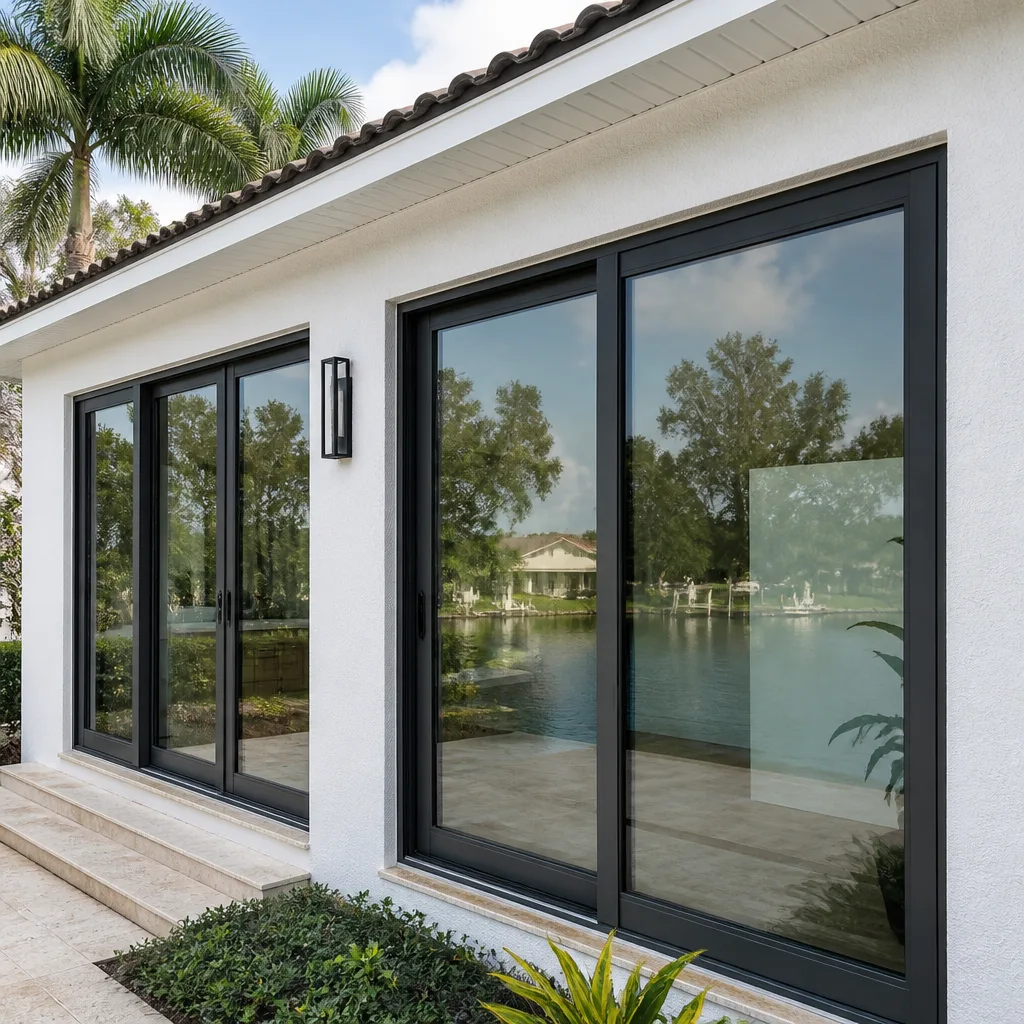
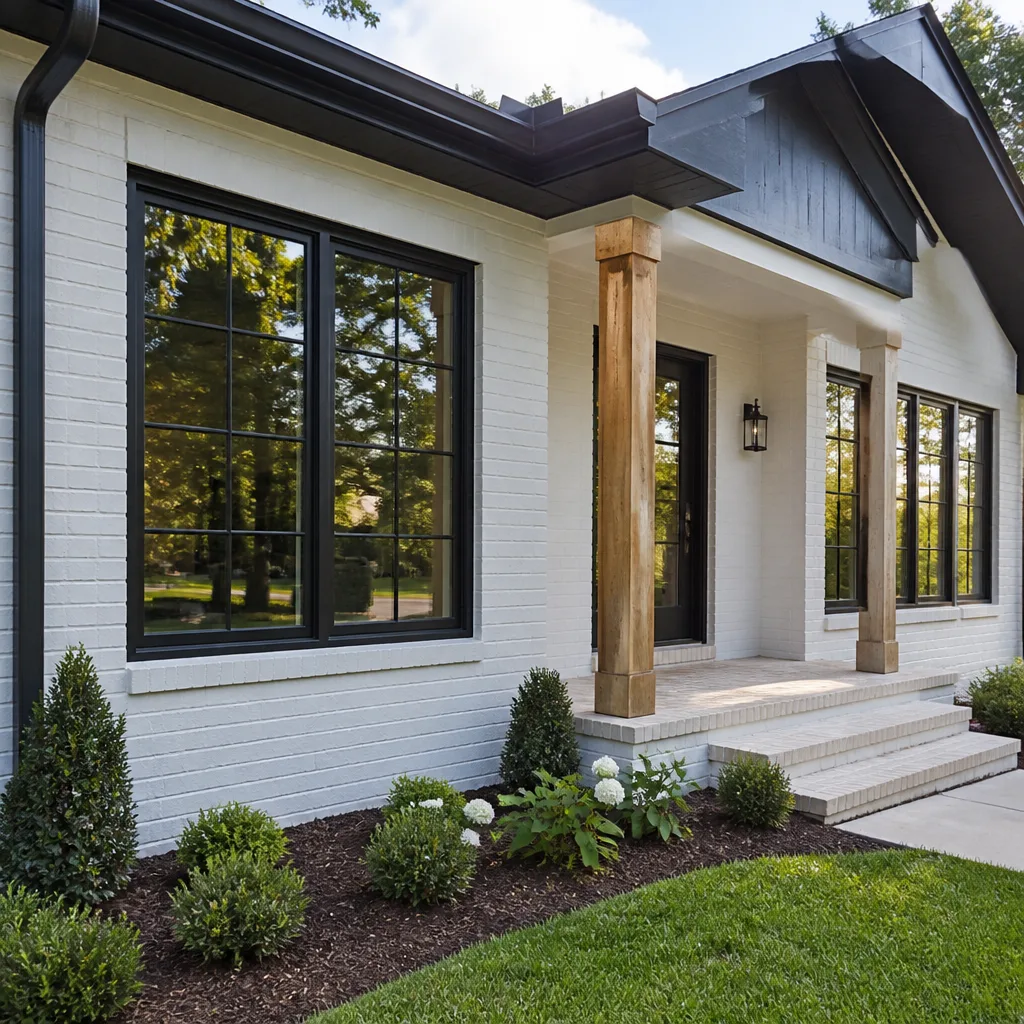
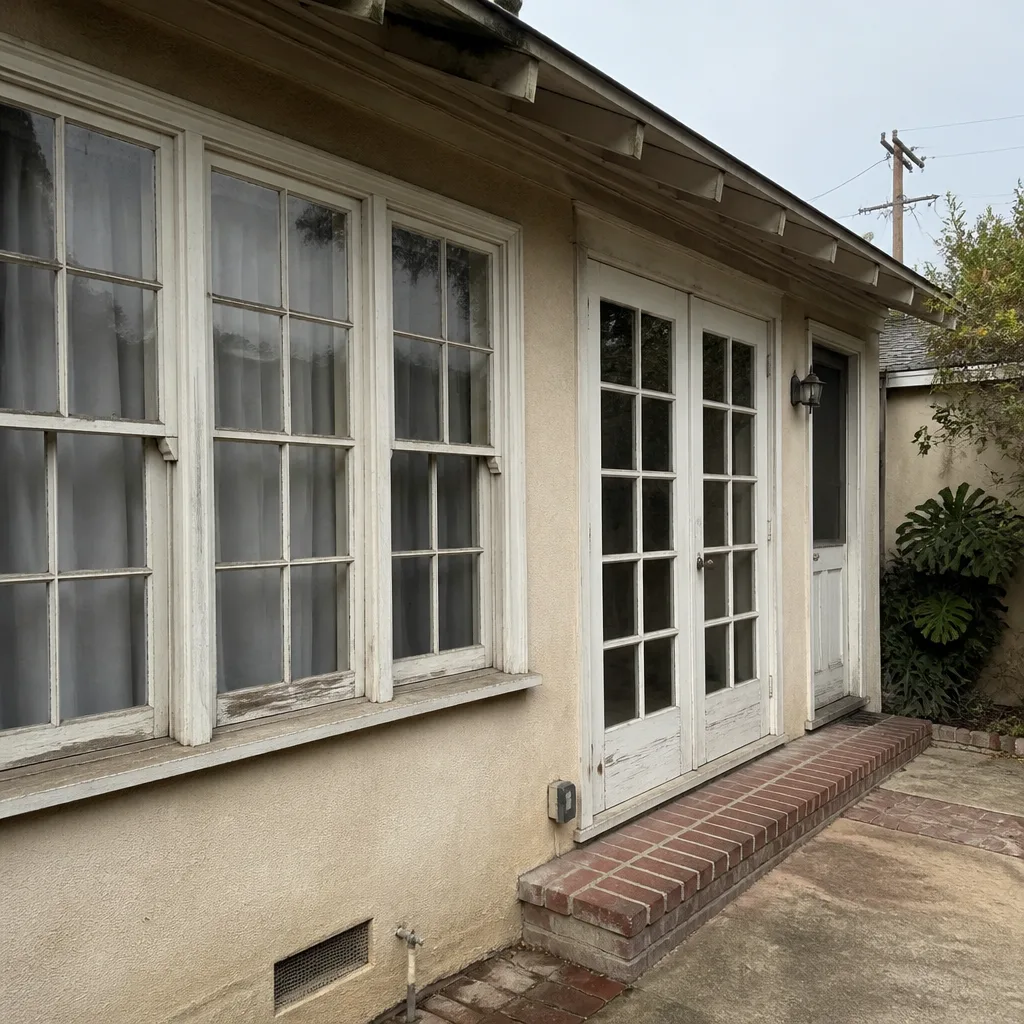 Before
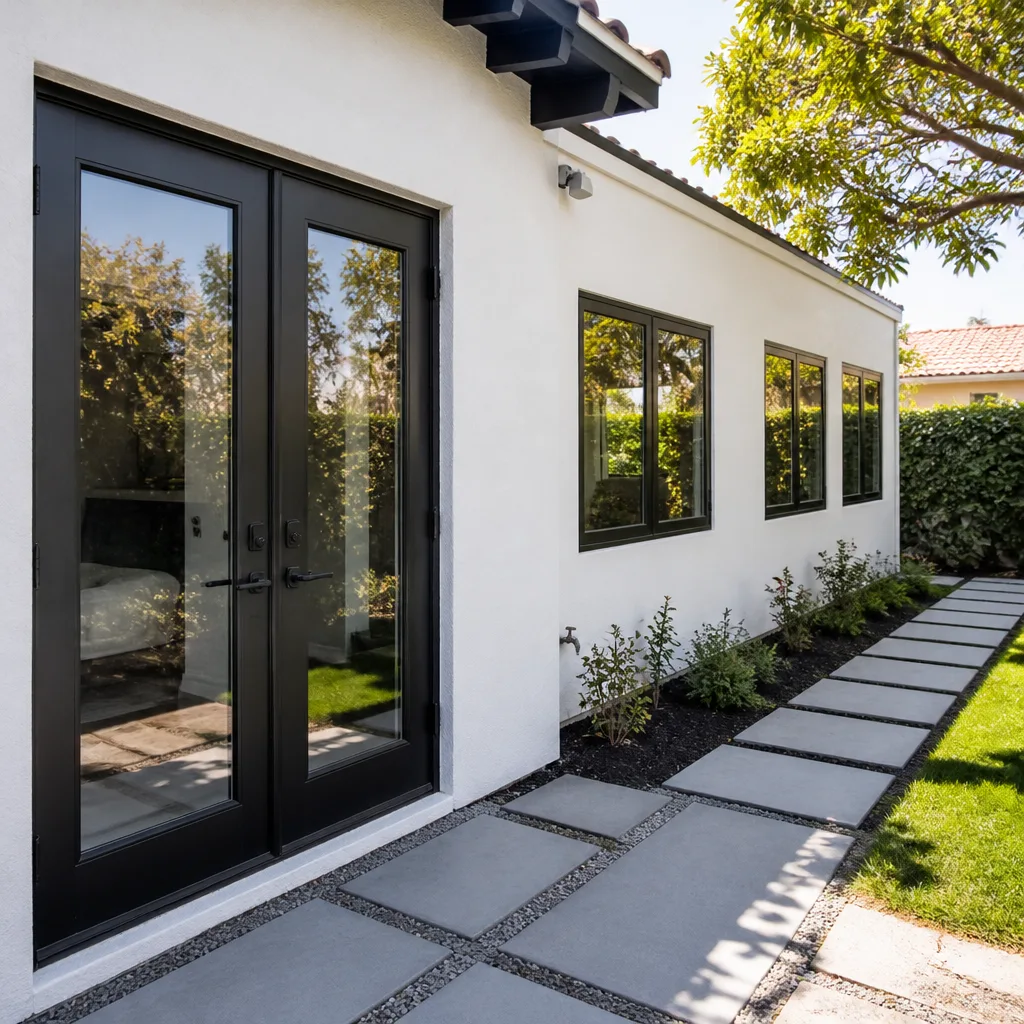 After
After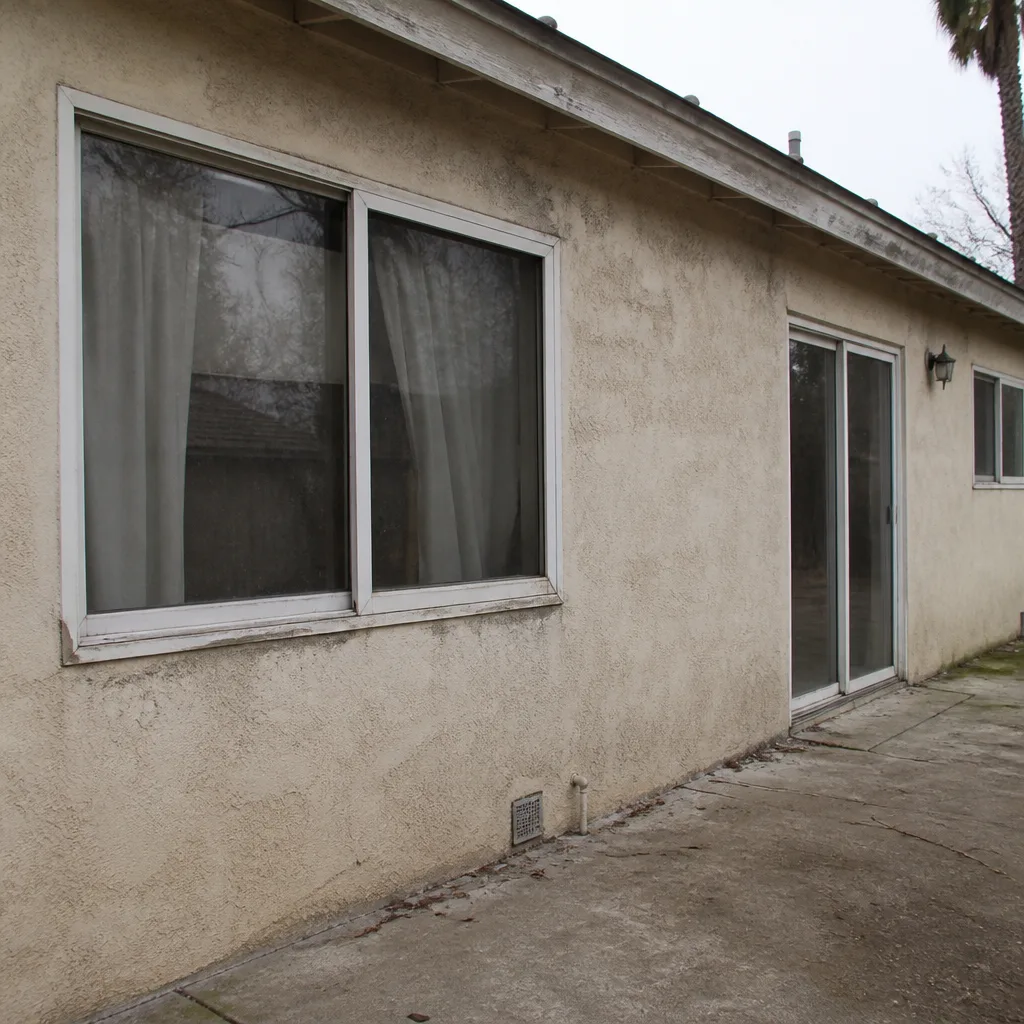 Before
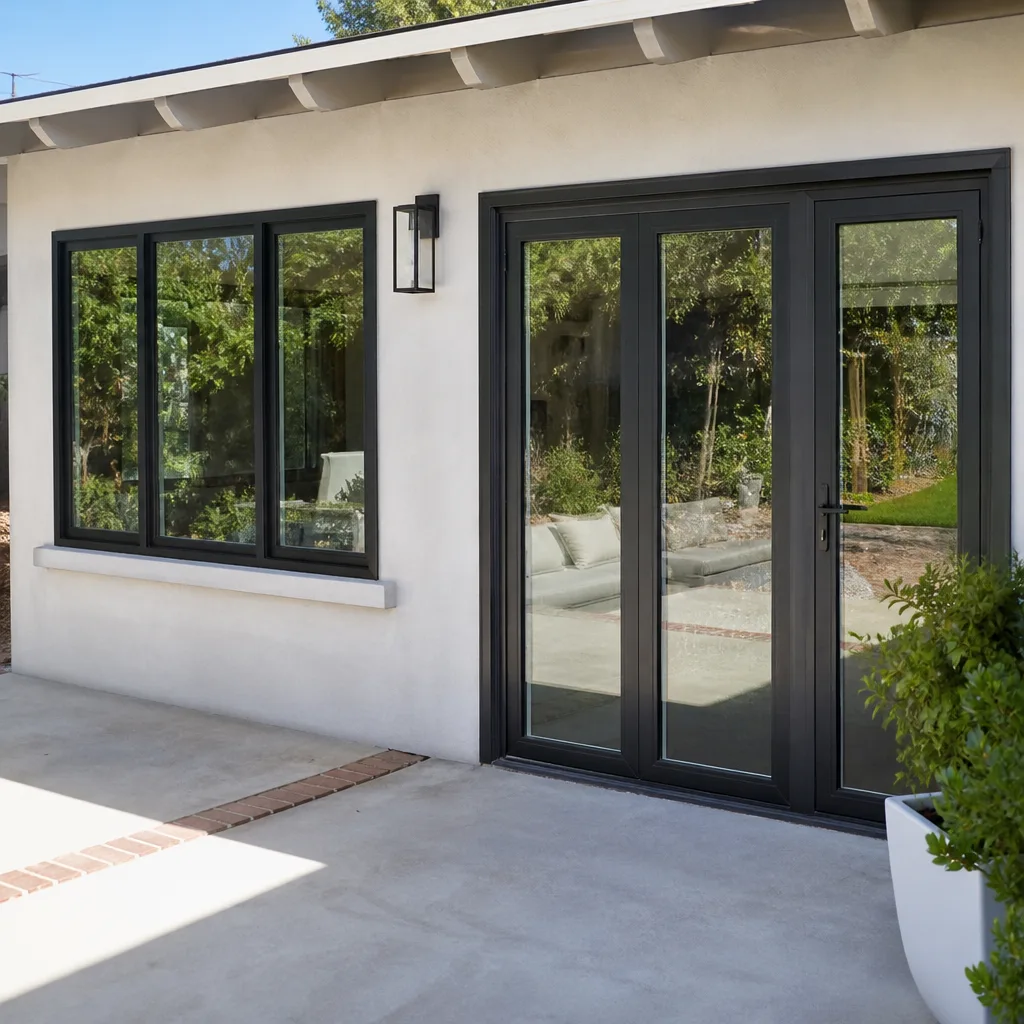 After
After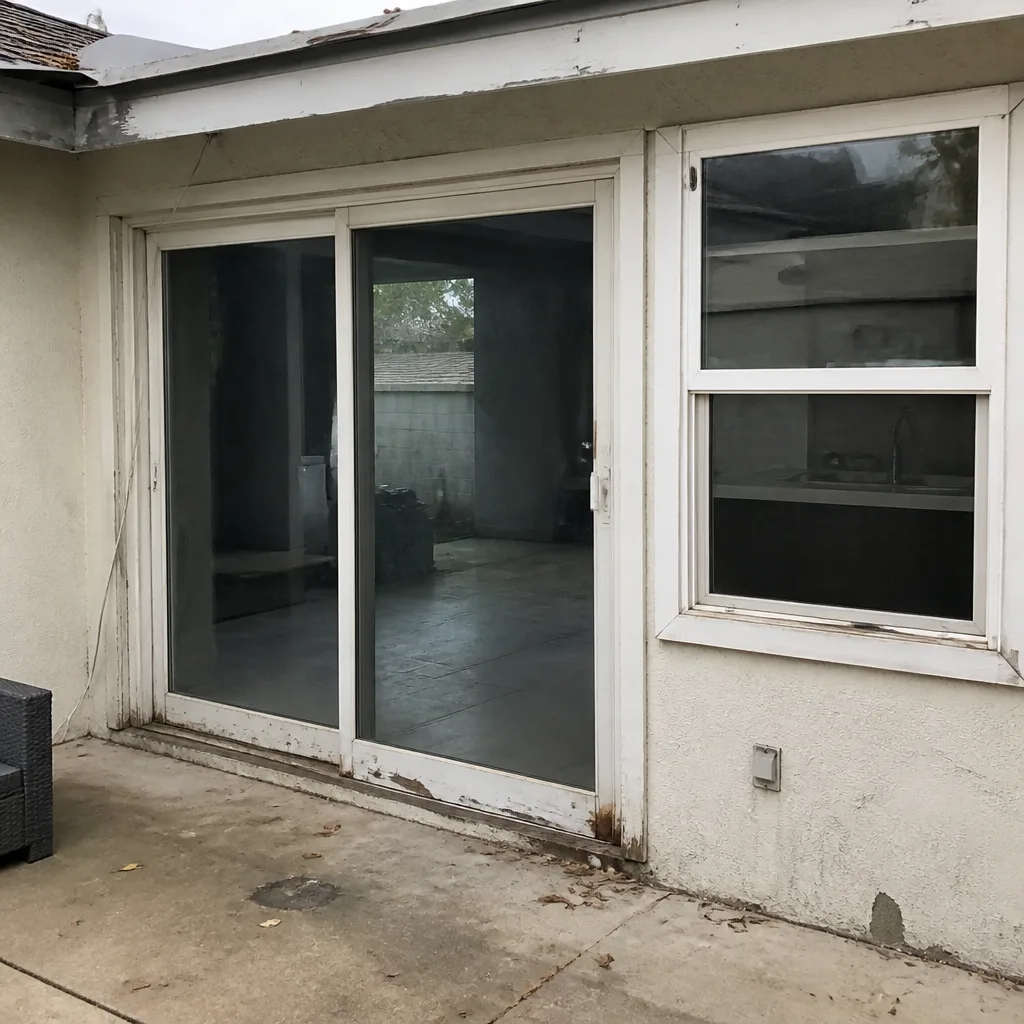 Before
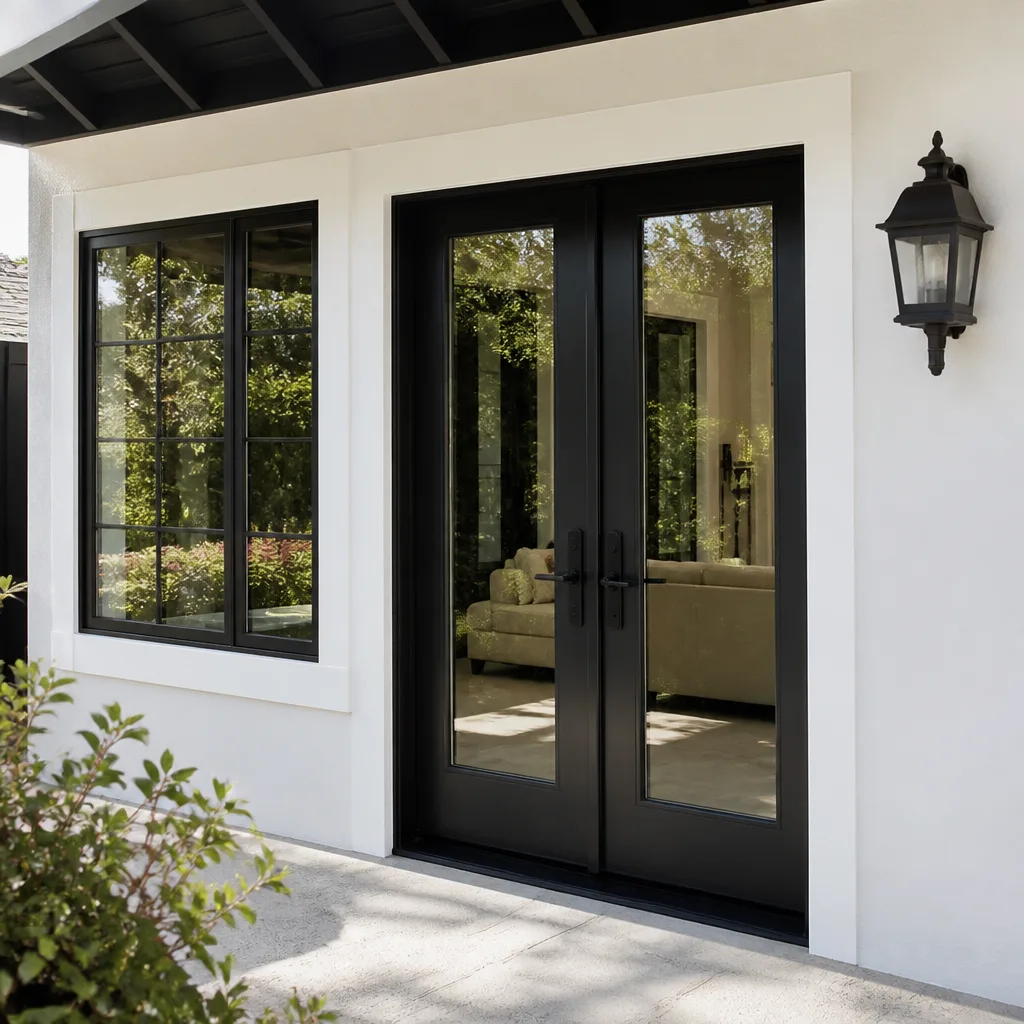 After
AfterWindows & Doors Warning Signs: A Los Angeles Homeowner’s Reference Guide
Most window and door failures in Los Angeles don’t happen suddenly. They announce themselves 12 to 24 months before they become expensive. The problem is that homeowners don’t know what they’re looking at. This guide pairs each visible symptom with its likely cause and a plain-English cost range, so you can triage what you’re seeing without sitting through a sales pitch. For a broader overview, see our Complete Guide to Windows & Doors in Los Angeles. If you live in Los Angeles, your windows and doors face a specific set of stresses: coastal salt air, hillside foundation movement, intense UV exposure, and stucco-to-frame interfaces that fail in predictable ways. You’ll learn to read those signs.
Quick Answer
The warning signs that matter most in Los Angeles are fogging between glass panes, windows that suddenly stick or won’t lock, drafts you can feel on calm days, water stains at frame corners, and white crusty deposits on stucco around window openings. Each of these points to a specific underlying cause, and most are fixable for $150 to $900 per window if caught early. The same symptom ignored for two years can become a $1,500-plus replacement.
Table of Contents
- Symptom-to-Cause Reference Table
- Cosmetic vs. Structural: How to Tell the Difference
- Los Angeles-Specific Warning Signs
- The Severity Scale: Monitor, Schedule, or Call This Week
- What to Tell a Contractor So You Get an Honest Diagnosis
- Common Mistakes to Avoid
- When to Call a Professional
- Frequently Asked Questions
Symptom-to-Cause Reference Table
Here is the core of this guide. Each symptom below is something we see regularly in Los Angeles homes, from Santa Monica bungalows to hillside properties in Echo Park and Mount Washington. The cause listed is the most likely root issue, not the only possibility.
Fogging or condensation between the glass panes
Likely cause: Failed seal on an insulated glass unit (IGU). The desiccant inside the spacer bar has become saturated, and the argon or krypton gas fill has escaped. Once the seal fails, the window’s insulating value drops and the fog will not dry out permanently.
What it means for your wallet: Replacing just the glass, not the whole frame, is possible on most window styles. In Los Angeles, glass-only replacement runs $175 to $450 per window depending on size and glass type. Whole-window replacement is $600 to $1,400 per opening, installed.
A window that suddenly sticks, rubs, or won’t close fully
Likely cause: Frame racking. A window that was fine last year and now binds at one corner is rarely a hardware failure. It’s usually the frame itself that has shifted, which in Los Angeles hillside homes often traces back to foundation settlement, expansive clay soils, or cumulative seismic movement from the many small earthquakes the region experiences.
What it means for your wallet: This one requires homework before window repair. If the frame has racked, fixing the window without addressing the structural cause means you’ll be back in the same spot in 18 months. A window assessment is often free. A structural engineer consultation, if needed, runs $400 to $800 in the LA area.
Drafts you can feel on a calm day
Likely cause: Weatherstripping compression or frame-to-wall seal failure. Weatherstrip materials degrade faster in Los Angeles than in milder climates because of UV exposure and the wide daily temperature swings in inland neighborhoods like the San Fernando Valley.
What it means for your wallet: Weatherstrip replacement is one of the least expensive fixes: $75 to $250 per window including labor. If the draft is coming from around the frame, not the sash, the caulking or flashing has failed and repair runs $150 to $500 per opening.
Water stains at the interior corners of the frame
Likely cause: Flashing failure or a clogged weep system. Windows are designed to let a small amount of water in and drain it out through weep holes at the sill. When those weeps clog, or when the flashing tape behind the stucco deteriorates, water finds the interior instead.
What it means for your wallet: Catching this early is a $200 to $600 repair. Catching it late means drywall replacement, mold remediation, and often a full window replacement at $1,200 to $2,500 per opening.
White crusty deposits (efflorescence) on stucco around window openings
Likely cause: Water is migrating through the stucco and dissolving salts, which crystallize on the surface. In Los Angeles, this is most common on homes built between 1960 and 1990, when stucco window flashing details were less robust than current building code requires. It’s a sign of chronic moisture, not a cosmetic blemish.
What it means for your wallet: Diagnosing the water path may require removing a small section of stucco. Repairs run $500 to $1,500 depending on how far the moisture has traveled behind the stucco.
Paint peeling on interior window sills or door frames
Likely cause: Condensation on the interior surface of the frame – or in severe cases, water ingress from outside. In coastal Los Angeles neighborhoods like Playa del Rey and San Pedro, salt-laden air accelerates paint failure on the exterior side as well.
What it means for your wallet: Interior peeling is a diagnosis trigger: figure out the moisture source before repainting. A basic inspection costs nothing from a reputable contractor. The underlying fix ranges from $150 (ventilation or weep adjustment) to $1,000-plus (flashing repair).
Cosmetic vs. Structural: How to Tell the Difference
Not every warning sign is an emergency. Here’s a practical way to separate the issues you can monitor from the ones that need attention now.
Cosmetic issues (monitor, don’t rush)
- Surface oxidation on aluminum frames: A chalky white powder on older aluminum windows is normal aging, especially within two miles of the coast. It looks bad but doesn’t affect performance. Replacement is aesthetic, not urgent.
- Minor weatherstrip compression: If the weatherstrip is flattened but the window still closes and locks without resistance, you’re fine for now. Replace when drafts become noticeable.
- Hairline cracks in stucco radiating from window corners: These are often cosmetic shrinkage cracks in the stucco itself. The test: if the crack is thinner than a credit card and hasn’t grown in six months, it’s likely not structural. Mark it with a pencil and check quarterly.
- Hardware finish wear: Faded or scratched lock finishes on doors and windows. Purely cosmetic.
Structural issues (schedule an assessment)
- Frame racking: The window binds, the latch no longer aligns, or you can see light between the sash and frame where the gap is wider at one corner. This means the frame itself has moved.
- Flashing failure: Water stains on interior drywall around any window or door opening. This is never cosmetic.
- Condensation between panes: A failed seal is a permanent change in the window’s performance. It won’t self-correct.
- Doors that no longer latch: A front door that used to latch and now doesn’t is the same category as a racked window. In Los Angeles hillside and canyon neighborhoods – Beachwood Canyon, Laurel Canyon, Silver Lake hills – this often appears after a heavy rain season when clay soils expand and shift.
- Visible daylight around a closed door: If you can see outside through the gap, so can the outside see in. That’s a security issue as much as an energy issue.
Los Angeles-Specific Warning Signs
Los Angeles is not one climate. It’s several. What you watch for depends on where you live, and knowing this helps you evaluate what a contractor tells you.
Coastal corrosion: within 3 miles of the ocean
In Venice, Marina del Rey, Playa del Rey, and San Pedro, salt-laden air attacks aluminum window frames aggressively. The warning sign is pitting: small, rough spots where the anodized or painted finish has been eaten through. Once pitting starts, the aluminum underneath corrodes, and the frame’s structural integrity declines. PGT and CGI both make impact-rated aluminum and vinyl frames designed for coastal exposure, which is why choosing the right windows & doors brand matters more at the beach than inland.
Hillside gap patterns: canyon and hillside neighborhoods
In hillside areas from Mount Washington to the Hollywood Hills, watch for doors and windows that go out of square during or after rainy seasons. The signature pattern: a door that tightens at the top latch side in winter and loosens in summer. That’s the underlying clay soil expanding and contracting. One season’s sticking is a warning. Two seasons is a reason to have the foundation and the window frames assessed. We’ve seen homes in Echo Park where every window on one elevation needed frame adjustment after a particularly wet winter.
Stucco efflorescence: scattered across LA’s mid-century housing stock
Los Angeles has tens of thousands of stucco-over-wood-frame homes built between 1950 and 1990. In those homes, white crusty deposits around window sills are one of the most under-diagnosed warning signs. It means water has been moving through the stucco and flashing for years, not weeks. If you see efflorescence on a window sill, the flashing behind the stucco has likely been compromised since long before you noticed.
UV fatigue in inland neighborhoods
In the San Fernando Valley, Glendale, and Pasadena, summer afternoon temperatures routinely exceed 100°F. Vinyl window frames and door sweeps age faster here than anywhere else in Los Angeles. The warning sign is brittleness: weatherstripping that cracks when you press it, or vinyl sash corners showing white stress marks. This is age and heat working together, and it’s predictable. Homeowners in Sherman Oaks and Studio City can expect to replace weatherstripping on south- and west-facing windows more frequently than their friends in Santa Monica.
The Severity Scale: Monitor, Schedule, or Call This Week
Here’s a practical triage tool we use when homeowners describe symptoms over the phone. It works because it matches urgency to cost.
Monitor (no action needed for 6 to 12 months)
- Minor surface oxidation on aluminum frames
- Hardware finish wear
- Hairline stucco cracks thinner than a credit card, not growing
- Typical cost if action is eventually needed: $75 to $250
Schedule within 90 days
- Weatherstripping that’s flattened or cracked (drafts are noticeable)
- Fogged glass on windows you don’t use often
- Doors that stick seasonally but still latch
- Minor water staining that appears only after heavy rain
- Typical cost range: $150 to $600 per opening
Call this week
- Windows that no longer lock or latch
- Water stains that persist or grow on interior walls
- Doors with visible daylight around the closed frame
- Any window or door on a hillside home that has shifted noticeably (Window repair in Los Angeles is typically faster and cheaper when frame alignment is the issue, before water gets involved)
- Fogging on primary living-area windows where visibility matters daily
- Typical cost range: $600 to $2,500 per opening, depending on whether repair or replacement is indicated
What to Tell a Contractor So You Get an Honest Diagnosis
The difference between a $200 repair and a $2,000 replacement often comes down to how the homeowner describes the problem. Here’s a script that works:
- Describe the symptom, not your theory. Say “I see white crusty deposits on the stucco below two second-floor windows” not “I think my flashing is bad.” Your job is to report what you observe. The contractor’s job is to diagnose the cause.
- Give the timeline. “This started about eight months ago and has gotten worse after the winter rains.” When a symptom started and whether it’s progressing are the two most useful diagnostic data points.
- Name the room and orientation. “It’s the southwest-facing window in the upstairs bedroom.” In Los Angeles, orientation matters. Southwest and west-facing openings get the most severe afternoon sun and weather.
- Ask what they’re checking, not just what they’ll charge. A honest contractor will explain the diagnostic step. If the first answer is “you need all new windows” before anyone has looked at the frames, the flashing, or the weep system, that’s a red flag. For a deeper look at what a proper replacement process should include, see our guide to window replacement in Los Angeles.
- Request the price in writing before work starts. Not a verbal estimate. A written price. If the contractor won’t put it on paper, don’t put them on your doorstep.
One more point that matters at home: if your front door is showing any of the symptoms above and you’re considering replacement, the same diagnostic discipline applies. A sagging slab, a failing threshold, or hardware that no longer aligns may be a repair or a full replacement depending on the door’s age and frame condition. We’ve written a separate reference for that decision at front door replacement in Los Angeles.
Common Mistakes to Avoid
- Ignoring a sticking window because “it still works.” A window that binds is telling you the frame has moved. The window still opens, so it’s easy to dismiss. But the force driving that frame movement won’t stop on its own, and the same force is working on every other window on that elevation.
- Replacing hardware on a racked frame. If the frame has shifted, a new lock or sash crank won’t fix the alignment. You’ll spend $100 to $200 on hardware and still have a window that doesn’t close right.
- Caulking over flashing failures. Exterior caulk is a sealant, not a water-diversion system. If water is getting behind the stucco, caulk on the surface just traps the moisture inside. That makes the problem worse, not better.
- Waiting until fogged glass blocks the view. A failed IGU seal doesn’t get better. It gets incrementally worse. Replacing one pane of glass at $200 to $400 today is the same procedure as replacing it at $400 to $600 in two years, except in two years the frame may have water damage from the failed seal too.
- Painting over peeling paint without finding the moisture source. Paint always fails at the point where moisture is getting in. Repainting without fixing the water path means repainting again in 18 months.
- Assuming coastal corrosion is just cosmetic. Pitting on aluminum frames near the ocean eventually compromises the frame’s strength. In a worst case, a corroded window frame can’t safely hold the glass. Replacement with a coastal-rated product line costs more, but doing it before water gets into the wall is the difference between a window job and a wall job.
- Calling a general contractor for a window diagnosis because it feels less specialized. A general contractor has a rotating cast of subs. A windows-and-doors specialist looks at frames, seals, glass, flashing, and hardware every single day. The diagnostic depth is different.
When to Call a Professional
Call a windows-and-doors specialist when you see any of the “schedule within 90 days” or “call this week” symptoms above, or when you’ve tried to figure out a water leak and can’t locate the source. Water intrusion around windows and doors is rarely obvious from the outside; it takes removing trim or testing with sprayed water to trace the actual path. The assessment should be free. The recommendation should make sense in plain language. And the price should be in writing before any work begins. Hale Windows & Doors offers free estimates throughout Los Angeles – call (252) 675-6980 to schedule one, or visit the Hale Windows & Doors home page to see what we cover.
Frequently Asked Questions
Glass-only replacement for a fogged insulated glass unit in Los Angeles typically runs $175 to $450 per window, depending on size, glass type, and whether the window is accessible from inside or requires ladder work. Whole-window replacement starts around $600 per opening. Call (252) 675-6980 for an exact quote – estimates are free.
Fogging from a failed window seal is generally considered wear and tear, not sudden damage, and most standard homeowners policies in California will not cover it. The exception is if the seal failure was caused by a covered event like a break-in, fire, or storm impact. Check your specific policy language before filing a claim.
In many Los Angeles hillside and valley neighborhoods, window frames shift slightly with soil moisture changes. Expansive clay soils swell during winter rains and shrink in summer, moving door and window frames just enough to cause seasonal binding. If it’s mild and seasonal, you can monitor it. If it’s worsening year over year, the frame alignment should be professionally assessed.
Replacing compressed weatherstripping is a manageable DIY fix if you can identify the right replacement material and the window is accessible safely from inside. But if the draft is coming from around the frame, not the sash, that’s a flashing or sealing failure that needs professional diagnosis. A misdiagnosed DIY repair can trap moisture and make the problem worse.
In the Los Angeles climate, aluminum-frame windows typically last 20 to 30 years, vinyl windows 25 to 40 years, and wood windows 20 to 30 years with consistent maintenance. Coastal exposure shortens those ranges by 5 to 10 years. Inland UV exposure shortens vinyl weatherstripping lifespan regardless of the window’s age.
Front door replacement in Los Angeles runs $1,200 to $4,500 installed, depending on door material, size, hardware, and whether the frame or threshold needs work. Plain steel doors start at the low end; fiberglass doors in the middle; custom wood doors at the high end. A written price before any work starts is the standard you should expect – call (252) 675-6980 for a free estimate.
The Bottom Line
Los Angeles homes send clear signals when windows and doors begin to fail. Fogged glass, seasonal sticking, drafts, water stains, and stucco efflorescence each point to a specific cause. Reading those signs correctly means the difference between a $200 repair and a $2,500 replacement. Monitor the cosmetic stuff, schedule the functional stuff within 90 days, and call this week for any window or door that won’t lock, leaks, or has shifted. Describe symptoms honestly, demand written pricing, and don’t let anyone sell you a full replacement before the frames, flashing, and weep systems have all been checked. That’s the whole game.
Written by Spencer Odell, Owner at Hale Windows & Doors, serving Los Angeles since 2009.